Shofar

The Ram Caught in the Thicket by Its Horns—Rosh Hashanah’s Shofar

The Ram Caught in the Thicket by Its Horns—Rosh Hashanah’s Shofar

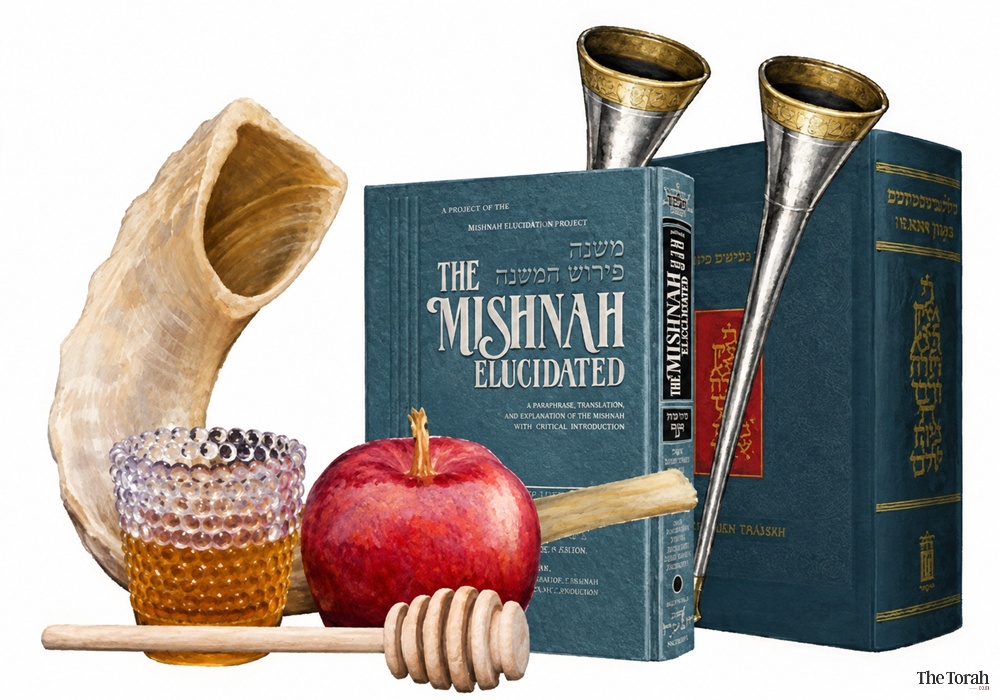
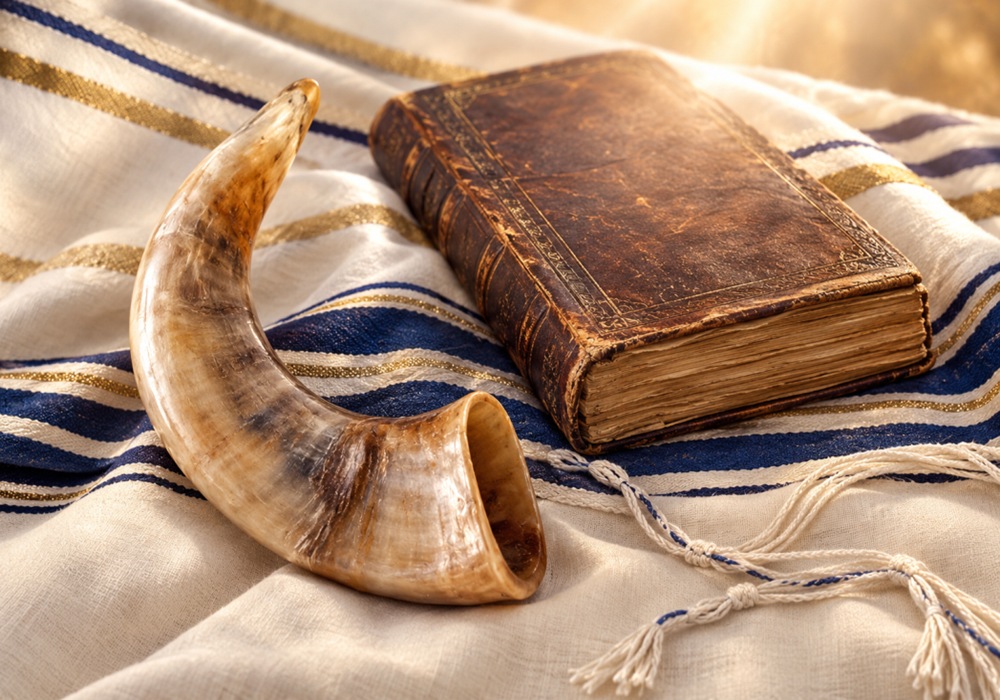
At the climax of the binding of Isaac, Abraham sees אַיִל אַחַר “a ram behind” (MT)... or does he see אַיִל אֶחָד “one ram” (SP, LXX, etc.)? Both readings are developed in midrash: aḥar into Israel’s future redemption through the shofar, eḥad into the primordial ram created for the Akedah—two paths that converge in the shofar of Rosh Hashanah.

Rosh Hashanah: The Original Meaning of Blowing a Teruah

Rosh Hashanah: The Original Meaning of Blowing a Teruah

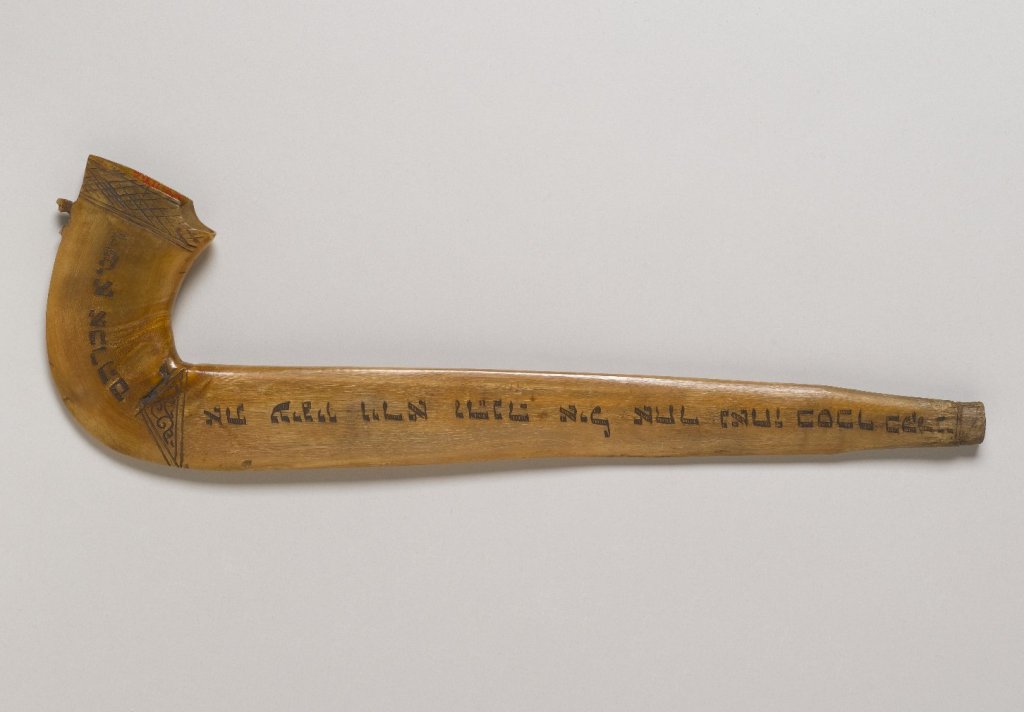
Rosh Hashanah in the Torah is described as a day of teruah, a reference to one of the two types of blasts: a regular horn blast (tekiah) and a teruah blast. Interpreters ancient and modern understand the distinction as differing in sound, length, or pitch, but the biblical description of the shofar blowing during the siege of Jericho implies that the nature of a teruah lies in the people’s response to the blast.