The Book of
The Book of




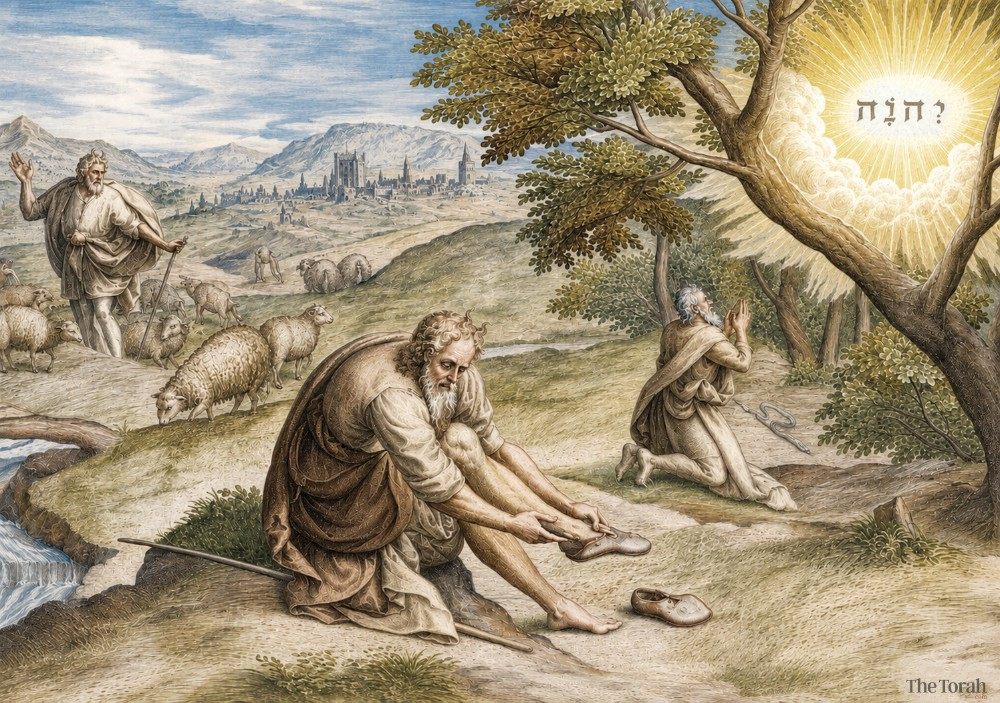
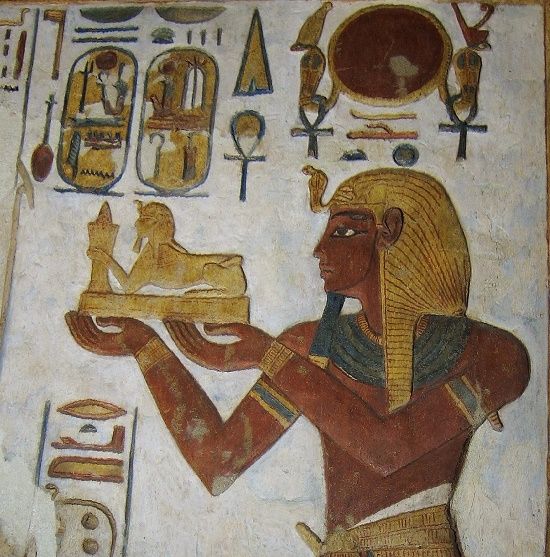
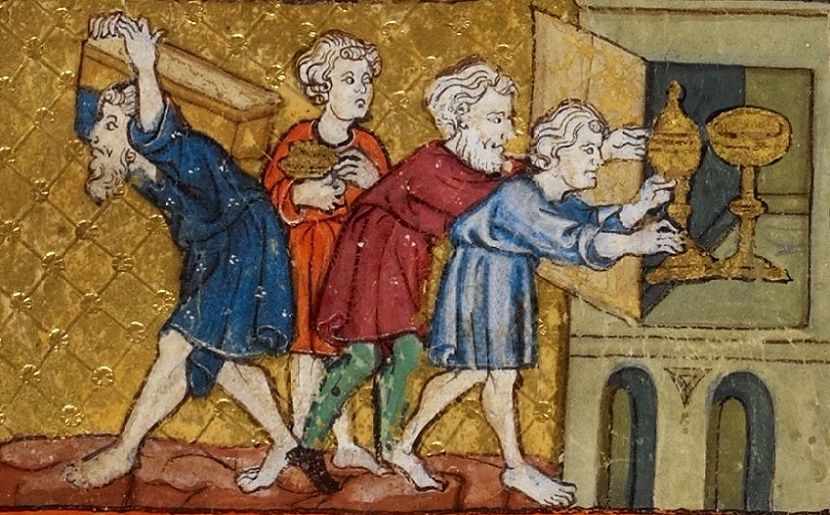

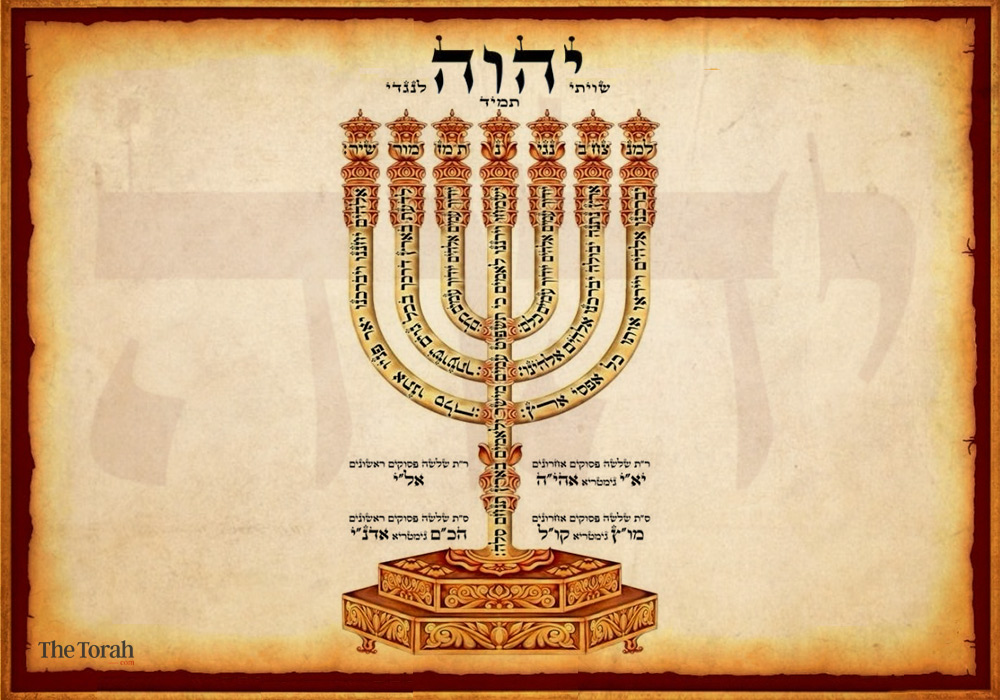







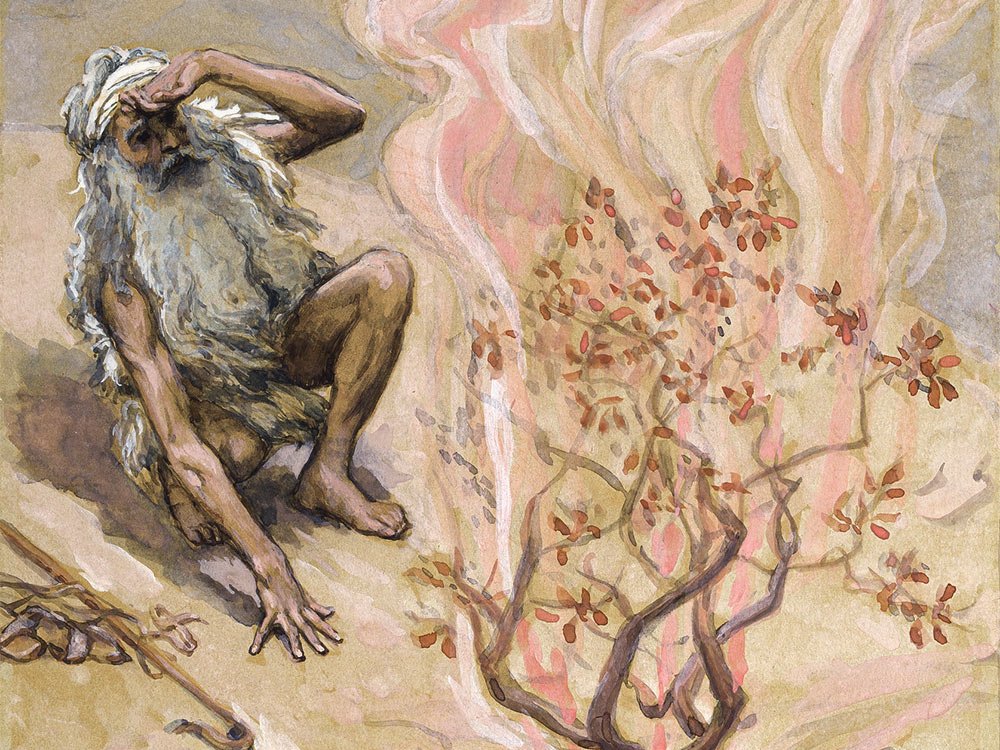
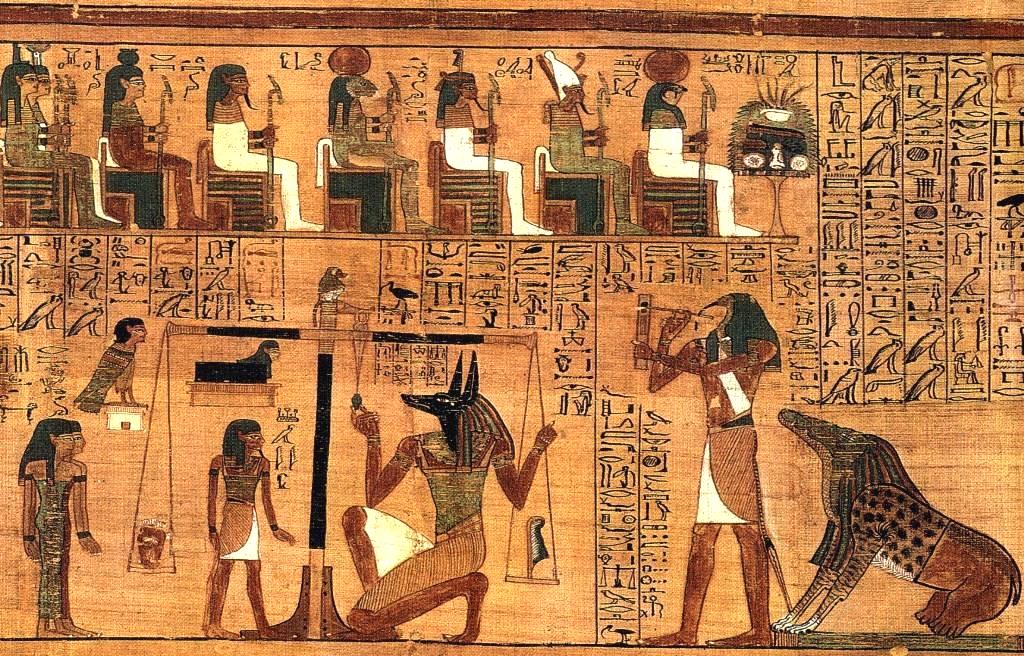
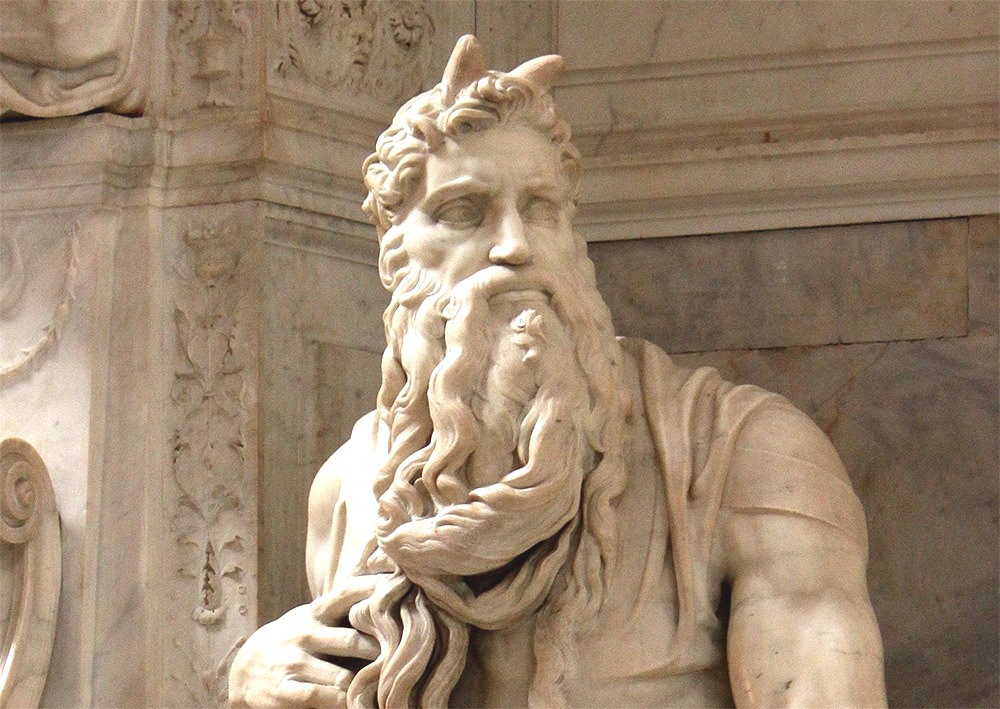









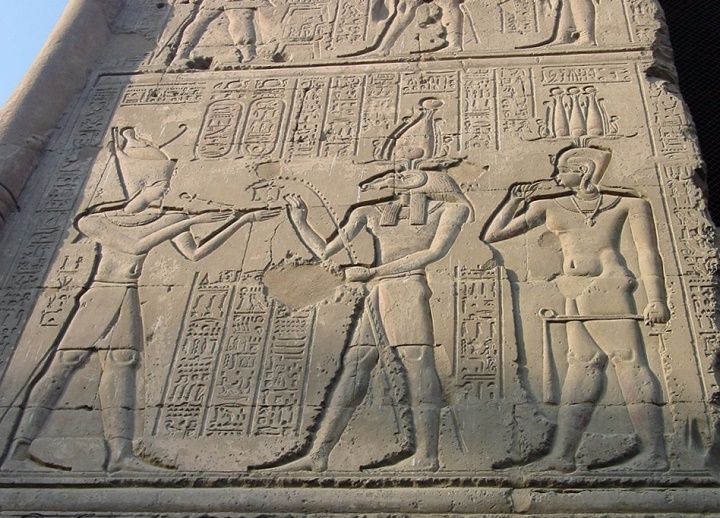
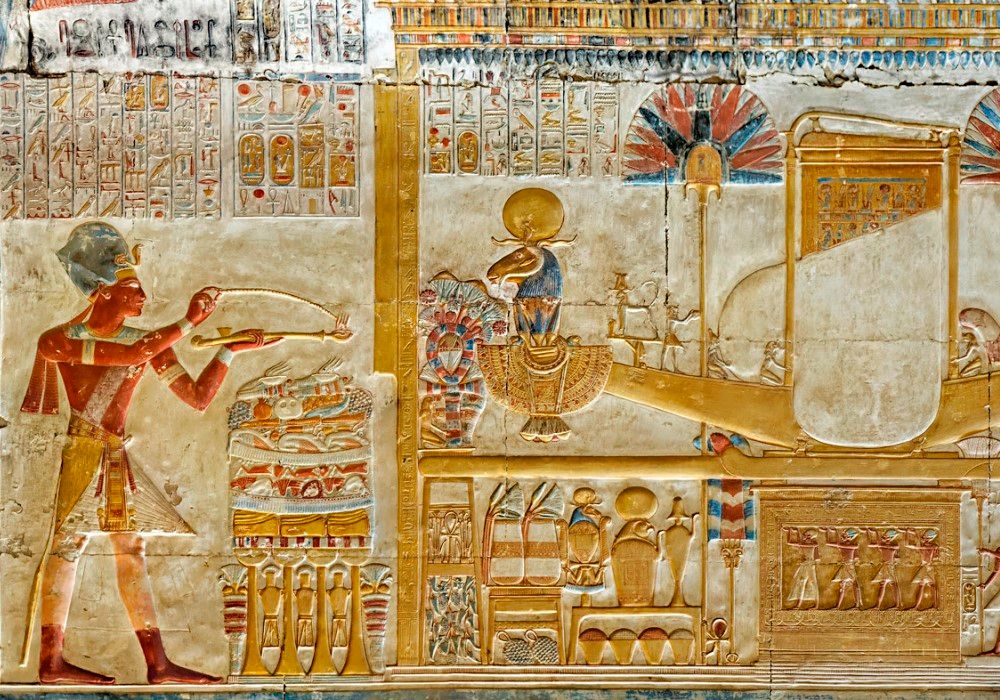
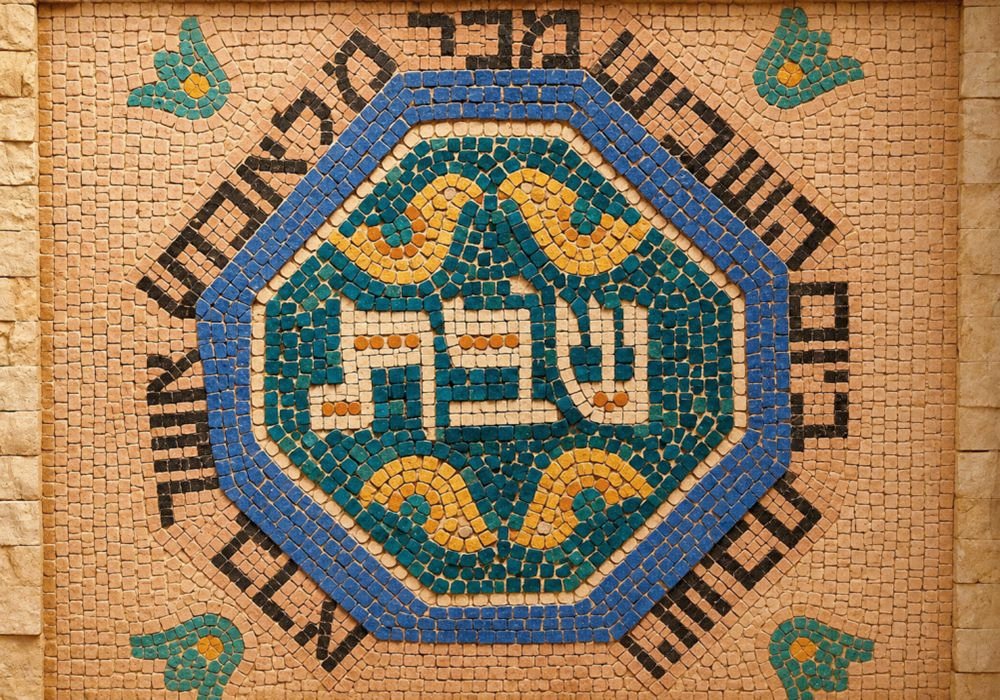

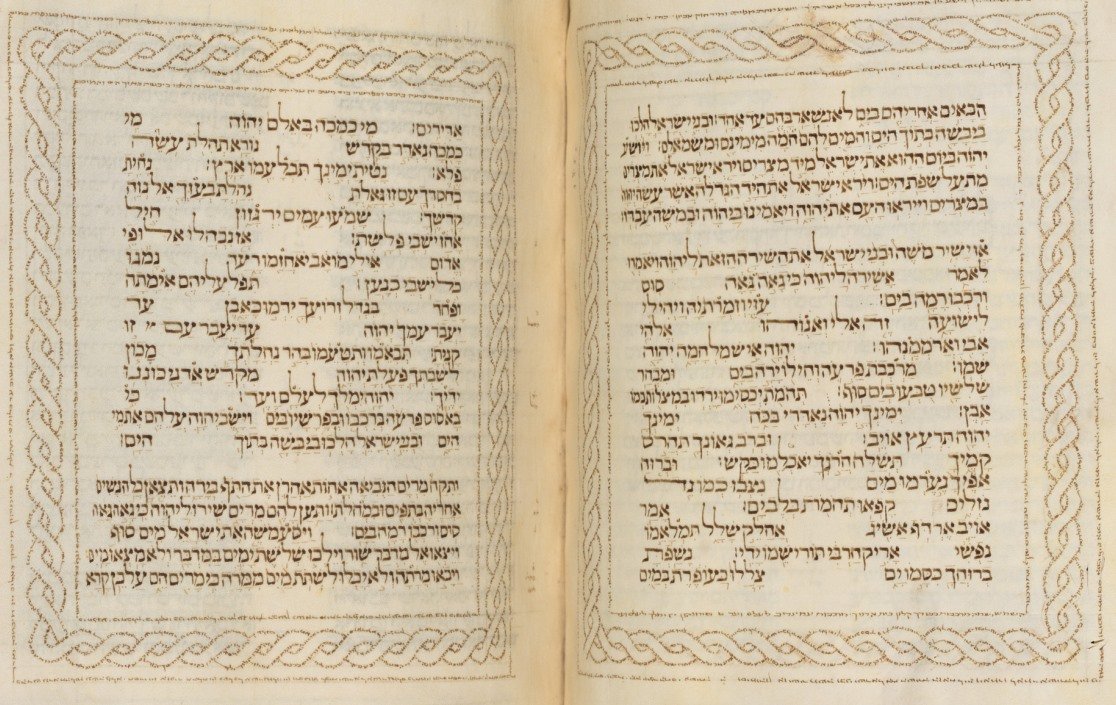




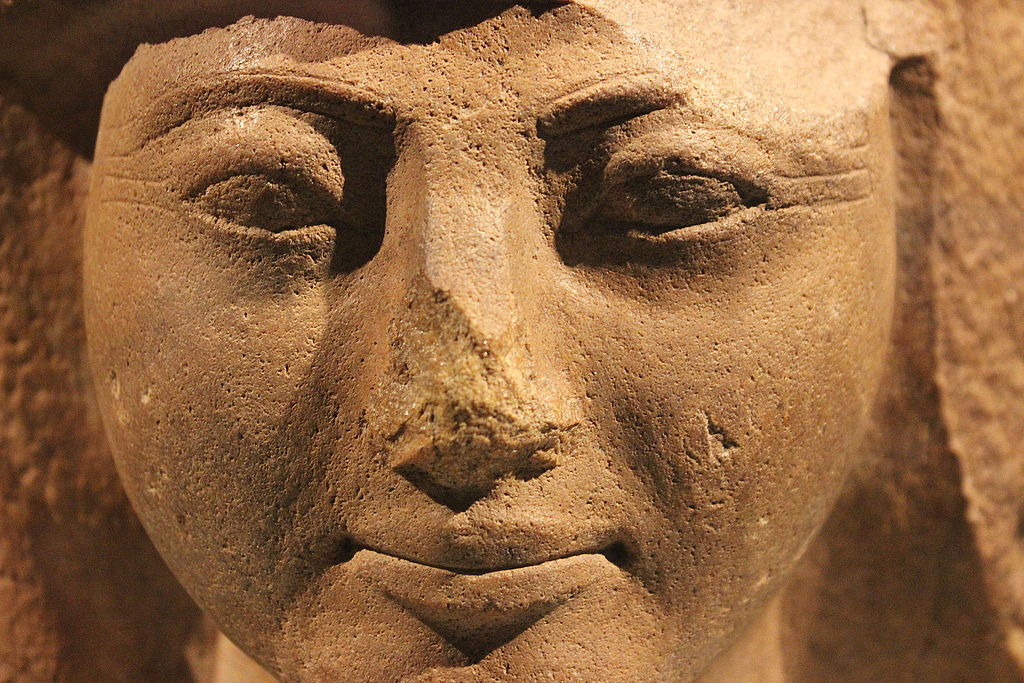
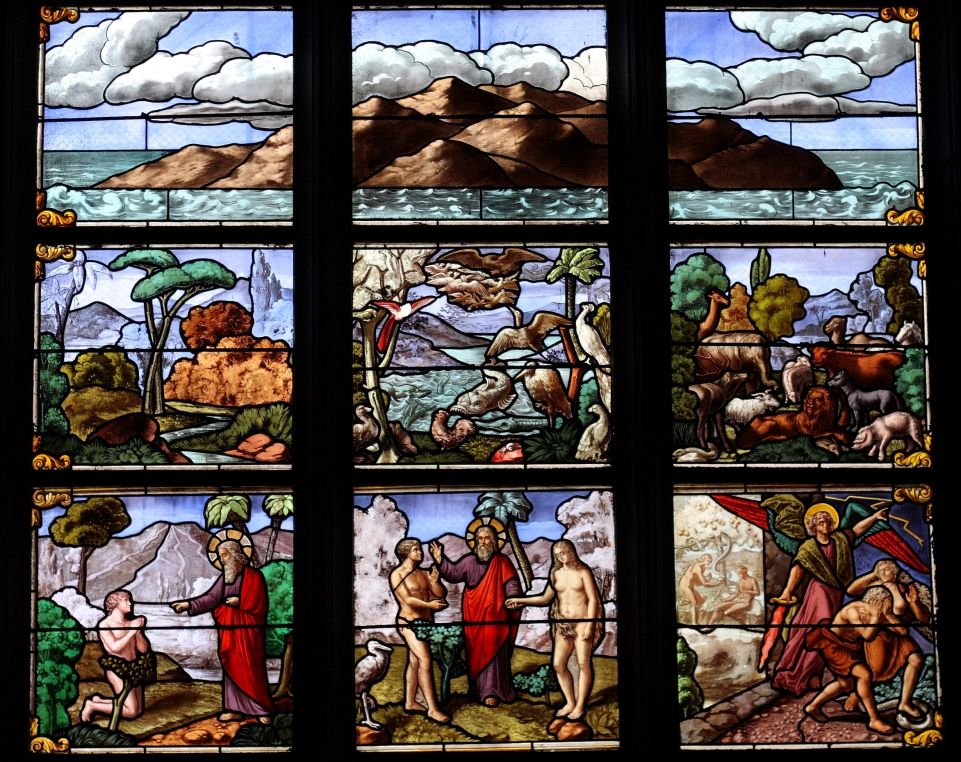

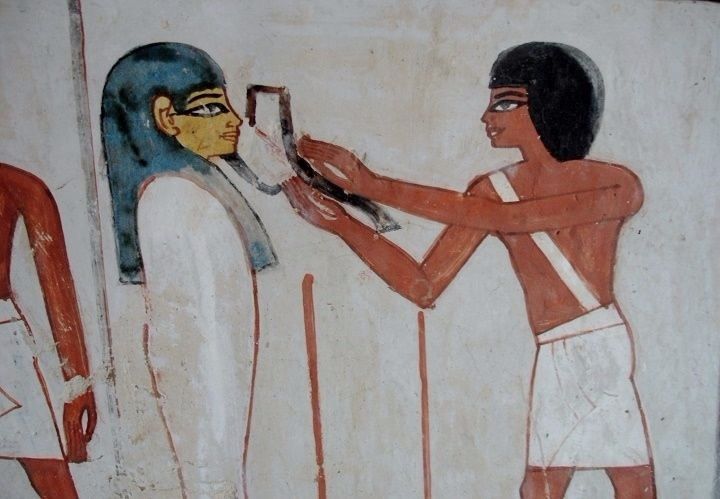
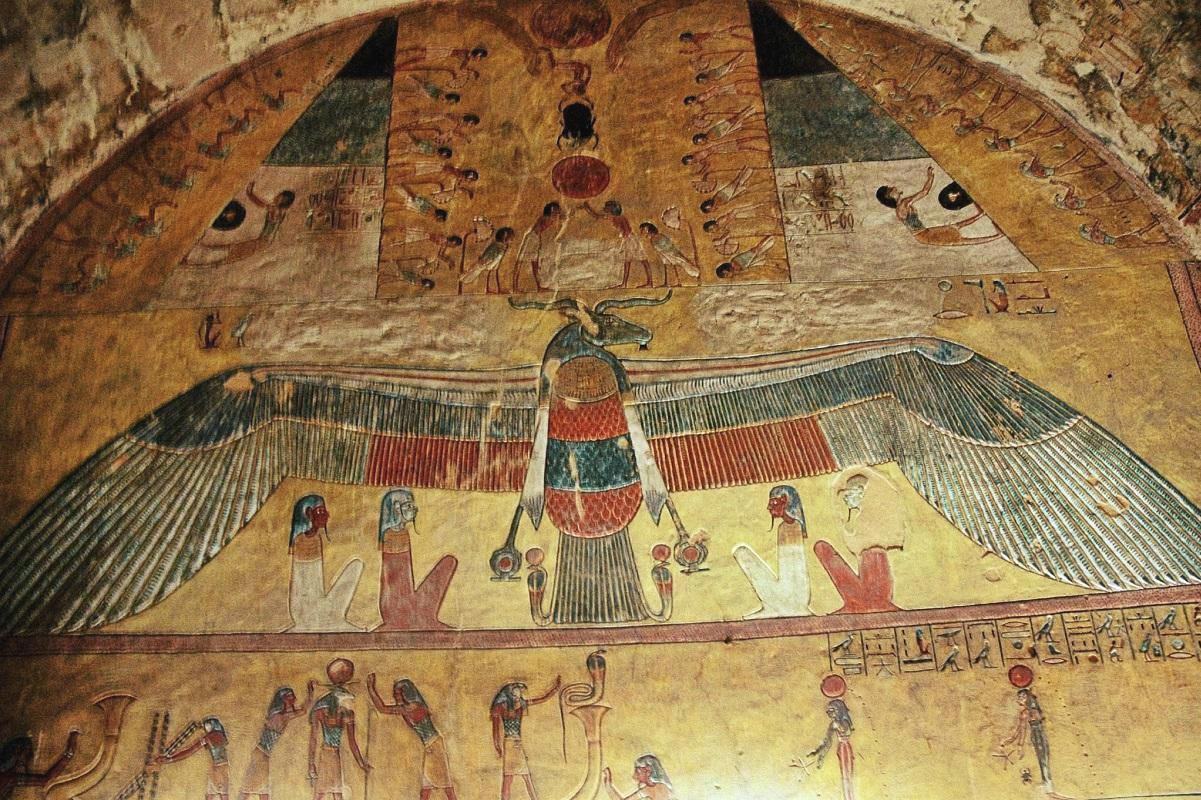


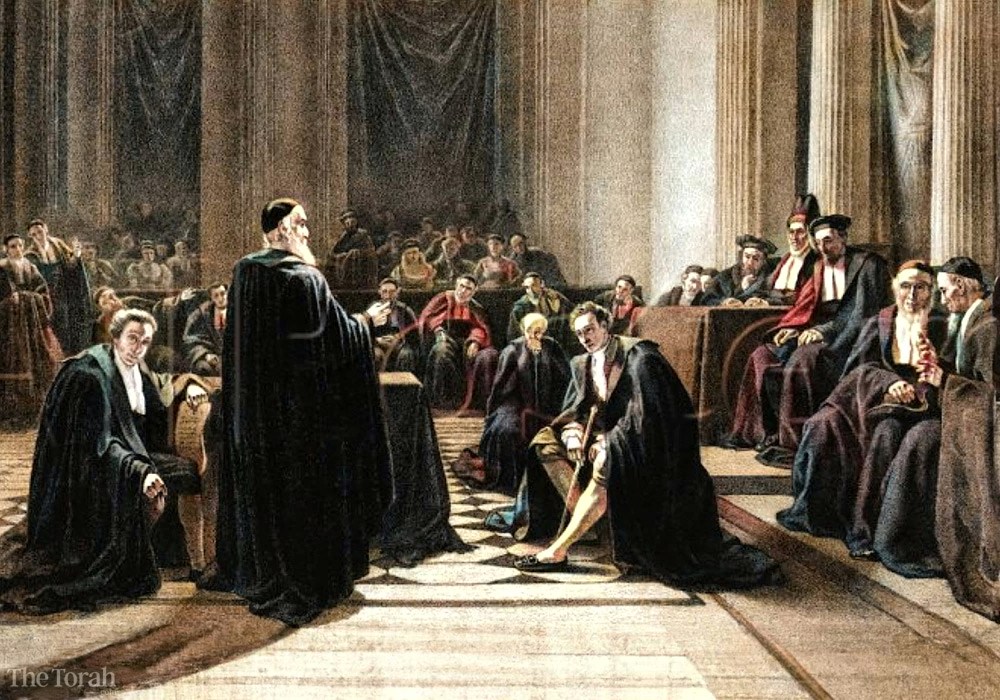








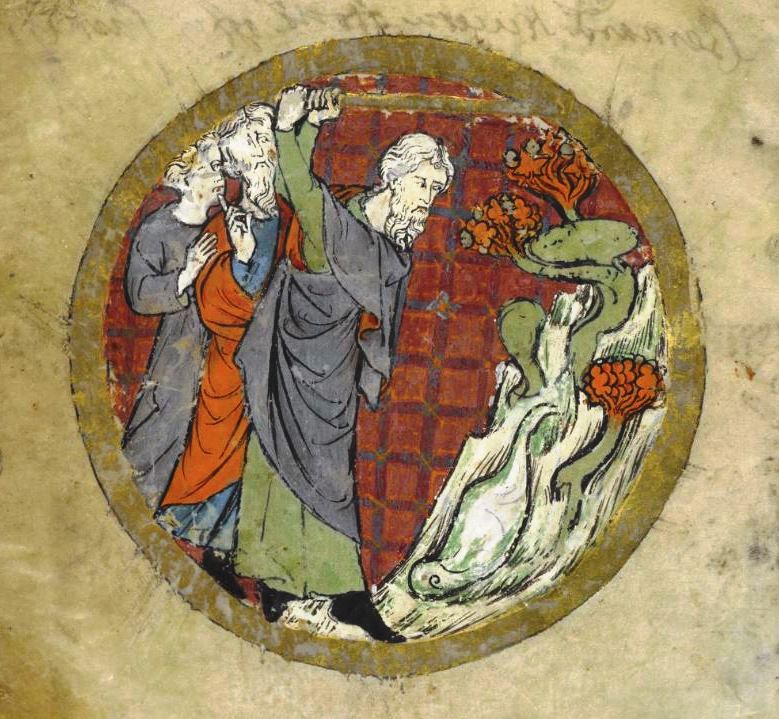



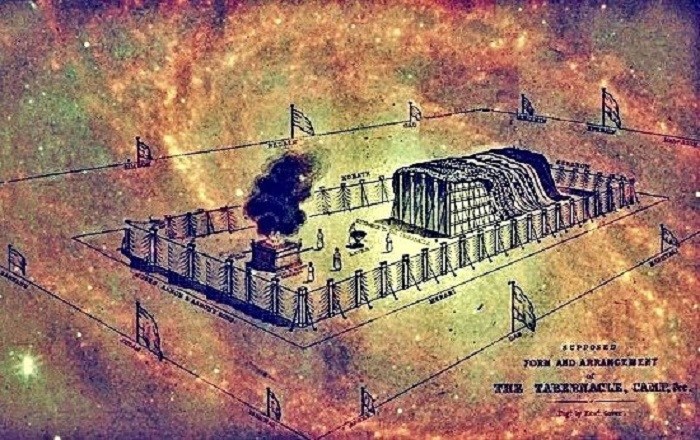

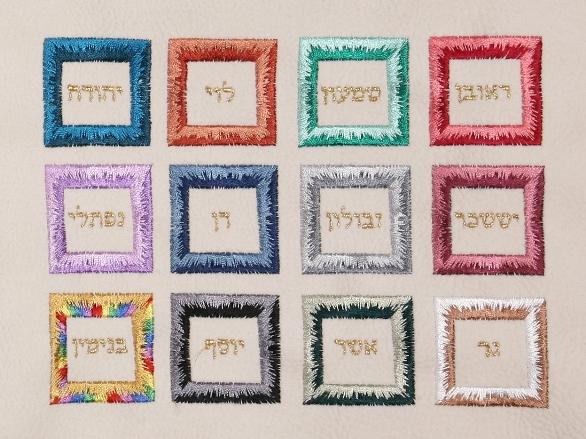


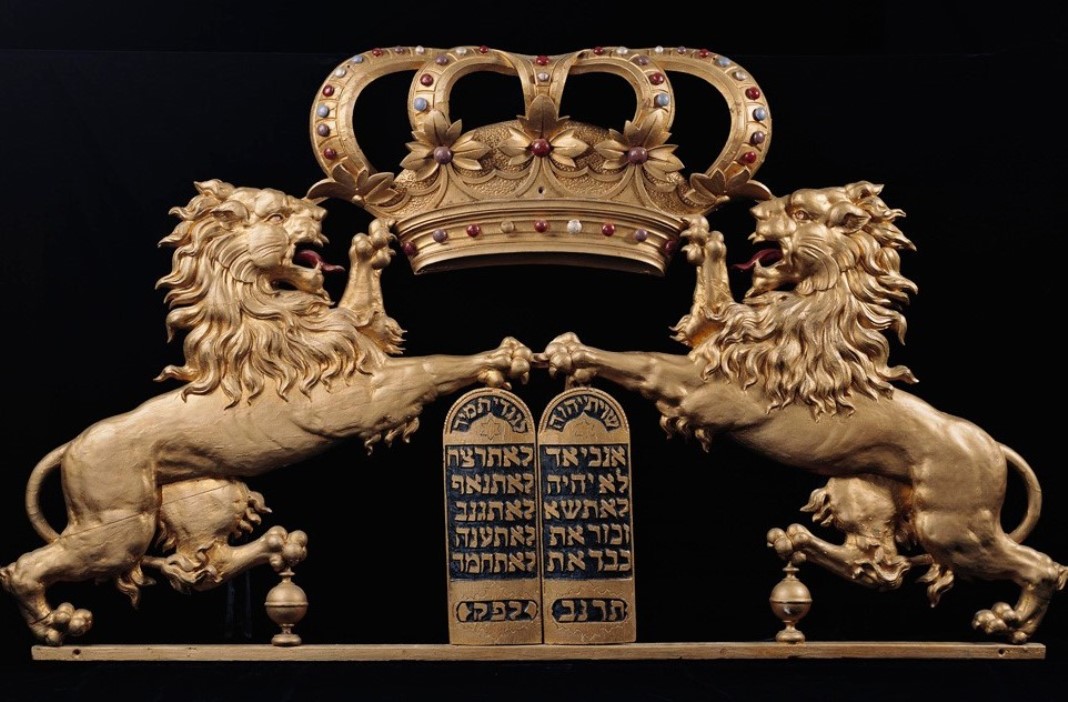
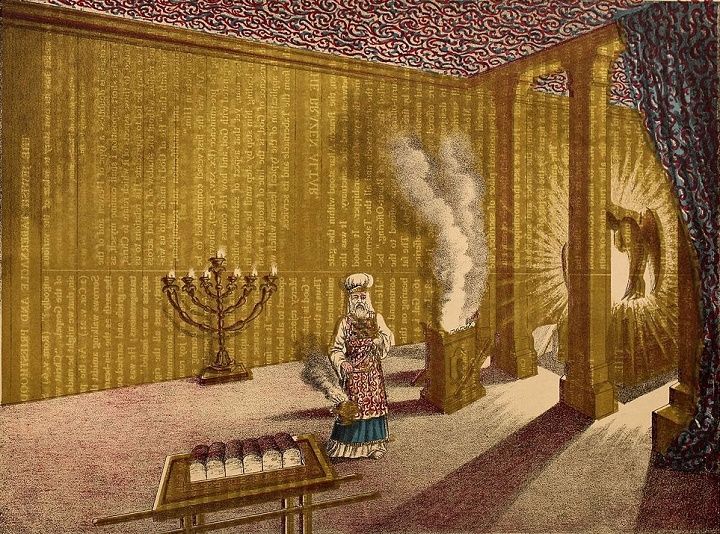
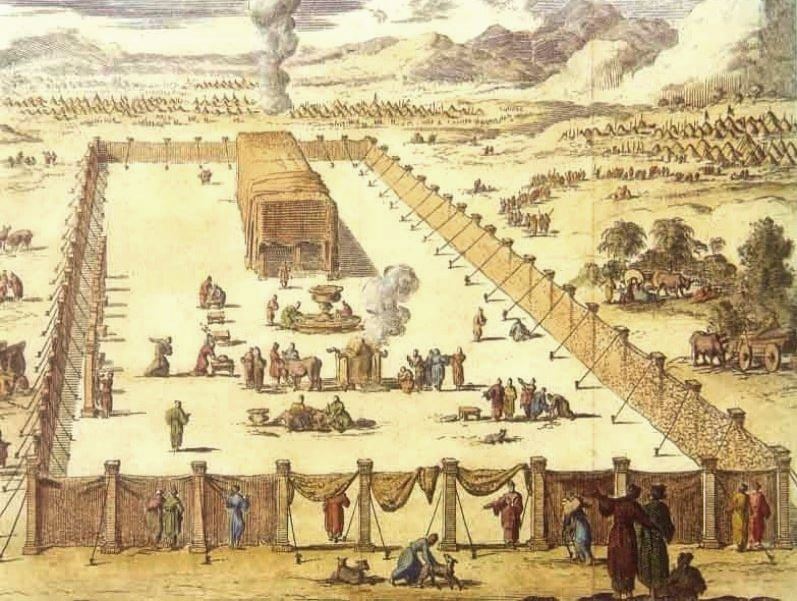
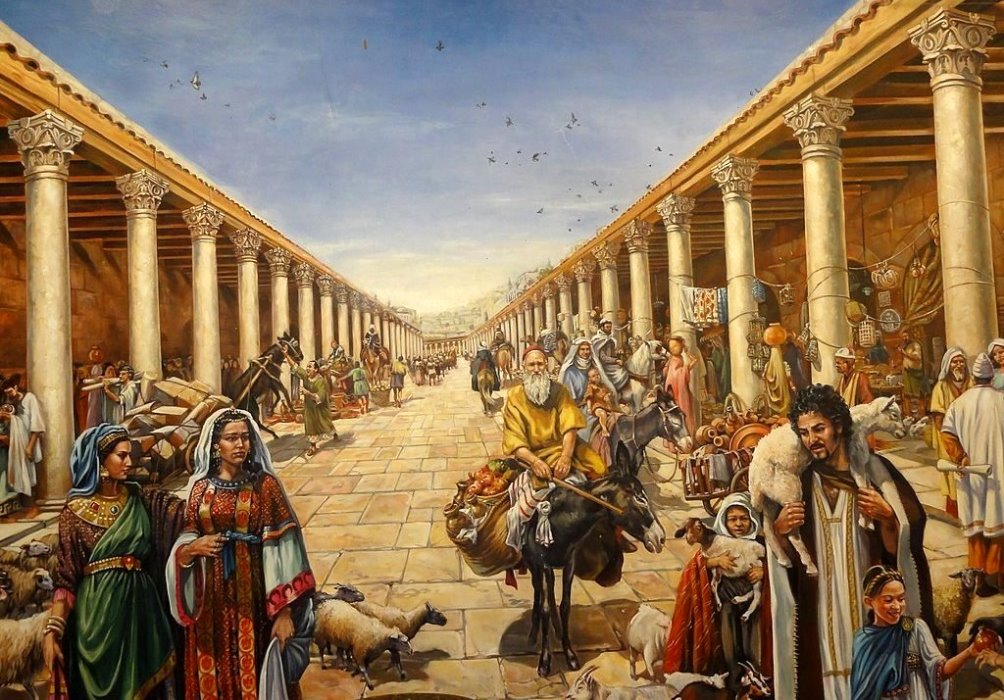
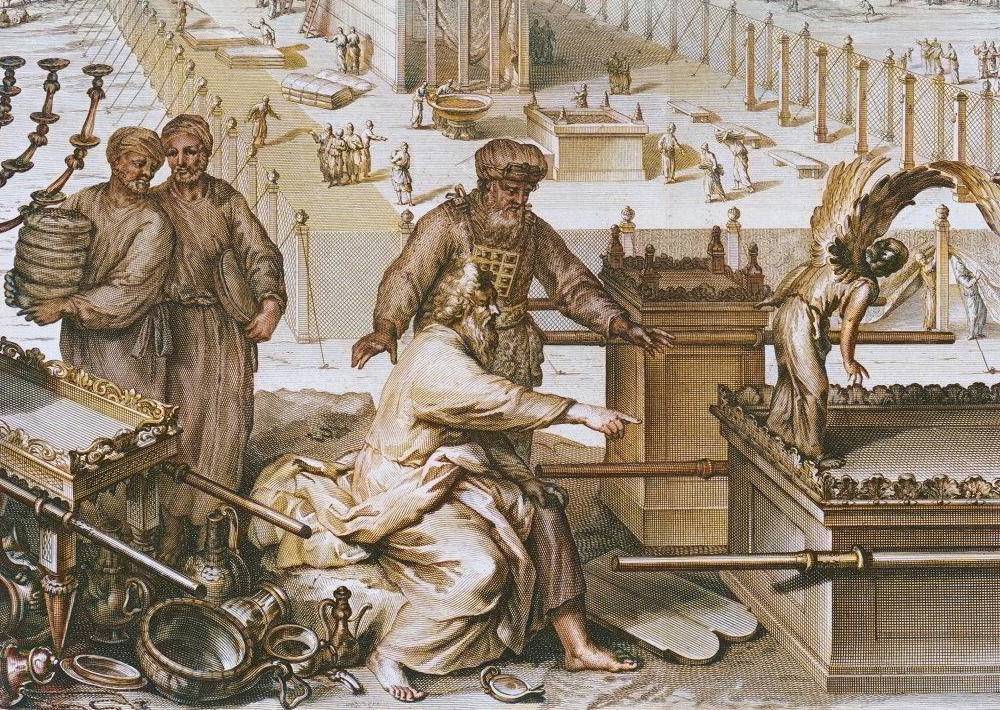


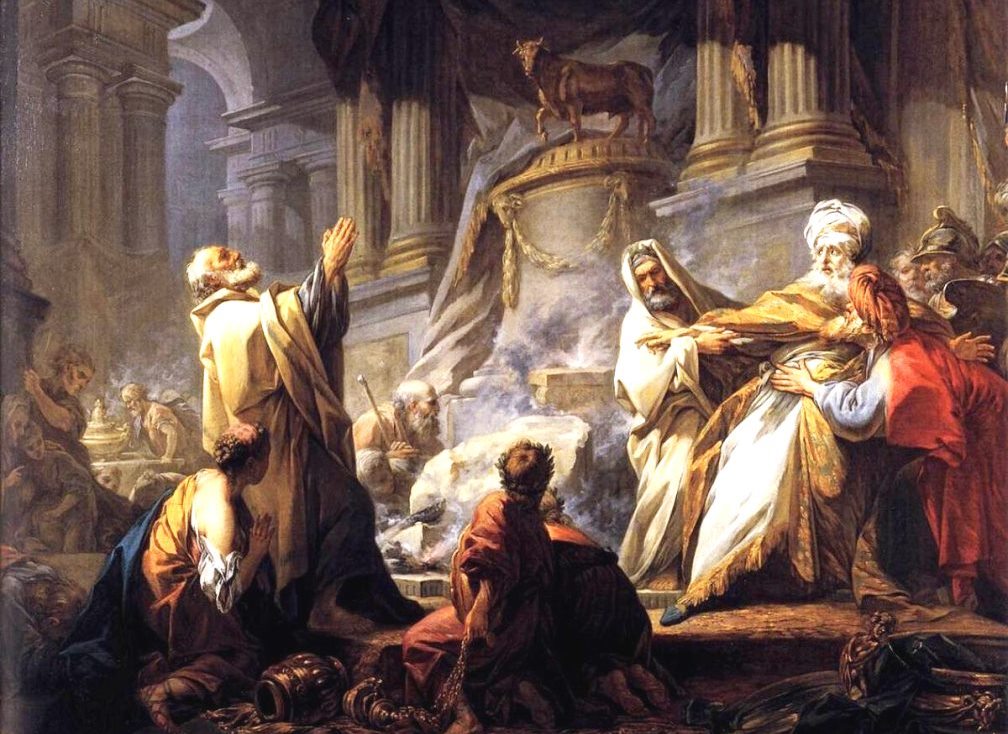


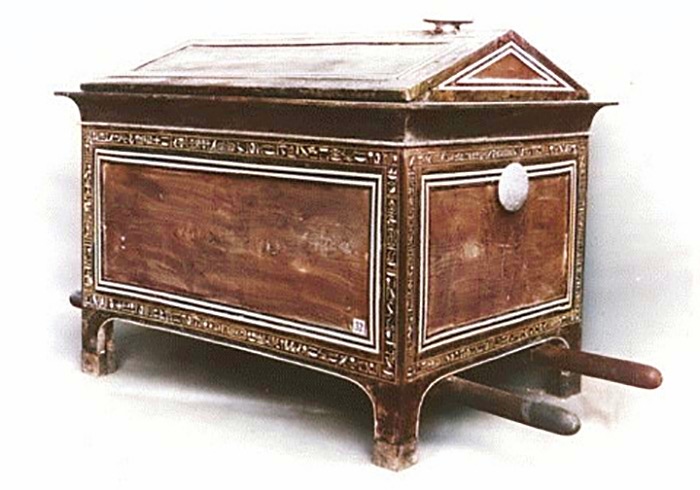
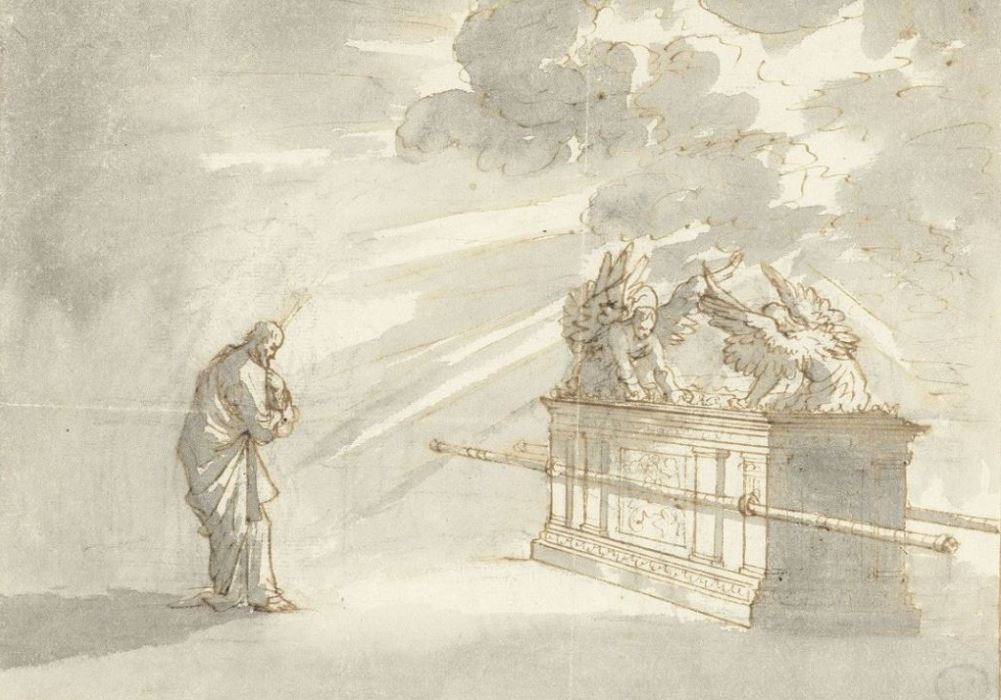
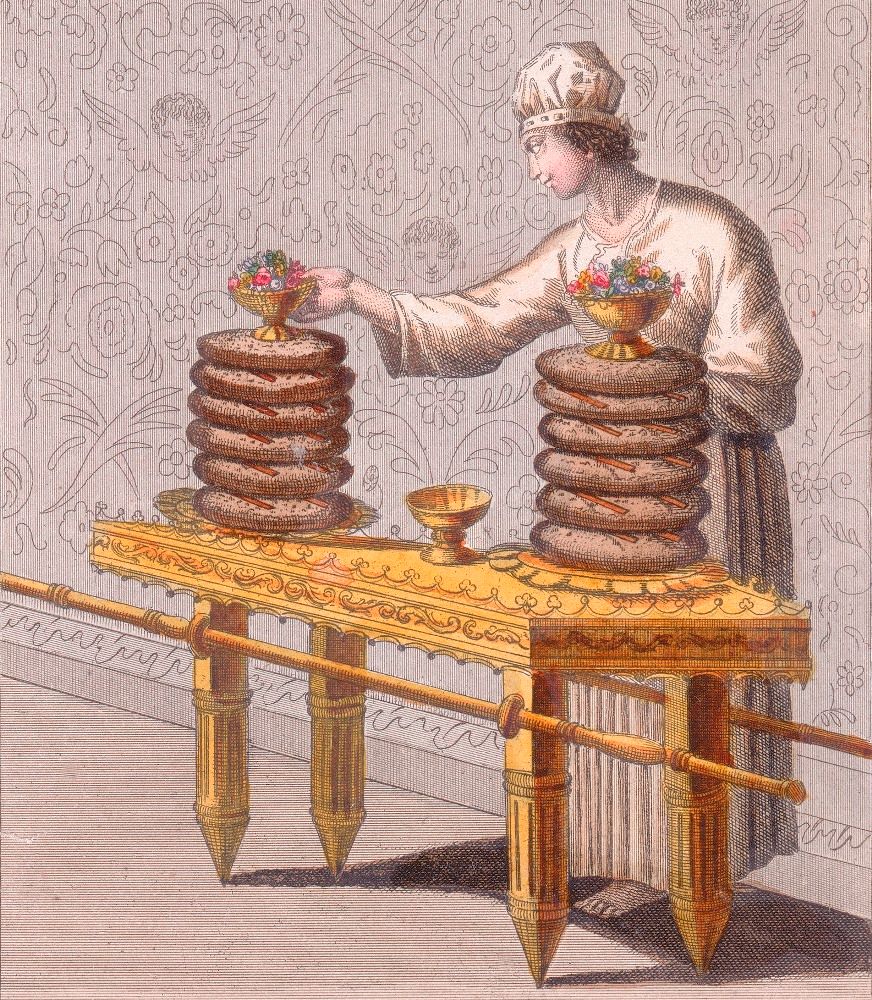








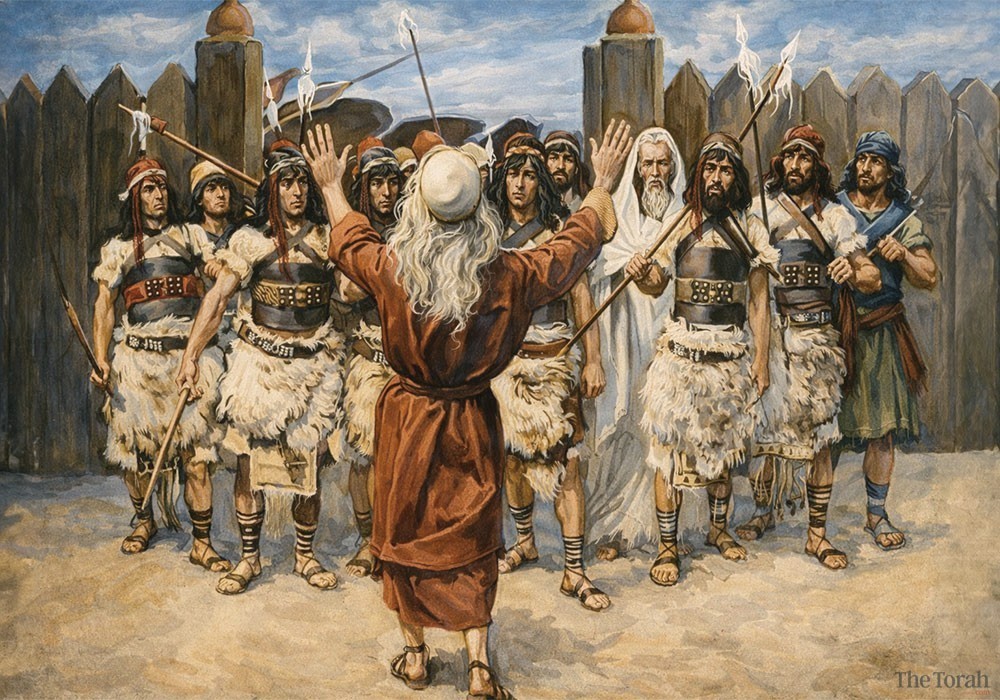

Did Hannah stand before YHWH in the Temple? Were Israelite males to see YHWH’s face three times a year? Did Moses and the elders see God on Mount Sinai? Were there temples to YHWH at Hebron and Samaria? The evidence shows that ancient scribes edited biblical texts to omit what they viewed as theological errors.

The Decalogue forbids patently reprehensible acts; but the prohibition against coveting is a potentially victimless offense and is the only one that exclusively addresses men. Moreover, this tenth commandment has no clear parallels in ancient Near Eastern law. An anecdote in a fourteenth-century Hittite text, however, suggests that its roots are in treaty tradition.

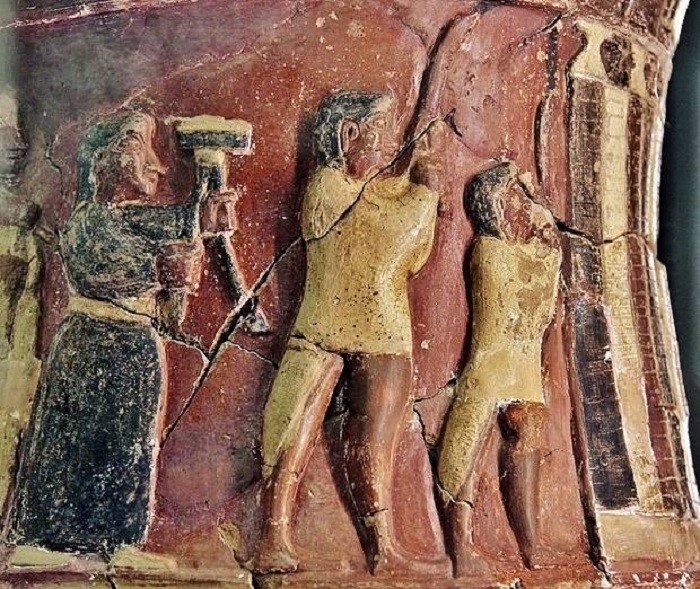
Ten lavers, mounted on wheels, and decorated with images of lions, bulls, and cherubs, stood on either side of the bronze sea in the Jerusalem Temple’s courtyard. Are these the “chariots of the sun” (2 Kings 23:11) that Josiah’s reform purges from the Temple?

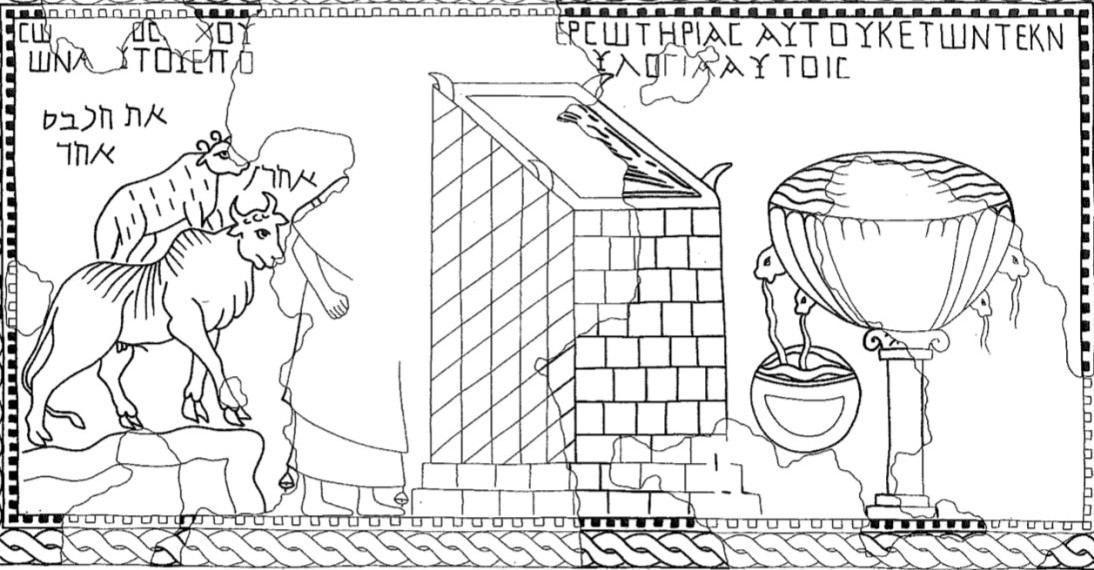
In the courtyard of the First Temple, in addition to ten lavers, stood a massive bronze basin of water, supported by twelve bronze bulls. What was its function?
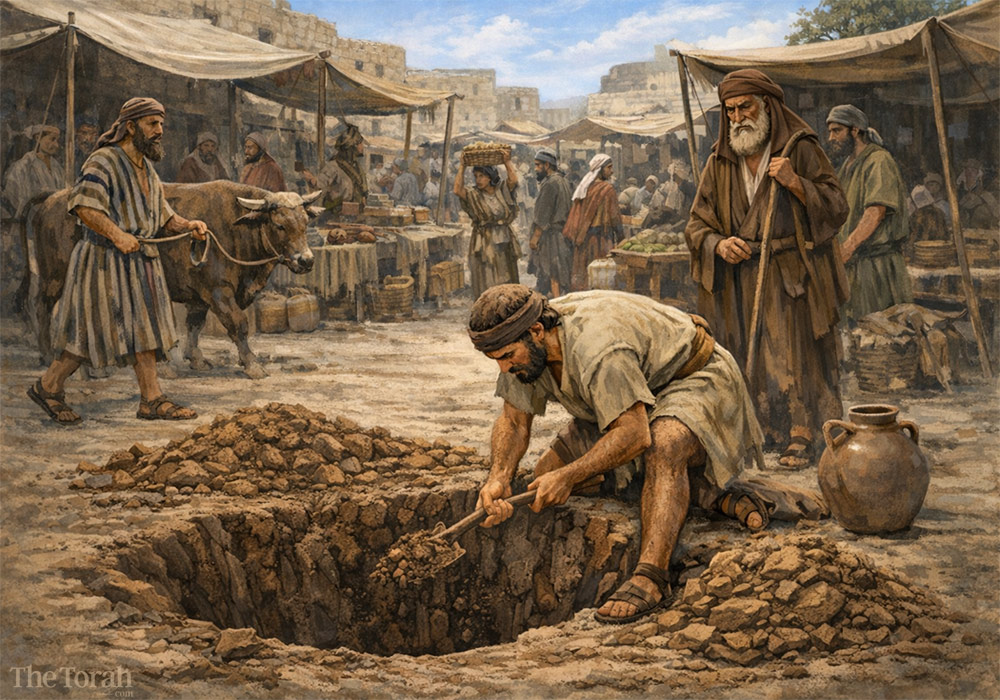
A person who digs or opens a pit into which an animal falls is liable for damages (Exodus 21:33–34). As a result of a hyper-literal reading of the term בַּעַל הַבּוֹר (baʿal ha-bor)—literally “the owner of the pit”—combined with abstract legal codification, the Talmud ends up suggesting that, in fact, a person who digs a pit on public property is actually exempt from paying damages.
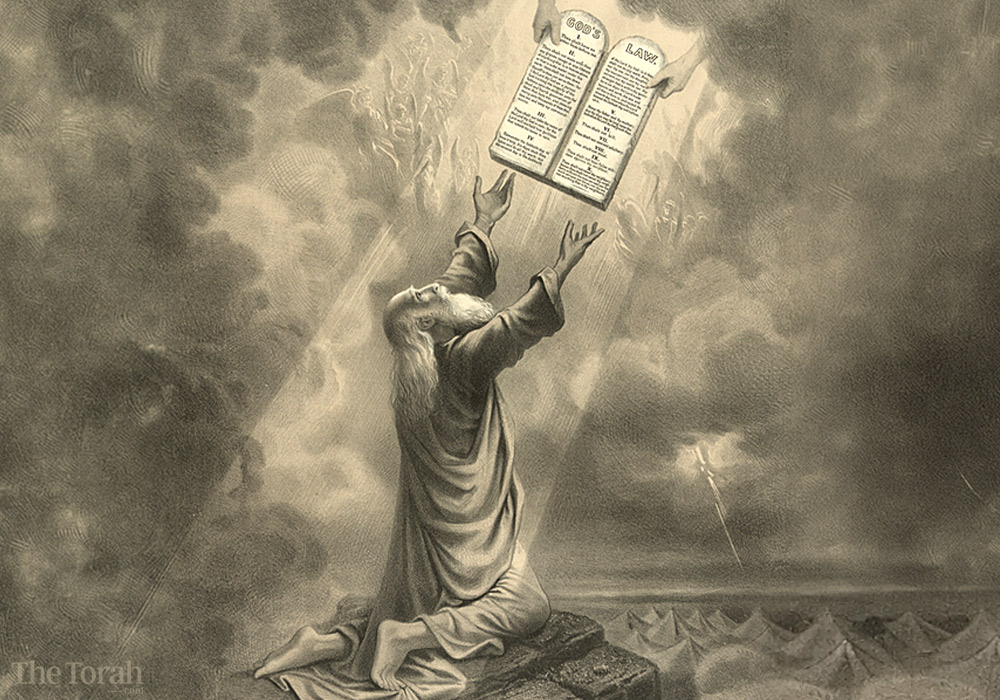
Hammurabi’s Laws and other ancient Near Eastern legal collections were sanctioned by the gods, but crafted by kings. How and why did the laws in the Torah become God’s laws?
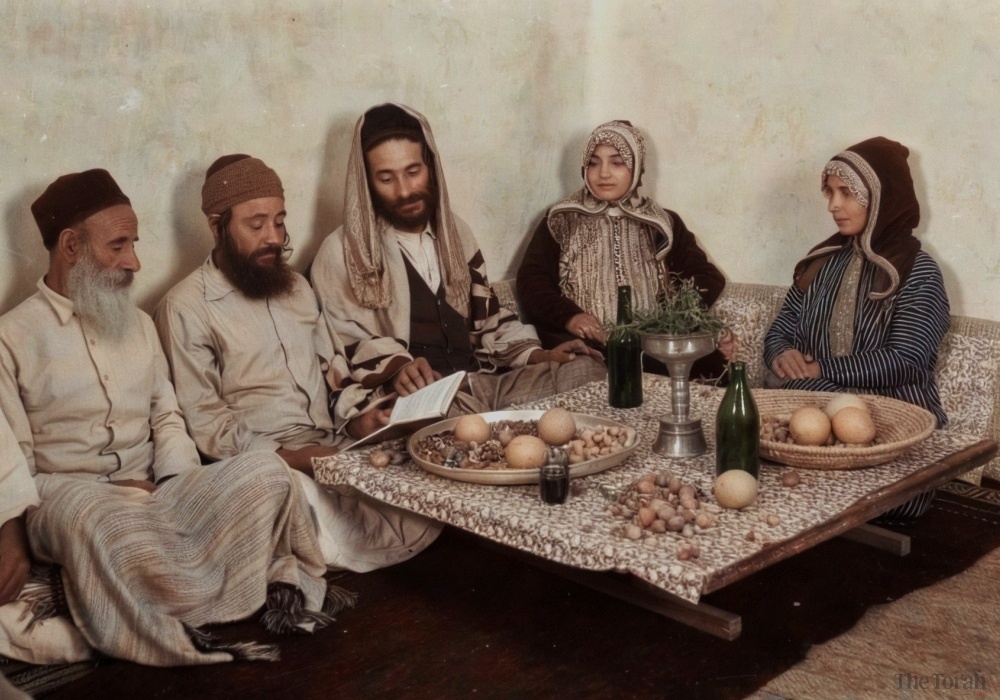
The book of Ezra–Nehemiah records Nehemiah’s mid-fifth-century B.C.E. attempts to enforce Shabbat, and for the first time in the Bible, the name שַׁבְּתַי, Shabbethai, appears. In this period, similar names derived from Shabbat are also first attested in Babylonian cuneiform tablets, as well as ostraca and papyri from Elephantine, suggesting that Shabbat became a recognized reference within the Judean community.

For Ahad Haʿam and Hayyim Nahman Bialik, Shabbat was not about belief but about belonging. Through their Cultural Zionist vision, Shabbat emerges as the aesthetic, temporal, and cultural heart of Jewish identity—welcomed each week as a queen in a song meant to update the more traditional Shalom Aleichem.

It wasn’t until the late Second Temple period—shaped by Greek and Roman legal culture—that Torah law started to function as actual law.
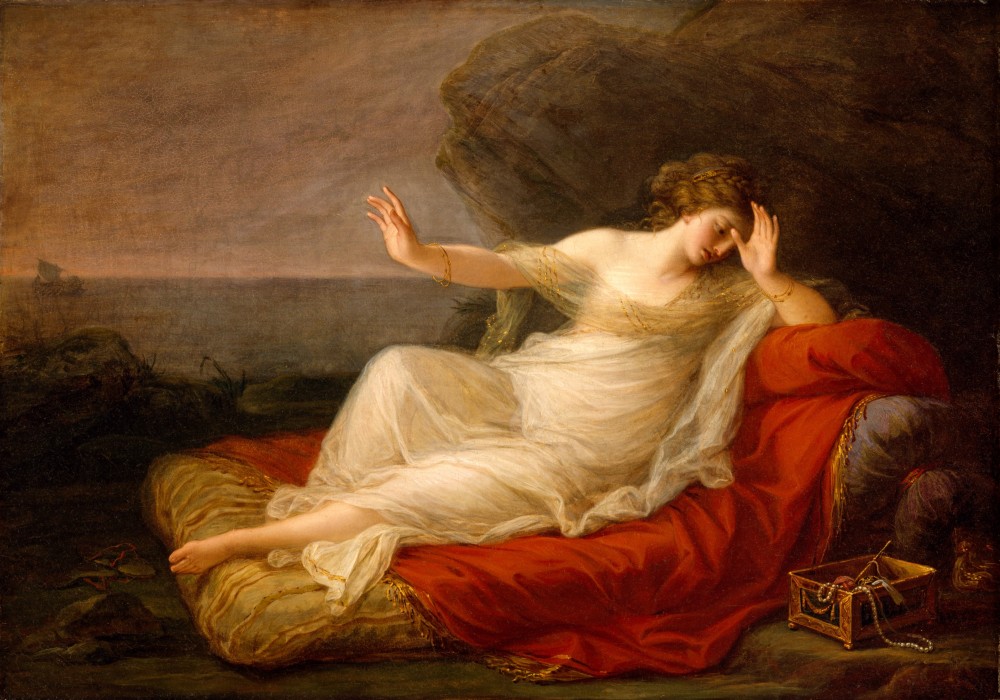
Deemed loathsome from the very moment of her birth (Ezekiel 16), Jerusalem was unwashed, unsalted, and abandoned—left to flail in her own blood. In every sense, she grew to womanhood neglected and alone. With such a stark beginning, it is no wonder that she fails to engage lovingly and devotedly in her marriage to YHWH.

YHWH is a God compassionate and gracious, slow to anger, abounding in kindness and faithfulness, forgiving iniquity, transgression, and sin… yet “he surely does not erase punishment” (Exod. 34:6–7). To make sense of this seeming contradiction, the Talmud offers a midrashic reinterpretation, and in selichot the verse is truncated. But could this attribute—one of God’s Thirteen—have been misunderstood all along?

Is “kingdom” in Biblical Hebrew, מַמְלָכָה mamlakha or מַלְכוּת malkhut? How does the Bible express that something is prohibited? Many linguistic scholars posit that it depends on the dialect, CBH or LBH. Does statistical analysis support this conclusion?


Long before the discovery of Hammurabi’s laws—whose stated purpose is to protect the weak from abuses of power—Ibn Ezra intuited a similar principle underlying the Covenant Collection.

In biblical times, scraps of writing were stored together in jars, likely based on theme or topic, and these collections were combined and edited into our biblical books. Similarly, Talmudic pericopae began with collections of legal or wise sayings written on pitqi, “scraps,” and stored together in jars, or on a pinqas, wooden slats bound together.

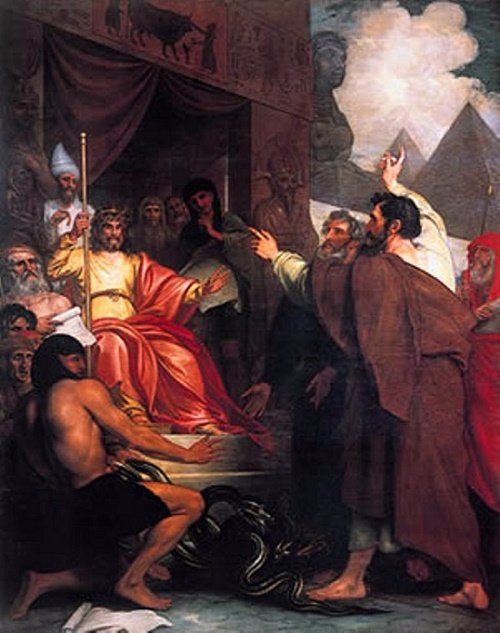
The biblical authors polemicize against the Mesopotamian Atrahasis epic, not only in Noah’s flood story, but in the account of the exodus as well.

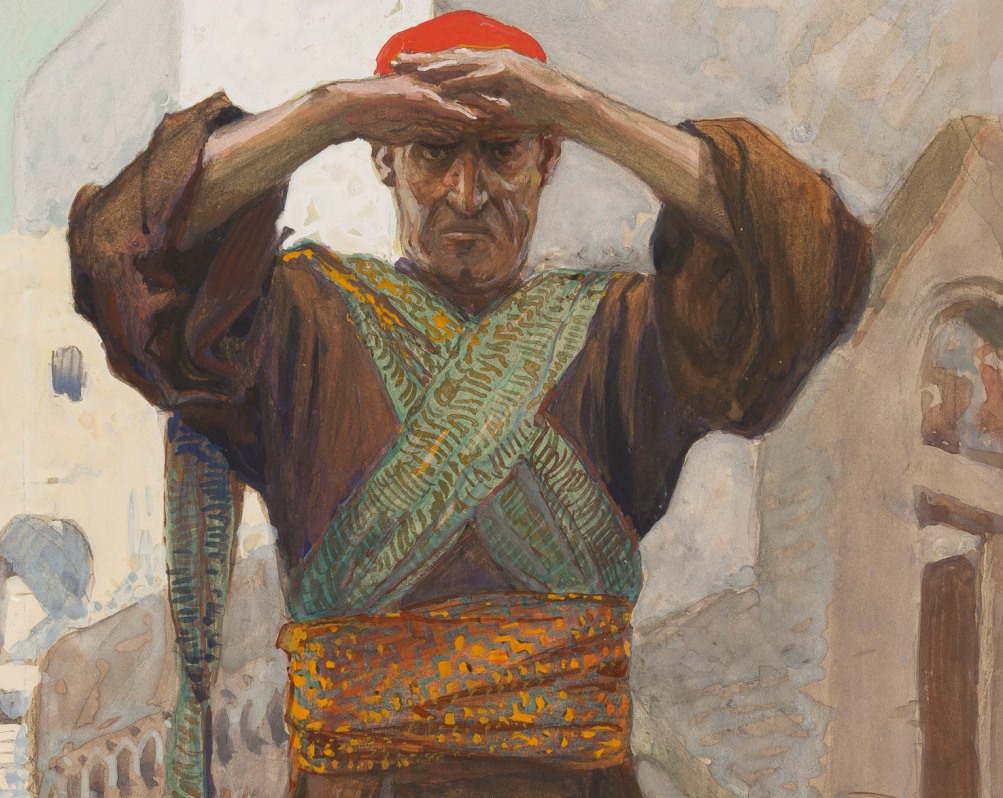
Saul’s failure to see and be seen when the Bible first introduces him signals his dismal prospects for a successful reign. Afraid of his soldiers, Saul listens to the wrong voices instead of YHWH.
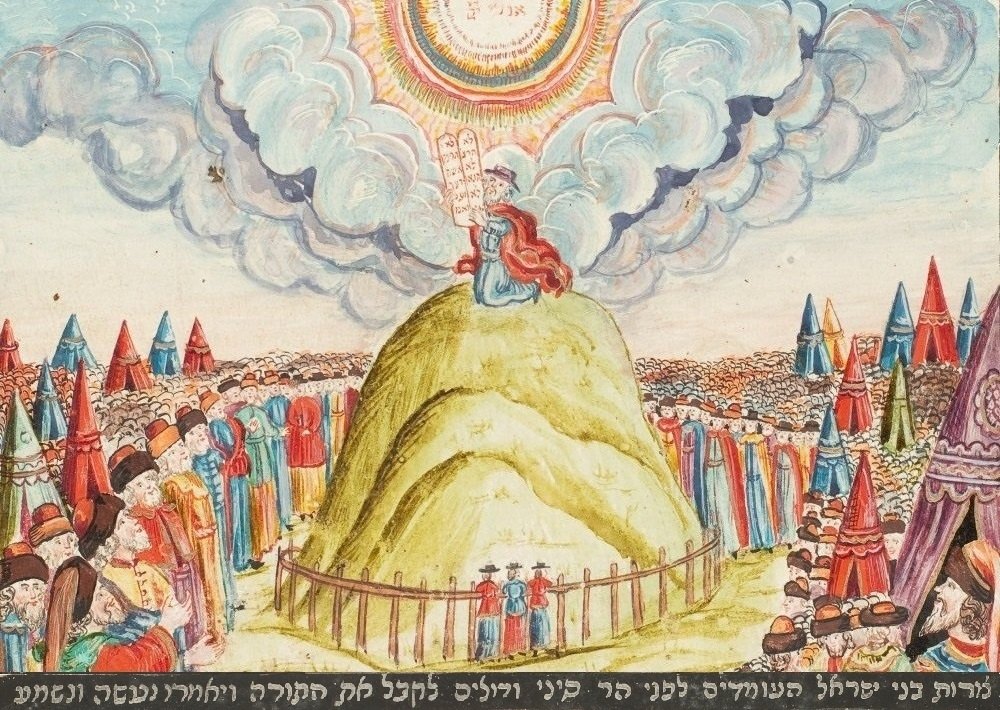
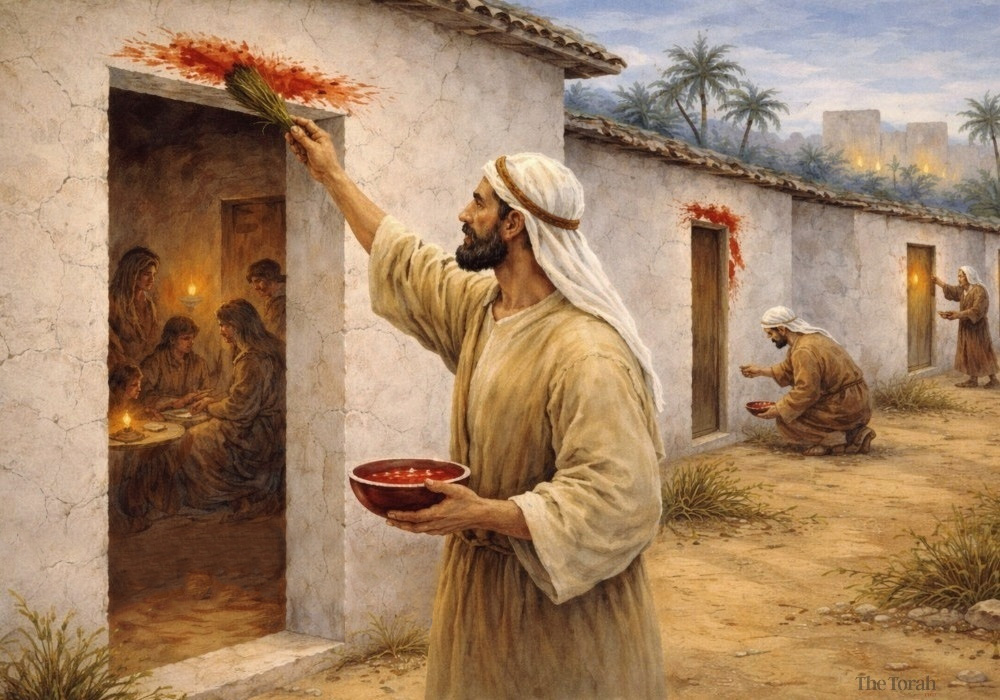
In the final blood ceremony formalizing the covenant at Sinai, how informed is Israel about the covenant’s details when they declare, na’aseh v’nishma, “let us do and [then] let us hear”?

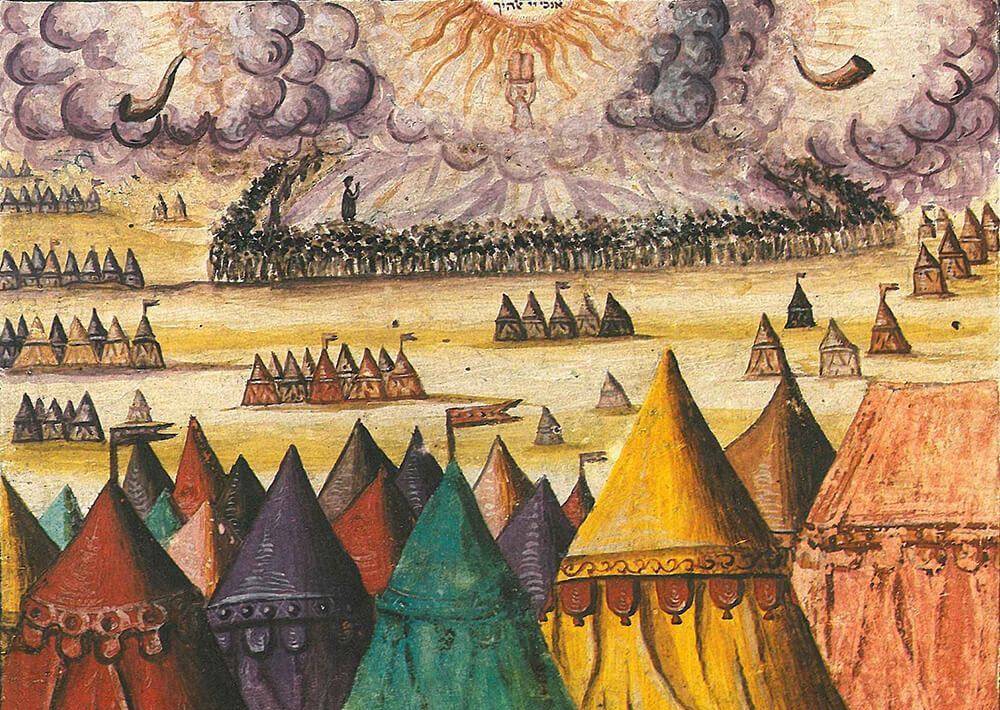
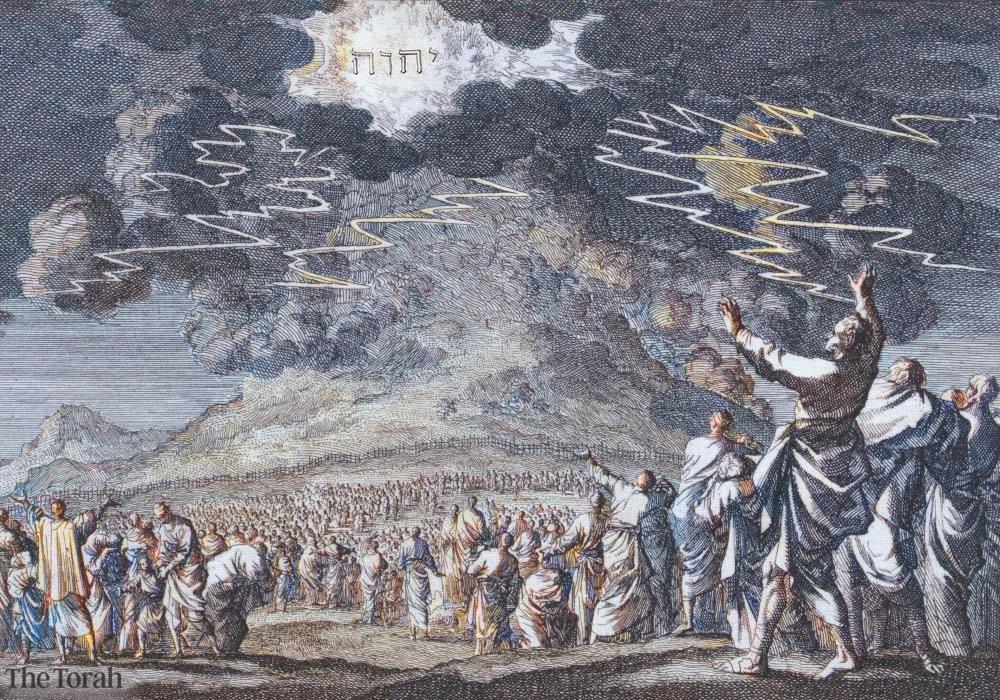
“When the ram’s horn sounds a long blast, they shall go up on the mountain” (Exodus 19:13). The original intention was for all Israelites to be like priests, and experience YHWH’s revelation on the mountain. But when YHWH descends and the horn sounds, the people recoil and remain below.

Cats were known and domesticated in ancient Egypt, Greece, and Rome, but are absent from the Bible and Second Temple literature. The Persians despised cats, but the Talmud tolerates them.
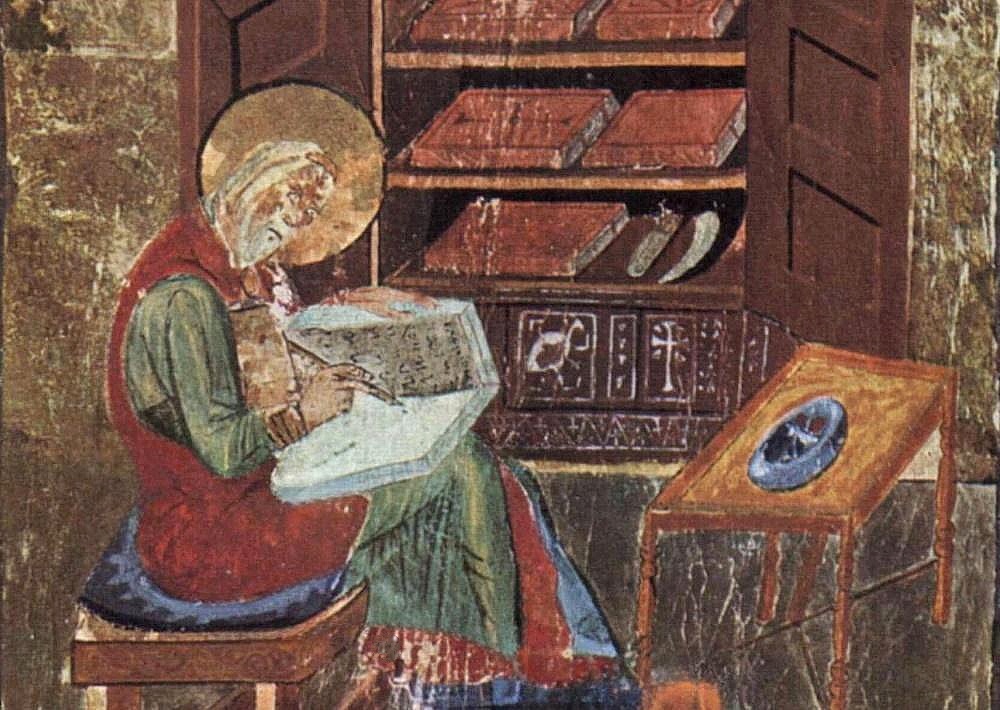
In the second century C.E., 4 Ezra and Irenaeus tell a story of how the Torah was burned by Nebuchadnezzar and reconstructed by Ezra through divine inspiration. Rabbinic texts know of this tradition, but in their version, Ezra’s contribution is changing the Torah into Aramaic writing, or even Aramaic language.
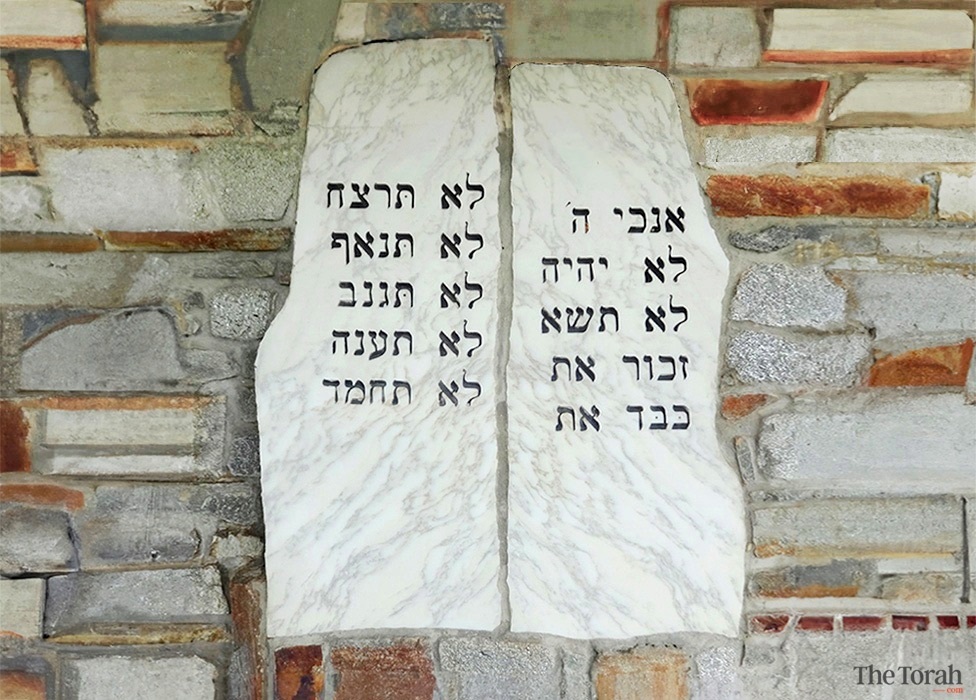
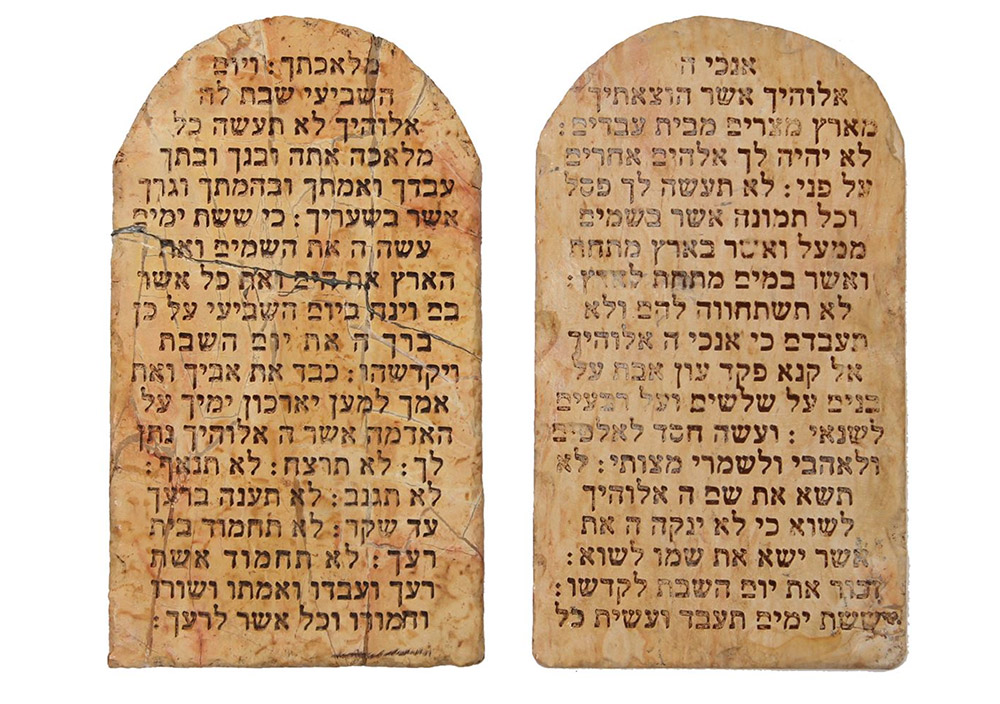
The Hebrew term for the Decalogue is עֲשֶׂרֶת הַדְּבָרִים aseret hadevarim. The word דבר davar is one of the most common nouns in biblical Hebrew, and can mean “word,” “thing,” “statement,” and even “commandment.” What does it mean in this context?

What we know about abortion in the ancient world from legal and medical texts.
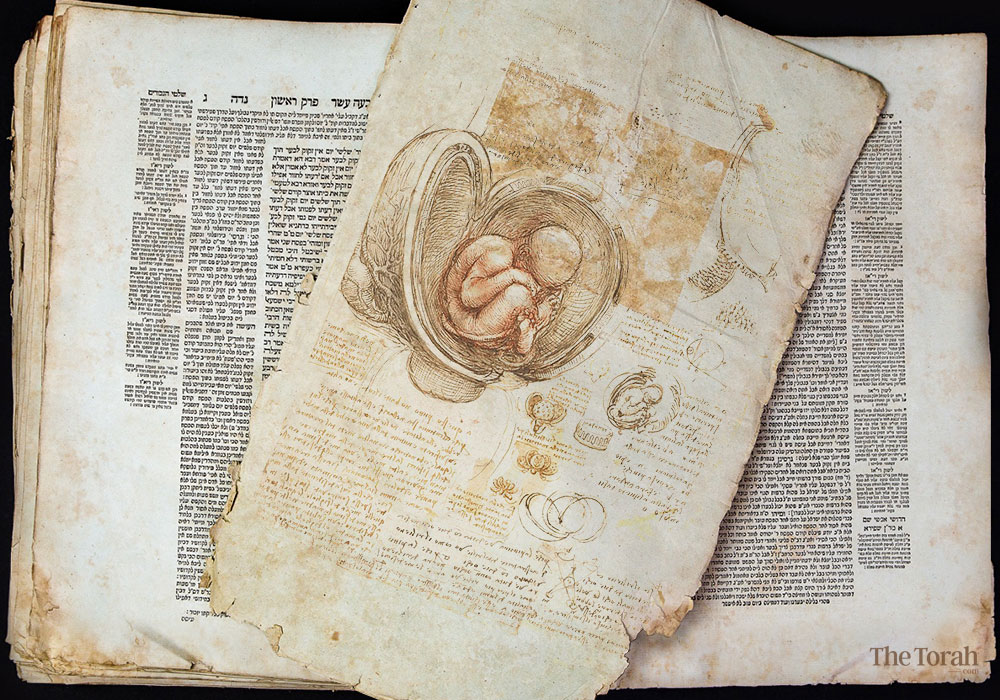
The rabbis distinguish four stages in the fetus’ development towards personhood. For the duration of the pregnancy, until the commencement of active labor, “a fetus is like its mother’s thigh” (עוּבָּר יֶרֶךְ אִמוֹ).

Egyptian and Mesopotamian abortion-inducing recipes attest to the practice of abortion in the ancient Near East. While the Middle Assyrian Laws prohibit the practice, the Torah offers no ruling. Nevertheless, throughout the Bible, expressions like נִשְׁמַת חַיִּים, “the breath of life” (Genesis 2:7), imply that life begins at first breath.
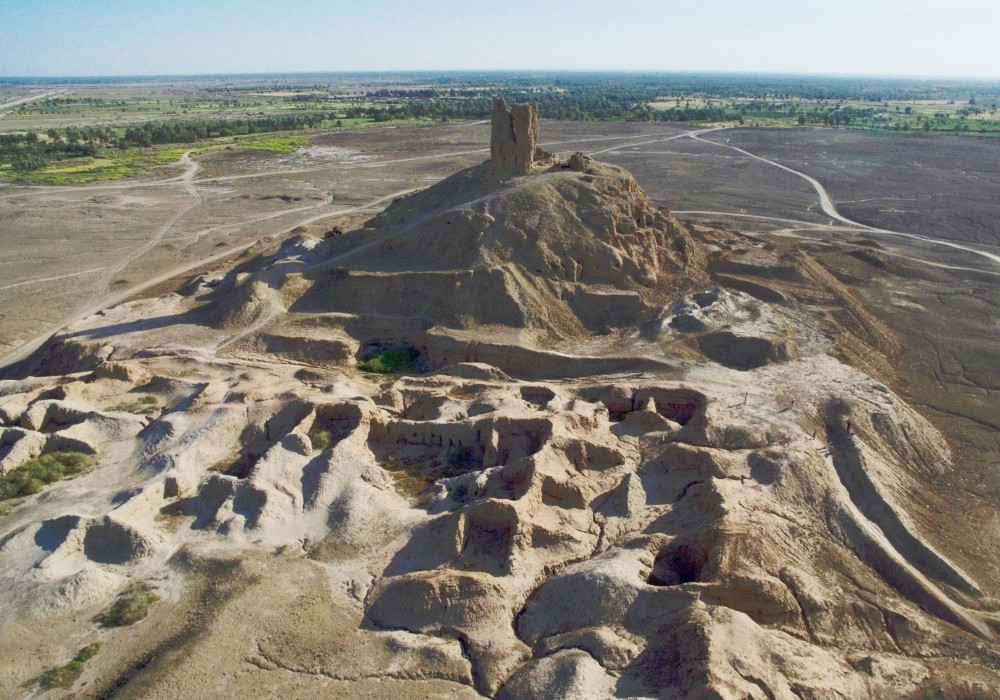
During the Babylonian exile (6th c. B.C.E.), Ezekiel prophesies the building of a future temple in Israel that is unlike the Tabernacle or First Temple, but that incorporates elements familiar from Babylonian temples, including the Ezida temple of Borsippa.
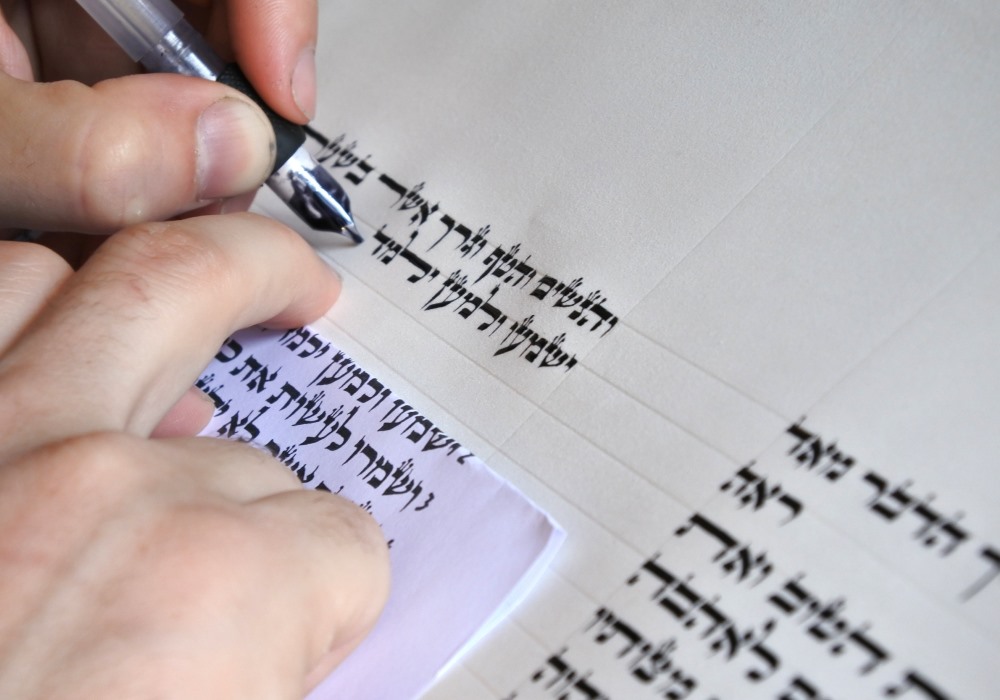
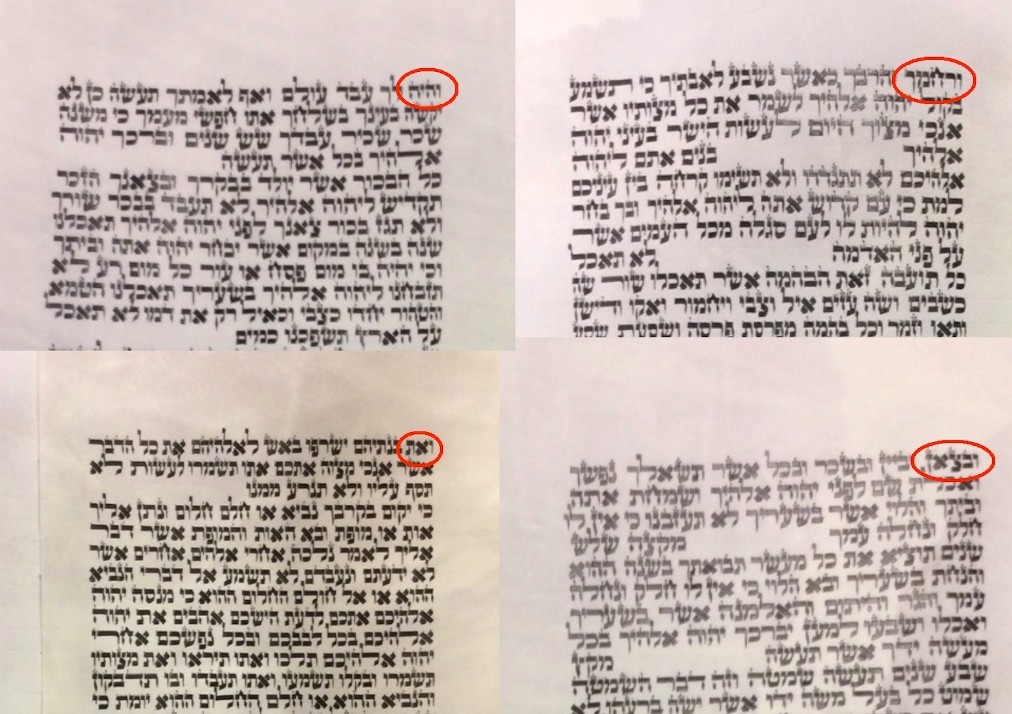
For most Second Temple scribes, the Torah’s sanctity did not translate into a requirement to avoid the imprecisions common in all books. The Paleo-Hebrew and Proto-MT scribes were an exception, although the latter were committed to precise copying of all biblical scrolls. Only with the emergence of scrolls containing all five books (2nd cent. C.E.) did Torah scrolls take on their special level of sanctification.
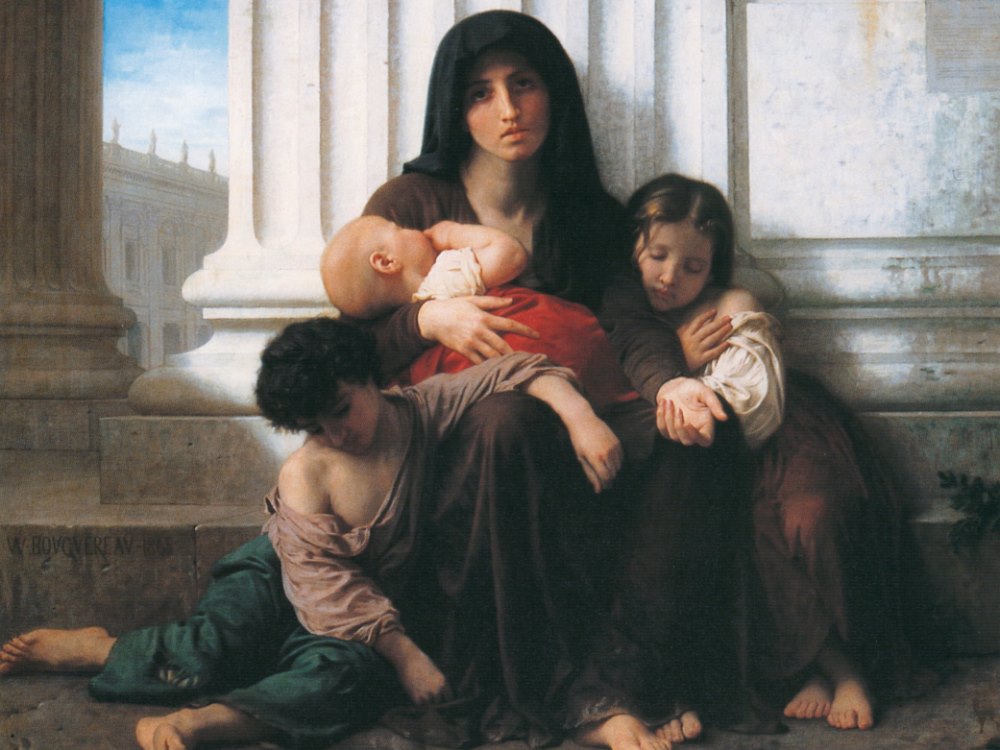
Whom does this law address?
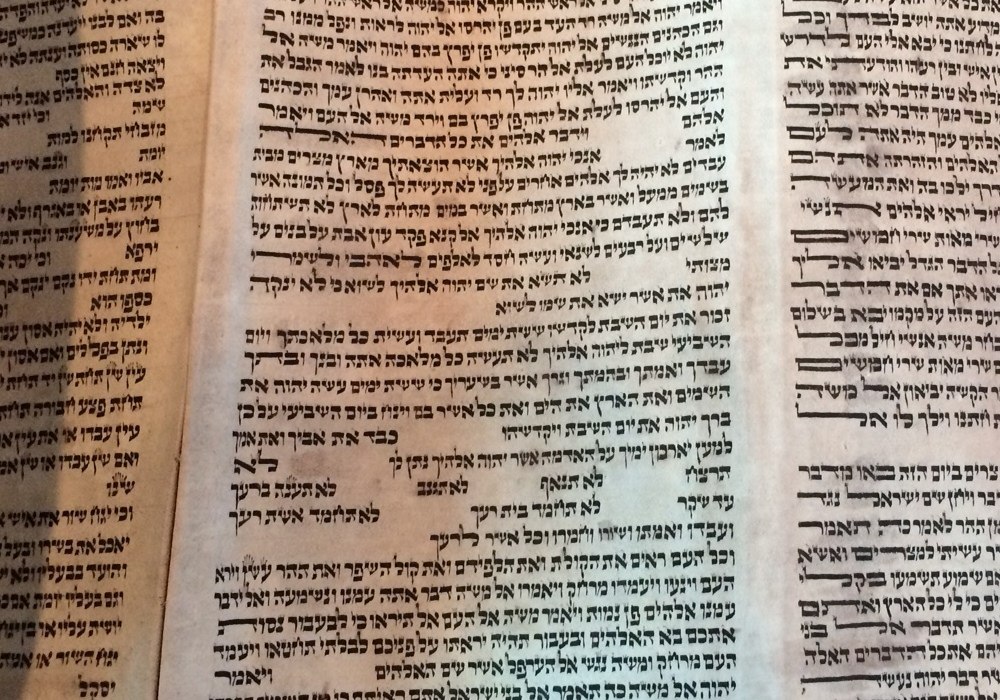
The Decalogue was not originally part of the Sinai theophany but was added later, both in Exodus and Deuteronomy. Its origins lie in wisdom literature.
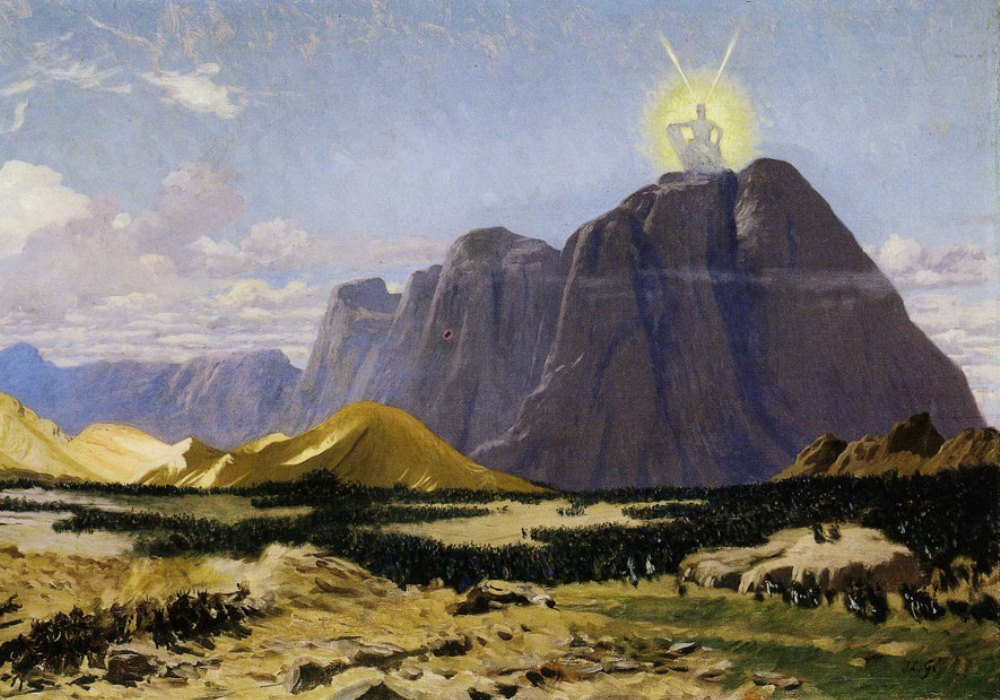
“Who controls the past controls the future.” – George Orwell, 1984

Sisera asks for water, Yael gives him milk (Judges 4:19), and then she kills him. Is Yael a foreign “killer woman” or an “aid of YHWH” and his people?
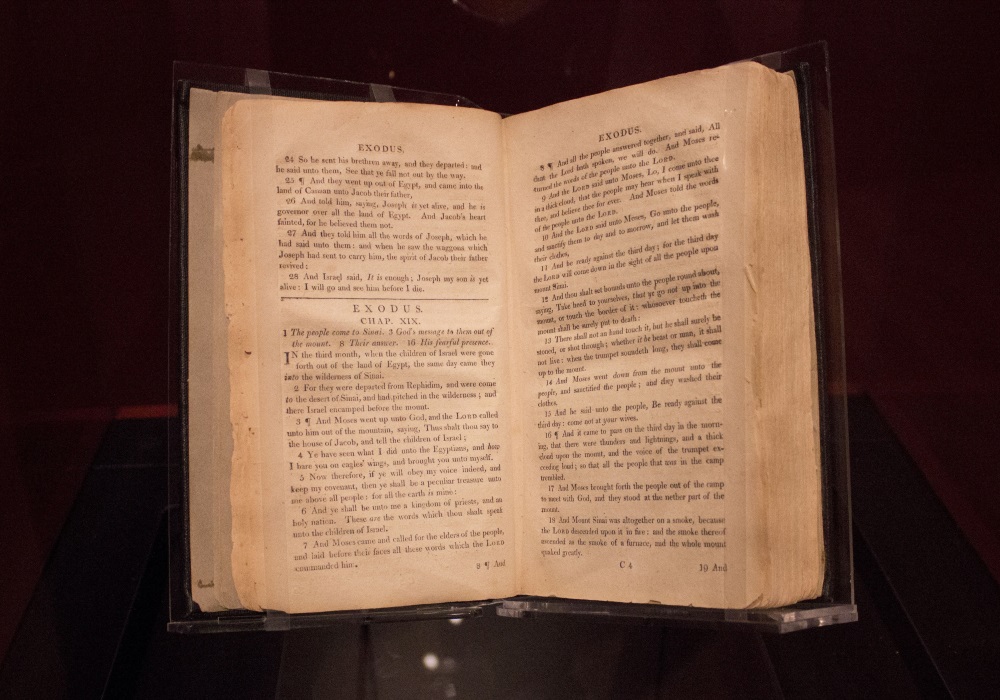
What really motivated the editors of Select Parts of the Holy Bible: For the Use of the Negro Slaves in the British West-India Islands (1807), better known as “The Slave Bible”?
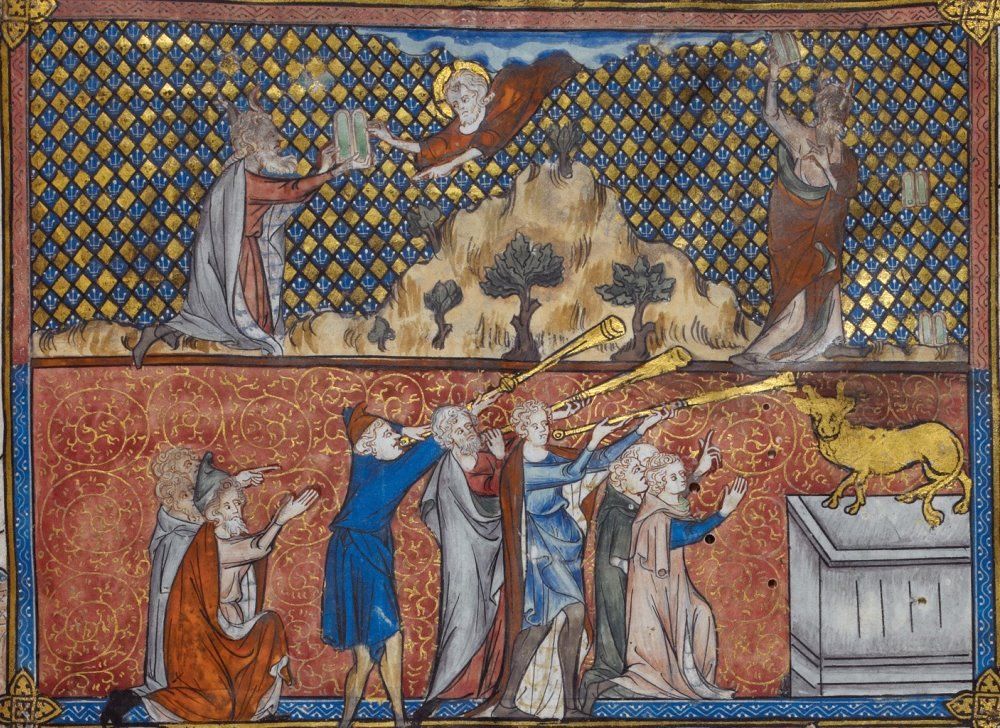
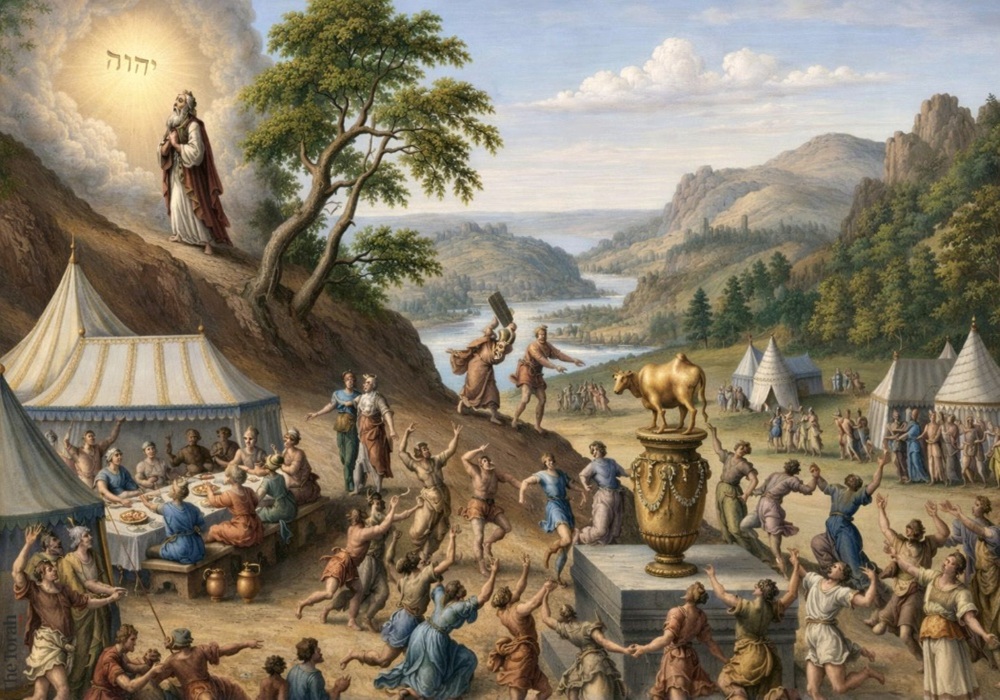
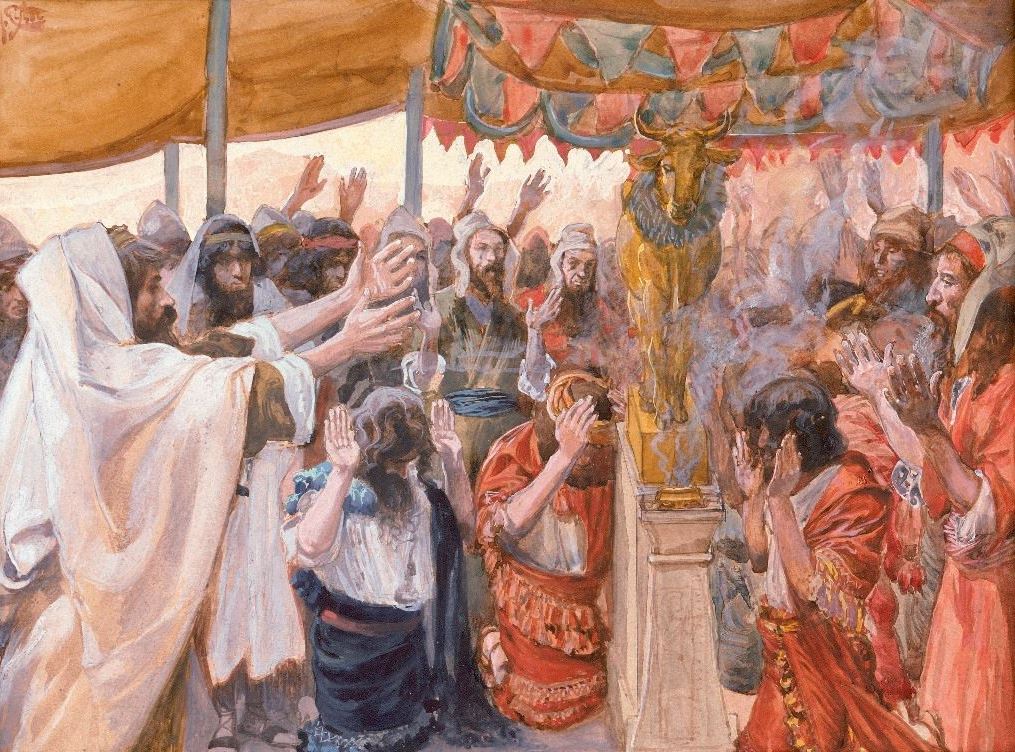
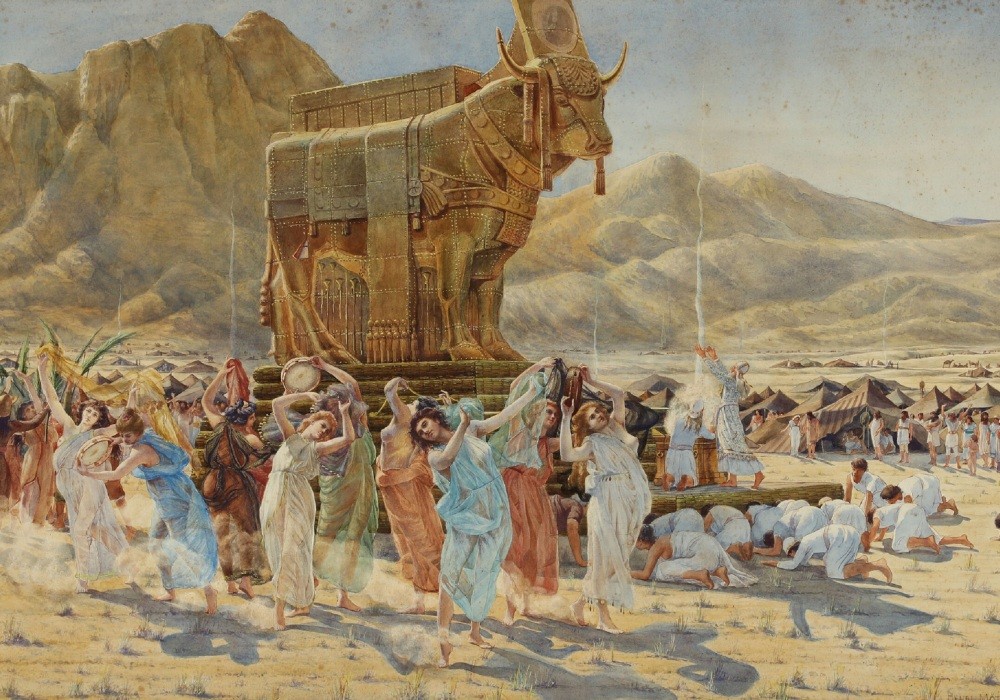
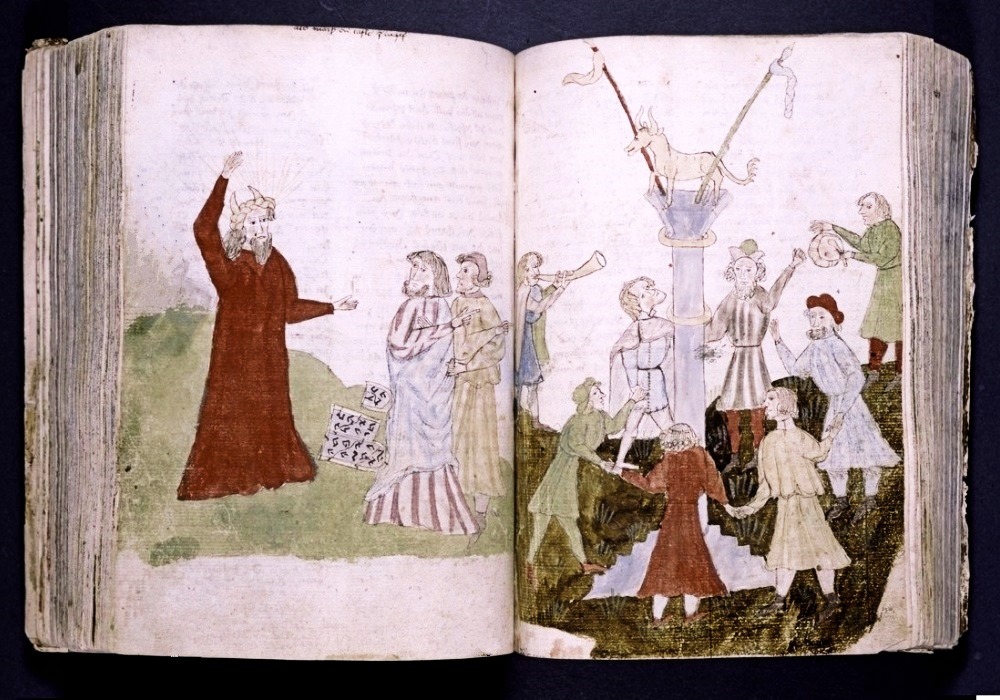
Originally, the golden calf story was just one among many incidents in which the Israelites sin and antagonize YHWH in the wilderness. Later scribes expanded the story as a critique of northern worship sites and also added the Decalogue, with the first few laws being composed as a point-by-point response to Israel’s sin.
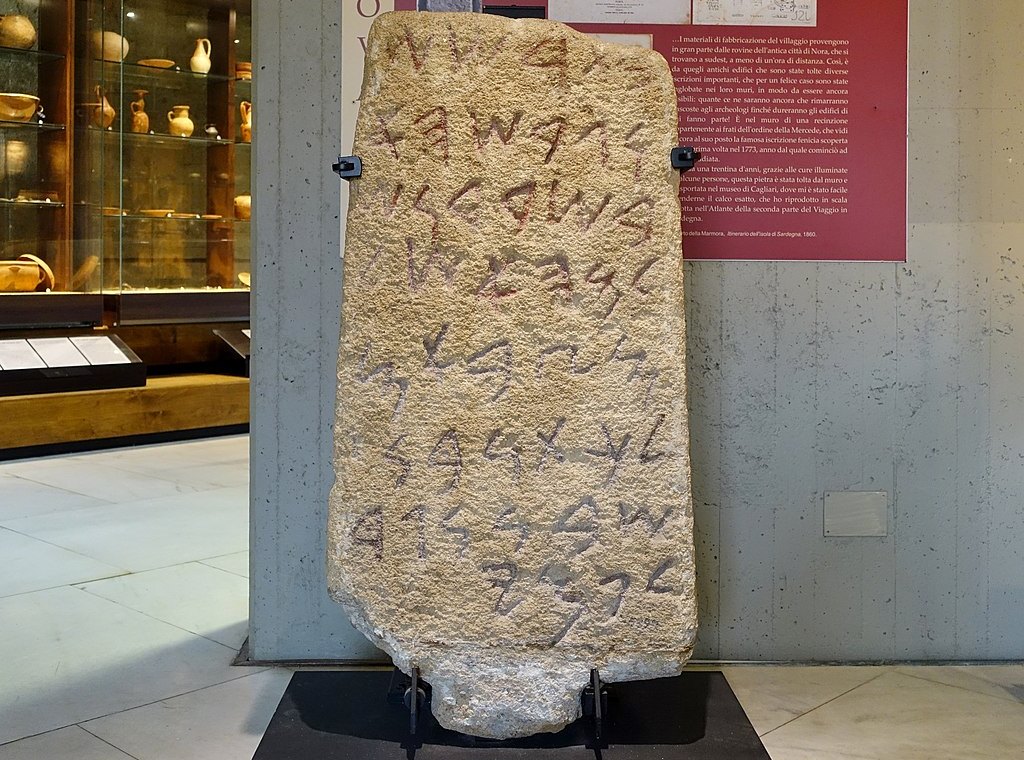
In a joint venture, the Phoenician King Hiram and King Solomon go to Tarshish to bring back silver—the Levant has no silver deposits of its own. Where is Tarshish? Archaeological science, specifically, the ability to trace the chemical fingerprint of silver, and Phoenician inscriptions such as the Nora Stone, point us to the answer(s).
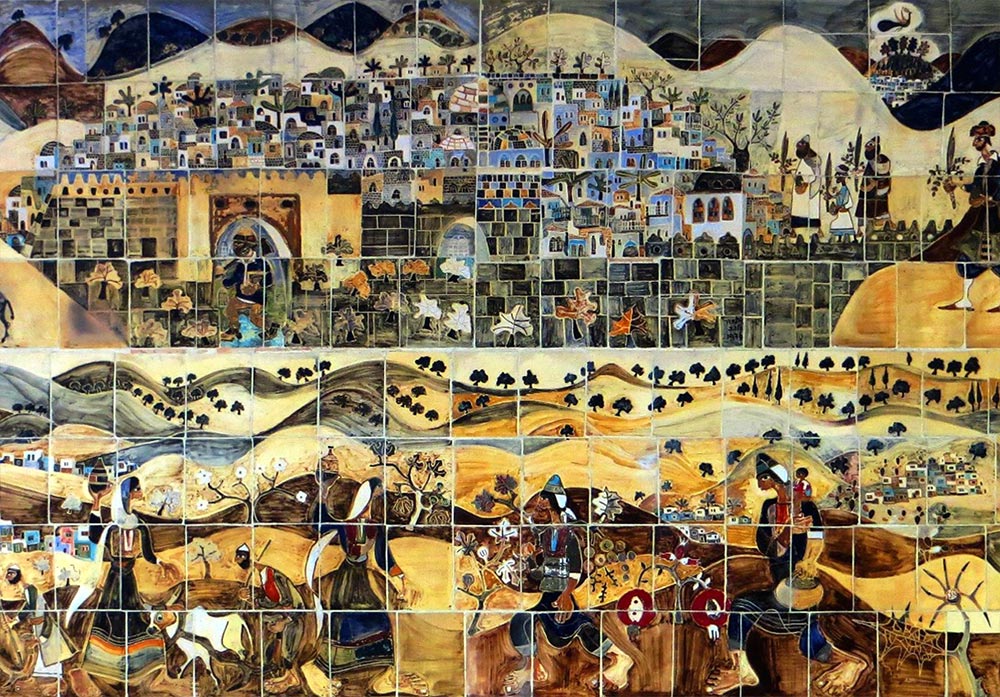
Using the metaphor of Israel as YHWH’s vineyard, three biblical texts—Isaiah 5, Psalm 80 and Isaiah 27—grapple with Judah’s destruction and the hope for its future recovery.
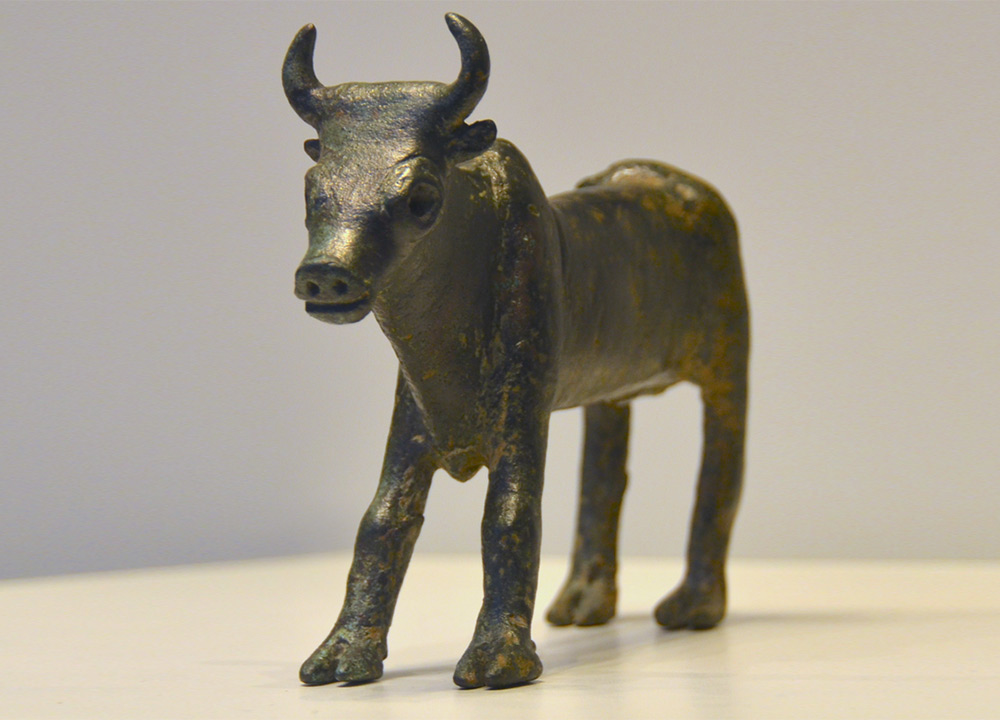
Northern Israel worshipped El/YHWH in the form of a golden bull. The Bible mocks this graven representation of the divinity by describing it as a calf.
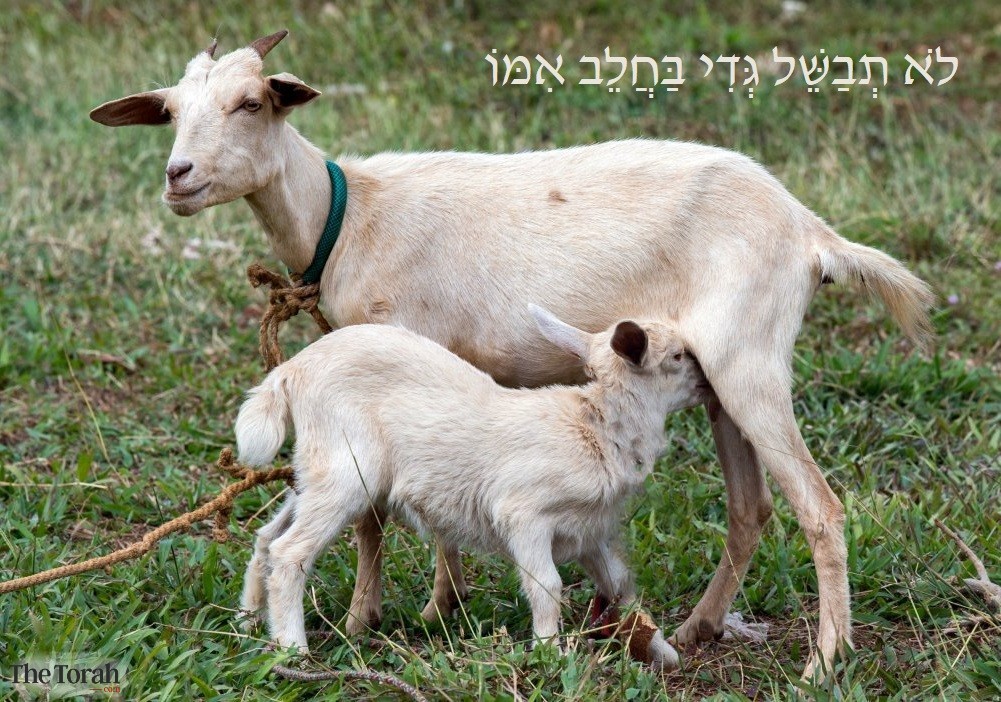
The original biblical prohibition before it was interpreted to forbid cooking or consuming meat and milk together.

The Torah requires a man who marries his maidservant to treat her as a wife, providing her with food, clothing, and onah, a term that has been interpreted as shelter, anointing oil, or conjugal rights. The latter is the traditional understanding, which Shadal defends. Critiquing Maimonides’ philosophical attitude to sexuality, Shadal claims that the Torah here is recognizing a woman’s sexual needs.
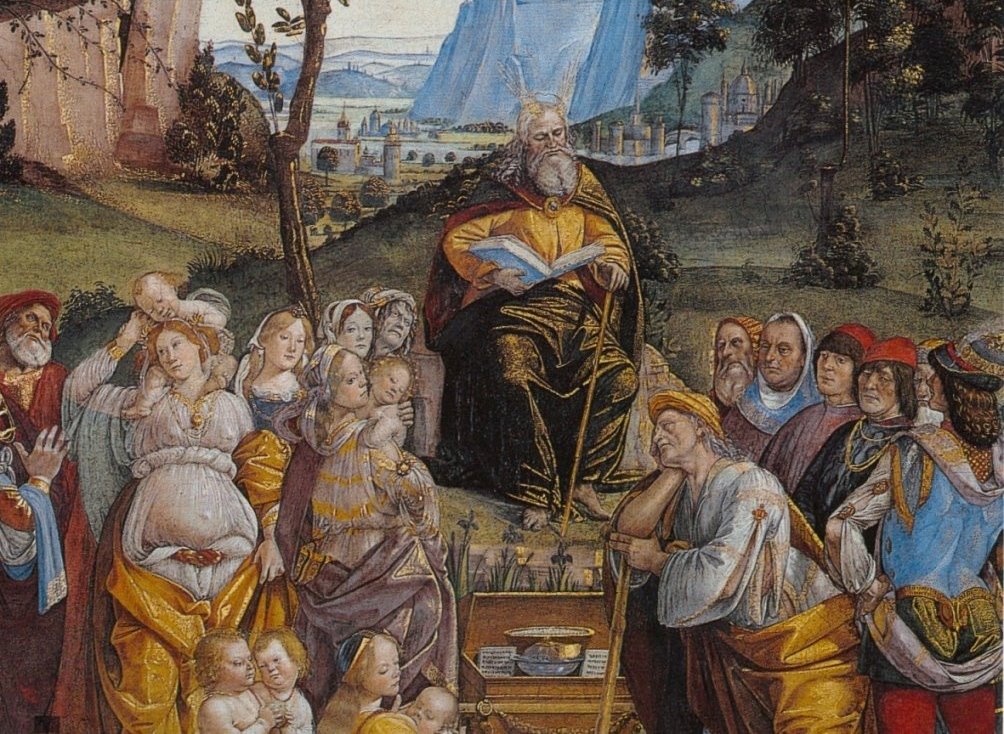
After Sinai, Moses writes down YHWH’s Laws on a scroll and reads it to the people (Exodus 24). Similarly, Moses writes down the Deuteronomic Torah, which will be read to the people every seven years (Deuteronomy 31). Using the literary mirroring technique, mise en abyme, the Torah connects its authority to these ancient scrolls on one hand, and its readers with the ancient Israelite audience on the other.

Biblical authors struggled to explain why Canaanites remained on the land after Israel settled it. Exodus (23:29–30) and Deuteronomy (7:22) suggest that Israel needed time to settle the land. The opening of Joshua reimagines the past to include an Israelite Blitzkrieg that removed the inhabitants entirely. Other approaches see the remaining Canaanites as a punishment (Judges 2) or a test of Israel's resolve (Joshua 23).
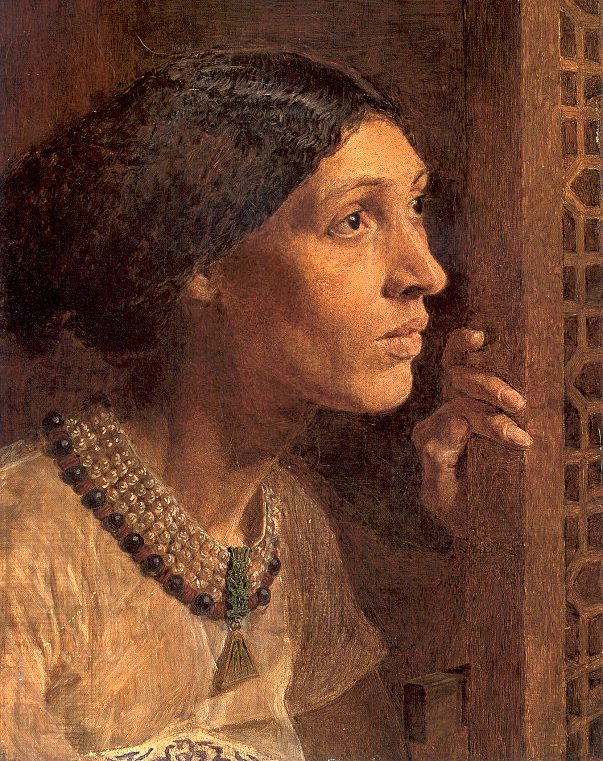
Biblical Antiquities, circa 1st cent. C.E., retells the story of Judges 4–5. It expands the maternal imagery of Deborah and Yael, develops the character of Sisera’s mother, and adds sexual innuendo to Yael’s interactions with Sisera.
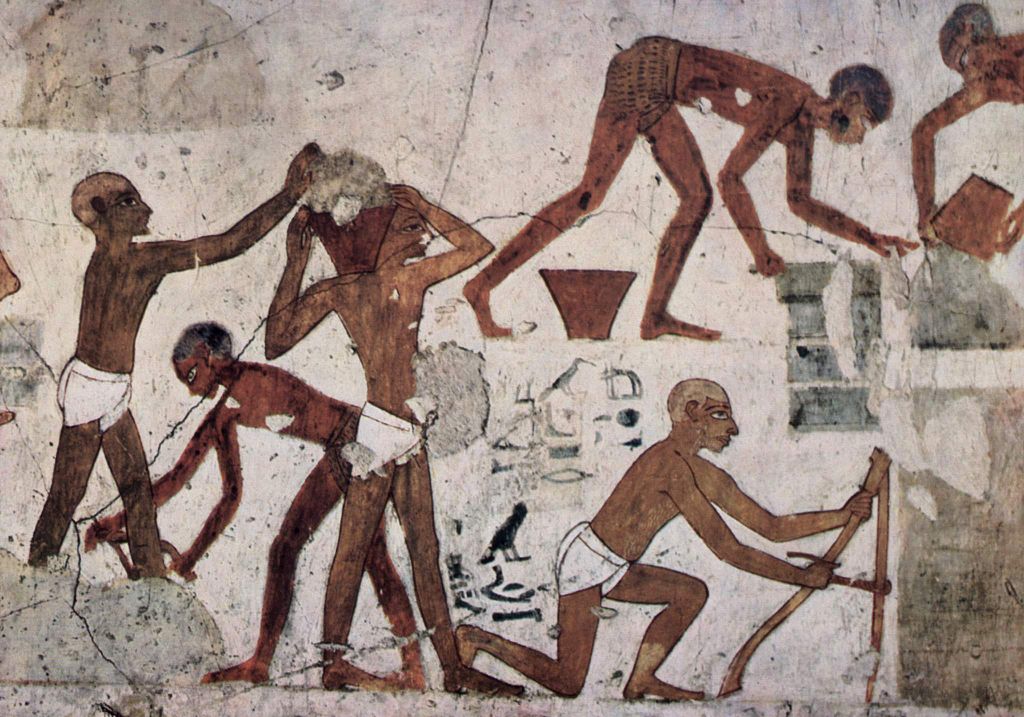
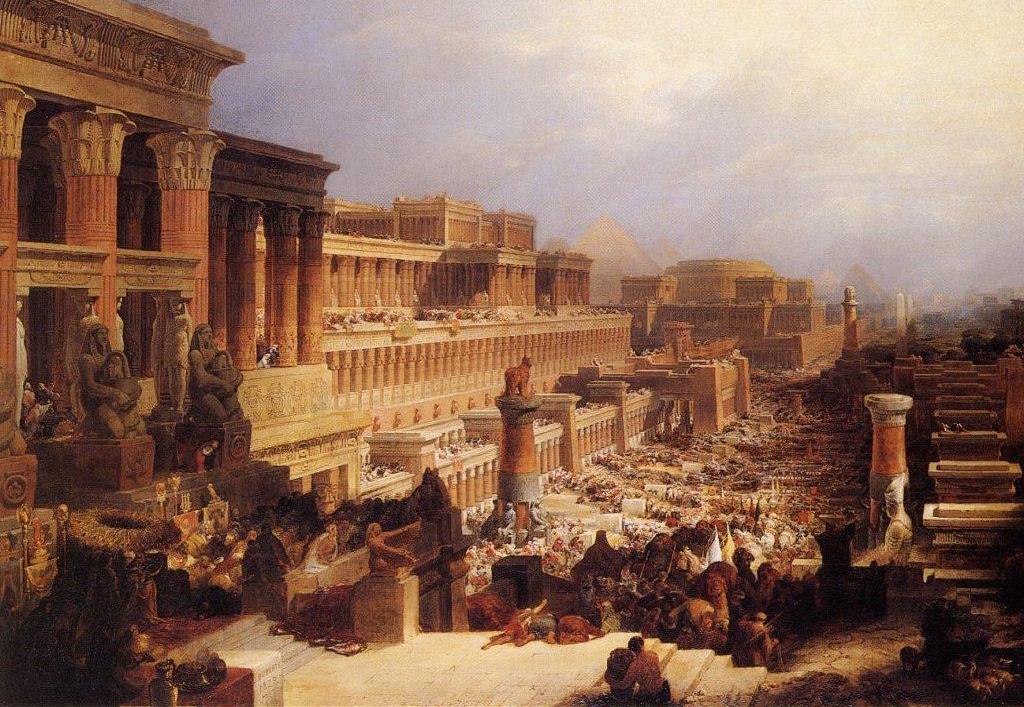
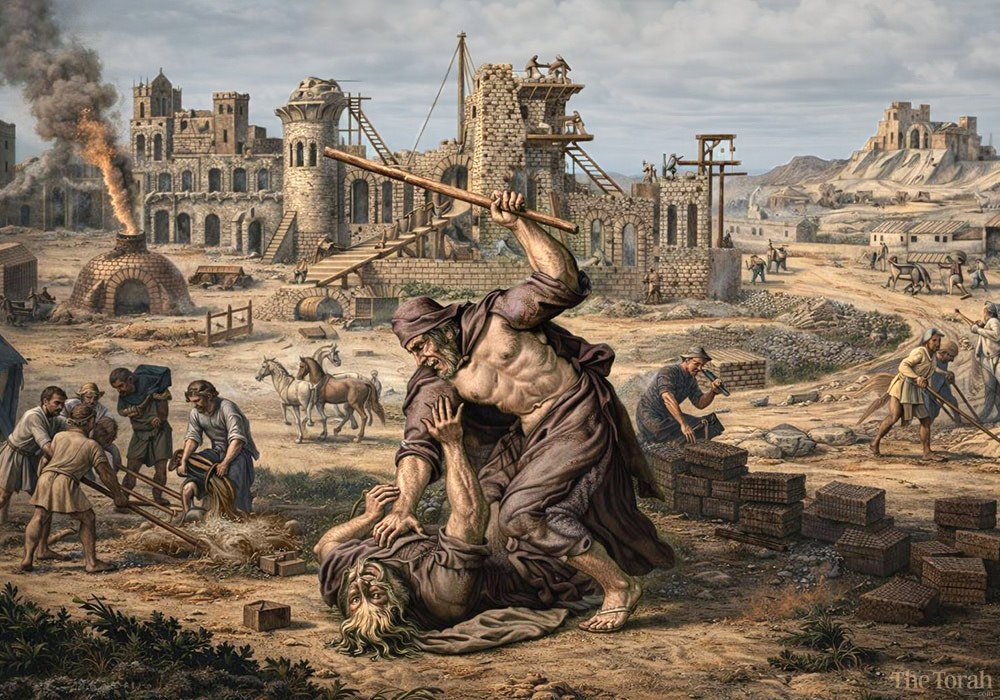
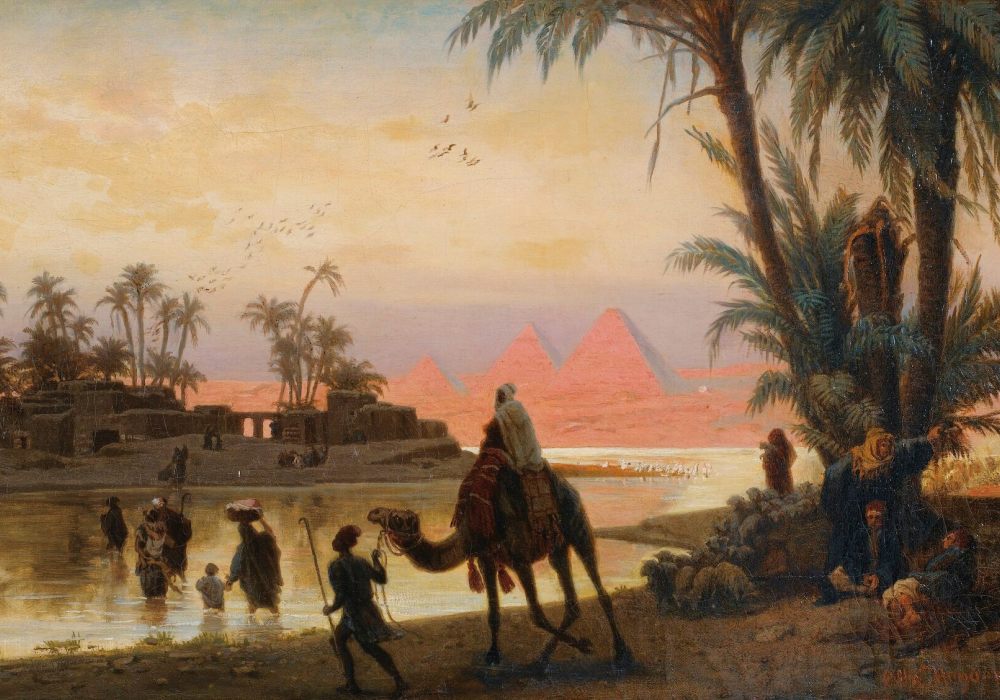
The earliest story of Israel’s experience in Egypt.

In several midrashim, God lovingly lifts Mount Sinai over the Israelites to protect them from the dangers of the revelation. One midrash, however, has God threatening to bury the Israelites with the mountain if they don’t accept the Torah. The difference is the intertext.

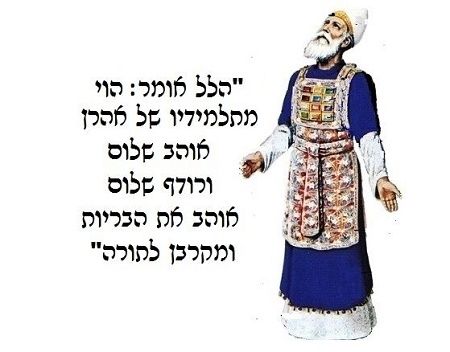
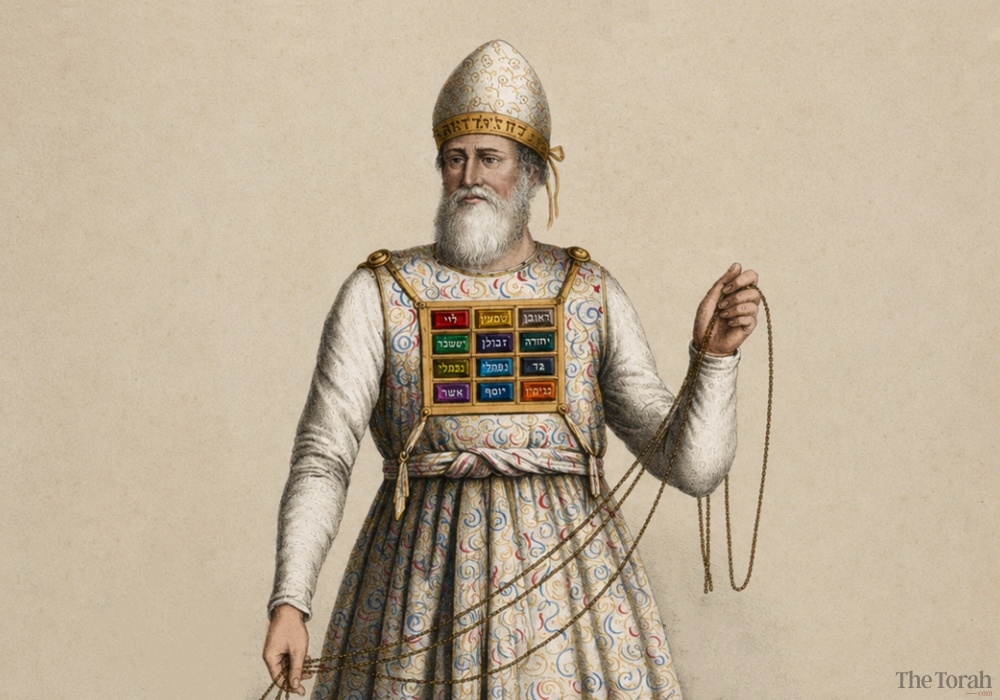
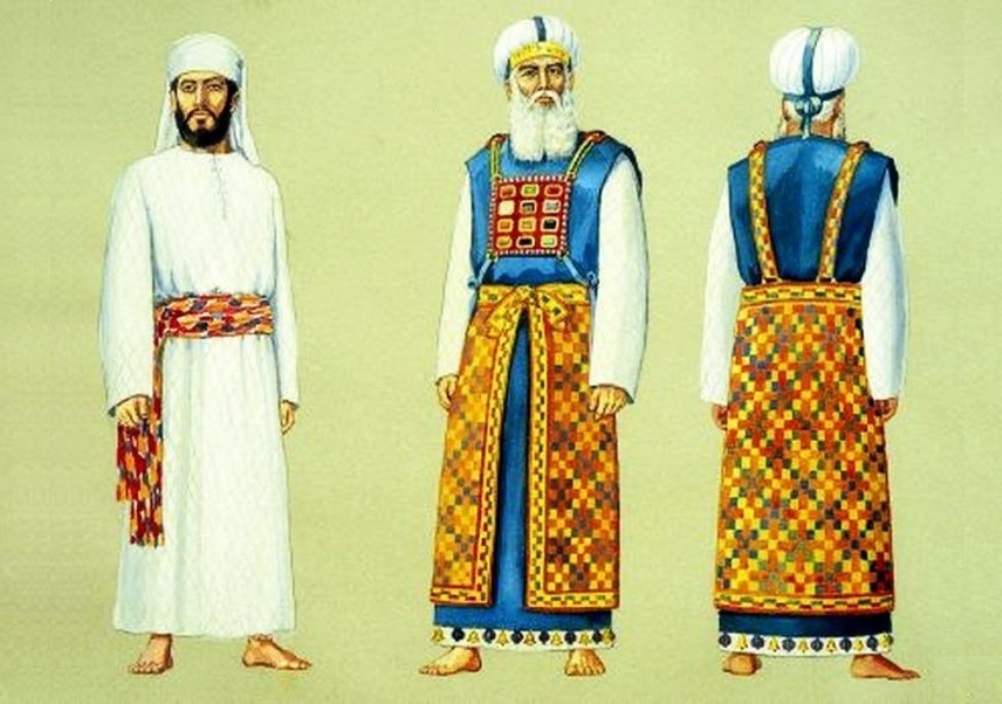
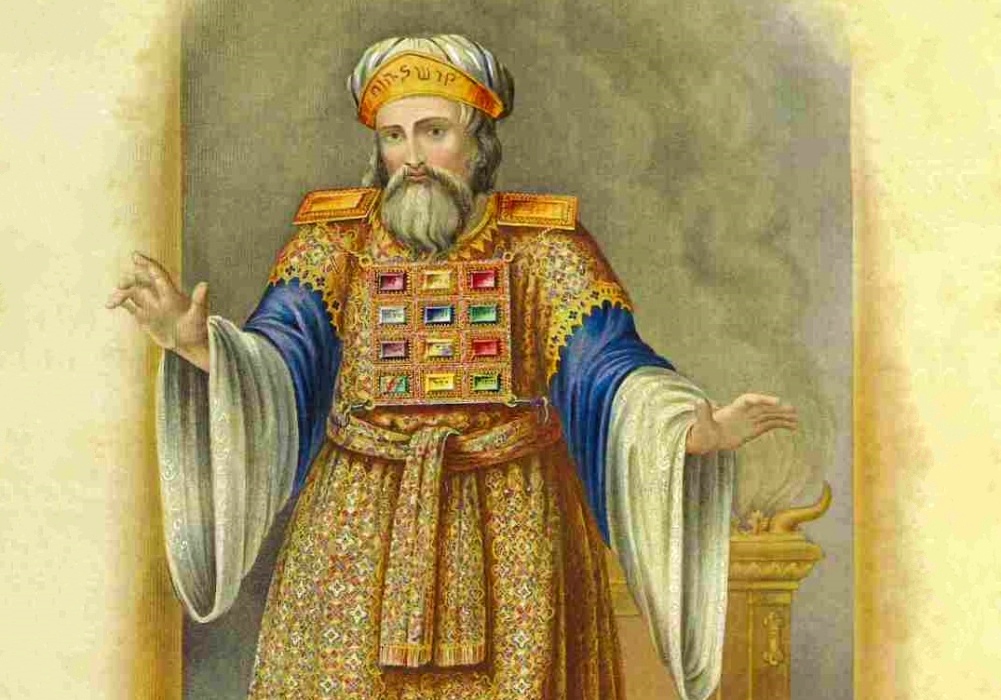
With the loss of the Temple, wearing Shabbat clothes conveys the כָּבוֹד וּתִפְאָרֶת, “glory and splendor” of the priestly garments.

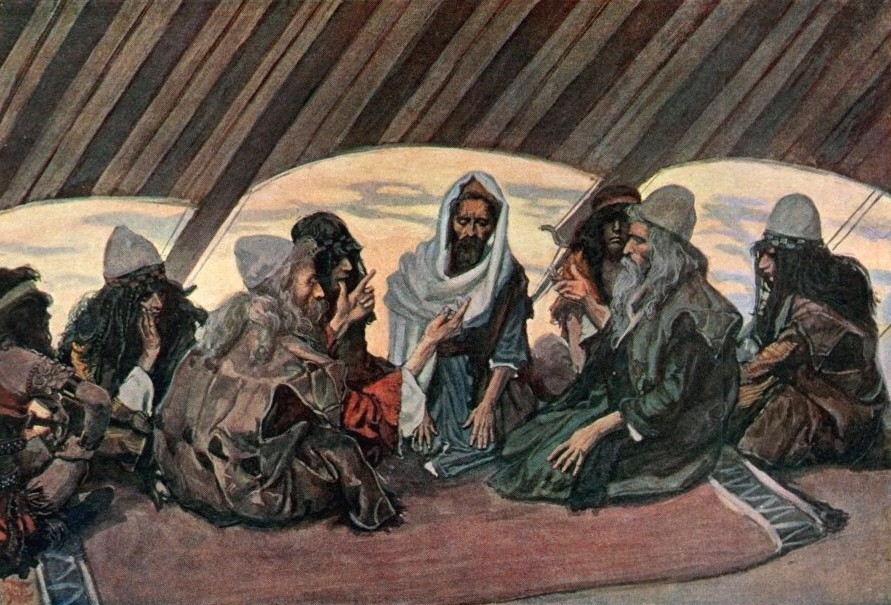
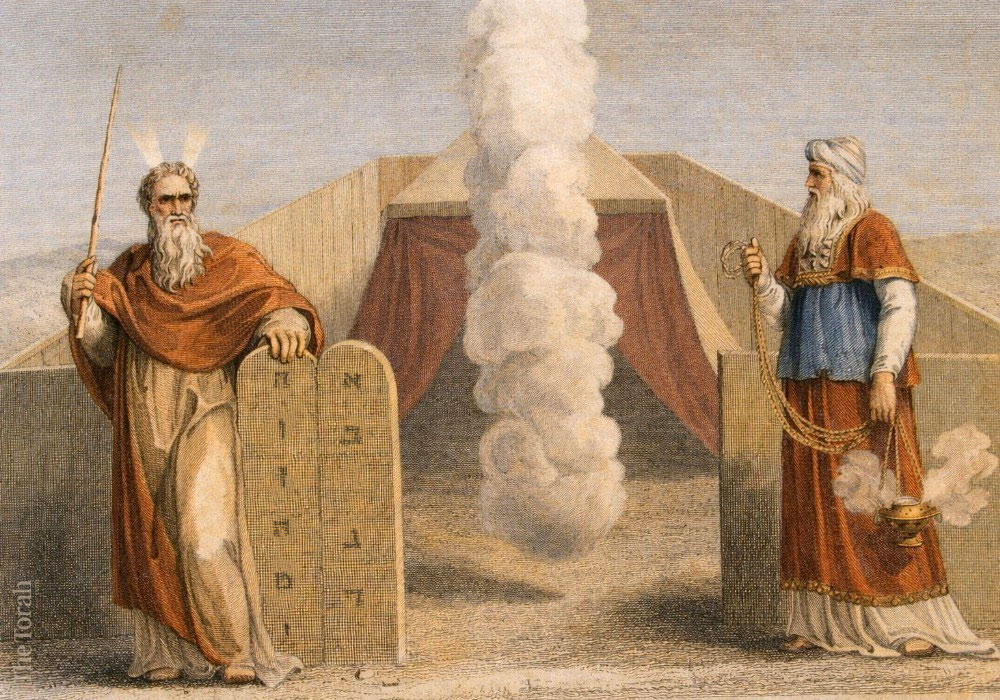
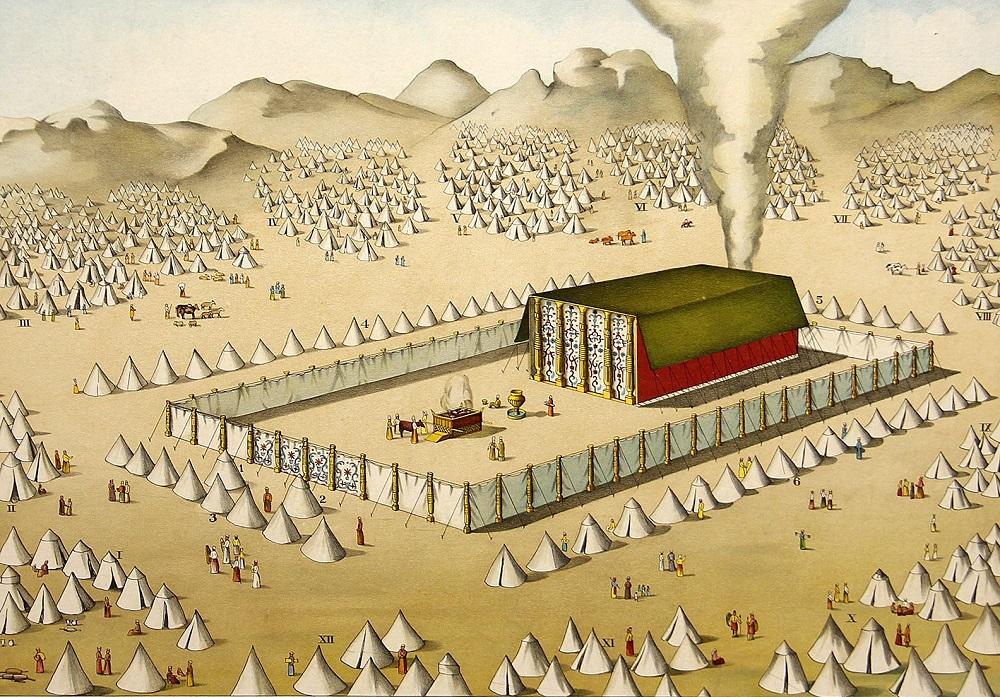
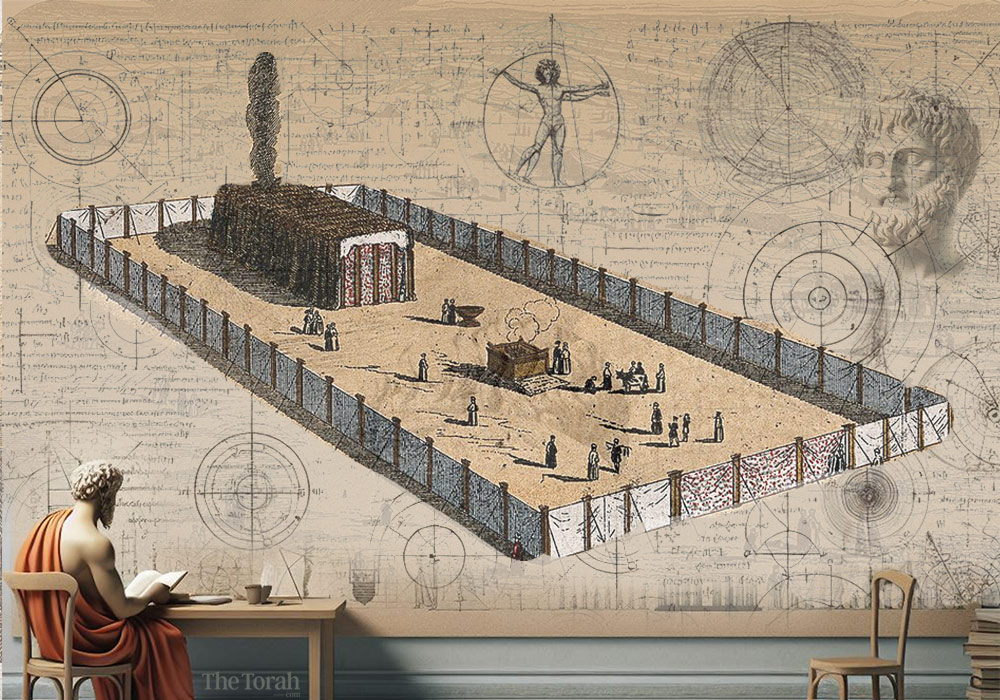
Post-exilic scribes challenged priestly authority by supplementing the Tabernacle texts with a second Ohel Moed, Tent of Meeting, where Moses appoints the 70 elders. In contrast to the Priestly Tabernacle, any Israelite can go to this Tent of Meeting to speak with God.
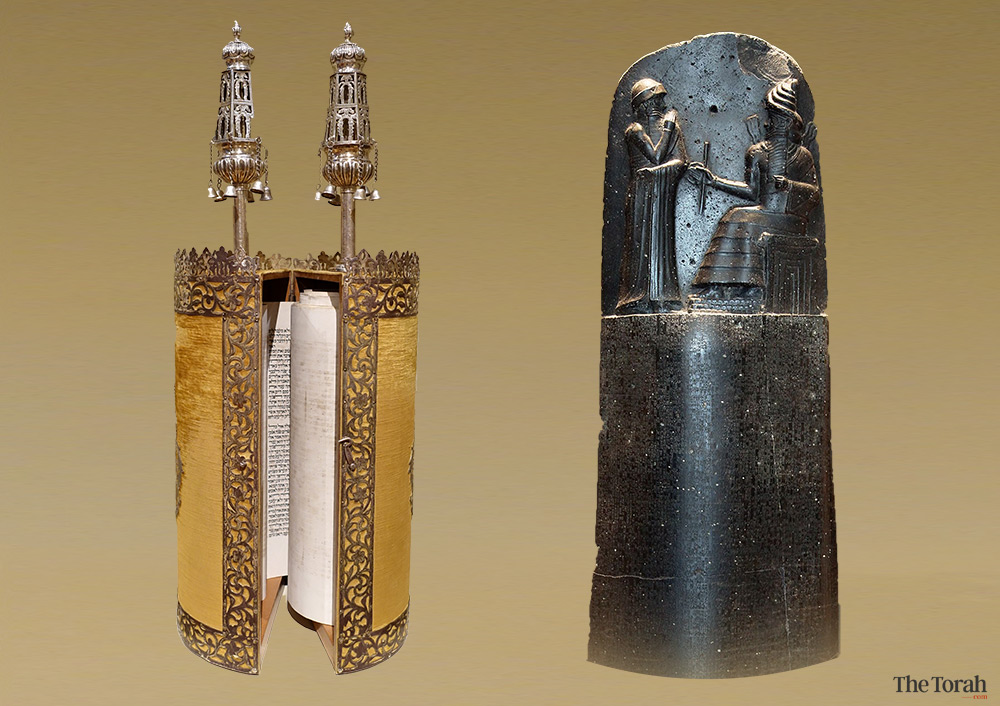
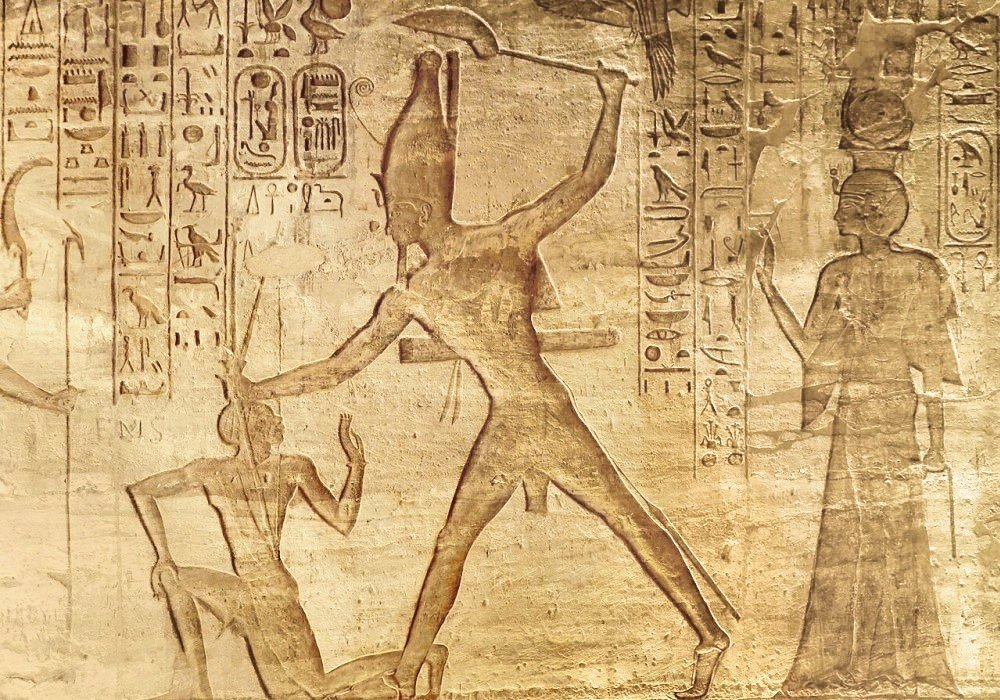
In 1902, Friedrich Delitzsch argued in his Babel und Bibel (Babylon and the Bible) lecture series that the biblical texts are dependent upon and inferior to those of Babylonia. A key piece of evidence was the Hammurabi Stele, discovered only months before, but traditional scholars responded by maintaining the ethical superiority of Mosaic law.
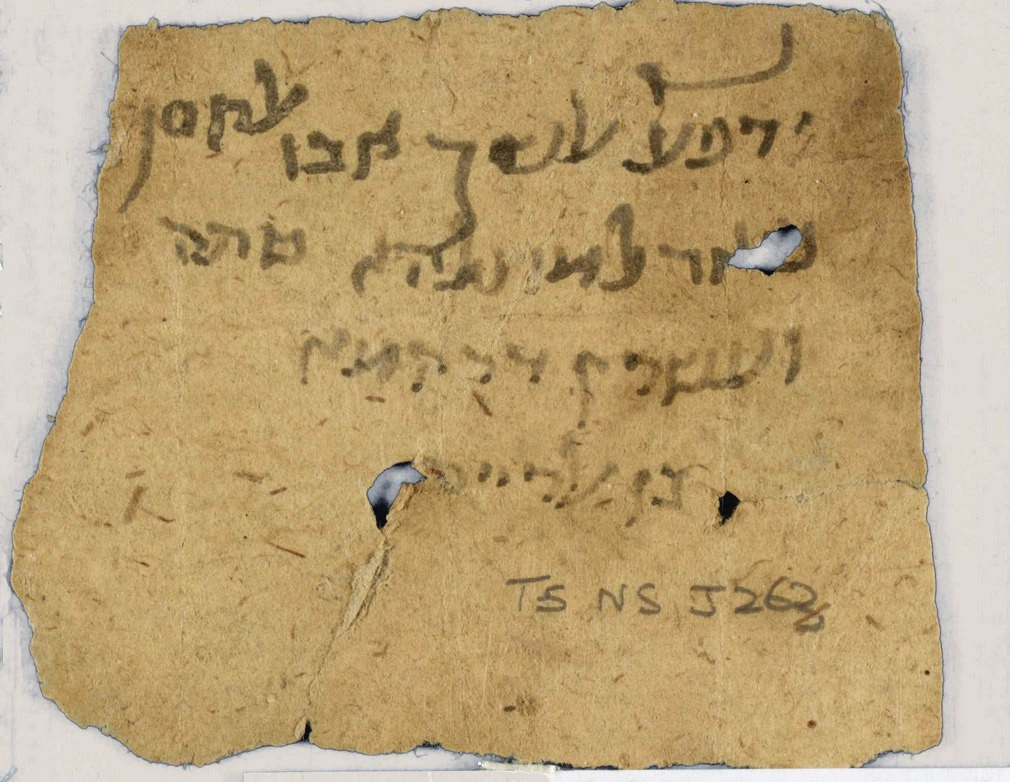
The Torah’s prohibition against loaning money with interest addresses a culture of subsistence farmers. Later Jews devised halakhic loopholes to enable them to make use of credit instruments such as the suftaja and to participate in market economies.
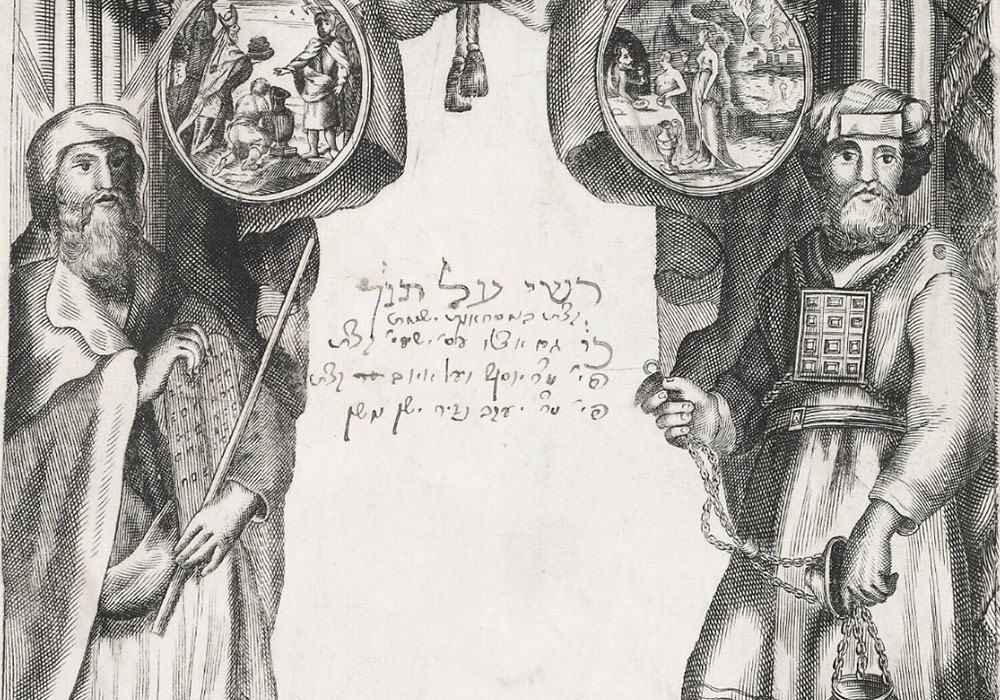
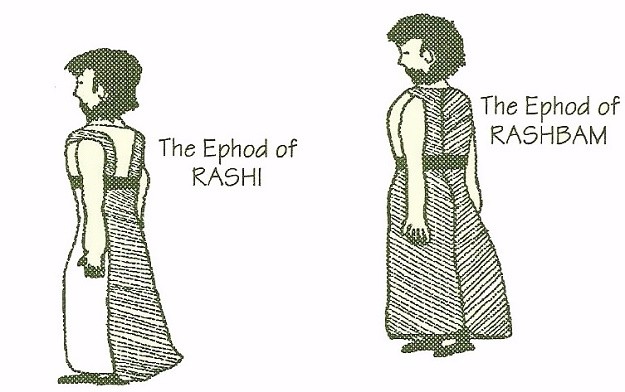
Rashi’s Torah commentary is largely adapted from classic rabbinic sources, including midrash halakhah. And yet, he often changes their meaning in his revisions. Where does Rashi get the authority to make these changes?

The answer, or lack thereof, teaches us something important about the meaning and limits of divine revelation.

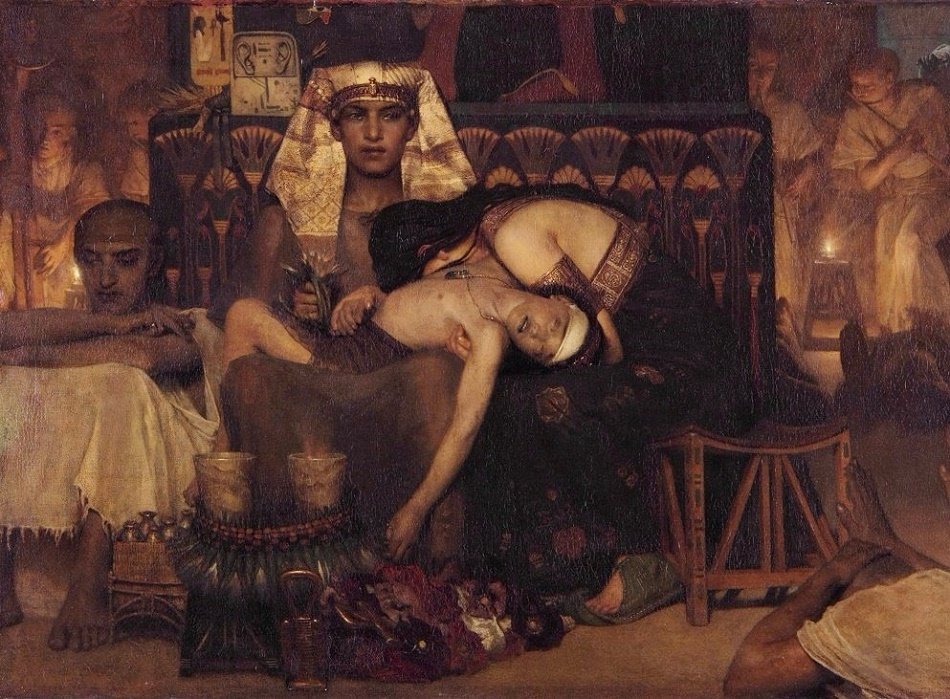
Village dogs, guard dogs, scavenger dogs, and dog burials—what archaeology and the Bible can tell us about dogs in ancient Egypt and the Levant, and the significance of their silence during the plague of the firstborn.
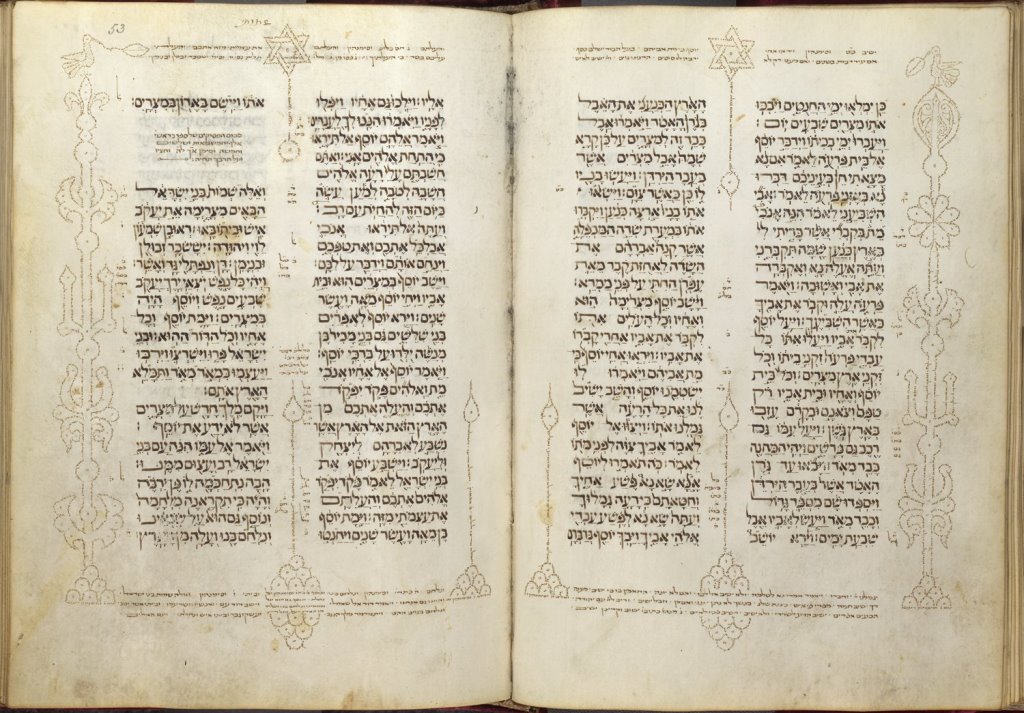
The story of the ancestors in Genesis serves as a prequel to that of Moses in Exodus. Originally, however, each were self-standing accounts of Israel’s origin. They were combined for the first time by the Priestly author in the post-exilic period.
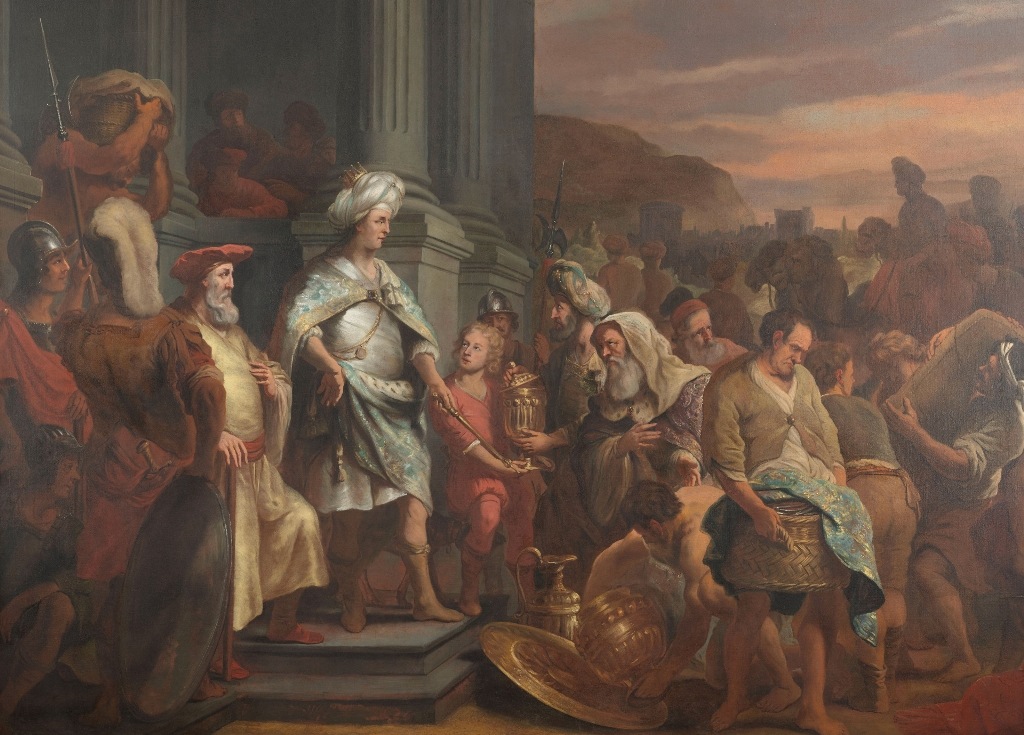
Abraham, Jacob, and the Israelites in Egypt acquire wealth from foreign peoples in morally ambiguous ways. In contrast, the Judeans’ return from exile, depicted as a second exodus, is accomplished with the blessing of the gentile king, and the wealth obtained in exile is entirely untainted.

When a man accidentally kills a pregnant woman in a brawl, Exodus requires him to pay “life for a life.” This is generally understood as either capital punishment or monetary repayment. Its legal formulation in context, however, suggests substitution, i.e., the offender has to hand over a woman from his own family.

The Canaanite city of Hazor was destroyed in the Late Bronze Age. When the Israelites resettled the city in the Early Iron Age, they placed standing stones in three different places on the destroyed remains. What were these stones meant to signify?
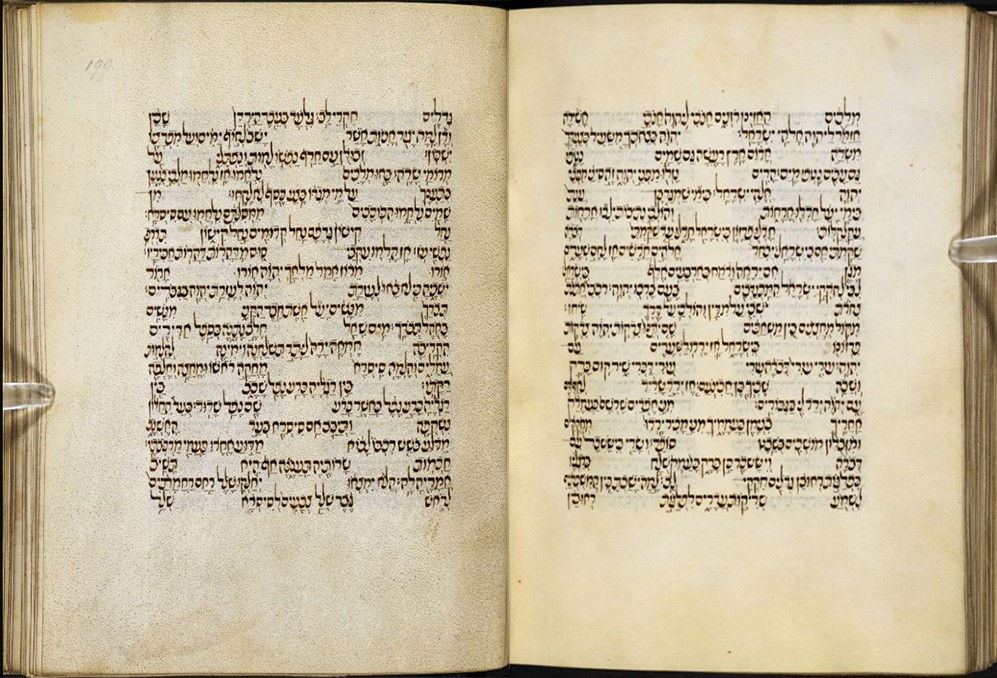
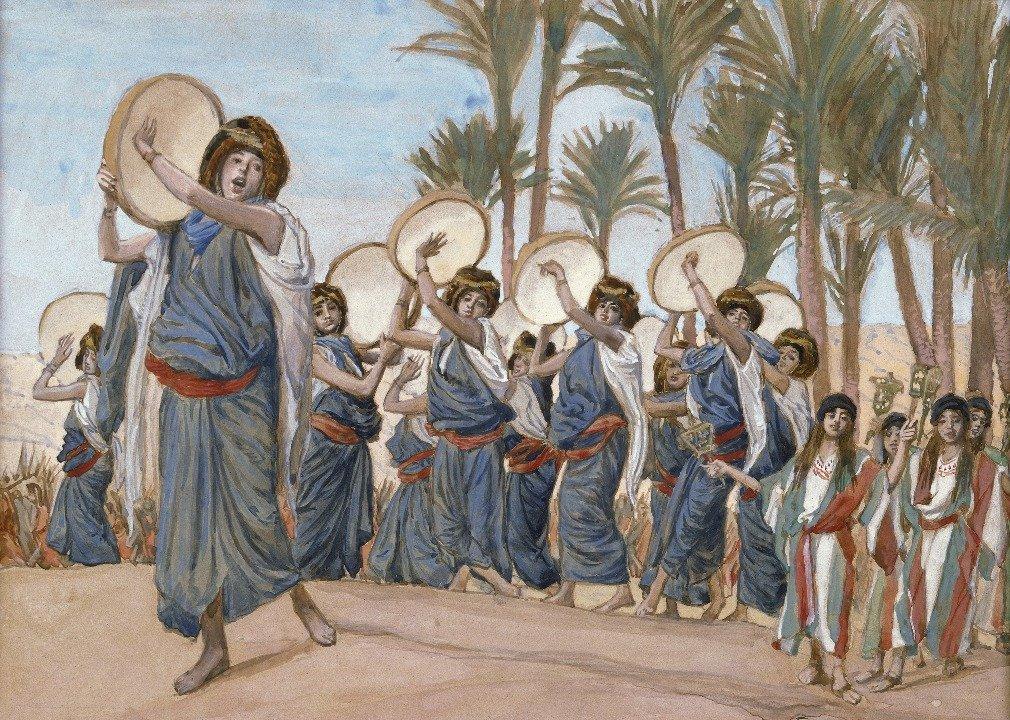
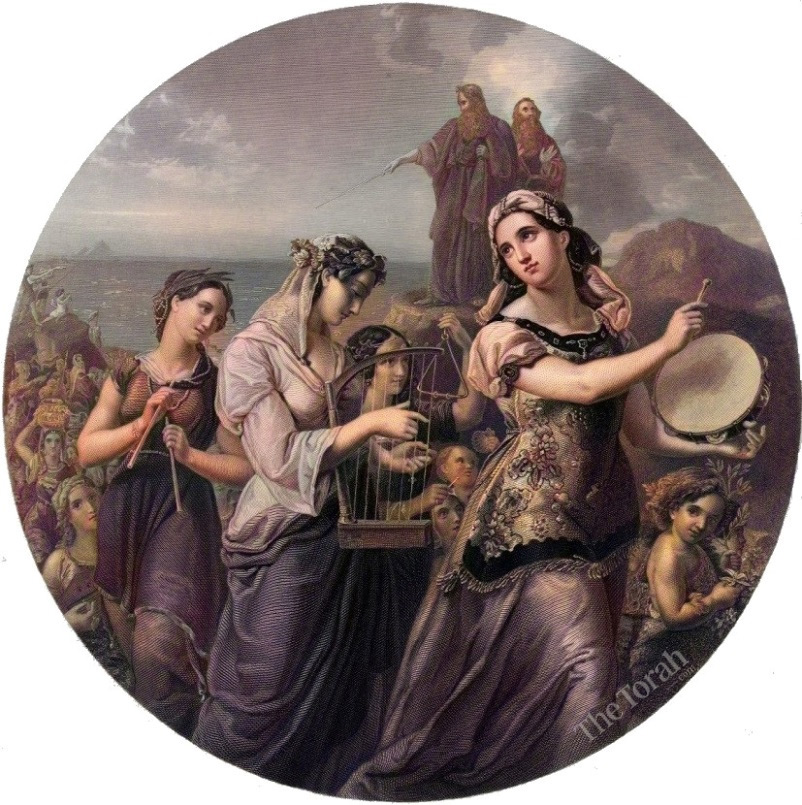
The Song of Deborah in Judges 5 is similar to both Arabic qaṣīdā poetry and ancient Egyptian epic poetry. How should we categorize it? Is it like the former, and composed orally by a bard, or like the latter, and composed by a royal scribe?
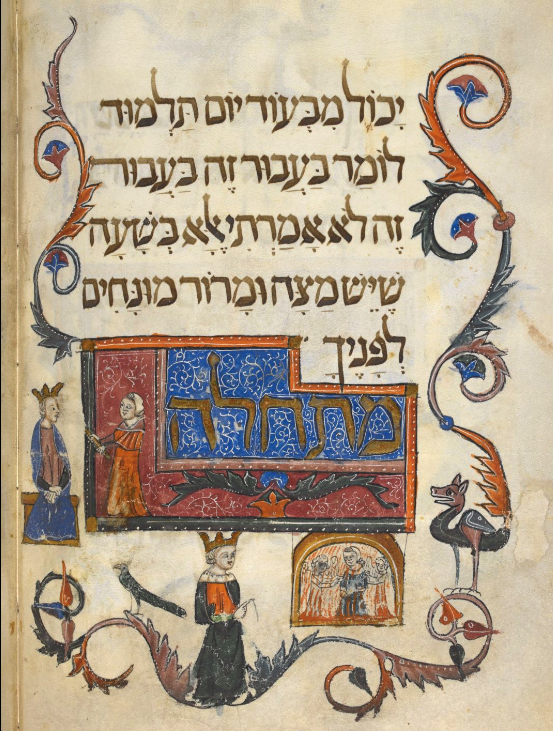
Traditional commentators offer various interpretations of the cryptic phrase בַּעֲבוּר זֶה in Exodus 13:8, generally translated “because of this” or “this is because.” But a well-known midrash from the Passover Haggadah holds the key to an entirely different translation which may indeed be the simple meaning of the text.
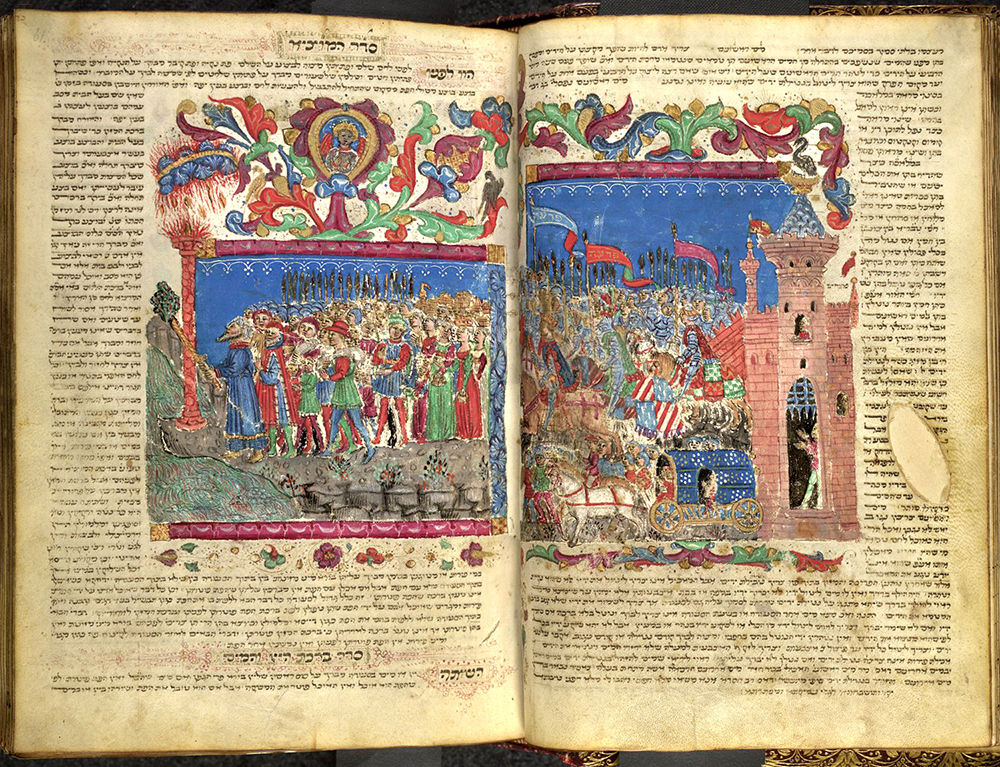
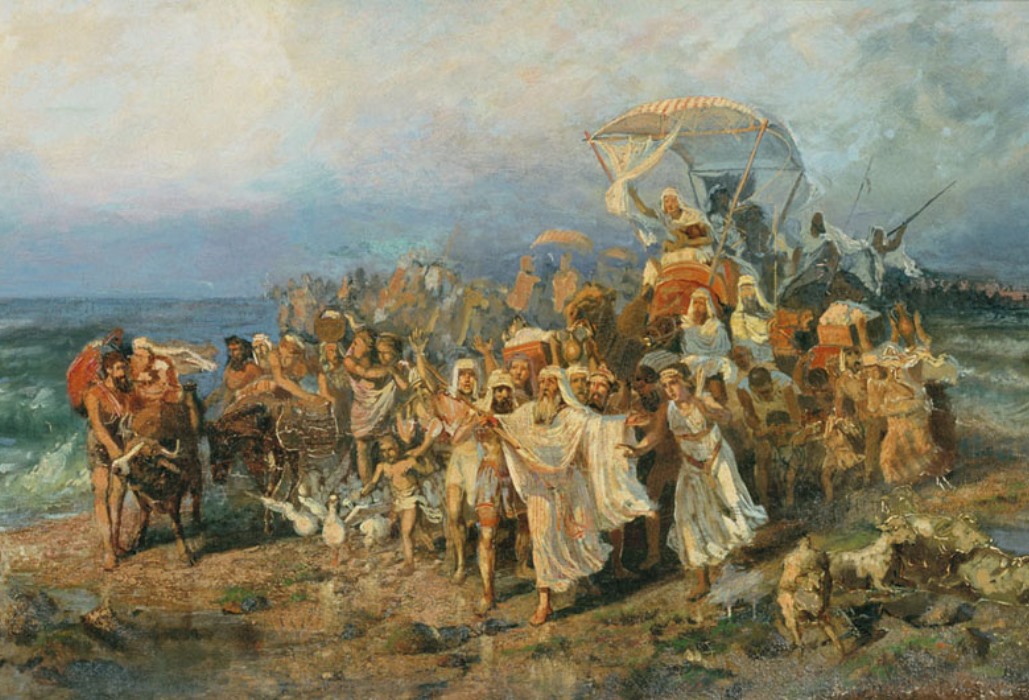
When the Israelites left Egypt, they were accompanied by an ʿerev rav (Exodus 12:38). This obscure term has been interpreted in different ways throughout two millennia of Bible interpretation, both positively and negatively, and modern scholars still debate its exact meaning. The term survives in modern Jewish discourse as a slur against other Jews.
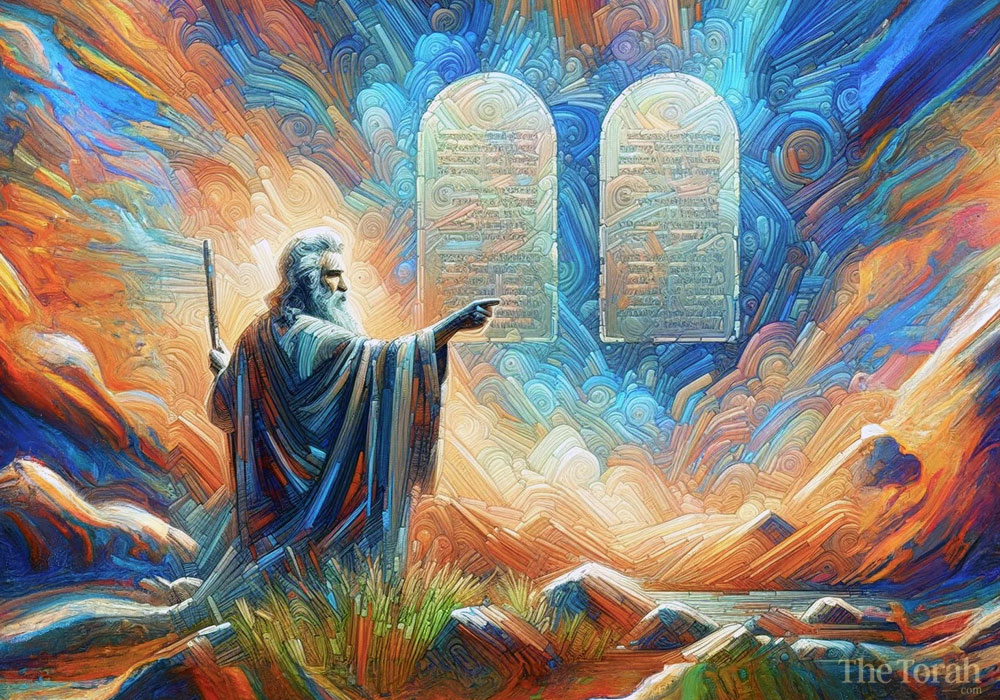
Ibn Ezra gives a surprising non-explanation for why Deuteronomy’s version of the Decalogue differs from that of Exodus: Is it really such a problem if Moses changed the words a little as long as he got the point right?
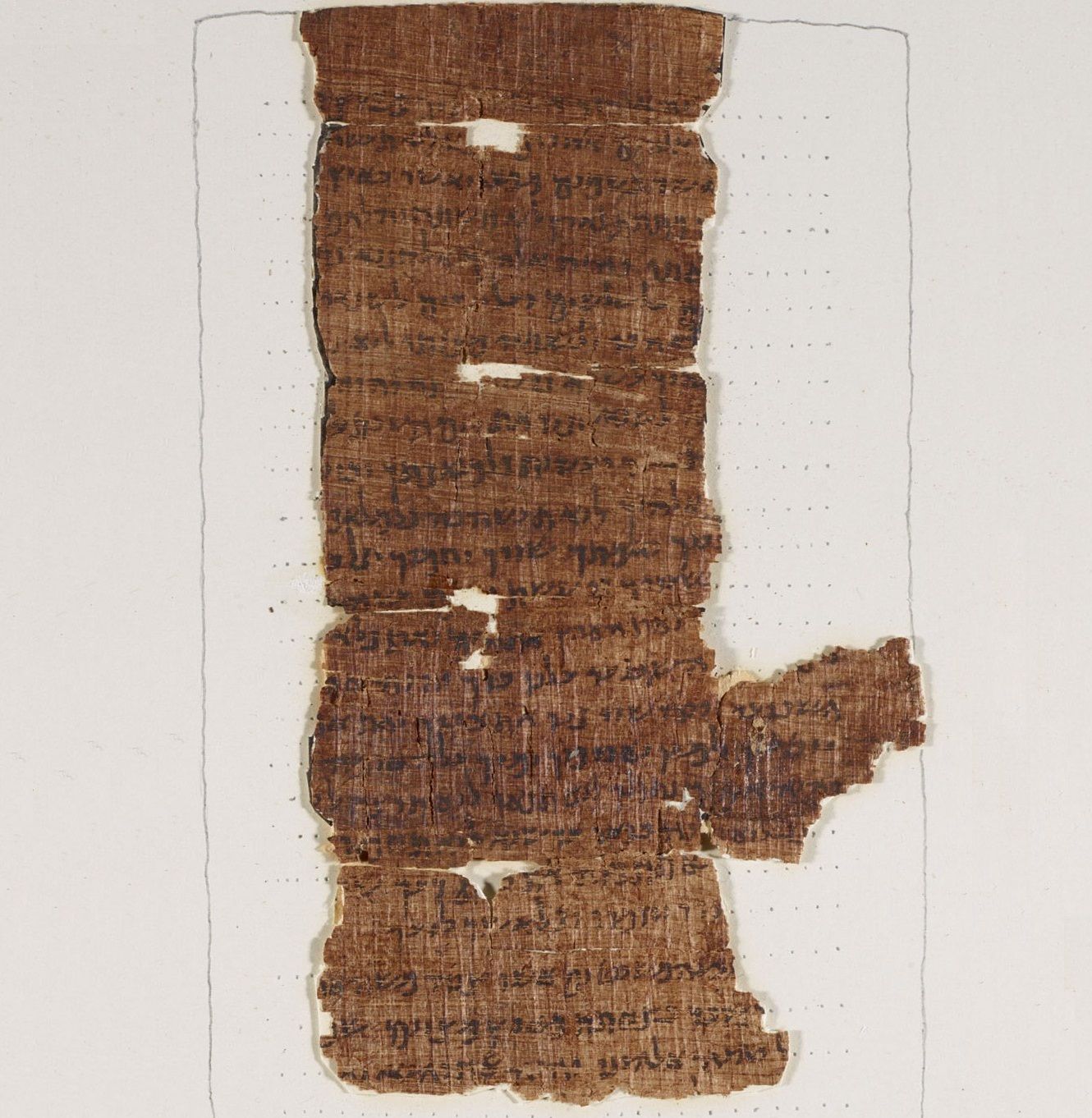
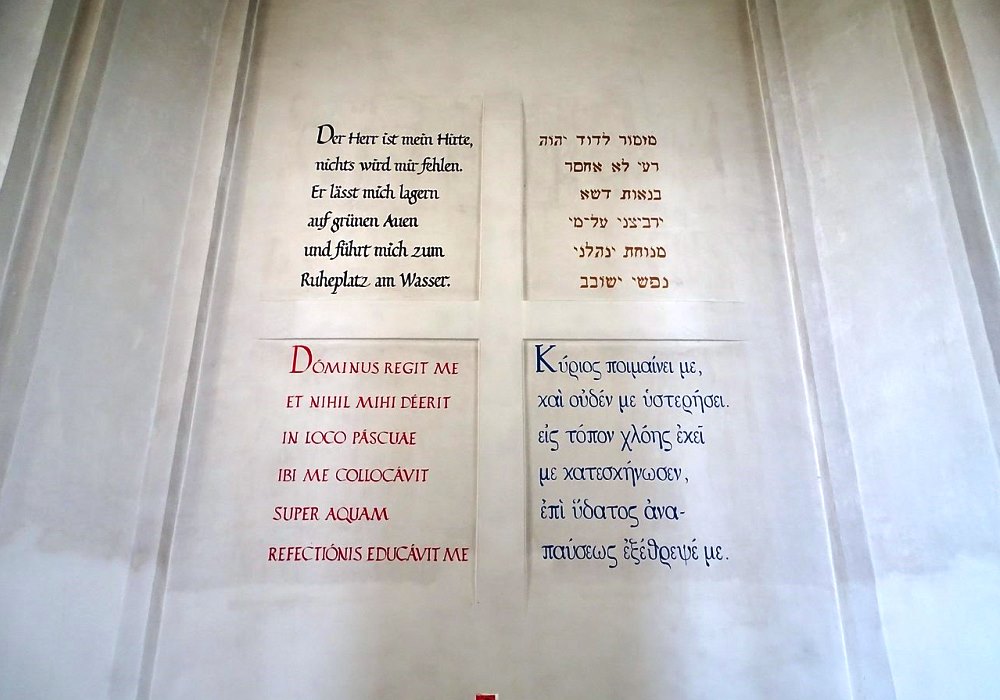
Beyond the two versions of the Decalogue in Exodus and Deuteronomy, and the usual differences between MT, SP, and LXX, in Second Temple times, liturgical texts in Qumran (4QDeutn) and Egypt (Nash Papyrus), Greek references in the New Testament and Philo, and even tefillin parchments, reflect slightly different recensions of the text.
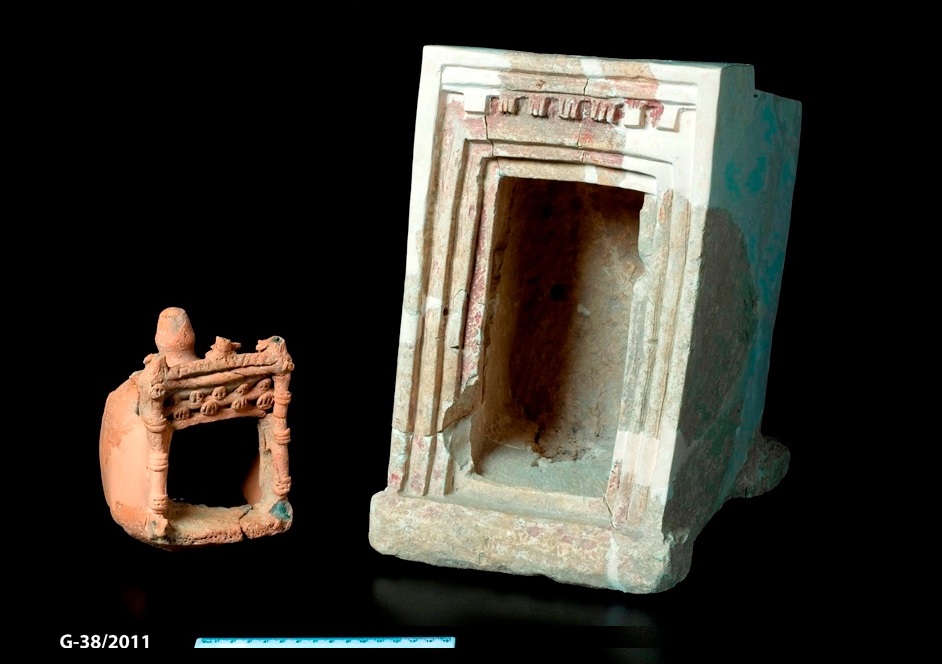
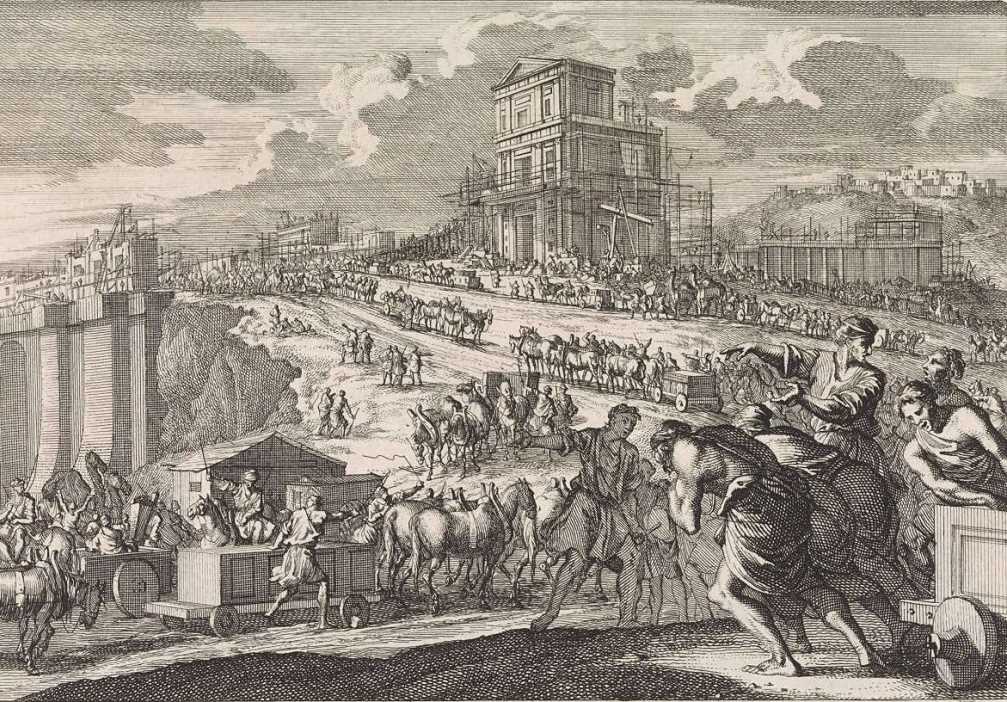
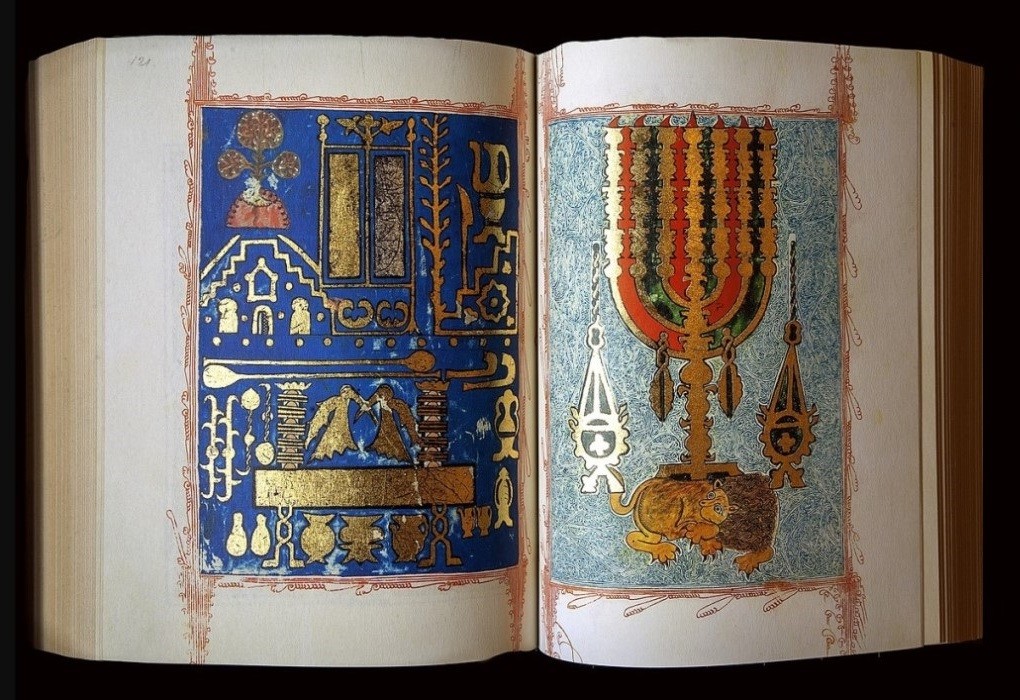
A small shrine model, found in an archaeological excavation of the 10th century B.C.E. city at Khirbet Qeiyafa, together with a 9th century B.C.E. Temple excavated at Motza, help us better understand the Temple of Solomon, known only from the biblical text.
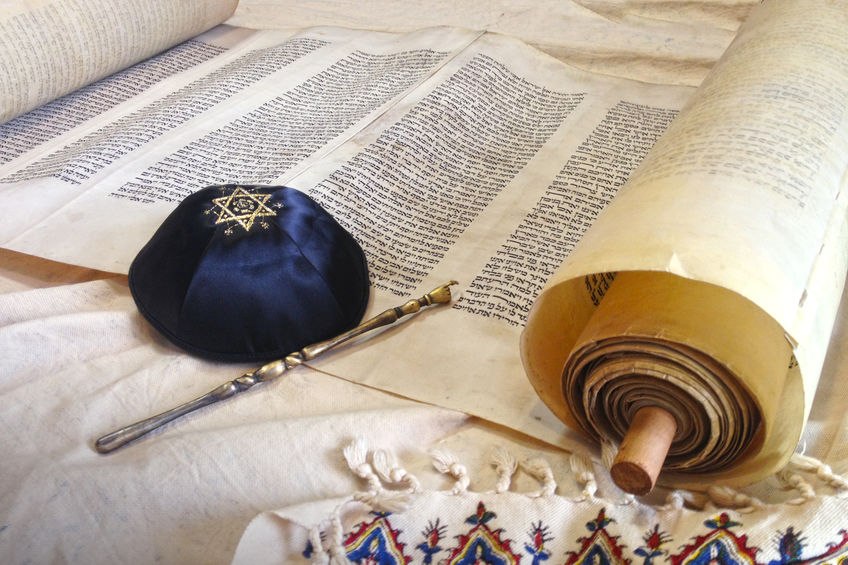
Conversion to Judaism as we know it is a rabbinic development, but what, then is the biblical ger, and why does he need to be circumcised in order to eat from the paschal offering?
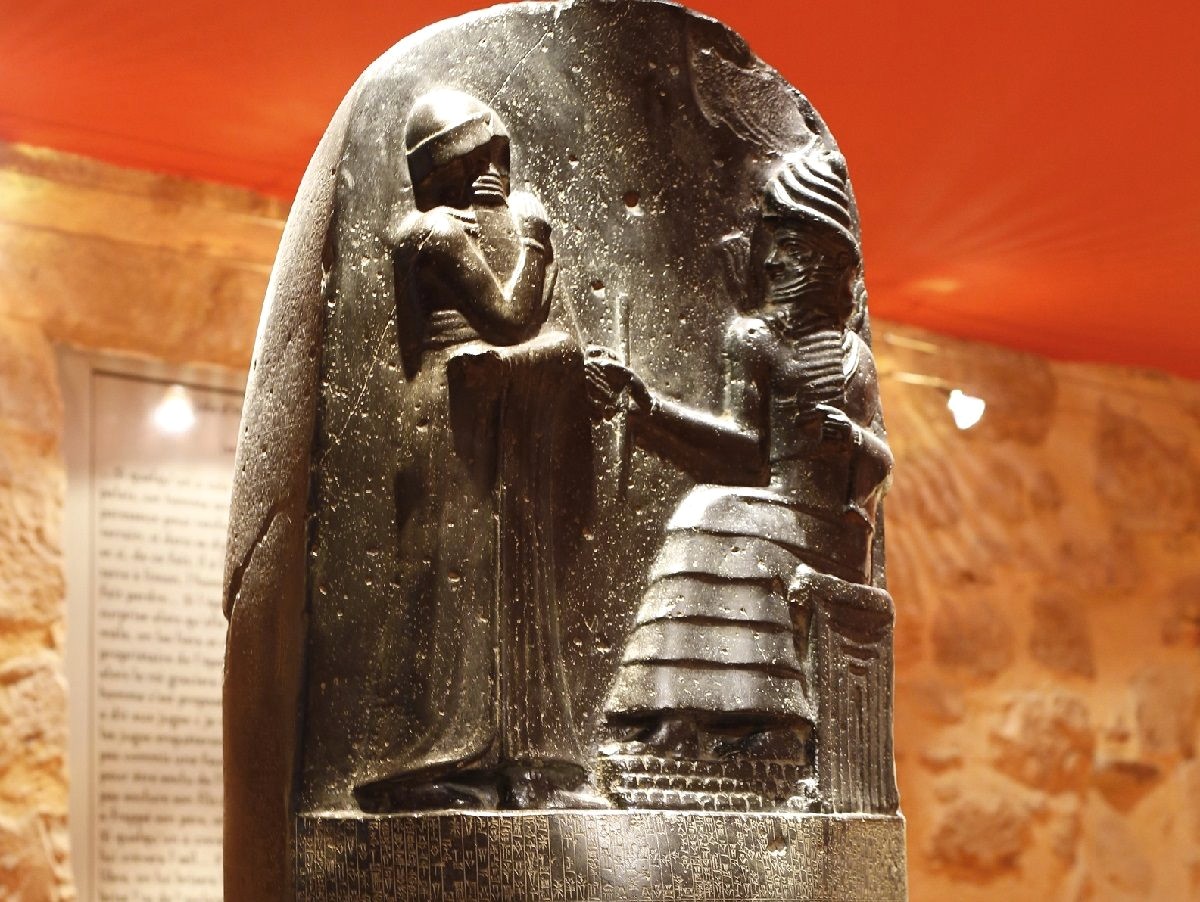
The author of the Covenant Collection in Exodus knew the Laws of Hammurabi and revised them to fit with Israelite legal and ethical conceptions. This is clear when we compare their laws of assault in each.
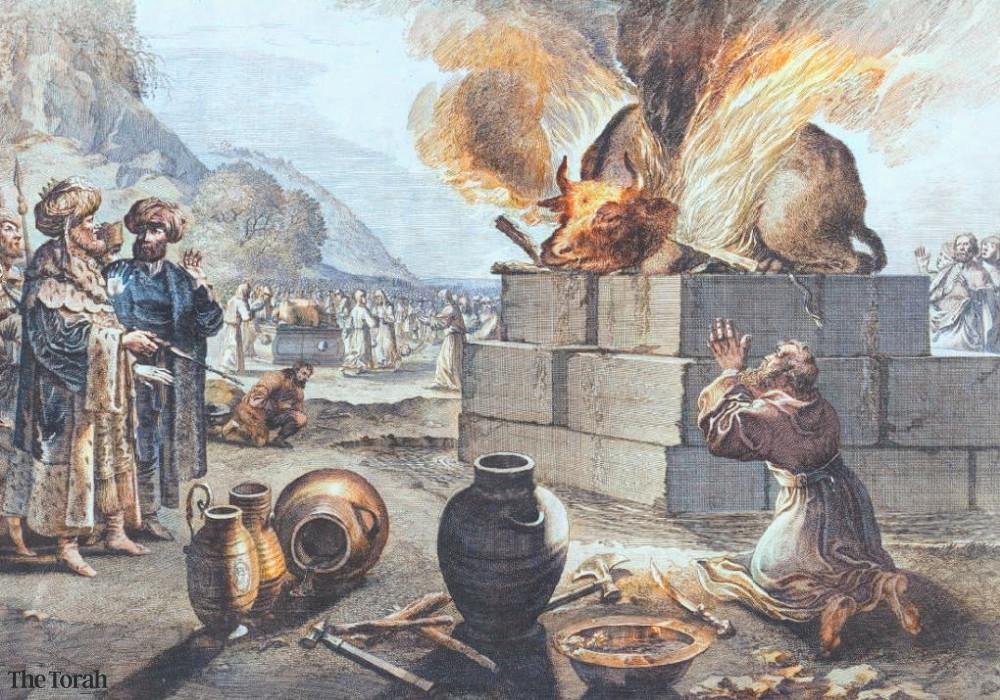
In a contest with the prophets of Baal, Elijah rebuilds an altar to YHWH that was on Mount Carmel and makes an offering. Later, he bemoans the destruction of other YHWH altars (1 Kgs 18–19). But doesn’t the Book of Kings clearly state that only the altar in Jerusalem was legitimate once Solomon built the Temple?
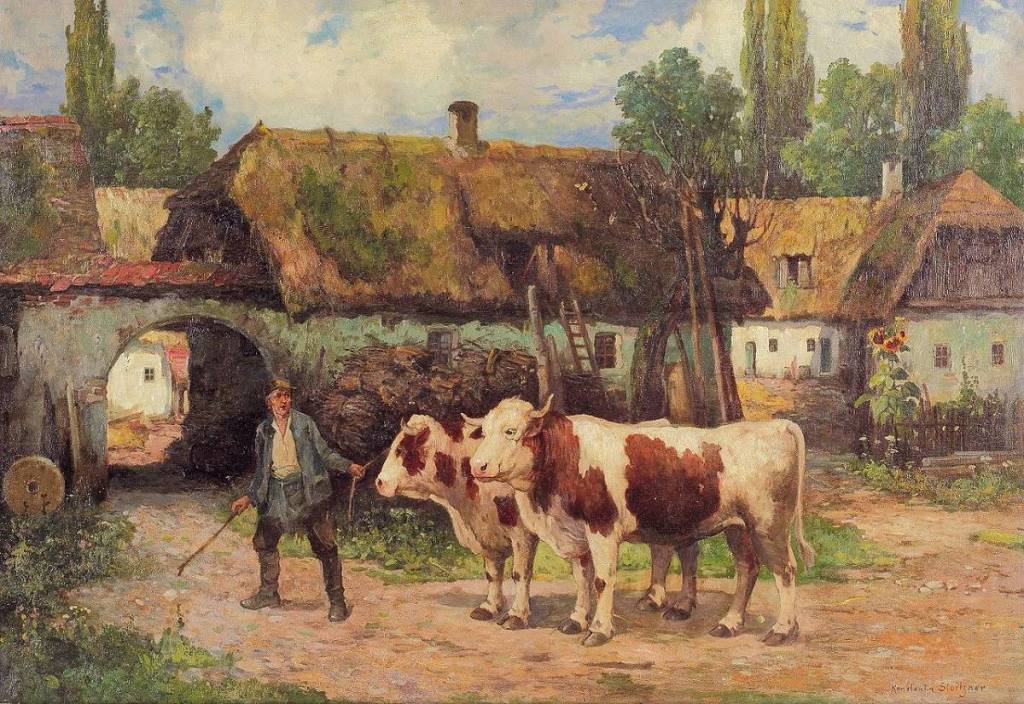
For the first nine hundred years after the writing of the Mishnah in the early third century, Jews thought that laws about bailees or custodians (שומרים) in the Mishnah and in the Talmud corresponded closely to the plain meaning (peshat) of the Torah. But in the Middle Ages, Rashbam challenged that assumption, proposing an understanding of the Torah that contradicted Jewish law.

The Feast of Ingathering is “at the tzet (צֵאת) of the year” (Exod 23:16). This phrase is generally translated as “the end of the year,” but a closer look at the meaning of the Hebrew verb in biblical Hebrew suggests it may mean the beginning.
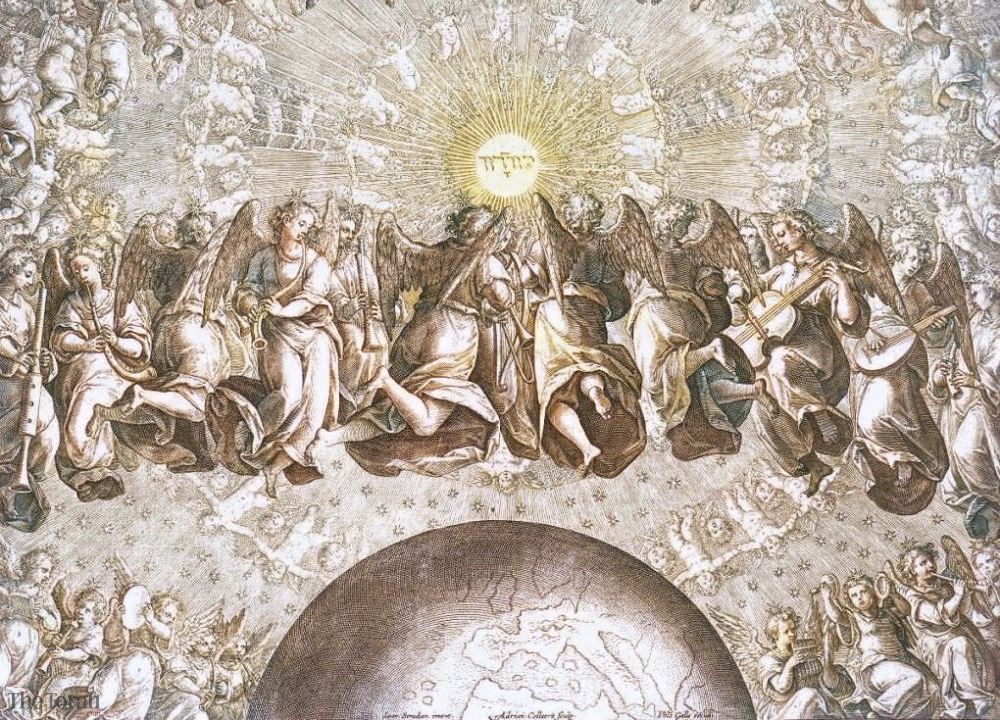
The image of YHWH accompanied by a heavenly retinue (צבאות) is ubiquitous in the Prophets and the Writings. Uniquely, in Isaiah’s call narrative, YHWH appears before the prophet accompanied by six-winged seraphim. What are these heavenly beings?
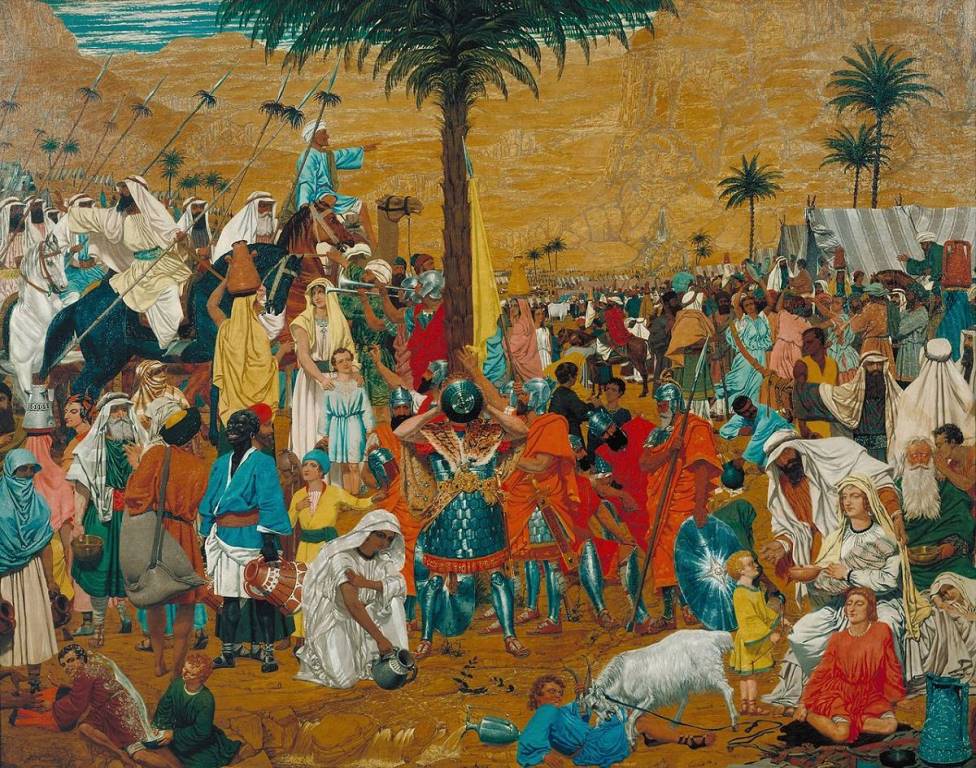
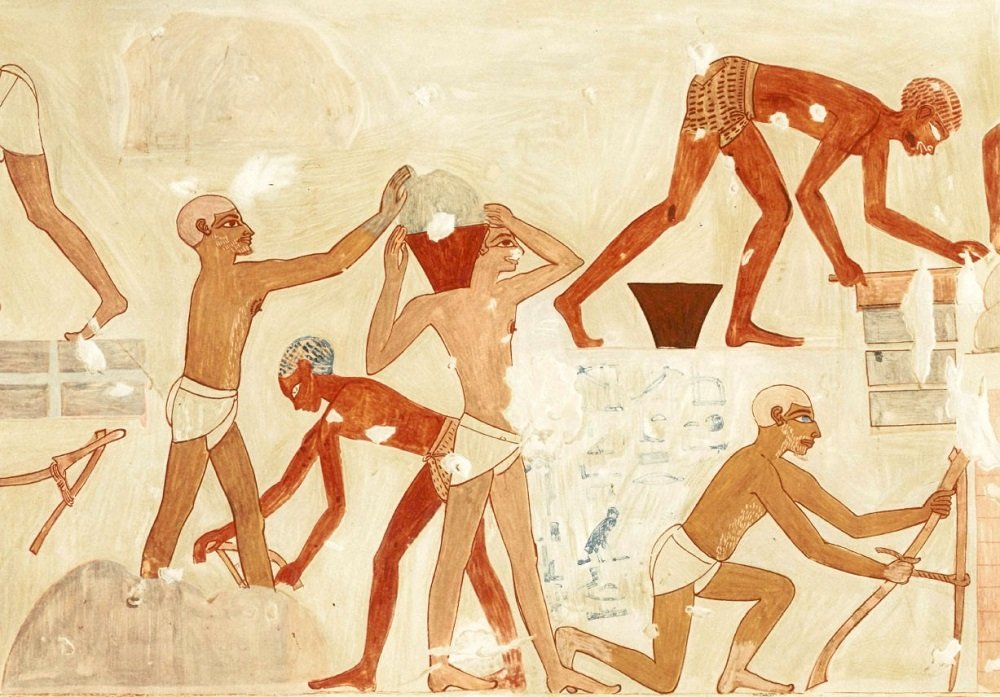
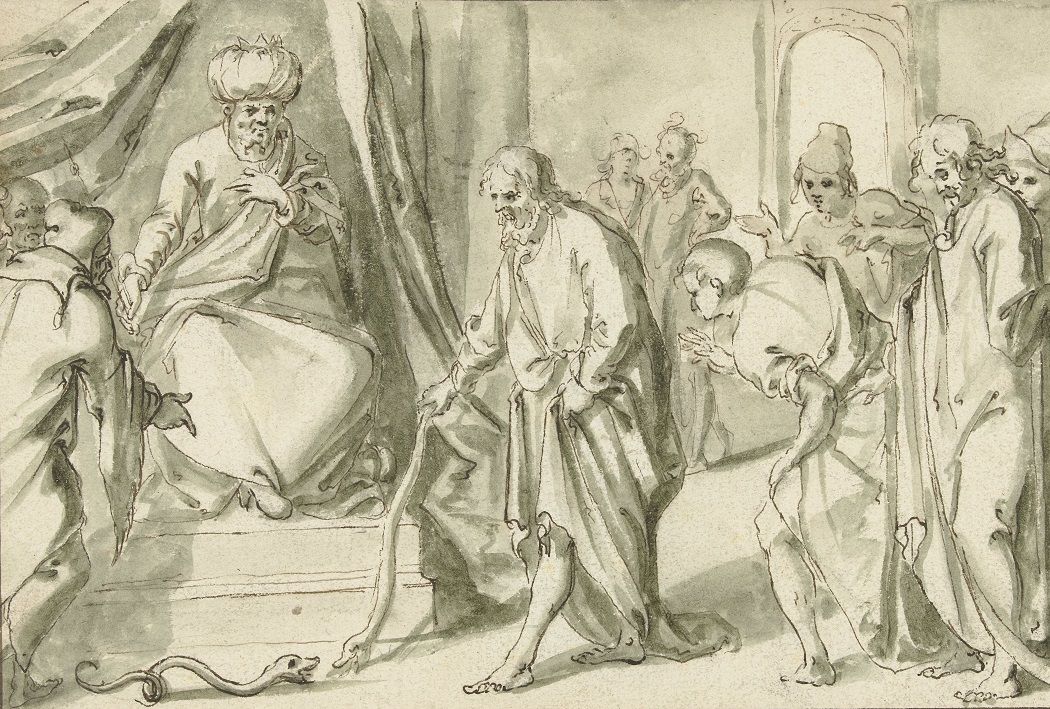
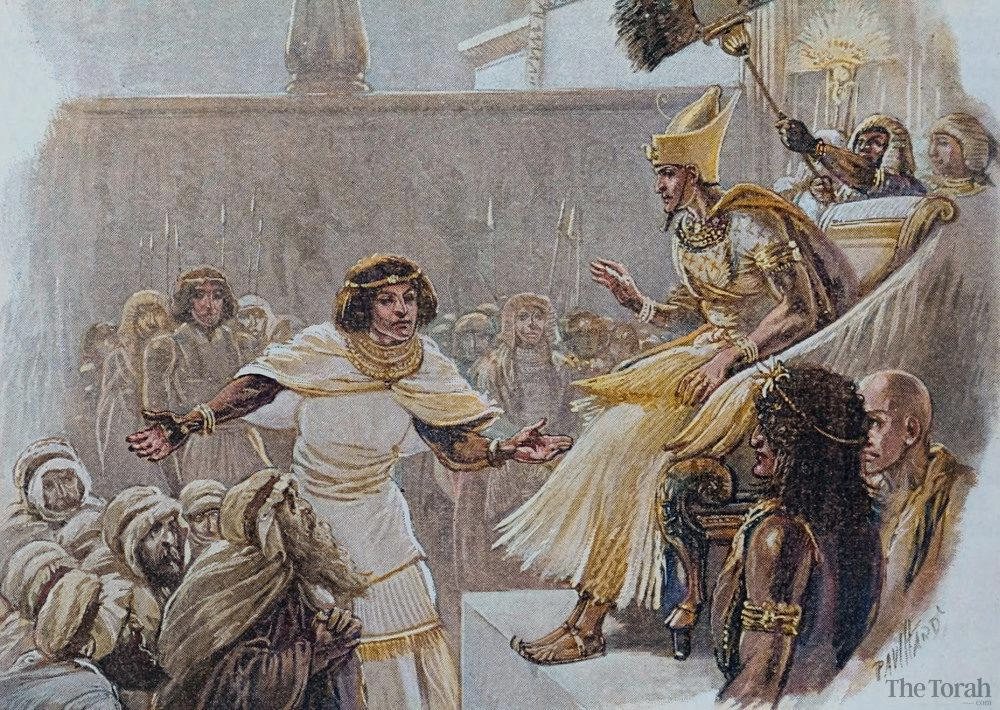
From God’s first command to Moses, through the story of Israel’s escape, the demand for a three-day festival in the wilderness plays a prominent role in the exodus narrative. Part of this ruse was Israel’s request to “borrow” Egyptian finery for the festival. Why does God want the Israelites to use deception?
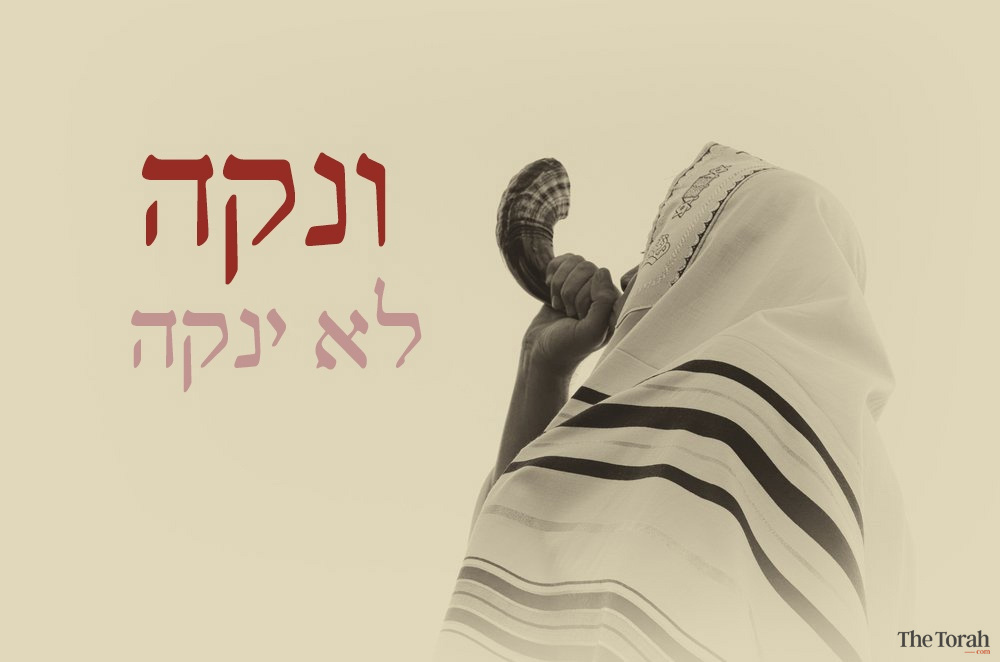
As part of the selichot prayer service, the rabbis cut the biblical phrase וְנַקֵּה לֹא יְנַקֶּה “[YHWH] does not remit punishment” to read only וְנַקֵּה, which yields the opposite meaning, “[YHWH] remits punishment.” Although this edit is surprising, the rabbis are responding to a serious tension in the biblical text: Is YHWH a merciful God who pardons, or a vengeful God who will never remit punishment?

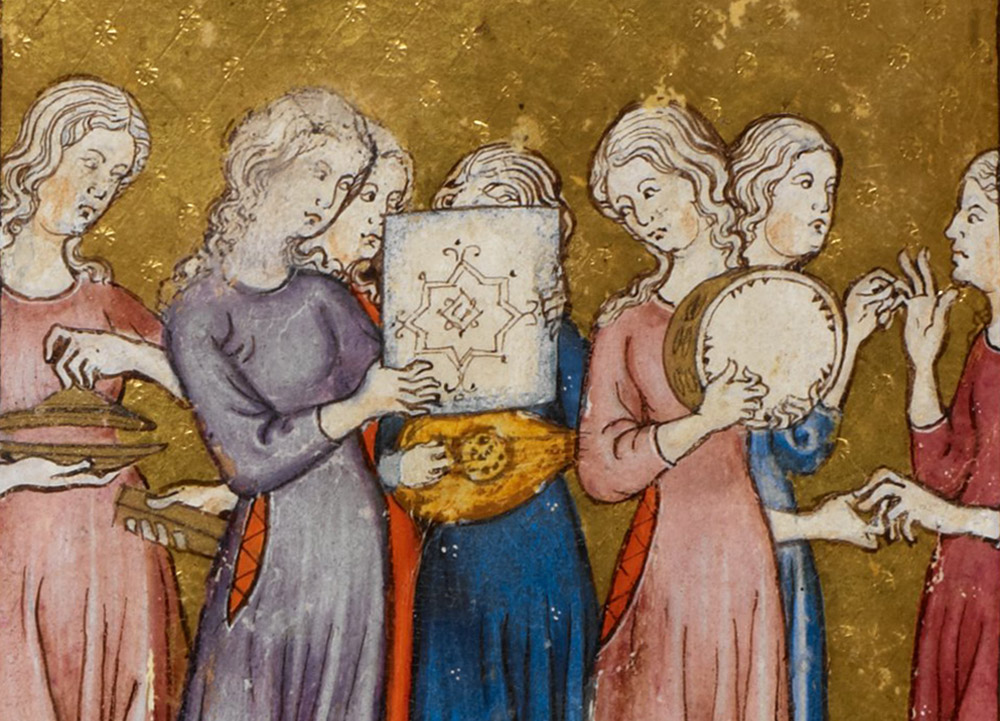
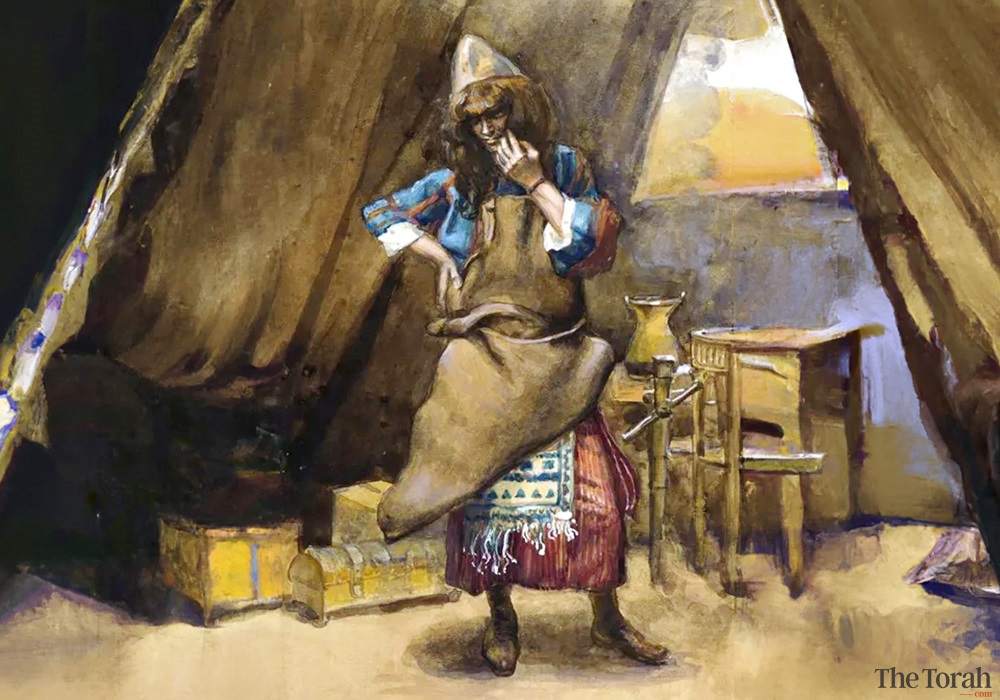
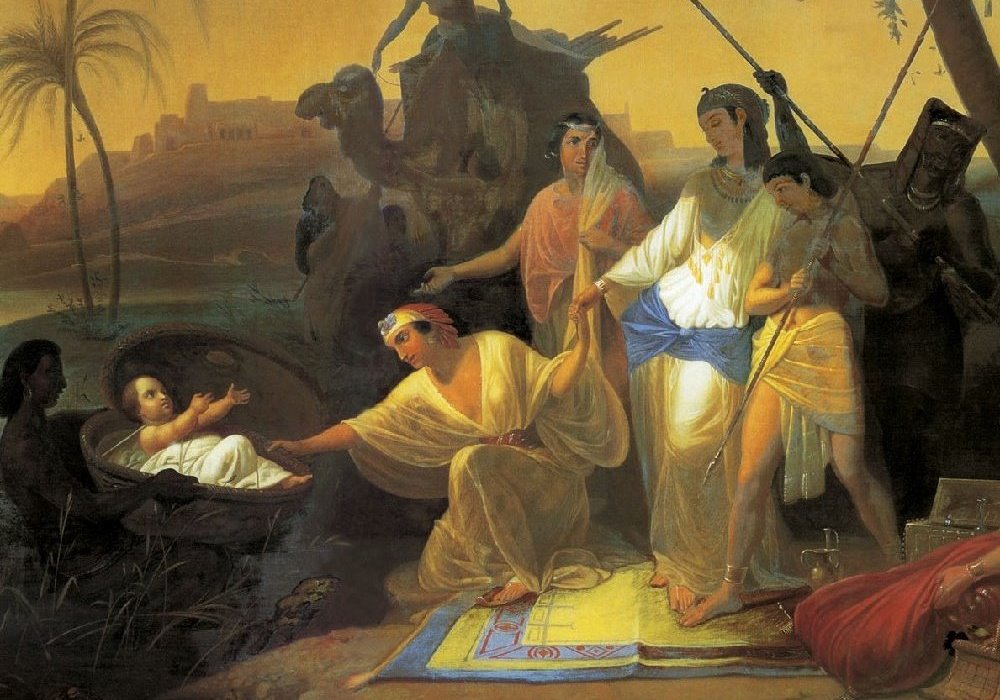
Who were these women and what were these mirrors used for? Reconstructing the narrative: the historical-critical method vs. midrash.
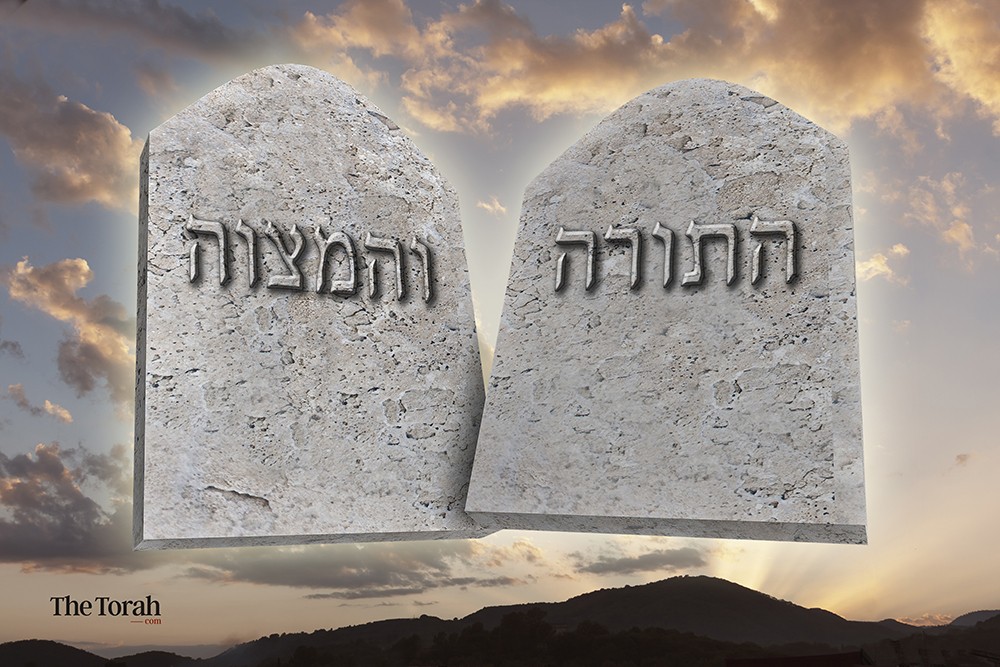
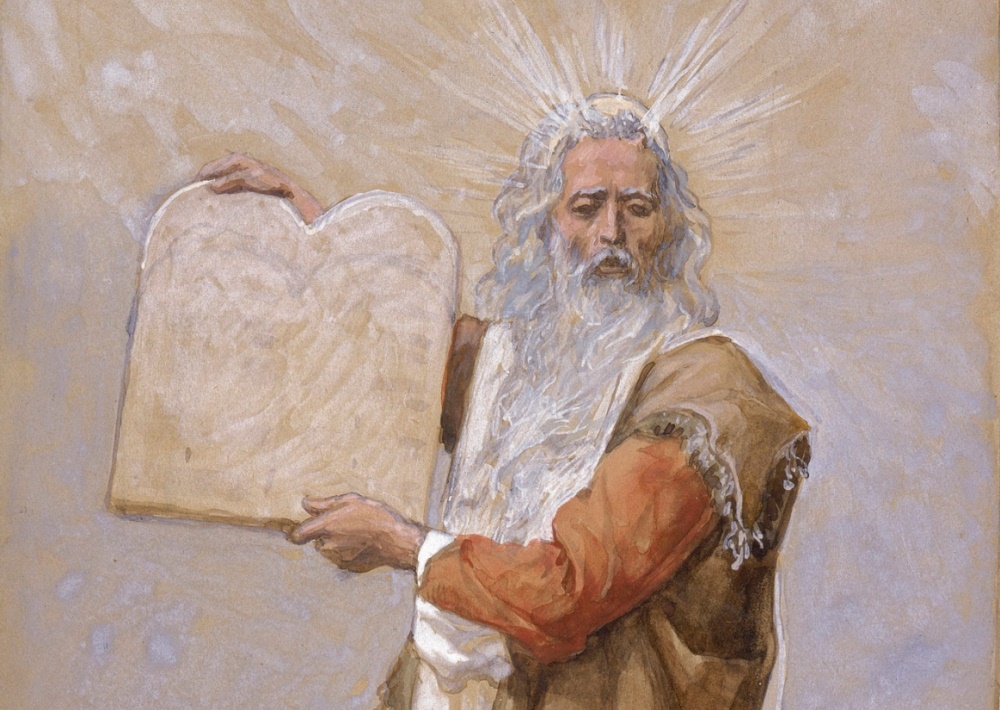
“YHWH said to Moses: ‘Come up to me on the mountain and stay there so that I might give you the tablets of stone and the teaching and the commandment that I have written to teach them.’”—Exodus 24:12

The Torah prohibits lending to poor people with interest. Why did Jewish law include business loans and how did this effect the law’s original purpose?
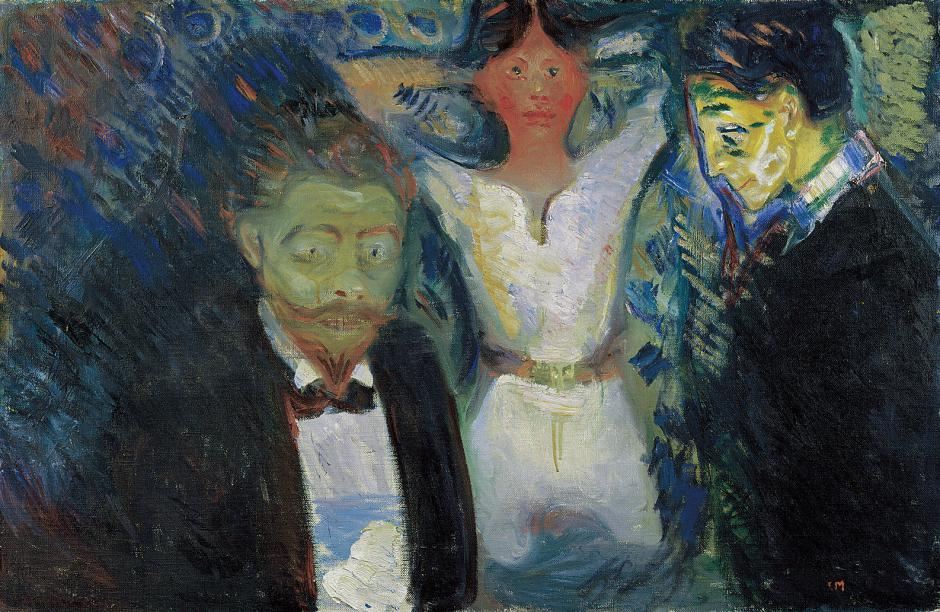
In English, to covet means to desire someone or something obsessively, wrongfully, and/or without due regard for the rights/feelings of others. It is a strong emotion, to be avoided. But does “covet” capture the meaning of the Hebrew verb חמד?
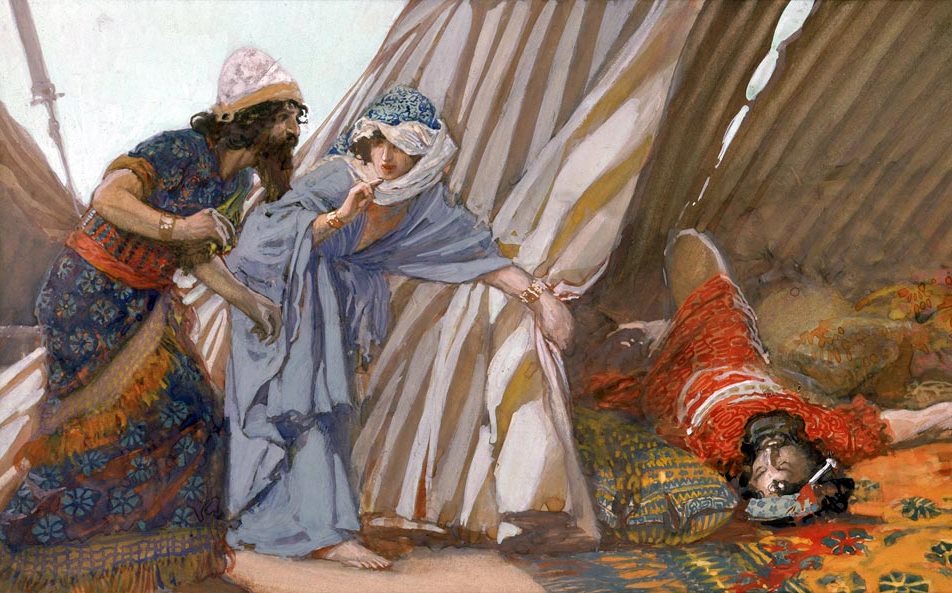
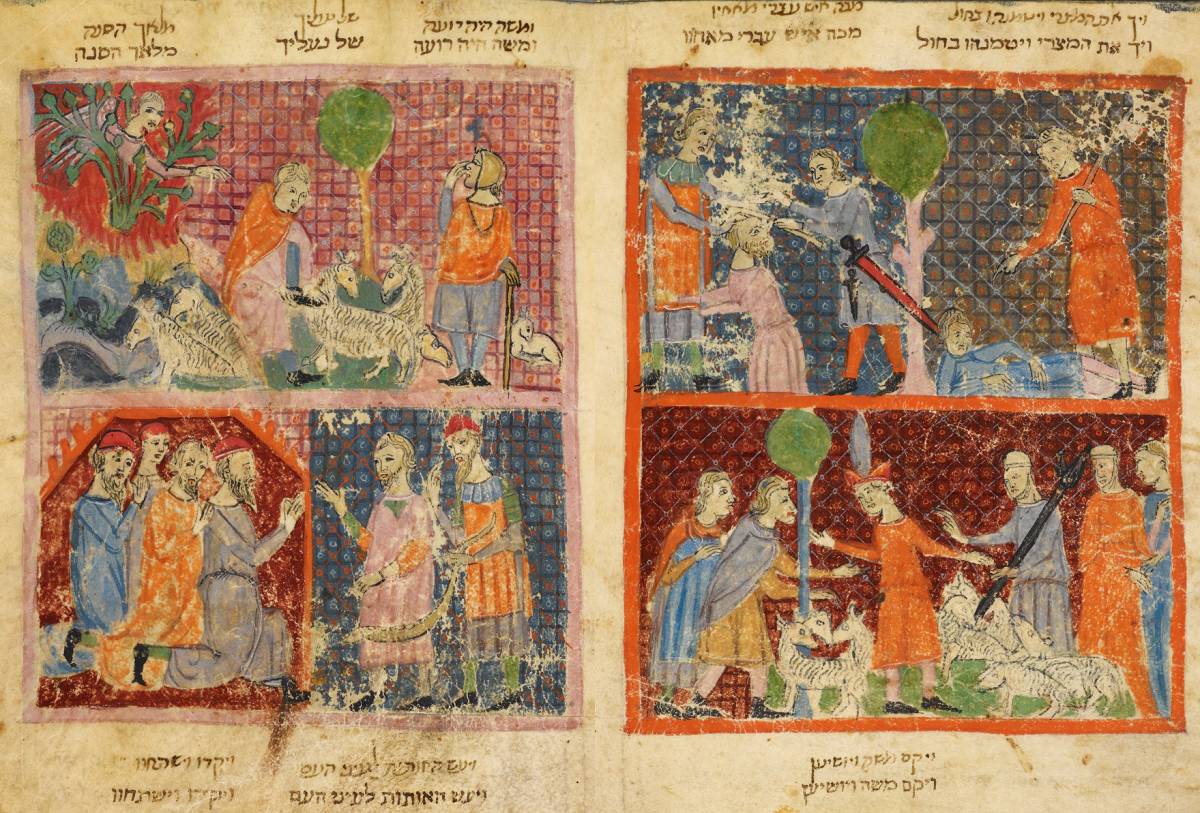
The Canaanite general Sisera is killed by Yael in her tent but in an older version of the story, he died in battle at the hands of the Israelite general, Barak. The story was revised as part of a broader theme in Judges, to weaken the image of male military heroes through women and give the power to God.

The development of the idea that the Torah has 613 mitzvot: From Talmudic aggada, to geonic liturgy, to medieval enumerations.
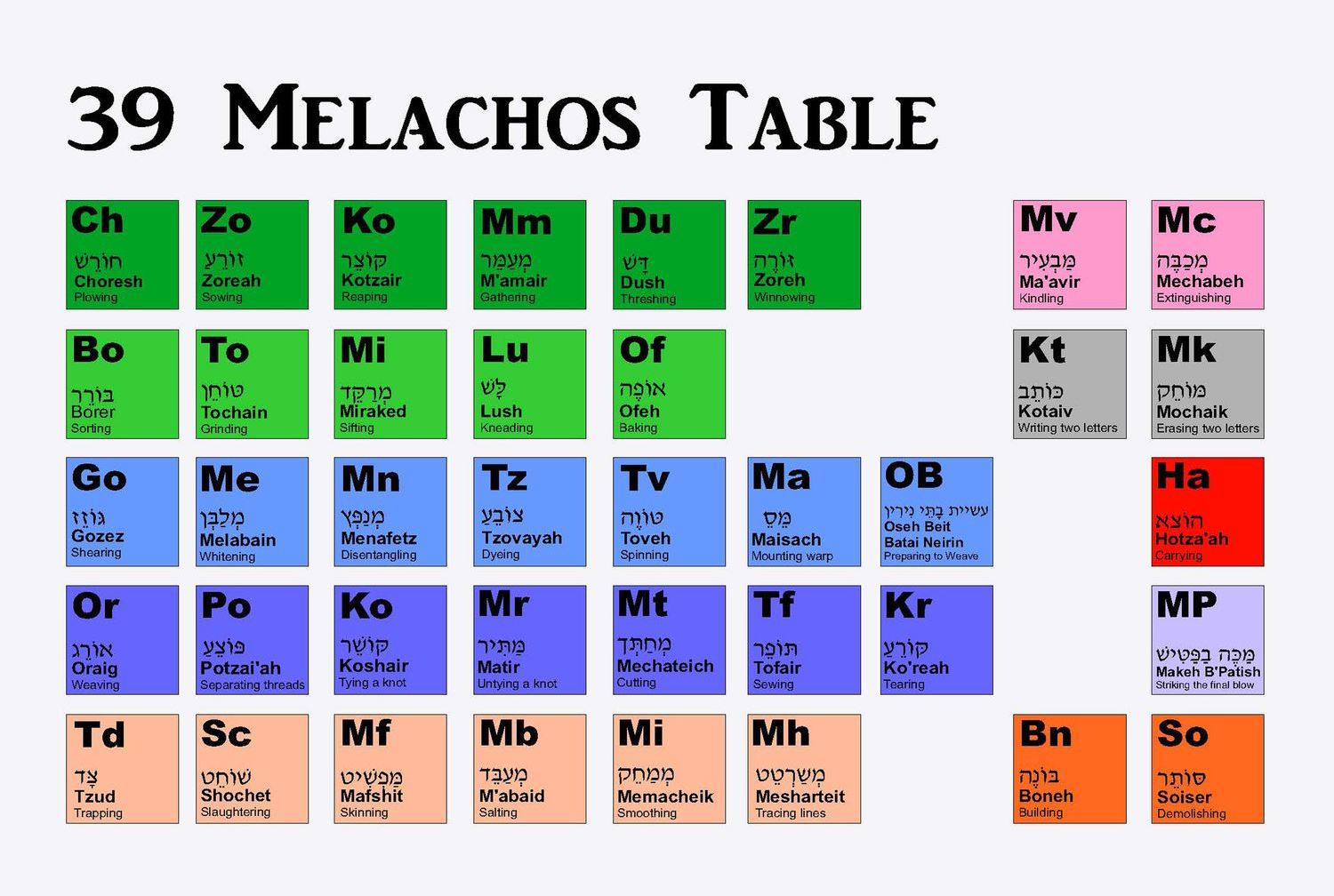
The Torah never defines specifically what, melakha, labor, on Shabbat entails, but the Mishnah already has an exact list of 39 categories of labor prohibited on Shabbat. A comparison of the structure of the Yerushalmi and Bavli sugyot highlight the different ways the Amoraim conceptualized melakha in contrast to the Mishnah.
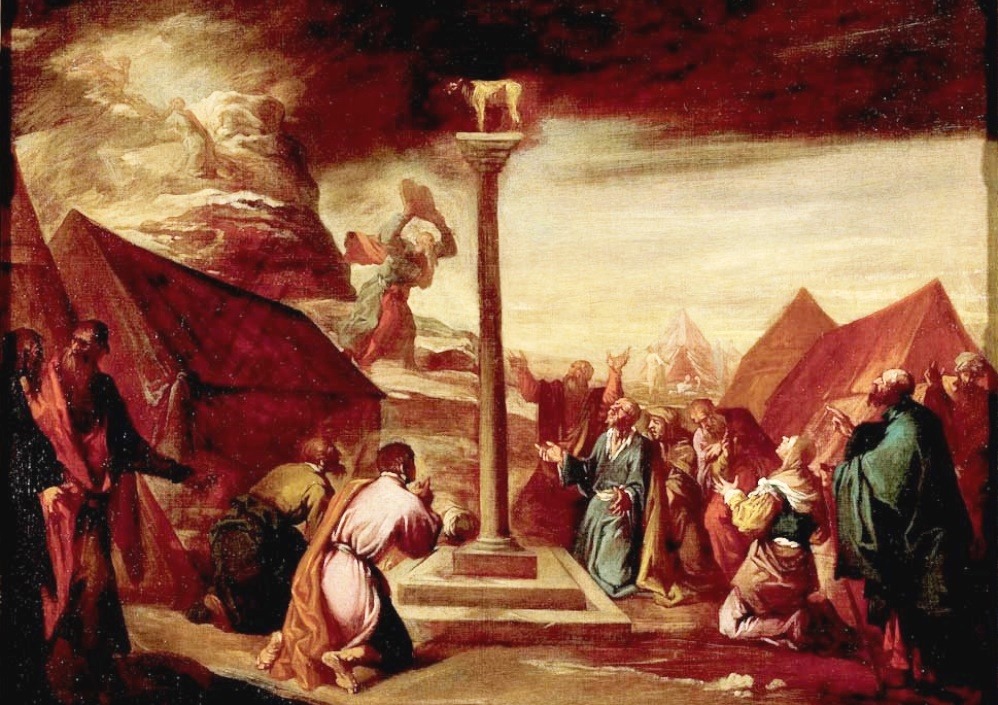
Many scholars, traditional and academic, believe it was worship of another god, the first commandment in the Decalogue, but what Aaron actually claims about the calf points to a different collection of laws.

The religiosity of civil law and the obligation to use only Jewish courts: Rashi’s fourfold homily on Exodus 21:1.
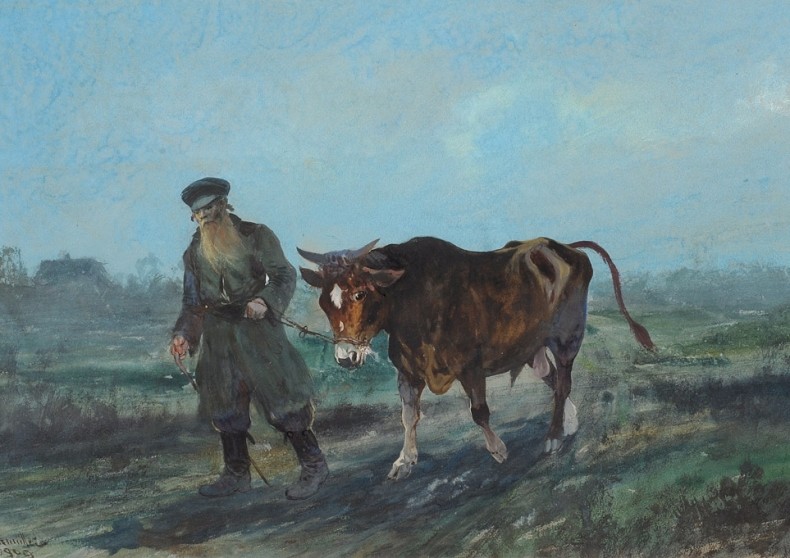
The word שור in Hebrew can refer to an ox or a bull, but which animal is the protagonist of the celebrated law of שור נגח, “the goring bovine”?

In the list of people who must not work on Shabbat, the גֵּר “sojourner” or “(resident) alien” appears last, even after the Israelite’s work animals. Is the sojourner’s standing in the Bible lower than livestock?
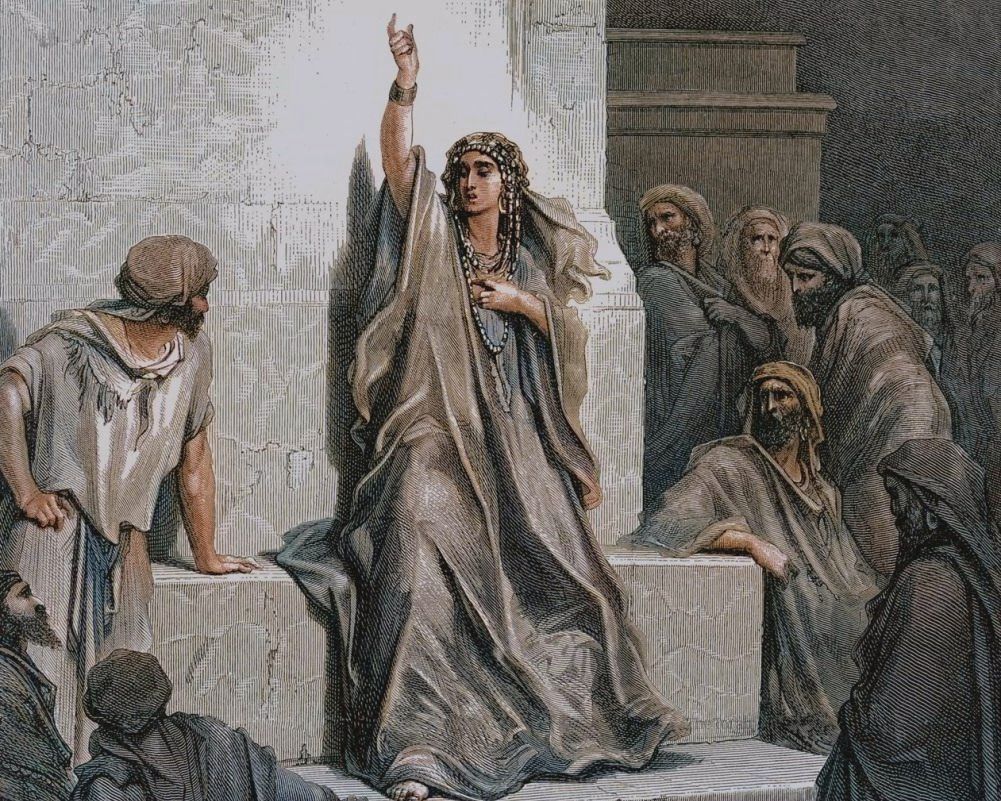
The Song of Deborah (Judges 5) is often seen as an ancient text, perhaps one of the oldest in the Tanach, but analysis of its language and contents suggests that it is a later Deuteronomistic composition.

Moses Mendelssohn’s Be’ur (1780-83) was the first Jewish translation of the Torah into standard German. Motivated by religious and cultural needs, Mendelssohn took advantage of the translation revolution already underway in eighteenth-century Germany—and also included many striking innovations.
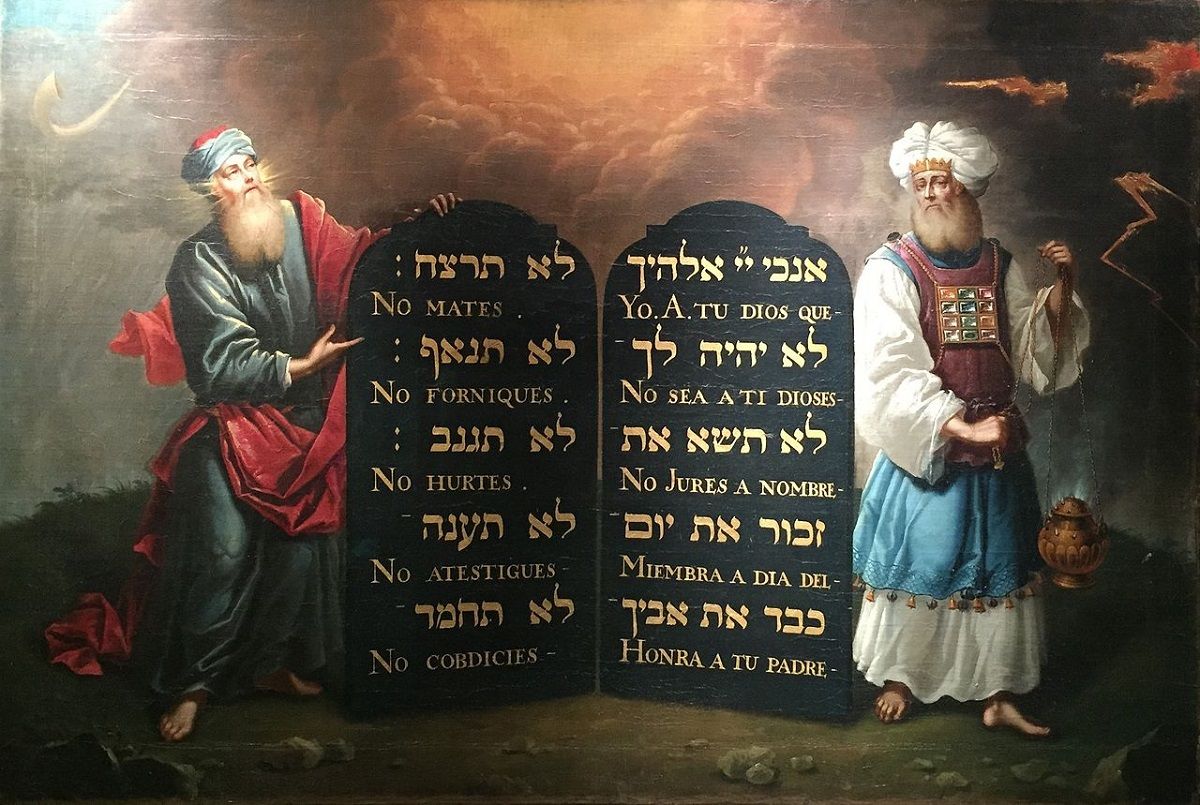
Can all social change be antedated back to Sinai?

A biblical metaphor was reinterpreted in light of a practice of wearing amulets for bodily protection.

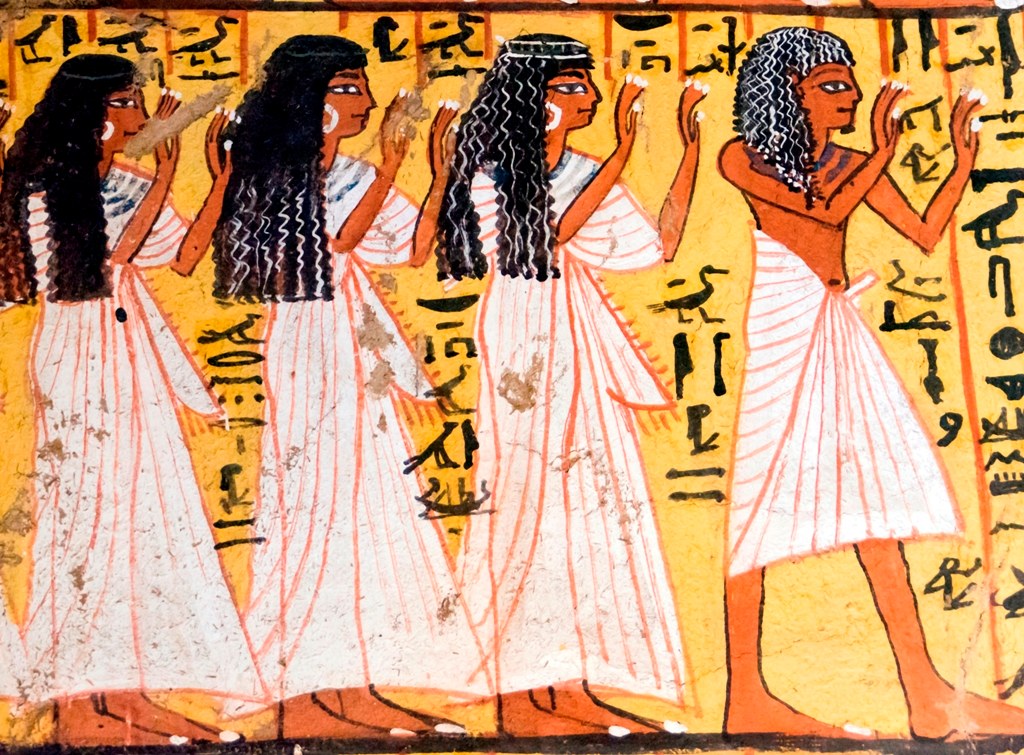
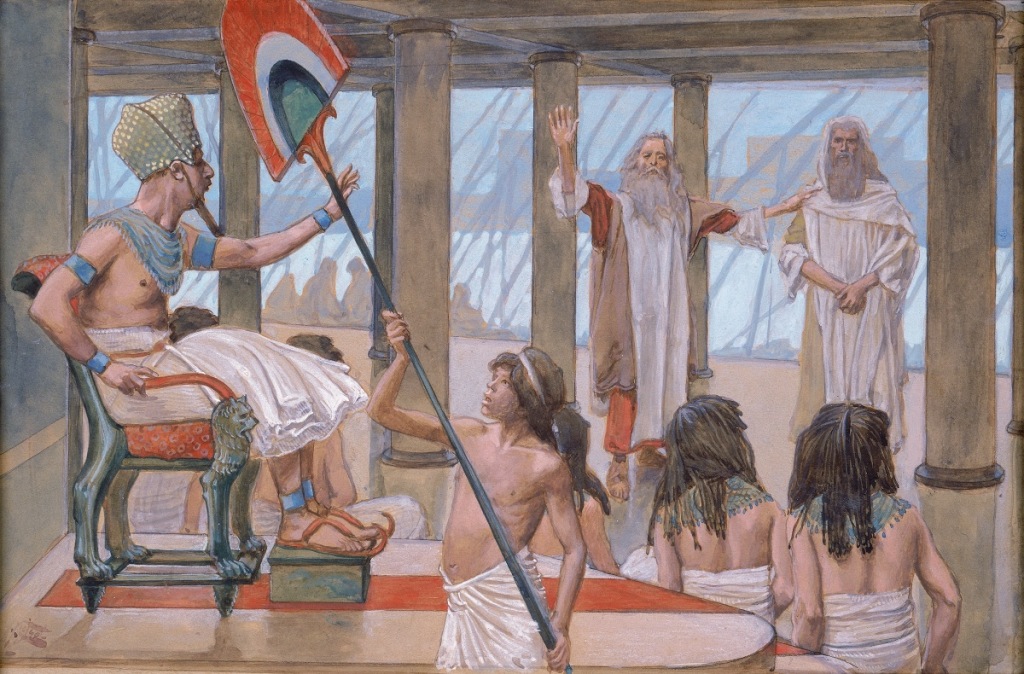
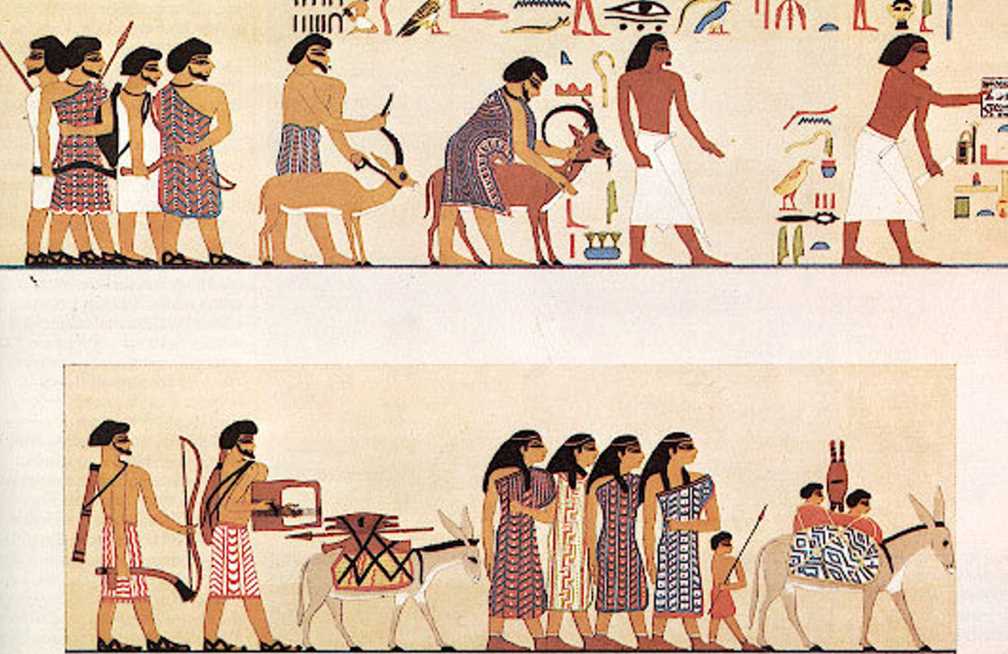
Before the Israelites leave Egypt, they borrow clothing from the Egyptians. What kind of clothes did the Egyptians wear?
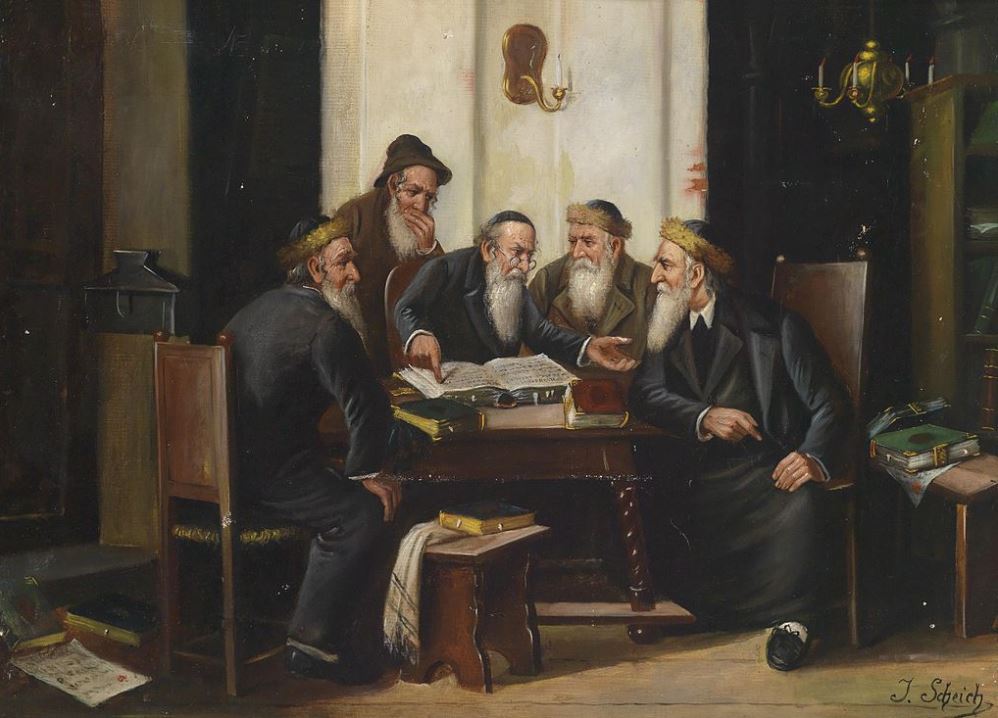
An ancient Yelamdeinu Rabbeinu homily connects the covenantal nature of the prohibition to write down the Oral Law, and recite the Written Torah orally, to a novel reading of Gen 18:17-19: God’s choice of Abraham and his descendants to be exclusive participants in God’s own mystery cult.
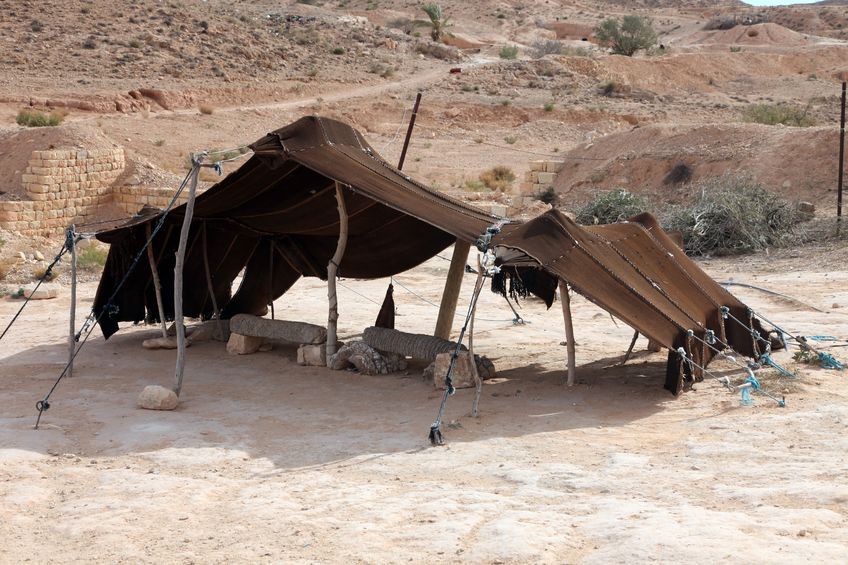
Traditional and critical scholars agree that the Ohel Moed “Tent of Meeting” Moses erects in Exodus 33 is not the same as the Ohel Moed Tabernacle referenced in other biblical texts. But what is it?

King David conducts a census, which brings about a divine plague killing 70,000 people. During the first wilderness census, Exodus requires the Israelites to pay a half shekel to avoid a plague. What’s so dangerous about a census?

Exodus 22:28 commands Israel to give its firstborn sons to God, and makes no mention of redeeming them. What exactly is being commanded?

And the challenges of putting it into practice.

Traditional and Critical Approaches
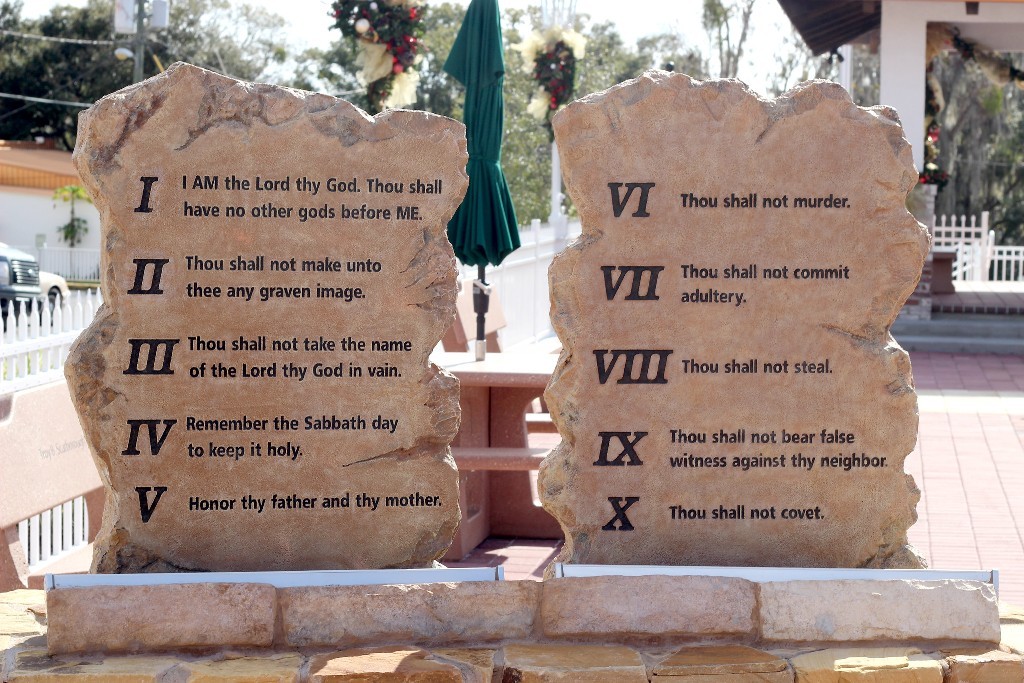
Generally translated as “do not steal,” the Rabbis make a compelling case for understanding lo tignov in the Decalogue to be a prohibition against the more serious offense of kidnapping, or, in modern terms, human trafficking.
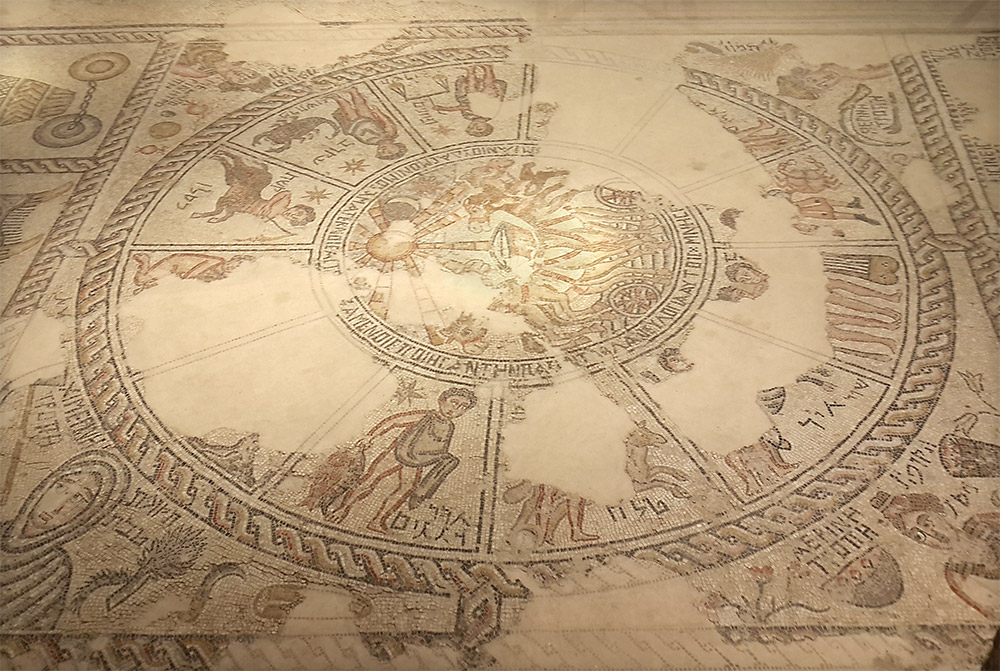
The Hebrew calendar marks multiple news year’s days to express different values: nature and history, universal and particular.
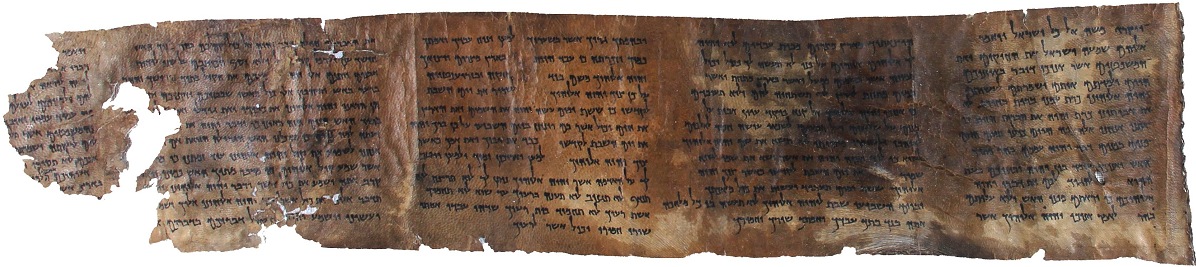
A careful examination of the three oldest copies of the Decalogue—4QDeutn, 4QPaleoExodusm, and the Nash Papyrus—surprisingly shows that none of them reflects the Masoretic Text.

Tracing the tannaitic and biblical sources for the famous claim that God held Mount Sinai over the Israelites and threatened to bury them if they did not accept the Torah.
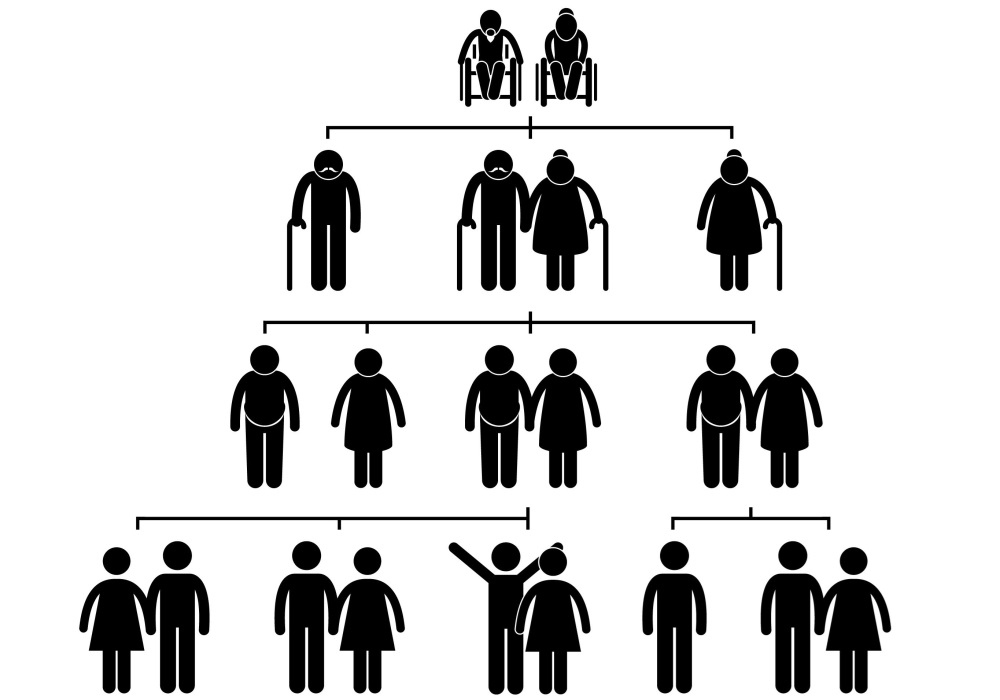
Ezekiel challenges the divine (in)justice of intergeneration

Impurity is transferred through physical contact. Theologically speaking, could the same be true for holiness?
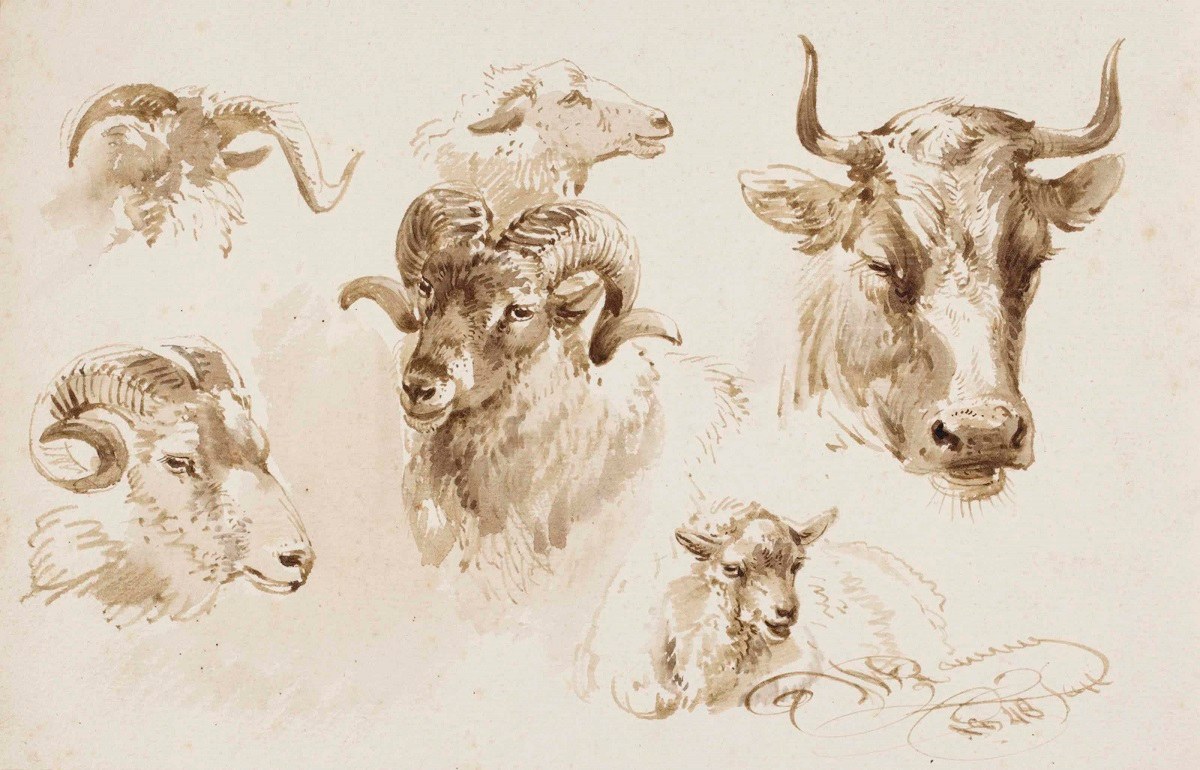
Is the book of Leviticus primitive? I believe so, though an analysis of the meaning of the word kipper suggests that these sacrificial laws may be more relevant than we often realize.

Early biblical laws demand a cessation of labor every seven days, but that was unconnected to Shabbat, which was originally a full moon celebration.

A classic example of source criticism applied to Torah legislation.
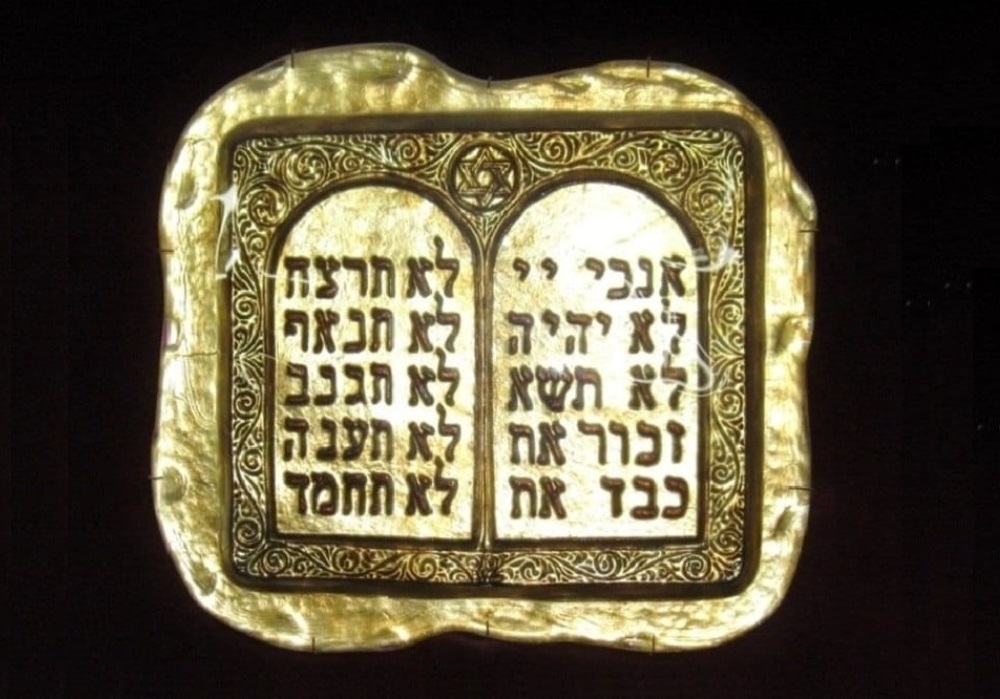
The Seven Commandments: The Supplementary Approach at Work
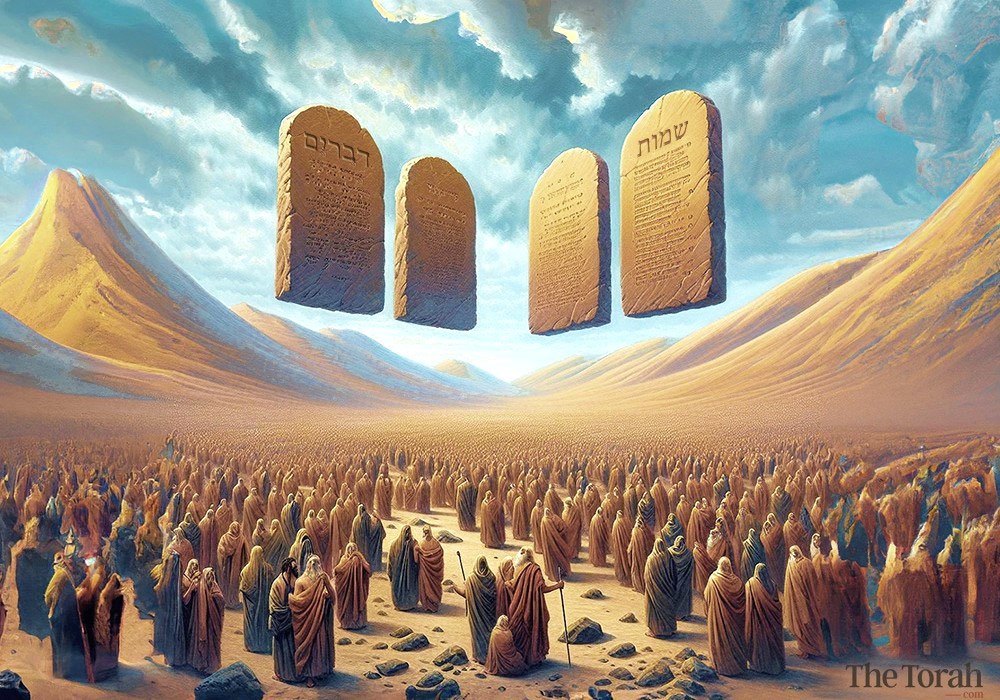
The Decalogue texts in Exodus and Deuteronomy have significant differences, a problem grappled with by the Talmudic sages and Medieval exegetes.
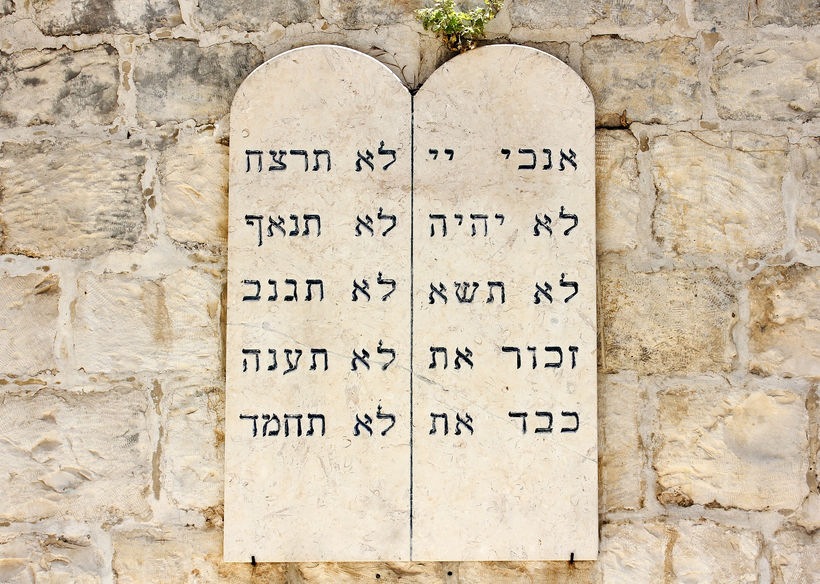
Surprising misconceptions and ambiguities about God’s central and unmediated revelation

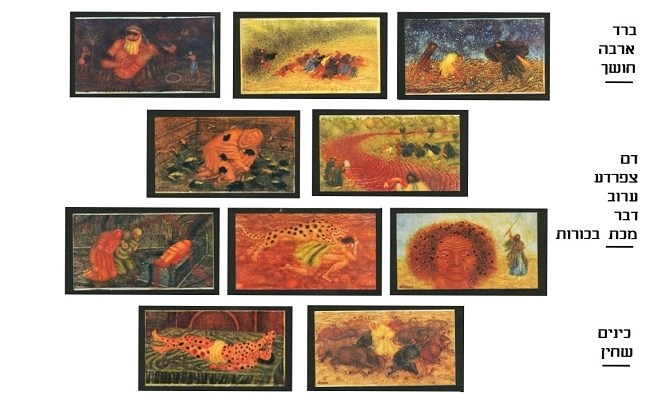
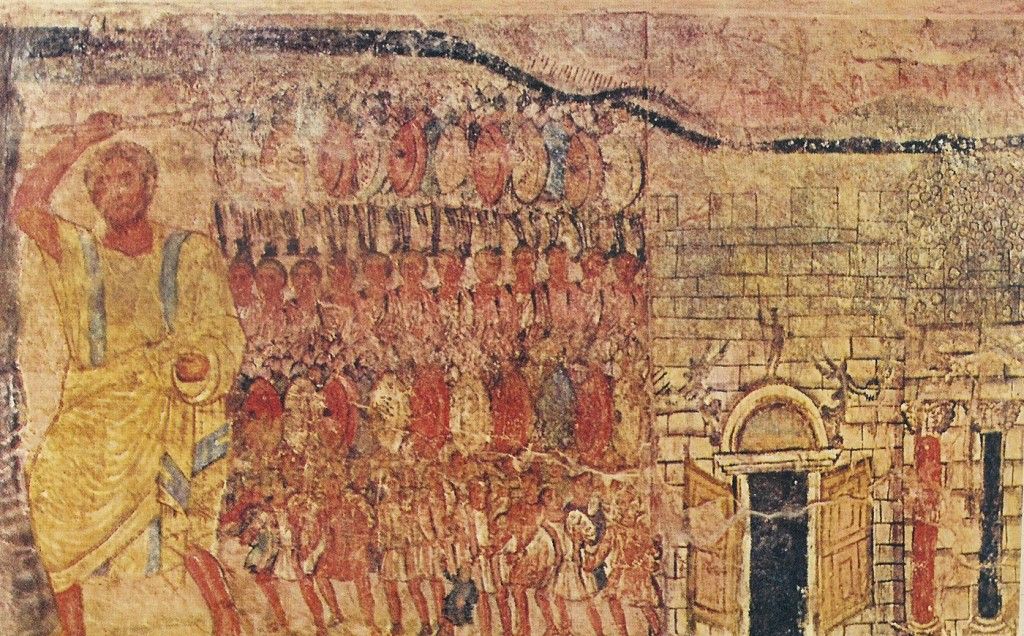
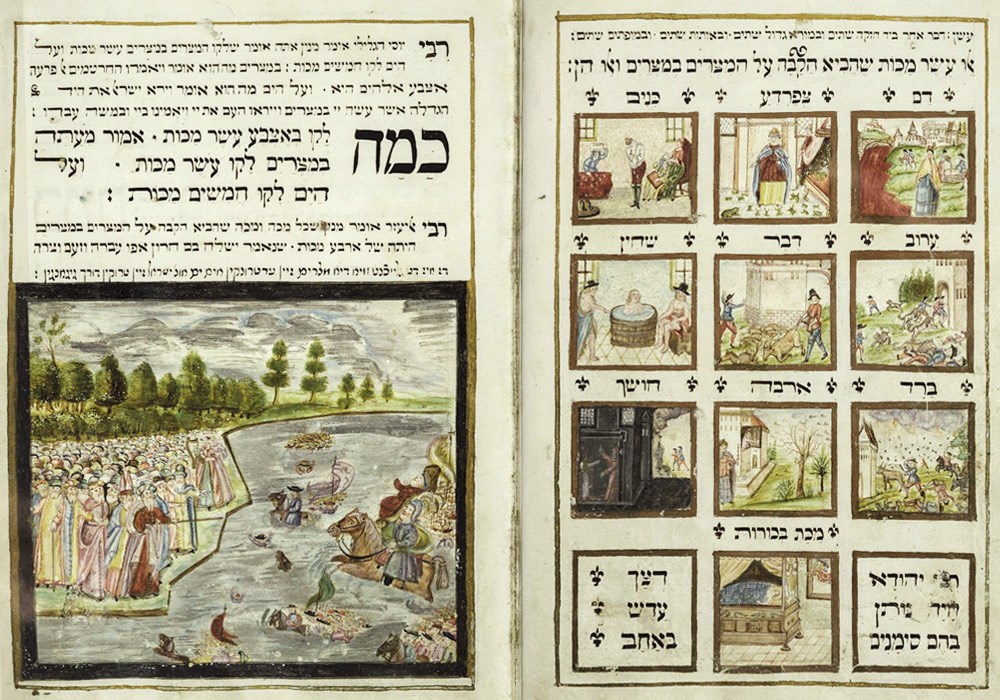
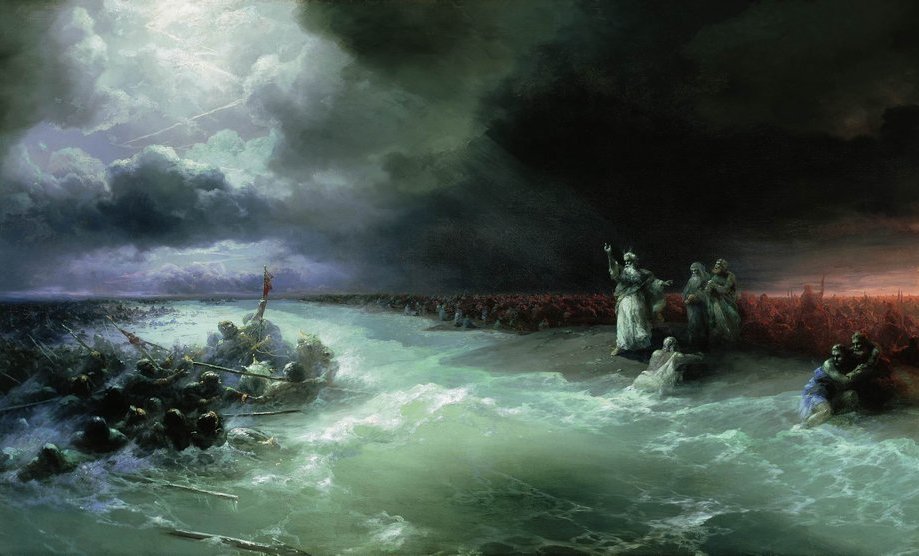
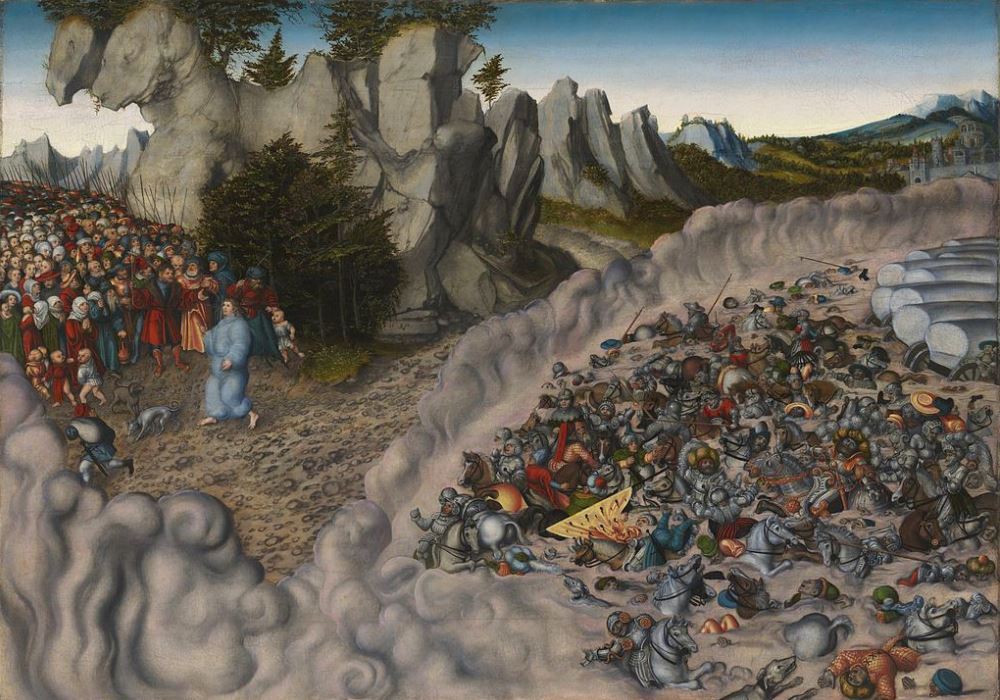
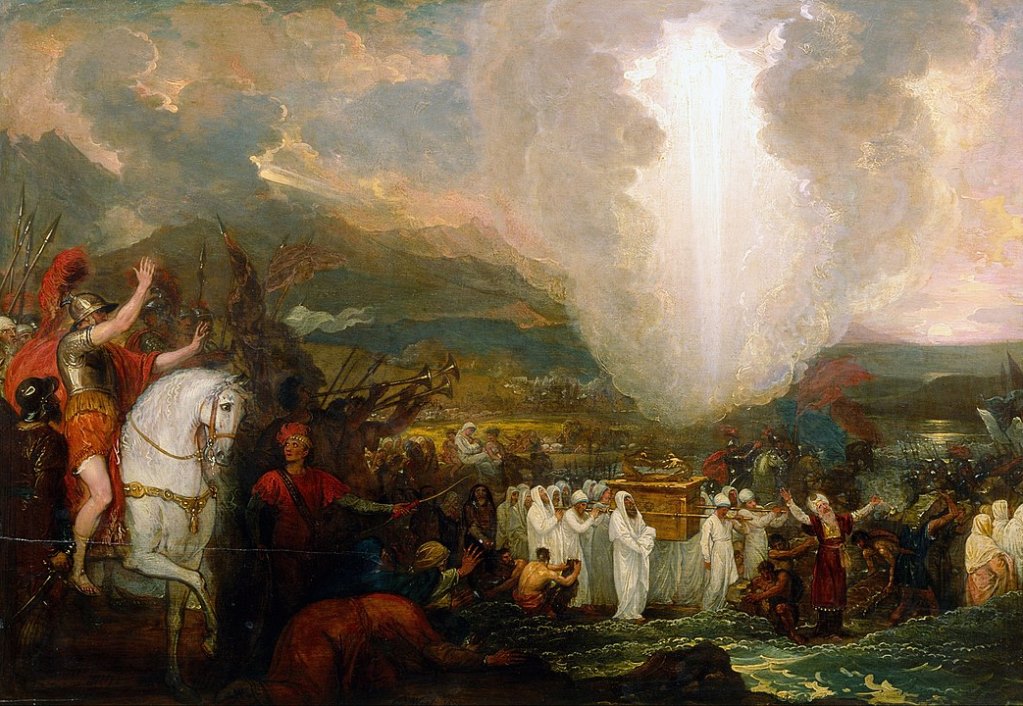
According to the Torah: Does God split the sea? Do the Israelites cross it? What is the wind for? Where are the Egyptians when they drown?
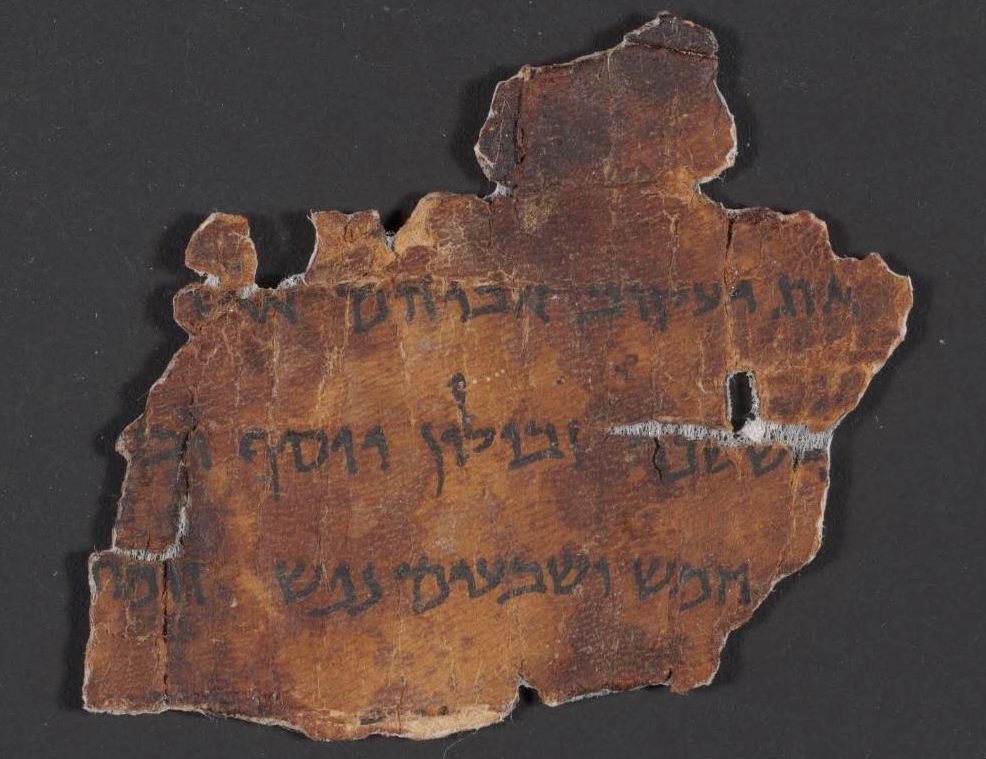
The Book of Exodus begins with an accounting of the members of Jacob's family who went with him to Egypt. Our Torah, the Masoretic Text, lists 70 people. Dead Sea Scroll manuscript 4QExb, however, records 75 people. How do we account for this and other differences between the texts?

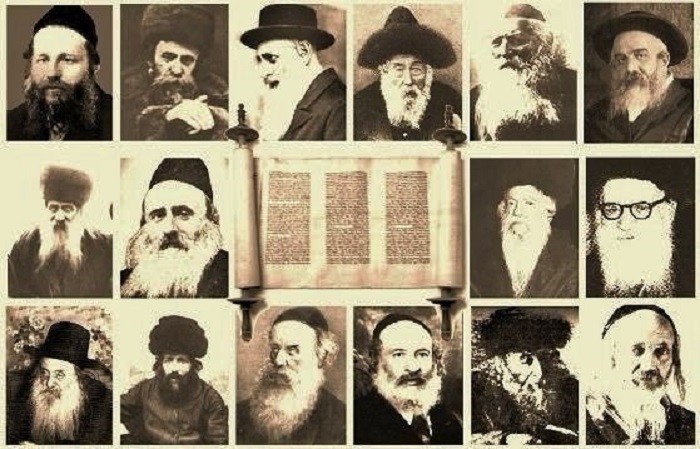

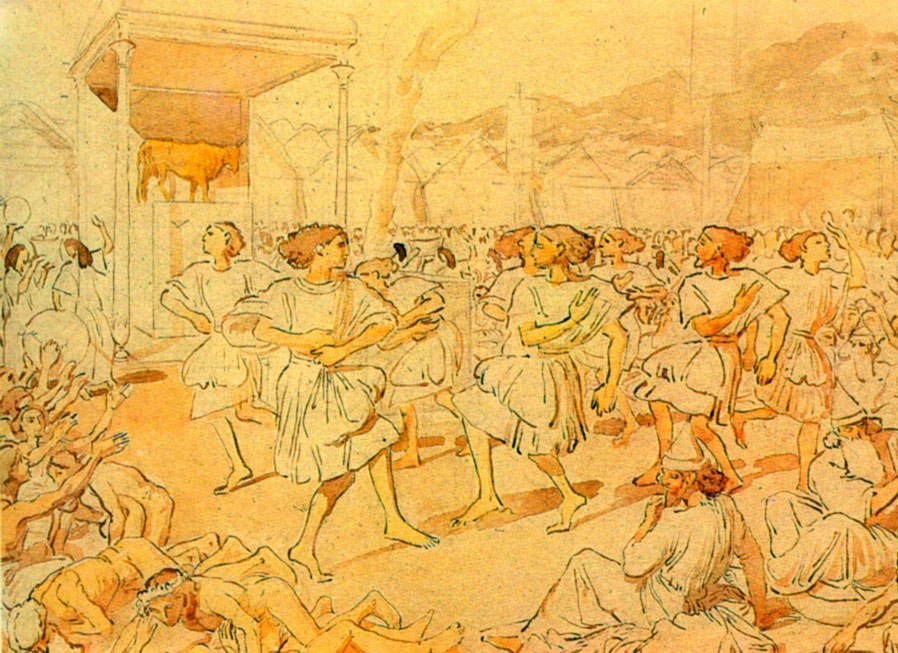
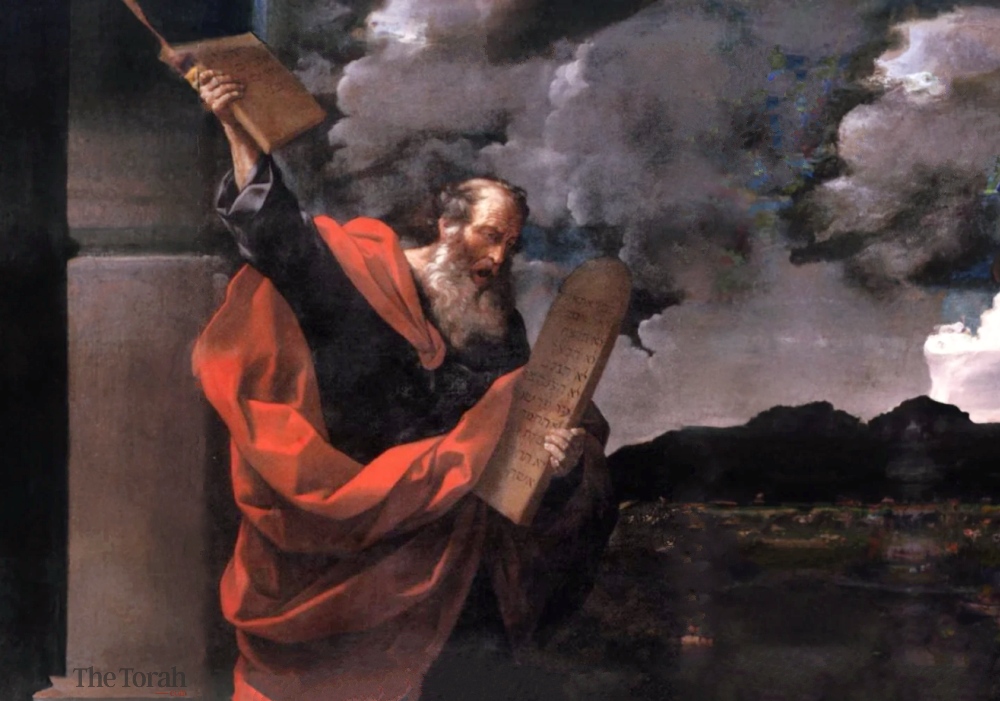
And Moses’ decision to break the tablets

A 2000-year-old question on how to read a single word in the Torah has generated different opinions on how a custodian for someone’s animal should go about proving that the animal was killed by a beast and not stolen.

The Torah states “do not cook a kid in its mother's milk.” What does this phrase mean, and how did it develop into the prohibition of mixing meat and milk?
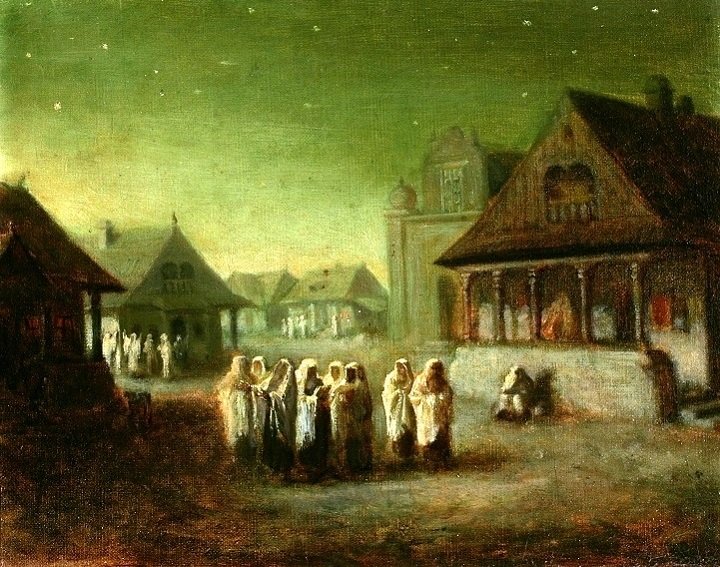
A cornerstone of the Jewish luni-solar calendar or a commandment about the order of months?
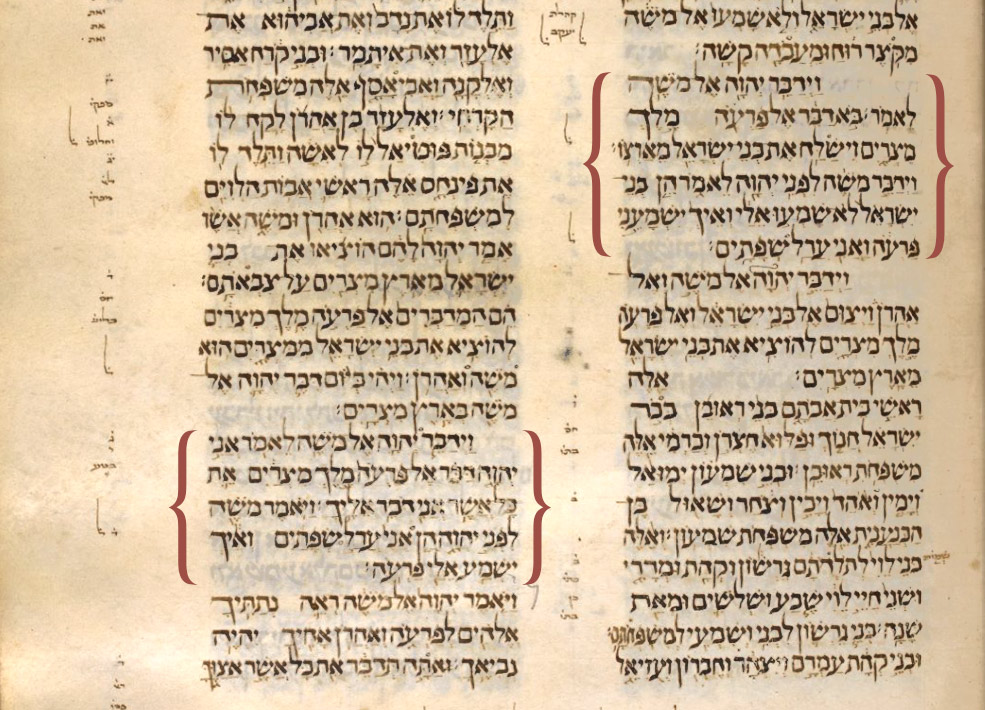
A literary strategy used by pre-modern editors and authors that works in a similar way to the classic cinematographic catch-phrase, “Meanwhile, Back at the Ranch.” (With an addendum by Prof. Marc Brettler)

A Comparative Analysis