The Book of
The Book of




















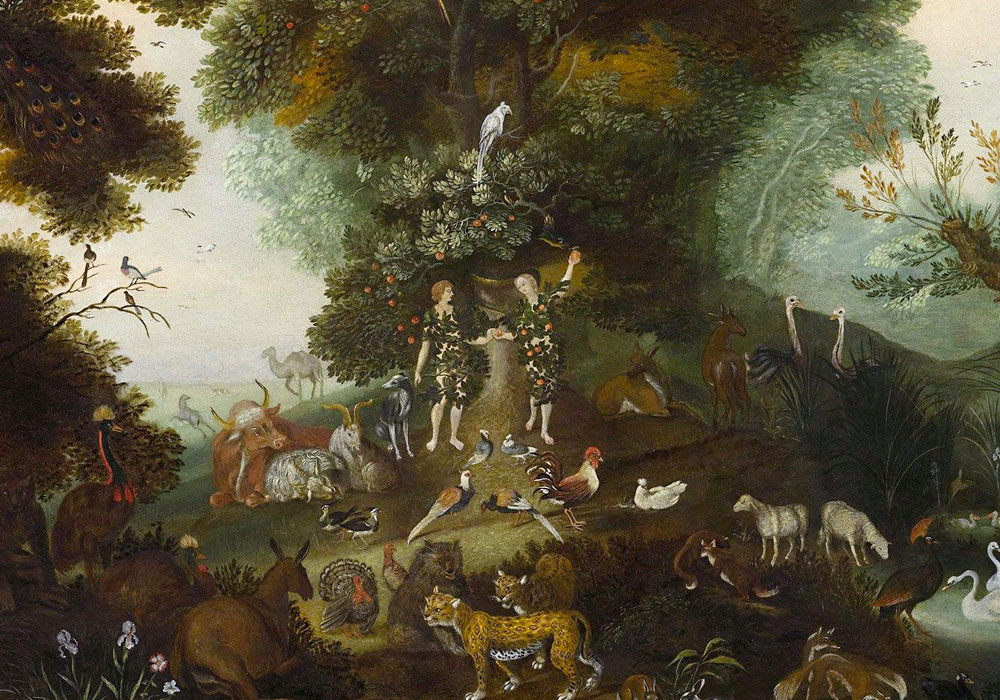
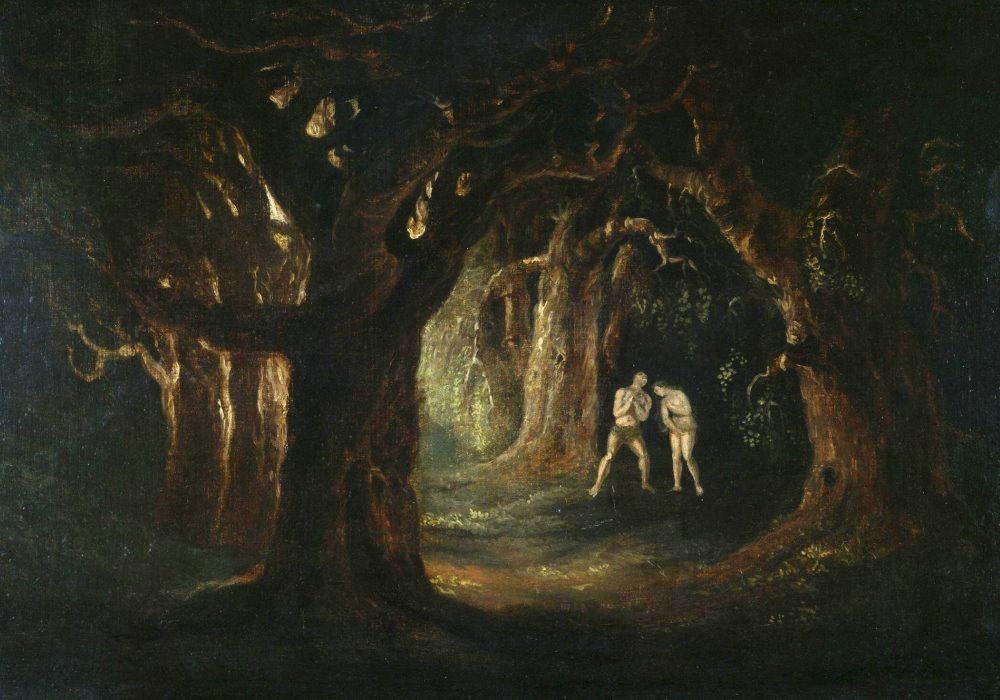

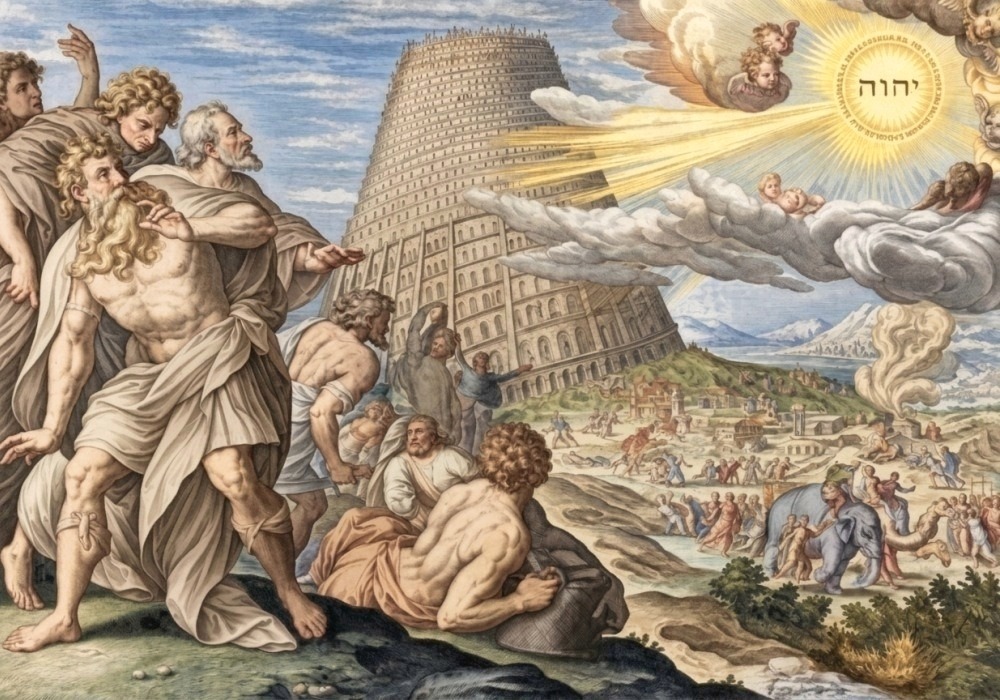
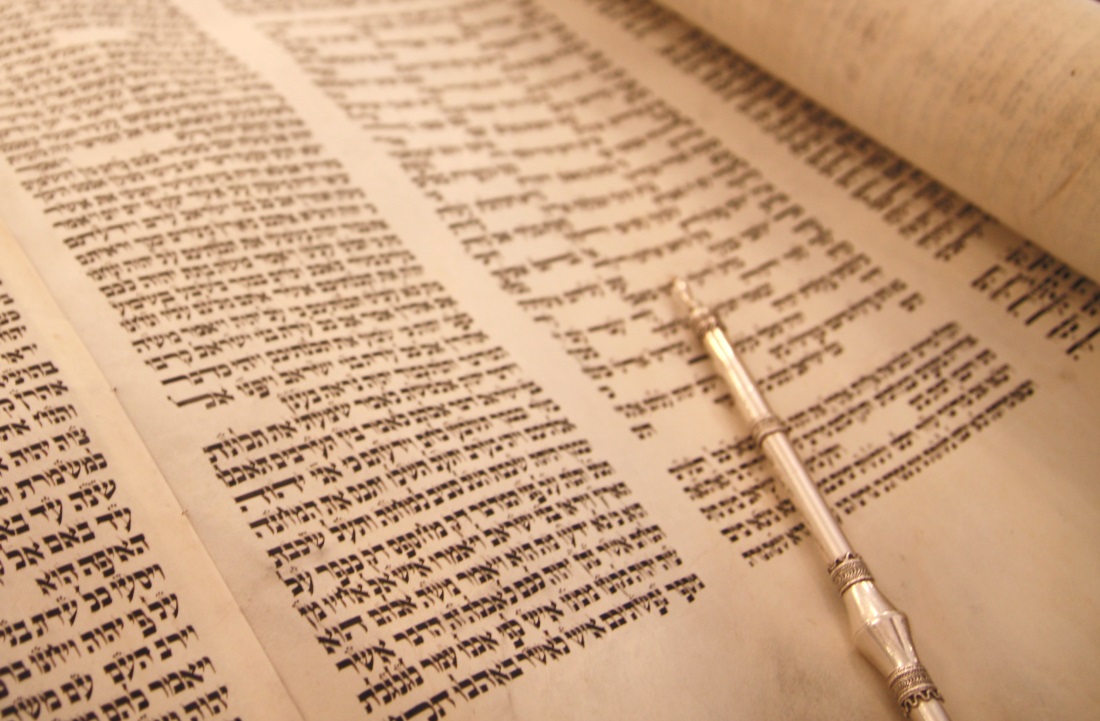




















































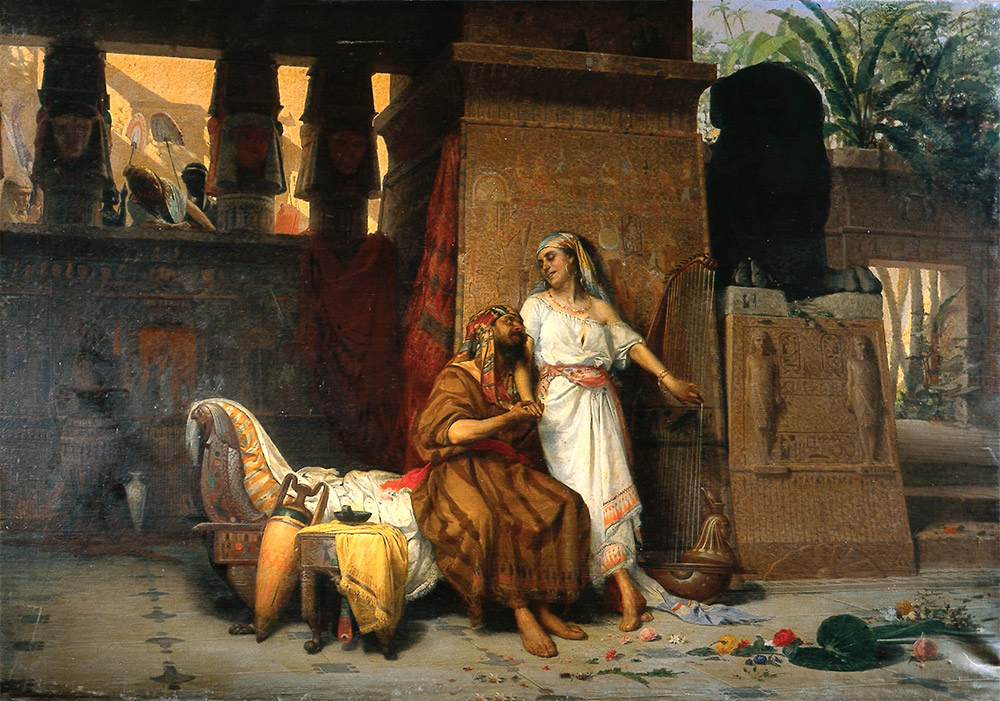




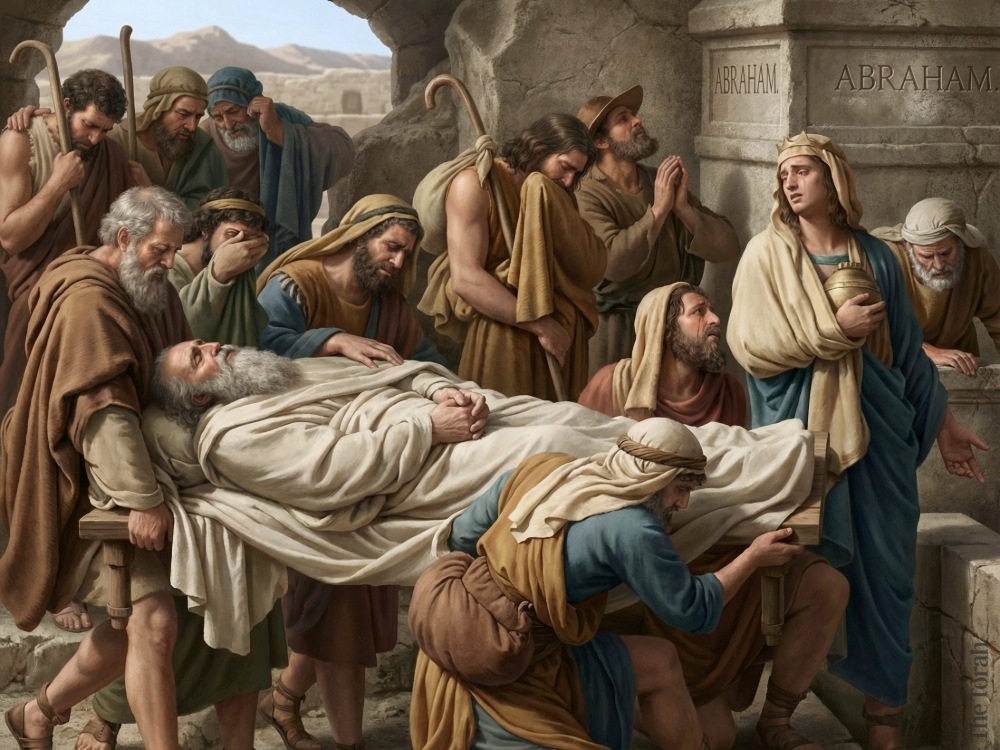




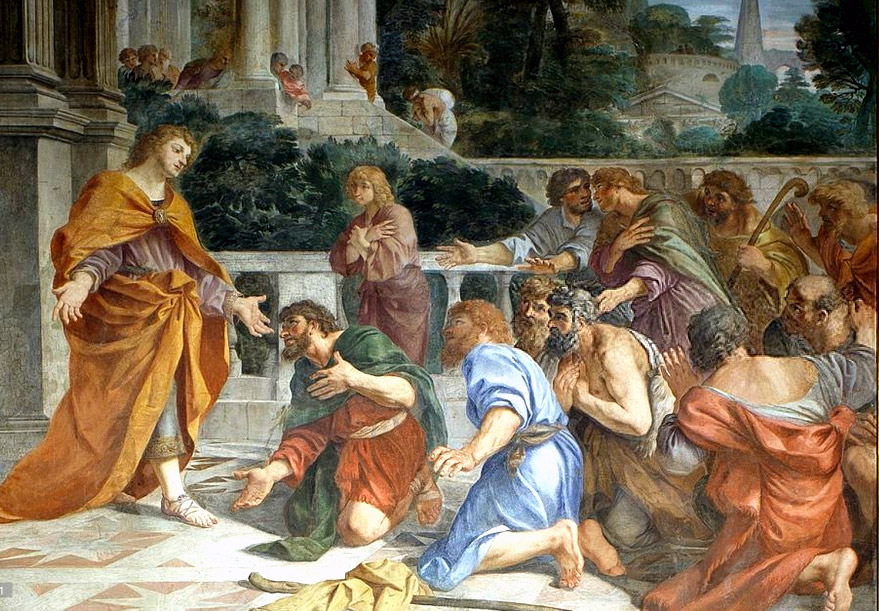
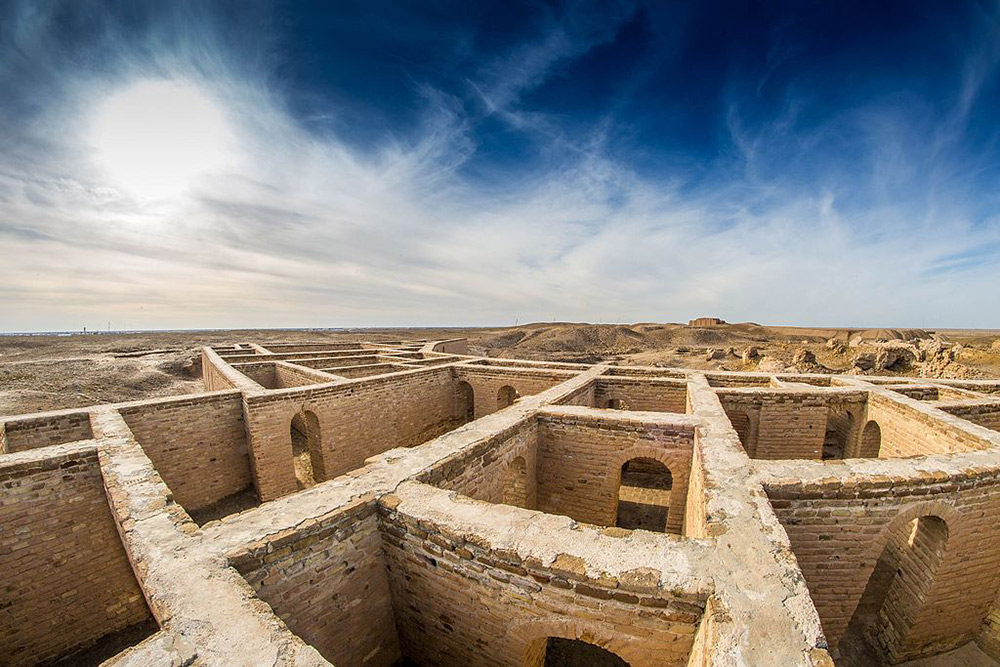
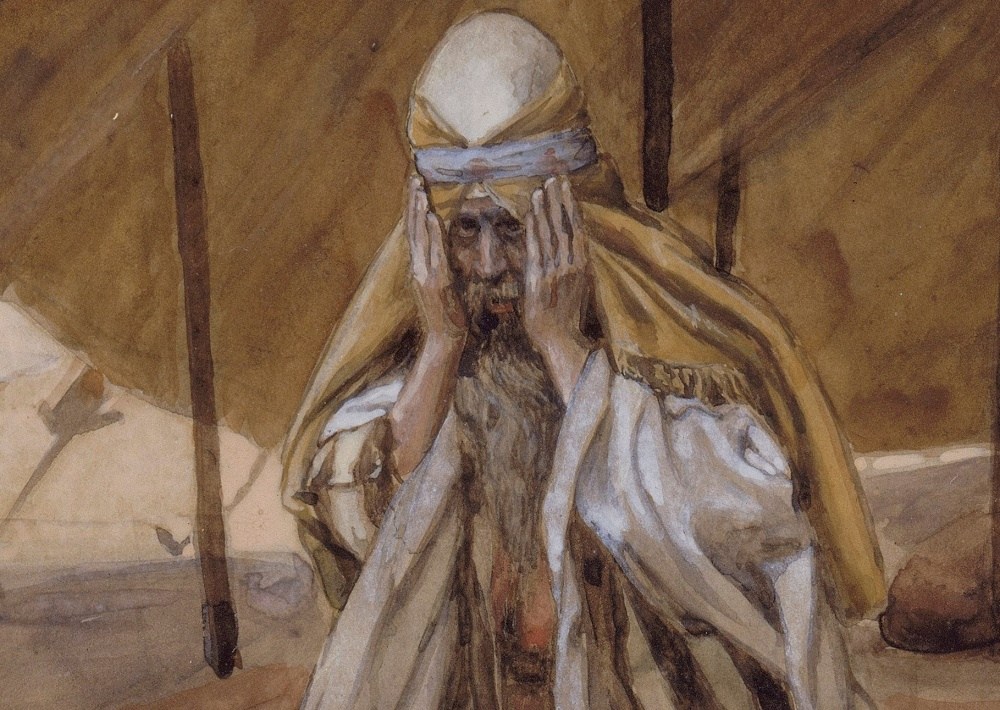
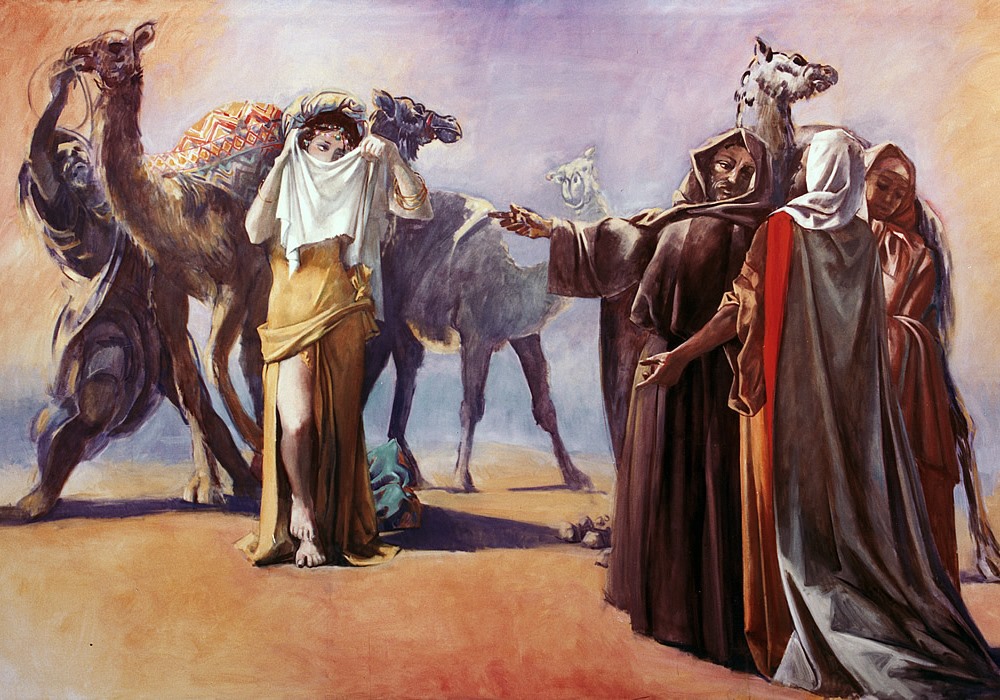



















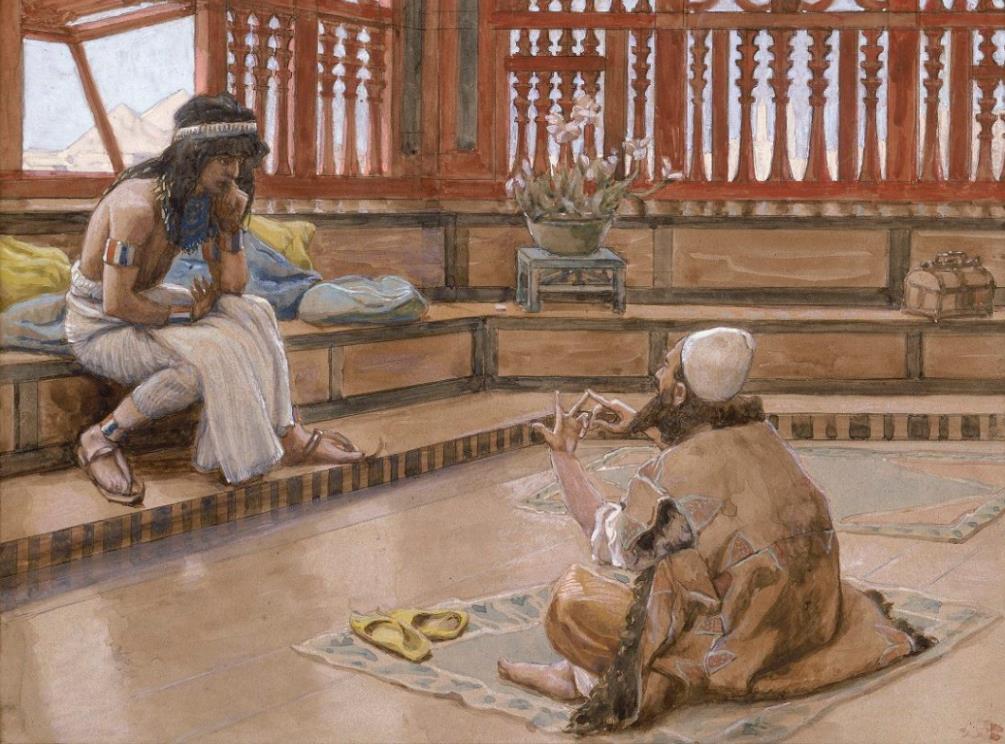

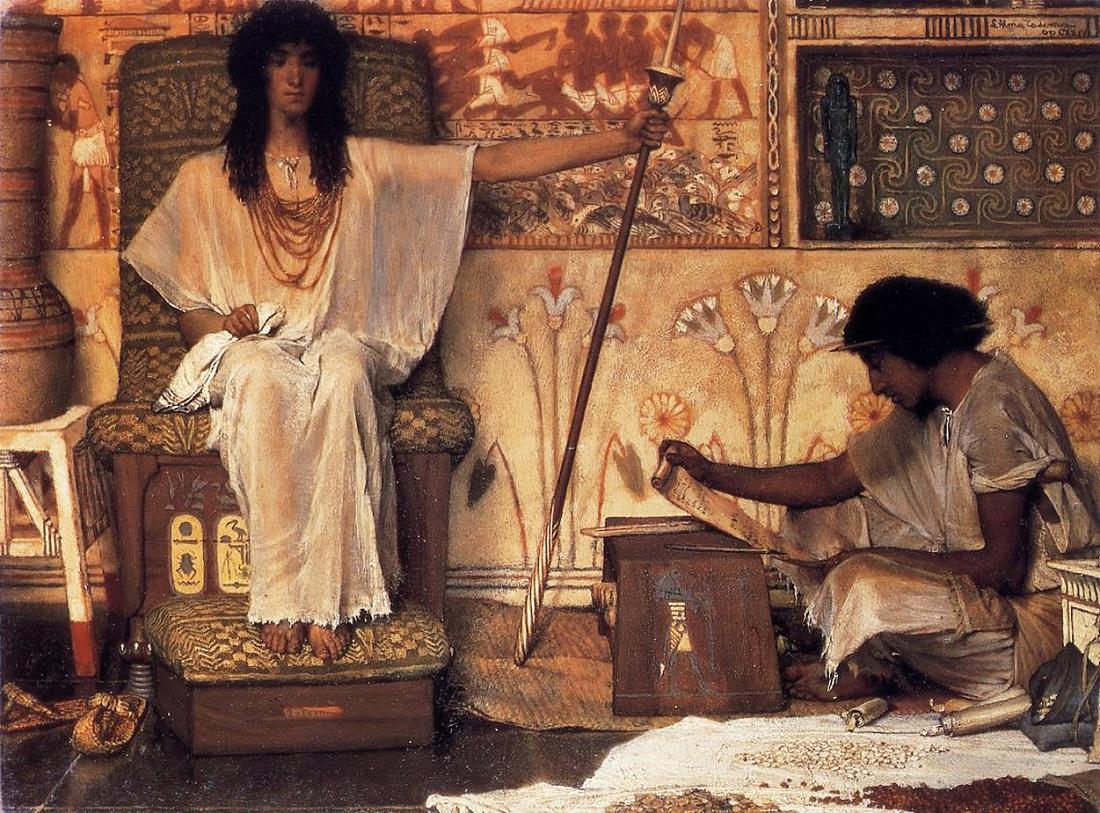
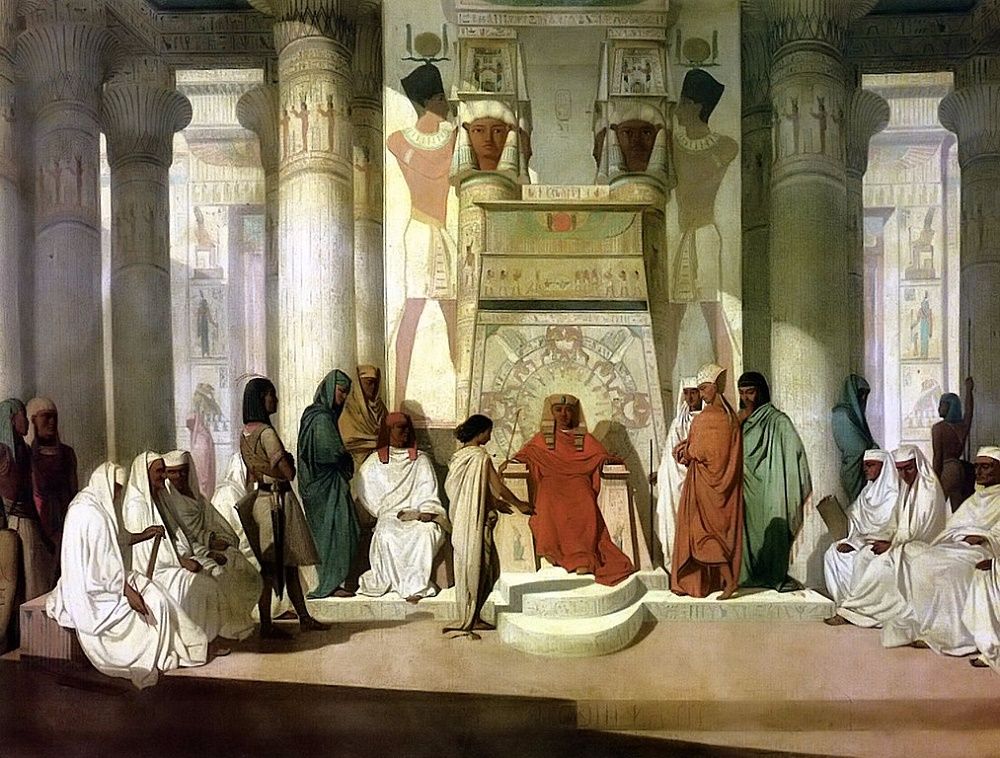

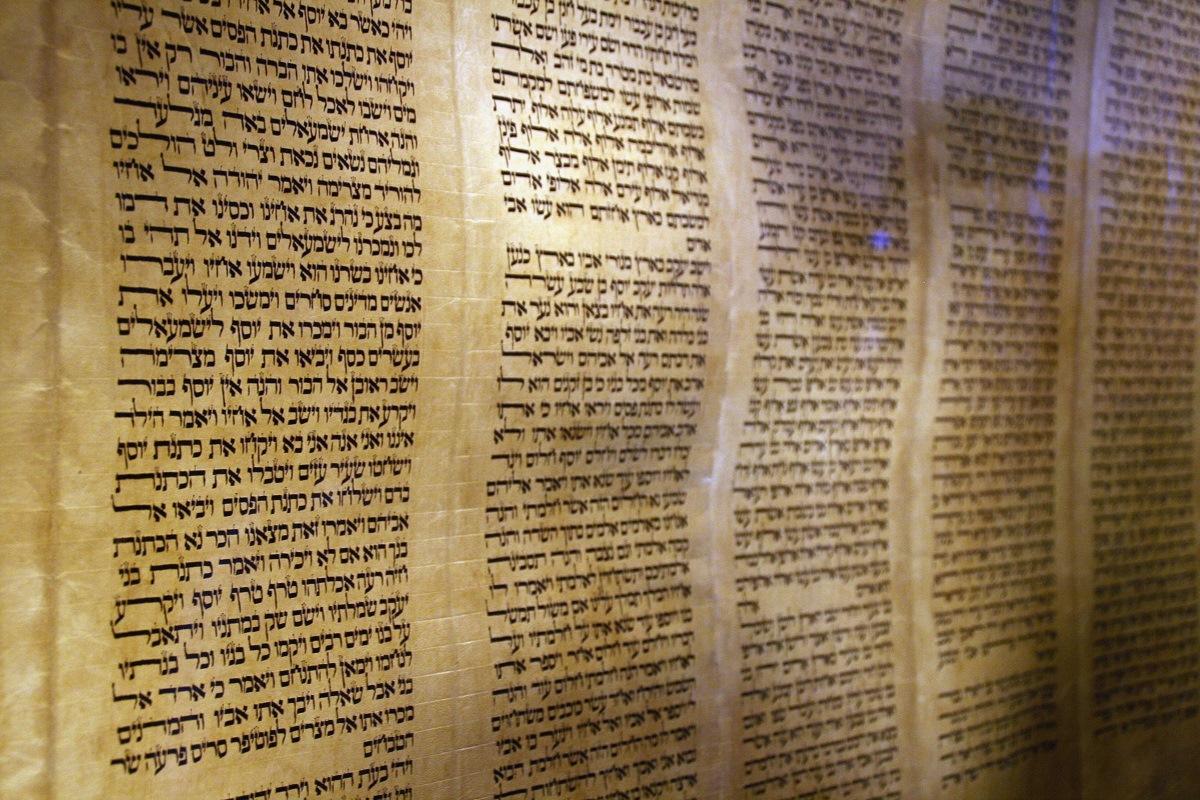




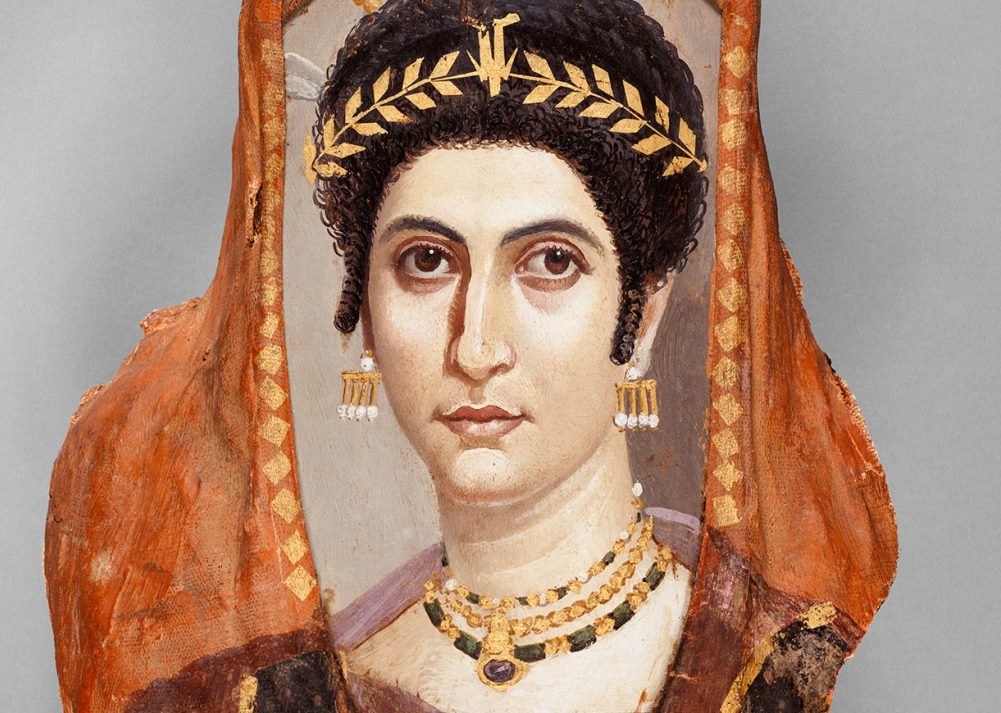





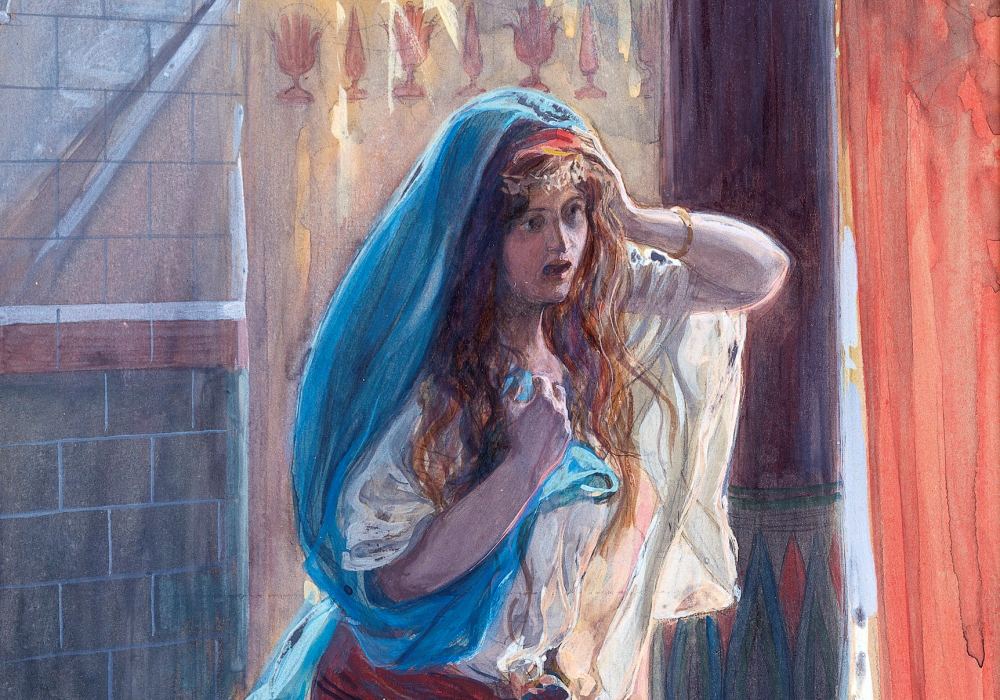
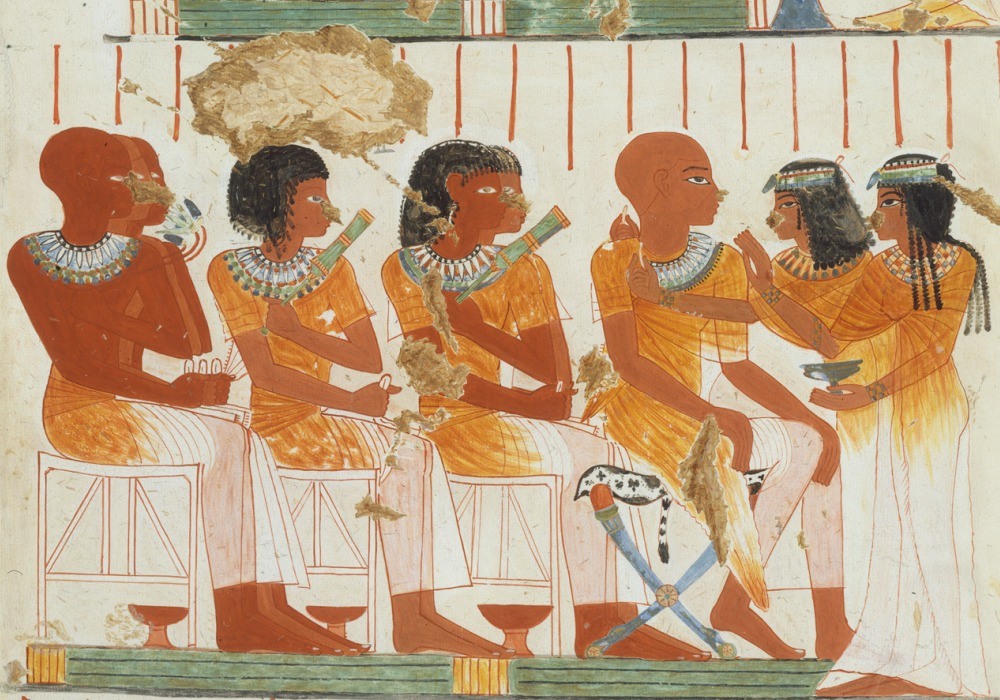

In 1830, Joseph Smith claimed to have translated the Book of Mormon from tablets written in Egyptian. In 1835, he bought Egyptian funerary papyri from a traveling exhibitor, which he declared to have been written by Abraham. Over the coming years he published his translation as the Book of Abraham, which later became part of the LDS canon. Because every stage of this process is documented, we can see how a mid-century piece of American literature was made into scripture by a new religious movement.
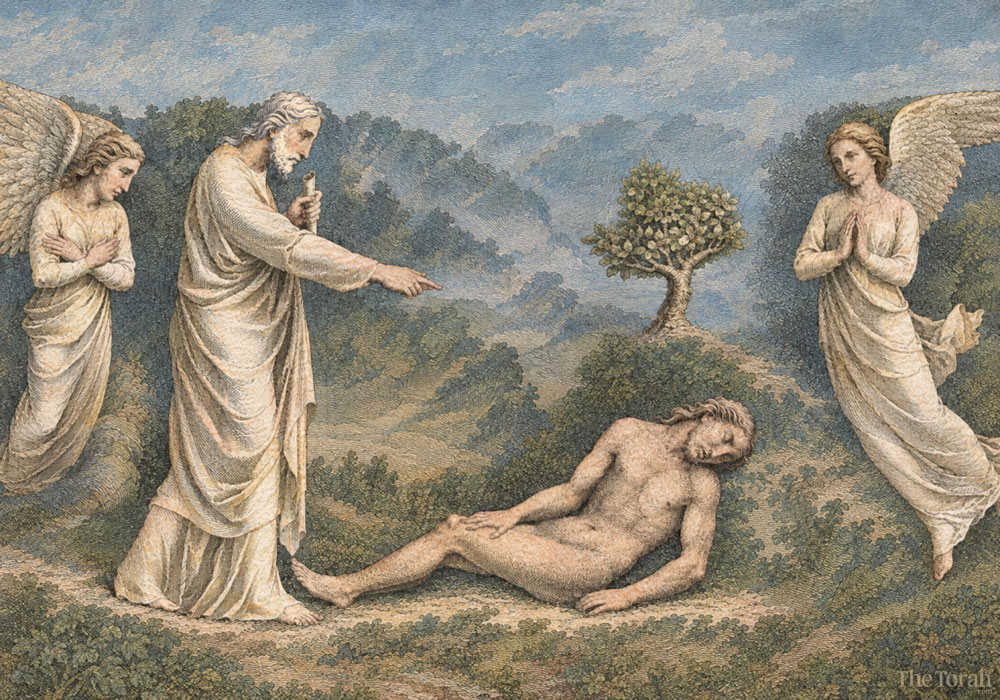
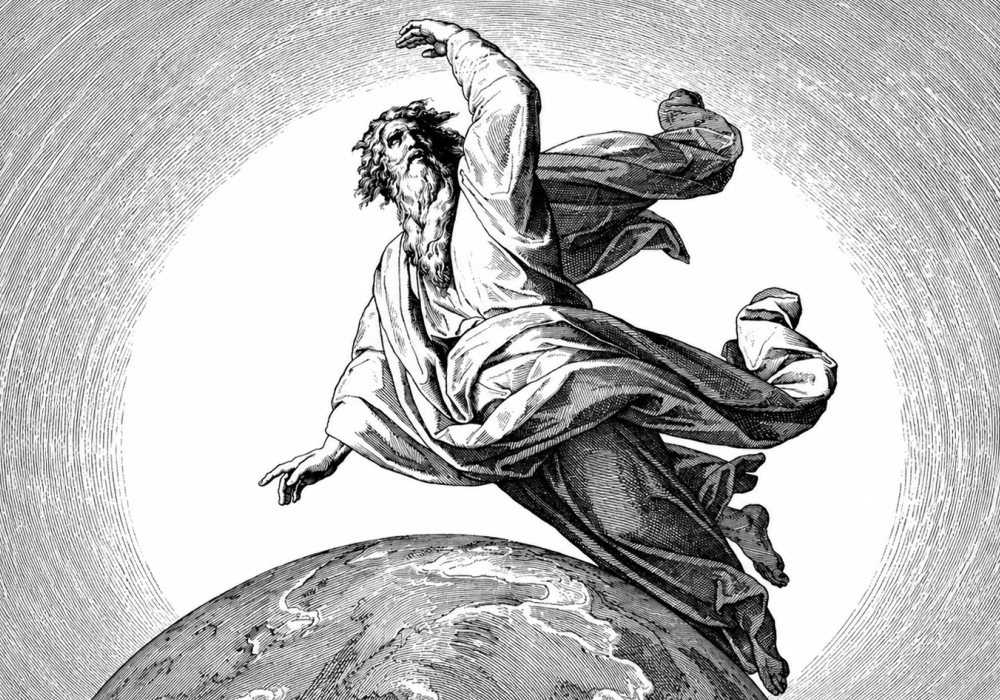
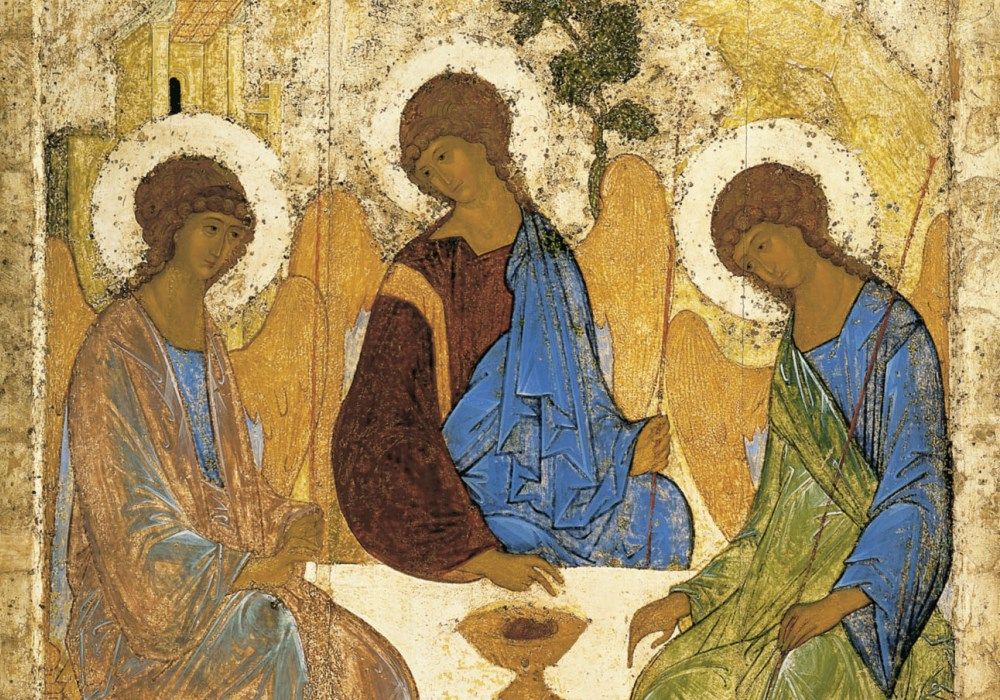
“Let us make humankind” (Genesis 1:26)—whom is God addressing? Across Judaism, Christianity, and Islam, some interpreters have identified God’s audience as the angels but have assigned them strikingly different roles in humanity’s creation: collaborators, creators, or critics who question the wisdom of bringing humans and their corruption into existence.

The parallels between Proverbs 22:17–23:11 and the Egyptian Instruction of Amenemope are well established. But how can their specific similarities—and differences—be explained? Rather than simply borrowing Egyptian wisdom traditions, the Hebrew author adopted the very scribal techniques used in Egyptian schools to study and transmit such texts, composing a wisdom teaching in Egyptian style that became part of the Book of Proverbs.

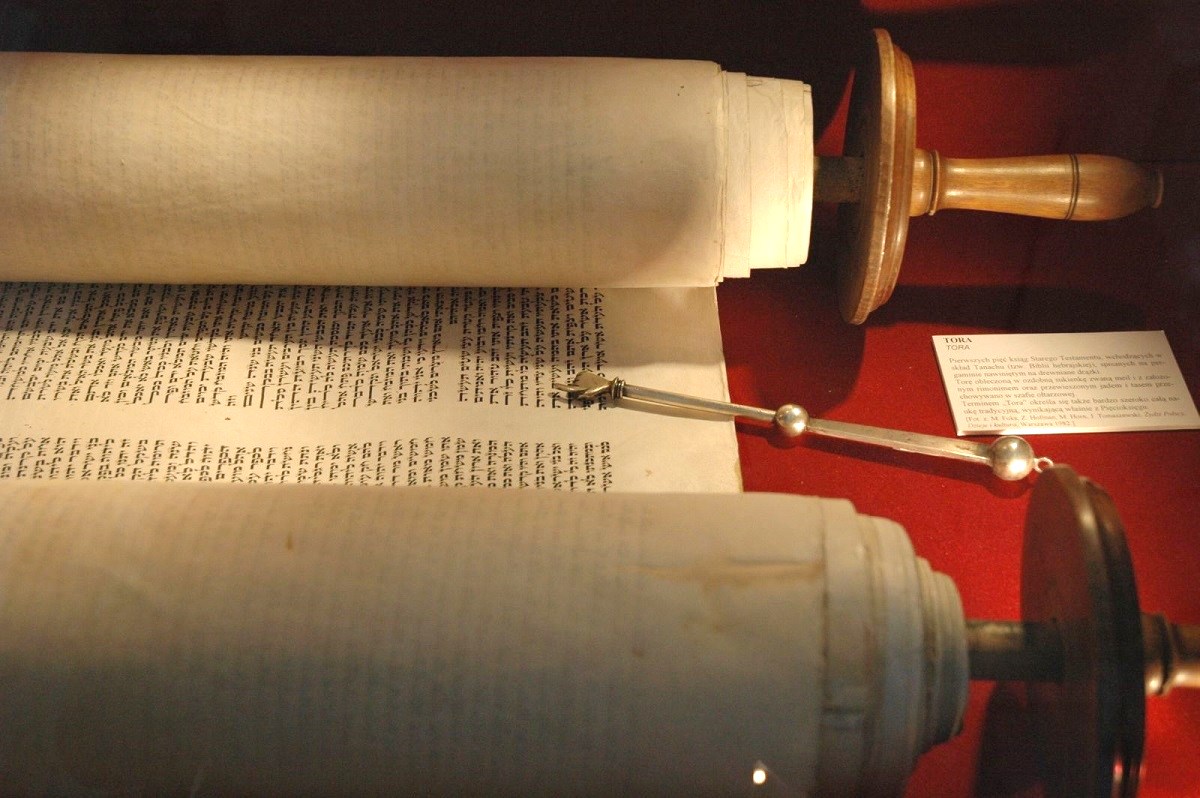
Well, we can theoretically arrive at a 3rd century B.C.E. archetype by using the conservative Masoretic Text (MT) as the default and comparing it with non-harmonistic variants in the Septuagint (LXX), Samaritan Pentateuch (SP), and Qumran fragments. But textual criticism offers little help in understanding what the text of the Torah looked like at an earlier stage, or how and when it was composed.

The Hebrew particle נָא naʾ appears almost four hundred times in the Bible. How should it be translated? To answer this question, we need to look at: 1) the biblical contexts; 2) the ancient translations of the Bible; 3) medieval grammarians; and 4) modern grammarians.
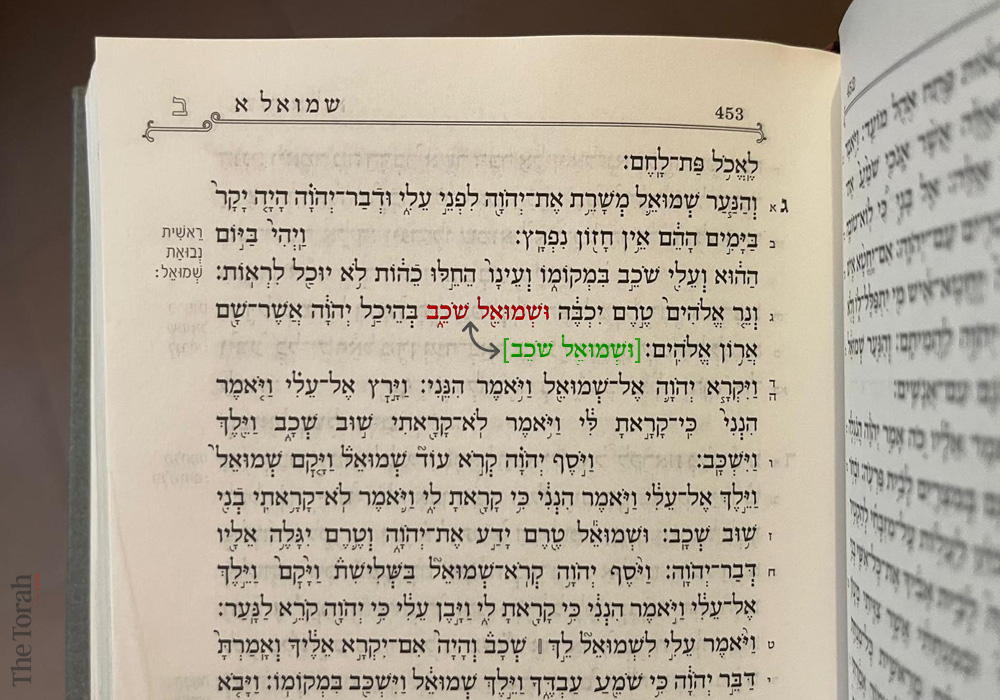
Also known as מוקדם שהוא מאוחר בענין, “phrases written out of order,” Rabbi Eliezer’s 31st principle of exegesis helps solve interpretive difficulties, such as: Does Samuel really sleep in the Tabernacle next to the ark? Why is Lot’s property referred to as “Abraham’s nephew”? What does it mean that Pharaoh’s daughter washes on the Nile?

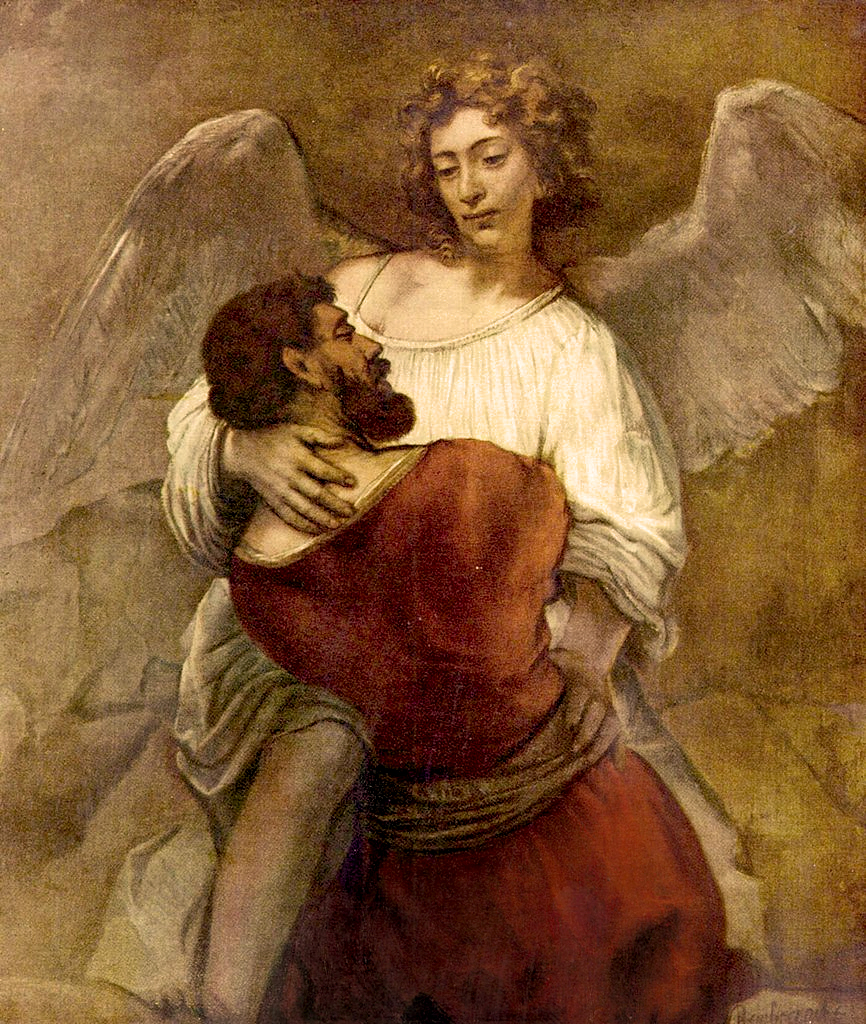
Jacob is renamed Israel after being wounded in his struggle with a divine being. The Torah then introduces the prohibition against eating the sciatic nerve, a commandment that has played little role in shaping Jewish identity. Remarkably, in medieval China, the Kaifeng Jews elevated this otherwise marginal rule into their defining communal name.
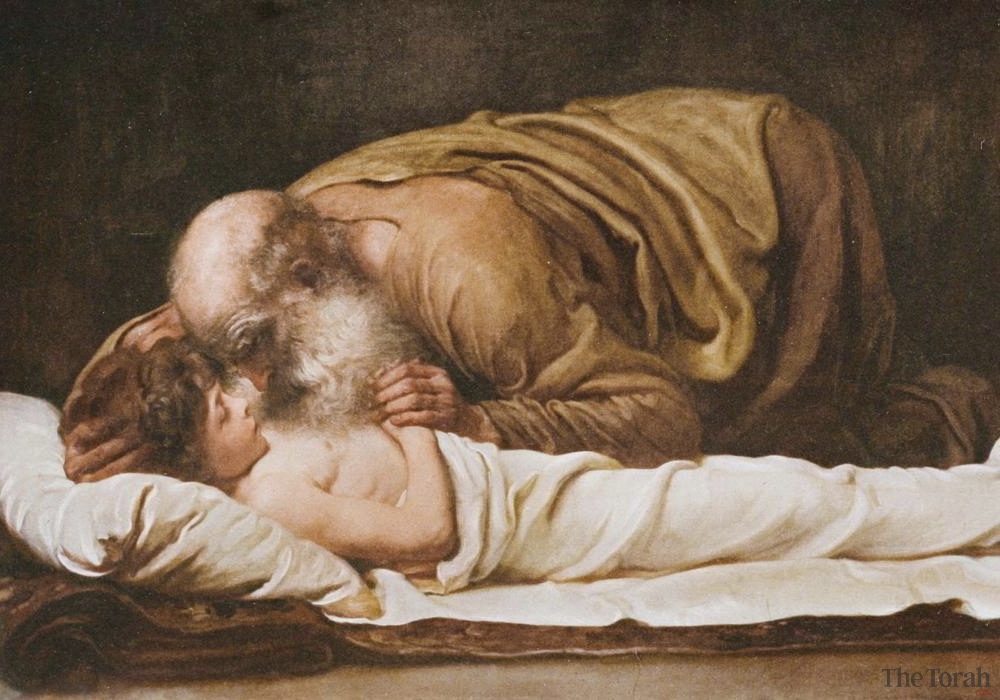
With a miracle of an overflowing jar of oil, Elisha saves a widow’s sons from debt-slavery. He then grants the Shunammite woman a child and later resurrects that child from an untimely death. Both stories craft a portrait of a prophet exercising powers usually reserved for God. Is this prophetic hagiography or criticism of his encroachment on God’s domain?
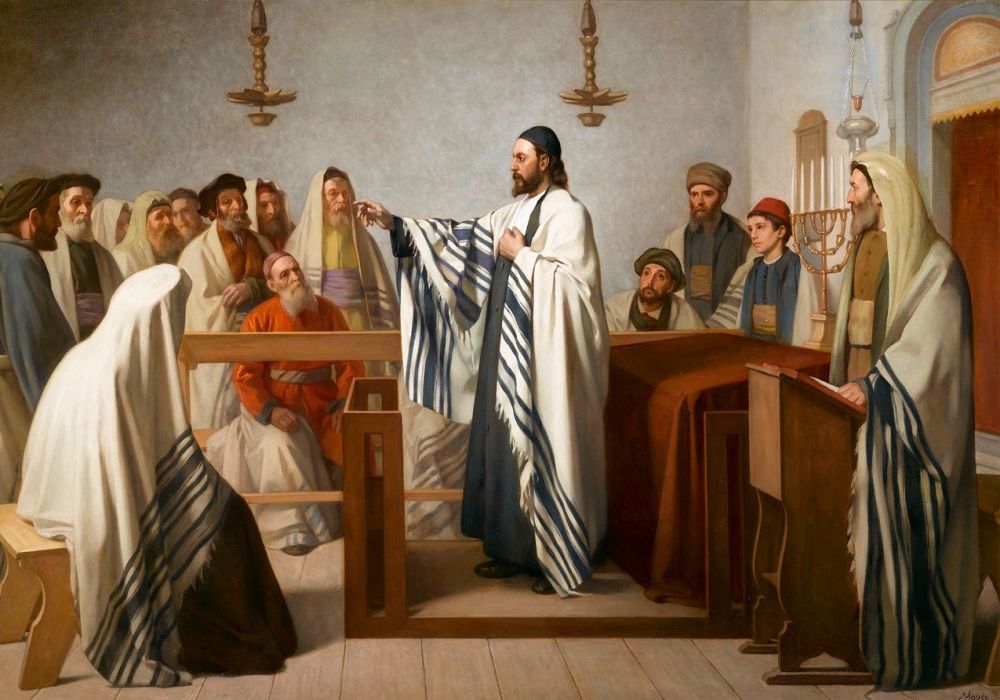
The kingdom of Israel was destroyed in the 8th century B.C.E., but the name Israel lived on. During the Second Temple period, who called themselves Israelites, and who were the Jews? A close look at the Bible, Josephus, and other sources reveals a simple answer—and exposes the anti-Jewish bias behind the infamous “insider/outsider” theory.

The Tikkunei Zohar, a kabbalistic work composed in 14th-century Spain, offers seventy interpretations of the Torah’s first word, bereshit. This article traces how: The understanding of the Torah as multivocal culminated in its formulation, “the Torah has seventy faces,” in the 12th-century Numbers Rabbah (Part 1). The Tikkunei Zohar saw this as a key theological principle and applied it programmatically (Part 2). R. Nathan Spira and Ramchal interpreted other words of Torah, and Rabbi Nachman of Breslov wrote his famous stories to prepare readers for the Torah’s seventy meanings (Part 3).

Before the exile, Israelites and Judahites wrote in Old Hebrew script. During the Second Temple period, Aramaic script slowly replaces Old Hebrew to the extent that the rabbis even disqualify a Torah scroll written in Old Hebrew.

Rabbinic quotations of the Bible differ in some instances from the Masoretic Text. In some cases, the rabbis were aware it was a variant; other times they were not.

Muslim scholars like Qadi Abd al-Jabbar, Ibn Hazm (11th c.), and Salih b. al-Husayn al-Gafari (13th c.), and Jewish scholars like Ibn Ezra, Joseph Kimchi (12th c.), Hasdai Crescas, and Profiat Duran (14th c.) viewed the Trinity as a troubling departure from pure monotheism. Spurred by religious competition that was often intertwined with political competition or coercion, they sought to refute it, drawing on philosophy, the Hebrew Bible, and even the New Testament.

Goren-haʿatad, at the southwestern border of Canaan, is situated near a crossing point of Abel-Mitzrayim, the Brook of Egypt. It is named Yardan/Jordan Pass, after an obscure village in this region mentioned by Pharaoh Shishak, Josephus, and the Madaba map. A Syriac text describes a battle of Arab armies against Christians, Jews, and Samaritans that took place there in 634 C.E., and which likely ended in the village’s destruction.

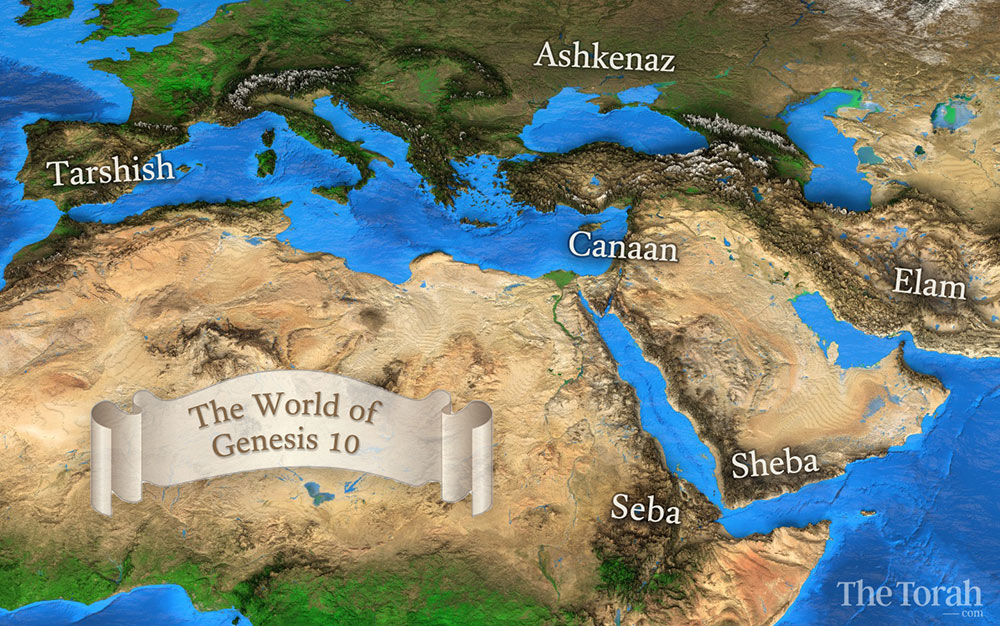
In the Bible, the Queen of Sheba is an unnamed foreign visitor to Solomon’s court. How did she later become a paradigmatic religious convert, Solomon’s wife, and the mother of Nebuchadnezzar and Menelik I, the founding figure of the Ethiopian royal court? The answer begins in the Qur’an.

Saint Bruno the Carthusian’s (1030–1101) method of biblical interpretation took literary structure and grammar into consideration in applying select Christological readings. Rashi, a younger contemporary, created a similar methodology by incorporating only midrashim that conform to peshuto shel miqra, “the plain sense of Scripture.” Was this Rashi’s response to the threat of Bruno’s influential work?

So why aren’t we told which mother actually stole the baby?
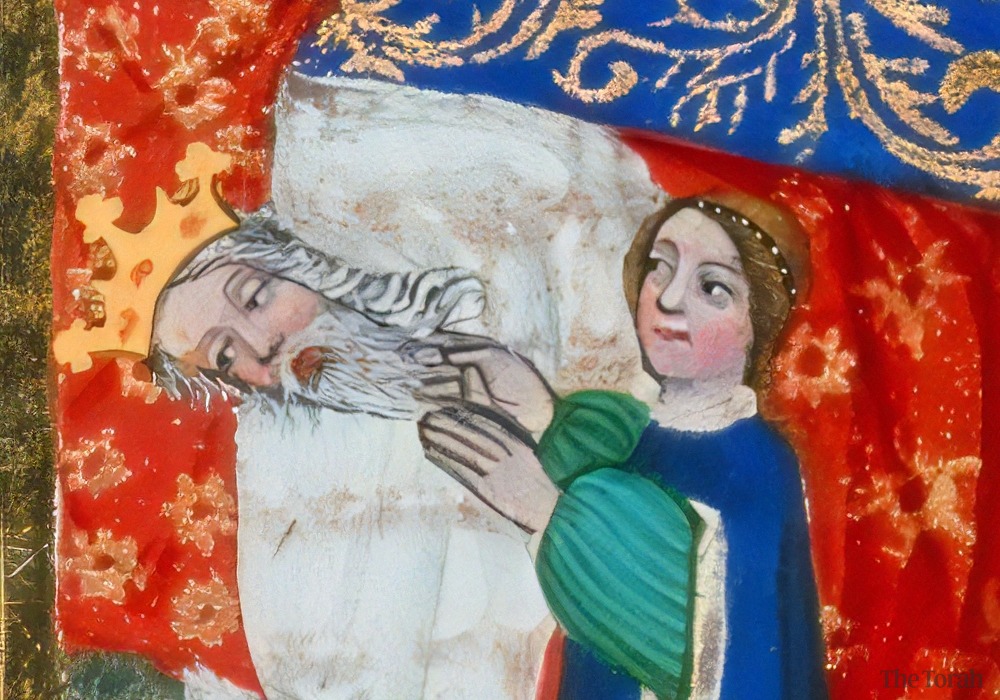
At the end of David’s life, he is old and cold, and his advisors find him a beautiful young virgin to keep him warm. They appoint her as sōkhenet, an administrator of the royal household, allowing her to play a key role as an official witness to the court cabal ensuring Solomon’s succession.
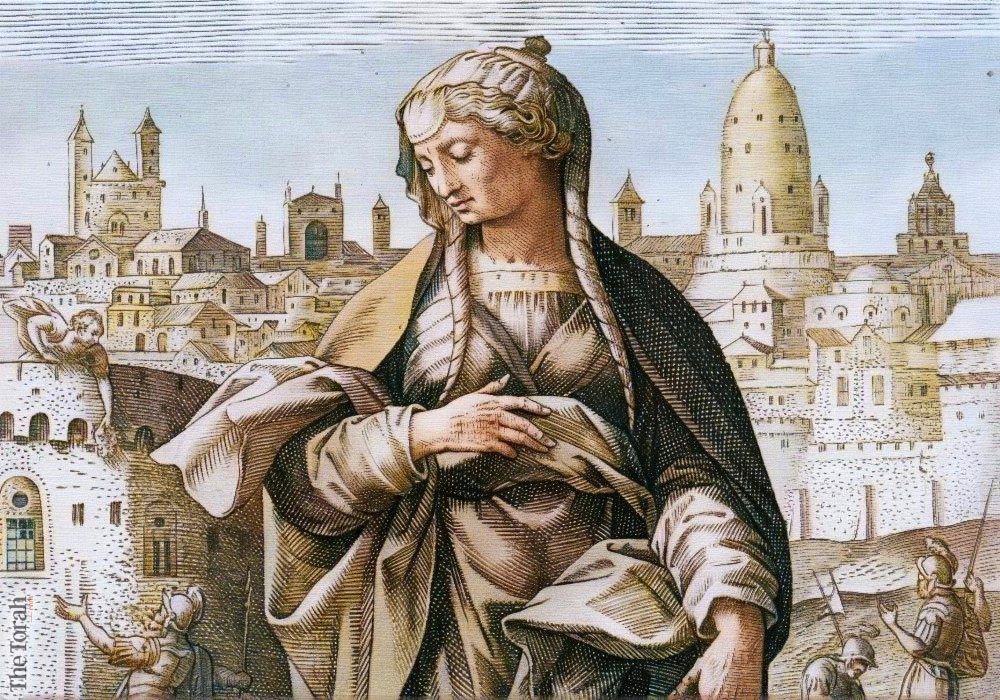
The title ʾem, “mother,” is found in a synagogue inscription, and is used in the Talmud to refer to Abaye’s foster mother. ʾEm is likely also used as a title when it is applied to biblical Eve, Deborah, and the wise woman of Abel of Beth-maacah. It reflects their honored position, not their role as child-bearing women.
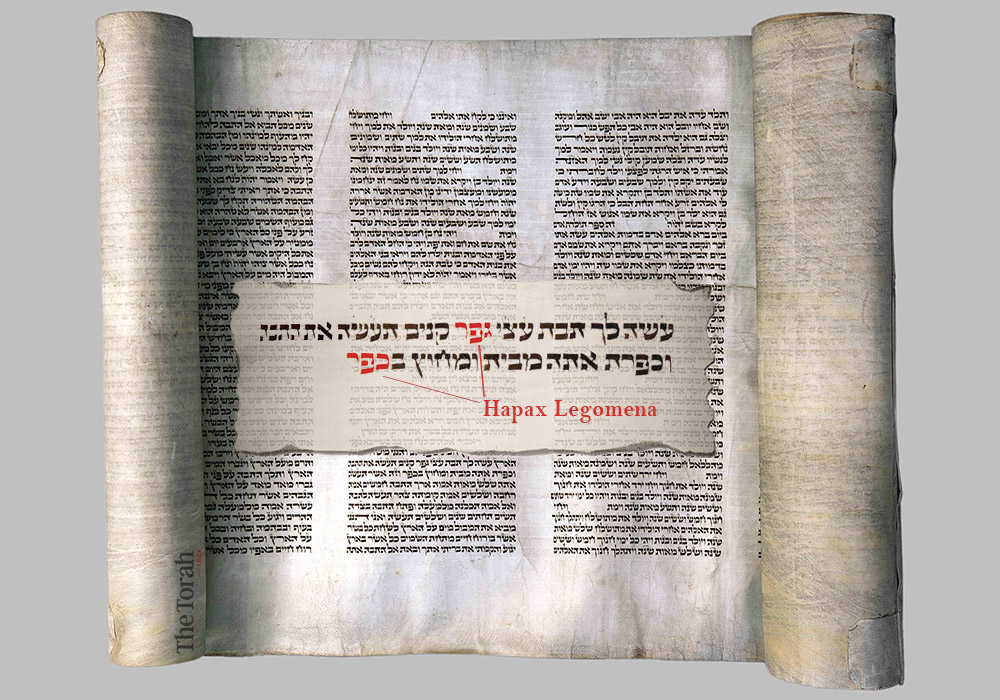
To enhance the sounds of the text for their audience, biblical authors plumbed the depths of the Hebrew lexis for alliterative rare words, some of which appear only once in the Bible.

Onan son of Judah “would let [his seed] go to waste on the ground, so as not to provide offspring for his brother. This was wicked in the eyes of YHWH, who killed him” (Genesis 38:9–10). What was Onan’s sin?
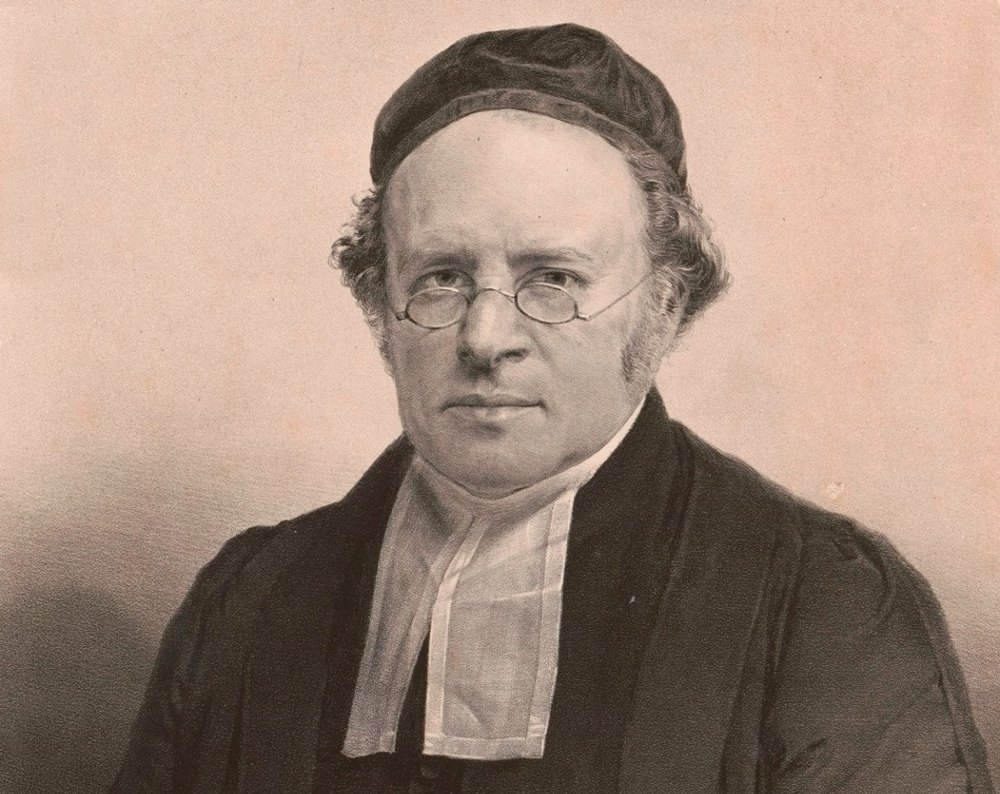
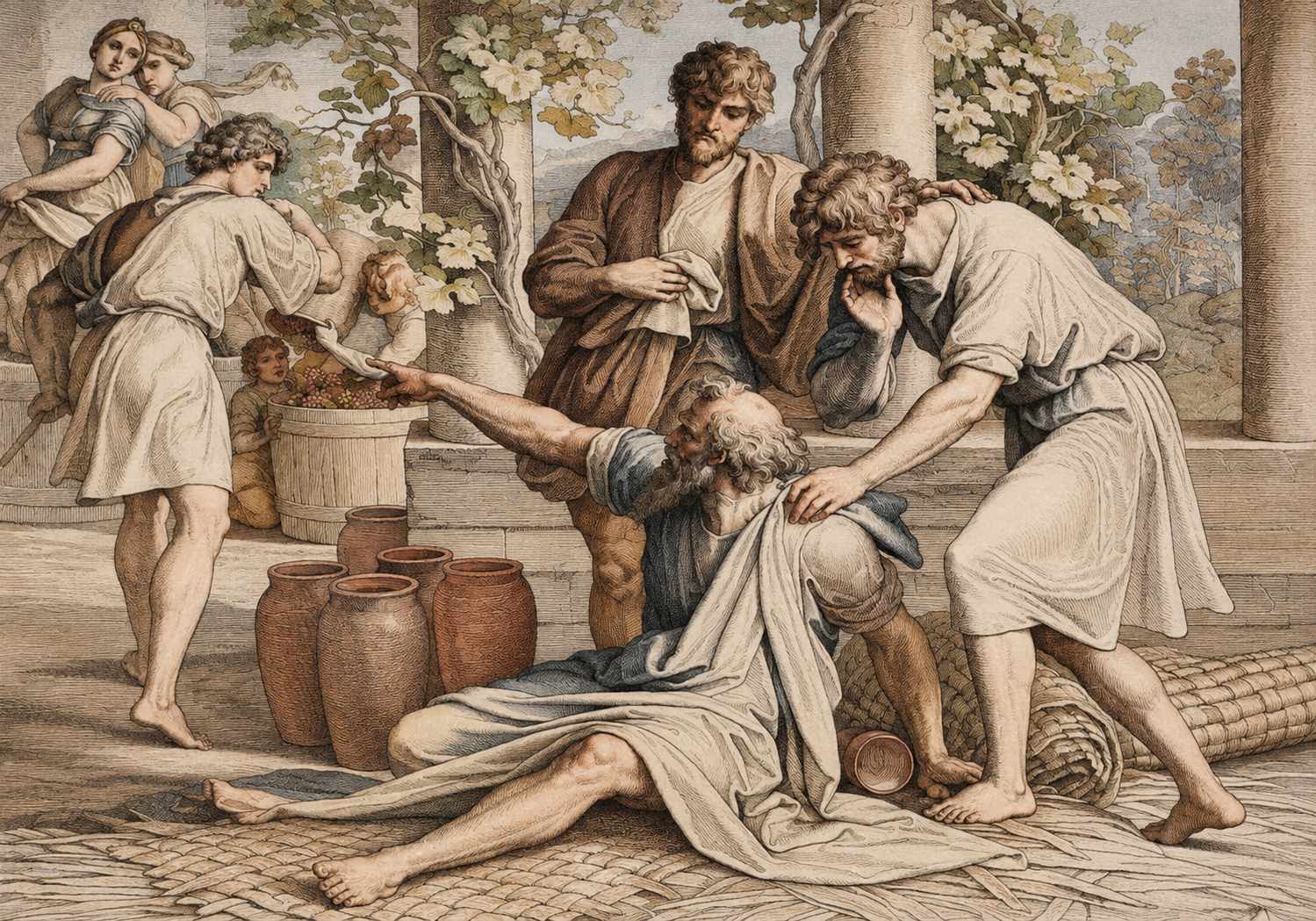
In 1861, Rabbi Morris Raphall of New York attempted to save the Union by declaring from his pulpit that slavery was the will of God, as per the Torah’s story of the curse of Ham. Some rabbis and Jewish scholars approved of the message, but others, such as Michael Heilprin and David Einhorn, pushed back with biting criticism.
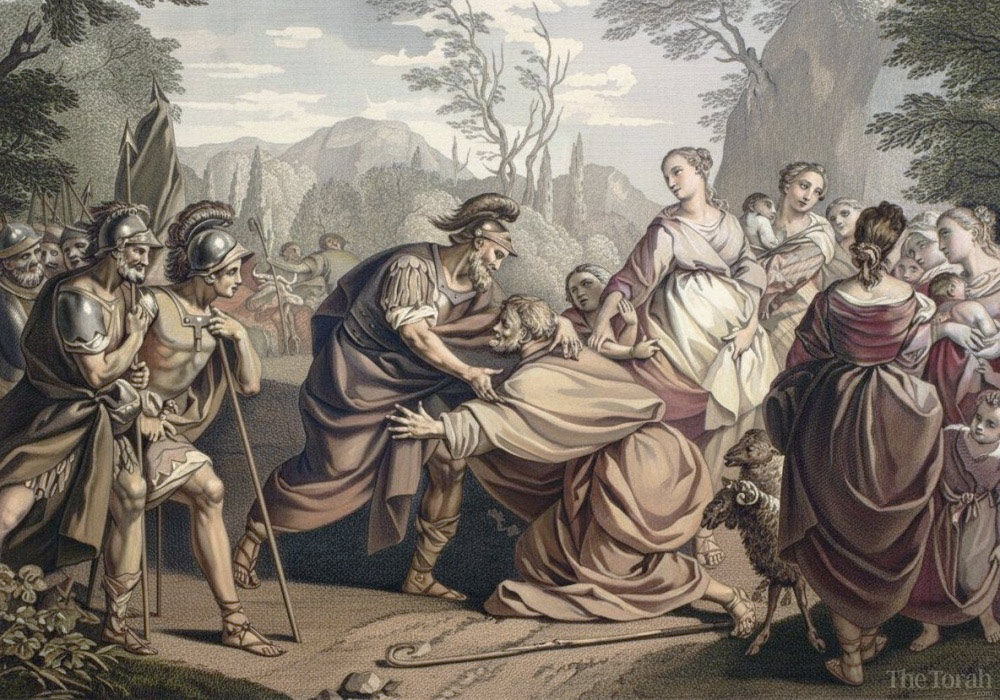
Genesis 36 references a story about Anah, the grandson of Seir the Horite and the father-in-law of Esau, who found הימם “Hayemim” while grazing his father's donkeys in the wilderness. What does this mean and why is this story in the Torah?

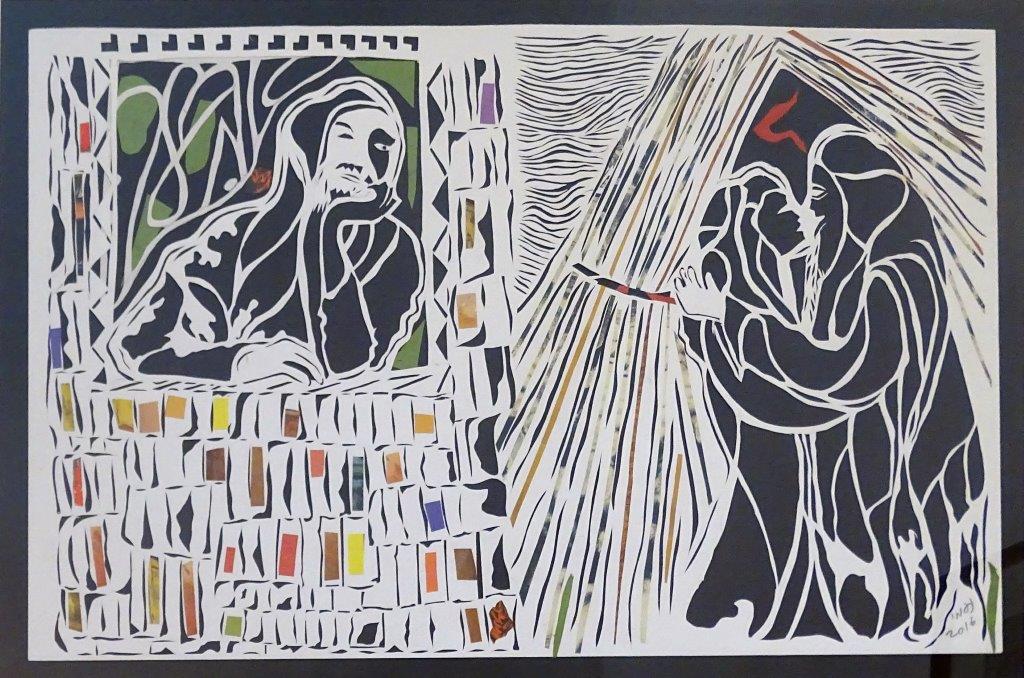
Lot’s wife looking back at Sodom is traditionally understood as an act of disobedience to God. Yehuda Levy- Aldema, an Israeli Orthodox-Jewish artist, offers a visual reading that instead interprets her turning as an act of resistance to her sexually violent husband.
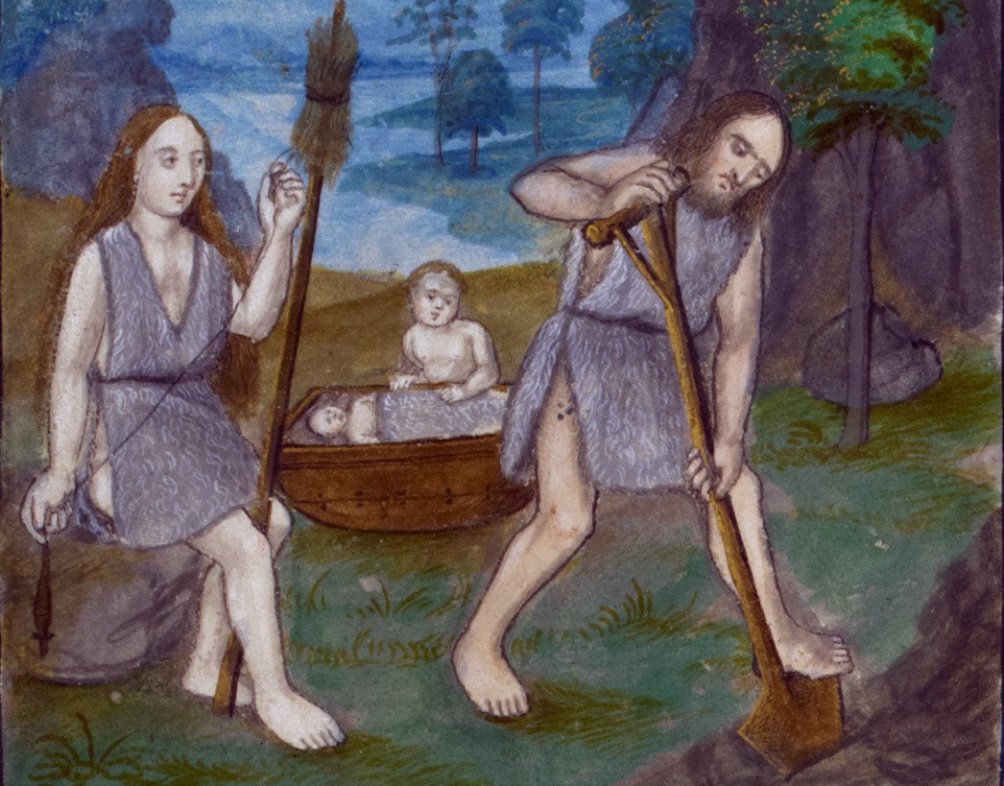
Eve was created as Adam’s עֵזֶר כְּנֶגְדֹּו ʿezer ke-negdo (Genesis 2:18). What is the meaning of this enigmatic phrase?
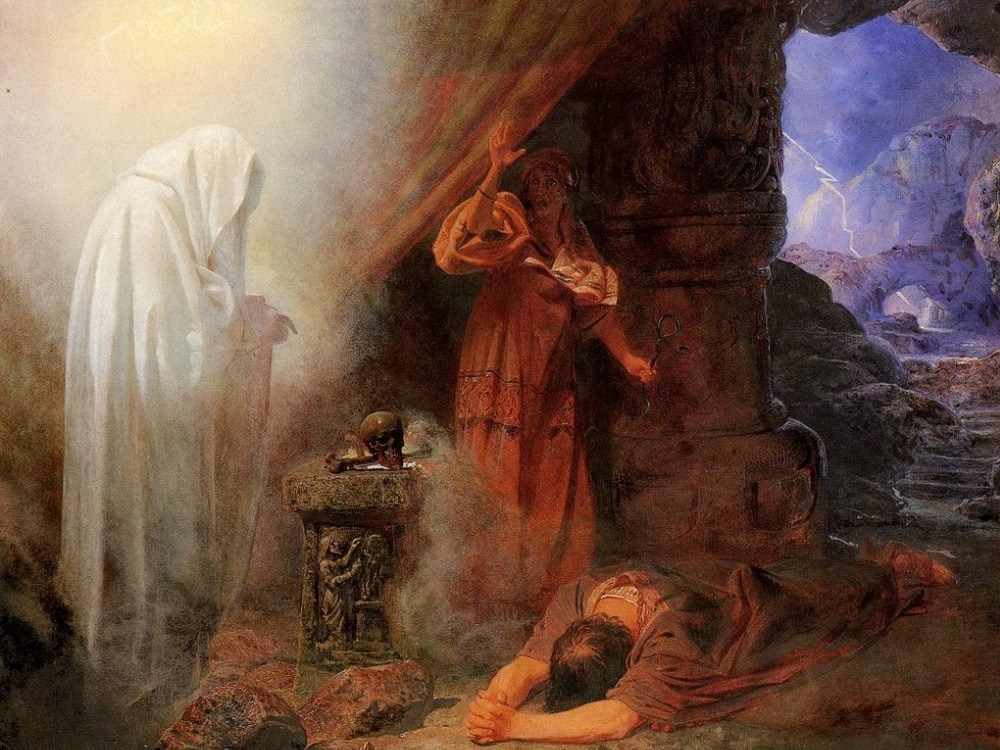
Sheʾol and its synonyms, בּוֹר “pit,” שַׁחַת “chasm,” and אֲבַדּוֹן “oblivion,” was the fate of all people upon death. The wicked were sent there early, while the righteous were rewarded with a long life. During the Second Temple period, the negative attitude about death and sheʾol develops into a concept of post-mortem punishment and eventually hell. 1 Enoch’s four chambers for the dead is the first step in that direction.

Biblical authors employed the number 7 in numerous ways to express the ideas of completion, perfection, and holiness and to highlight keywords or elements within a text.
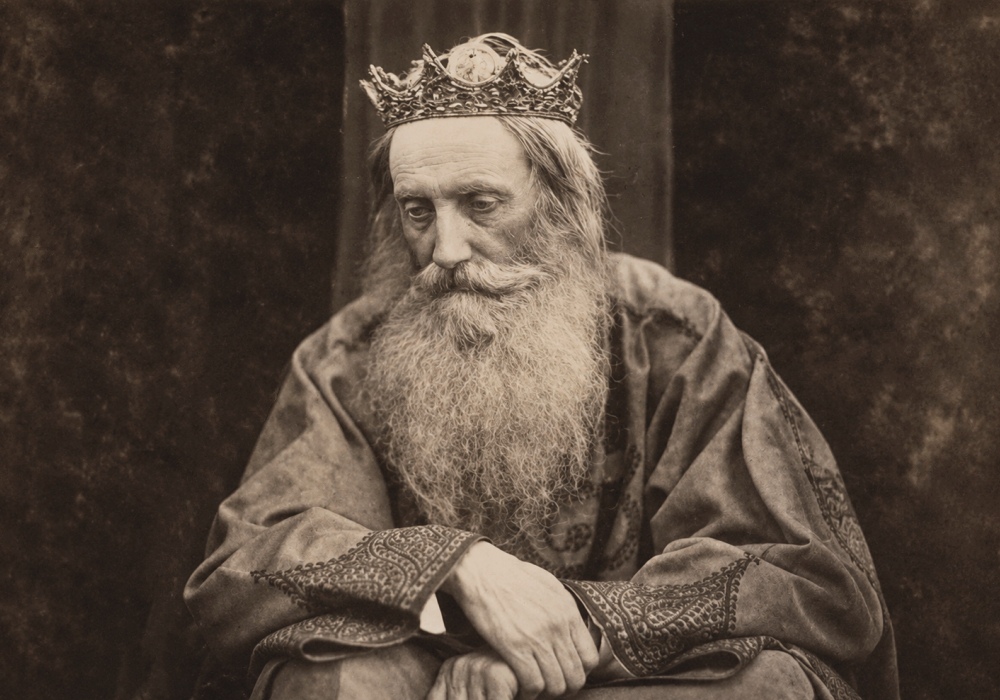
Before his death, David commands Solomon to kill two men: Joab, his loyal general, and Shimei, his enemy, whom he had sworn not to kill.

When Joseph reveals himself to his brothers, he says, “I am your brother, whom you sold into Egypt” (Genesis 45:4). Tradition takes for granted that Joseph’s brothers were indeed the ones who sold him. However, as Rashbam and Shadal note, a straightforward peshat reading of events once Joseph is thrown into the pit reveals a different conclusion.
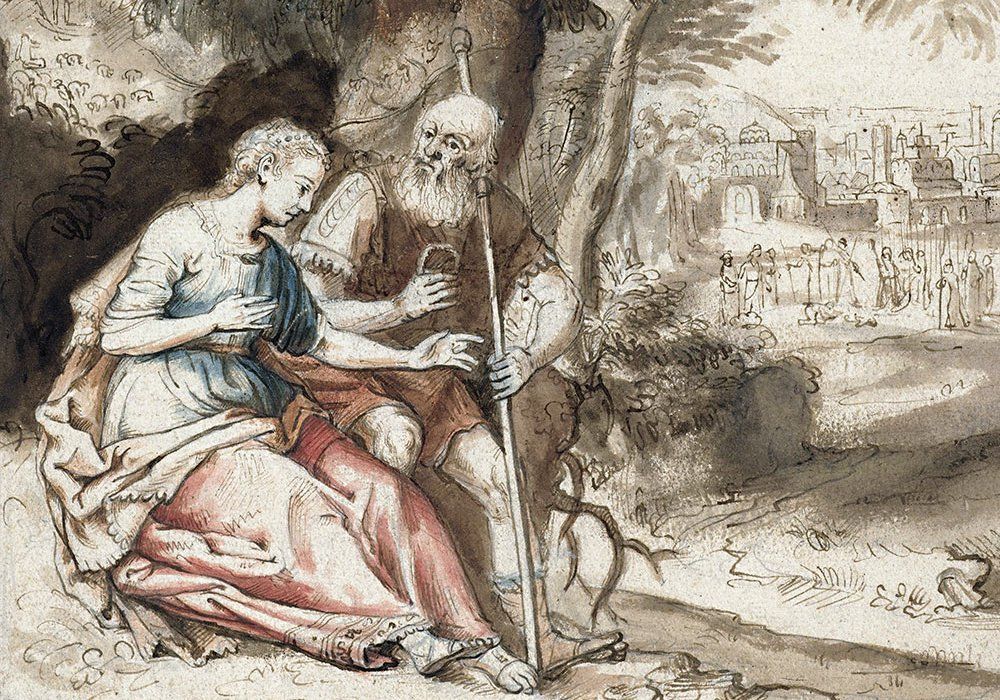
Samson also meets a woman of questionable status in Timnah. Why do sexual encounters with foreign women take place in Timna?
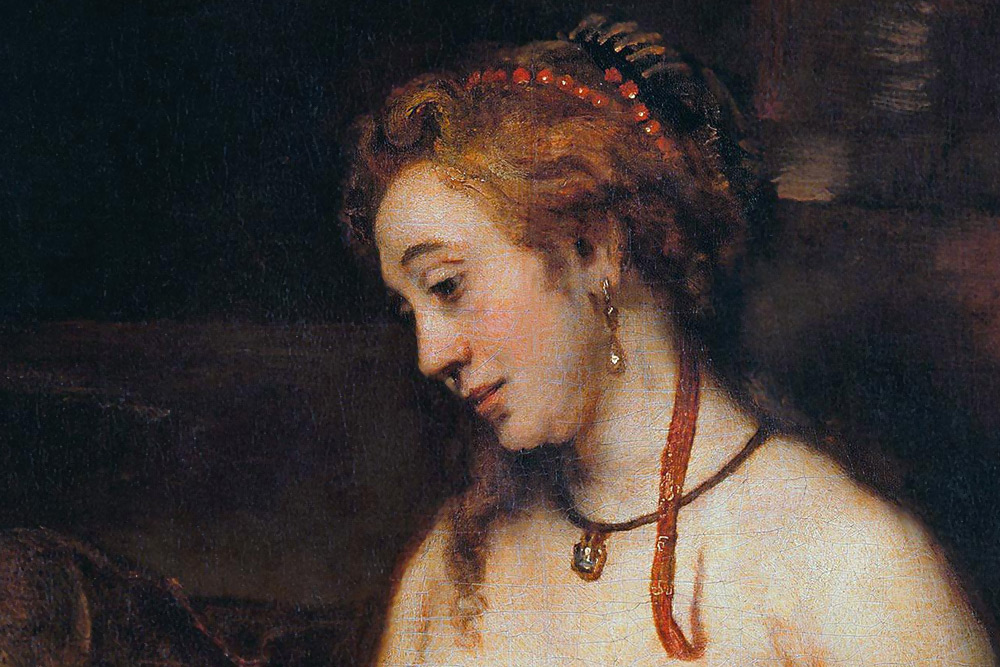
Bathsheba first appears as the object of David’s lust, then as the mother of Solomon, who pleads with the king to make her son his heir. And yet, a close look at her actions shows her to be someone with agency, able to manipulate her husband and even her son to ensure Solomon’s safety and rule.
In the creation story, God tells humans to eat plants. Only after the flood, does God permit them to eat animals. Interpreters have understood this to mean that vegetarianism was God’s original plan for humanity. Gersonides found the claim that God changed His mind scandalous, but this is more about countering Christian claims than the simple meaning of the text.

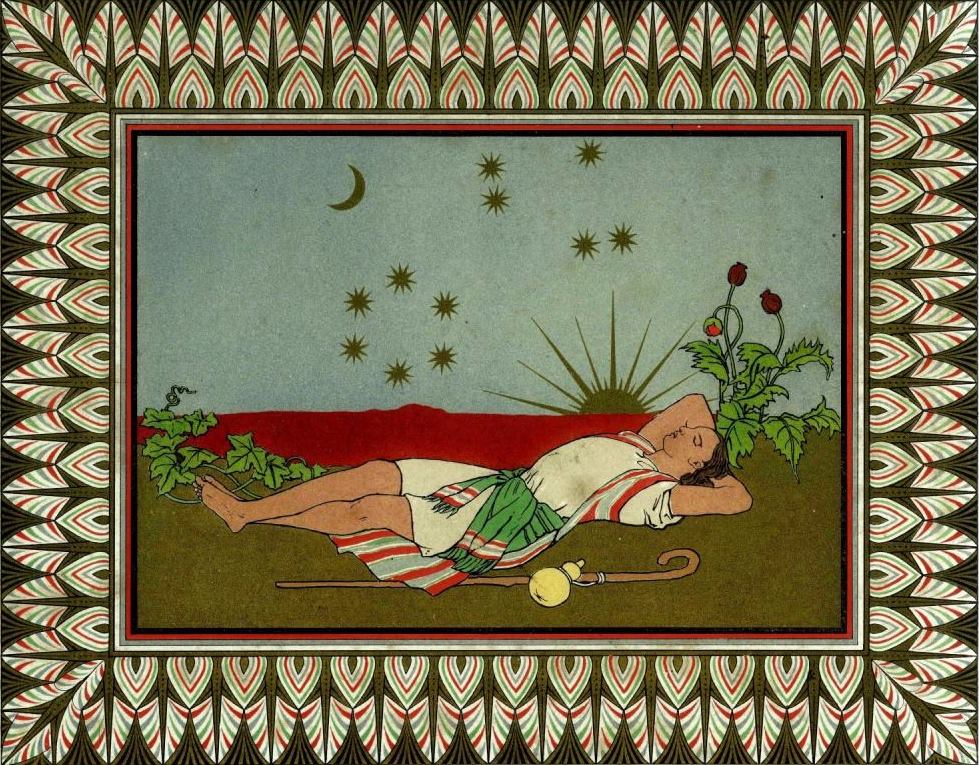
The story of Joseph is replete with narrative contradictions. Source criticism has long dominated the quest for textual coherence. But how are we to make sense of the integrated text?
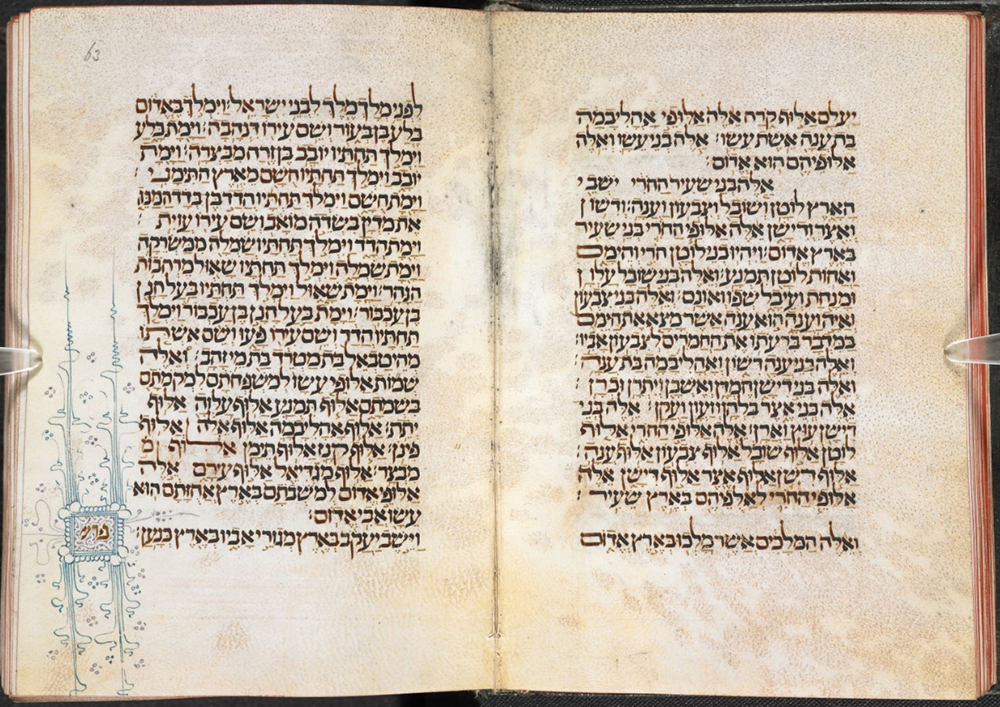
Genesis 36:31 introduces a list of kings who ruled “before a king ruled in Israel,” ostensibly a reference to Saul. Traditional commentators, committed to the Mosaic authorship of the Torah, have long struggled to reinterpret this phrase against its plain meaning, though some accepted its implications.
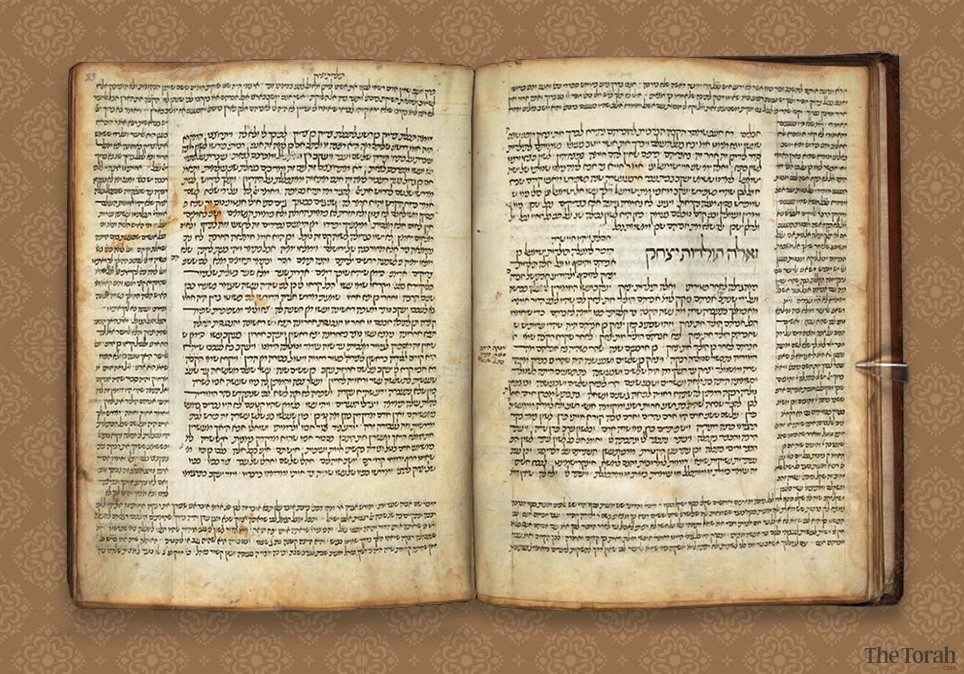
Rashi (Rabbi Solomon b. Isaac) wrote the most famous Jewish Bible commentary in history. Over 900 years later, scholars still argue about the nature of the commentary: Is it an attempt to explain peshat, the plain meaning of the biblical text, or is it an anthology of midrash?

An enormous ancient altar from the early twelfth-century B.C.E., uncovered at the site of El-Burnat, sheds light on the biblical account of Joshua’s altar at Mt. Ebal as well as on the famous story of Jacob crossing his arms to bless Ephraim over Manasseh with the birthright.
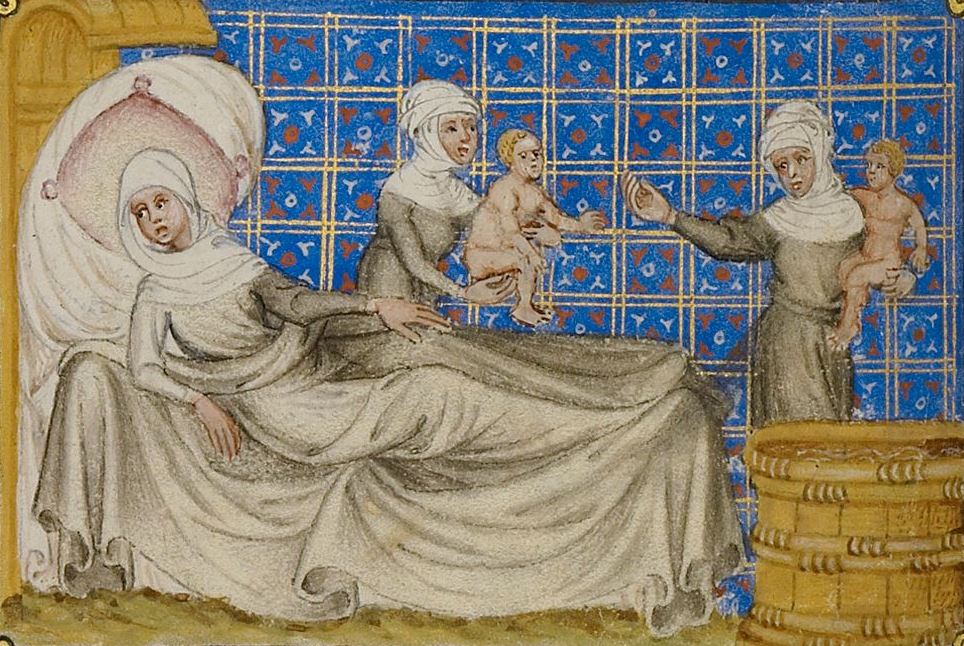
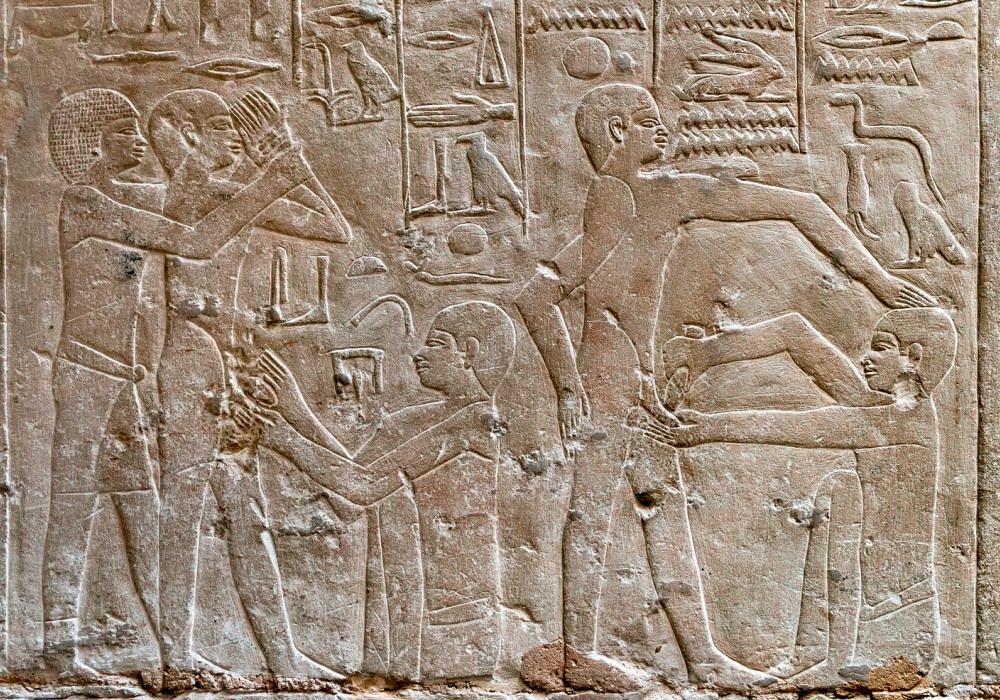
Jacob is famously born with his hand grasping the ankle of his twin brother, Esau. Similarly, Zerah puts his hand out first, before being overshot by his twin brother Peretz. Does this reflect men’s ignorance of childbirth or their familiarity with other realia?

Virtually all biblical scholars—even feminist biblical scholars—consider the Bible and ancient Israelite society patriarchal. But is that a valid designation?

The division of the Torah into five books is not mentioned anywhere in the Bible, yet by the early first millennium C.E., the Torah became known by the Greek name Pentateuch, literally “five scrolls.” When and why was this division created?

The Torah describes how, when Jacob blessed Joseph’s two sons, “he placed Ephraim before Manasseh” (Genesis 48:20b). Surprisingly, the late 12th-century sage R. Judah HeḤasid asserts that this refers to Moses placing the tribe of Ephraim before that of Manasseh in the tribal listings (Numbers 2:18–21), leading R. Judah to conclude that the phrase must have been added later and not by Moses.

“God Seeks the Pursued”: A Midrashic text from the genizah compares Esau’s Pursuit of Jacob with Saul’s pursuit of David using a panoply of biblical verses and mishnaic halakhot.

By withholding his son Shelah from Tamar, Judah sins against her. Powerless to oppose him legally, Tamar must resort to subterfuge to achieve what is justly hers, the possibility of children from her deceased’s husband’s family.
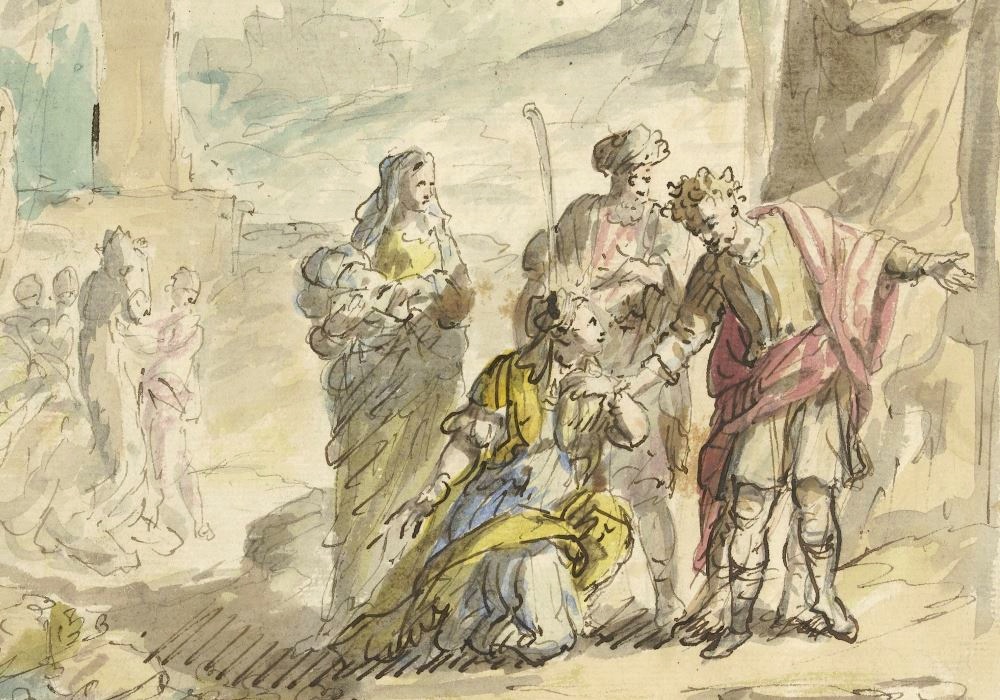
The term לשוח is a hapax legomenon, a term that appears only once in the Bible. What does it mean?

Using historical geography and geology to uncover the setting of a pre-Israelite story.

Do the rabbis believe that the scribes changed the wording of some verses in the Bible? A look at how the great medieval rabbi, Rashi, reacted to one “correction” sheds light on the history of the Jewish belief in the inviolability of the Torah text.
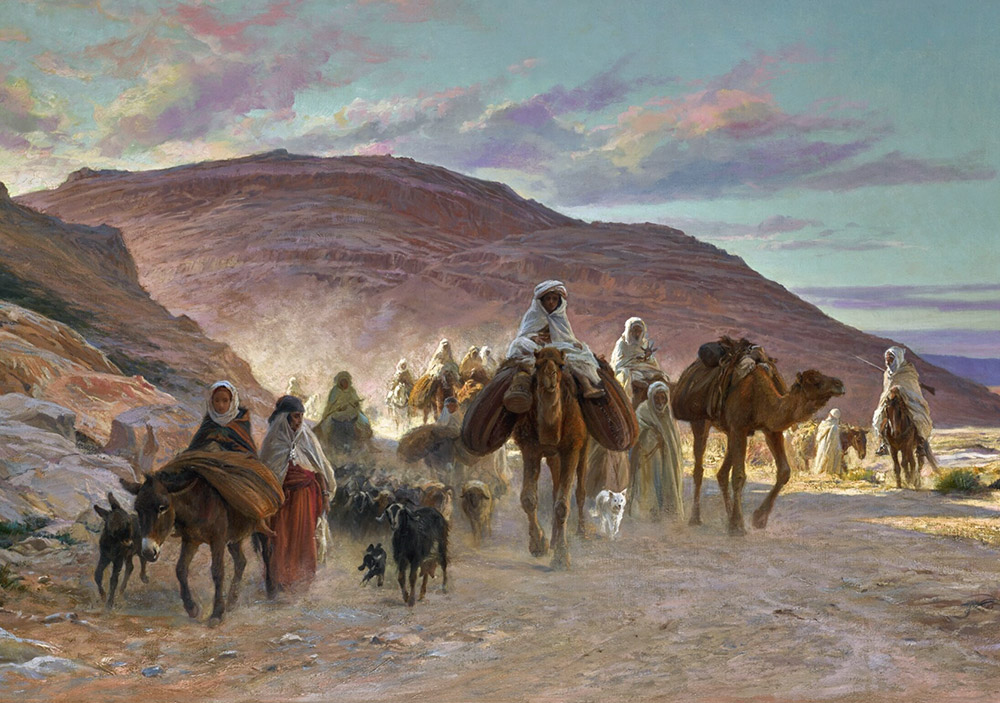
The names and numbers of Jacob’s descendants differ between the Masoretic Text (MT) and the Septuagint (LXX). Which tradition is more original, and what prompted the change?

In 1305, the great Catalonian Sage, Rashba, tried to limit philosophic study and interpretation of Torah in Languedoc (southern France). In the process, he and went so far as to excommunicate one of the great scholars involved in such philosophical readings of Torah, Levi ben Avraham ben Hayyim of Villefranche-de-Conflent.
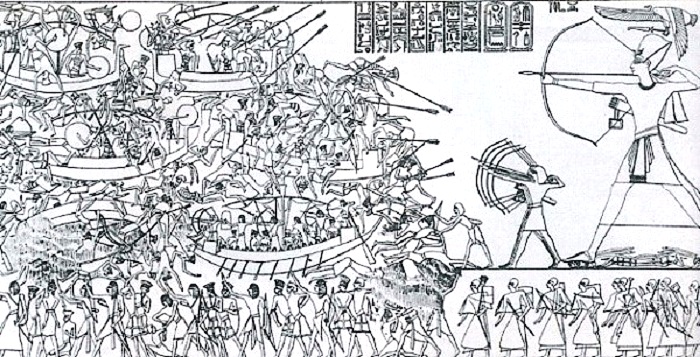
The current scholarship about the identity of the Philistines, who they were, when they came to the Levant, and why.
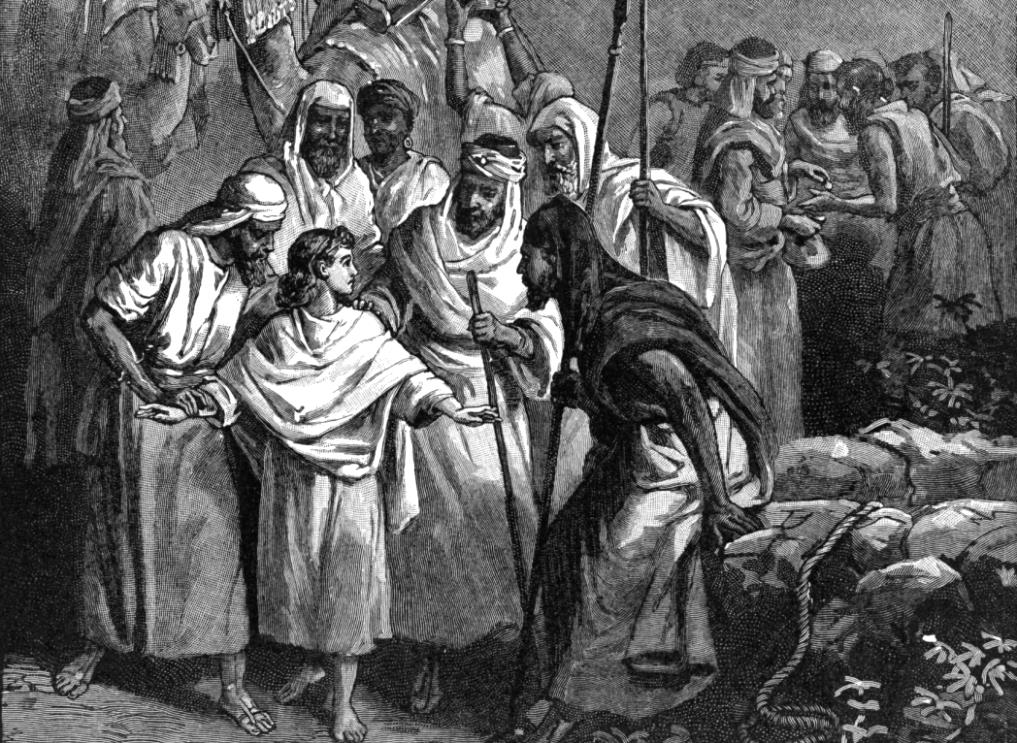
The Joseph story provides a compelling case for the use of source-critical methods for unraveling intertwined stories in the biblical text.
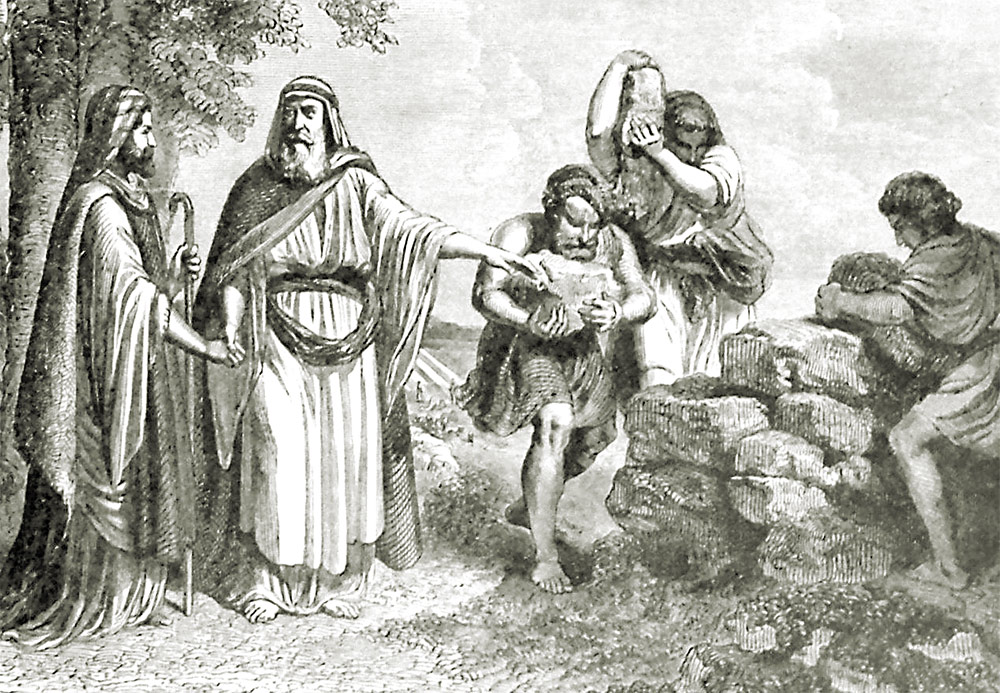
How ancient scribes dealt with a confusing story — a textual critical analysis

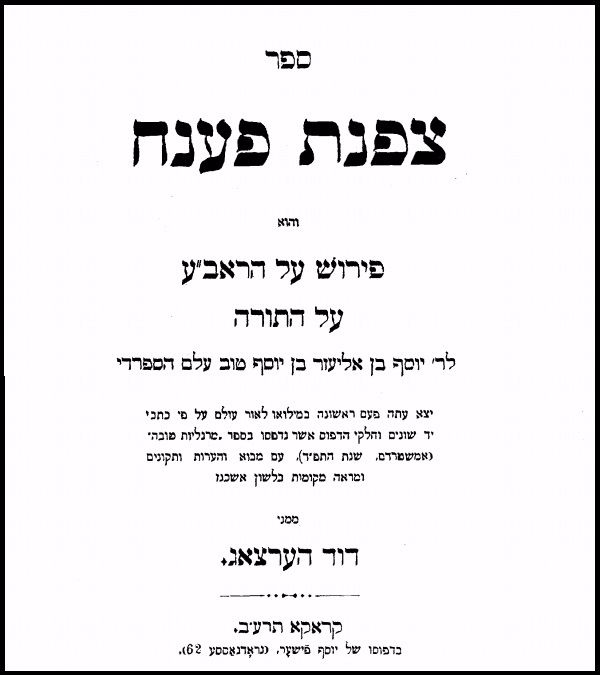
A Source Sheet listing R’ Avraham ibn Ezra’s Six Non-Mosaic Biblical Passages plus his One Counter-Example, with the Complete Text of ibn Ezra’s Comments and Bonfils’ Glosses on these comments in English and Hebrew

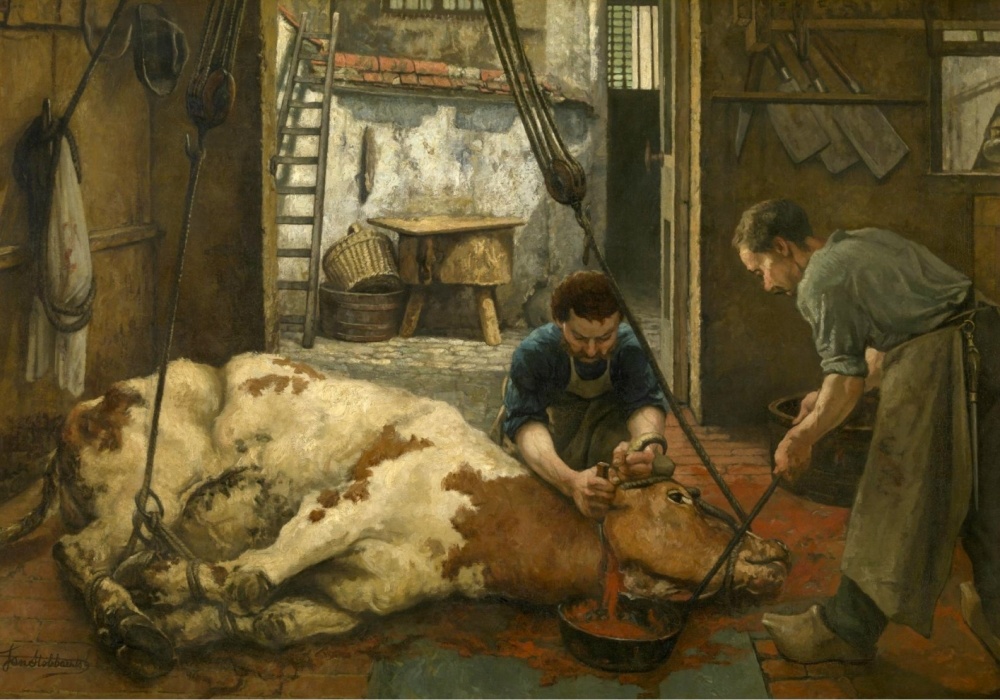
The Torah first describes a world that is created to be vegetarian. It is only after the Flood that humans were allowed to eat meat. Leviticus restricts meat consumption to the sacrificial offerings only, whereas Deuteronomy permits even non-consecrated meat. How do we understand the tension between these approaches?