The Book of
The Book of
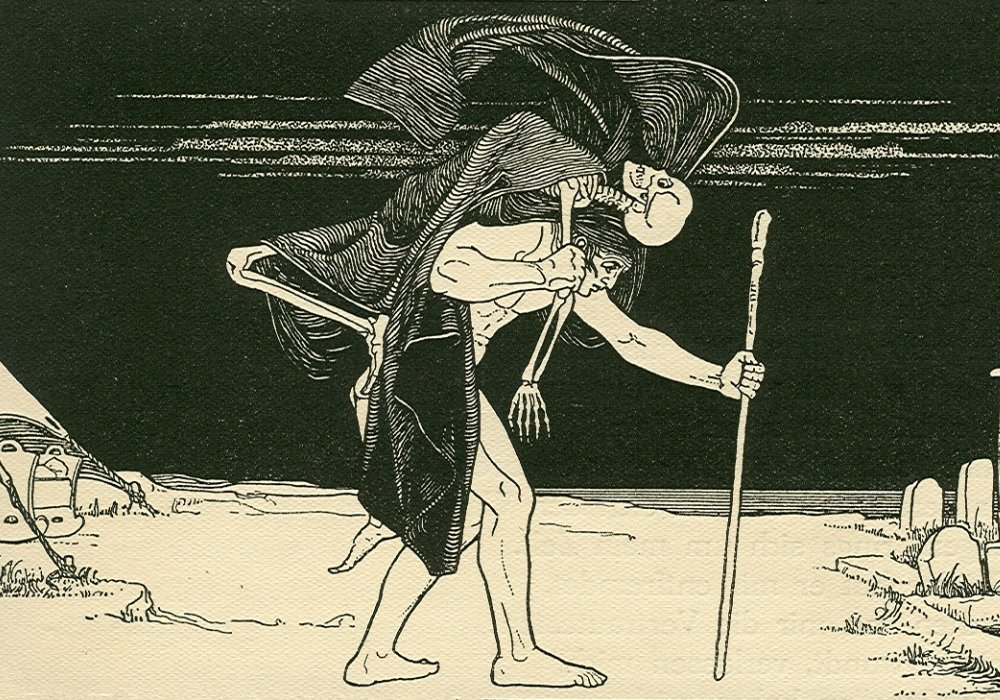
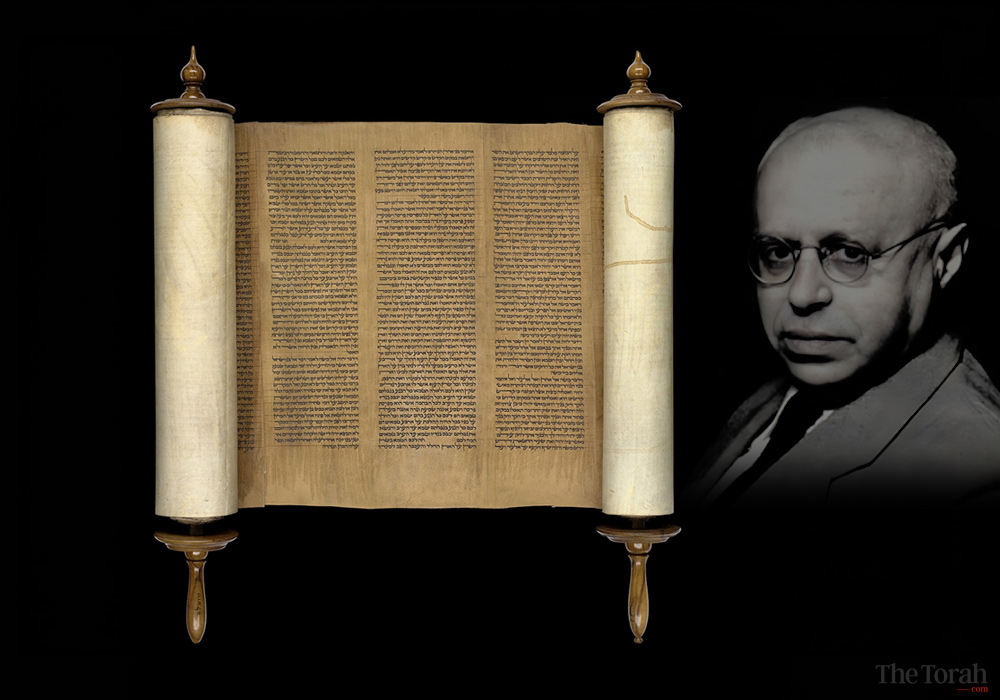

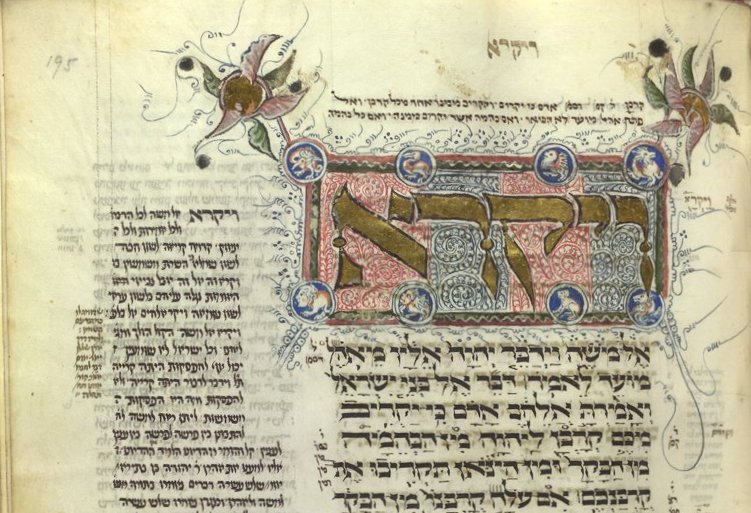


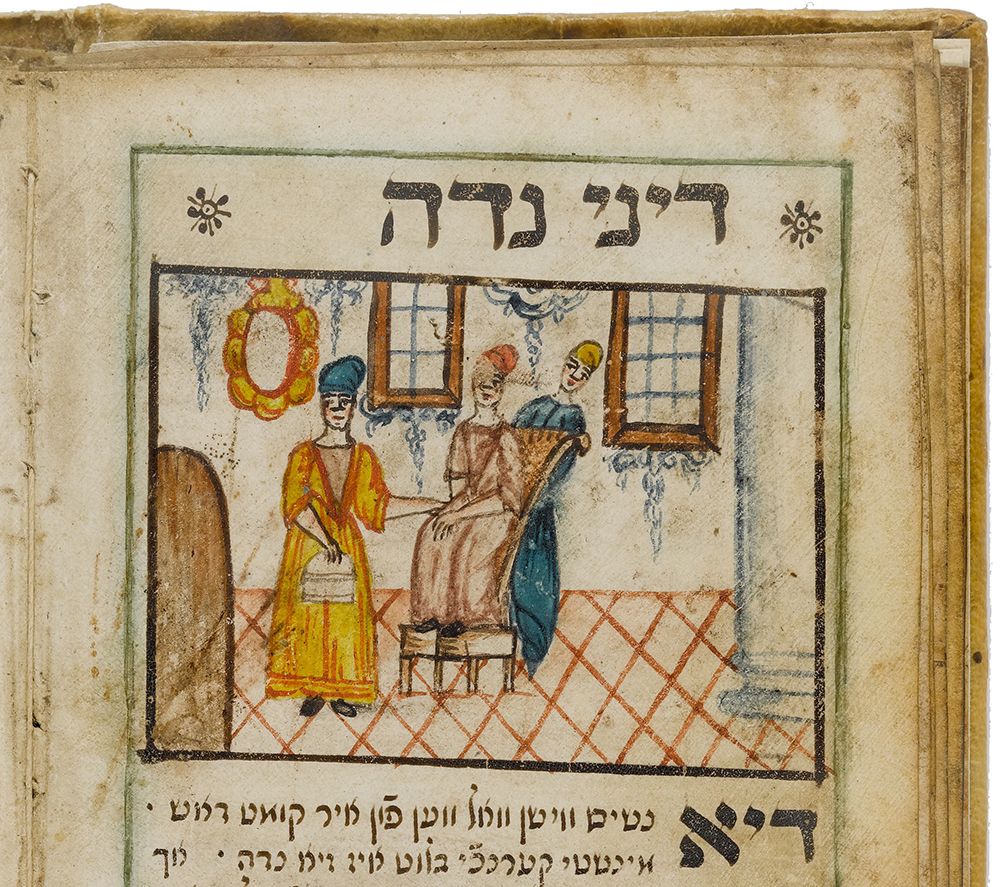
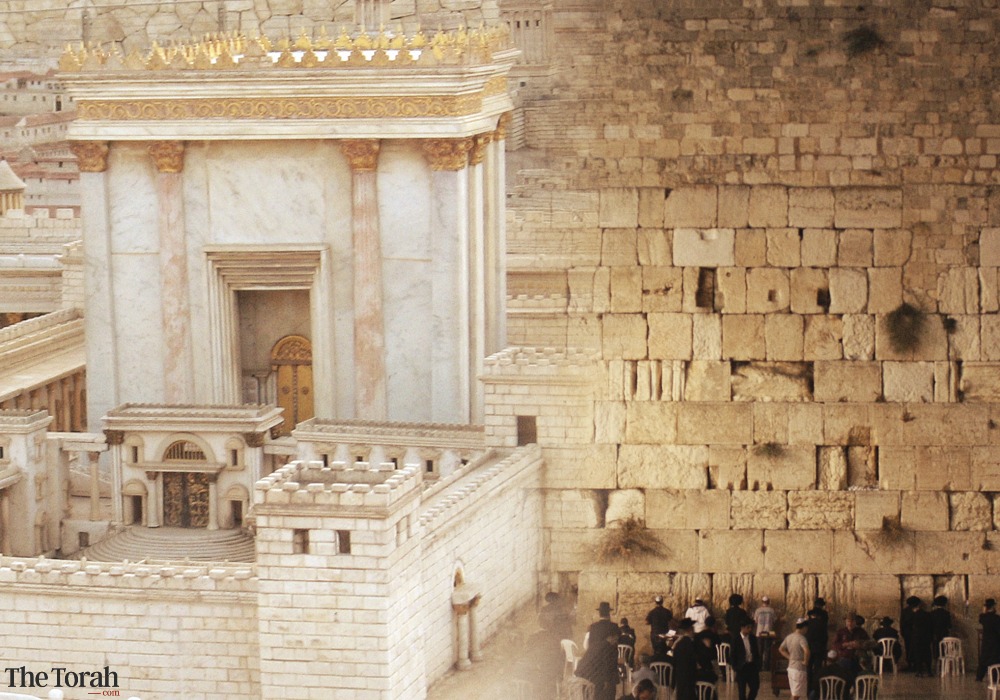
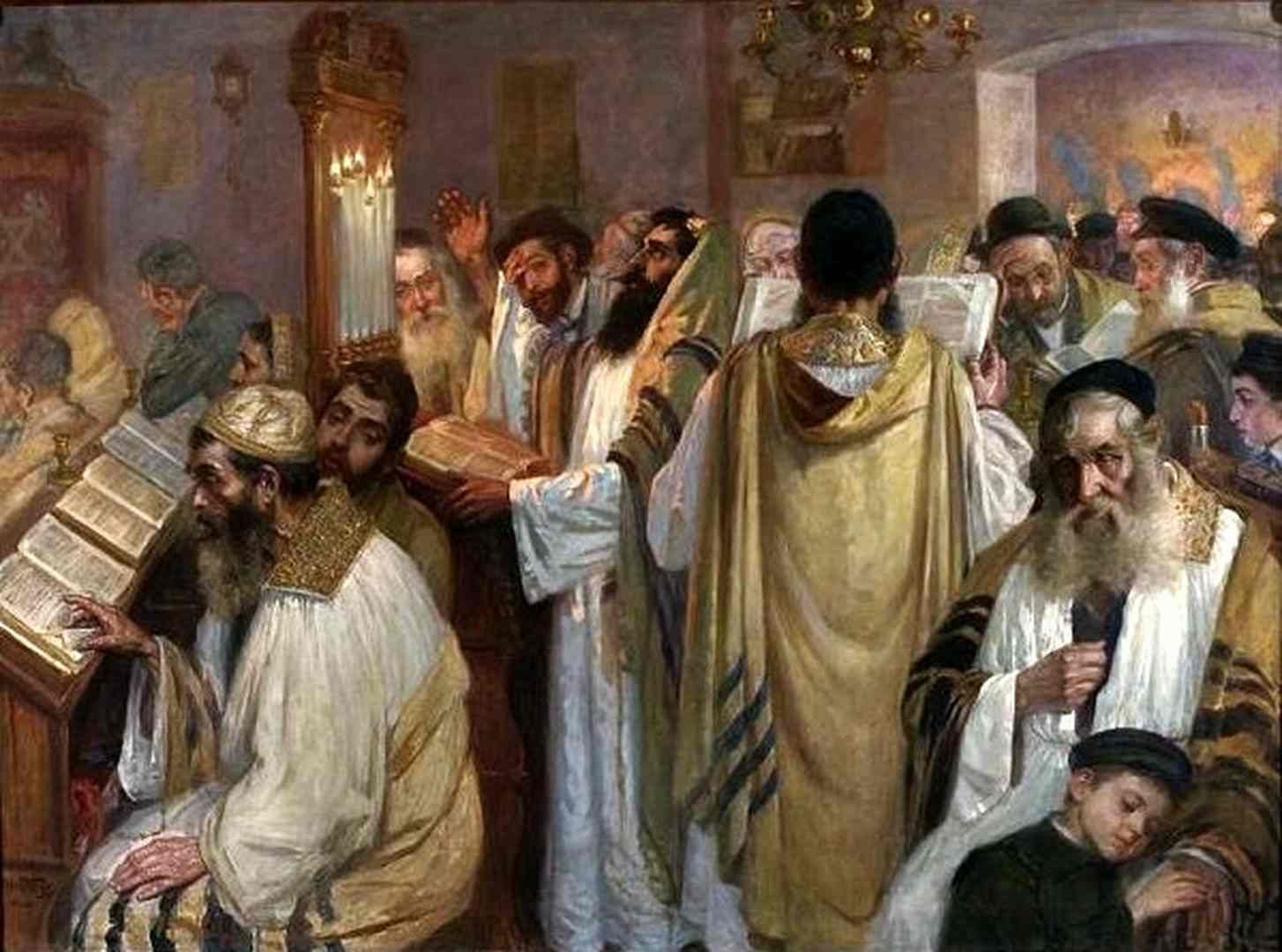
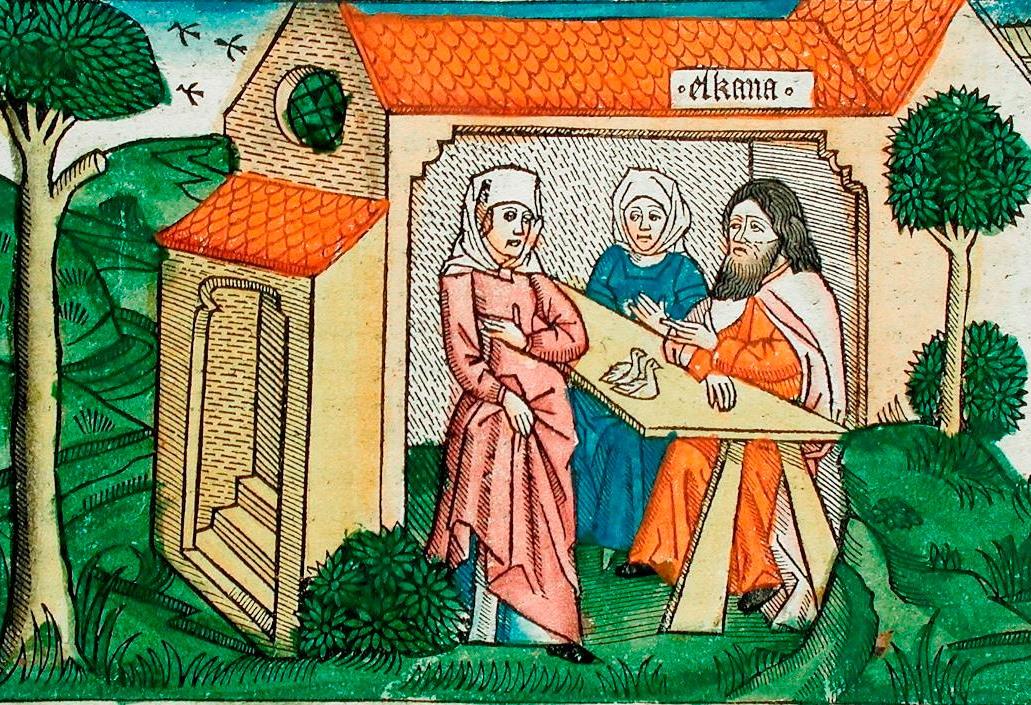



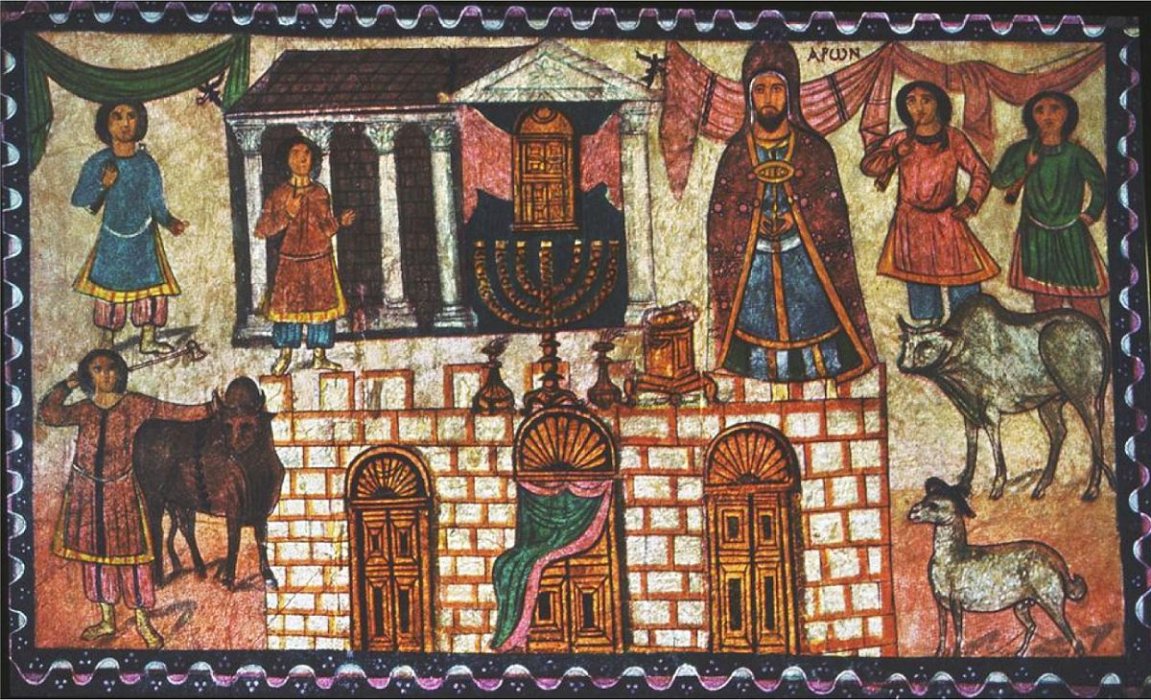



















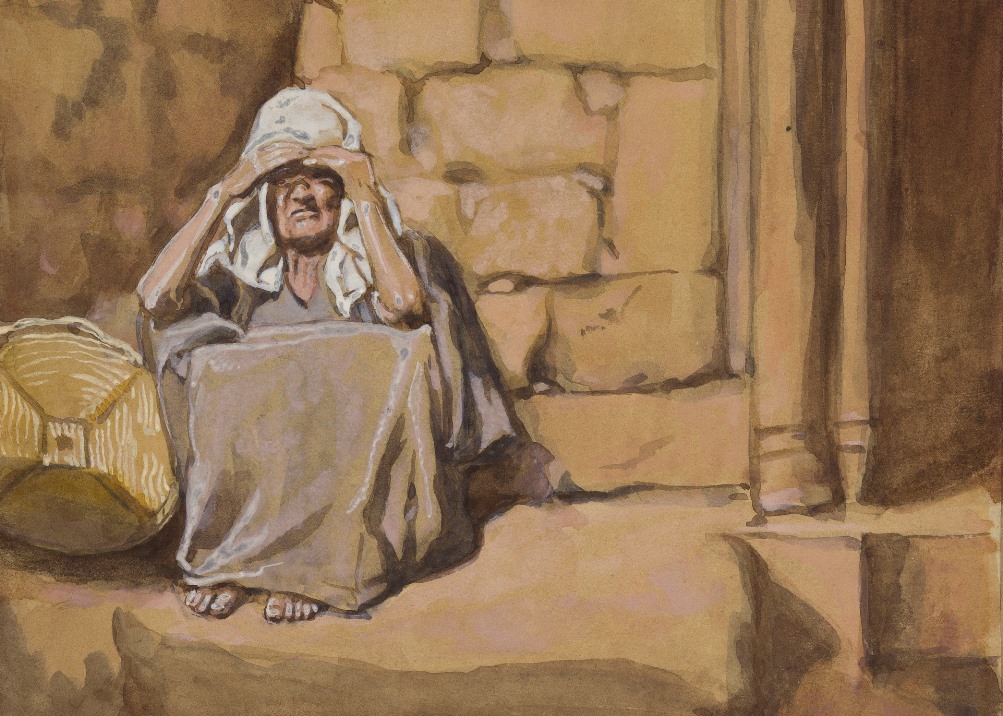






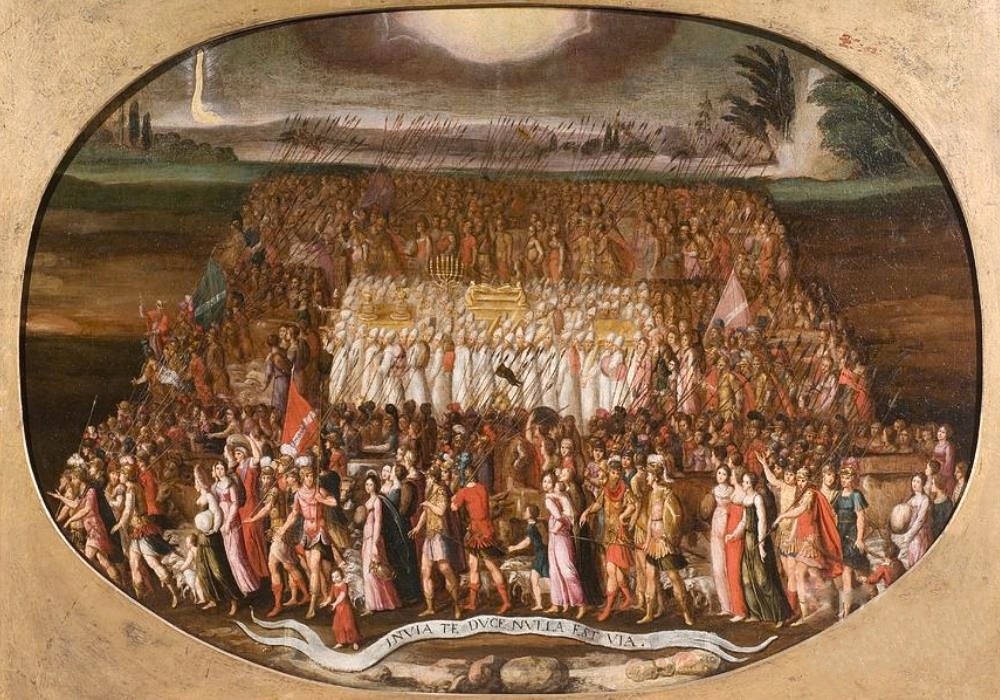










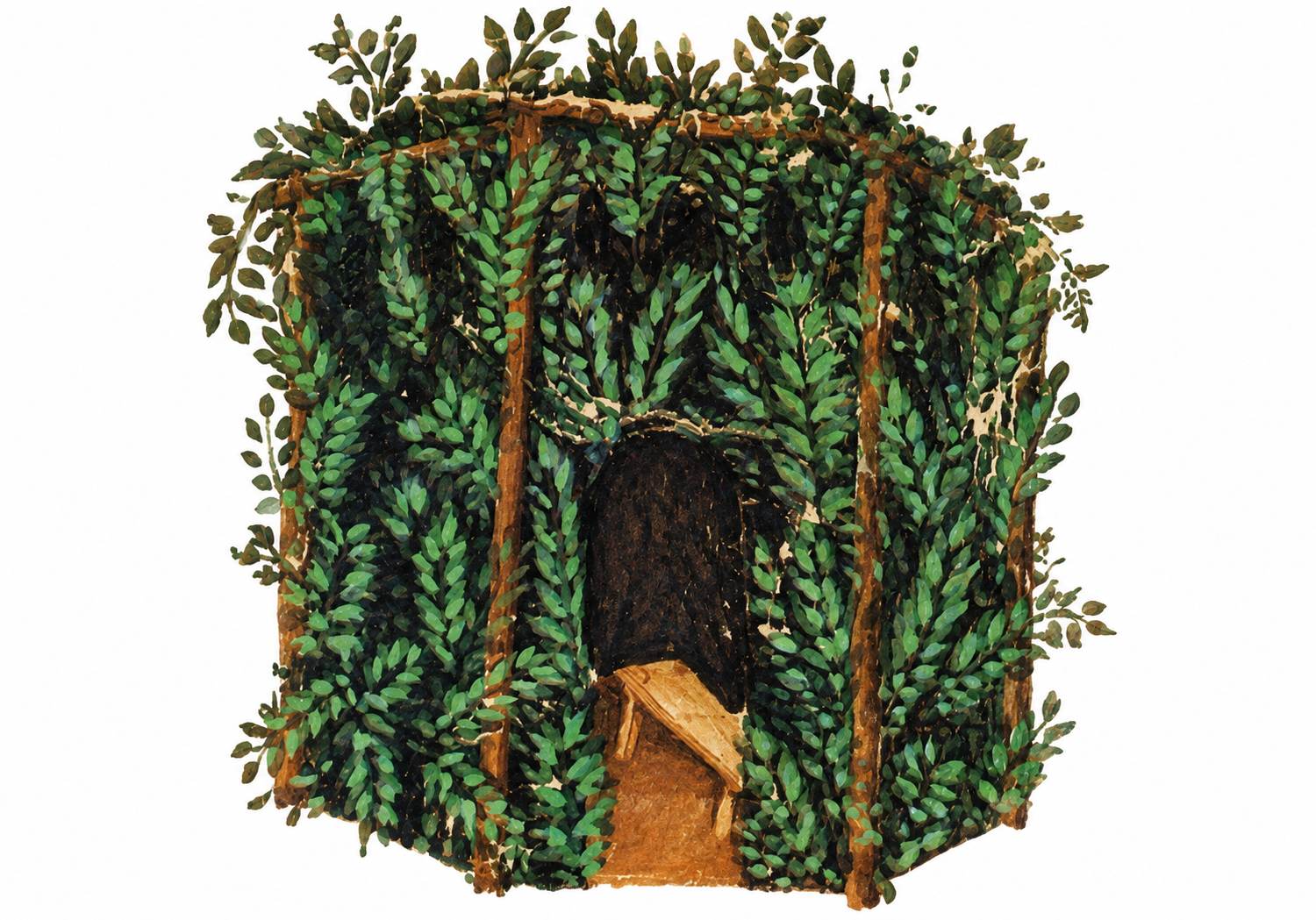





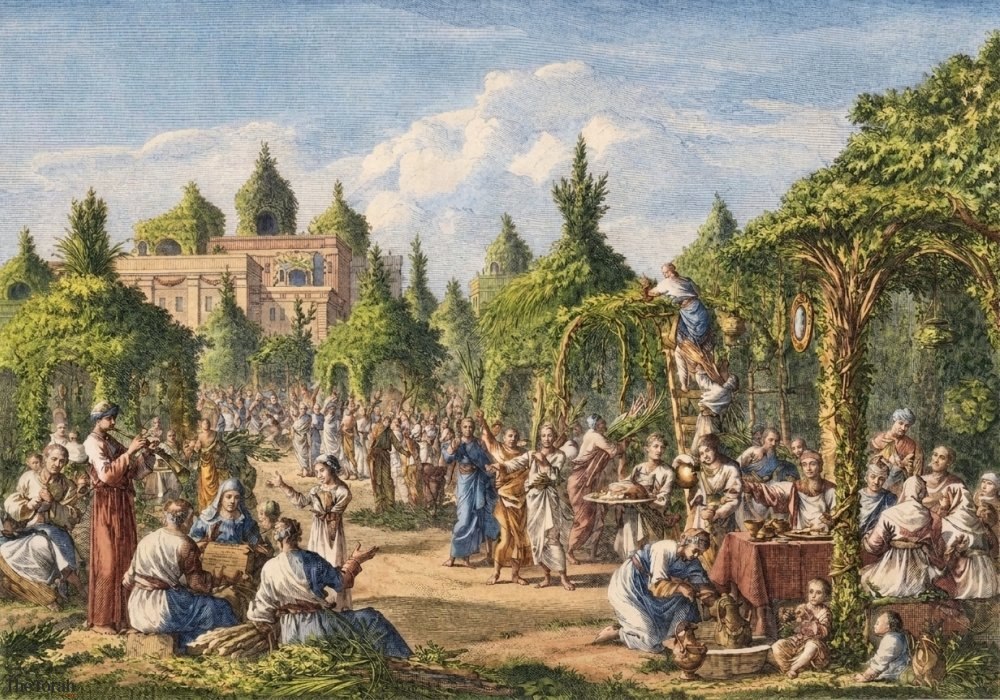
Farmers and soldiers built sukkot as temporary shelters, as did pilgrims coming to Jerusalem for the week-long Sukkot festival. The practice of building a sukkah “each on his roof, and in their courtyards,” as described in Nehemiah (8:14–17), likely began in exile, in memory of the pilgrim booths of First Temple times. It then entered Leviticus as a commandment and reached the wider Judean public through Ezra’s Torah reading.
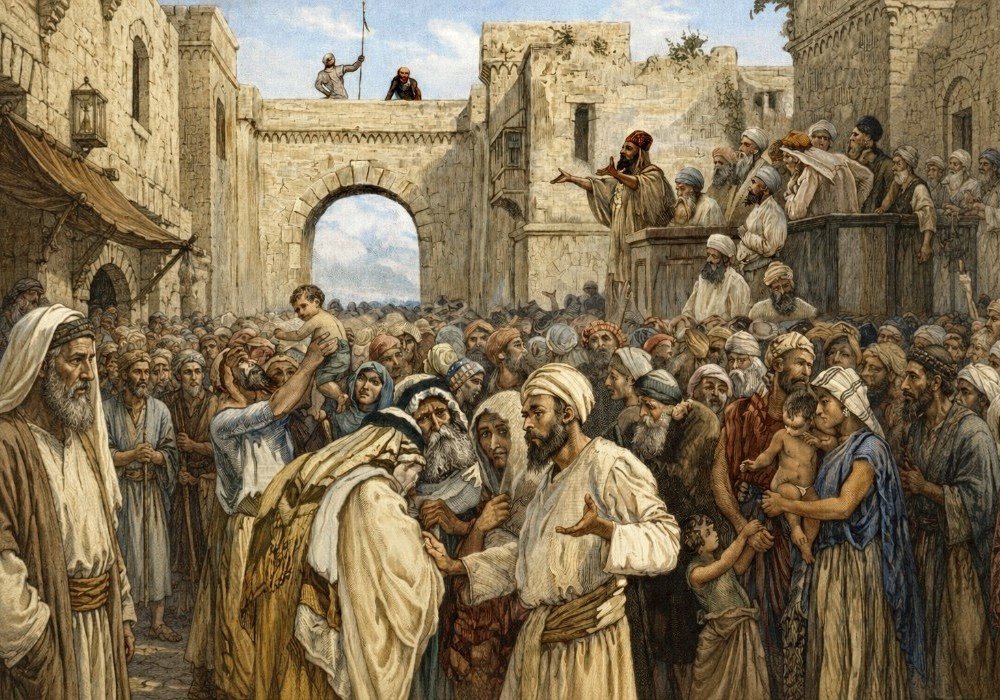
Does the Bible prohibit intermarriage with non-Israelites? Not originally. Deuteronomy only prohibits intermarriage with the Canaanite nations. Faced with an intermarriage crisis in Persian Period Yehud, Ezra and Nehemiah reinterpret texts from Deuteronomy and Leviticus, thereby extending the prohibition of intermarriage to all the peoples of the land from their times.

Jubilees, and later the Mekhilta, suggest that the covenant ceremony described after the revelation at Sinai (Exodus 24) actually took place earlier — at the moment when the Israelites declared נַעֲשֶׂה, “we will do” (Exodus 19). According to Rabbi Ishmael, it was then that Moses read Leviticus 25–26 to the people — a section explicitly framed as spoken at Sinai, and which sets out the terms of the covenant.

In sequence, Leviticus 19:17 commands: do not hate, do rebuke, and do not incur guilt. What is the relationship between these imperatives—and what do they teach us about the biblical art of rebuke?

The cuneiform Laws of Hazor, from the first half of the 2nd millennium B.C.E., suggest that biblical laws had roots in Canaanite law. This challenges, for example, the idea that the Bible’s lex talionis was borrowed from Hammurabi’s laws. While some ancient Near Eastern laws draw distinctions between social classes, Leviticus later makes clear that all human lives are equally valuable.
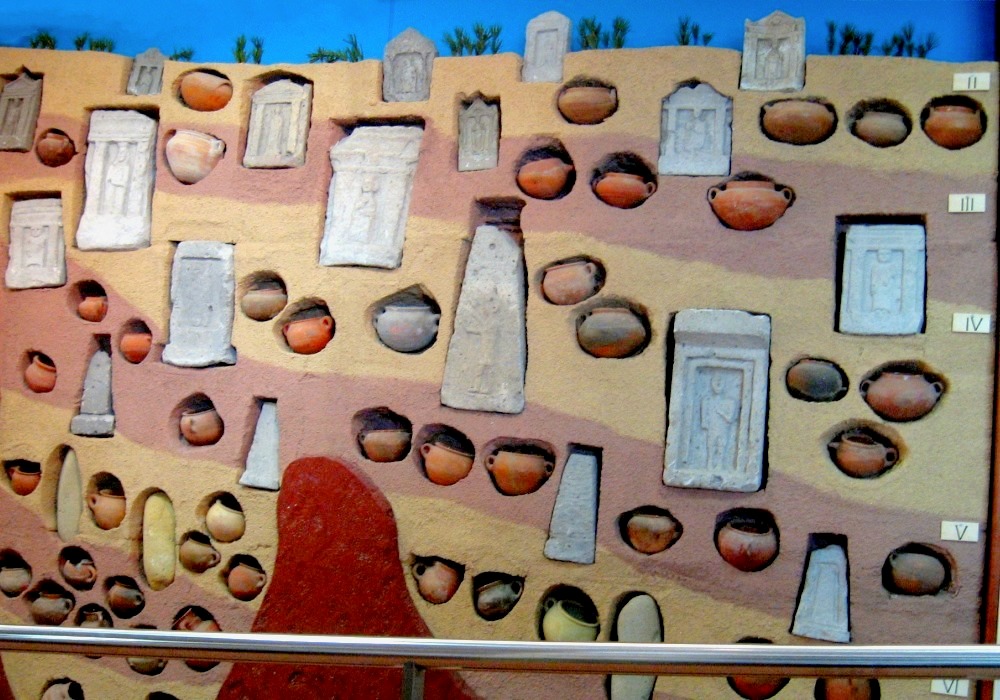
Jeremiah excoriates the Judahites for sacrificing babies to Baʿal at the Tophet, in a valley near Jerusalem. Archaeological excavations throughout Carthage uncovered the remains of thousands of babies offered to Baʿal and his consort Tanit, together with dedicatory inscriptions, referring to the offering as a molekh, the very term the Bible uses to prohibit child sacrifice.

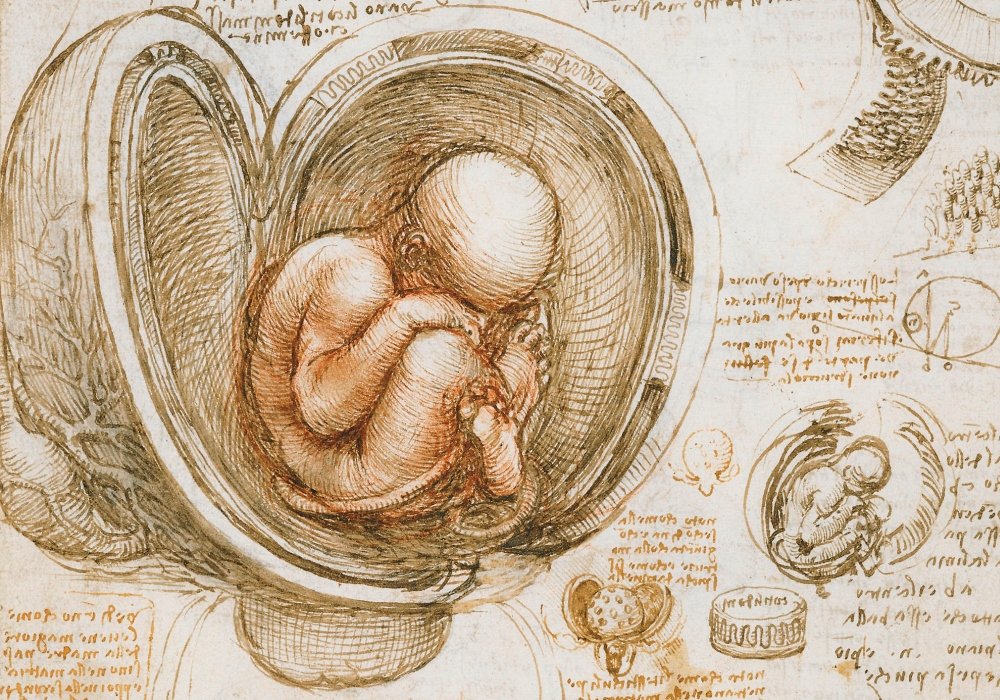
What we know about abortion in the ancient world from legal and medical texts.
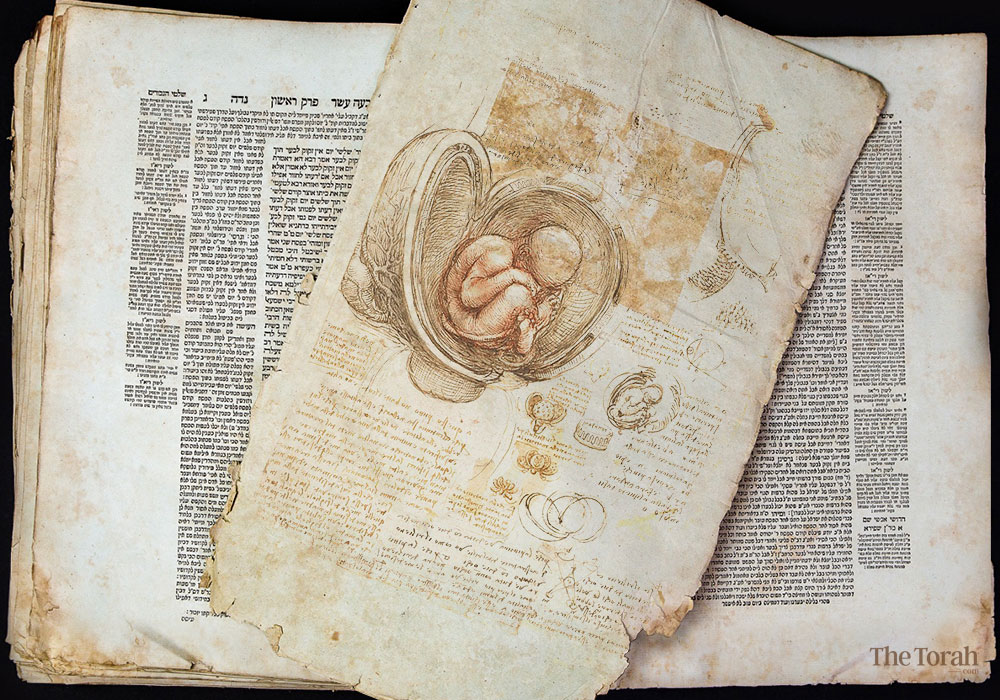
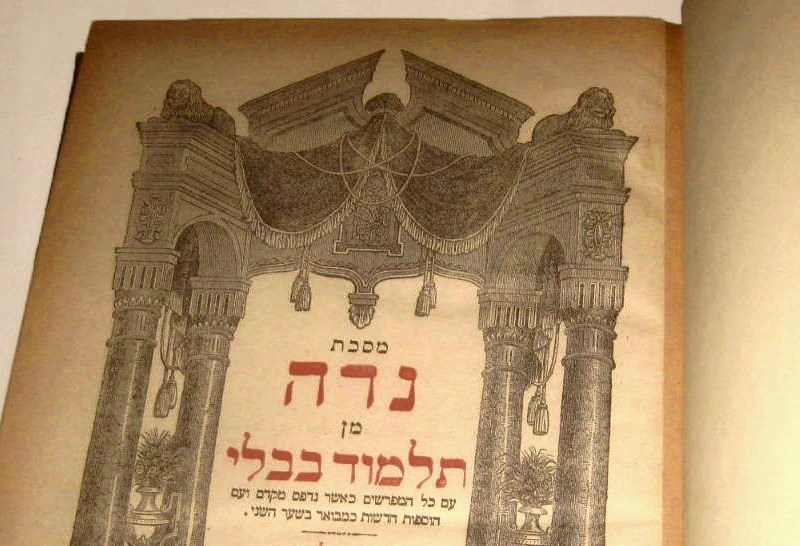
The rabbis distinguish four stages in the fetus’ development towards personhood. For the duration of the pregnancy, until the commencement of active labor, “a fetus is like its mother’s thigh” (עוּבָּר יֶרֶךְ אִמוֹ).
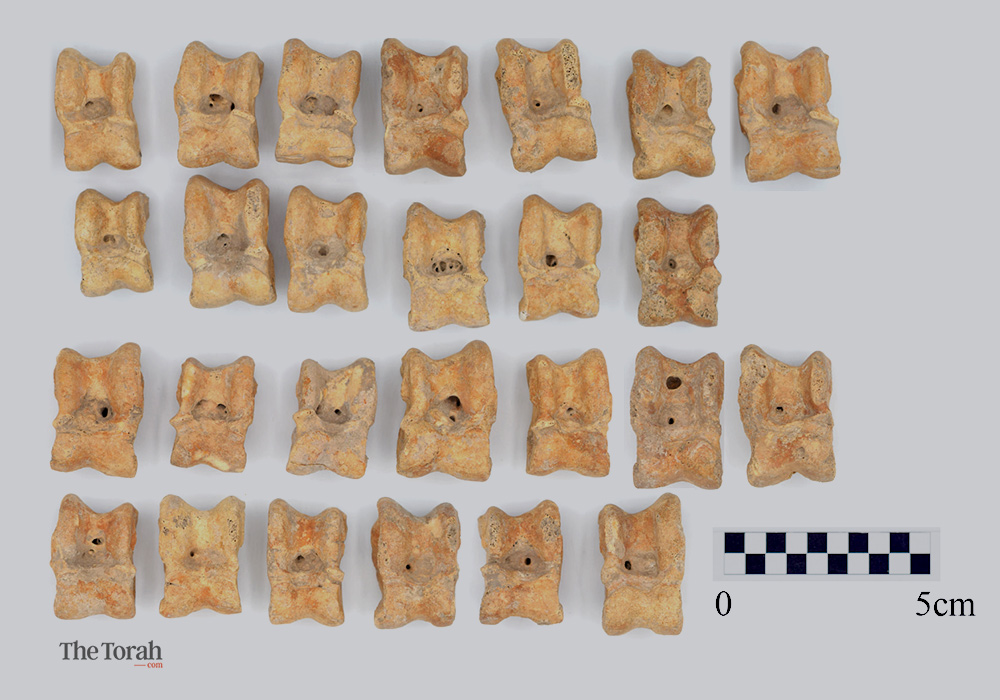
A hoard of 406 astragali (“knucklebones”), a bone that was used for divination in the ancient world, was discovered at Tel Abel Beth Maacah. Was this city, featured in the rebellion of Sheba against King David, a center for divination?
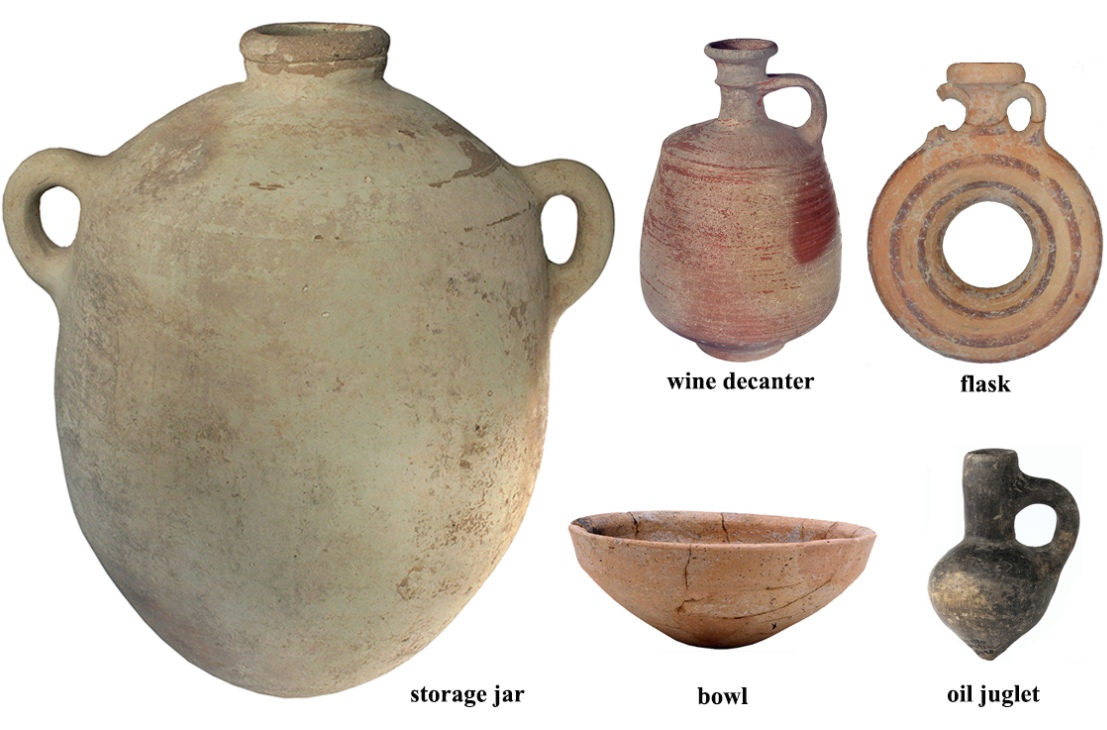
The Bible contains numerous references to ceramic pots, bowls, jugs, and other types of dishes. What do we know about these vessels?
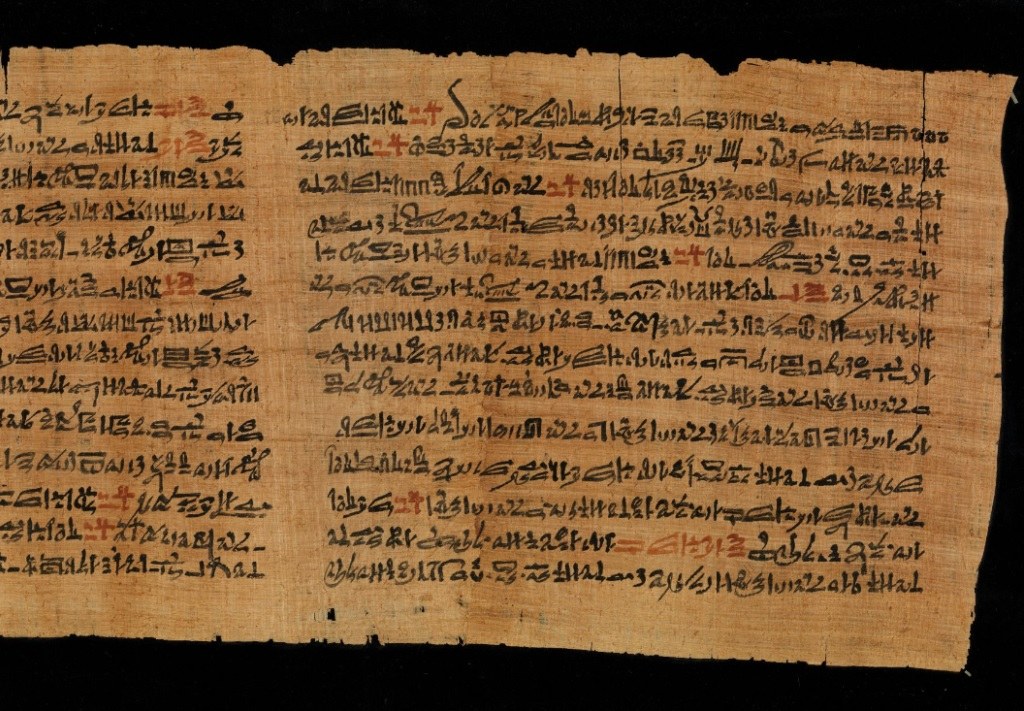
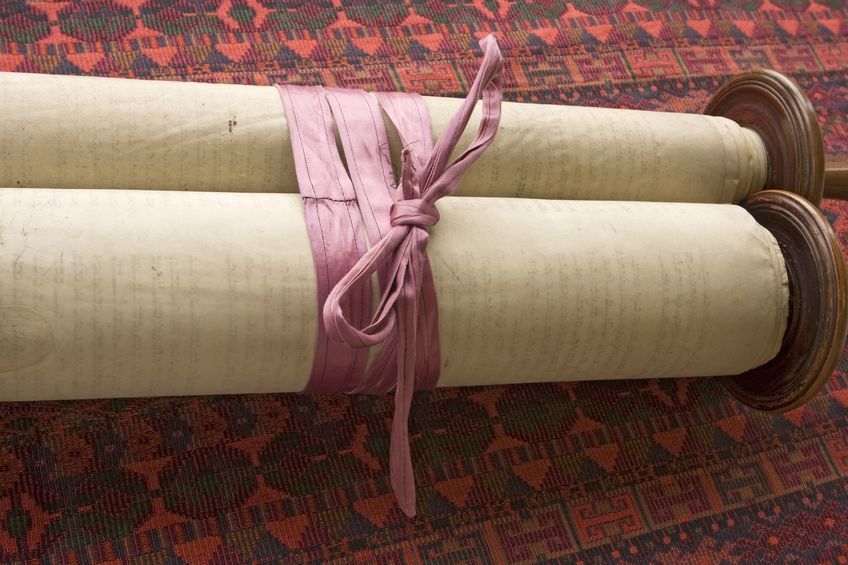
Examining ancient Egyptian papyri, as well as scrolls from animal skins in Levantine sites such as Deir Alla and Qumran, highlights how scribes would add text to preexisting scrolls and showcases the limited size of scrolls intended for regular use.
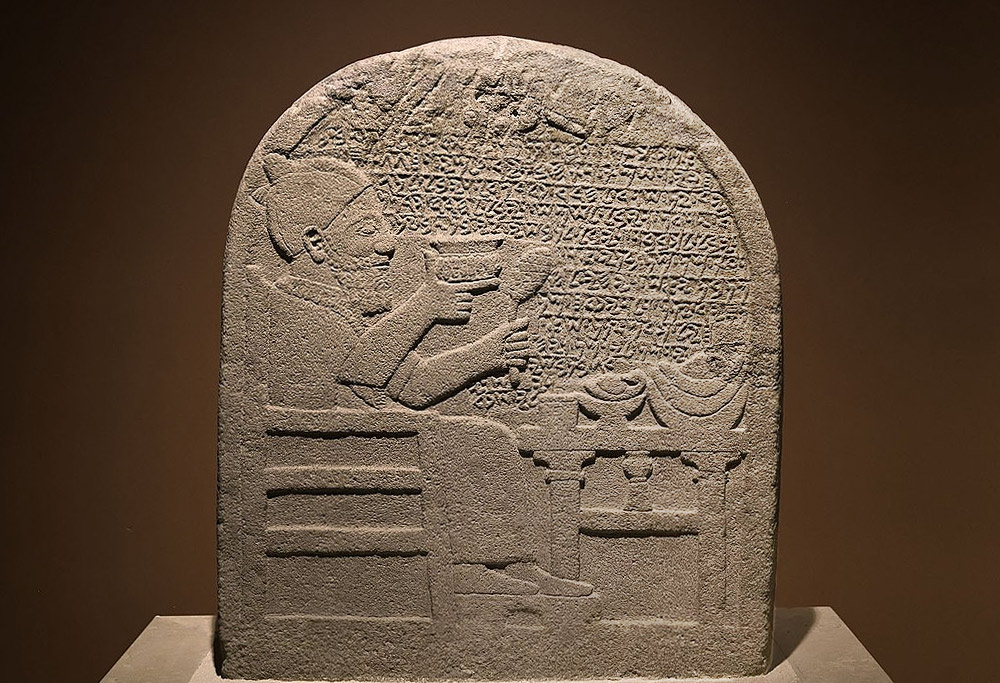
Each week, twelve fresh loaves of bread were placed before YHWH in the Tabernacle and Temple. What do we know about the practice and its significance?

The belief in the power of an angry or jealous person’s eye to damage others was pervasive in the ancient Near East, in Jewish antiquity, and medieval times. But what does the Bible say?
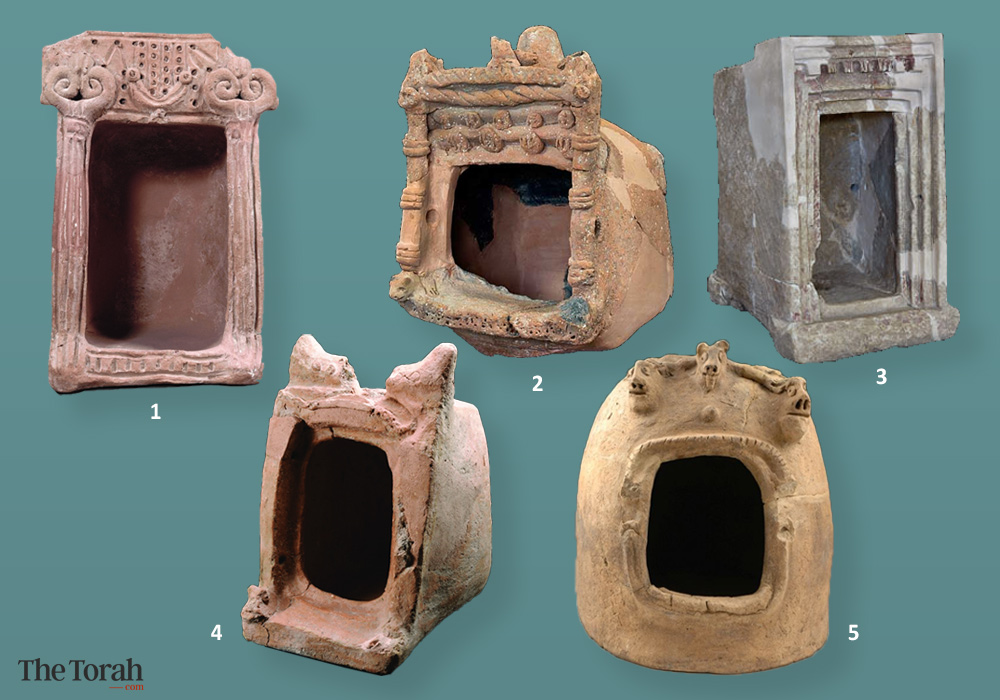
At the battle against the Philistines at Michmas, Saul asks Ahiah the priest to bring forward the ark, so that he can consult YHWH. He is not referring to the ark of Shiloh, which was safeguarded in Kiryat-yearim at the time; in the early monarchic period, each worship site had its own priestly family with its own ark.
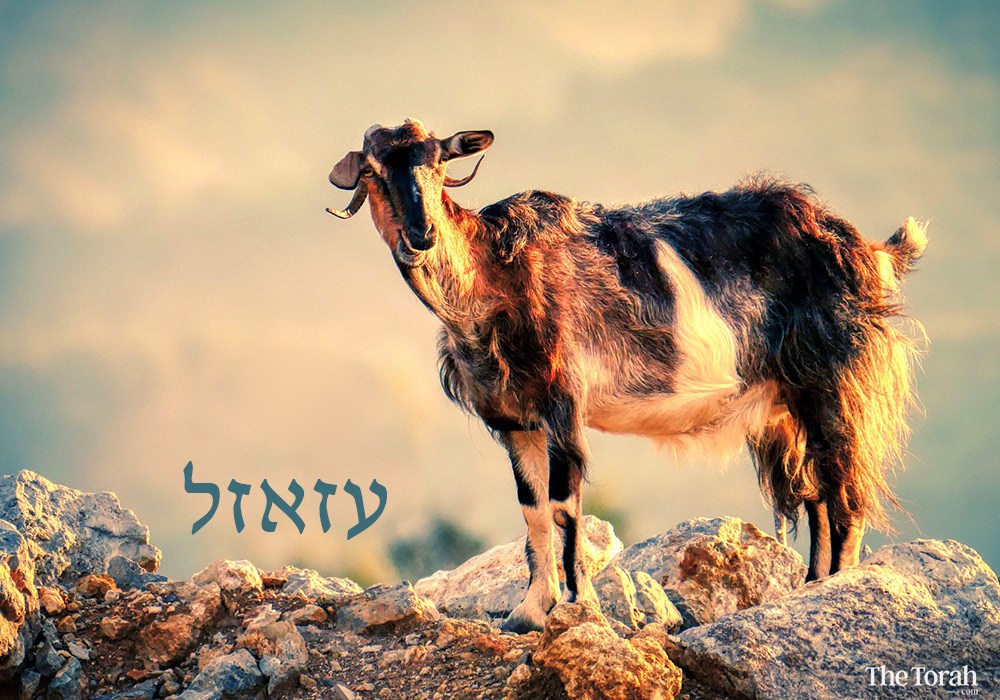
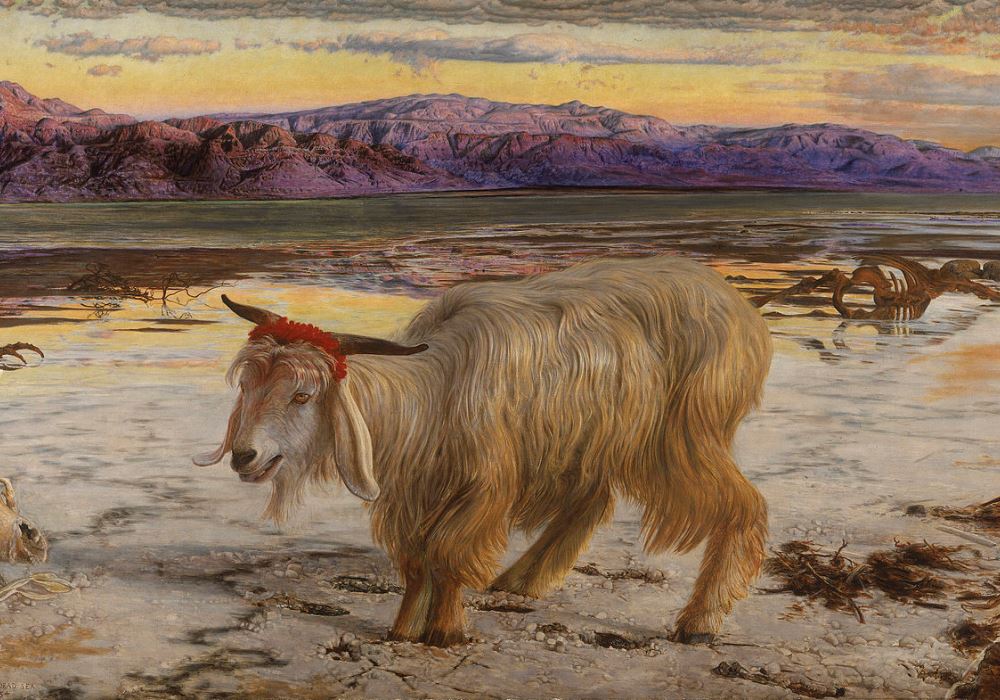
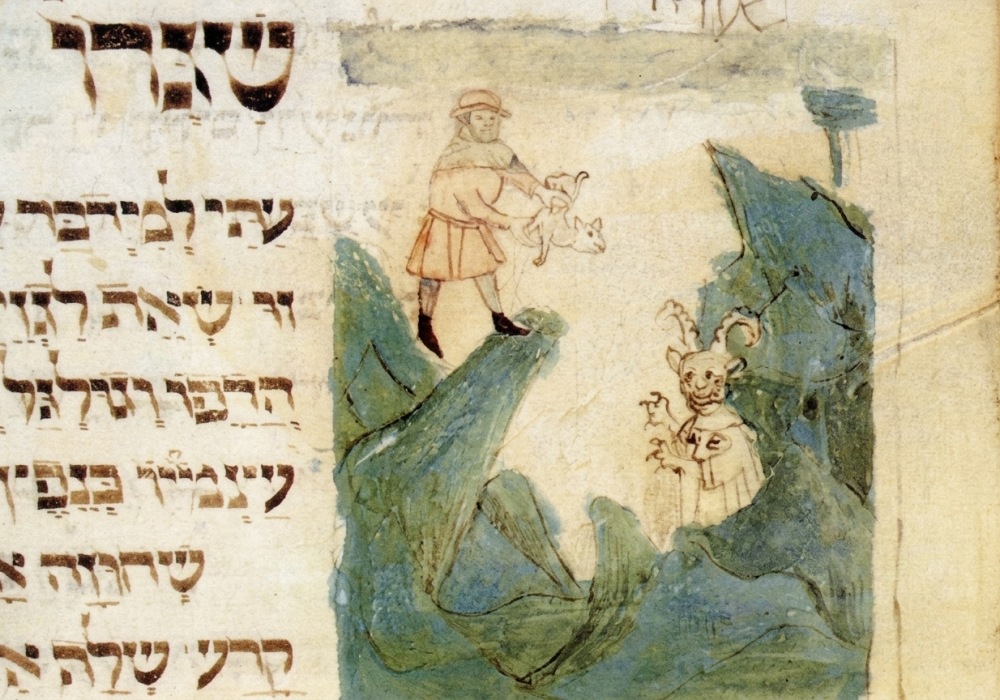
Azazel plays the role of a deity in the biblical ritual of Yom Kippur, and in early interpretation, he played a central role as the initiator of sin and even the devil, or alternatively, as a protective figure. Later tradition obscured his identity, presenting Azazel as the name of a demon, as the scapegoat itself, and even as a place name.
Written as a commentary on the social injustice in the kingdom of Israel at a high point of its wealth and power, the book of Amos explains to exiled Israelites why they were punished and warns Judahites not to fall into the same trap.
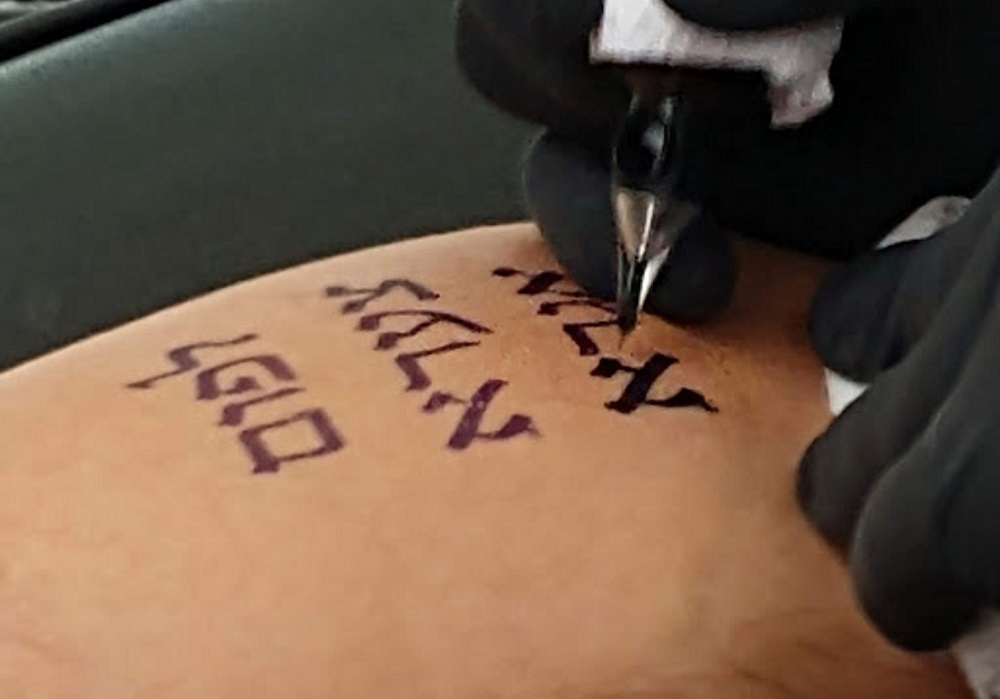
It is widely assumed that the Torah prohibits all tattoos. And yet, a look at the verse in context yields alternative understandings.

The ark of Shiloh is captured by the Philistines, but they soon send it back to Israel after they are struck by plague. The ark continues to wreak havoc along the way until it finds its final resting place in Jerusalem.
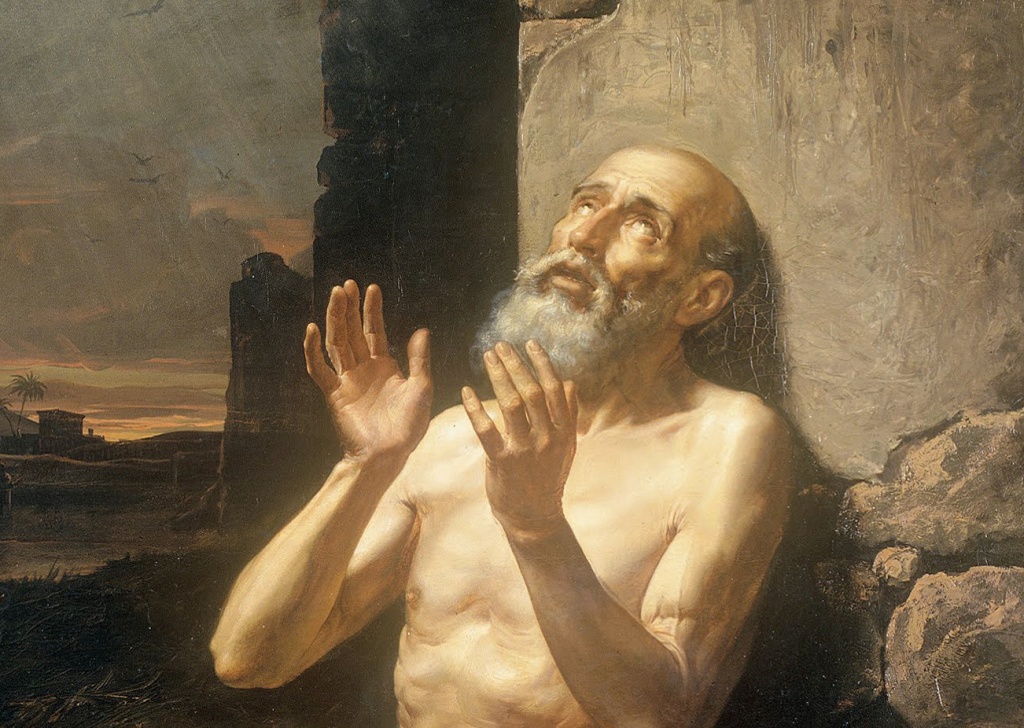
Job’s friends piously justify God’s actions and challenge Job to accept that he has done wrong. Yet God sides with Job and rebukes the friends for not “speaking about me in honesty as did my servant Job.”

In the scapegoat ritual of Yom Kippur and the bird ritual of the metzora, sin/impurity is transferred onto an animal and it is sent away. These biblical examples have parallels in Eblaite, Hittite, Ugaritic, and Neo-Assyrian apotropaic rituals.

Leviticus allows priests and their families to enjoy the donations and sacrifices to YHWH. This differs from Hittite practice of forbidding priests access to holy objects outside of limited ritual contexts. What is the reason for the difference between these two priestly systems?

“And He called to Moses and YHWH spoke to him” וַיִּקְרָא אֶל מֹשֶׁה וַיְדַבֵּר יְ־הוָה אֵלָיו —Leviticus 1:1. Why is YHWH, the subject of this verse, missing from the opening phrase, and appearing only after the second verb? Traditional and critical scholars struggle to explain this syntactic problem.
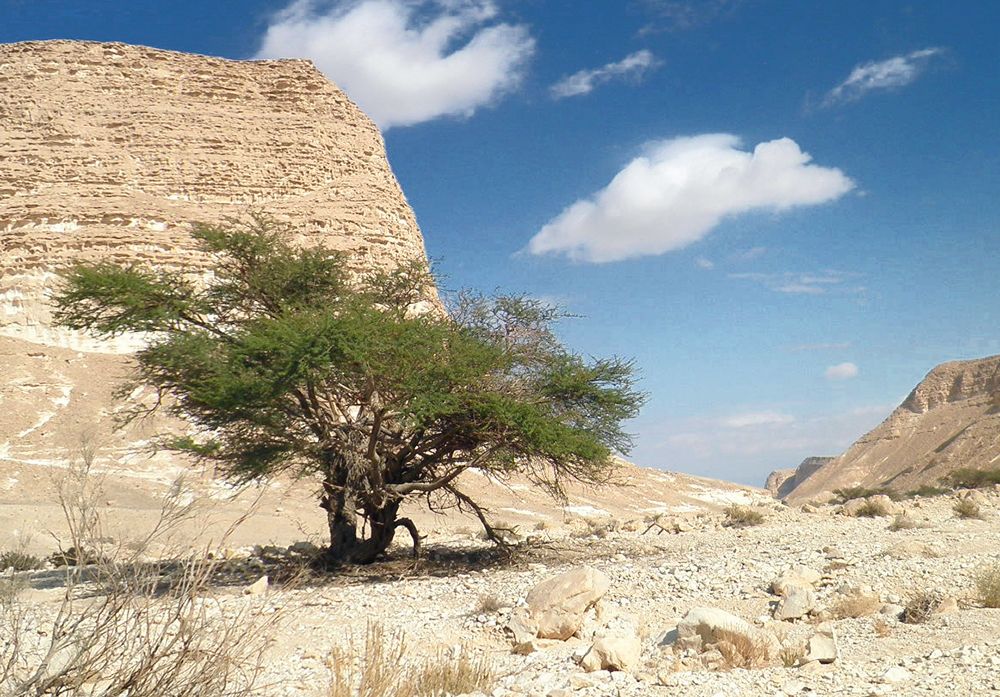
The verdant tree and the desert shrub: Jeremiah’s wisdom psalm (17:5-8) uses this arboreal simile in poetic parallelism to offer a poignant message: A person who trusts in God will still confront challenges.
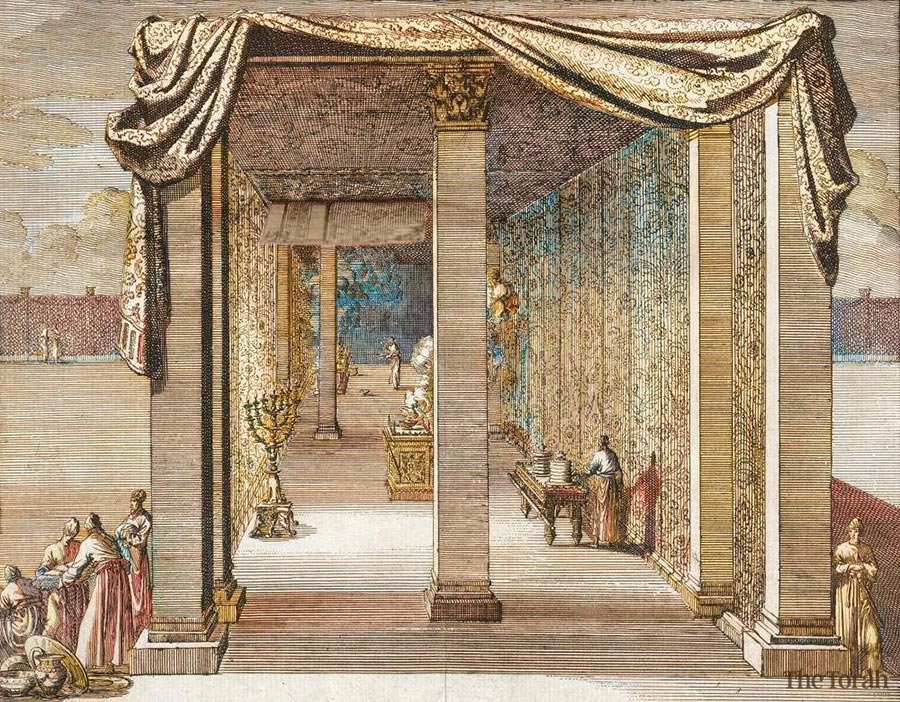
The late British anthropologist Mary Douglas proposed that Leviticus was designed to reflect the structure of the Tabernacle, which in turn reflects the division of space during the revelation at Mount Sinai. In this reading, the two screens or curtains that divide the Tabernacle are represented by Leviticus’ only two narratives.
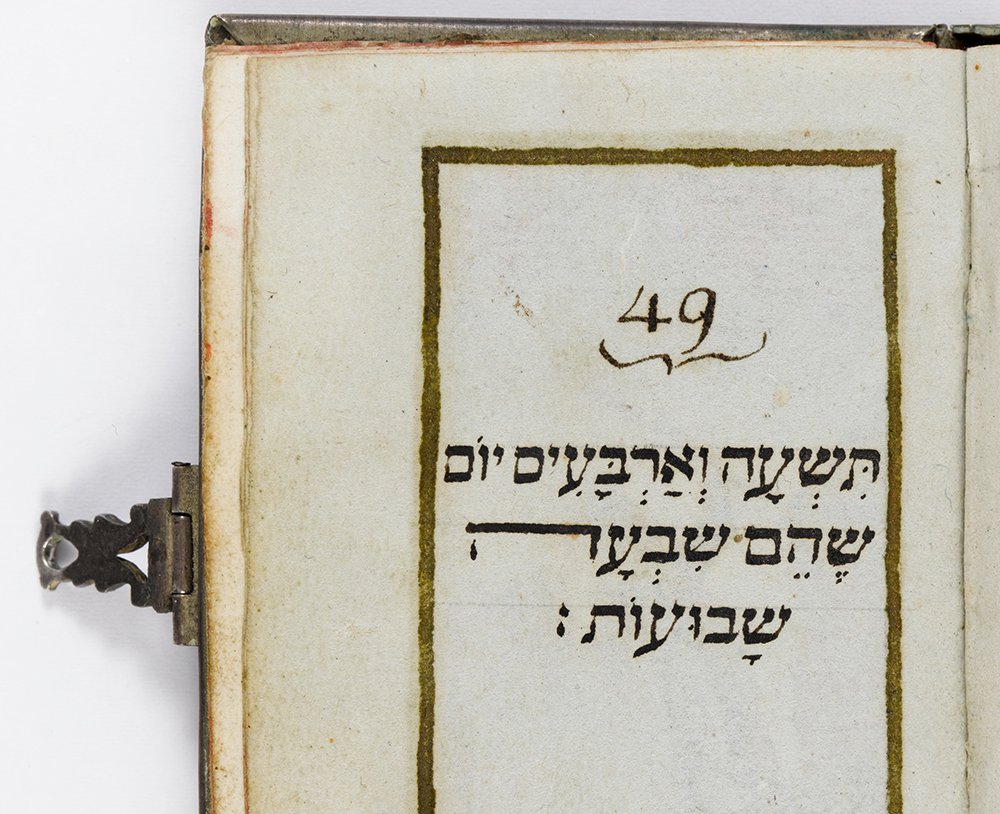
The omer or “sheaf” offering takes place ממחרת השבת, “after the Shabbat” (Leviticus 23:15). Jewish interpreters have debated the exact meaning of this phrase for two millennia, resulting in four different dates being adopted by one Jewish sect or another.

Throughout the Bible, we find that the land of Israel is blessed with grain, wine, and oil (דגן, תירוש, ויצהר). In the Torah, however, the festival of Bikkurim, “First Produce,” only celebrates the wheat harvest. In the Temple Scroll, the Essenes rewrote the biblical festival calendar to include two further bikkurim festivals to celebrate wine and oil.

Using archaeology, anthropology, and biblical Hebrew to explain why ancient Israelites overwhelmingly placed their doorways on the eastern side of their homes and avoided placing them on the west.
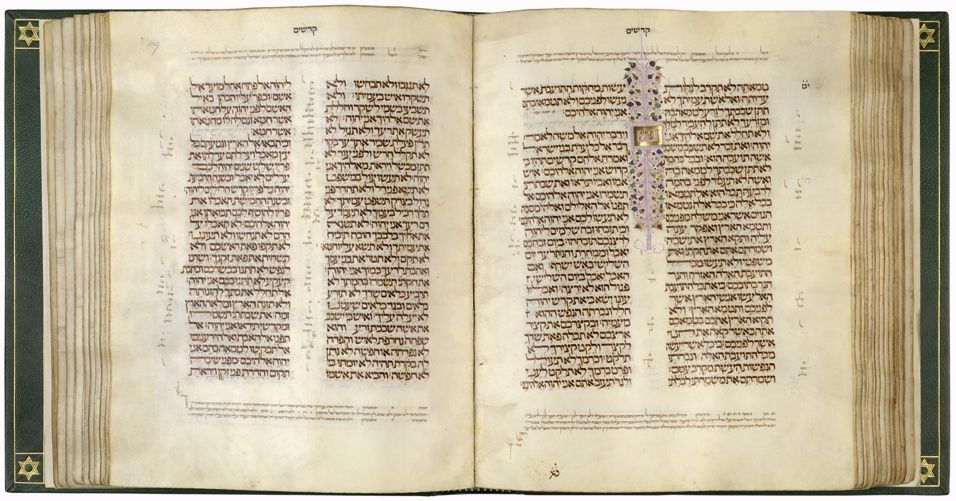
A fresh look at the legislation in Parashat Kedoshim: Are we reading the legal details wrong?

A set of homilies from the Genizah connects two biblical readings (sidrot) in Leviticus by emphasizing the importance of the mitzvah of orlah as a key to inheriting and remaining on the land.

Ancient Near Eastern cultic rituals located the presence of gods and divine messages in nature.
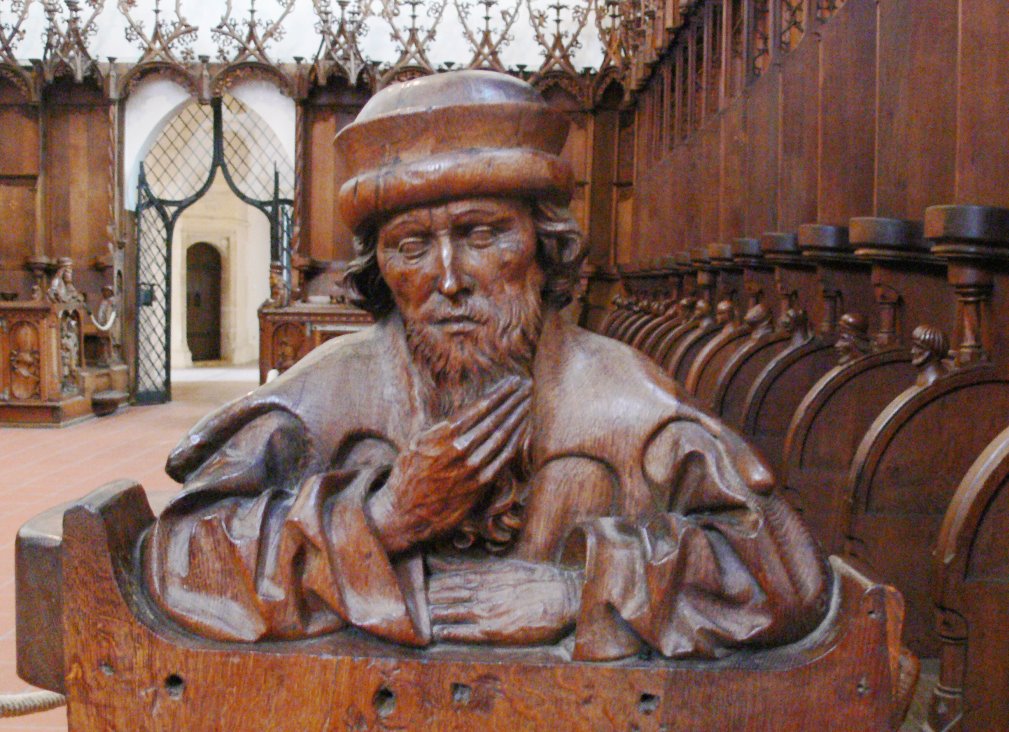
And what they reveal about his identity

Biblical tradition often depicts difficult father and son relationships. Accordingly, the concluding verses of Malachi—the final book of the Prophets—imagines ultimate redemption through a metaphor of father-son reconciliation, in which the fire and brimstone prophet Elijah is its unlikely harbinger. Leave it to the poet Yehuda Amichai to step in and offer a counter-model to rescue the metaphor.
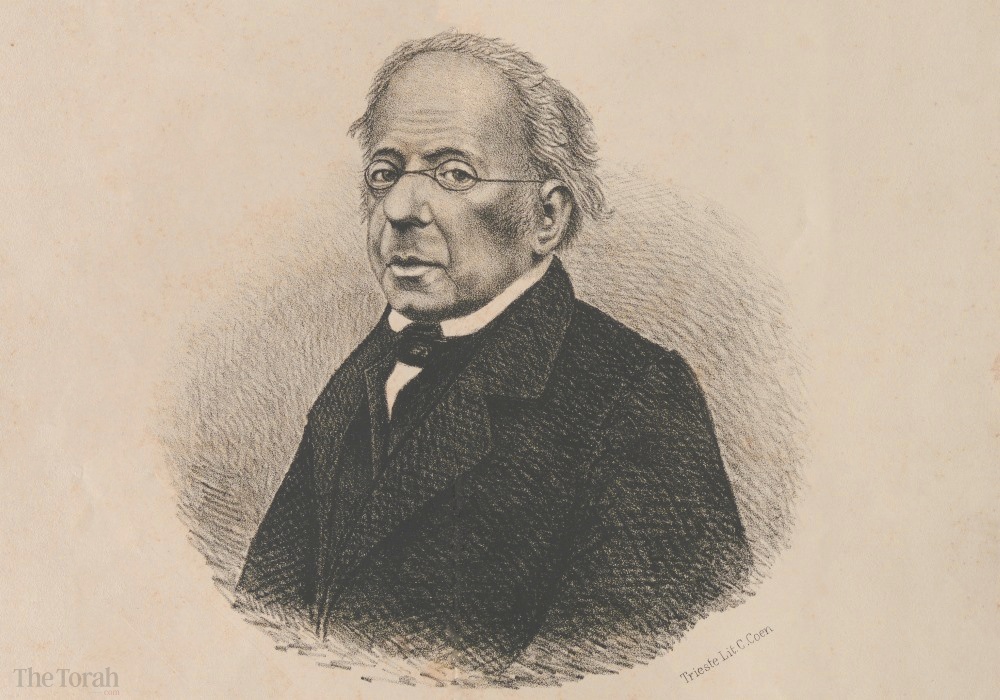
When Torah verses appear to contradict Jewish law.

The scribes who wrote the addendum to the laws of Sukkot (Leviticus 23:42-43) used inner-biblical exegesis to explain the requirement to dwell in booths as a commemoration for the miraculous booths (not clouds) that God created for the Israelites at their first stop on the way to freedom.

According to Ezra (3:4) and Nehemiah (8:14-15) the returnees celebrated the holiday of Sukkot according to the law as it “was written,” but differences between their celebrations and the prescriptions in the Torah suggest that the laws they had written were slightly different than ours. Was the Torah finalized by the time Ezra-Nehemiah was written?

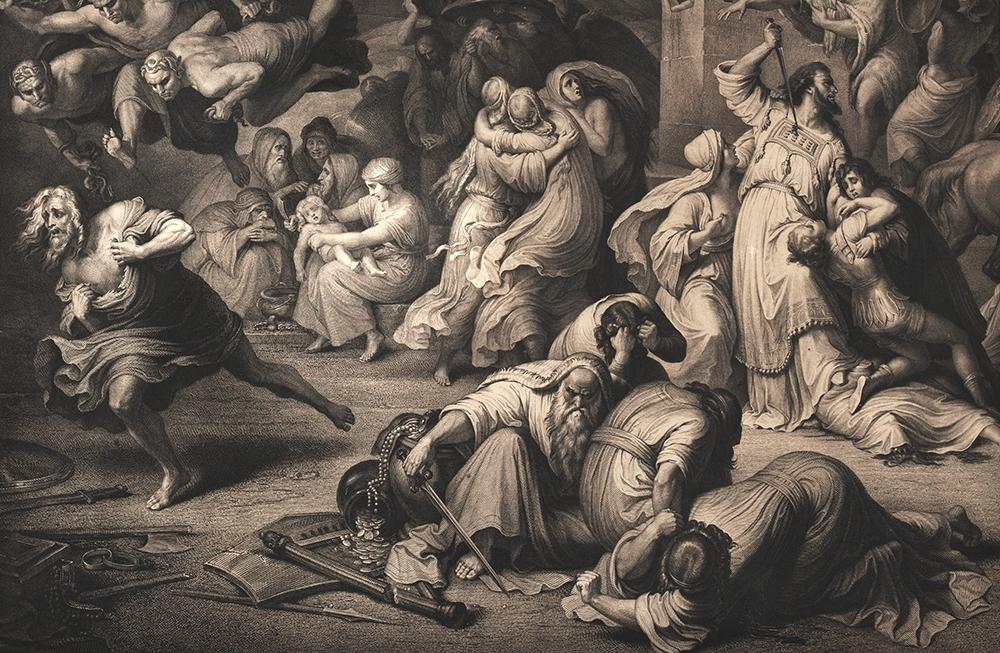
The Torah describes a practice of declaring people cherem, which means that the person, and—in some cases—his family, would be annihilated, and his possessions donated to the Temple. The rabbis were unhappy with this law and used their homiletical approach to “obliterate” it.

Ancient Israel had two separate customs relating to vineyards and wine that took place during the time of vintage: a fertility rite (חילול) that marked the first use of a vineyard’s produce, and an annual vintage celebration (הילולים) in which the winegrowers praised God for their harvest. As the rites seem to have been wild, the law of ‘orla and the fourth year produce (רבעי) in Leviticus 19:23-25 attempts to restrict them.
A look at traditional attempts to make sense of a scribal error; does the LXX have the original version?
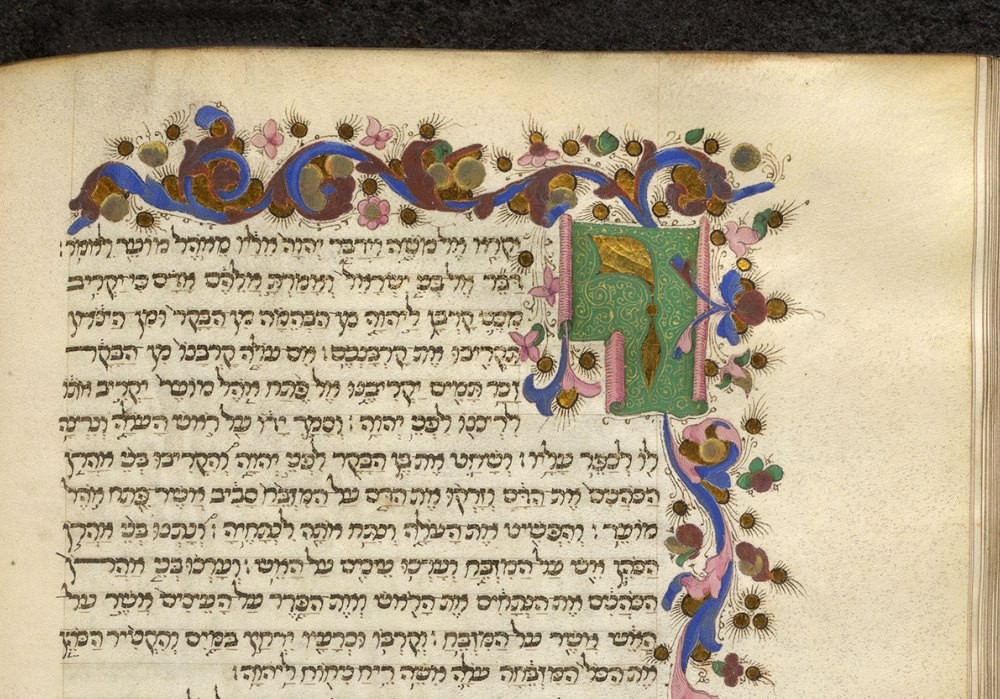
How does the Hebrew verbal system work? Where does the vav, the Hebrew conjunction often translated as “and,” fit in?

The Torah prohibits a mourning ritual called tonsuring, i.e., the pulling out or cutting of hair to express sorrow. Rabbinic interpretation understood these verses as a prohibition for men to shave their beards or temples with a razor. Ibn Ezra, however, uncharacteristically rejects the rabbinic interpretation of these verses, and Shadal, who accepts ibn Ezra's reading, goes as far as to say that he himself shaves with a razor.
Even those who categorically deny that God has form, is composed of matter, is visible, or is subject to the constraints of time and place, cannot seem to relinquish the notion that God speaks precisely as described in the Bible.
