The Book of
The Book of

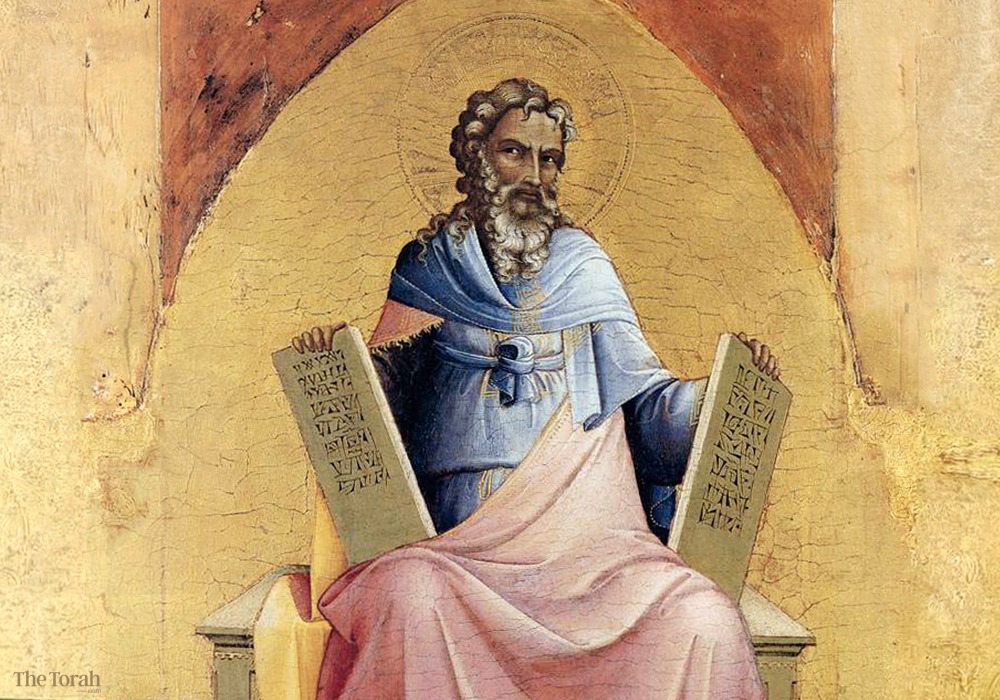
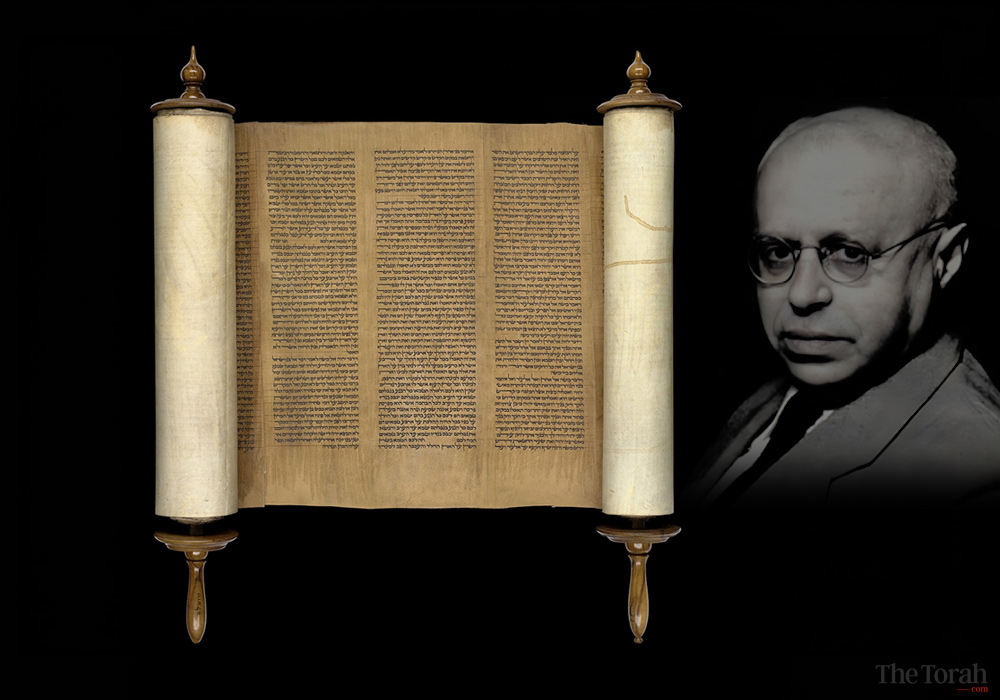

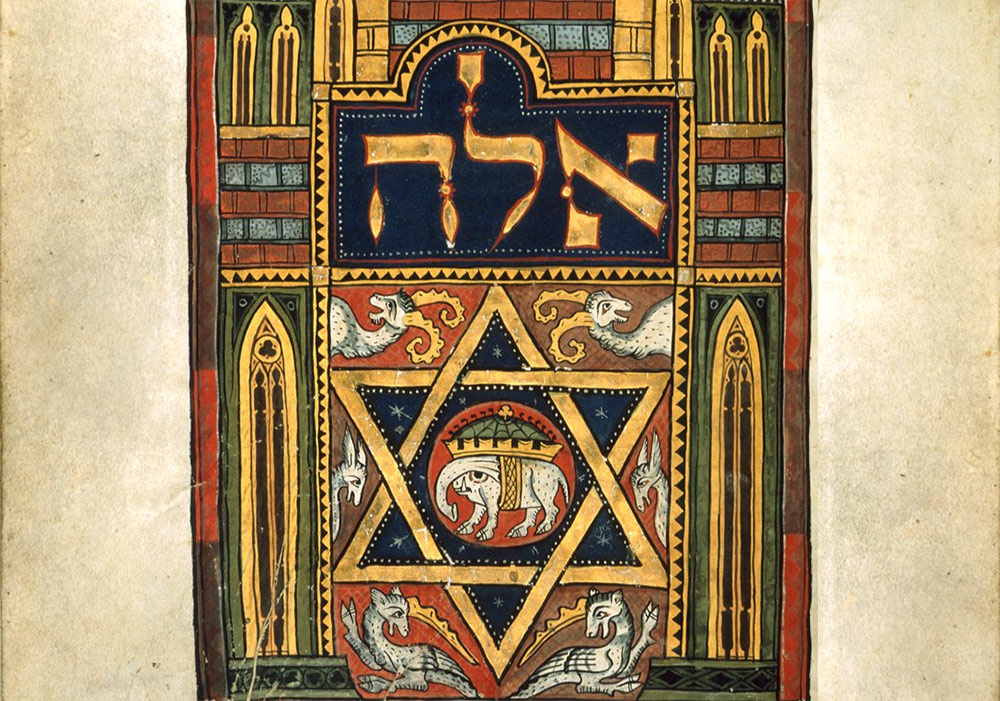
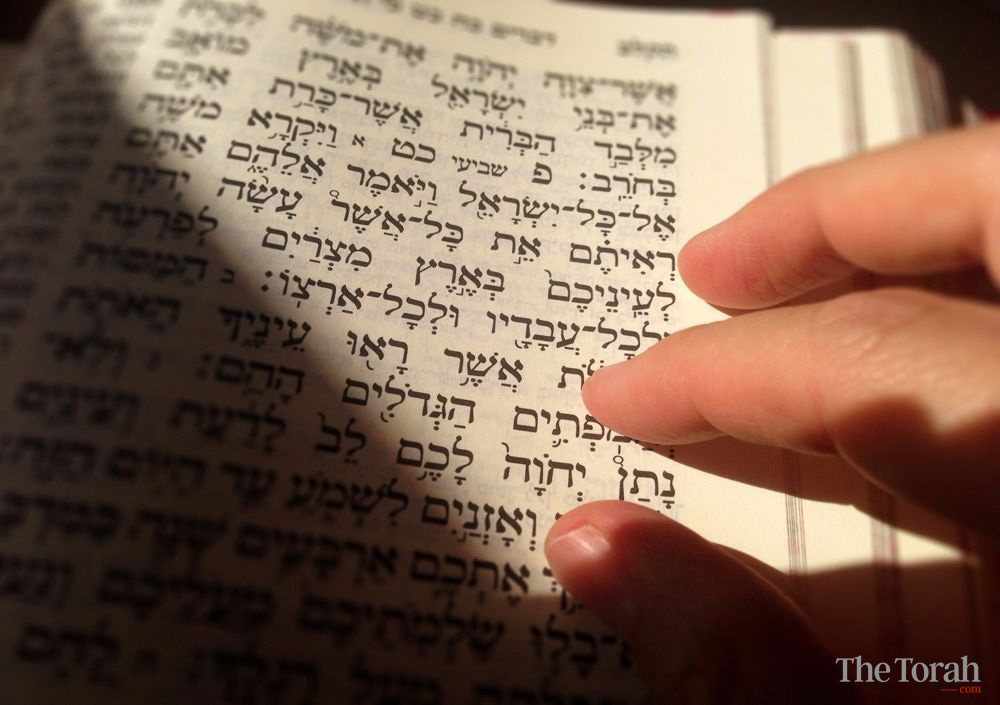
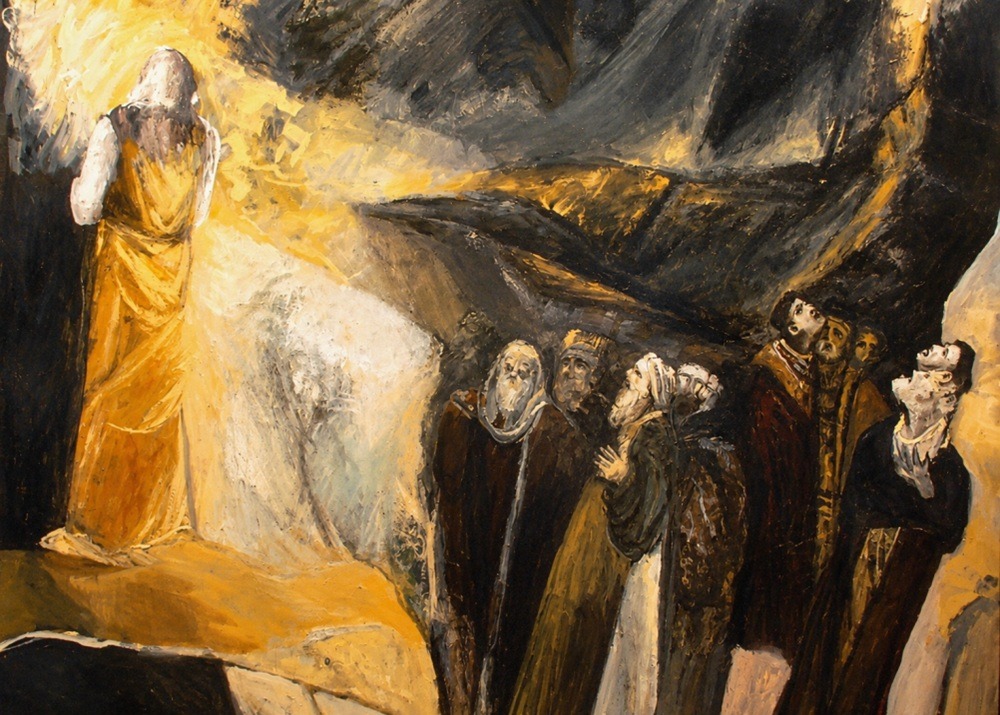












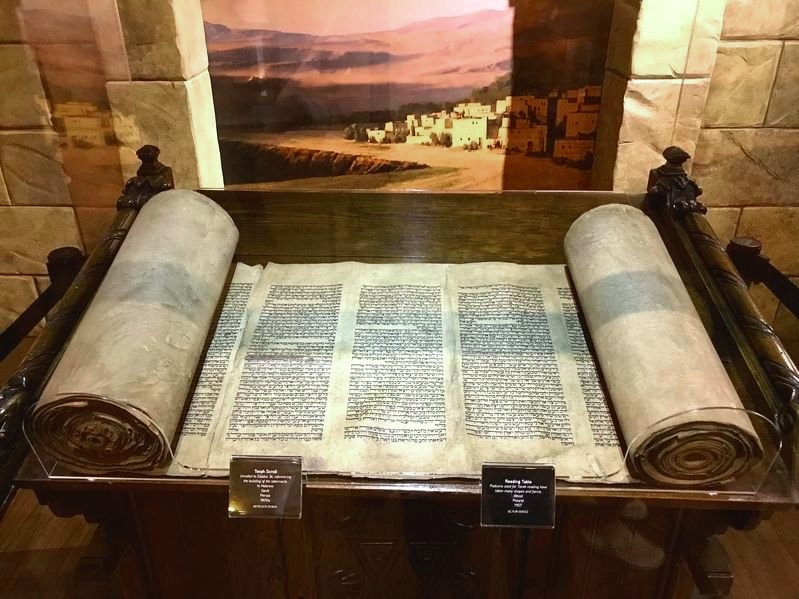

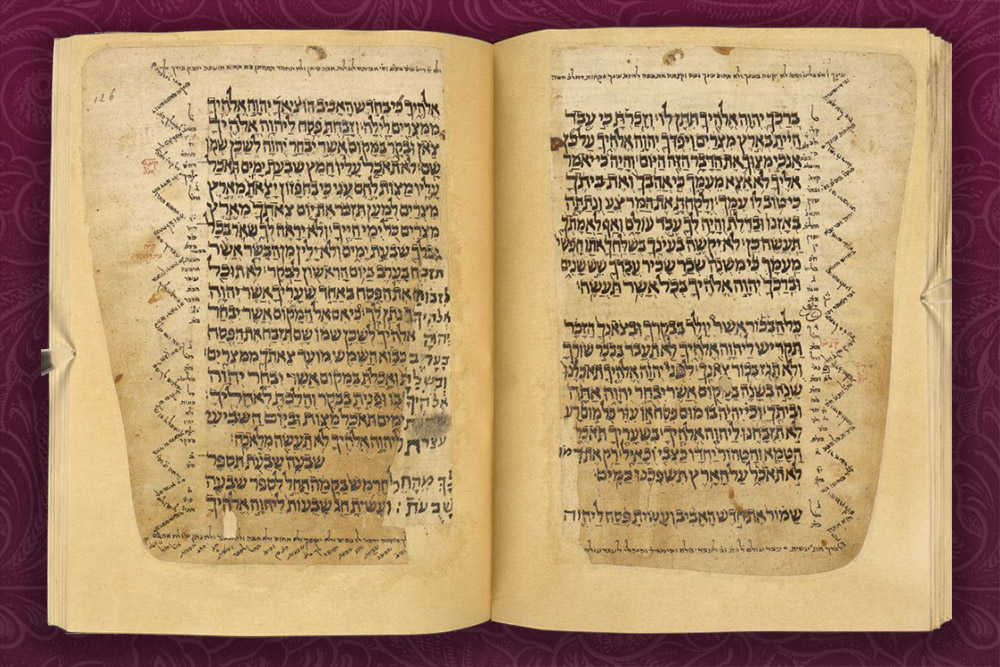


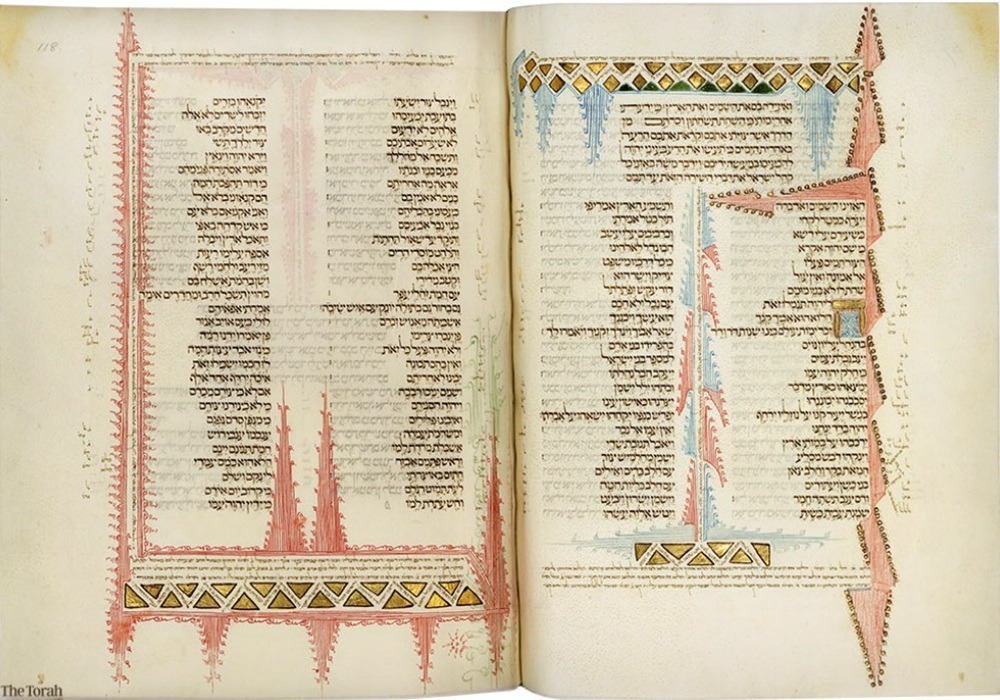



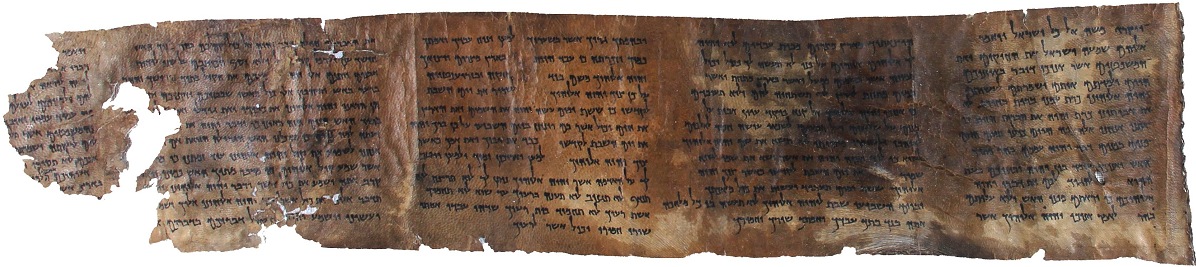

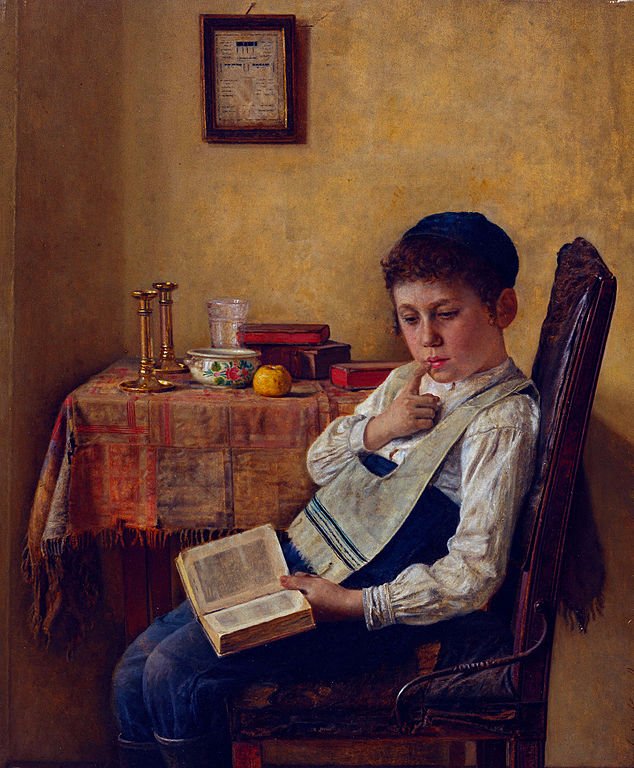
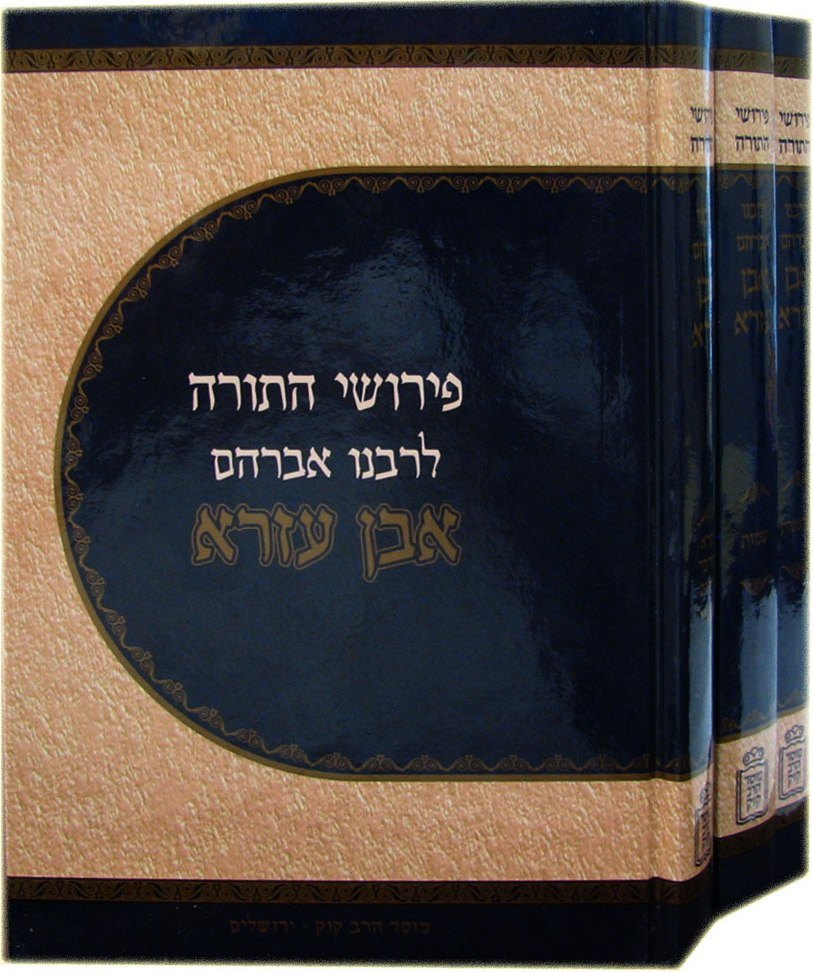

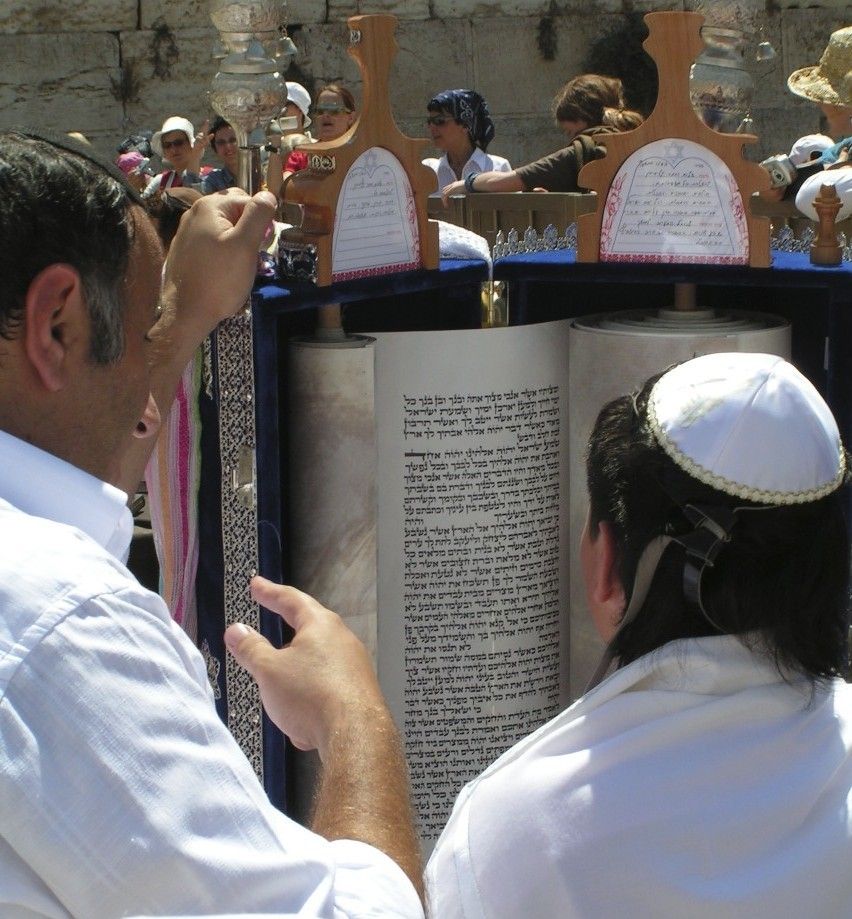
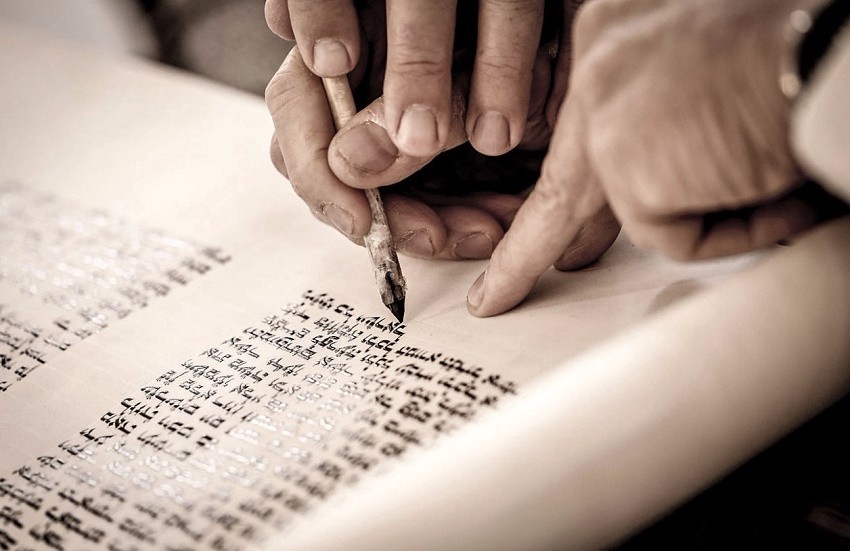


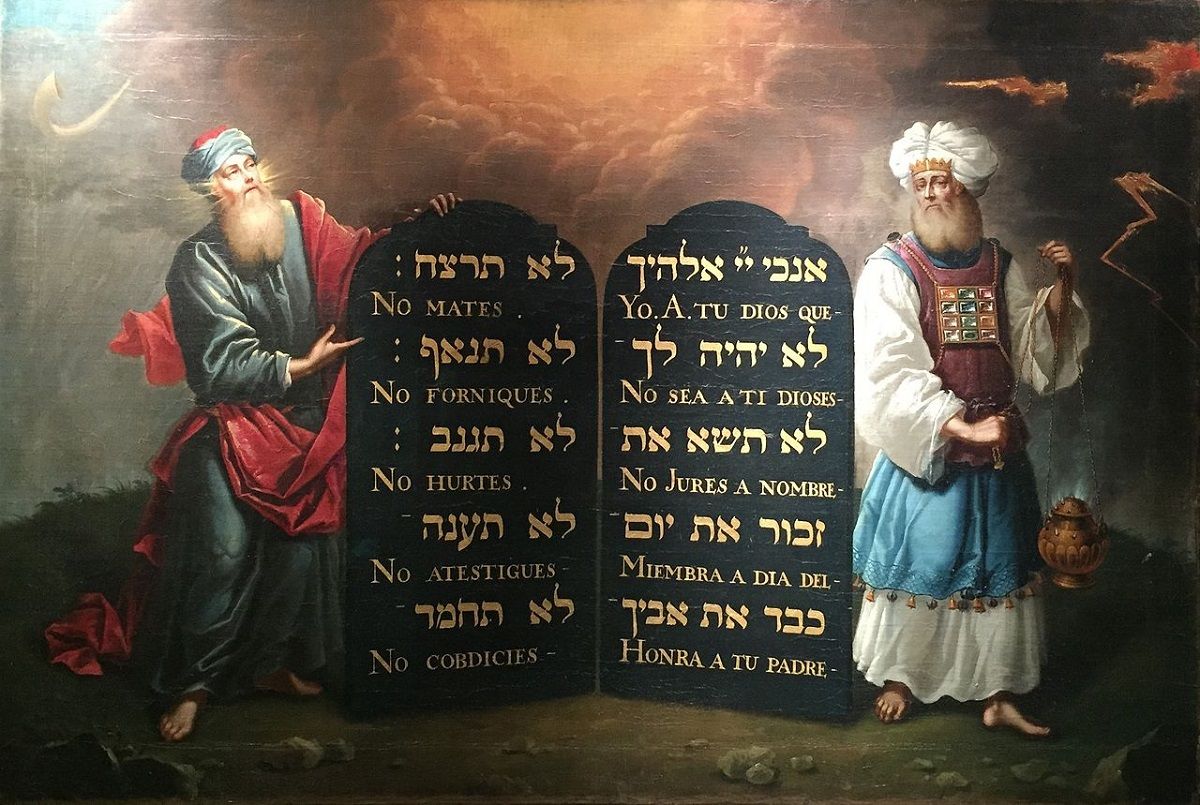
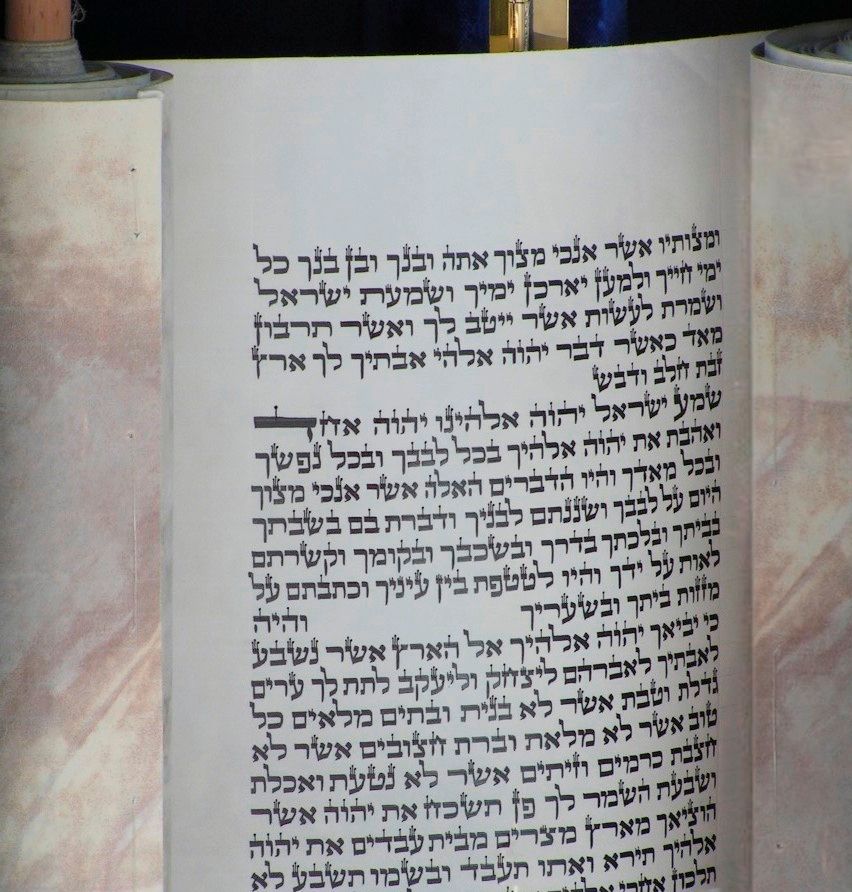
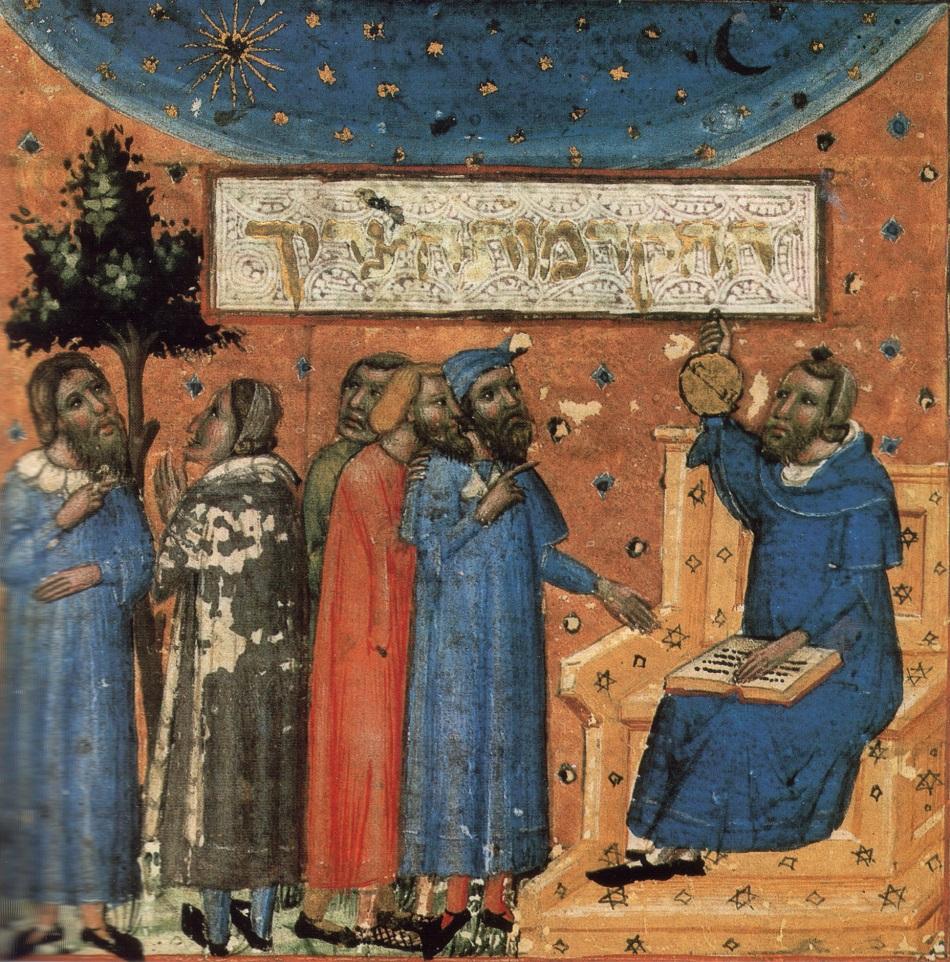


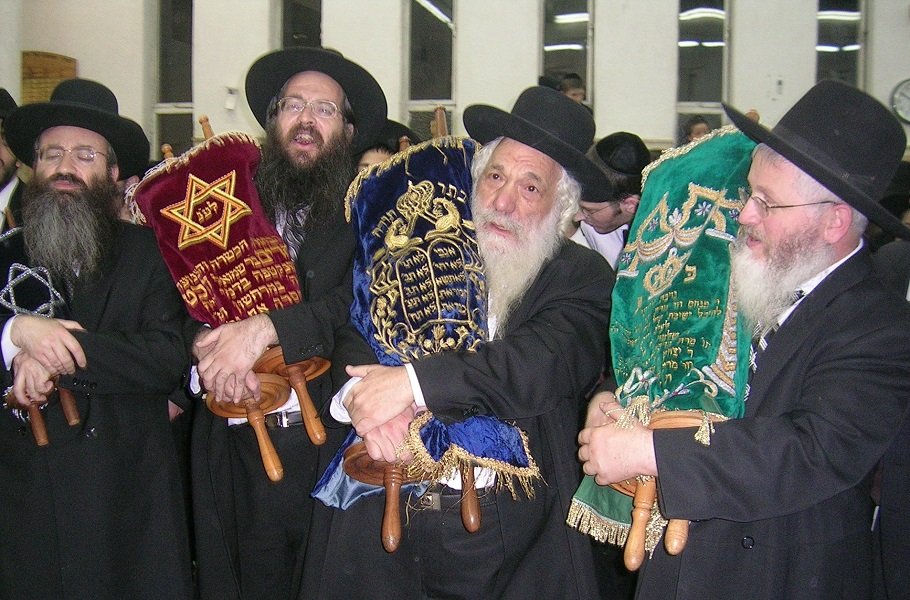
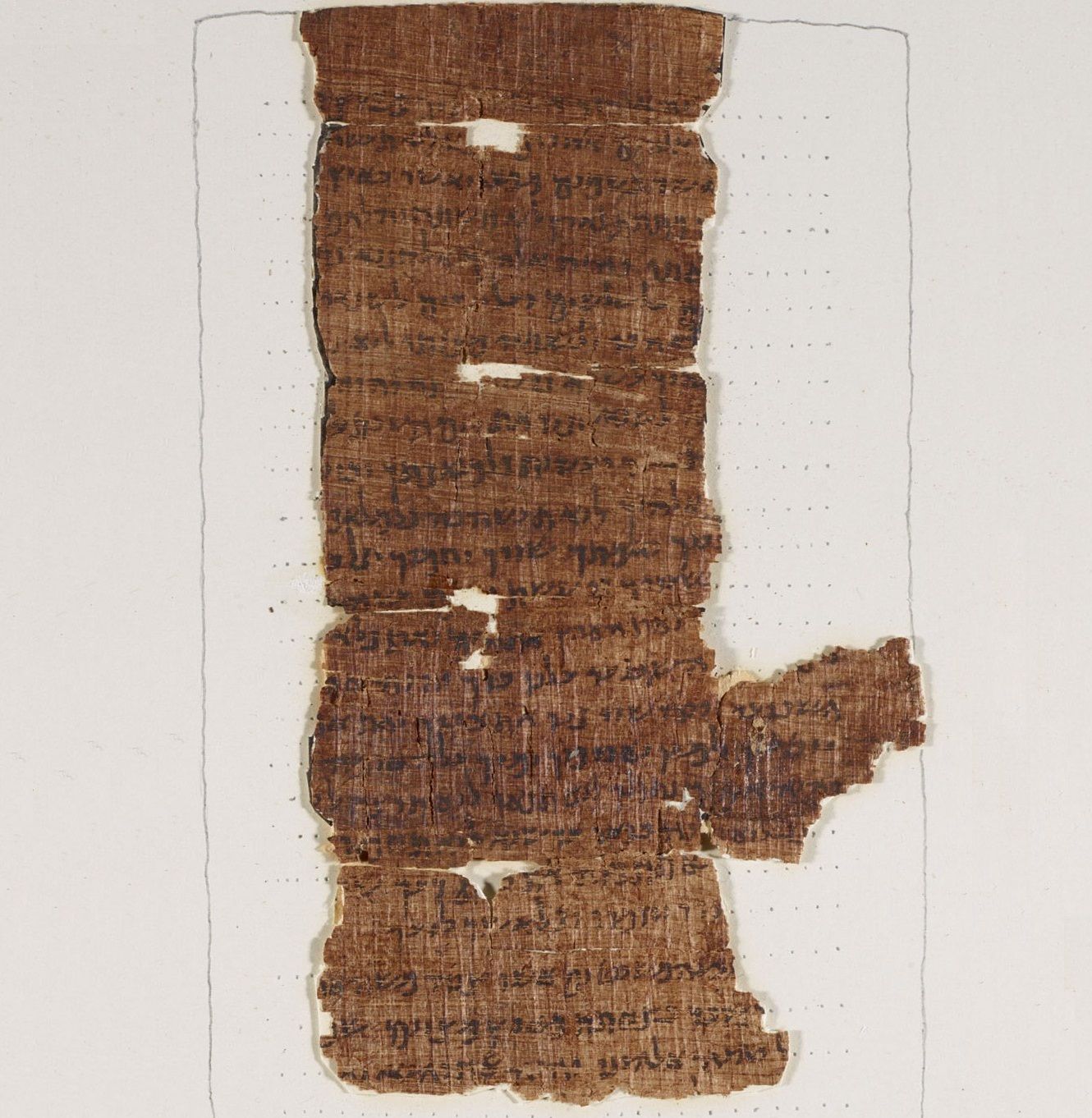


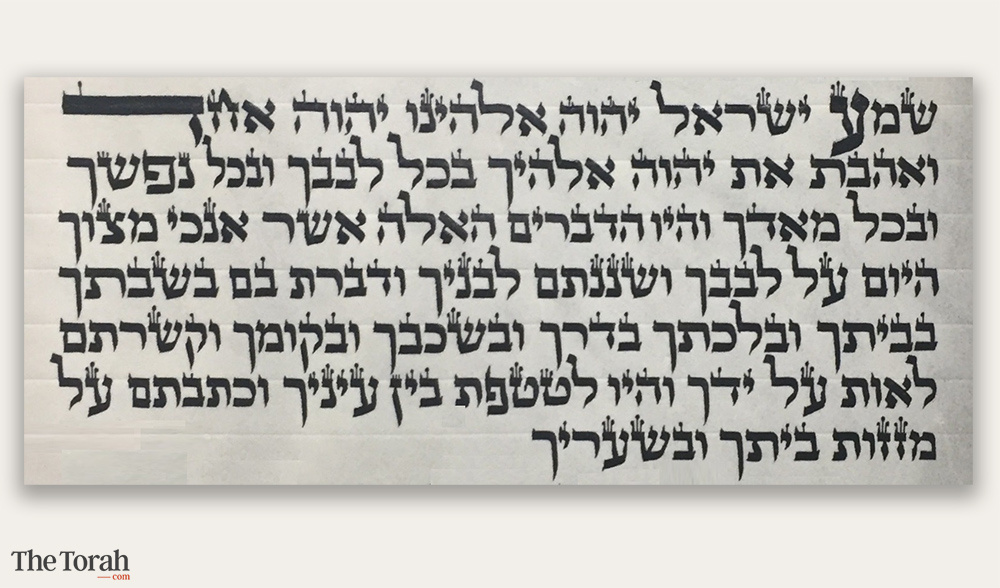
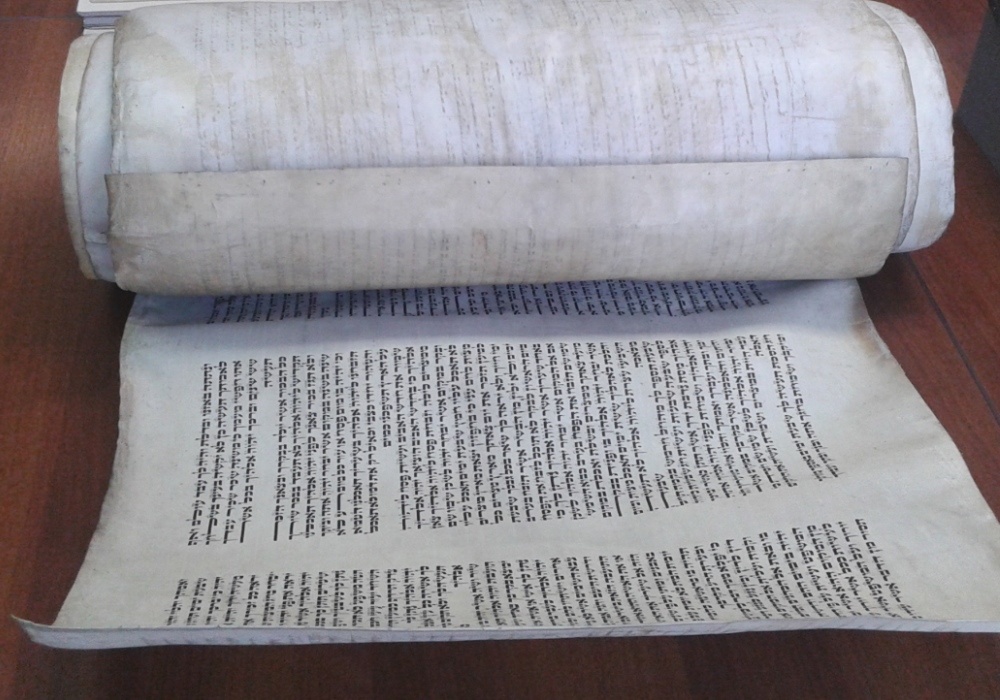
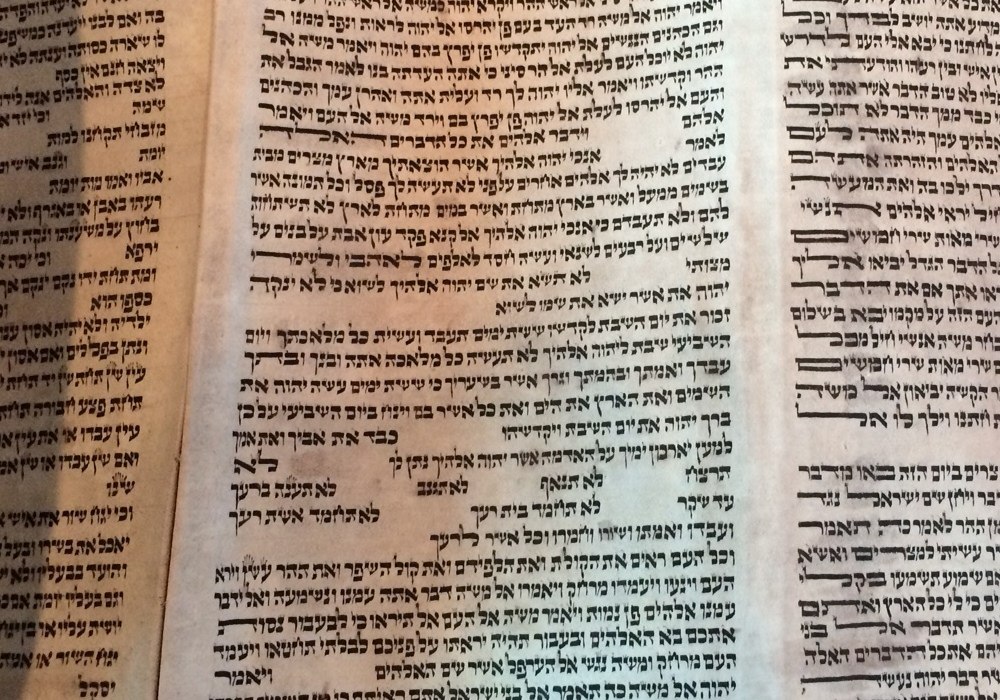

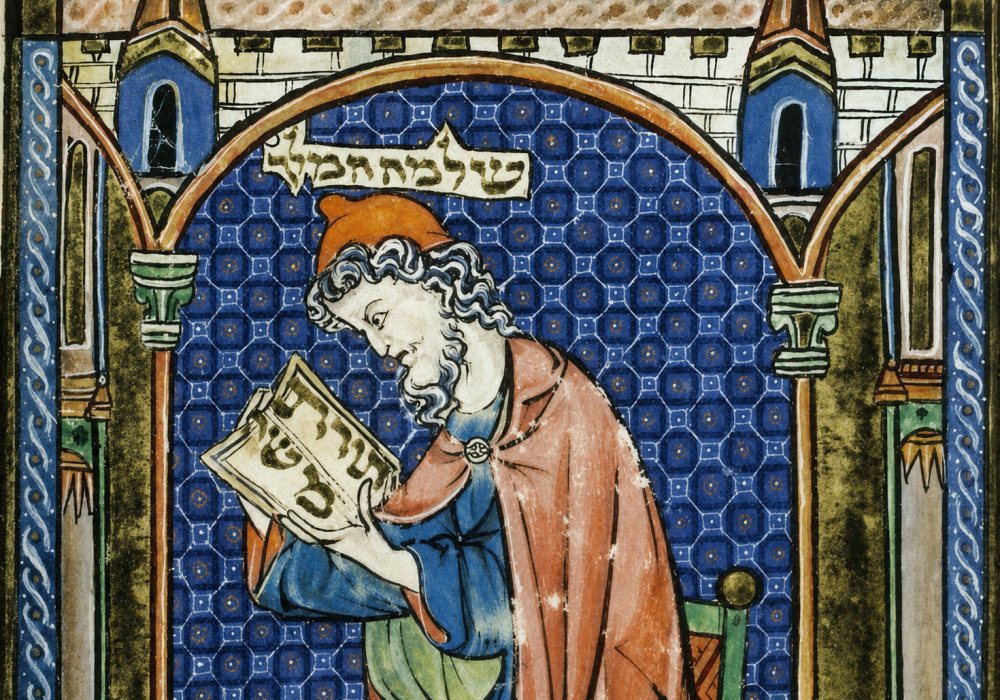
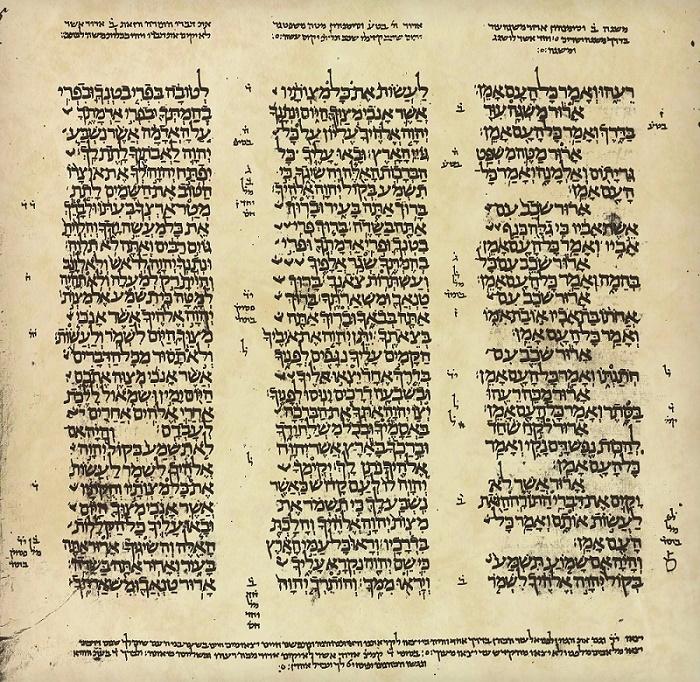








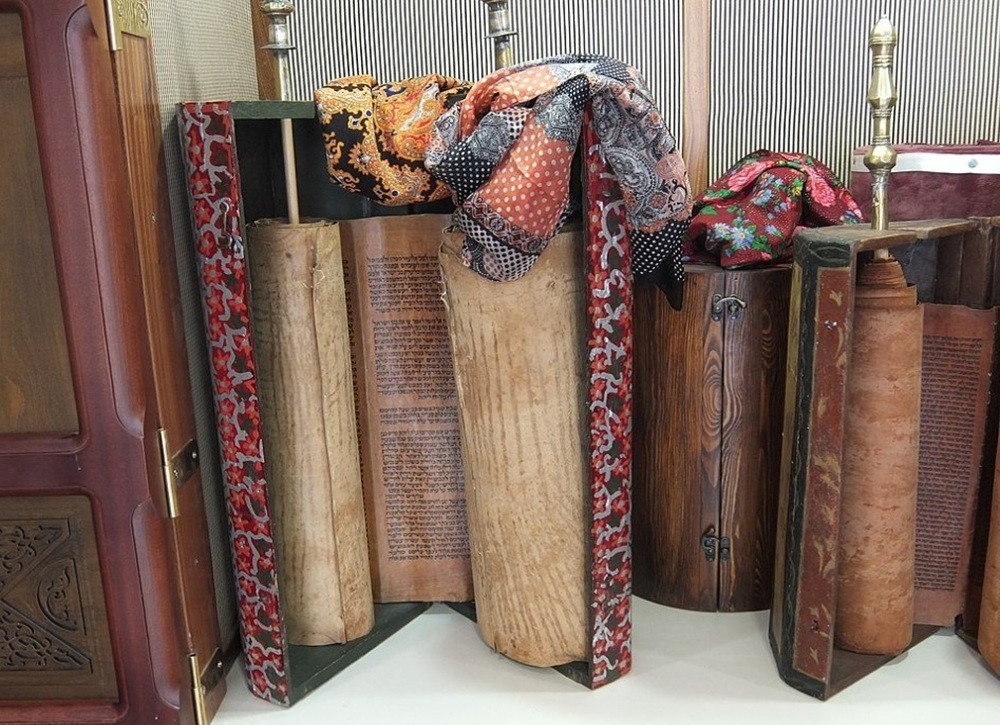










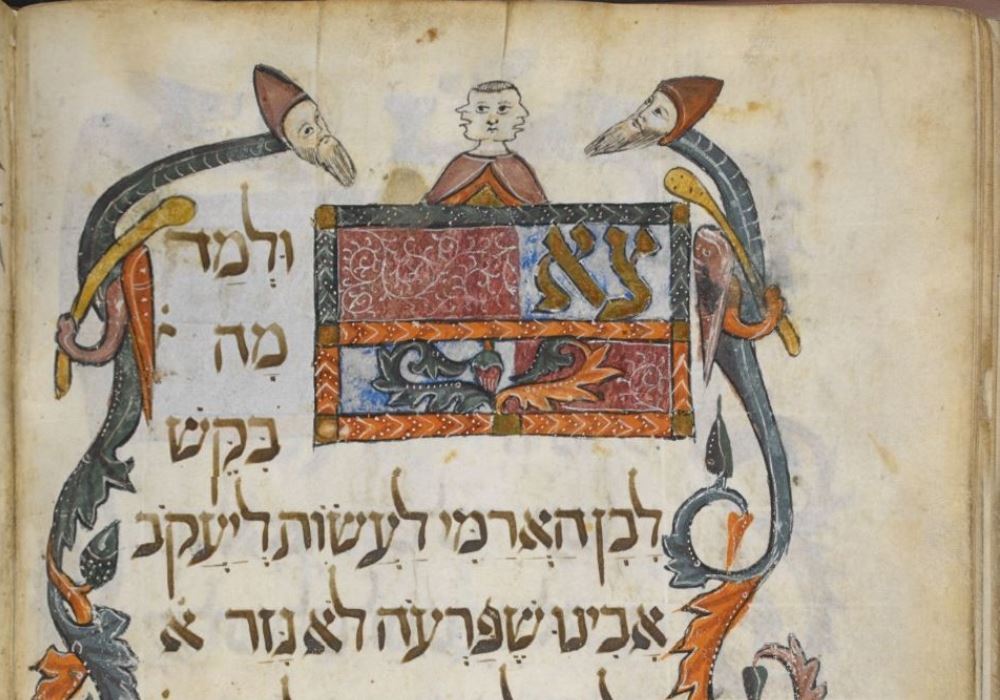


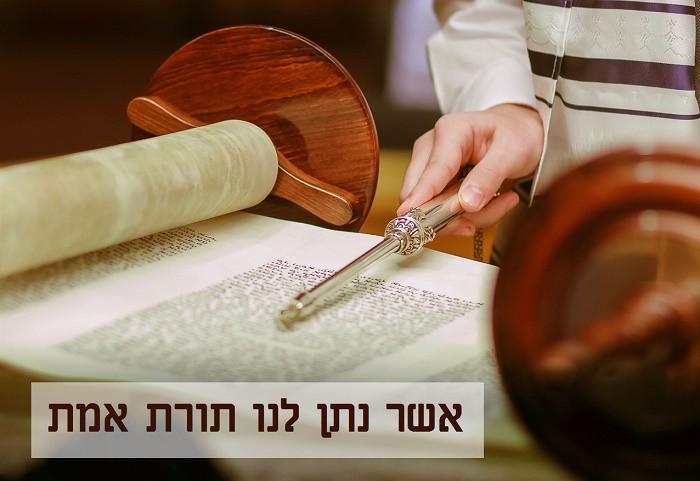






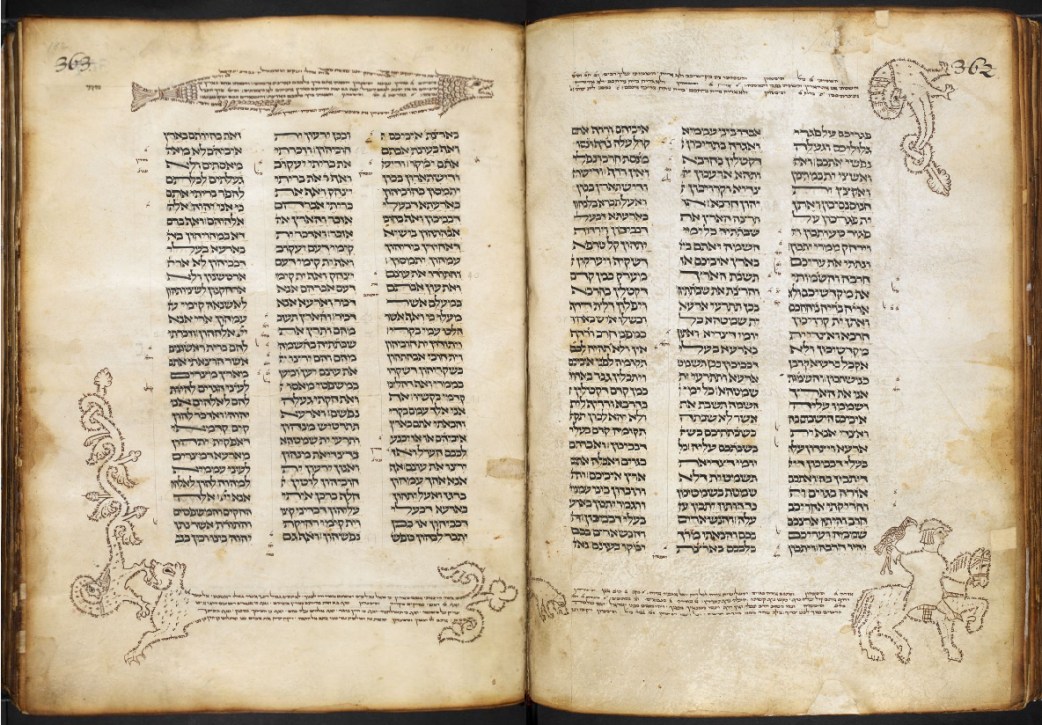
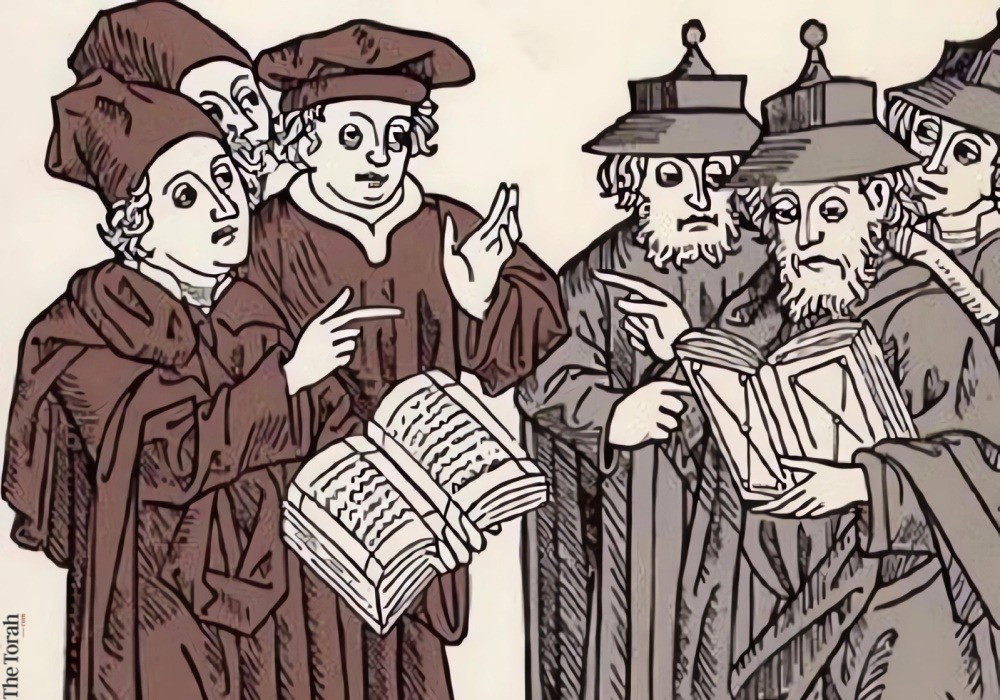
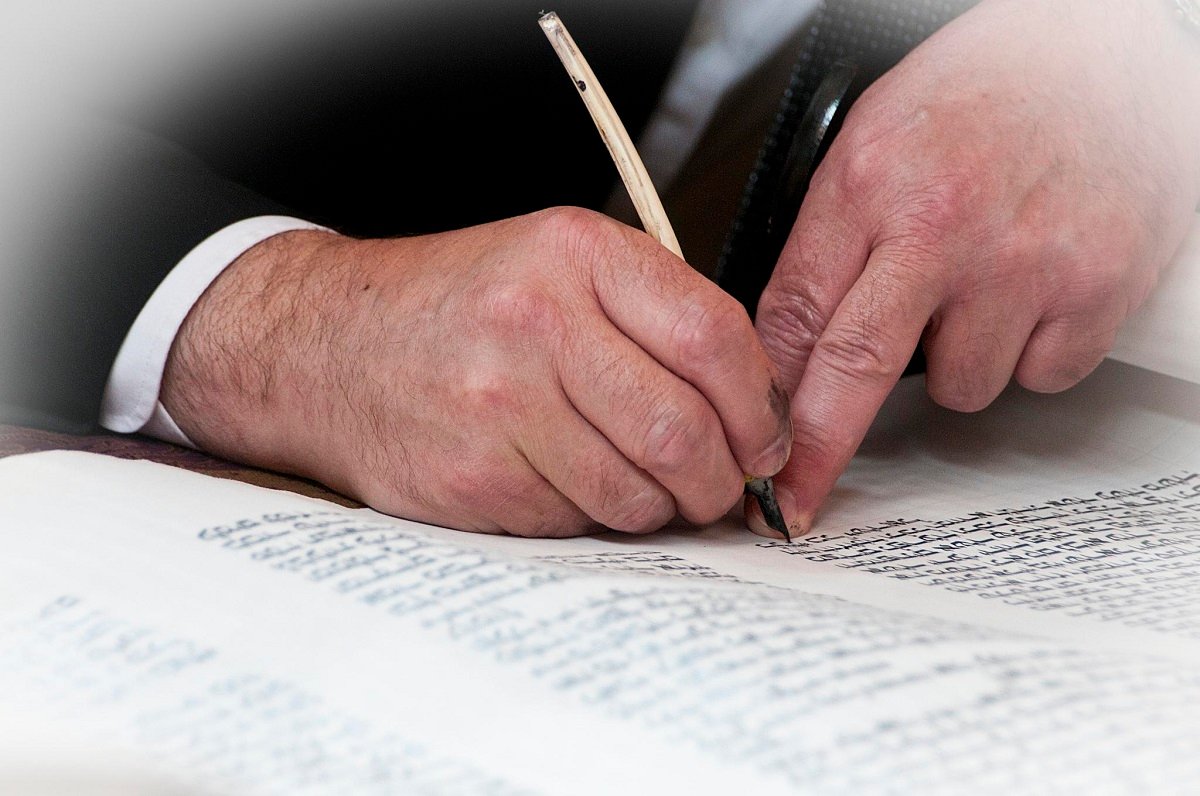



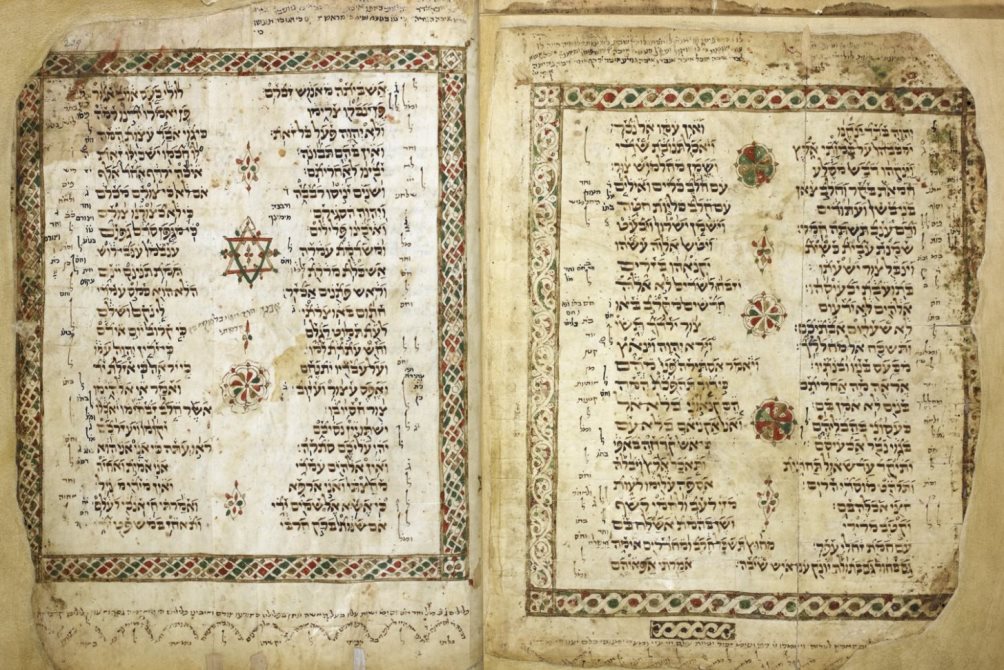


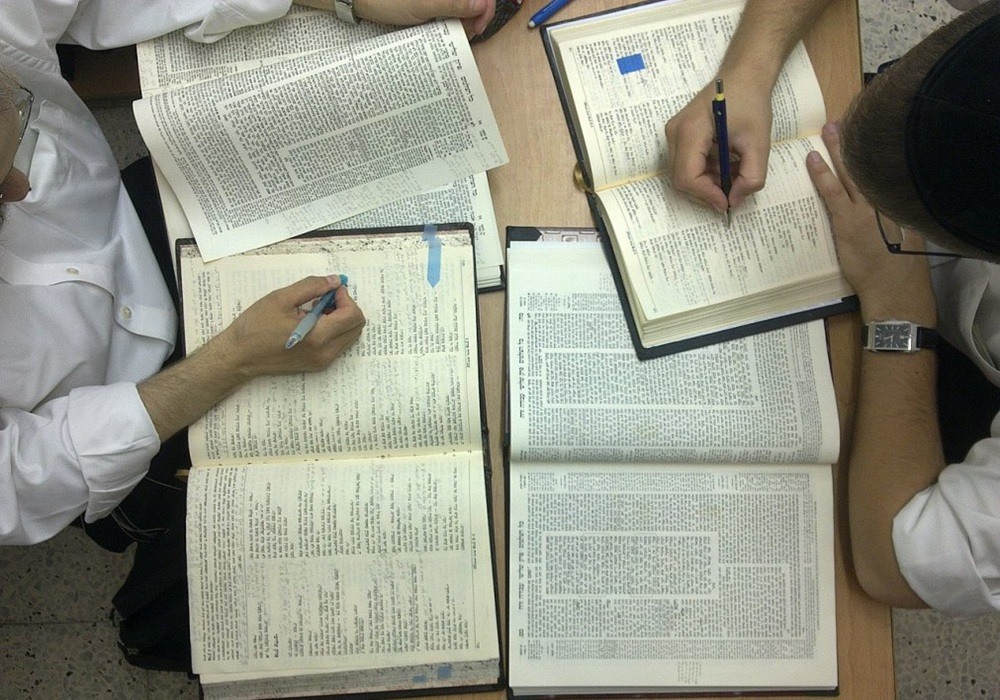
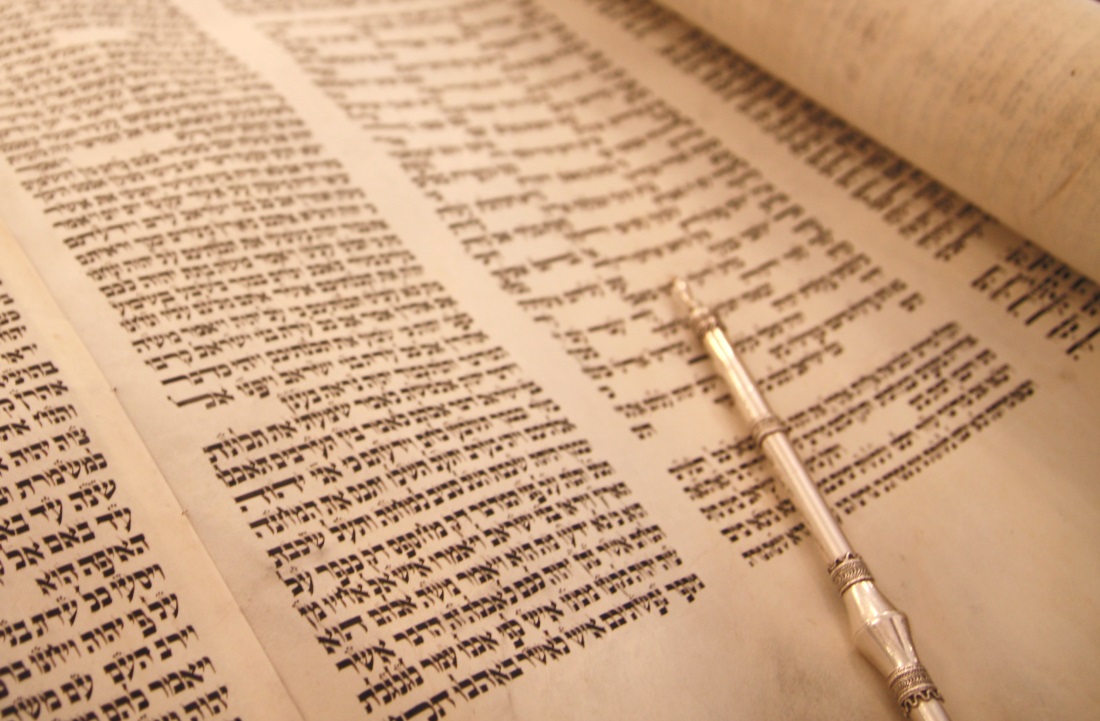
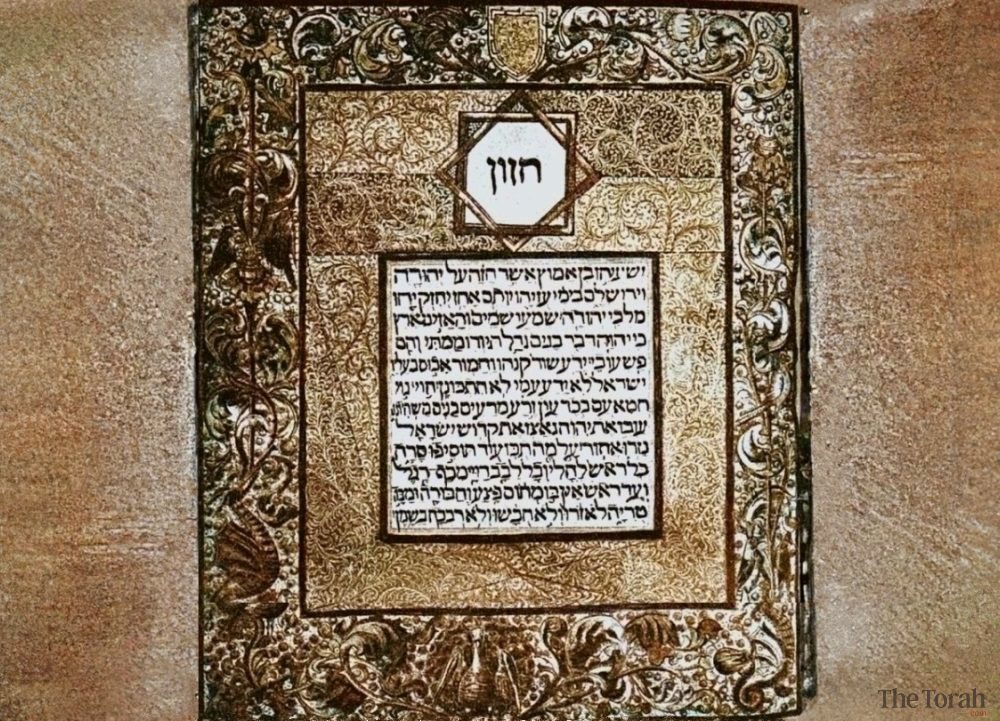

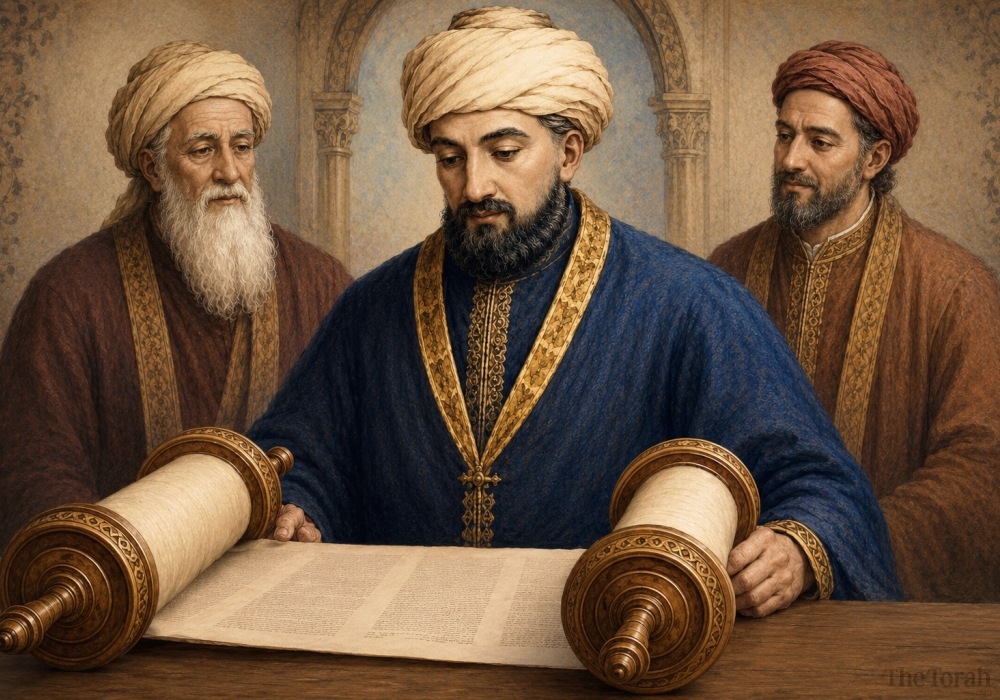
Rabbi Maimon, Moses Maimonides’ father, believed that the Torah’s exact wording and layout had been divinely dictated to Moses down to the smallest detail—including paragraph divisions (open vs. closed), spelling (defective vs. plene), and even the decorative taggin atop certain letters. Maimonides, despite his rationalist philosophy, largely maintained this stringent view, though he would not invalidate a Torah scroll due to missing taggin. His son, R. Abraham, further relaxed the requirements as the realities of medieval manuscripts made the older standards untenable.
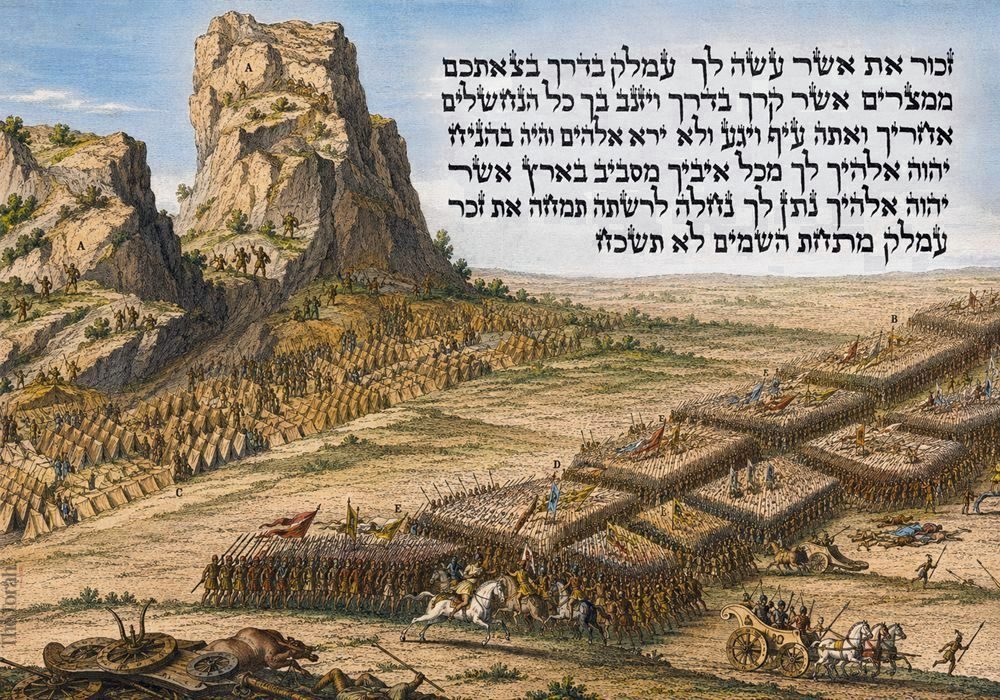
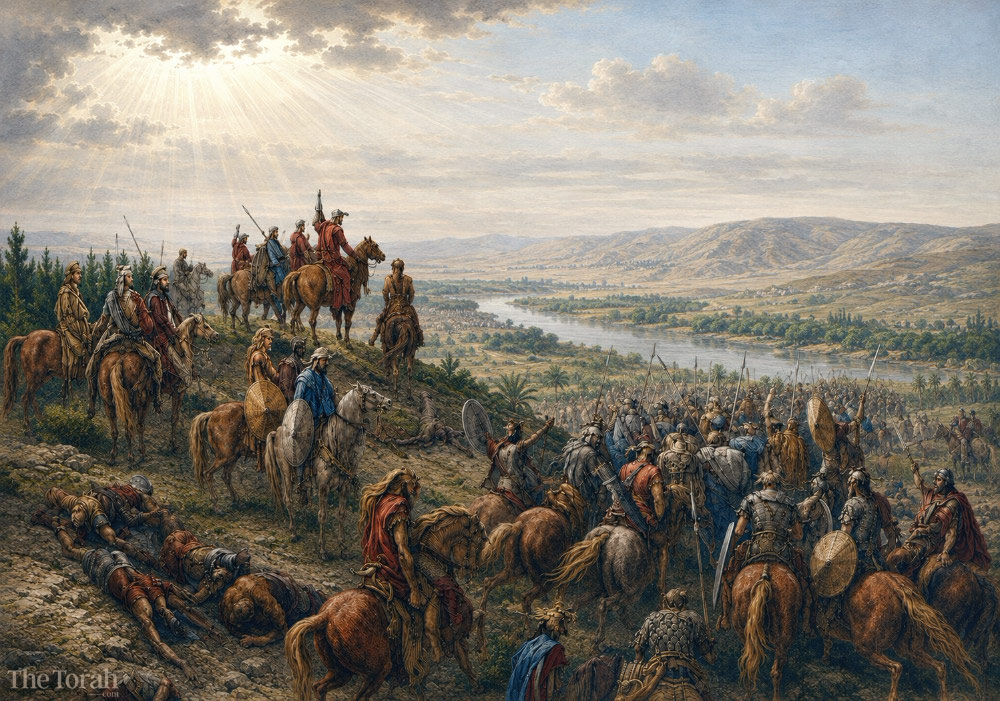
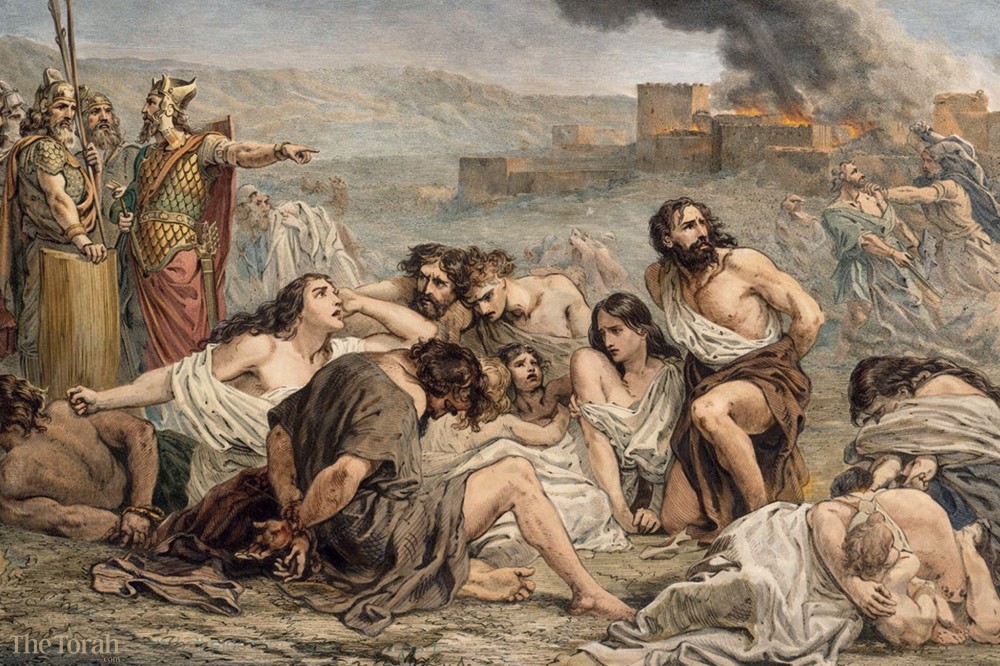
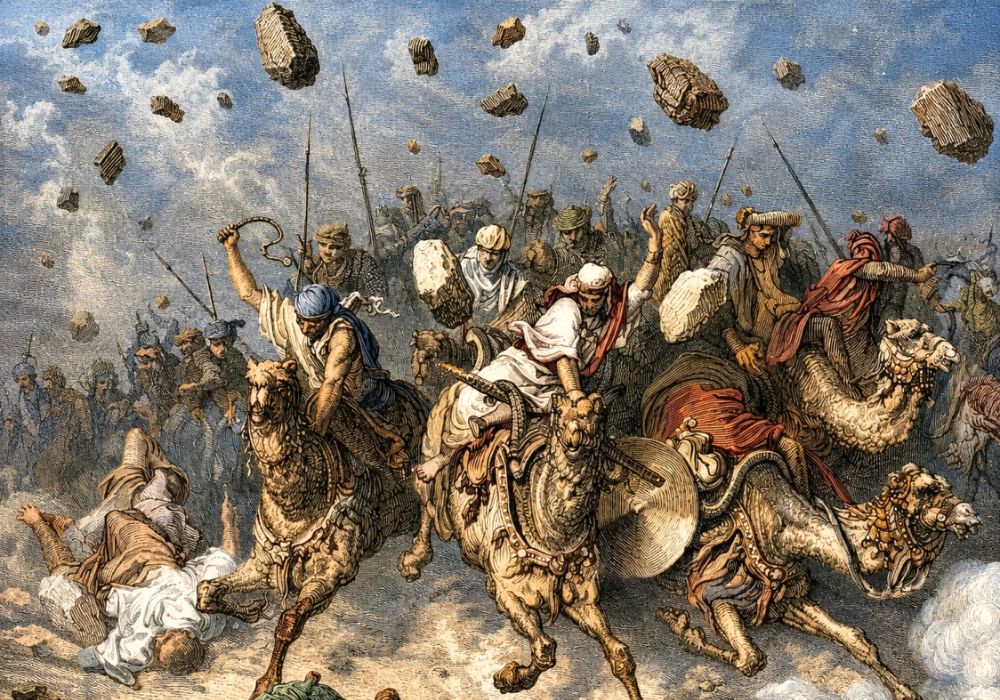
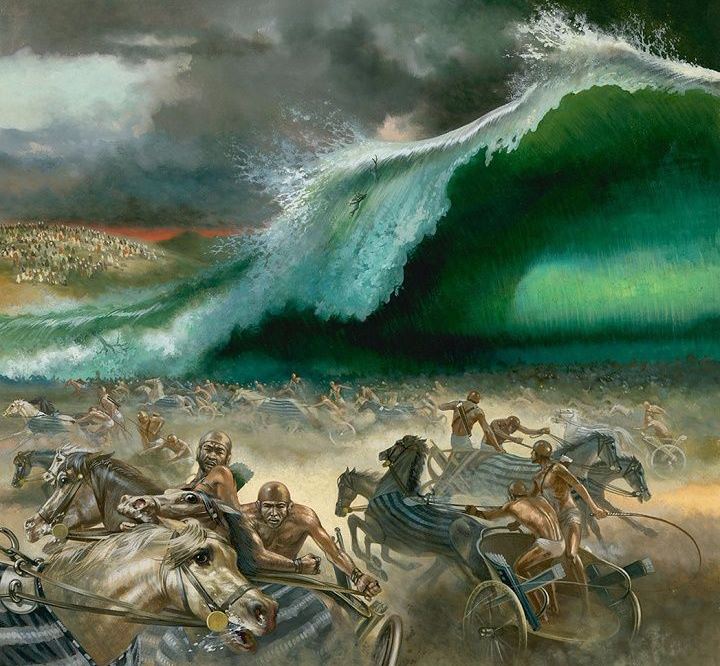
“Remember what Amalek did to you on your journey out of Egypt, how he attacked you on the way, when you were faint and weary, and struck down all who lagged behind you; he did not fear God.”—Deuteronomy 25:17-18
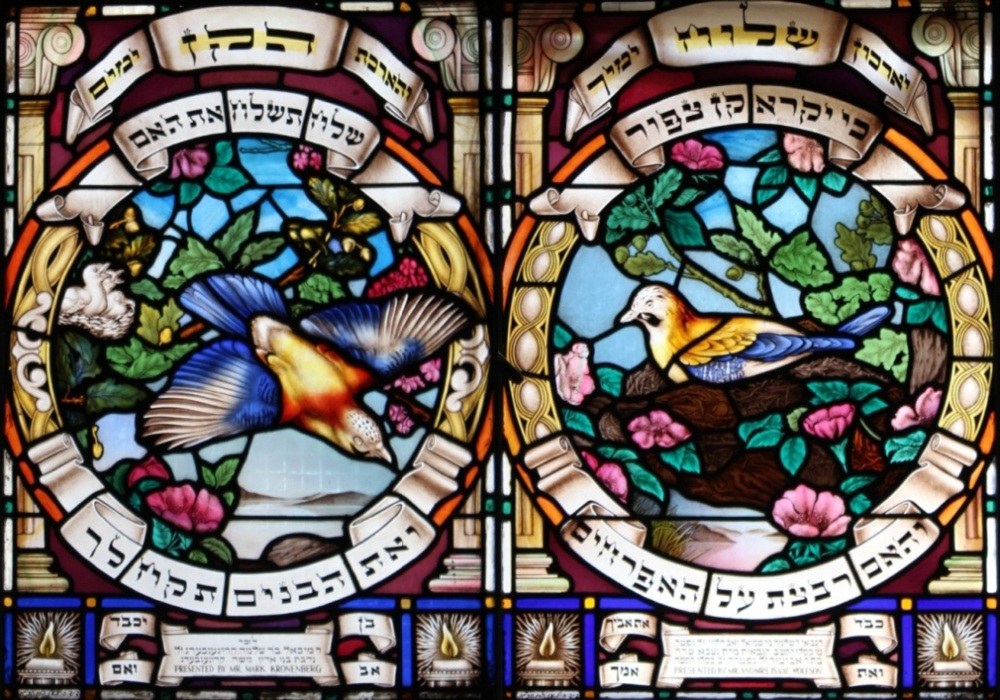
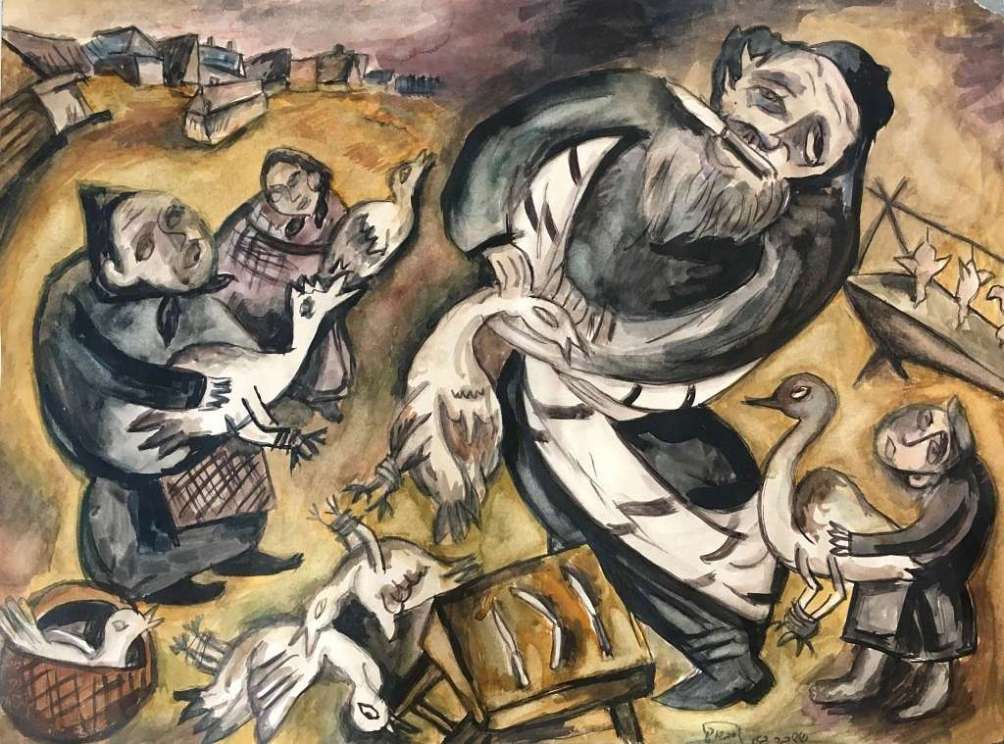
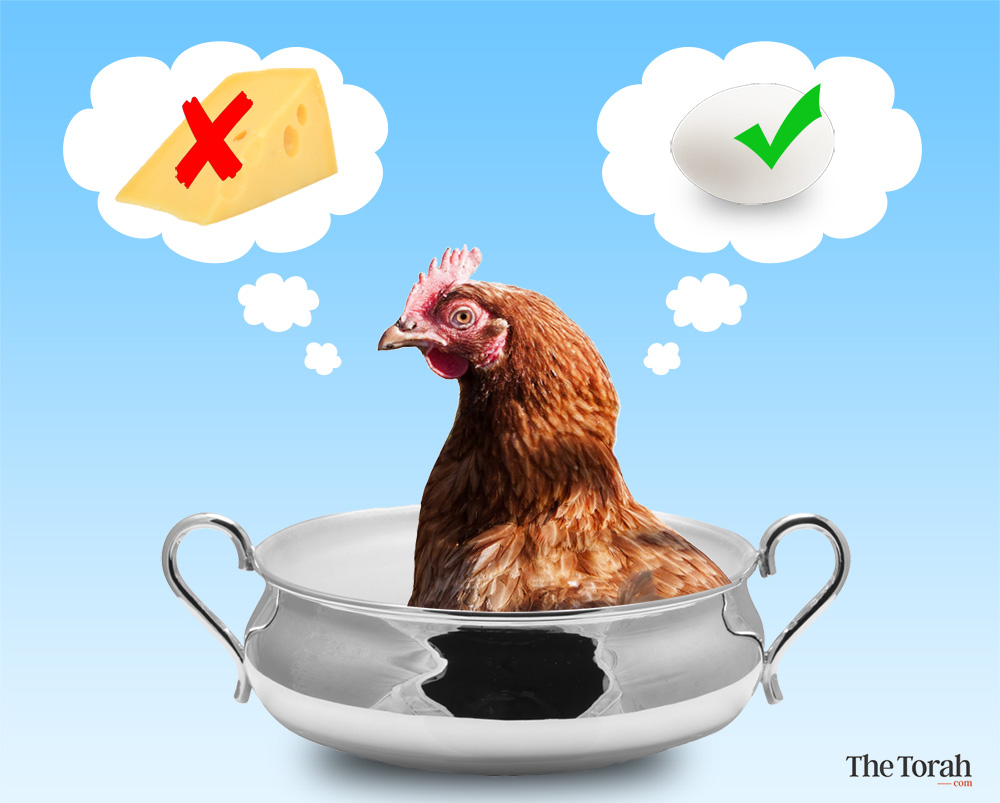
Is the Torah concerned with compassionate treatment of animals? The command to send away a mother bird before taking her eggs or chicks is one of four animal family laws that highlight the bonds between animals and their offspring. But these laws are not about preventing emotional pain for the animals—they ask us to recognize their familial bonds, even when humans ultimately override them.
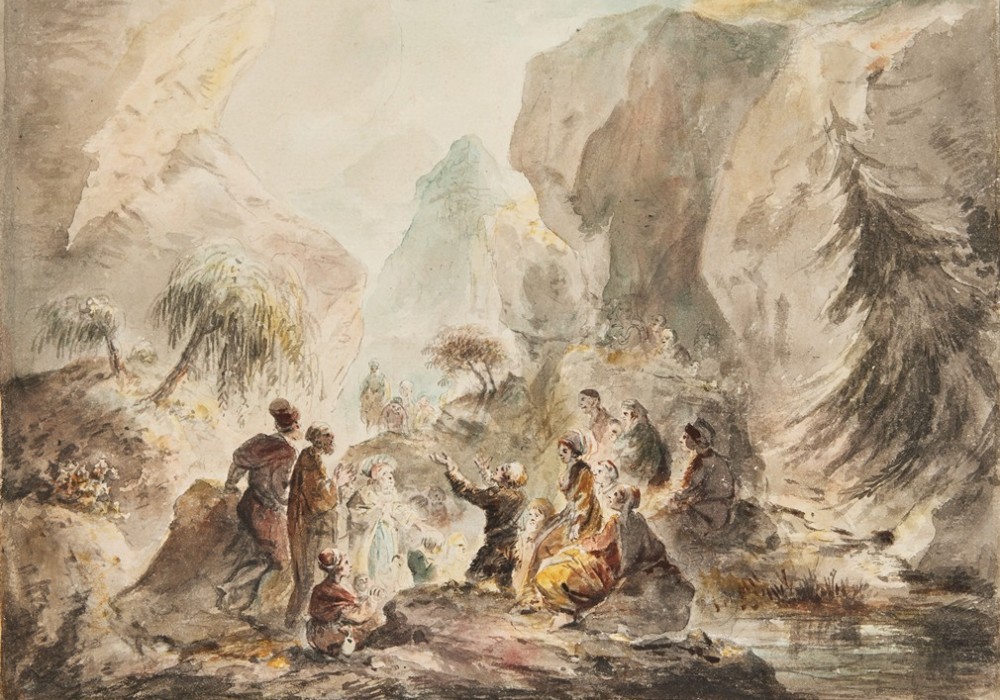
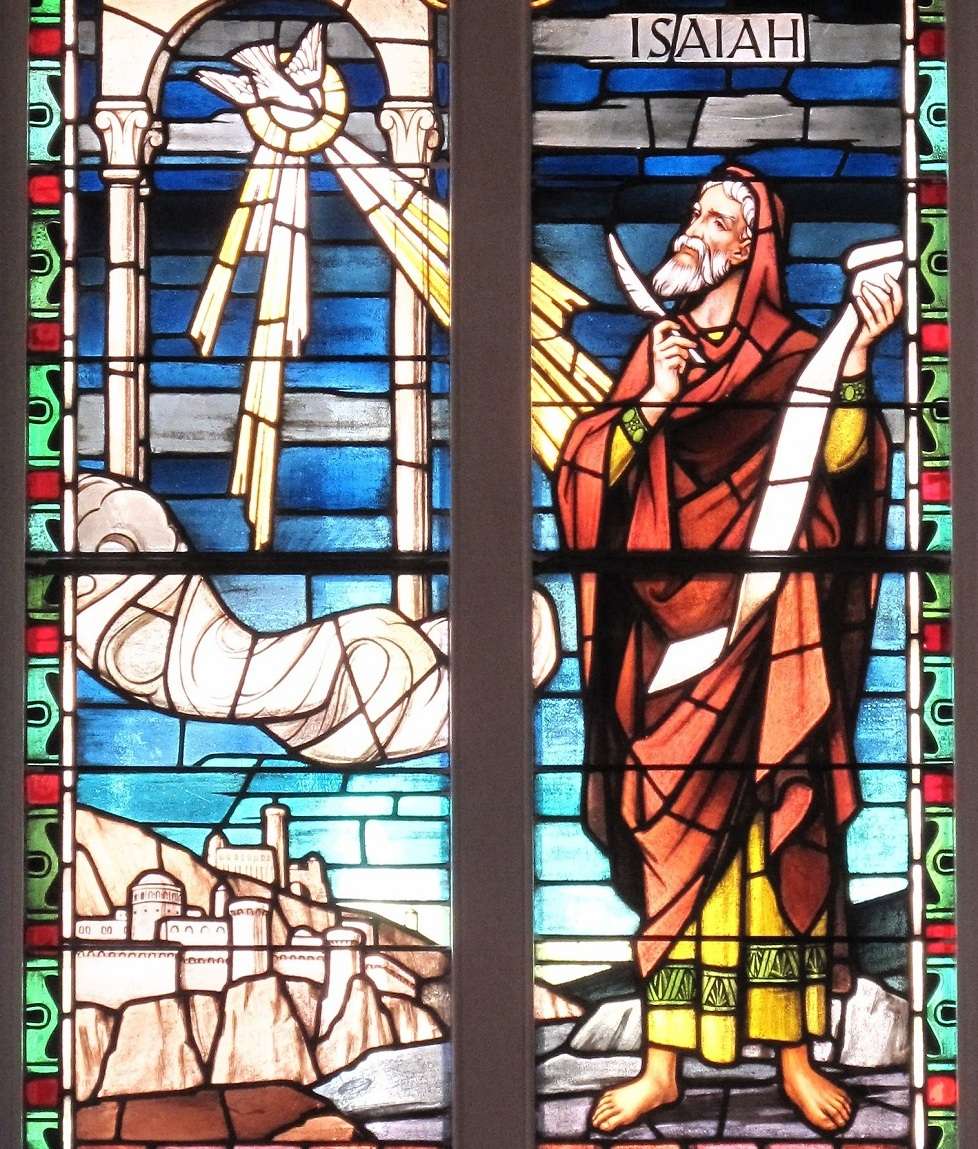
Can translators improve texts like Shakespeare? Or the Bible? Christians, drawing on the Greek Septuagint, claimed that the voice in the wilderness (Isaiah 40:3) refers to John the Baptist. Jews, relying instead on the Aramaic Targum, viewed this verse as explicitly foretelling the return of Jewish exiles after the destruction of the Second Temple. But what did Isaiah actually mean?

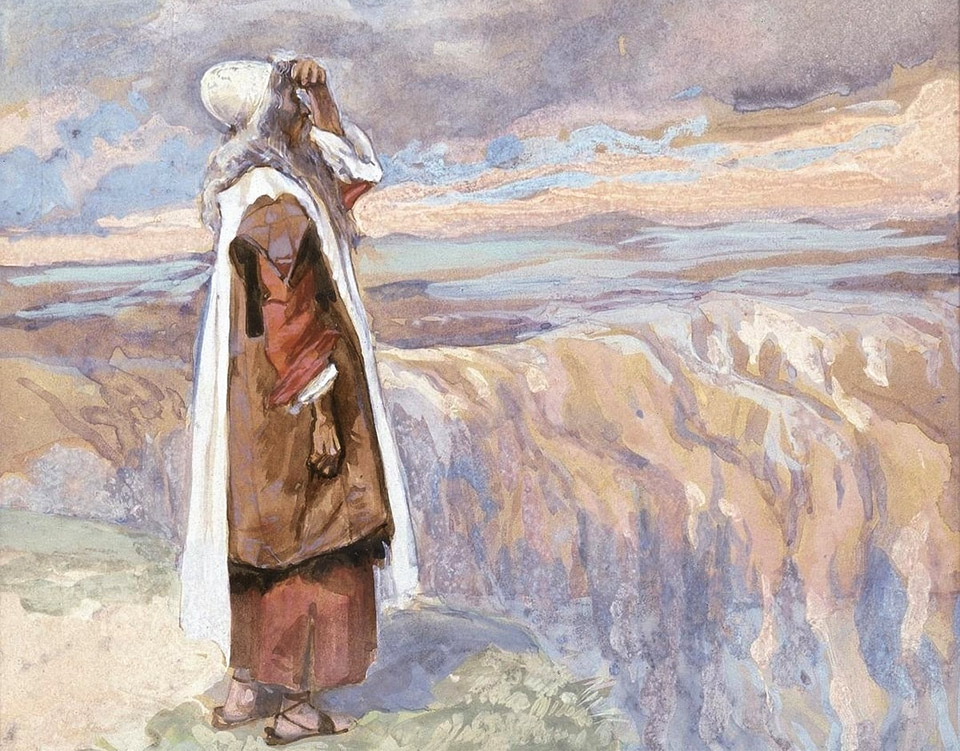
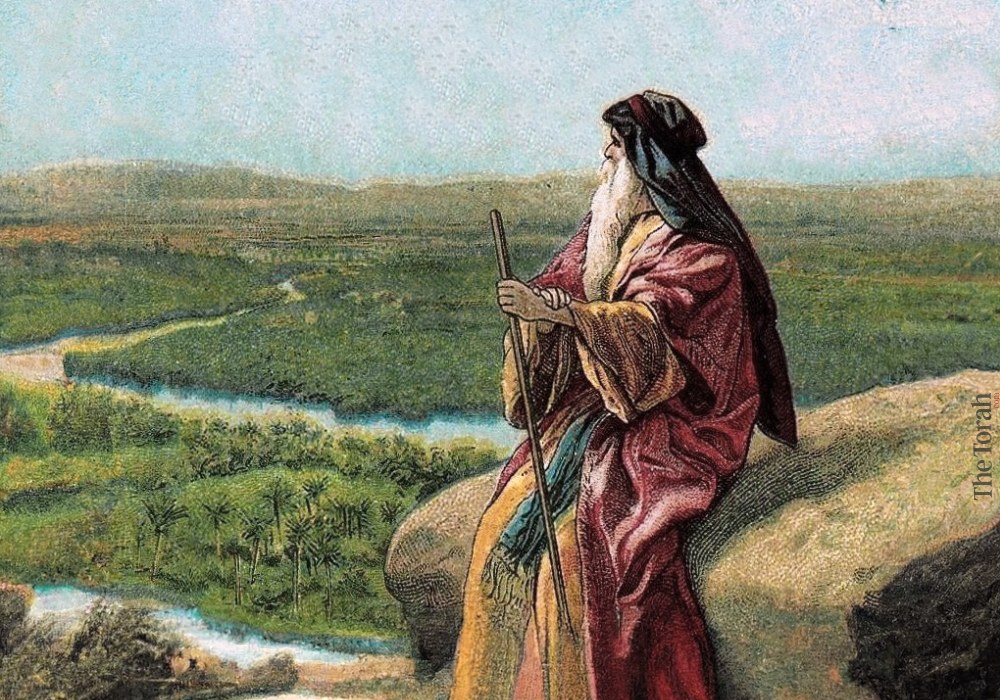
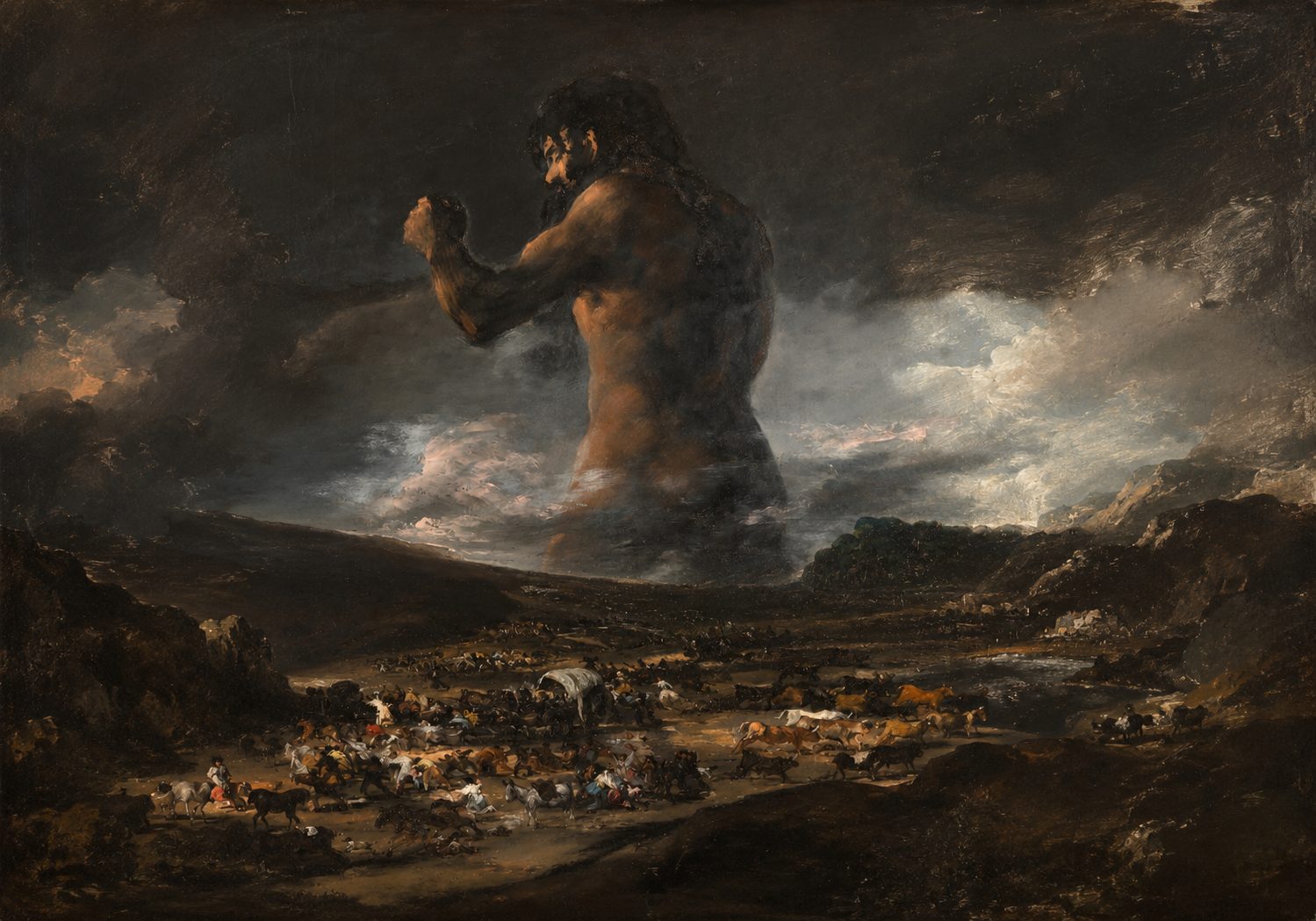
Standing in the Transjordan, Moses describes how the previous inhabitants had been the frightening, gigantic Rephaim (lit. “healers”). Elsewhere in the Bible, rephaim are powerless shades, living in the underworld, Sheol. Greek epic also preserves a memory of Meropes as a population of giants living on the island of Cos, and the term meropes also refers to “healers” who serve as priests of the god Asklepius. In both cases, these memories derive from the West Semitic Rapi’ūma, deified royal ancestors invoked in Ugaritic rituals to bless king and land.
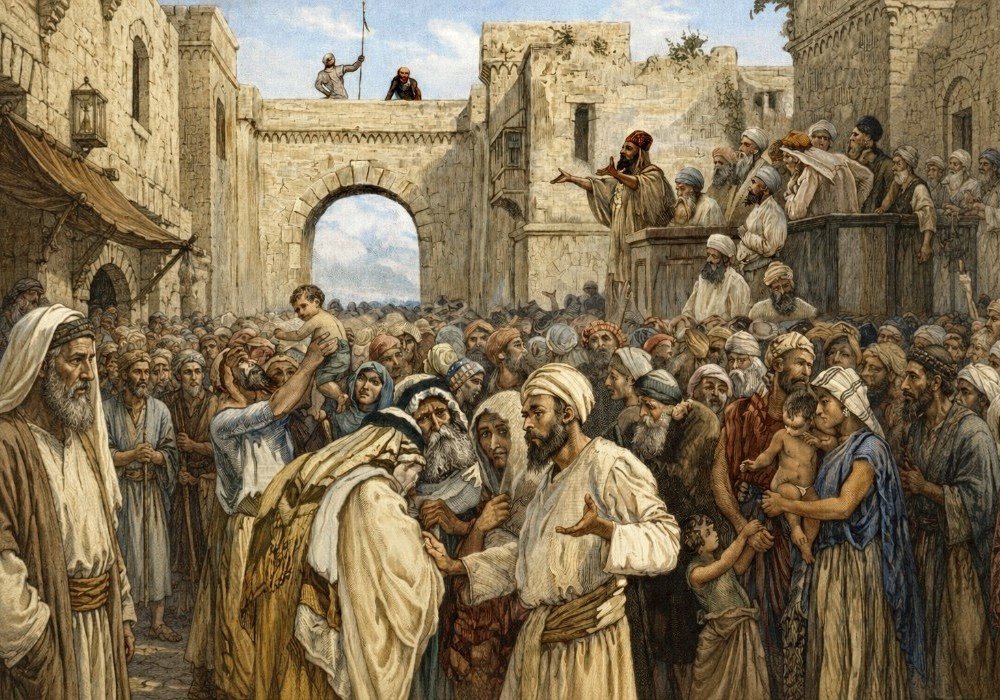
Does the Bible prohibit intermarriage with non-Israelites? Not originally. Deuteronomy only prohibits intermarriage with the Canaanite nations. Faced with an intermarriage crisis in Persian Period Yehud, Ezra and Nehemiah reinterpret texts from Deuteronomy and Leviticus, thereby extending the prohibition of intermarriage to all the peoples of the land from their times.

On the road to Meron, where the Safed kabbalists believe Jesus is buried, R. Hayyim Vital (16th cent.) encounters a dangerous spirit, who overpowers him in a moment of spiritual weakness. The spirit later tosses him in the air and exhausts him nearly to death, but Vital makes it to his master, the great R. Isaac Luria, the Arizal, who, fearing the spirit will kill Vital and thwart his plans to bring about the messianic age, exorcises it.
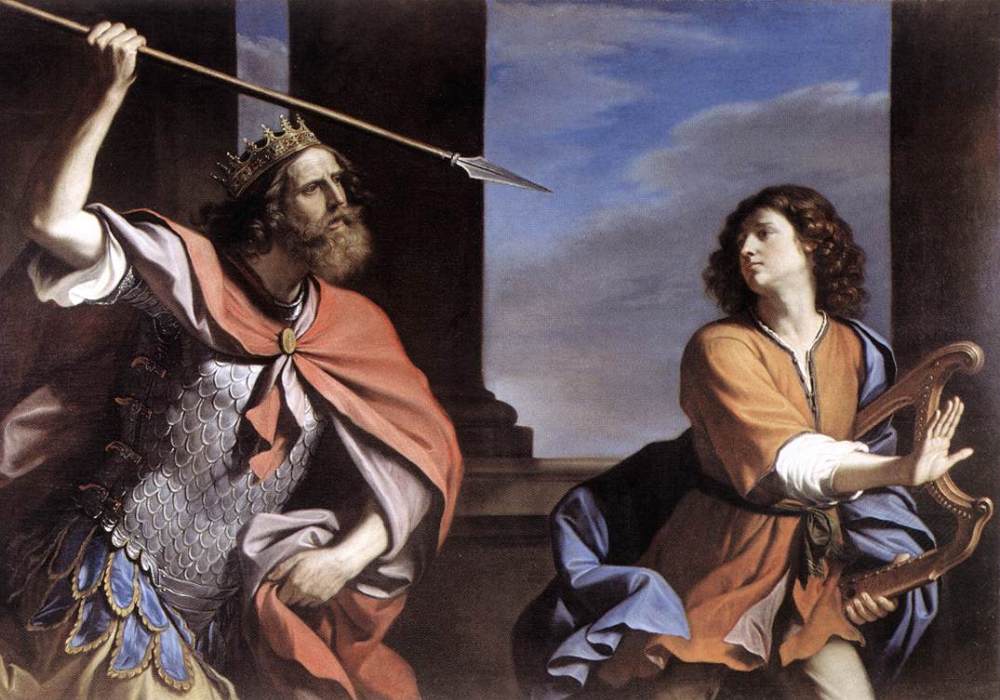
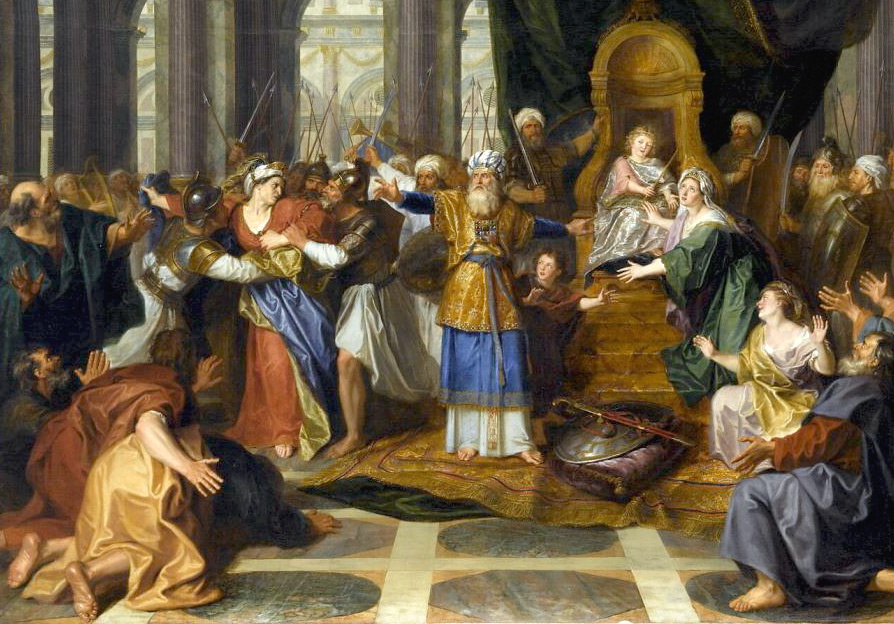
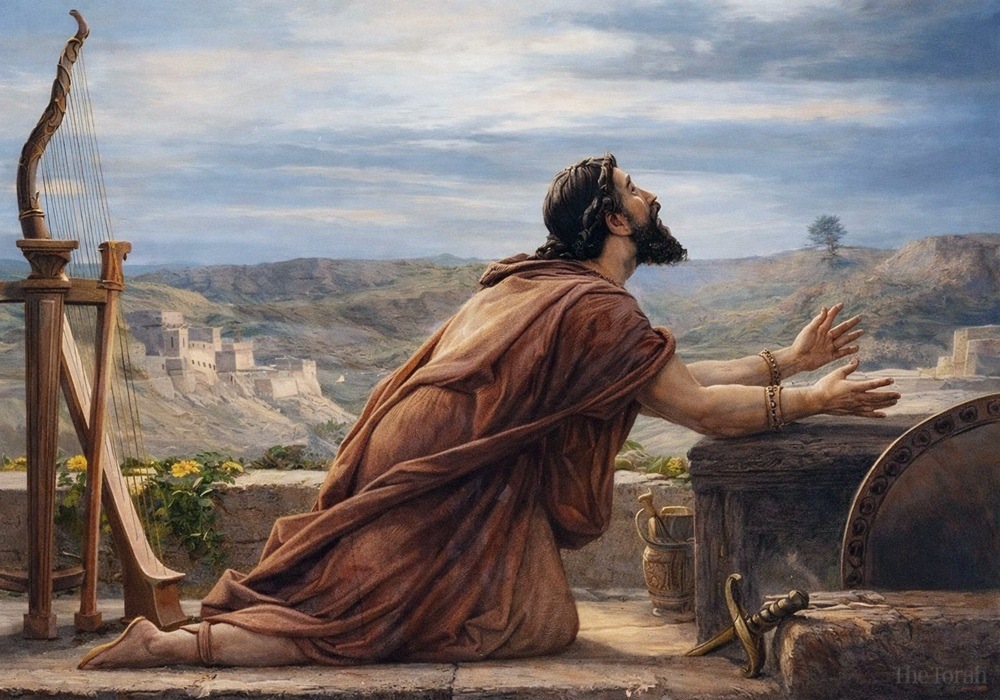
Saul hurls his spear in rage. David refuses to seize it. Two centuries later, David’s spear appears in the Temple at Joash’s coronation. In the ancient Near East, the king’s spear is more than a weapon—it is a symbol of royal authority and judicial responsibility.
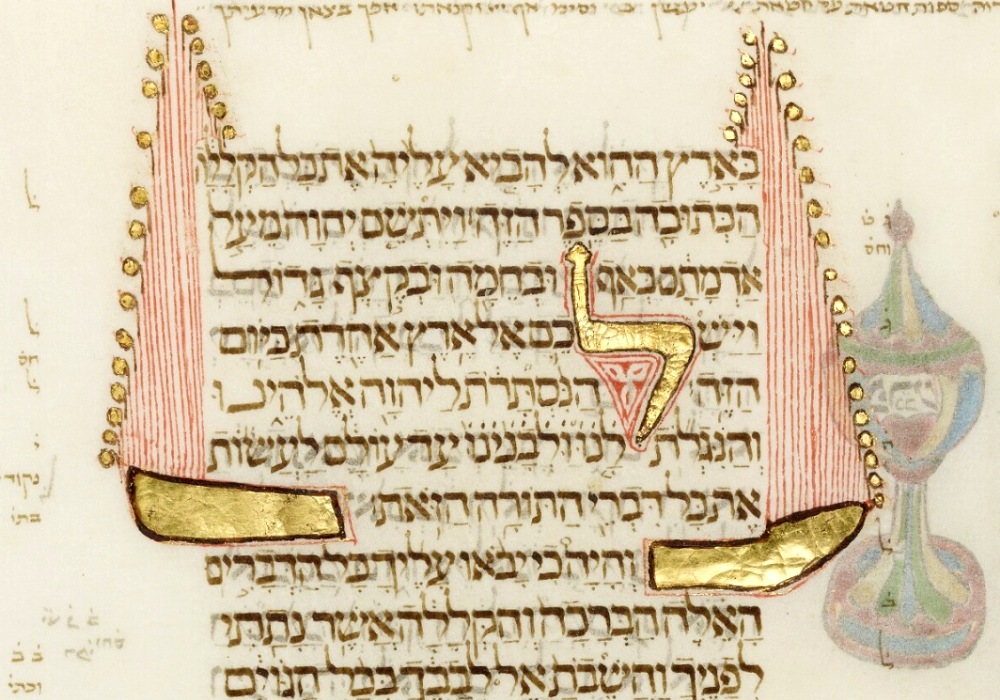
“The hidden matters belong to YHWH our God,” declares Deuteronomy 29:28, “but with overt matters, it is for us and our children ever to apply all the provisions of this Torah.” This verse stands in isolation, prompting mystical speculation about the nature of the “hidden” and “overt” matters… until we realize that the passage has been redacted, and that the verse has been detached from its original context, which explained its meaning clearly.
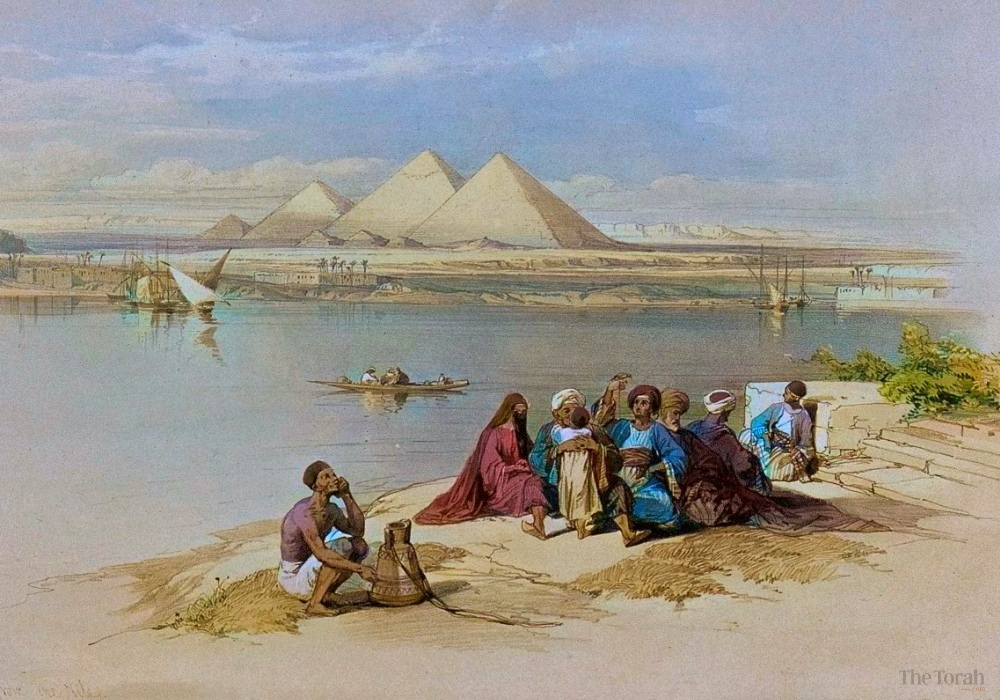
Flowing through desert sands, the river Hapi—the ancient Egyptian name for the Nile and its god—mysteriously overflowed each year, bringing fertility and life to Egypt’s people. The dependability of the Nile made Egypt a source of food during regional famines, though Deuteronomy reassures that Israel has YHWH to rely on for its rain.

In biblical texts, the span of forty days or forty years is rarely a measure of precise time. Instead, it holds symbolic significance, shaping narratives in ways that transcend a literal interpretation.

In the Bible, God’s appearance is a blessing, while God’s hidden face is a punishment. But does that mean we've been punished for millennia? Chasidic masters offer a profound reinterpretation: God’s absence is a divine invitation—calling those who are willing to seek God out, to forge a deeper connection.

Is the prohibition about animal compassion, keeping species separate, or does it hold symbolic and metaphorical meanings? Beyond its surface, the law against “plowing” with an ox and a donkey also conveys a double entendre.

In his Sermon on the Mount, Jesus challenges the talion law of “an eye for an eye and a tooth for a tooth,” instructing his followers to turn the other cheek. While this may be admirable as a personal practice, society requires a policy for protecting its people. Positioned between the extremes of total annihilation of the enemy and passive acceptance of aggression, the principle of talion law advocates for measured justice.
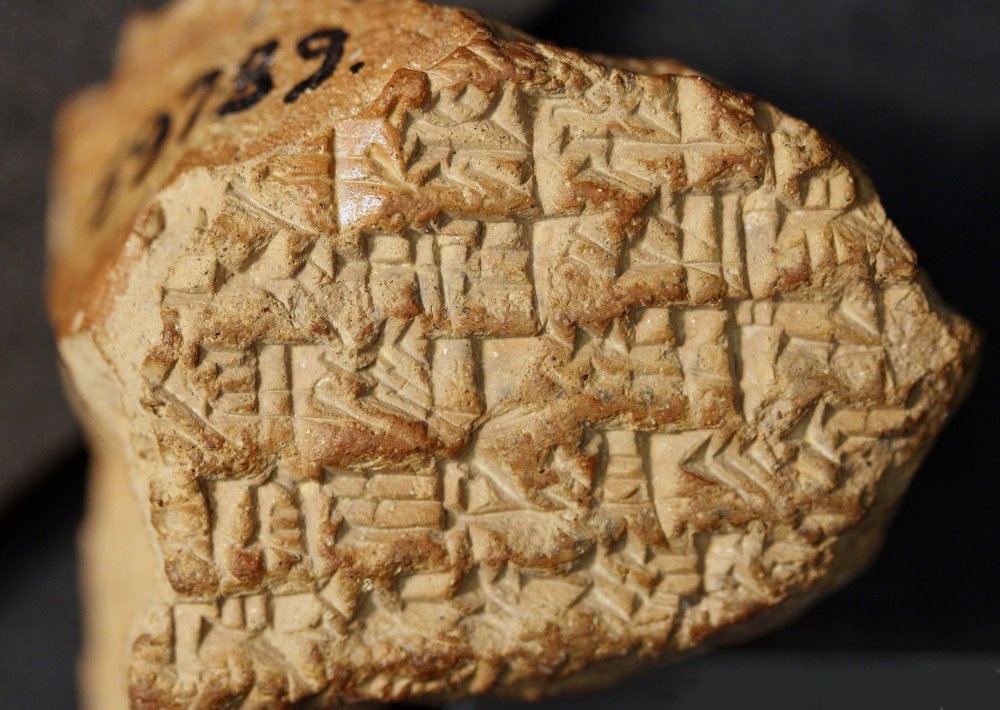
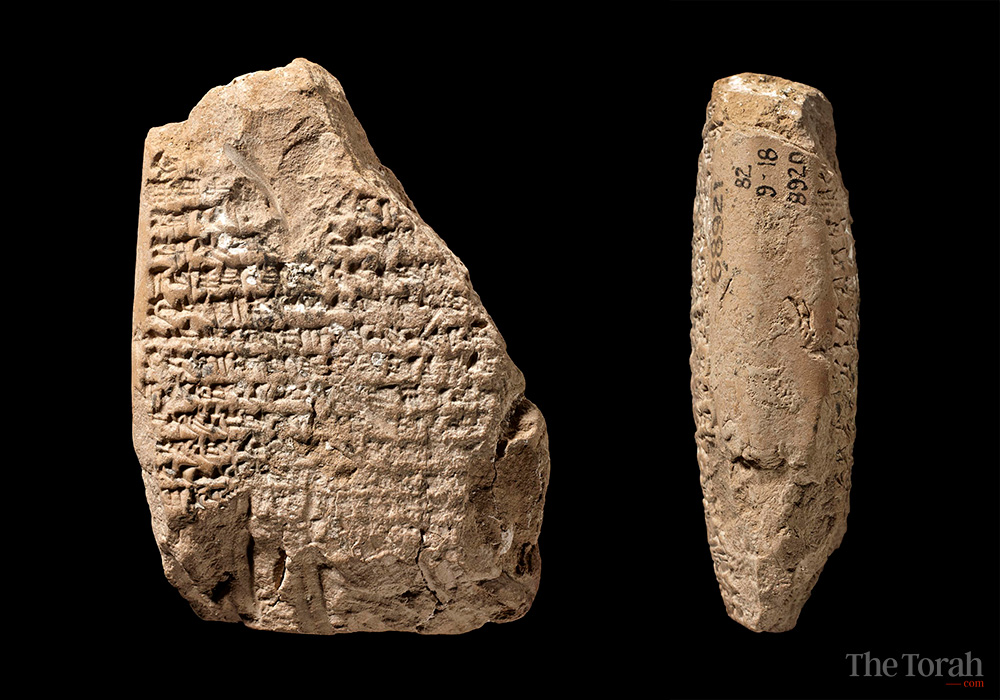
The creative exegetical methods of reading texts both literally and non-literally are not limited to the interpretation of the Bible. Commentaries on ancient cuneiform literature from Mesopotamia have been found dating all the way back to the end of the 8th century B.C.E.
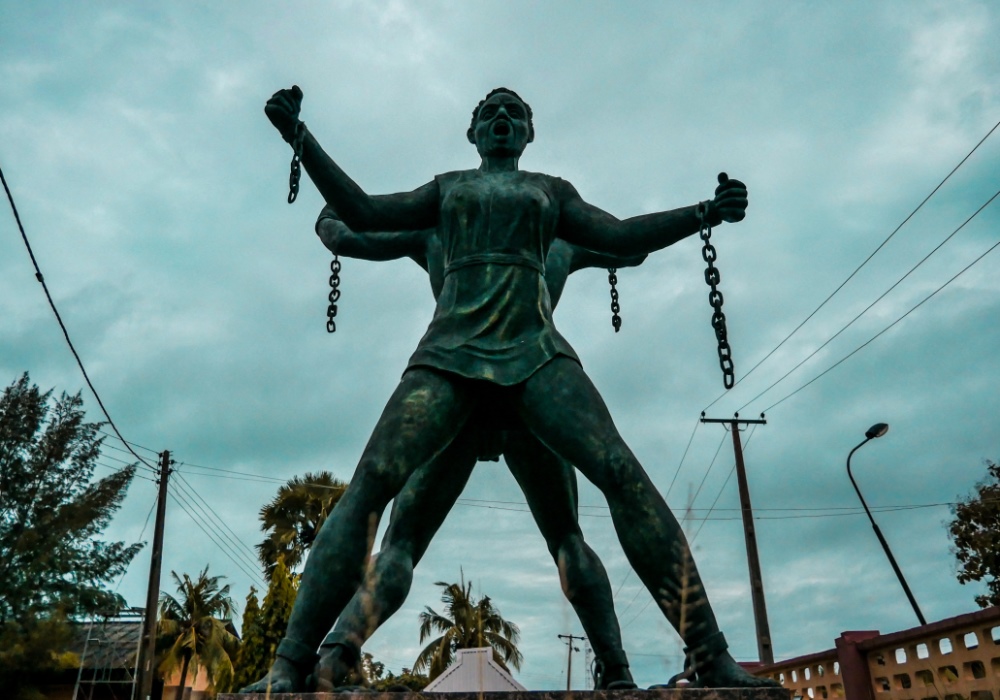
A unique law in its ancient Near Eastern context, commentators such as ibn Ezra, Maimonides, and Calvin, living in a world of normative slavery, debated its reason, and whether it was theological or ethical.
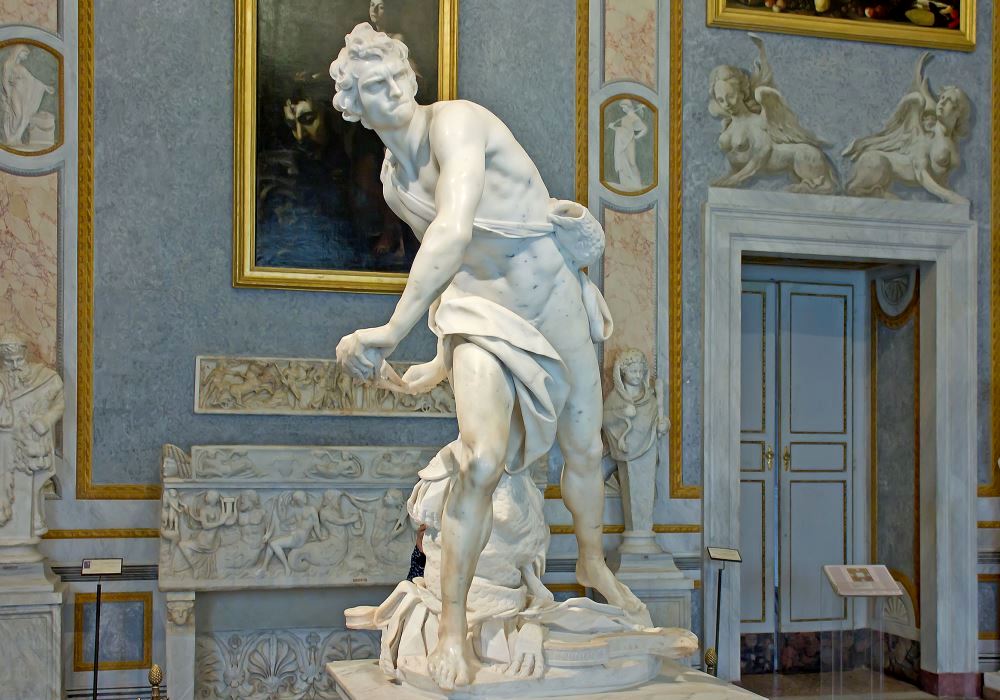
The version of the story of David’s triumph over Goliath (1 Samuel 17–18) in the Septuagint (LXX) is missing many details present in the Masoretic Text (MT). The explanations provided by the Addition and Omission Hypotheses do not fully account for the differences. Taking into account how ancient scrolls were written and repaired offers a new approach.
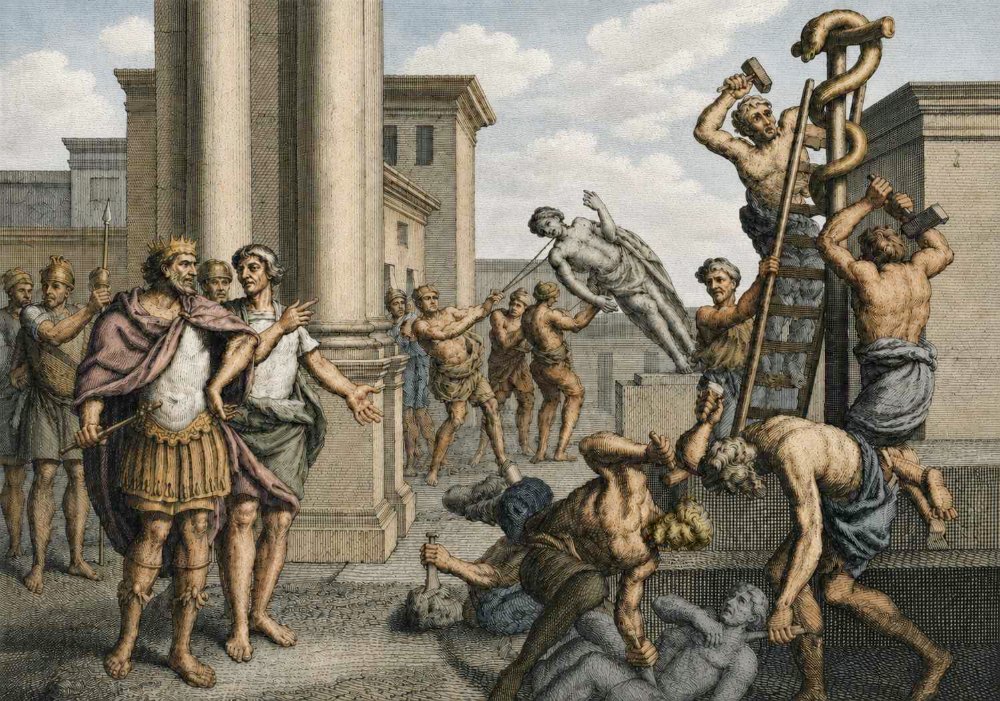
2 Kings 18:4 describes Hezekiah as having abolished the bamot, worship sites outside Jerusalem. Archaeologists have discovered decommissioned temples and altars from this period in Lachish, Beersheba, and Arad. What do these findings really tell us?
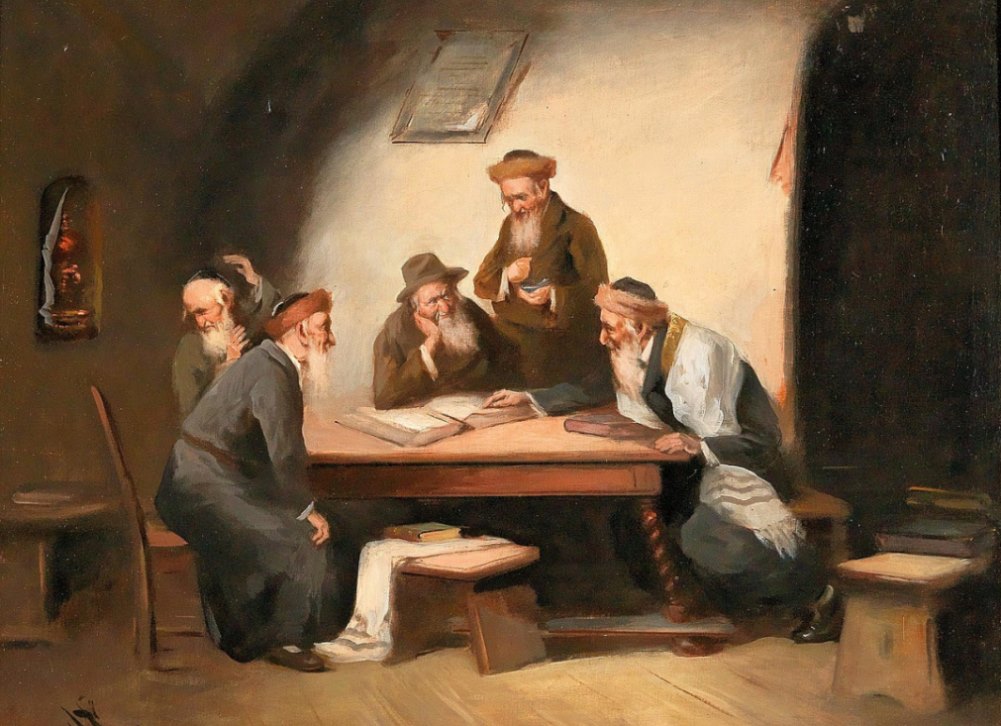
In the famous story of the Oven of Akhnai, Rabbi Eliezer makes recourse to divine revelation to defend his legal ruling. Rabbi Joshua responds that “the Torah is not in heaven” and God has no say. Elsewhere in the Talmud, however, heavenly voices are considered authoritative, a view which aligns with that of the Qumran sect, which believed God continues to reveal secret details of Torah laws.
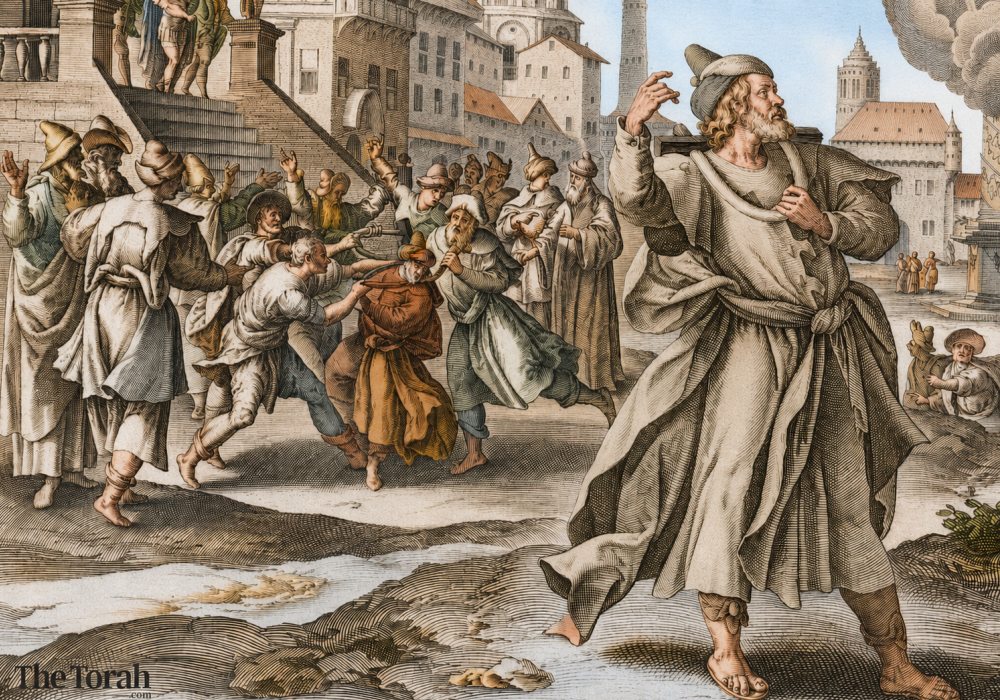
Jeremiah urges Judah to submit to Babylon while Hananiah claims that Babylon will soon fall. Both use the same prophetic tropes to convince their listeners. Maimonides reads this story as a blueprint for distinguishing true prophets from false ones.

In the Bible, Tubal-cain is the inventor metallurgy, the Canaanites fight with iron chariots, and the Philistines control iron usage. What does archaeology tell us about when and how iron was introduced into the Levant?

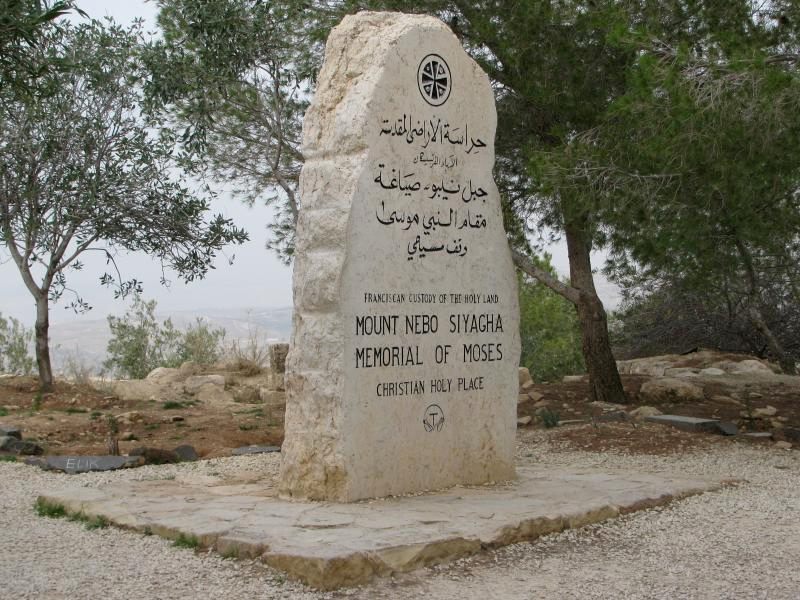
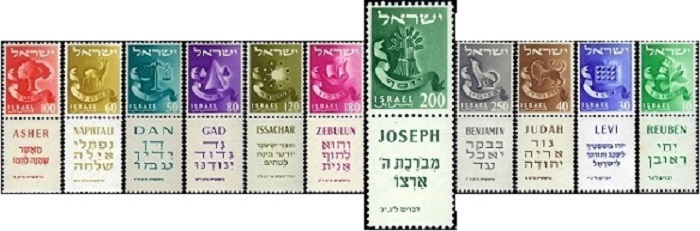
YHWH comes from the south to be enthroned by the tribes of Israel in Ashdot-hapisgah (Deuteronomy 33:2), a later name for the city of Nebo. The Mesha Stele documents the presence of a YHWH worship site, whose hieros logos is tied to the tomb of Moses, the “plot of the lawgiver” (v. 21) located in the territory of Gad.
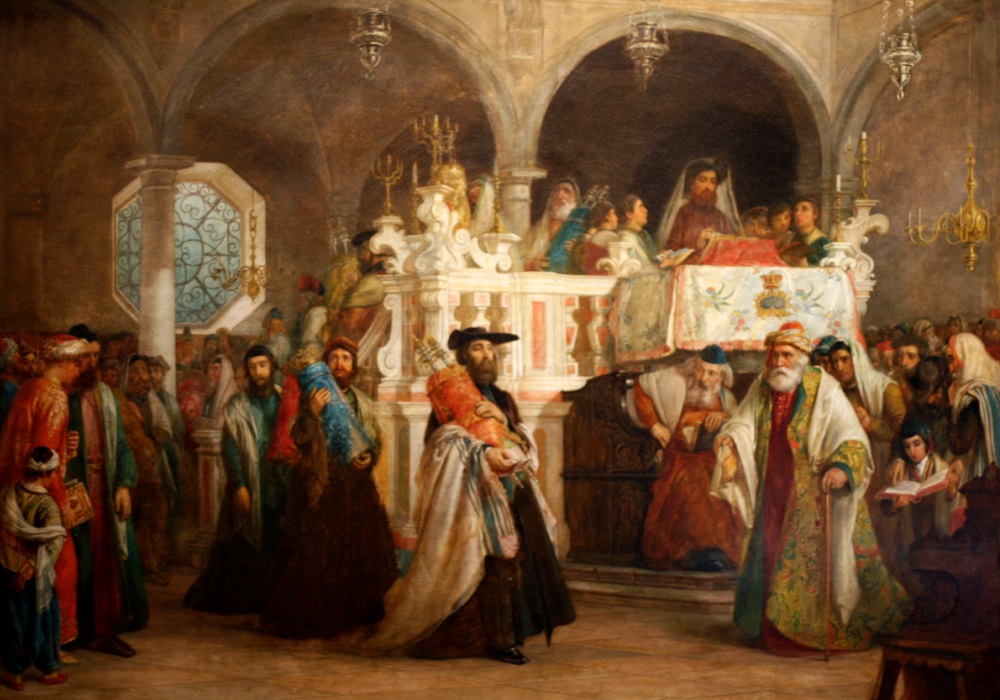
In Deuteronomy, YHWH chooses Israel to be his holy (kadosh) and treasured (segulah) people. What does this mean in its original context, and can it be reconciled with contemporary universalist notions?
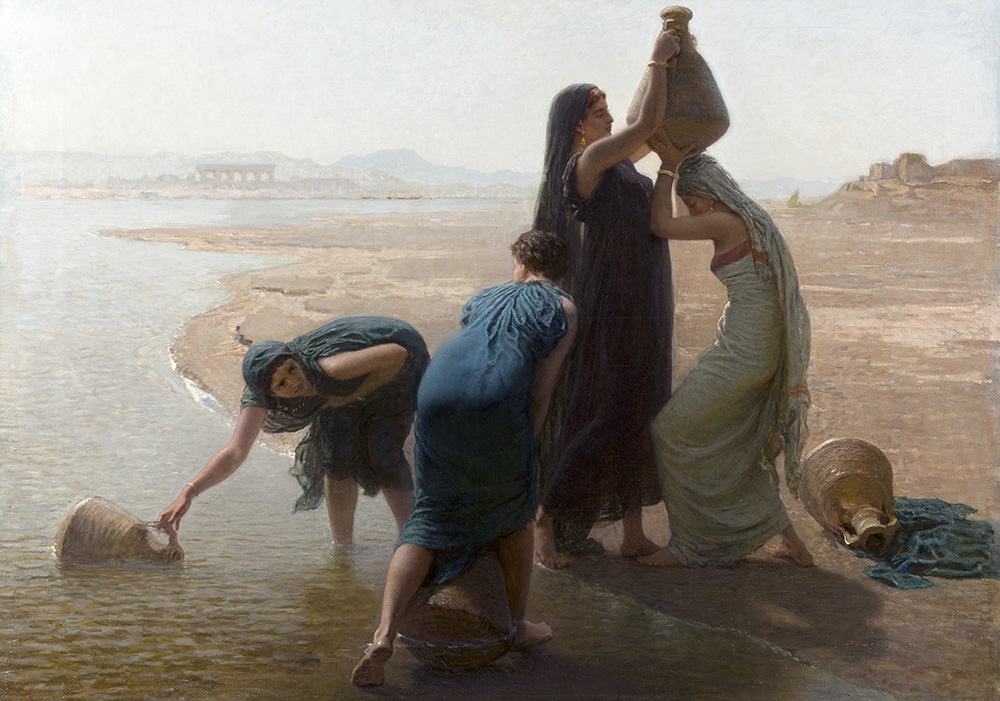
Moses extends the covenant to all of Israel, “from the hewer of your wood to the drawer of your water” (Deuteronomy 29). The midrash connects this group with the Gibeonites of Joshua 9, creating an anachronism which later rabbinic commentators try to resolve.
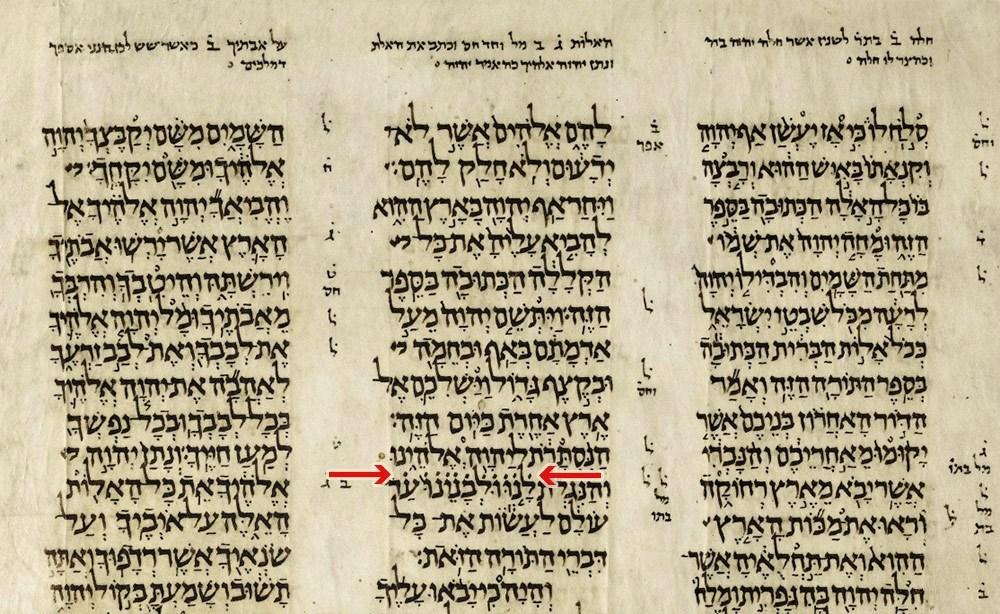
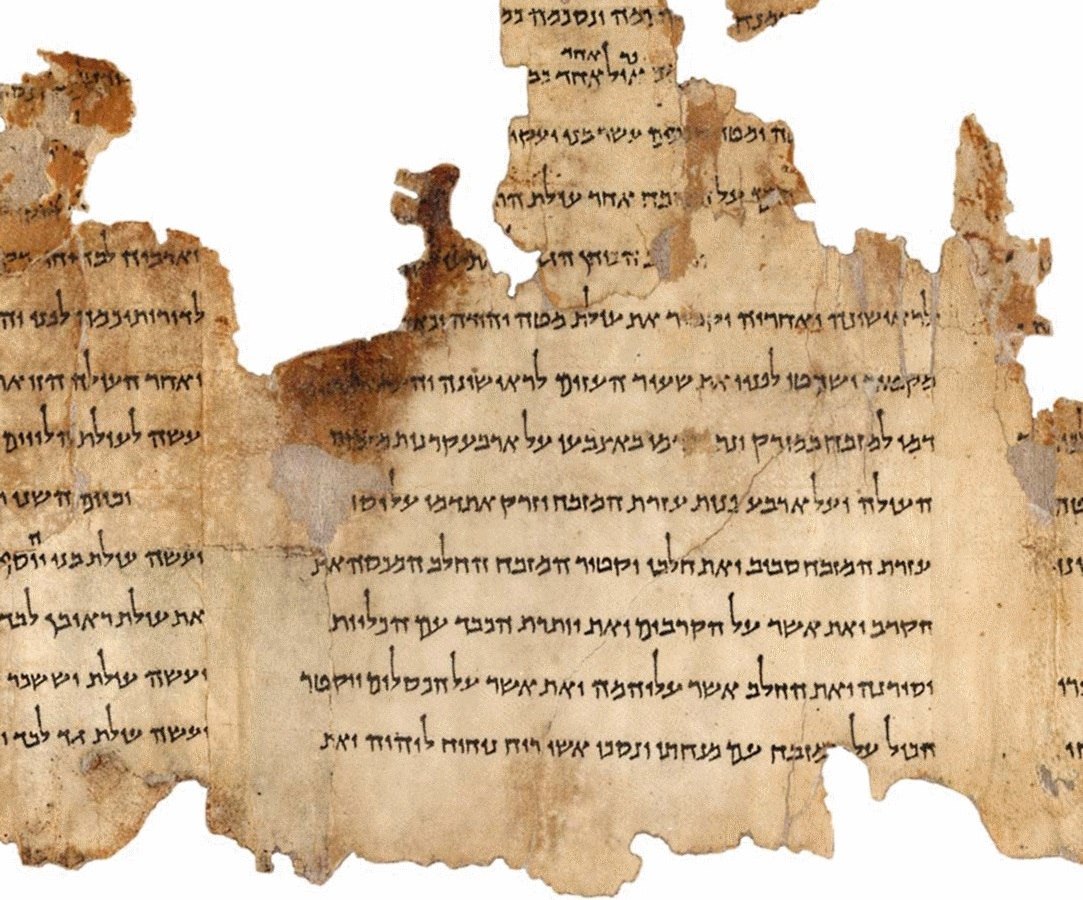
“The secret things belong unto YHWH our God; but the things that are revealed belong unto us and to our children forever”—the verse has eleven dotted letters indicating erasure marks, but why? The answer lies in a controversial interpretation found in the Dead Sea Scrolls.

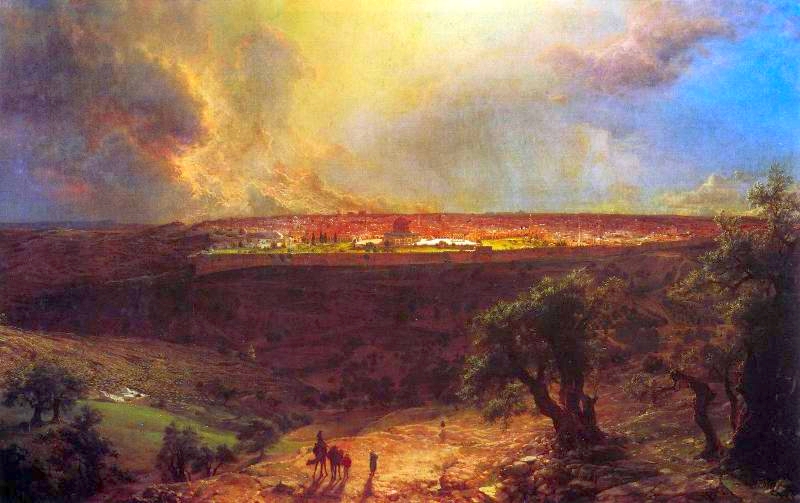
This is the place of My throne and the place for the soles of My feet... Ezekiel 43:7

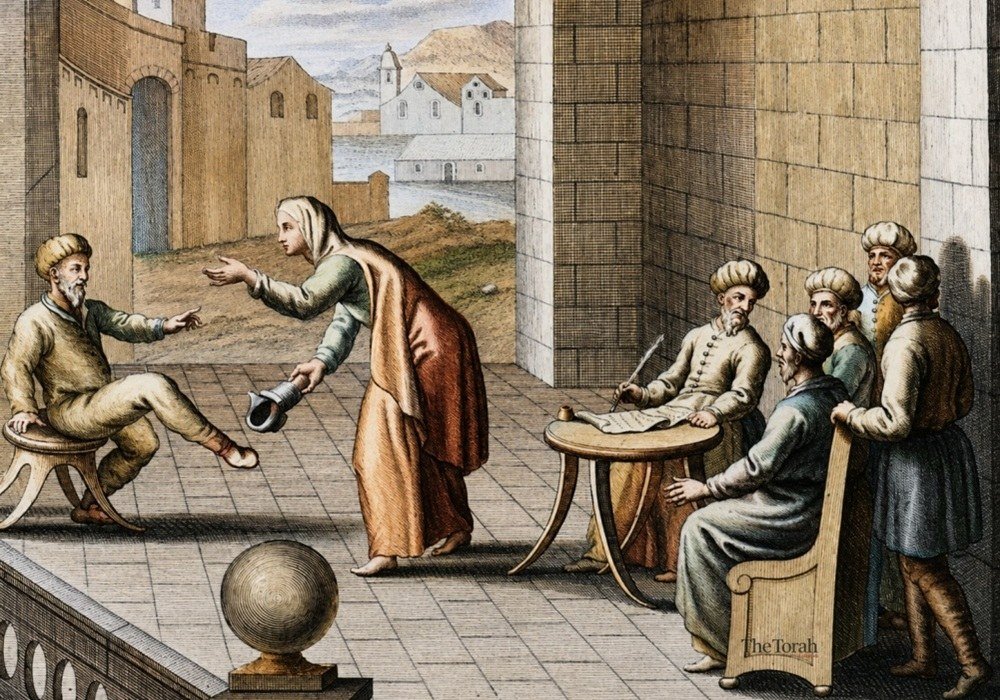
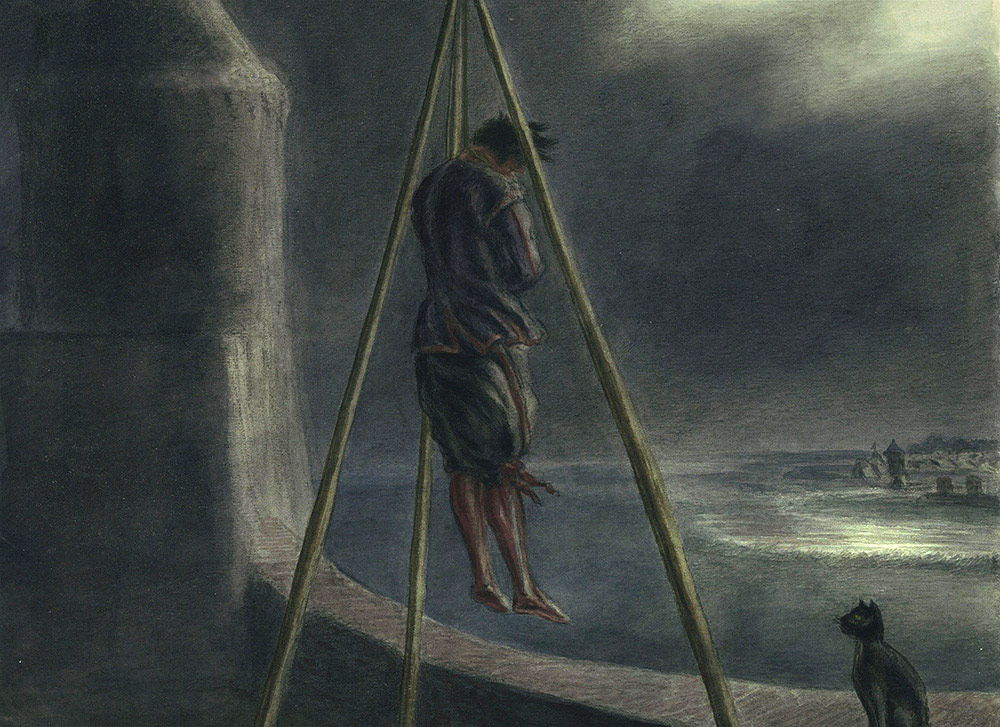
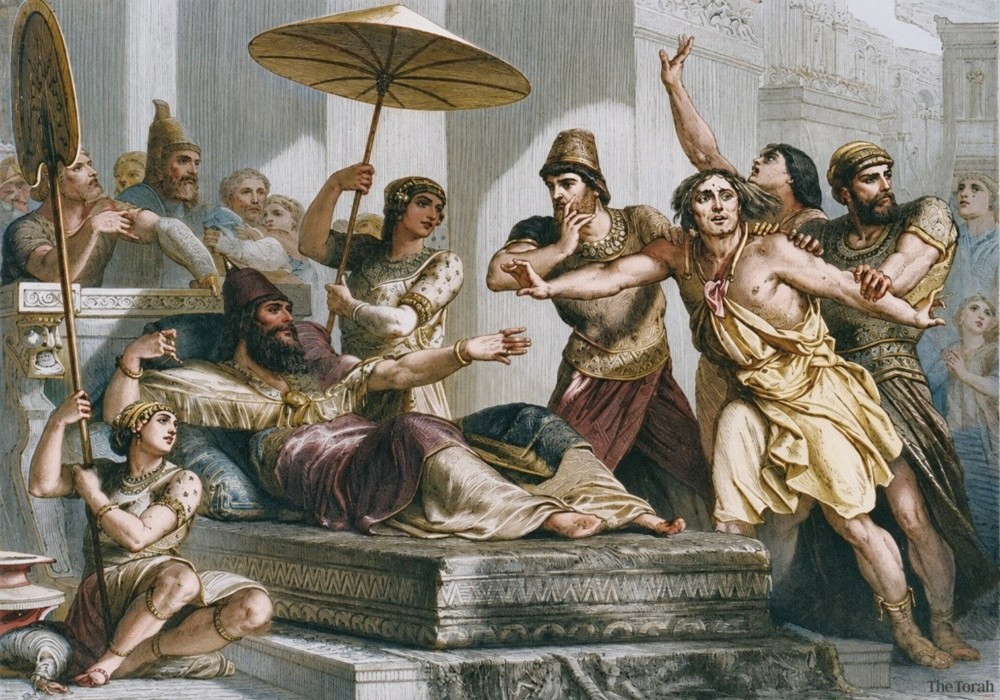
A wife who intervenes in a fight to save her husband by grabbing his opponent’s testicles is punished by having her hand cut off (Deut 25:11–12). What is the nature of her offense? Why isn’t her intent to save her husband a mitigating factor? What is the relationship between the punishment and the crime?
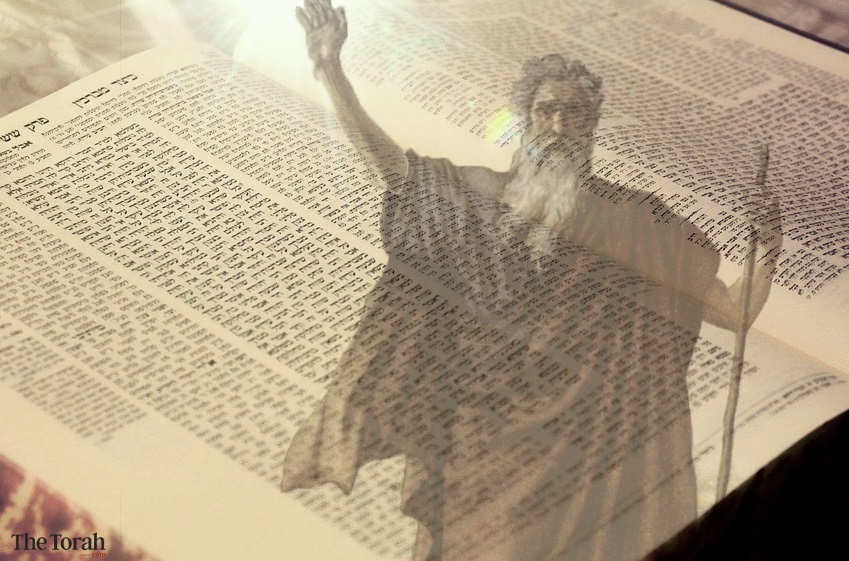
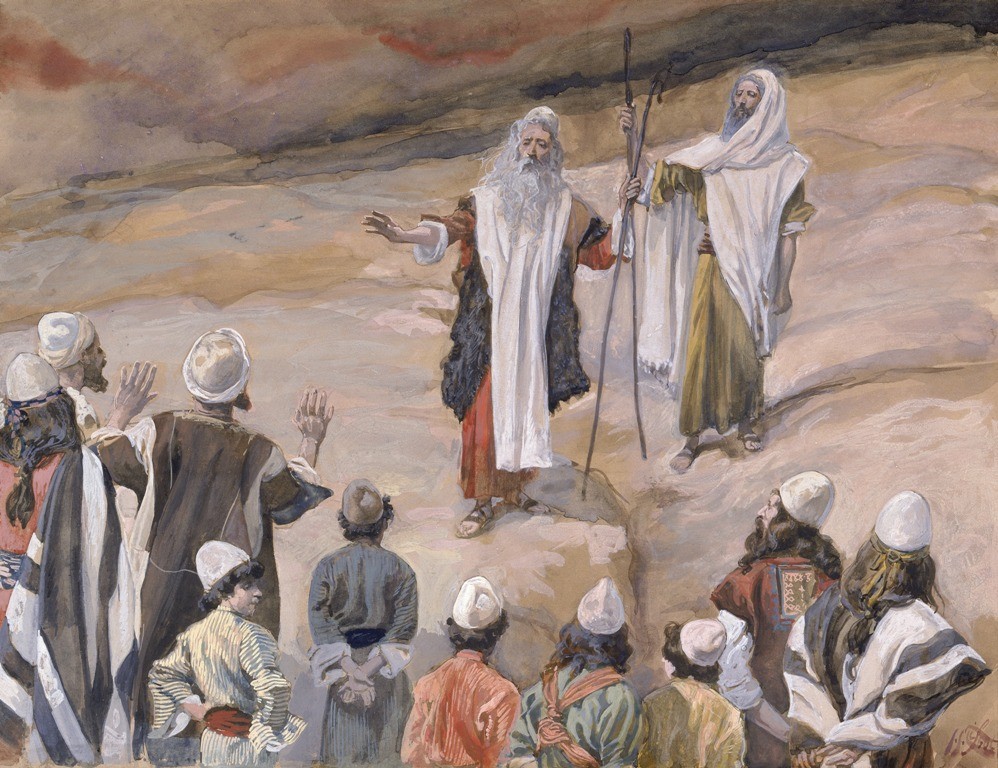
Deuteronomy promises the Israelites that God will continue sending prophets “like Moses.” But if the Torah’s legislation cannot be adjusted, what is the role of later prophets? And how can all the changes to Torah law made by the rabbis be justified?

Ahab’s 400 court prophets all assure him that he will defeat Aram, but the prophet Micaiah tells him that these prophets are being enticed by a lying spirit, sent by YHWH himself, for the purpose of destroying Ahab. If Ahab had been willing to face his own position vis-a-vis God honestly, he would have known who was telling the truth.
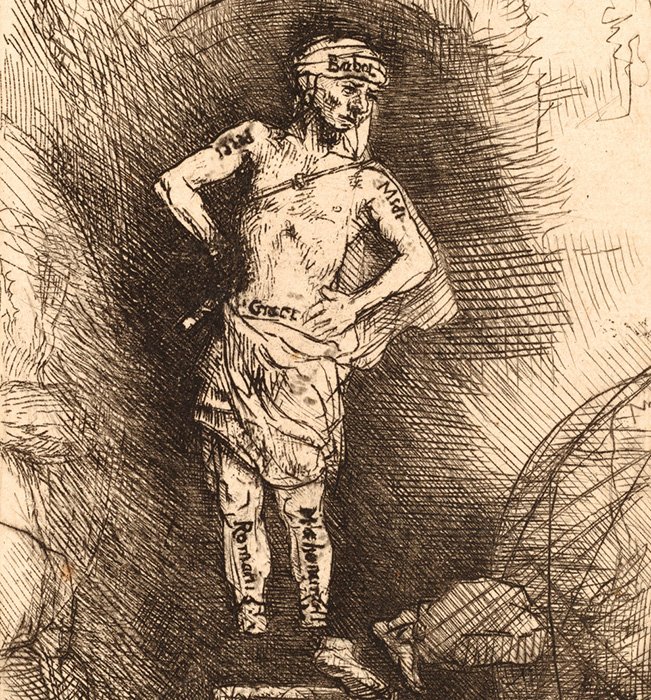
Nebuchadnezzar’s dream of a statue made of four metals in Daniel 2 was composed using Persian and Greek historiographic imagery. The crushing of the statue by a stone mountain alludes to the story of the golden calf, and is a message of hope to the Judeans that God will eventually crush their Greek oppressors.

“Comfort, oh comfort My people, says your God,” נַחֲמוּ נַחֲמוּ עַמִּי יֹאמַר אֱלֹהֵיכֶם. Thus begins the prologue to Deutero-Isaiah (40:1–11), a passage containing four speech fragments haunted by the past but offering a message of comfort and hope.
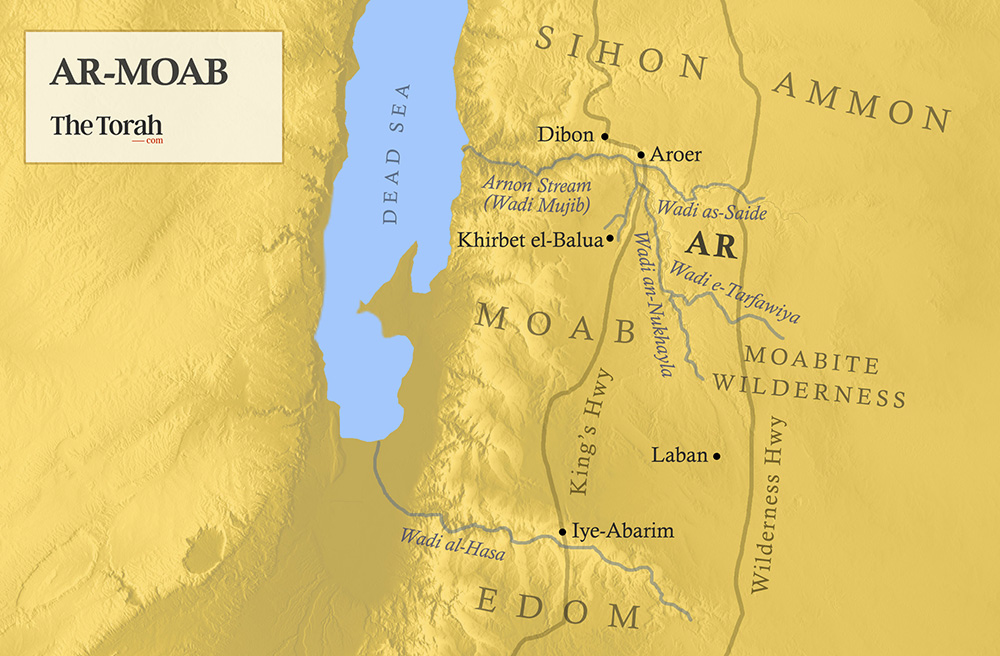
The Israelites travel to the east of Moab, through the wilderness, specifically to avoid encountering them. And yet, we are told that they travel through Ar-Moab, and even buy food and water from the locals. Do they walk through Moabite territory or not?
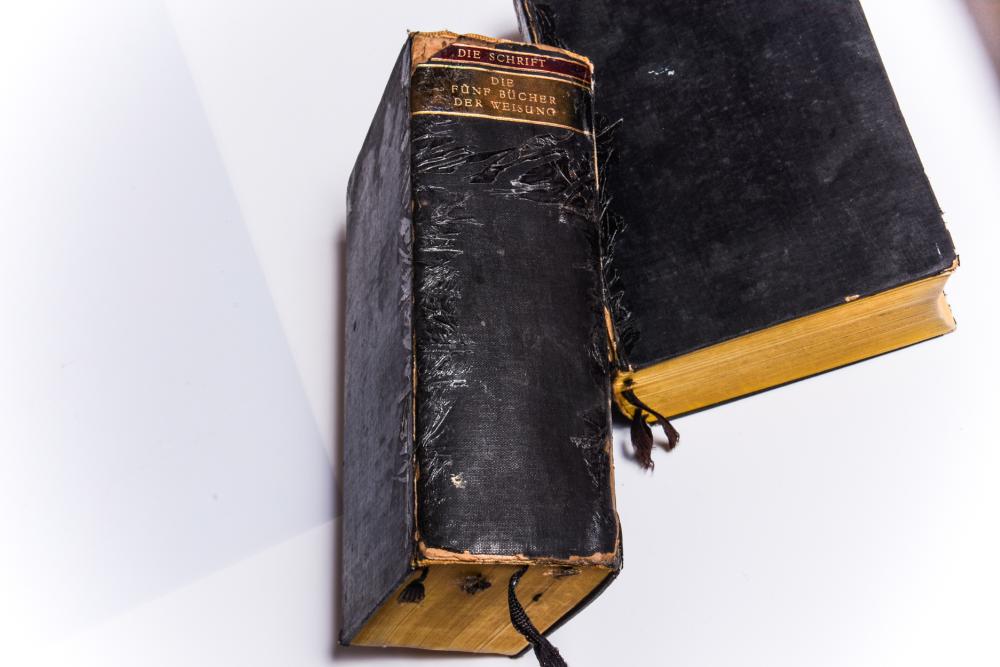
Martin Buber and Franz Rosenzweig's translation of the Bible strictly adheres to the text's wording and structure. The eminent thinkers sought to let German readers experience the resonance of the Bible's Hebrew and to capture its primordial meaning. Their rendition of Haazinu presents a provocative interpretation of the bond between God, Israel and its land as both universal and singular.
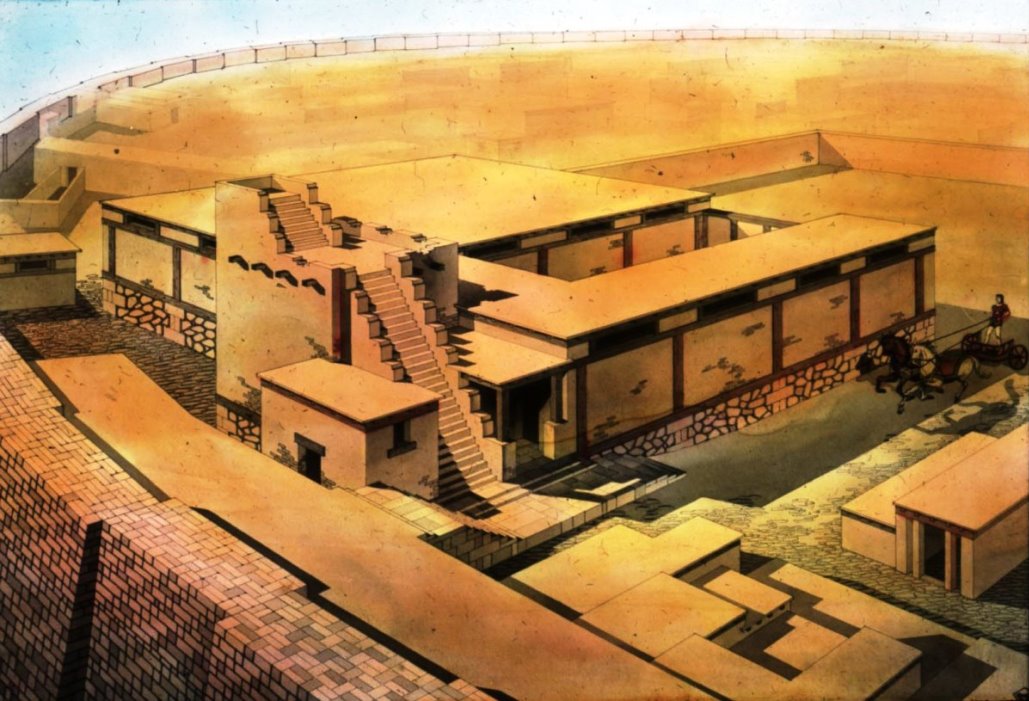
Megiddo was a major Israelite city that was transformed into a horse training center, with large stables and arenas where the palaces once stood. Scholars once attributed these stables to Solomon, but they are actually from the 8th century B.C.E., built by Jeroboam II to provide war horses to the Assyrian Empire.
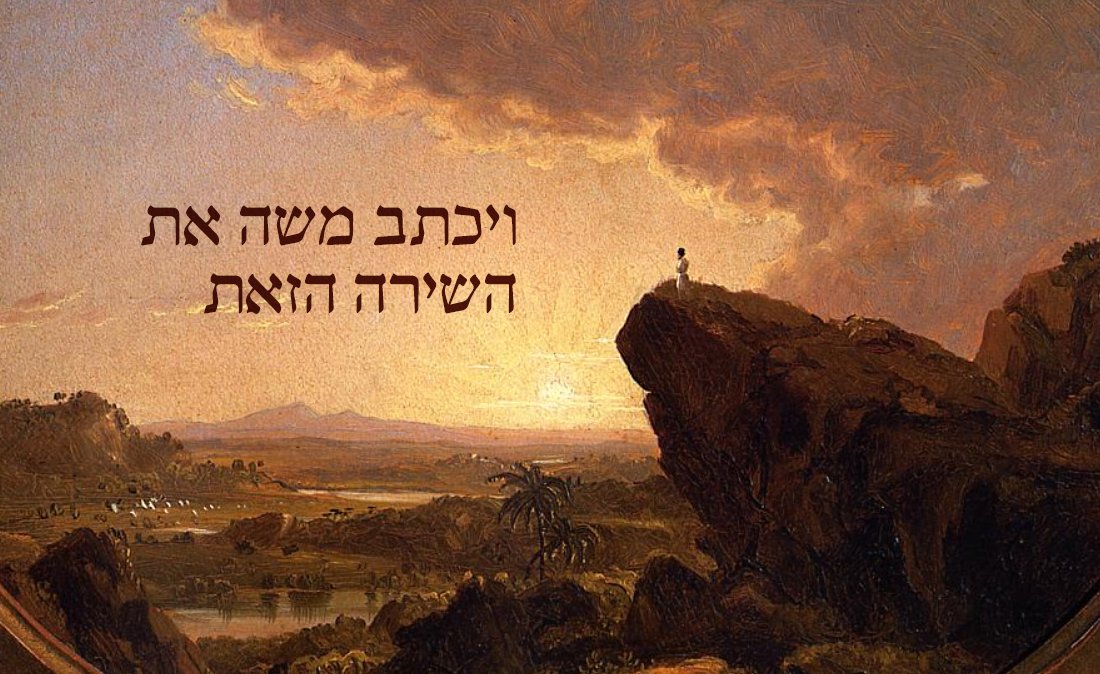
It seems obvious that the song referred to in God’s speech in Deuteronomy 31 is Ha’azinu, though some verses in this chapter imply that it might be the Torah itself. A redaction critical look at God’s speech suggests that neither of these was the original referent.

A man with two wives is required to recognize the birthright of his firstborn son, even if his mother is the less favored wife (Deuteronomy 21:15-17). This law is intertextually linked to Jacob’s giving Reuben’s firstborn rights to Joseph in Genesis, but it can also be read as a response to Abraham’s disinheriting Ishmael in favor of his younger son, Isaac.

The agricultural allocations for the poor outlined in Leviticus and Deuteronomy are a series of negative commandments, in which God forbids Israelite householders from gathering some of their produce and requires them to leave it for the poor. The rabbis took these laws a step further, granting the poor property rights over the allocations even before they are gathered.

Copper has been mined in the Timna Valley since the 5th millennium B.C.E. Recent excavations reveal that activity in the region peaked in the 10th century B.C.E., during the kingdom of Edom. But did the Edomites control this lucrative copper industry, or was it dominated by the Israelite kingdom of David and Solomon?
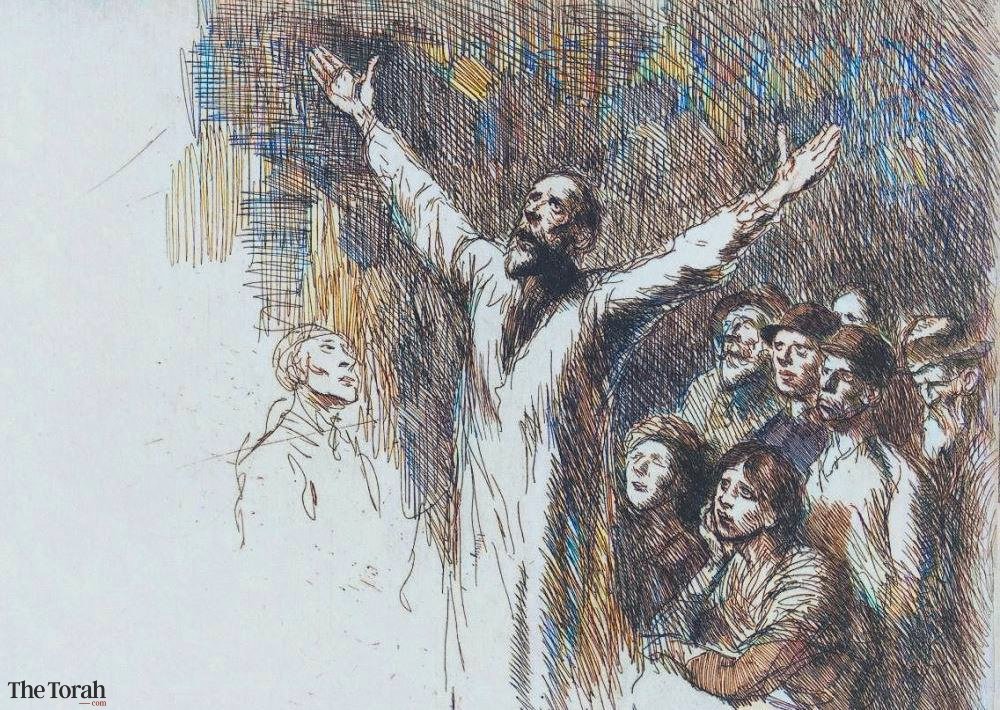
According to Deuteronomy, a false prophet who has no message from God, and advocates worshiping other gods, can still successfully perform miracles and predict the future.
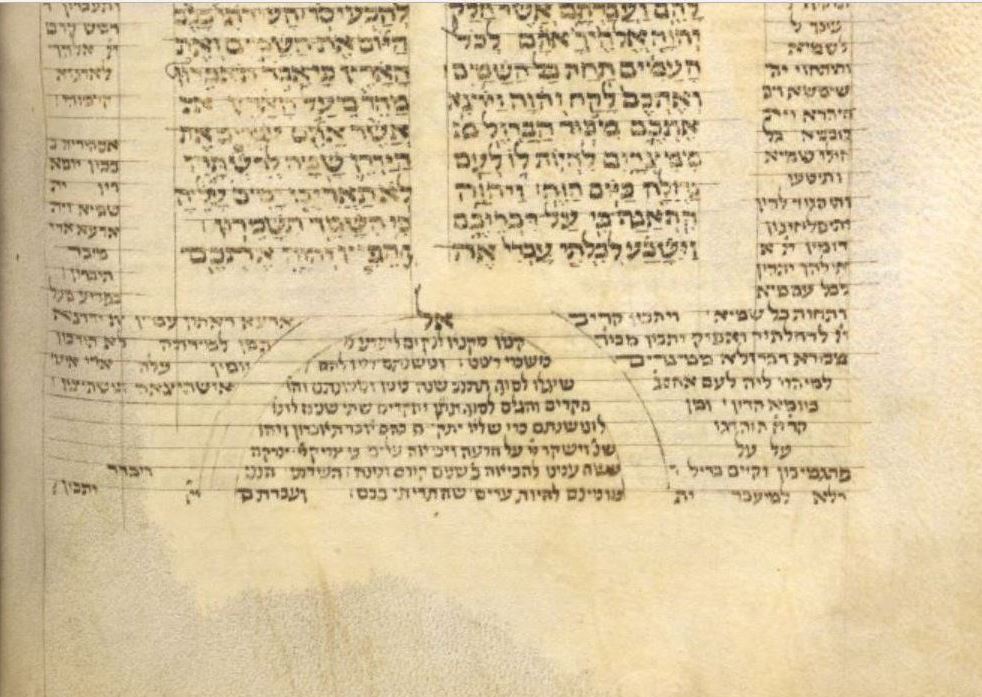
Moses promises that if Israel forsakes the covenant, God will destroy them permanently (Deut 4:25-26). Drawing on a midrash, Rashi explains that God exiled Israel early to avoid having to wipe them out; thus, God never actualized this threat. Considering Rashi’s responses to Christian ideas in other biblical texts, Rashi's comment on Deut 4:25 may well be an apologetic effort to prove that God’s covenant with the Jews remains intact.

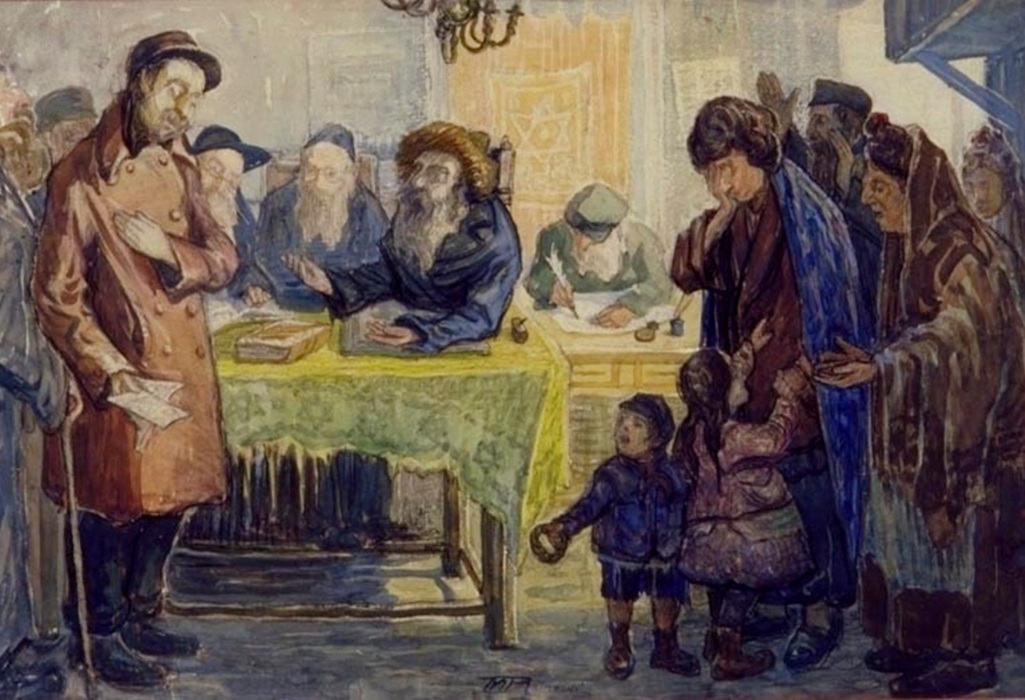
The Torah prohibits lending to poor people with interest. Why did Jewish law include business loans and how did this effect the law’s original purpose?

My relationship with Torah began with the romance of mysticism but then gave way to skepticism and disillusionment. To my surprise, it was academic scholarship of the Torah that brought back the spark and helped foster a deeper, more mature relationship.
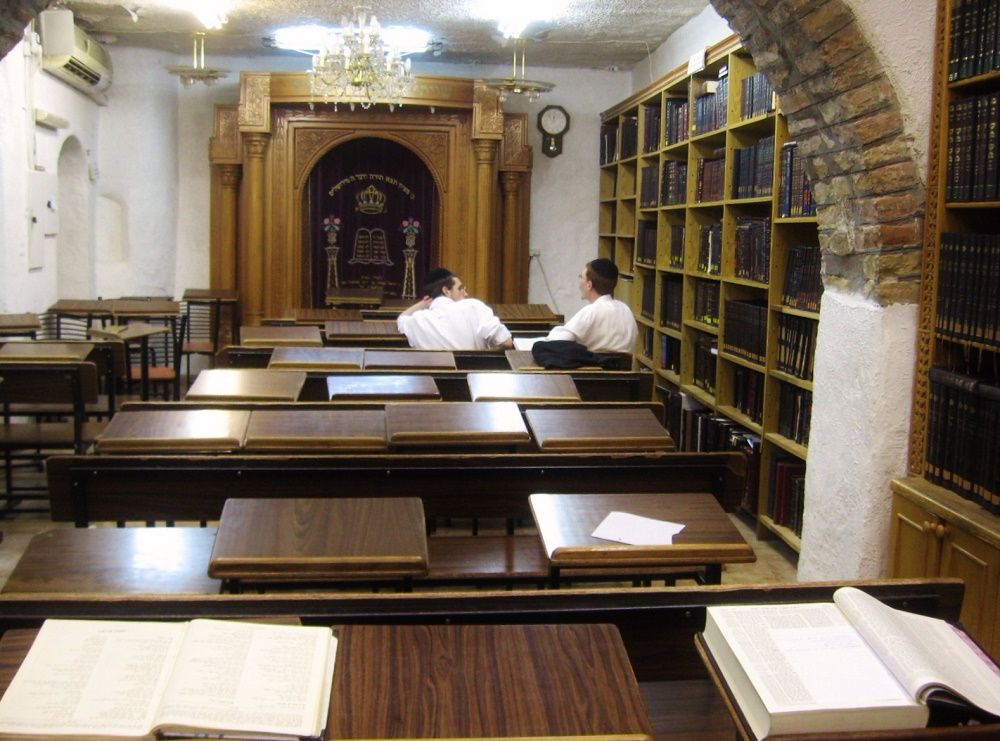
Moses and R. Judah HaNasi implore: “I would be most grateful if you would maintain the Torah after me.”
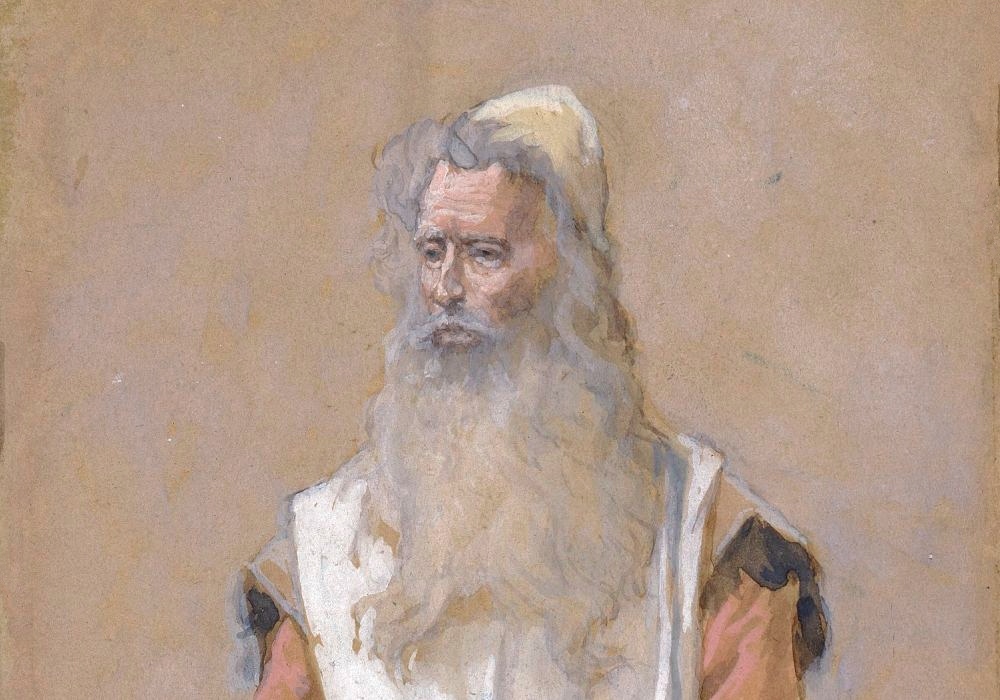
Deuteronomy introduces the possibility of future Moses-like prophets who will continue to instruct the Israelites how to follow YHWH’s commandments. At the same time, it makes the existence of such a prophet virtually impossible.
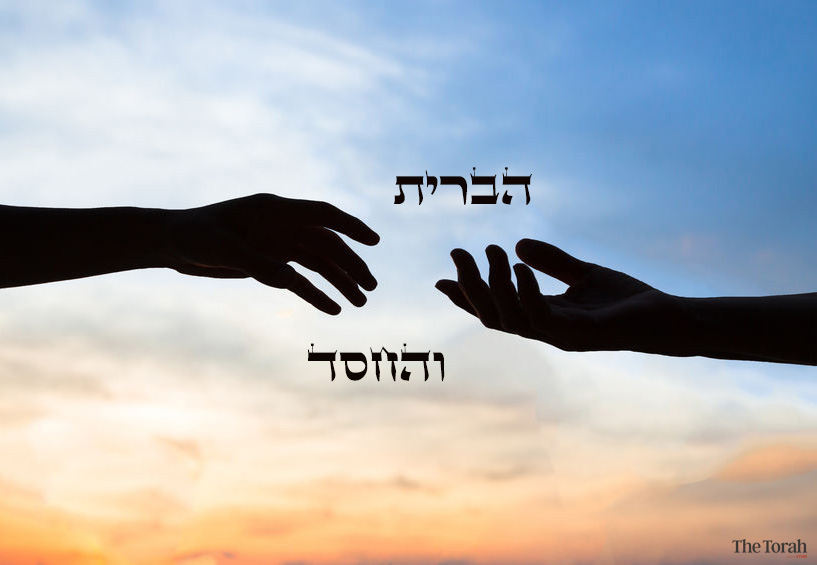
Today chesed is understood as an altruistic act of kindness. In the Bible, chesed and the parallel term noam refer to a covenantal arrangement between a powerful person or deity and their subject(s).
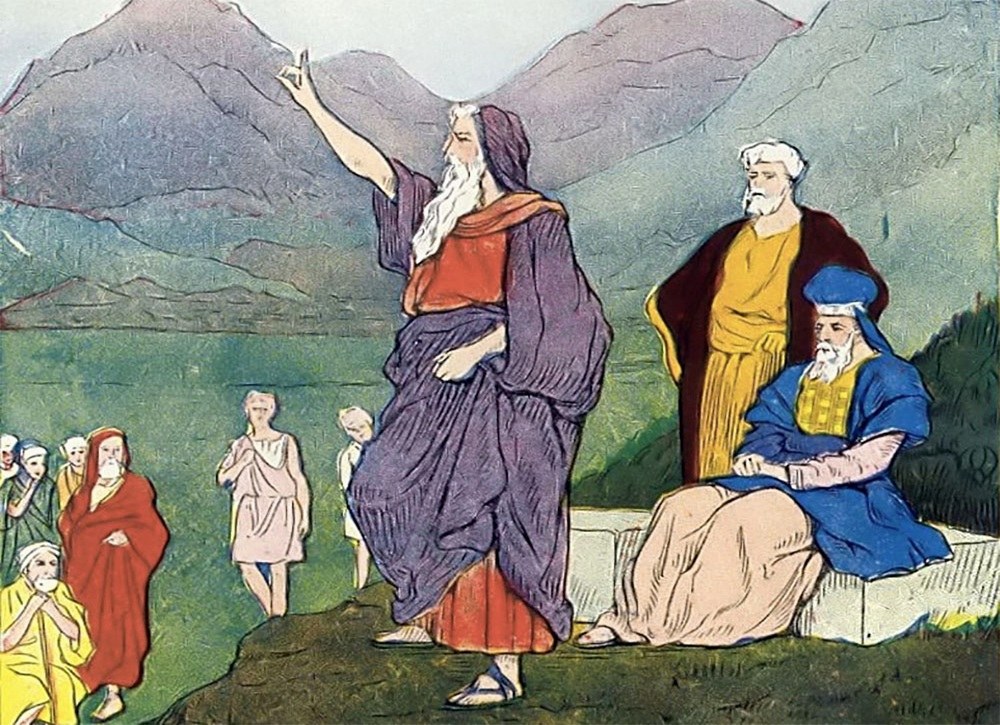
Evaluating Deuteronomy’s angst about Israel’s future in light of the story of Ahiqar and modern educational research into student resistance.
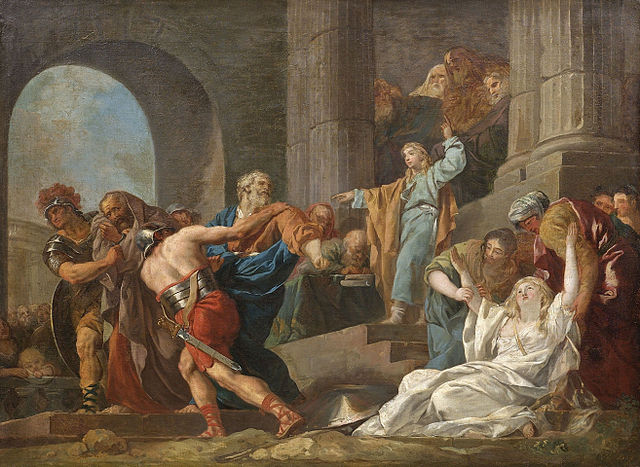
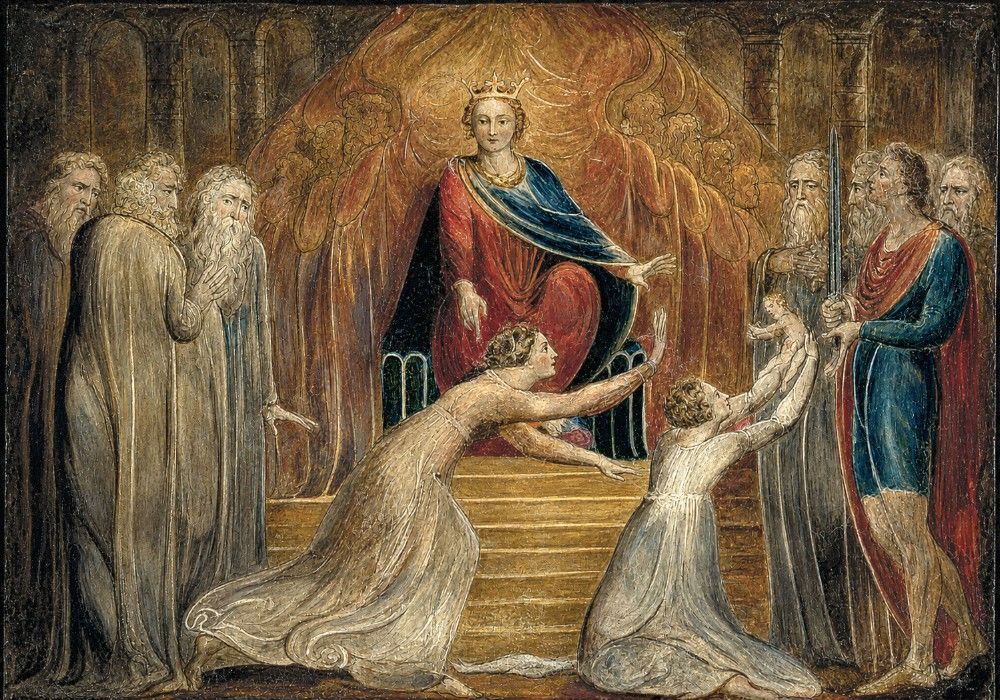
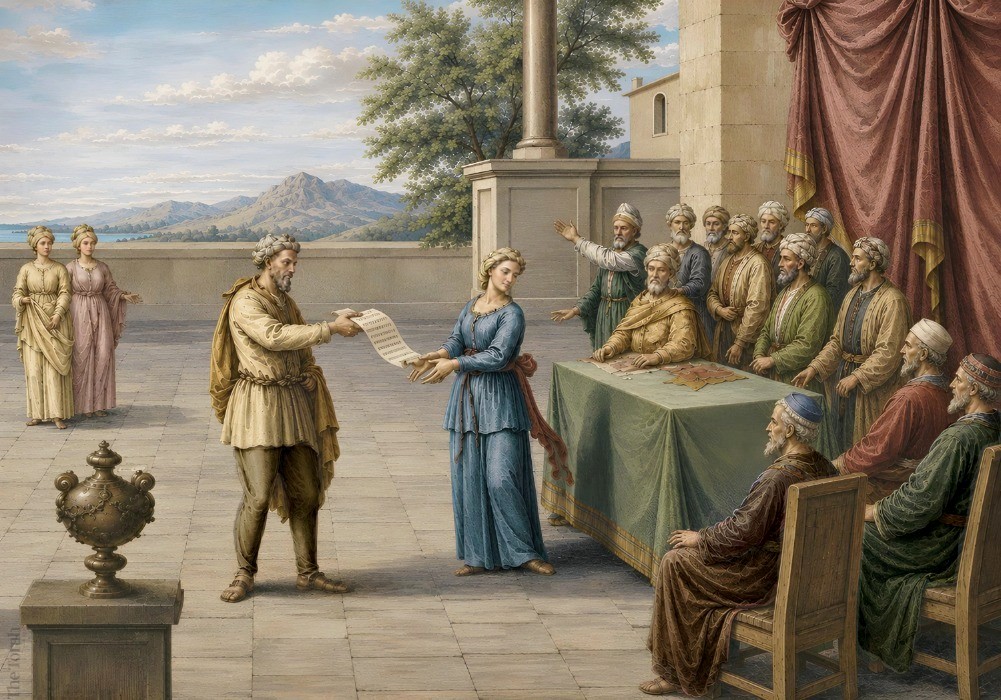
A Second Temple story of how Daniel used his knowledge of Torah to save a righteous woman from wicked judges who falsely accused her of adultery.

And the challenges of putting it into practice.
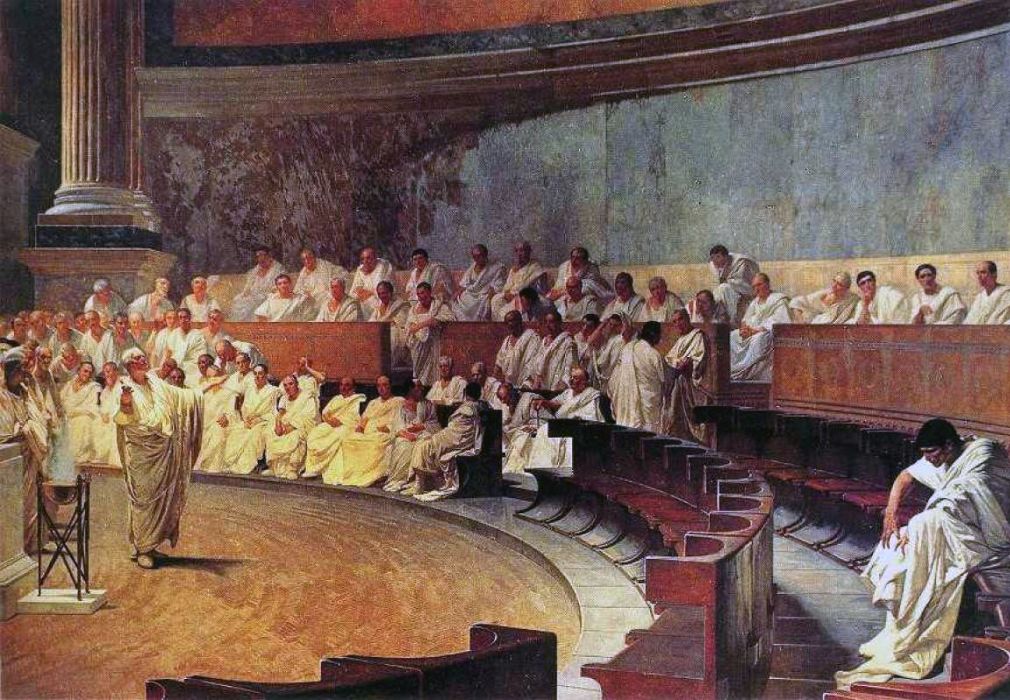
Deuteronomy prohibits certain groups from “enter[ing] the assembly of YHWH,” לא יבואו בקהל י־הוה, which likely reflects a ban on citizenship. Nevertheless, the oldest and most commonly known explanation for the term is as a prohibition against marriage, an interpretation already found in Kings and Ezra-Nehemiah.

The original laws of the slandering husband (מוציא שם רע) and the Sotah woman accused of adultery—both take one party’s guilt as a given. Each of these laws was subsequently redacted in a way that eliminated the automatic assumption of guilt.
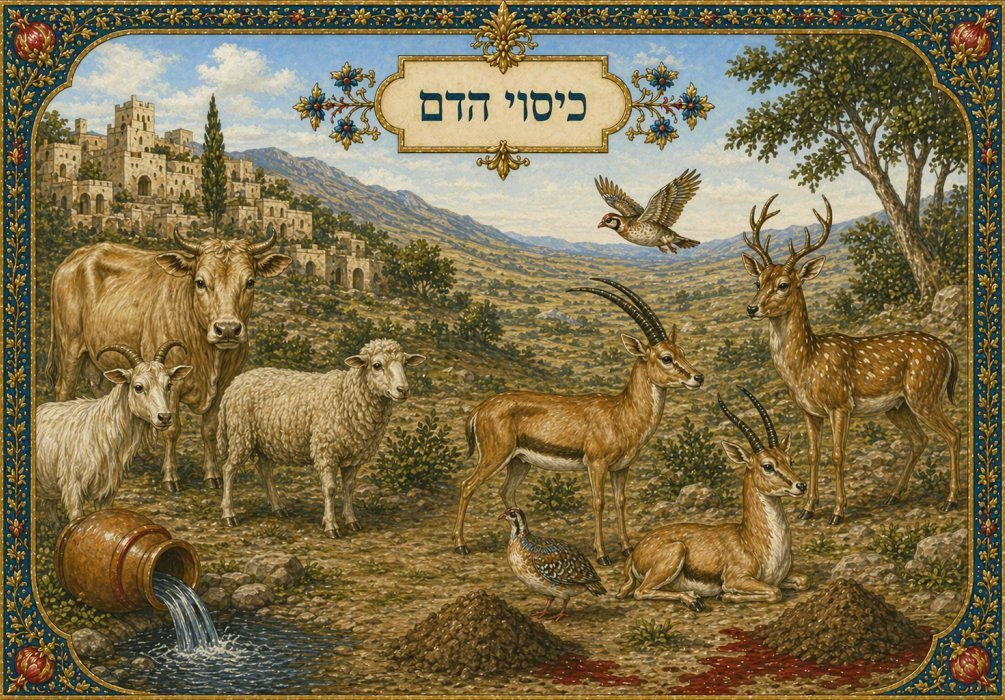
Leviticus (17:13) requires covering the blood of undomesticated animals; Deuteronomy (12:15) requires pouring out the blood of slaughtered domesticated animals onto the ground. How do these laws reconcile with each other? The sectarians in Qumran have one answer, the rabbis another, the academics a third.
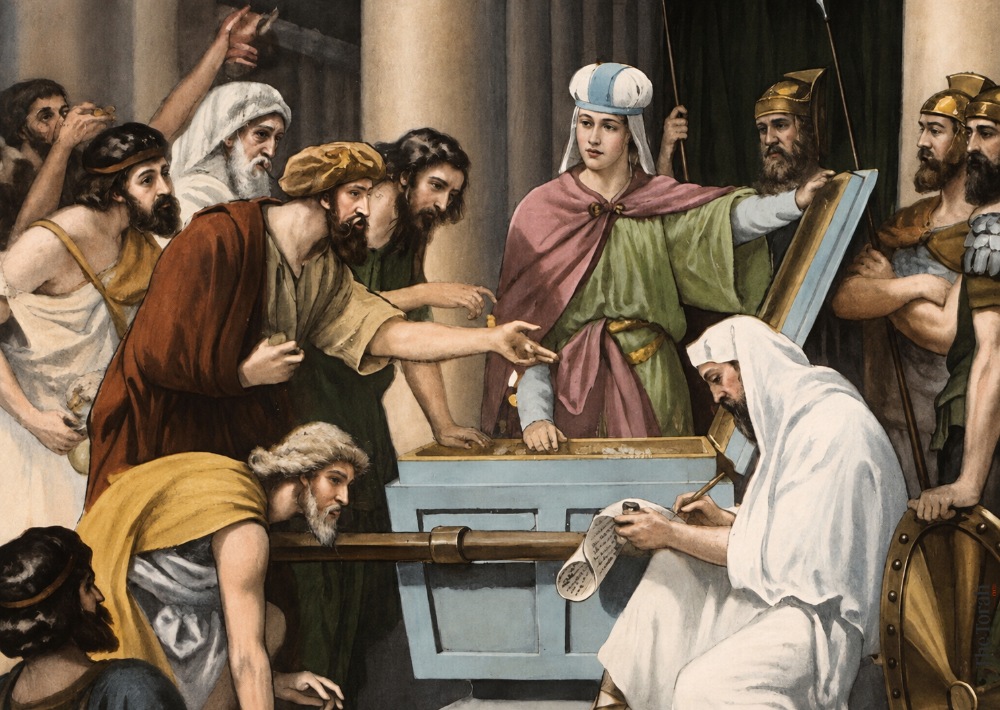
In Leviticus and Numbers, ma’aser (tithing) refers to a Temple tax; in Deuteronomy, however, it refers either to what must be brought and consumed on a pilgrimage festival or to charity. This dichotomy led the rabbis to design the cumbersome system of the first and second tithes (maaser rishon and maaser sheni).
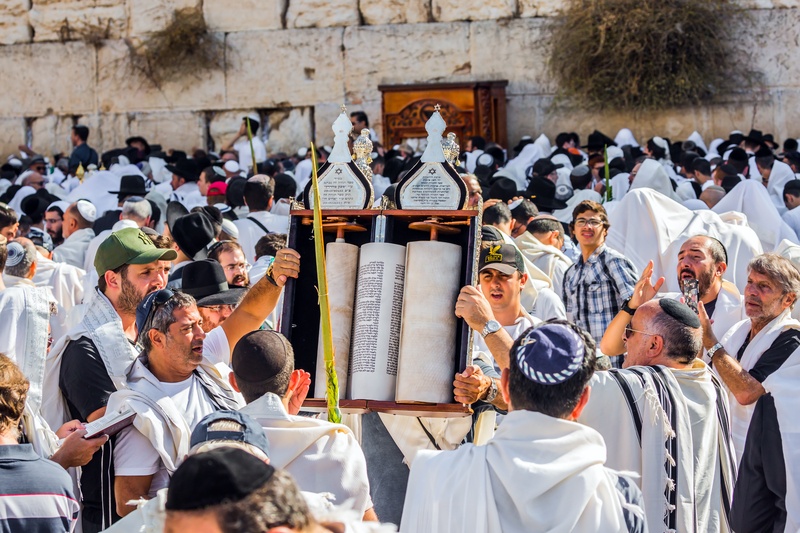
“And this is the Torah that Moses Placed Before the Children of Israel” —Numbers 9:23

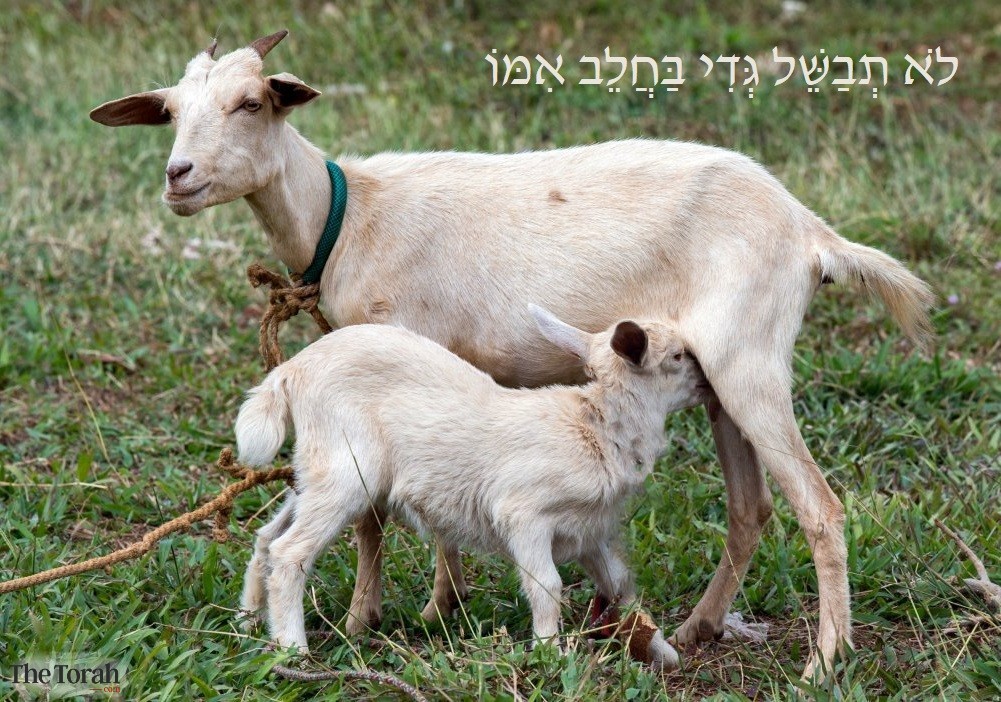
The Torah states “do not cook a kid in its mother's milk.” What does this phrase mean, and how did it develop into the prohibition of mixing meat and milk?
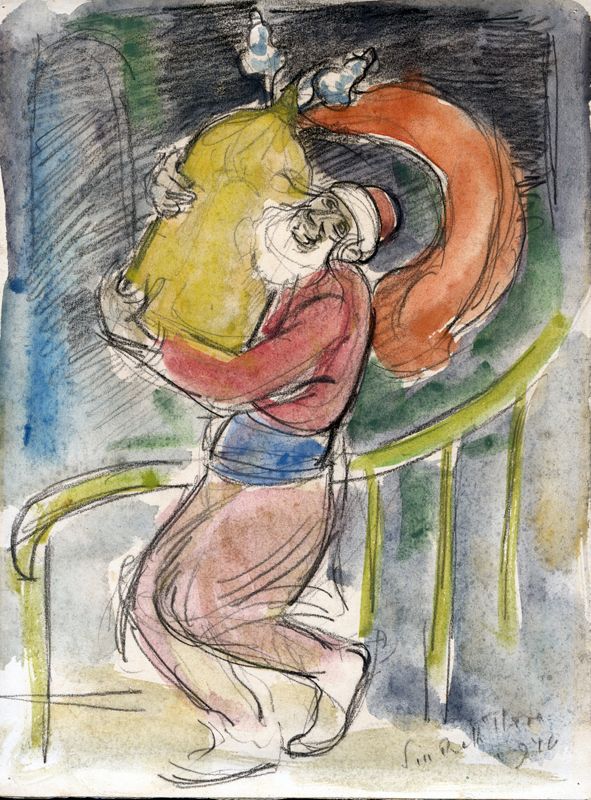

Are Levi’im considered Kohanim, with all the accompanying mitzvot and benefits, or not? Apparently it depends which book in the Torah you are reading, Deuteronomy or Leviticus-Numbers.
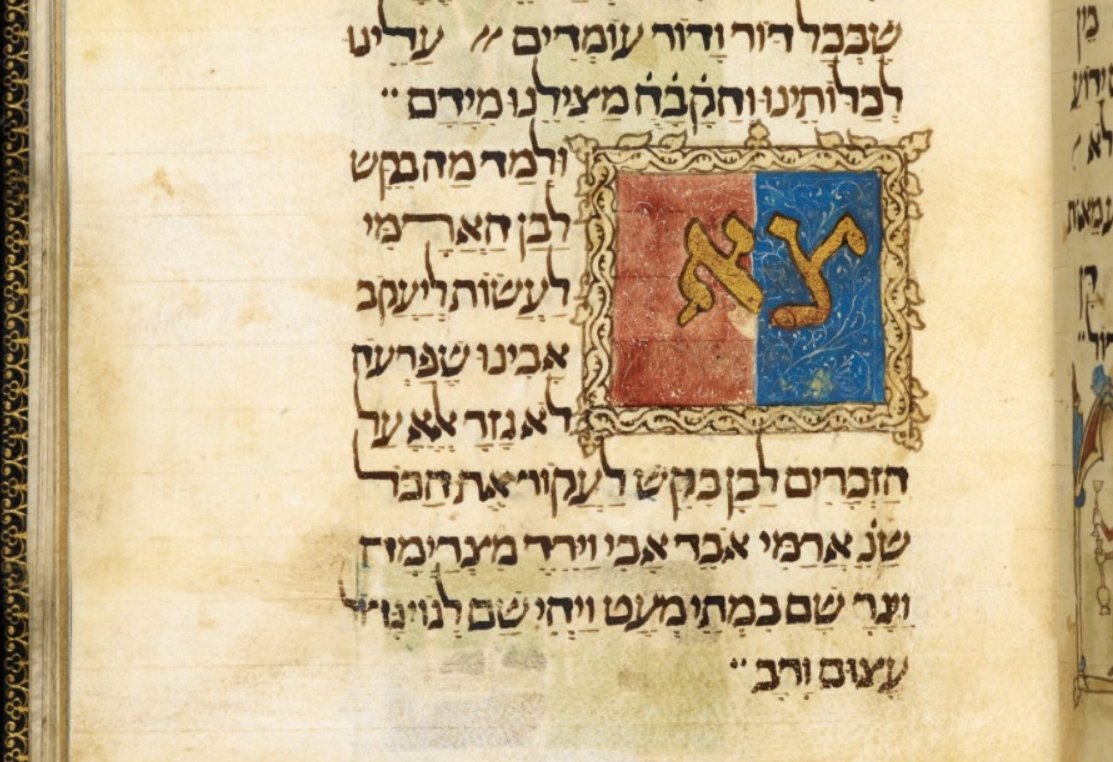
A medieval non-traditional interpretation of arami oved avi and the push-back against it.