The Book of
The Book of









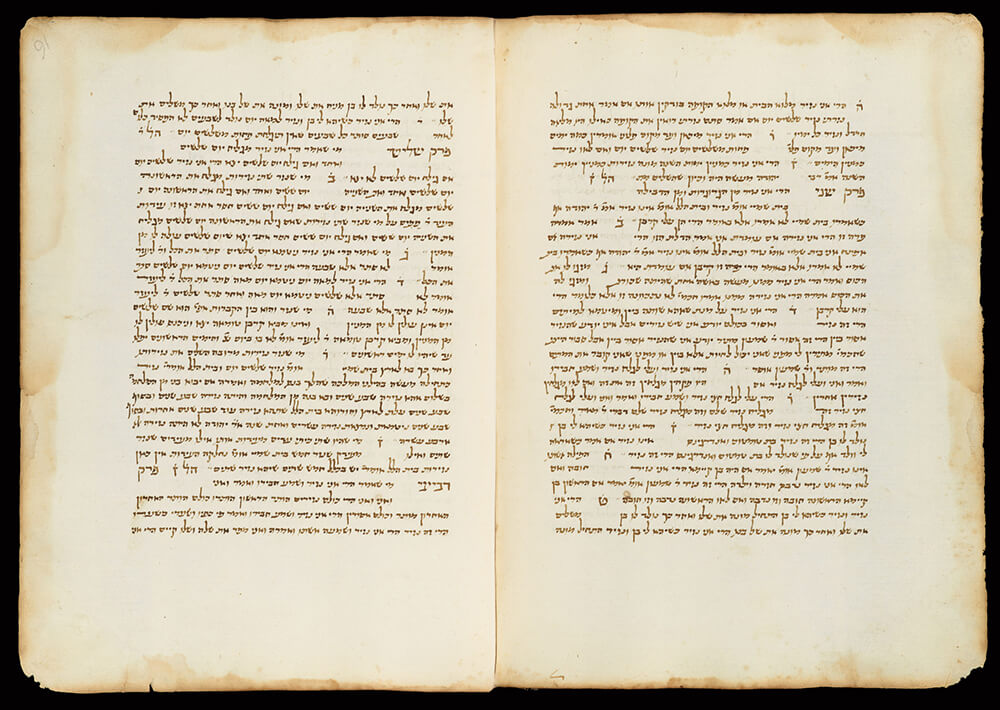













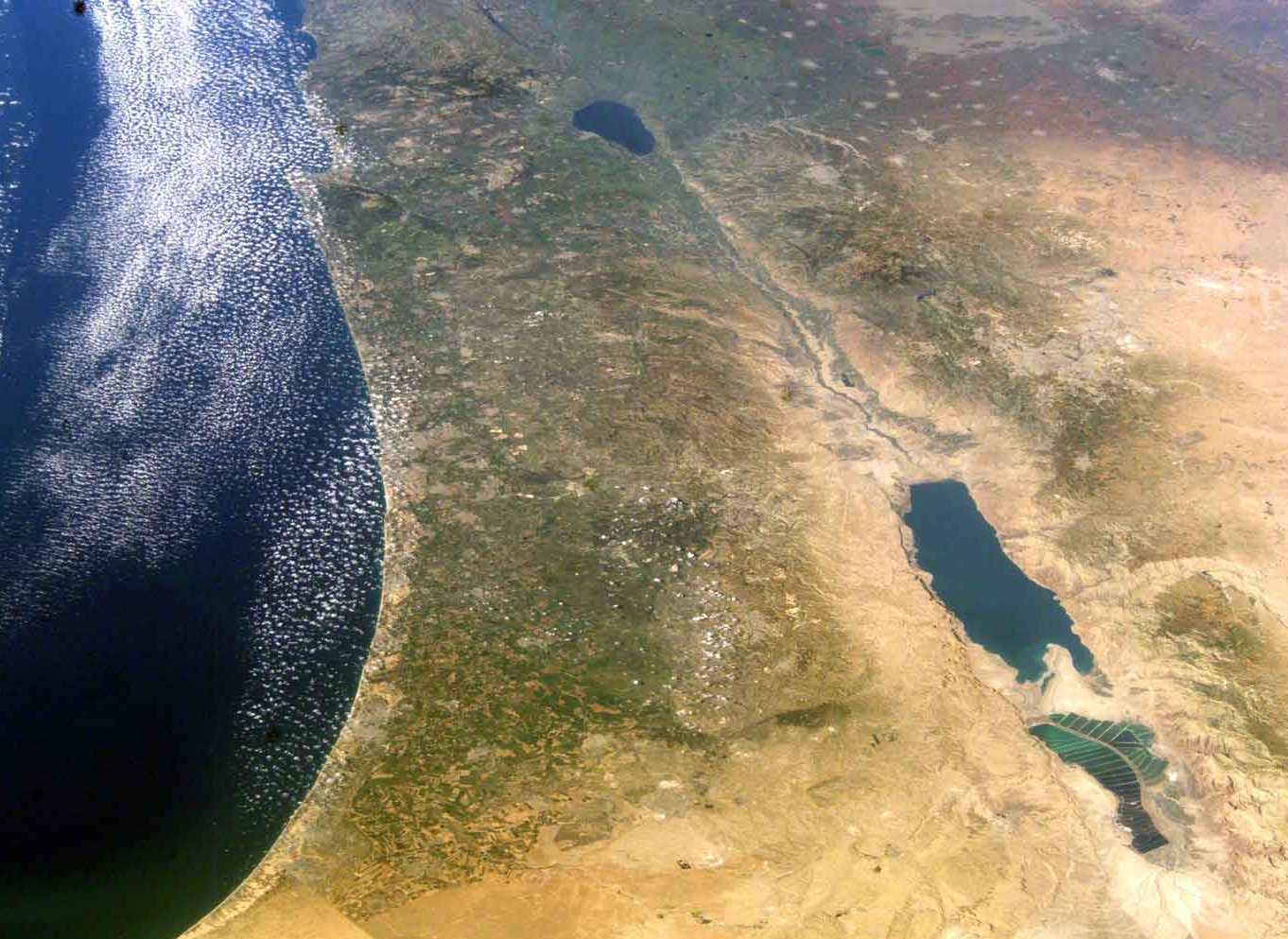


















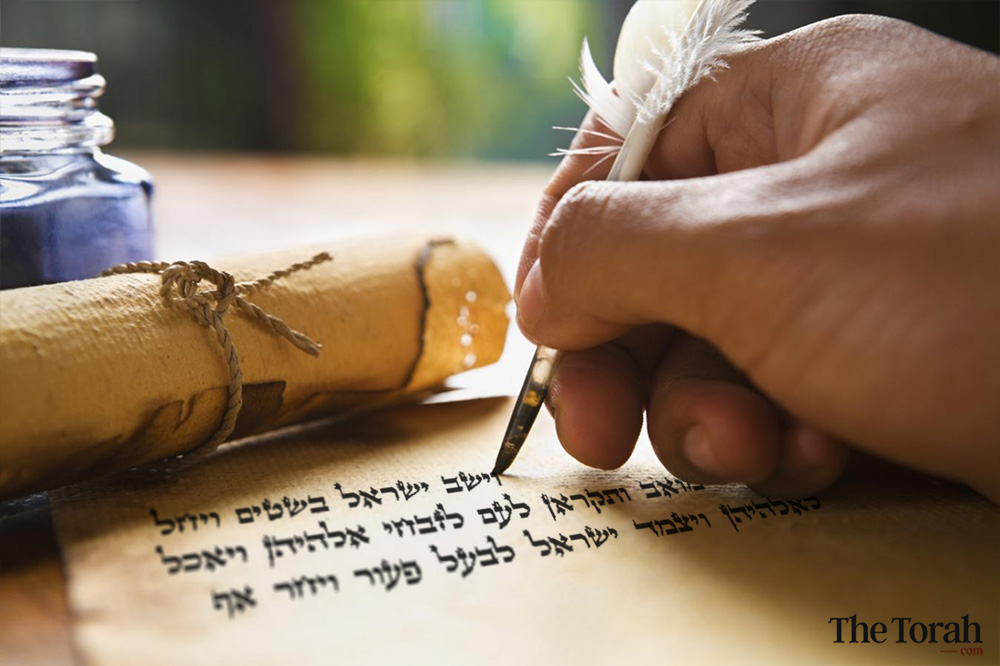













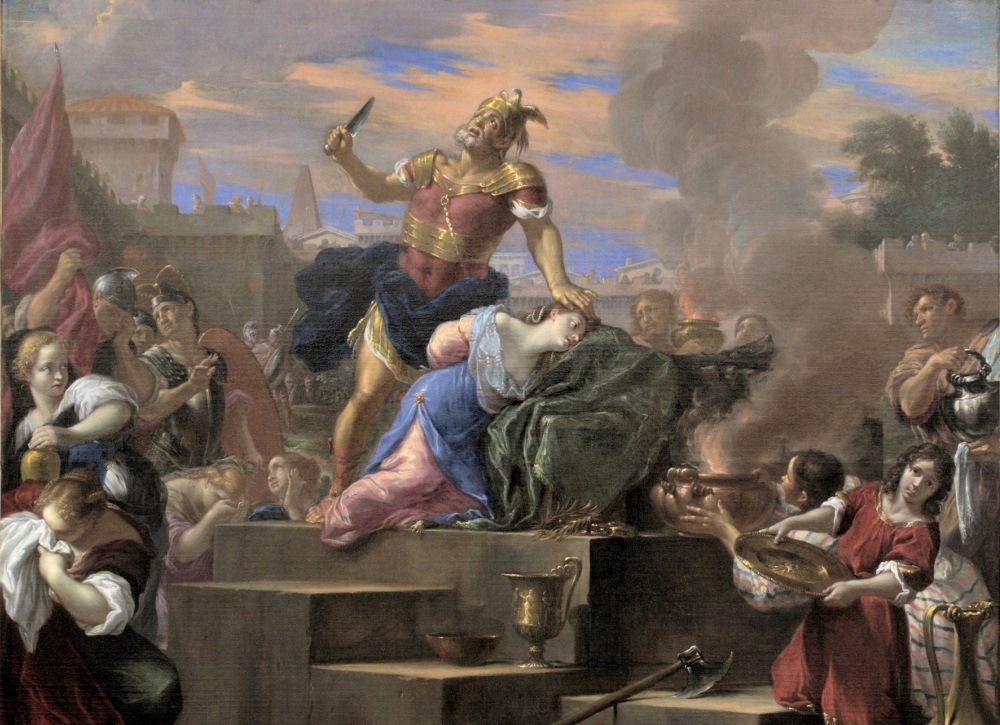

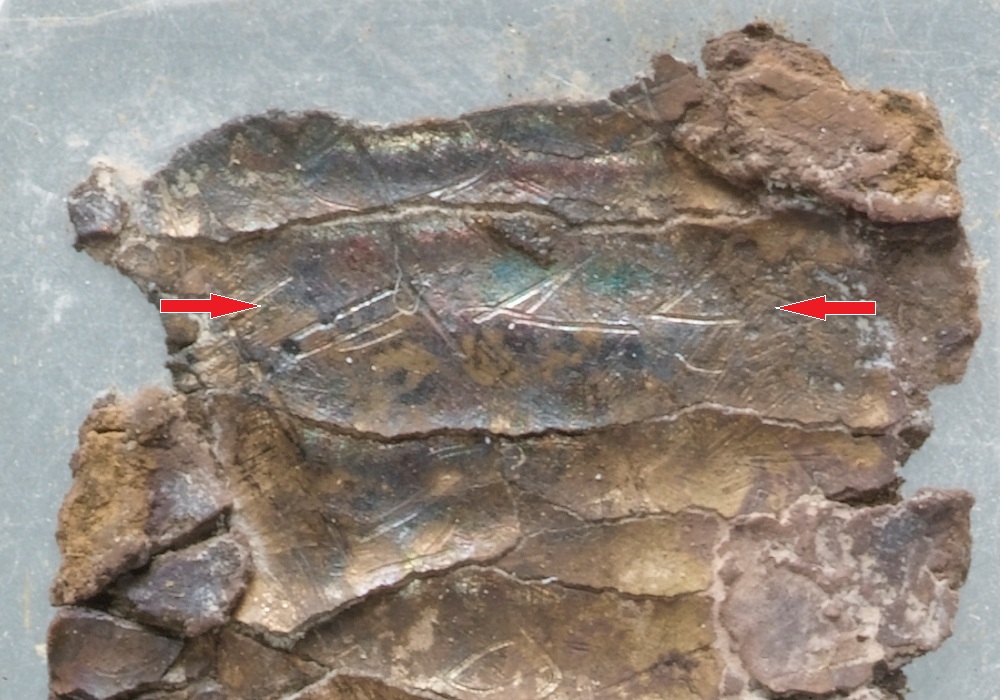
Inscribed in silver and rolled into scrolls, the Ketef Hinnom amulets, ca. 6th century B.C.E., contain an early version of the Priestly Blessing (Numbers 6:24–26). More than an important textual witness, they reveal that protective ritual practices were an integral part of Judahite religion, and show how divine blessing could be worn on the body, transforming sacred words into a tangible safeguard against danger, illness, and misfortune.

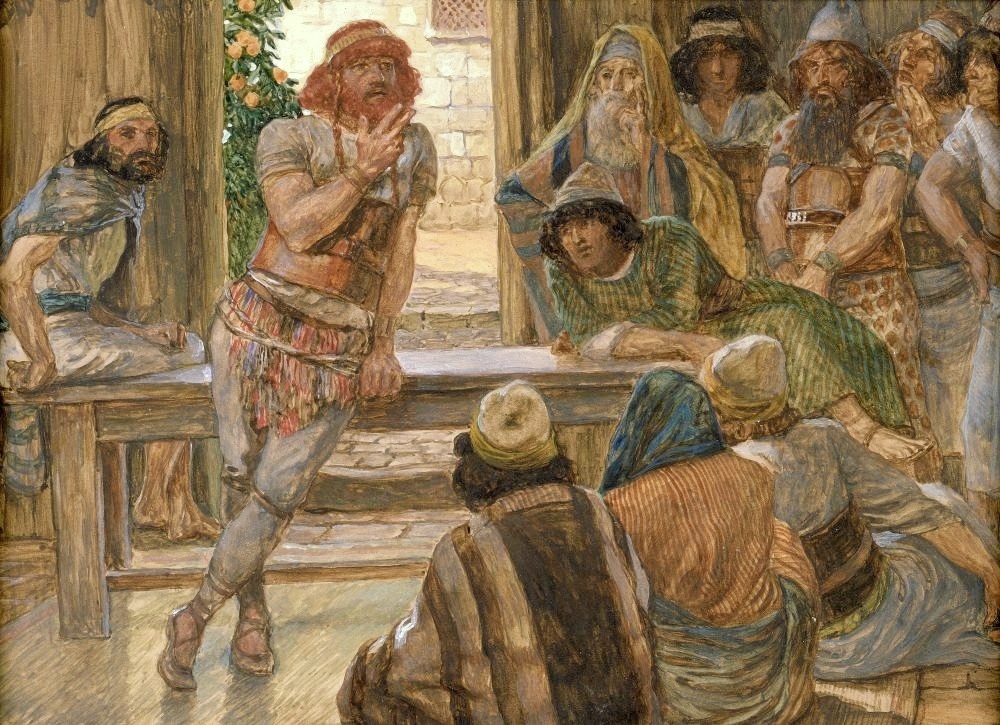
After seeing the divine messenger who announces Samson’s birth, Manoah, his father, fears death. Captured by the Philistines and blinded, Samson seeks death. The parallel is deliberate: where Manoah sees the divine yet fails to understand, Samson loses his sight and only then recognizes YHWH. The reversal is sharpened by the role of prayer in the narrative: Samson’s parents never pray for a child, but Samson himself prays in his final moments, crying out for strength, vengeance, and death.

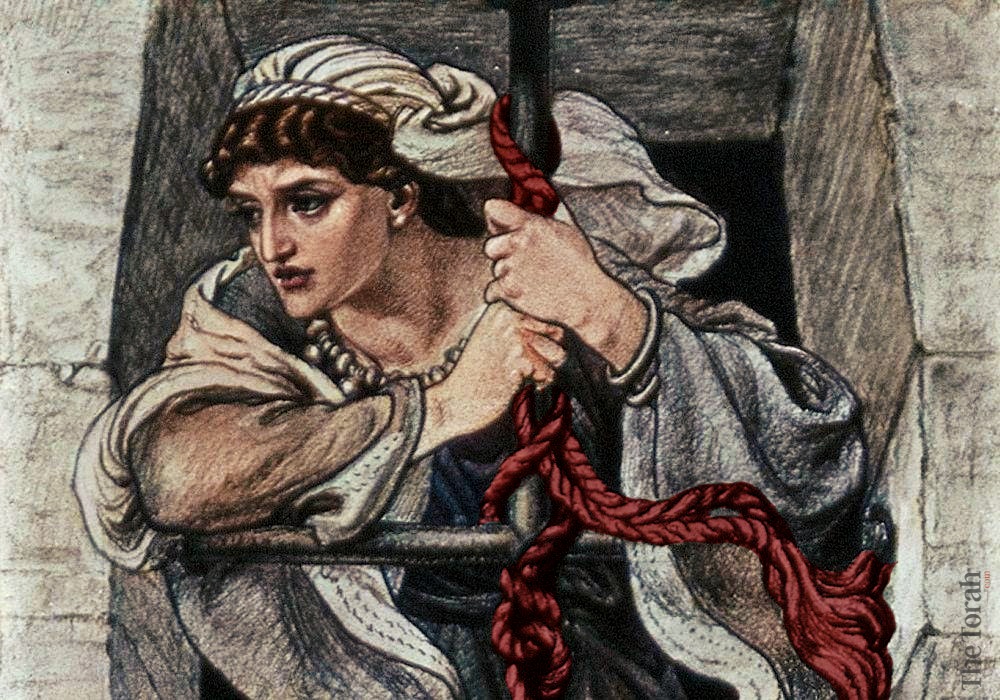
Cain receives an ʾot from YHWH to protect him after killing his brother. Moses encounters an ʾot at the burning bush. Shabbat is called an ʾot between God and Israel. Rahab demands an ʾot to save her family during Israel’s conquest. And Isaiah offers King Ahaz an ʾot to calm his fear of invasion. But what exactly is an אוֹת (ʾot)?
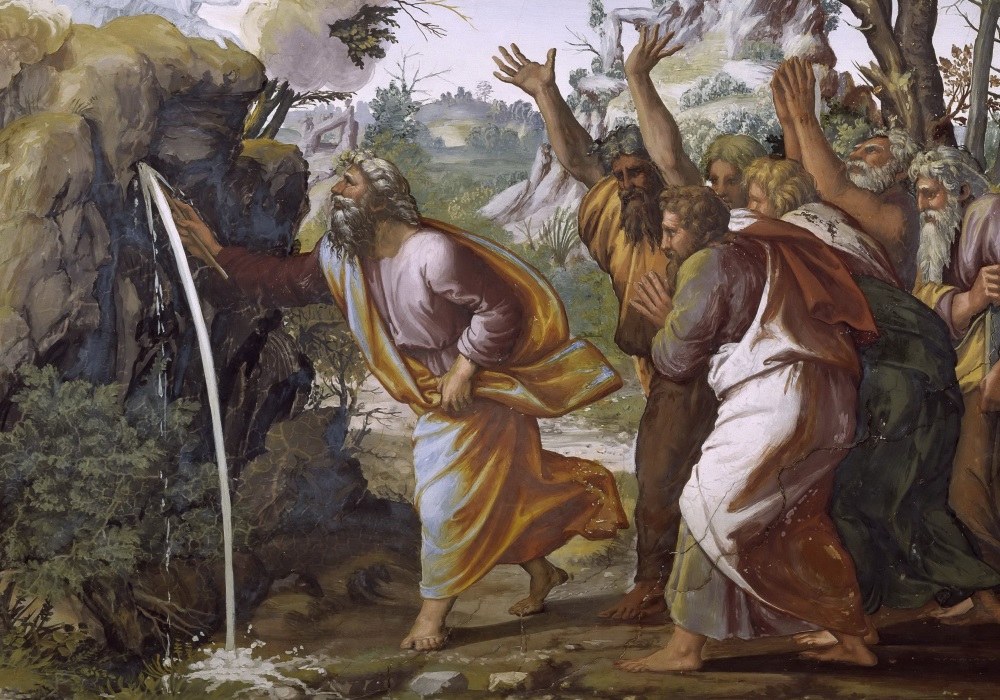
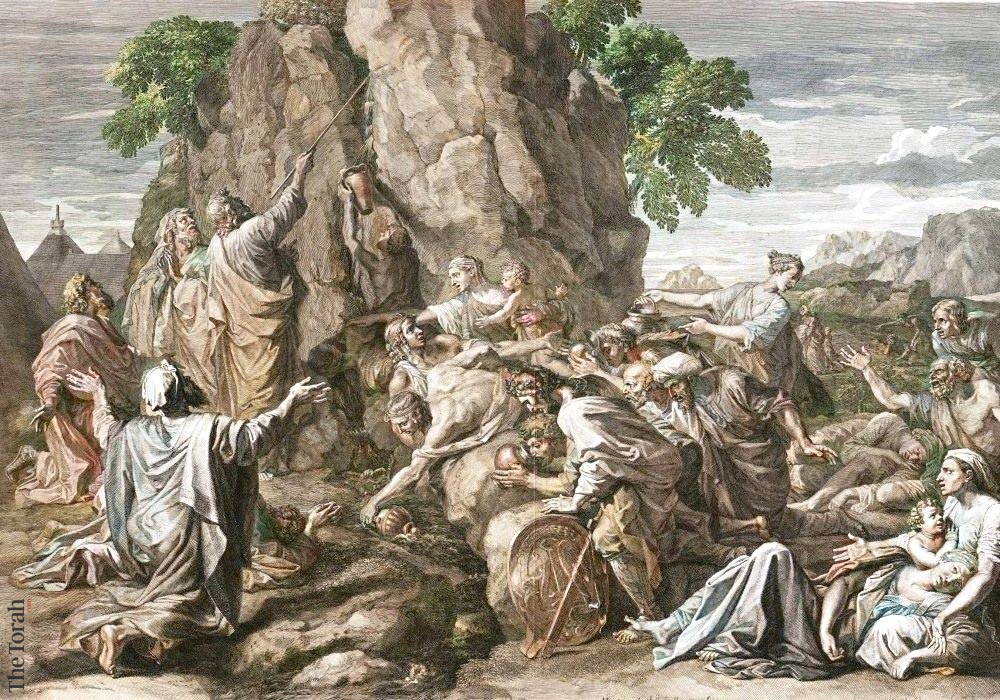
Do miracles enhance faith? Rashi and Maimonides’ diametrically opposed positions on this question lead them to very different explanations for Moses’ sin. In between them is Ibn Ezra, who has a secret as to how miracles work and why Moses failed to perform his correctly. Avvat Nephesh, in the 14th century, rejects his predecessors’ explanations, and instead critiques Moses and Aaron’s passivity and lack of leadership; they waited for God to provide answers instead of taking initiative.
Is editing and writing in the guise of Moses, Solomon, or Daniel a legitimate literary convention, justified because of the author’s inspired state? Or is this practice a form of deceit, even forgery?
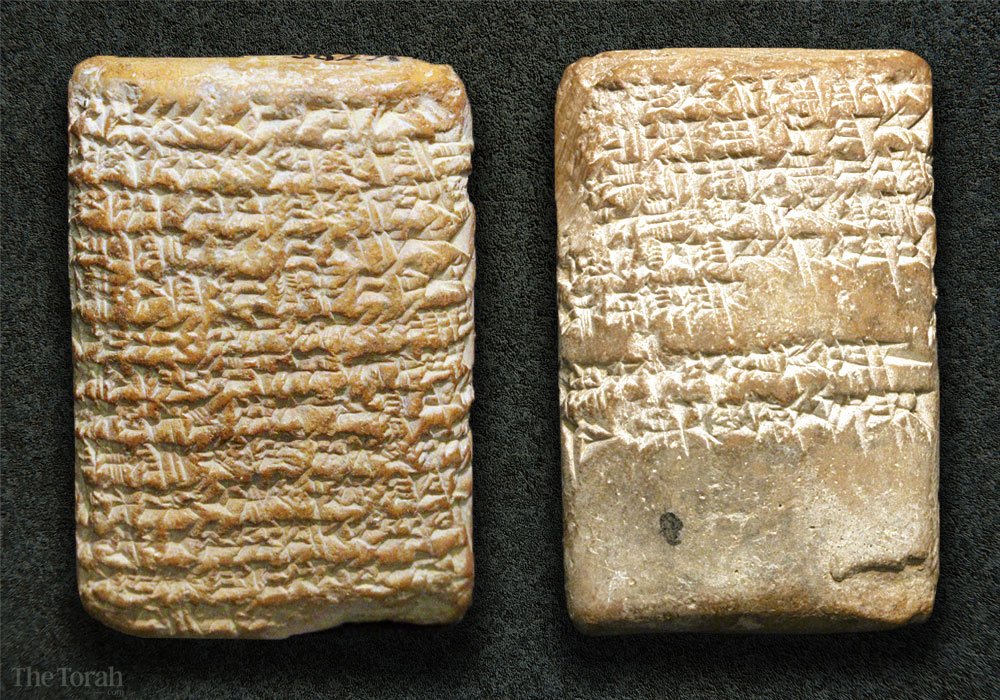
Both namburbi anti-omen rituals (1st millennium B.C.E.) and priestly Torah rituals were preserved in collections in multiple versions that show evidence of intertextuality and innovation. Were these rituals meant to be performed?

Hosea’s depiction of the marital relations with a promiscuous woman, as a metaphor for YHWH’s relationship with Israel, is problematic in ancient and modern terms. The structure of Hosea 2, however, suggests that we have been overlooking the prophet’s message: YHWH rejects and repudiates violence in favor of gentle persuasion and courtship.

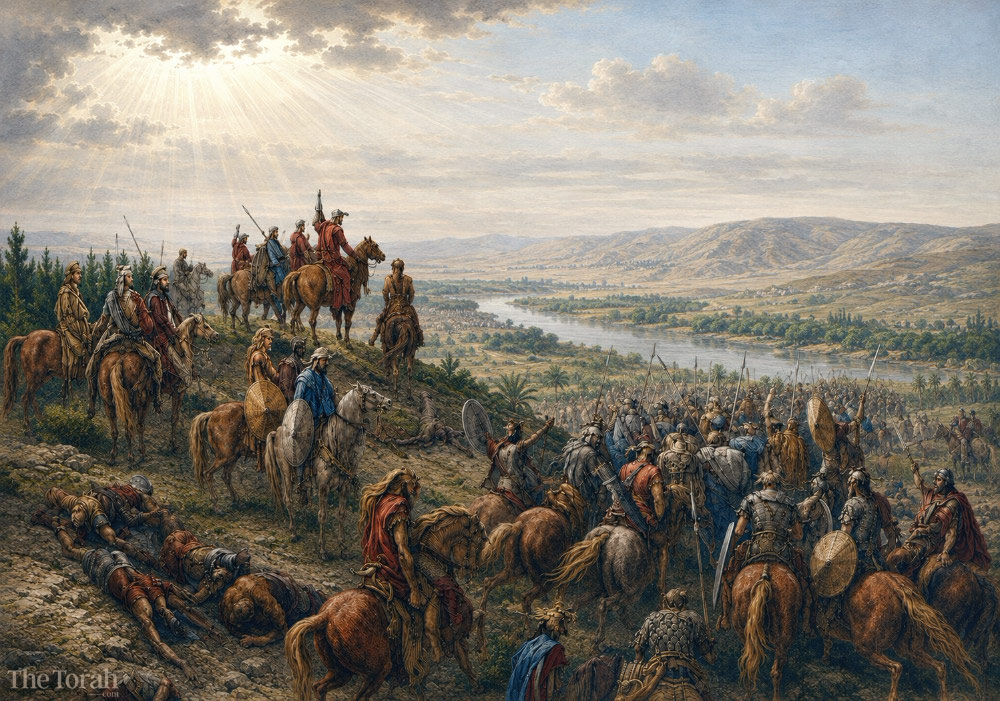
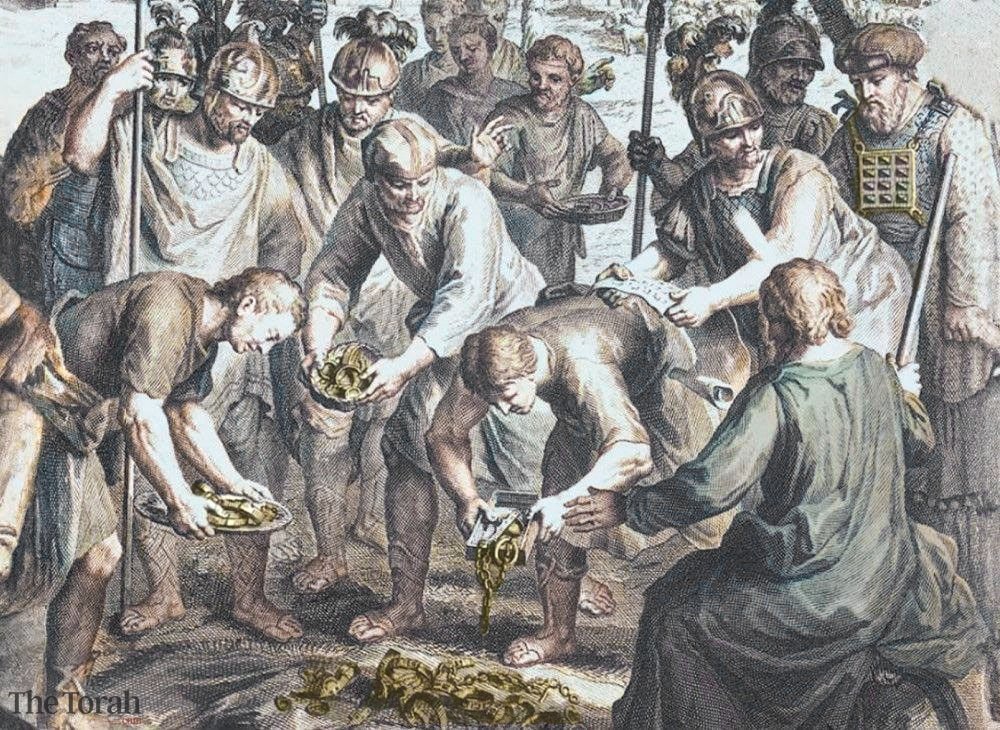
The Bible presents Hazael as a cruel and powerful enemy, who devastated Israelite and Philistine cities, forcing Jerusalem’s King Joash to empty the Temple coffers to save his city. Archaeology helps us to reconstruct his military campaigns and their impact on the Levant.
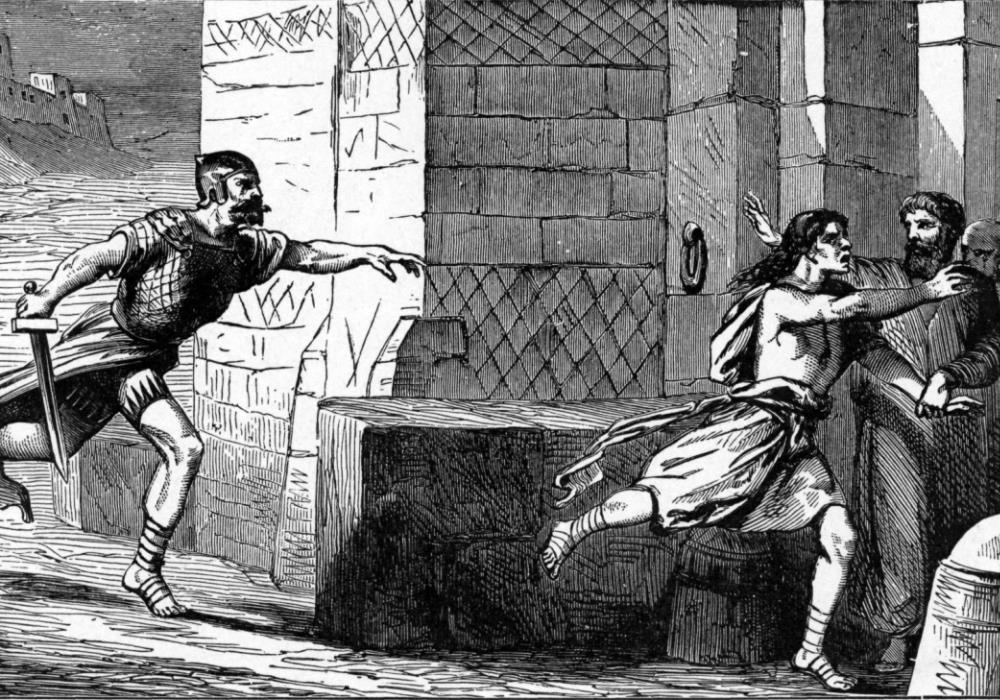
The author of Numbers 35 uses an existing set of laws that distinguish between murder and manslaughter to determine what kind of killer may escape to a city of refuge. This creates confusion about what it means to be a rotzeach (“murderer” or “killer”) and who executes the murderer: the assembly or the blood avenger?
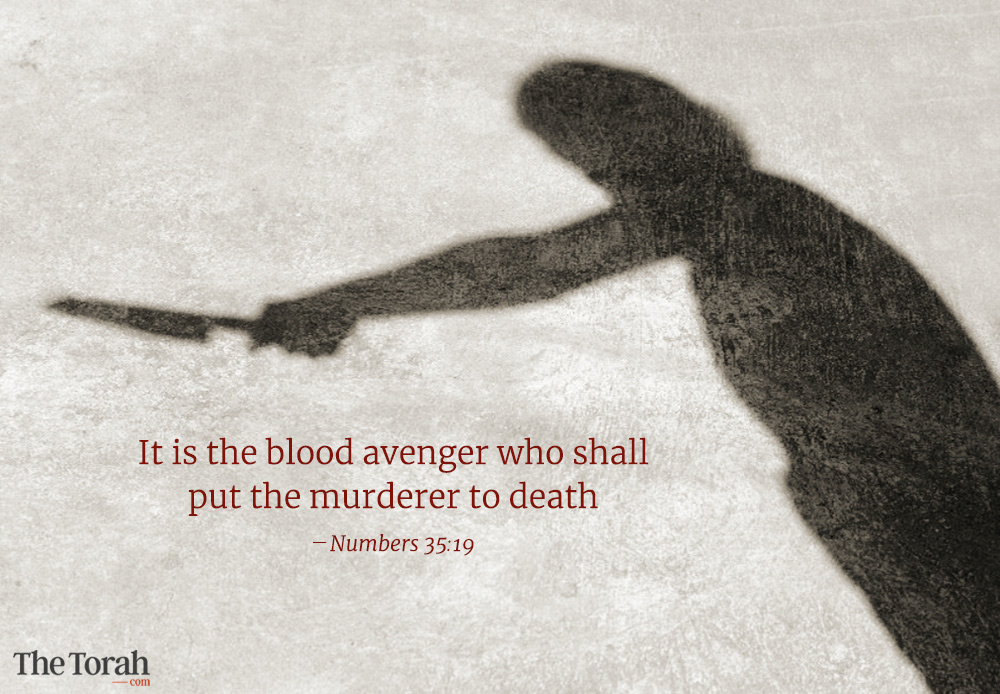
The Torah allows kin to take vengeance on a murderer; in cases of manslaughter, the killer is offered sanctuary at a refuge city. These laws highlight the struggle to limit clan justice in ancient Israel, a challenge found centuries earlier among the northern Amorites, as detailed in several letters to King Zimri-Lim of Mari.
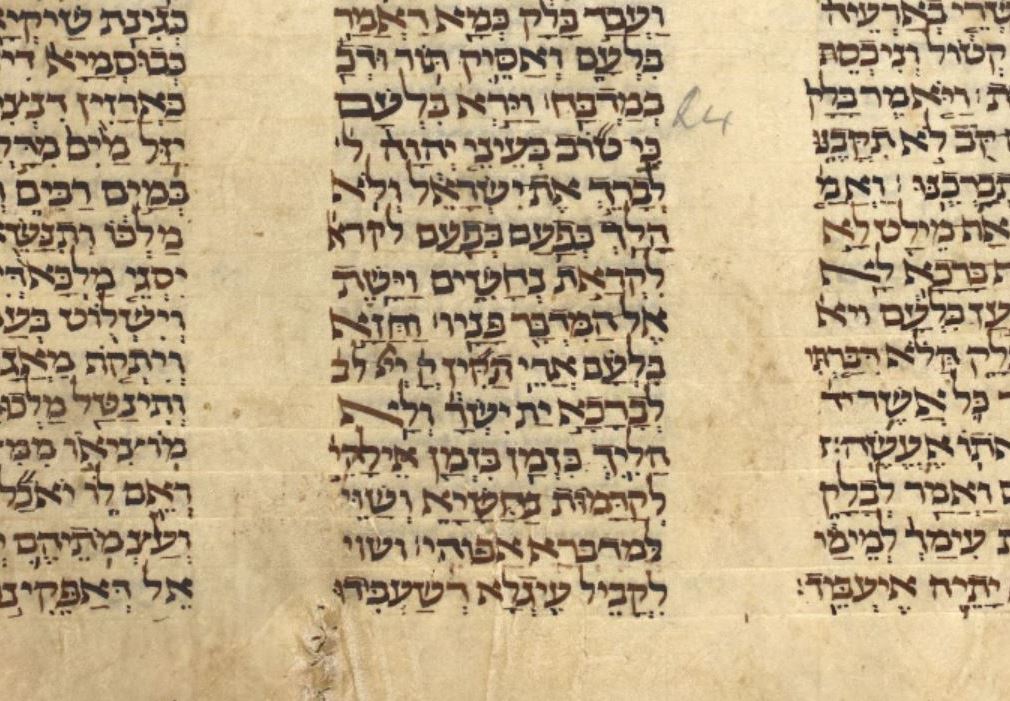
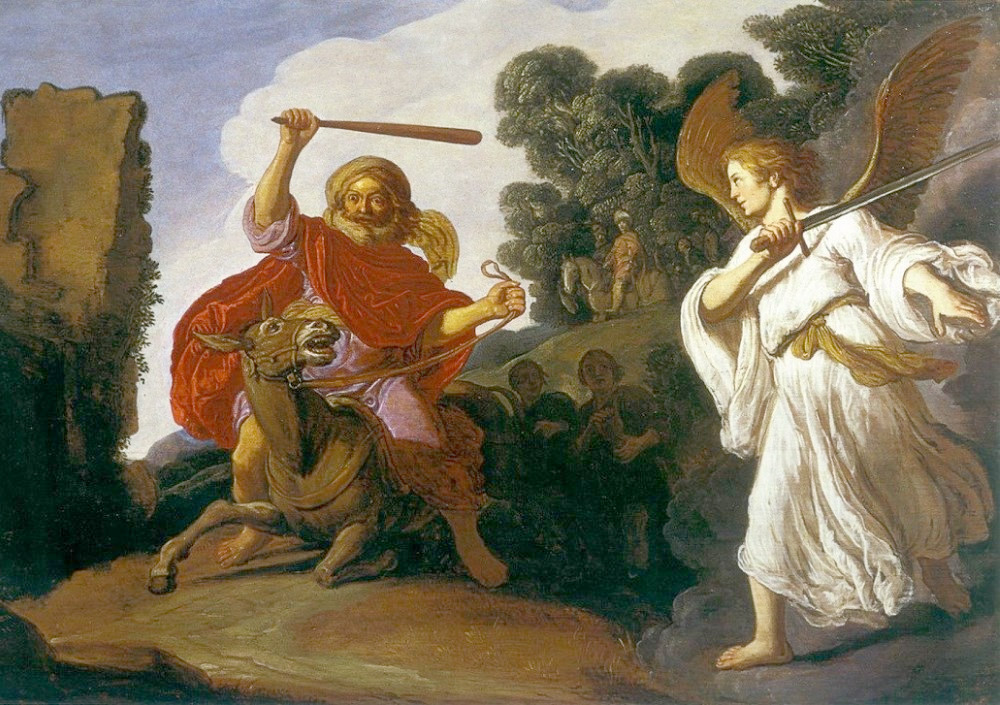
Targum Onqelos usually offers a straightforward Aramaic rendering of the biblical verse. The Palestinian Targums (=Targum Yerushalmi), in contrast, offer more expansive, midrashic renderings of the verse. Numbers 24:1, in which Balaam looks to the wilderness, offers us a further glimpse into a world with multiple Targumic traditions.

YHWH instructs Moses to sound a teruah blast to get the eastern camp to travel, and a second for the southern camp. What about the western and northern camps? The answer can be found by comparing the Masoretic Text, the Samaritan Pentateuch, and the Septuagint: It was a parablepsis.
What does this phrase, found in Numbers 32:38, mean?
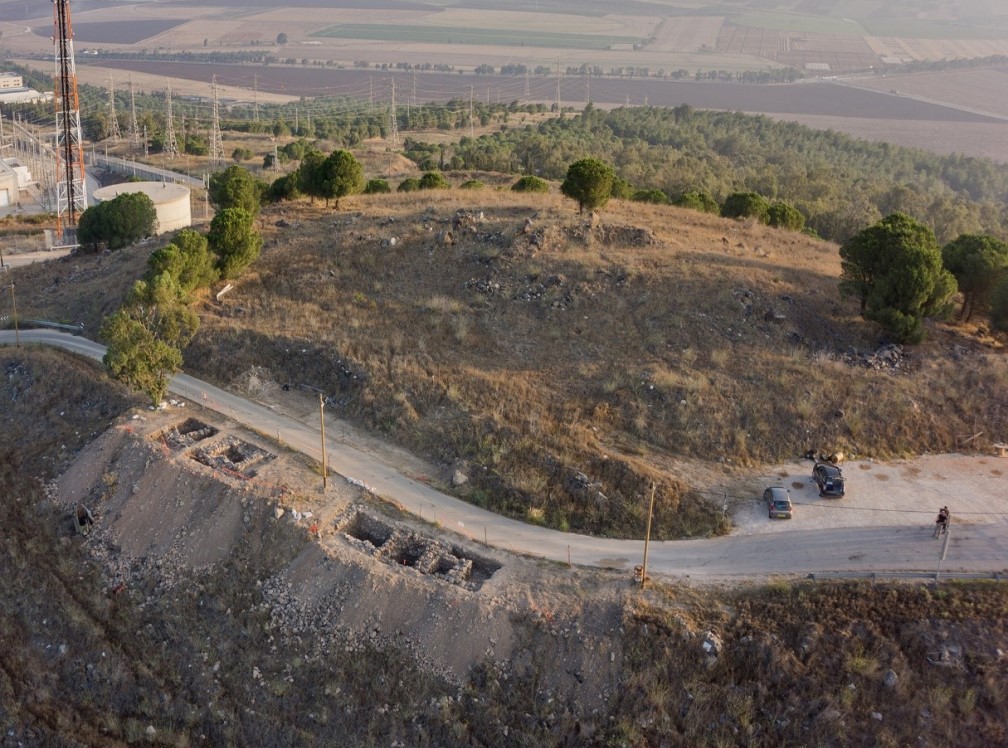
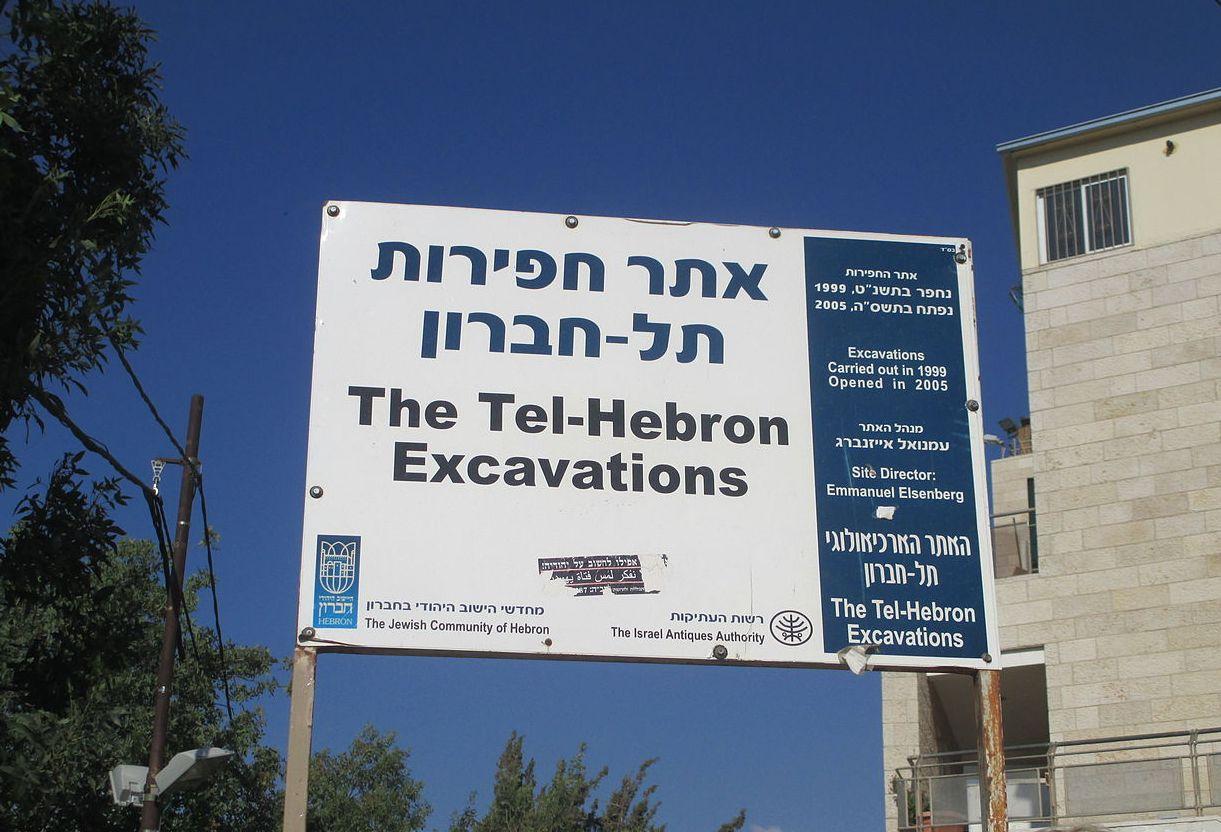
Amos and Zechariah mention an earthquake in the time of King Uzziah. Its effects were uncovered in the excavations at Tel Agol in the Jezreel Valley: It turned the city, fortified for centuries to defend against the Assyrian threat, into a poor squatter town that could not recover.

The shift in biblical exegesis from homiletic readings to literary, contextual commentaries has its roots in Charlemagne’s 9th century Carolingian Revolution. It comes to the fore only in the 11th century with Rashi’s quasi-peshat commentary, soon followed by the peshat approach of R. Joseph Kara and Rashbam.
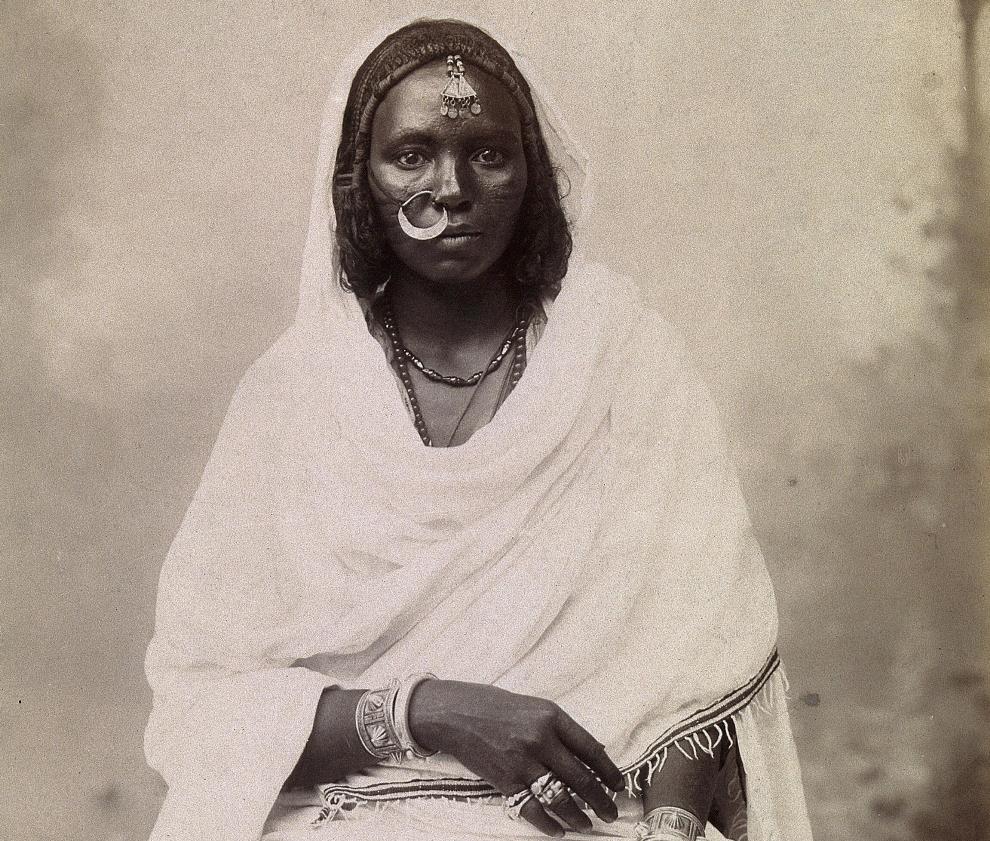
Miriam and Aaron speak negatively about Moses for marrying a Kushite woman. Does their issue have to do with her skin color? Miriam’s punishment may hold the key.
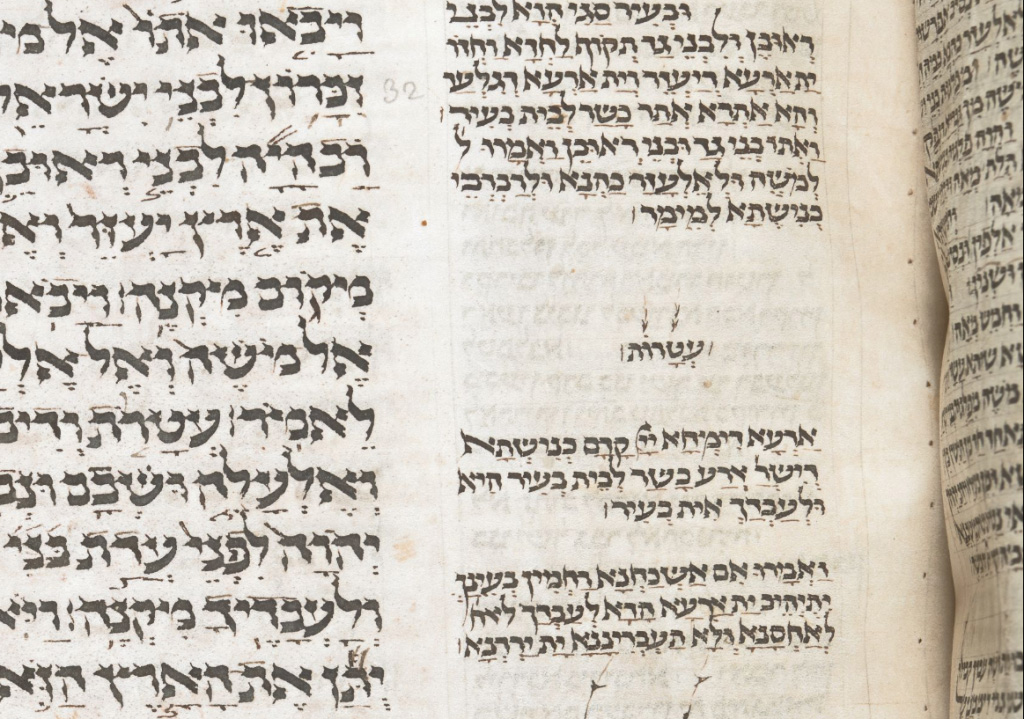
The standard Aramaic translation of the Torah, Targum Onkelos, usually renders place names in the original Hebrew or leaves them out. However, there are exceptions.
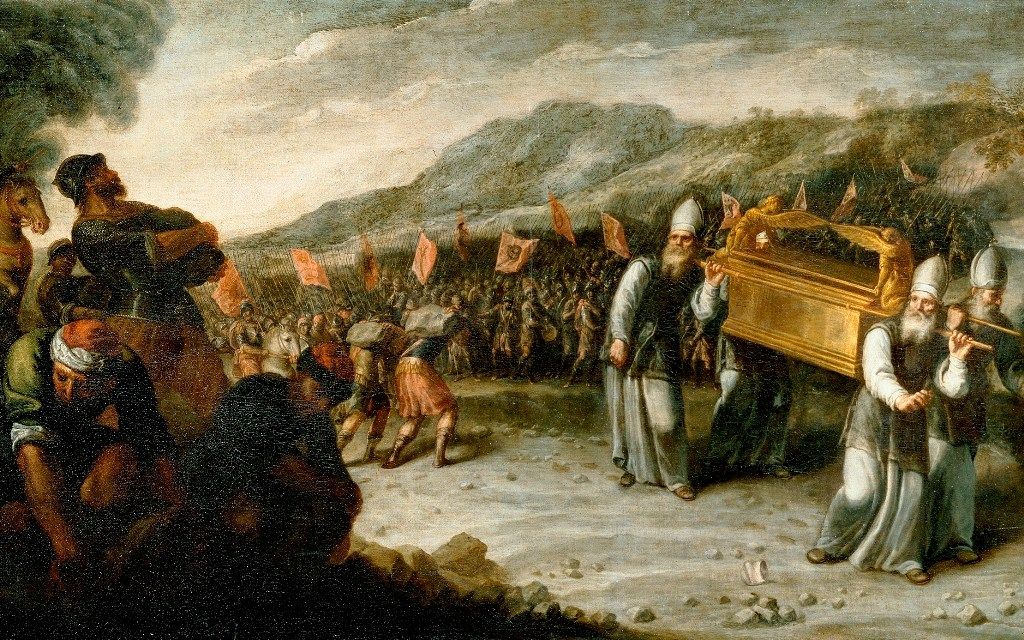
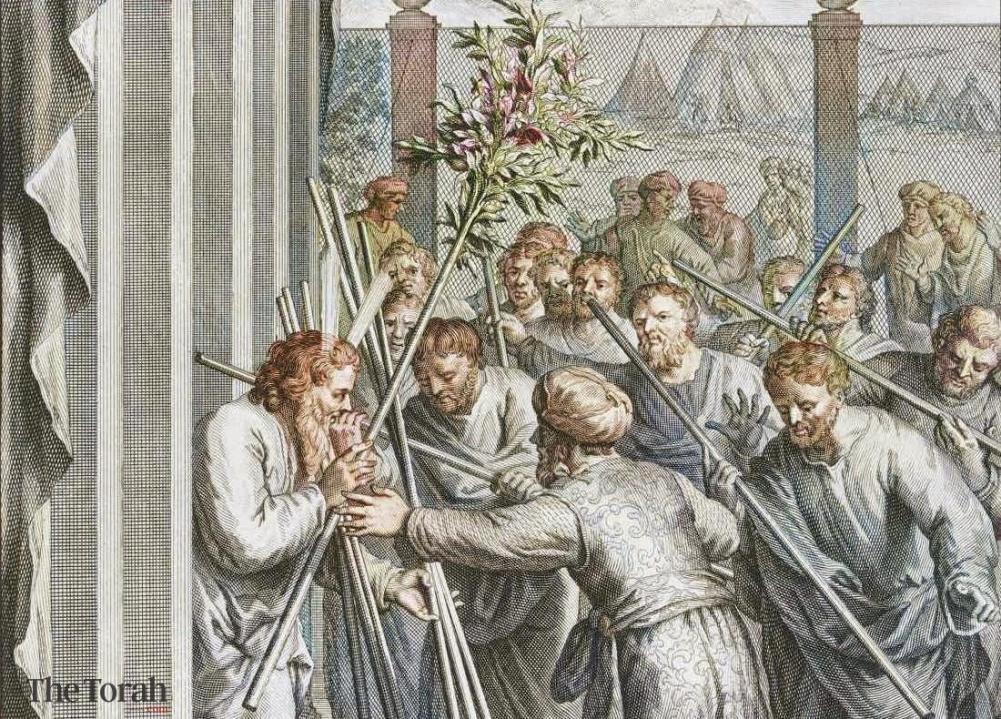
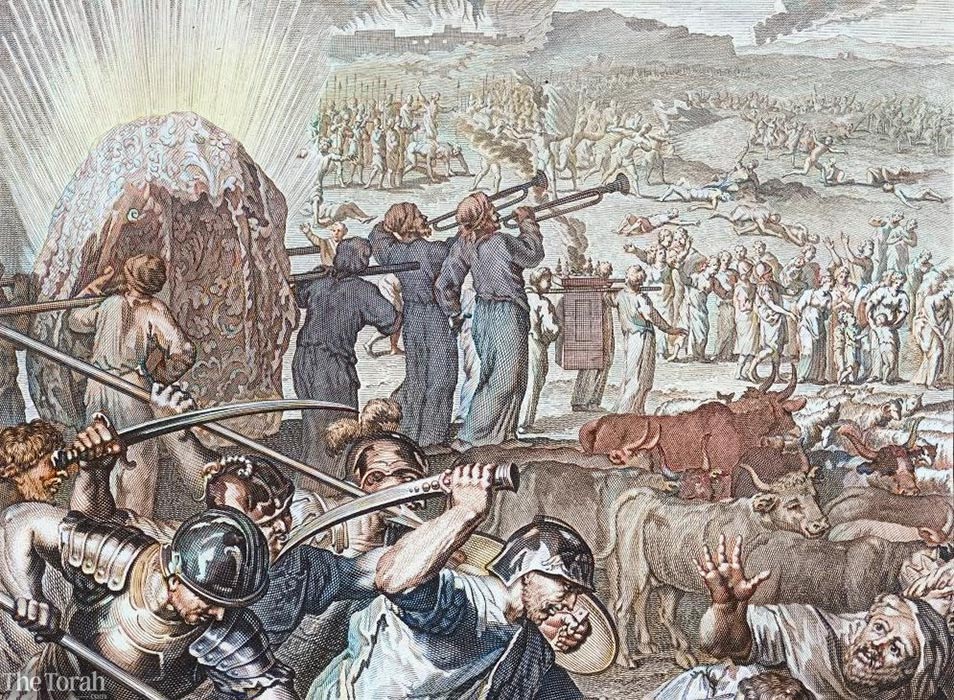
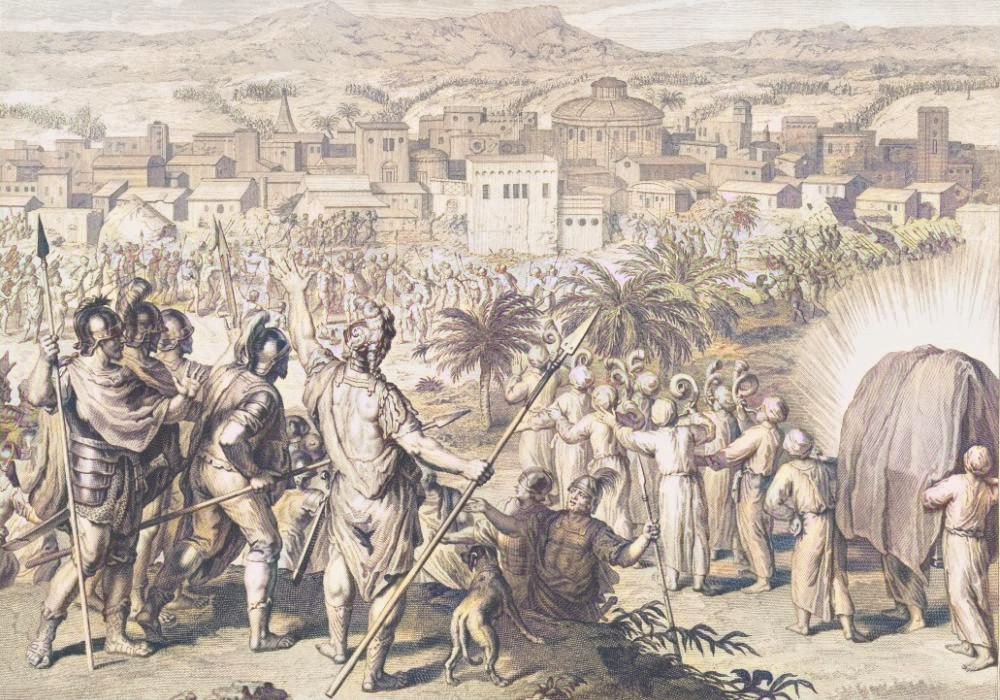
Tradition and source criticism both see two ark traditions in the biblical text: The Ark of the Covenant and the Ark of the Testimony. The former accompanies Israelite troops into battle; it appears in Numbers 10 (וַיְהִי בִּנְסֹעַ הָאָרֹן) and in the stories of battles against the Philistines and Ammonites in Samuel. The latter remains in the Tabernacle, serving as a seat for YHWH’s glory and revelation.

The Israelite men are commanded to separate from their wives before the revelation at Sinai. The rabbis learn from this that Moses permanently separated from his wife (Numbers 12), to be available to speak with God at all times. However, Joseph ibn Kaspi in the 14th century claims that this interpretation distorts the plain meaning of the text and that celibacy is an affront to Jewish values.

Rahab is a Canaanite prostitute who becomes faithful to the God of Israel, hiding two Israelite spies when the king of Jericho sends men to capture them. The rabbis imagine her as a superhumanly seductive woman who knows the secrets of all the men in Jericho, as well as the ultimate example of repentance. The biblical story, however, suggests a more complex character, who worked within the power structures around her.

The Priestly Torah discusses the Tabernacle at extraordinary length, emphasizing its portability. Nothing in P ever says this structure was meant to be temporary. P’s Tabernacle was not foreshadowing the Temple, but was a polemic against Haggai and Zechariah’s agitation to build the Second Temple.
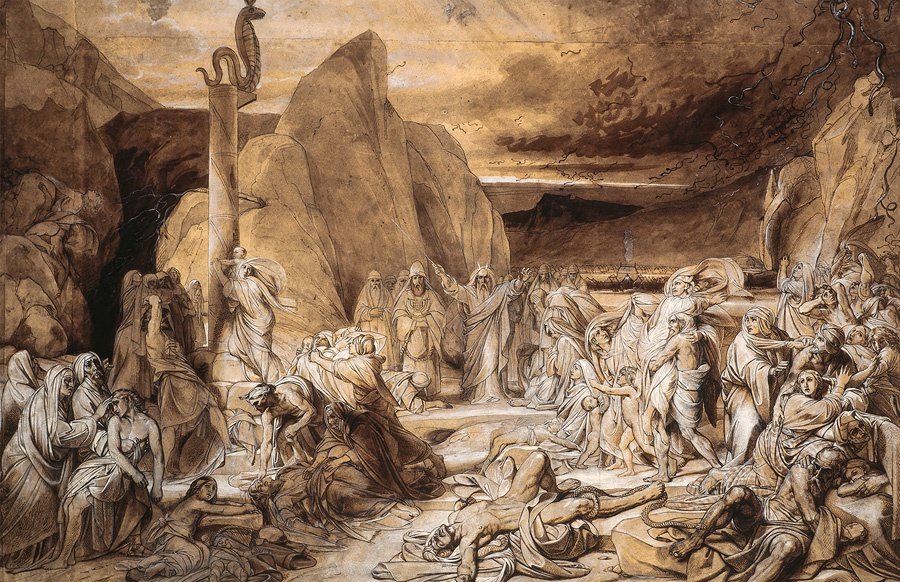
The Torah describes Moses building a copper serpent to heal the Israelites. According to Kings, Hezekiah destroys it because it was being worshiped. Archaeology and history clarify the religious and political meaning of this image.
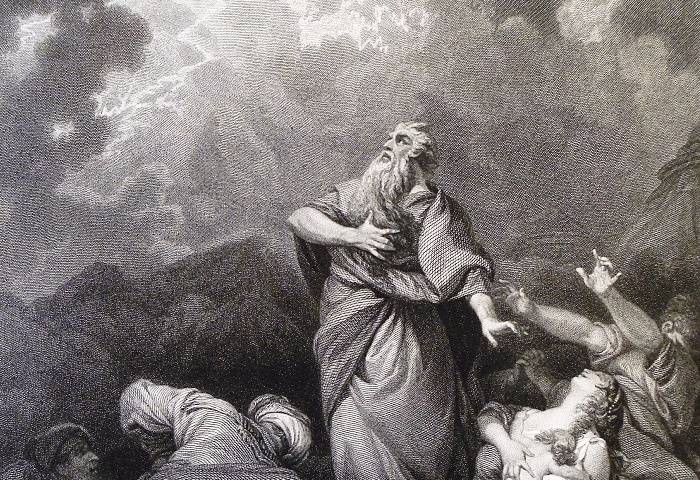
Moses’ use of rhetoric to convince YHWH to undo his decree against Israel recasts a namburbu-like ritual intercession in a prophetic hue.

What light can archaeology shed on the significance and location of the vineyard?
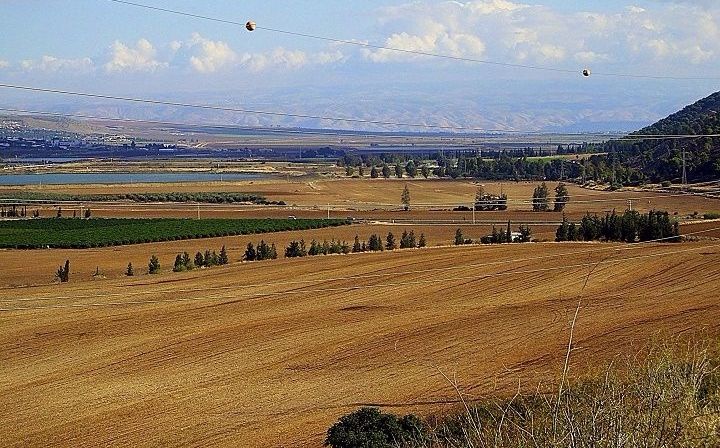
Biblical, geographical, and archaeological data coalesce to clarify the military importance of this city to Iron Age Israel and the possible meaning of the term “Ahab’s hêḵal.”
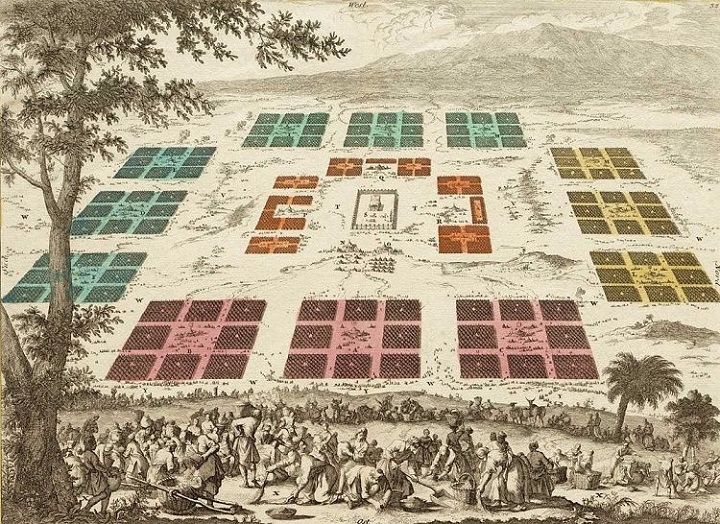
Is the focal point of the book the Camp or the Tabernacle?

A biblical metaphor for God’s relationship with Israel.

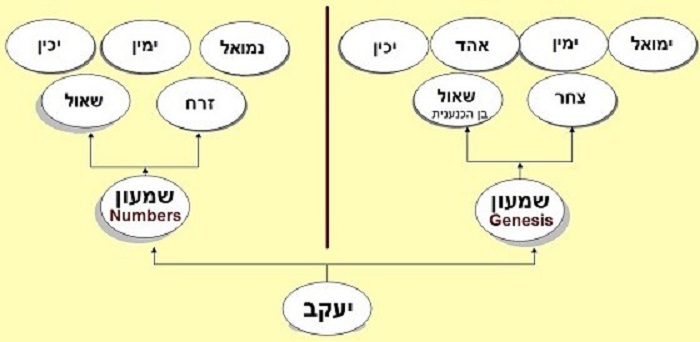
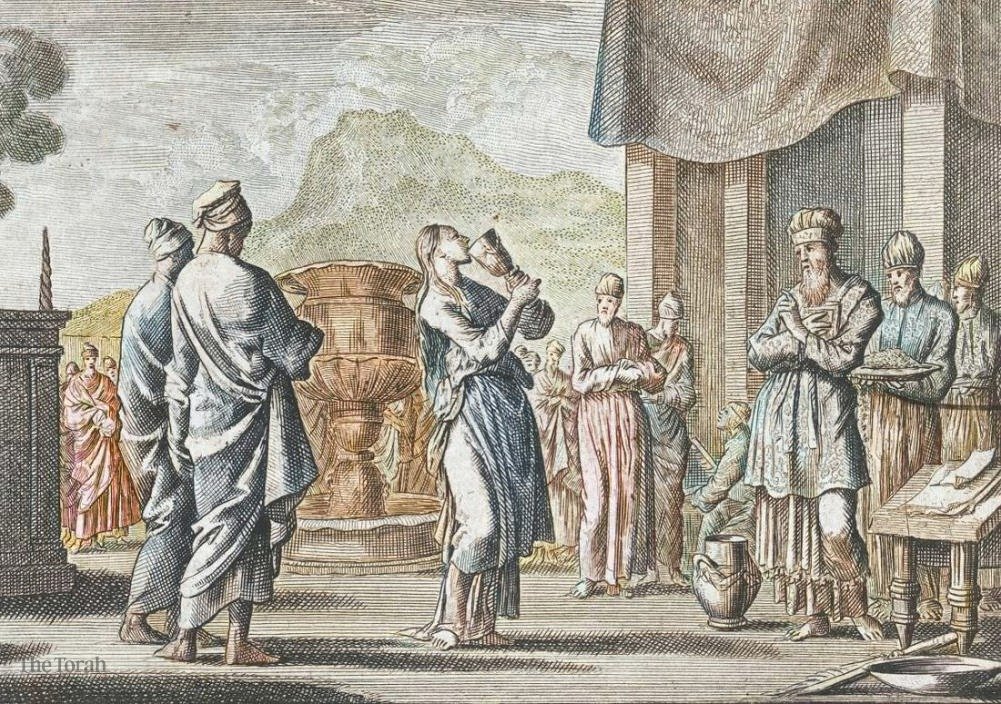
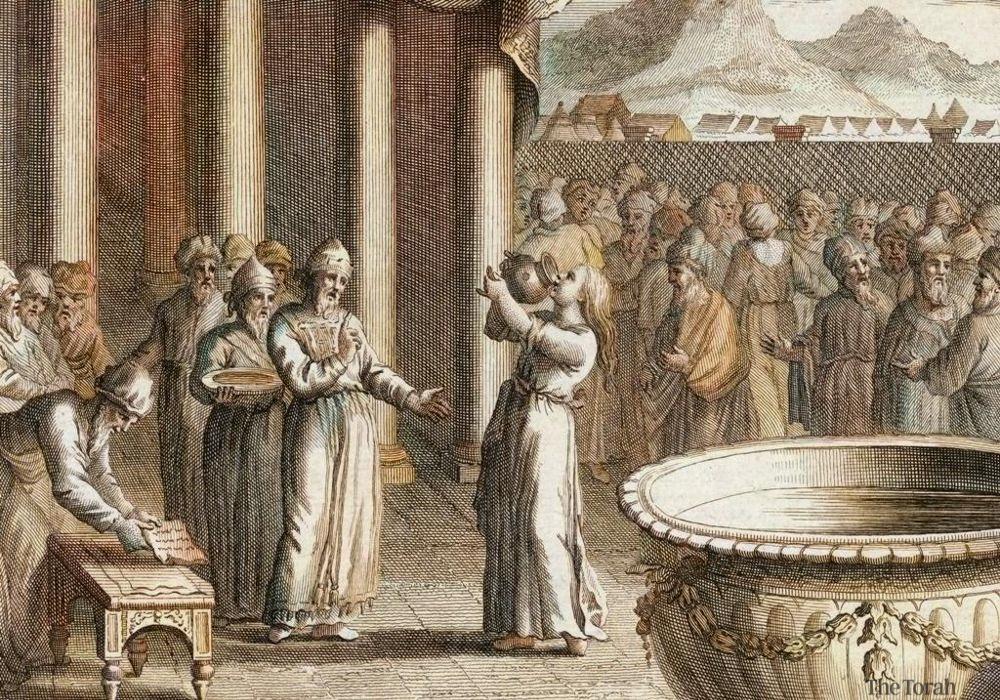
The original laws of the slandering husband (מוציא שם רע) and the Sotah woman accused of adultery—both take one party’s guilt as a given. Each of these laws was subsequently redacted in a way that eliminated the automatic assumption of guilt.
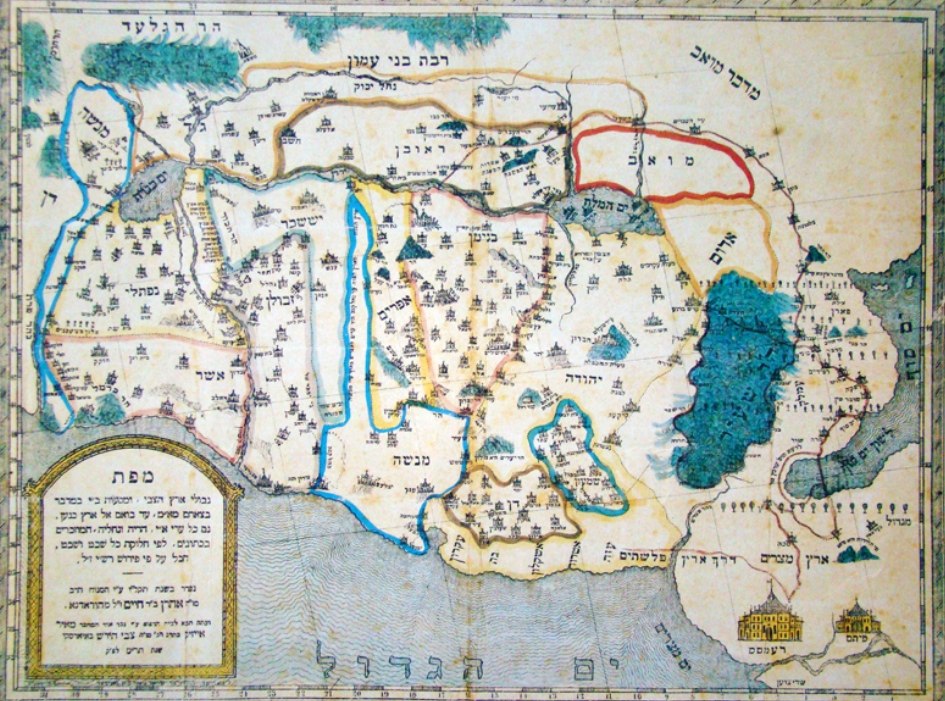
What biblical maps teach us about Israel, identity, and vision of the land

Using source criticism to disentangle a moral problem in the Torah
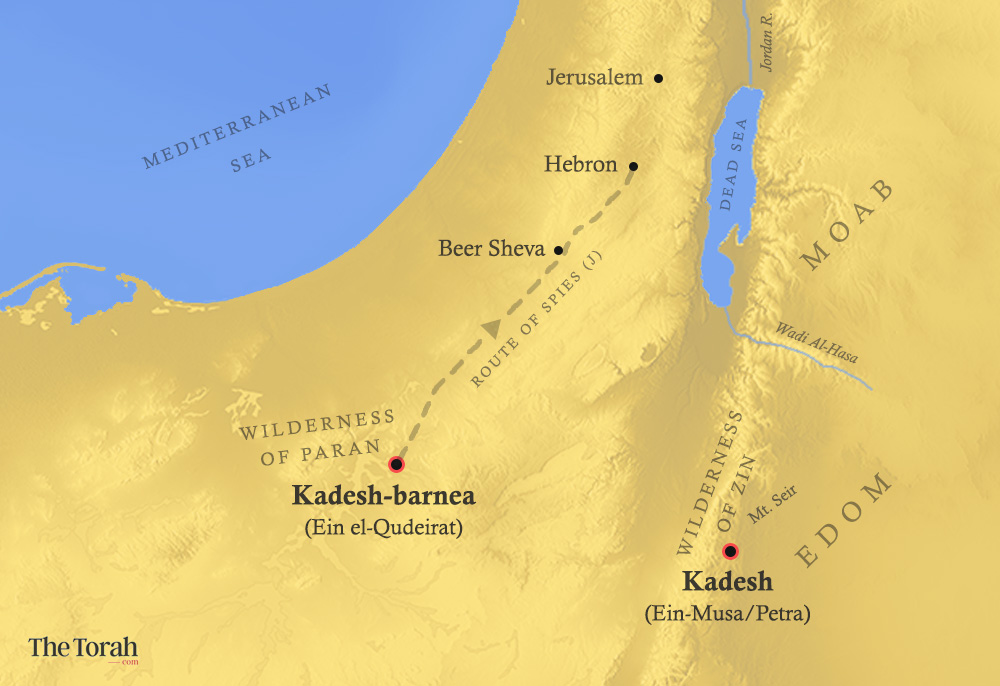
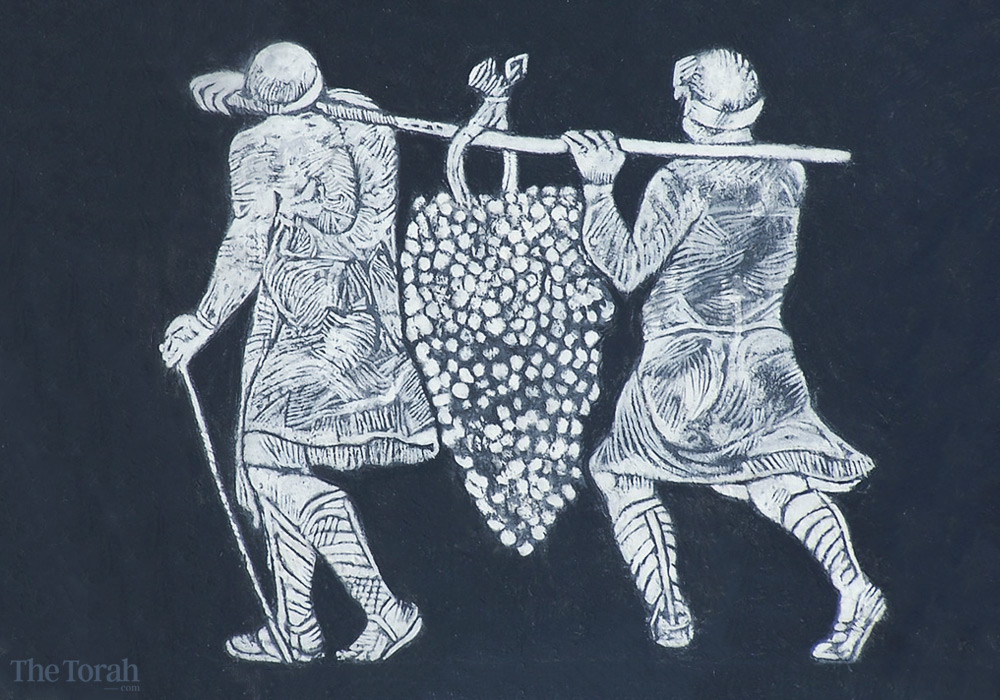
Kadesh-barnea is in the Wilderness of Paran, and Kadesh is in the Wilderness of Zin; how are we to explain the Scouts’ return to “Kadesh in the Wilderness of Paran?”

The Concept of Juxtaposition (סמיכות פרשיות)
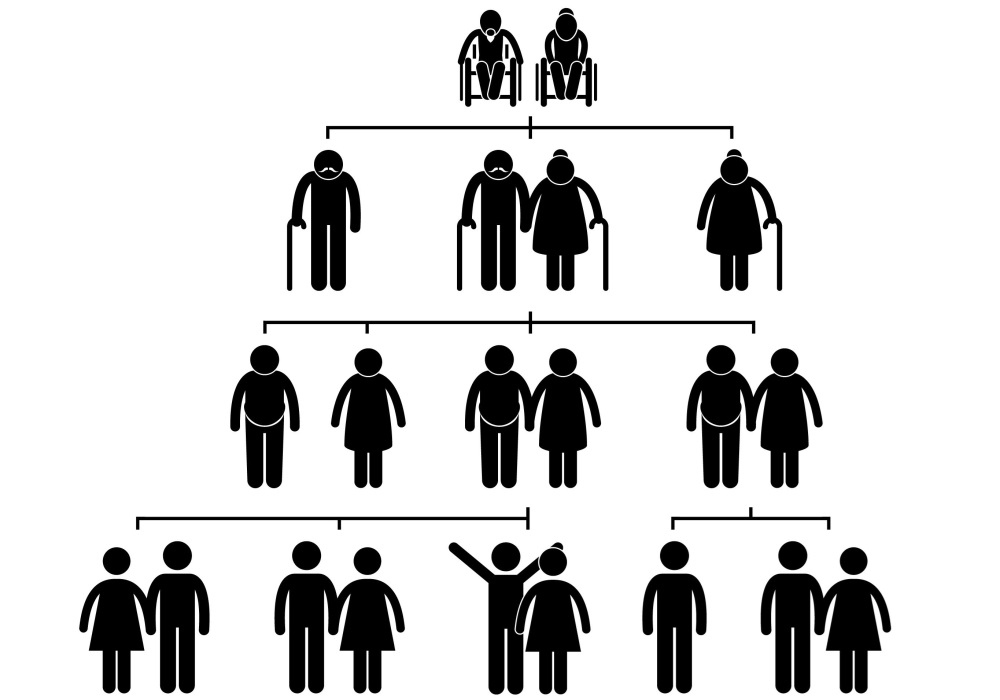
Ezekiel challenges the divine (in)justice of intergeneration
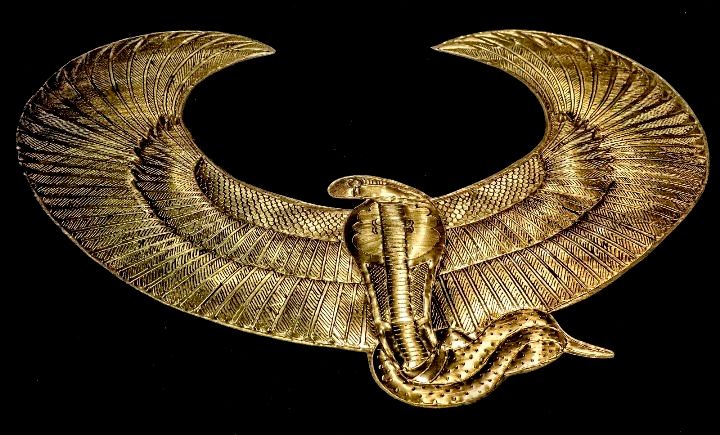
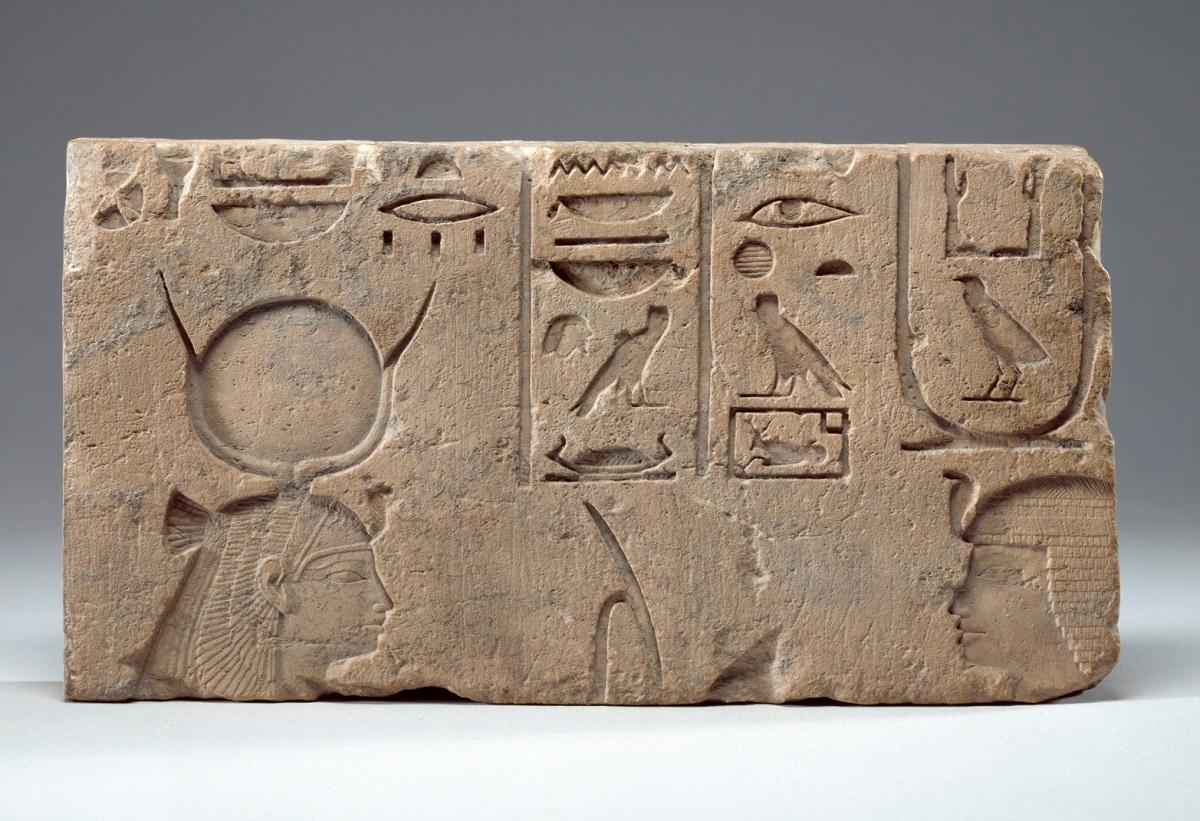
Several biblical and non-biblical texts describe encounters with flying venomous snakes in the Sinai and Arabian deserts. Egyptian iconography helps clarify what is being pictured.