Solomon’s Bronze Sea: A Celestial Apsu
In the courtyard of the First Temple, in addition to ten lavers, stood a massive bronze basin of water, supported by twelve bronze bulls. What was its function?
In the courtyard of the First Temple, in addition to ten lavers, stood a massive bronze basin of water, supported by twelve bronze bulls. What was its function?

Is there a common conception behind the “lights” of the Priestly redactors, the “flaming wheels” of the Ionian philosophers, and the “lamps” of the Mesopotamian commentators?

The simple meaning of Genesis 1–2:4 is that God created the world out of primordial elements. And yet, one important new initiative was the construction of time, embracing the day, the month, the year, and the week. The week, however, does not depend on a cosmic phenomenon but served to introduce the concept of a people holy to a creator God.
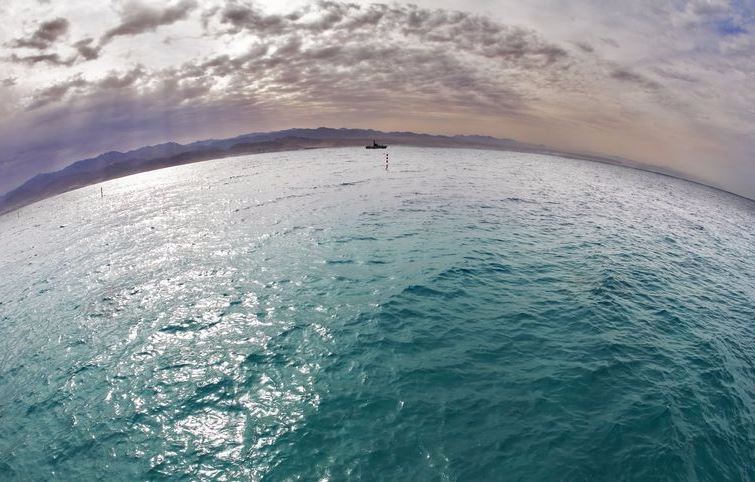
The Torah describes God’s fashioning the firmament (רקיע) on the second day of creation. This piece of the universe, however, doesn’t actually exist—a problem obfuscated in my yeshiva education.
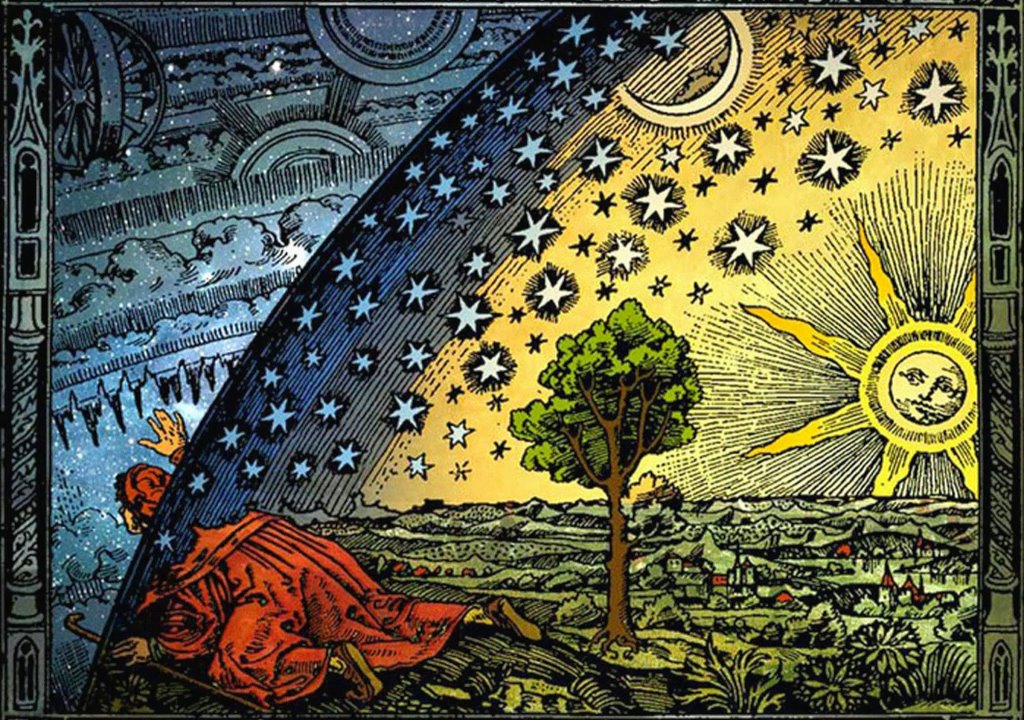
Commentators have struggled with this question for centuries, but ancient cosmology offers a compelling solution.