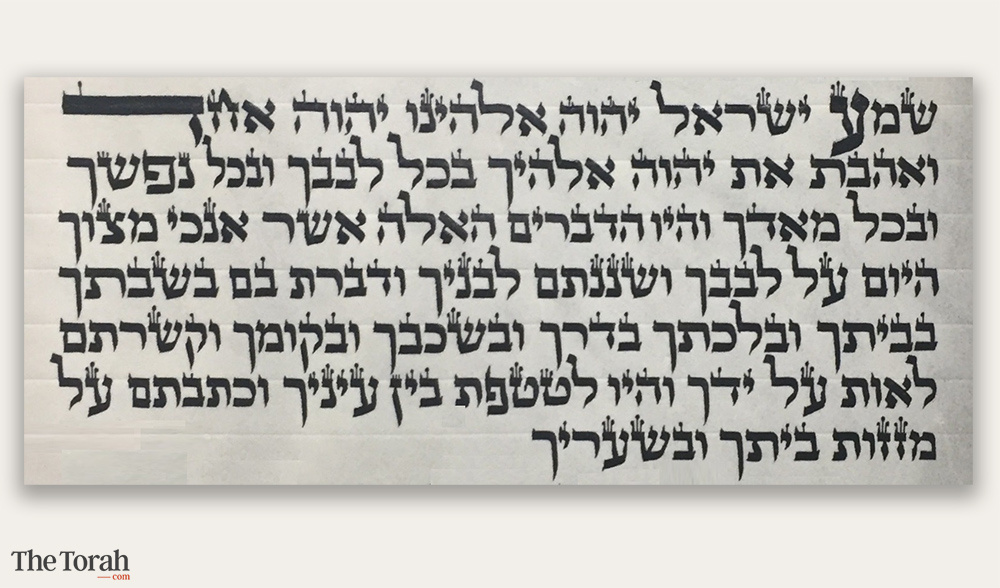
The Shema: Instructions for a Romance with YHWH
The threefold demand to love YHWH with all of one’s heart לְבָבְךָ, soul נַפְשְׁךָ, and “very-ness” מְאֹדֶךָ (Deuteronomy 6:5) is spelled out with specific instructions in the verses that follow.
The threefold demand to love YHWH with all of one’s heart לְבָבְךָ, soul נַפְשְׁךָ, and “very-ness” מְאֹדֶךָ (Deuteronomy 6:5) is spelled out with specific instructions in the verses that follow.
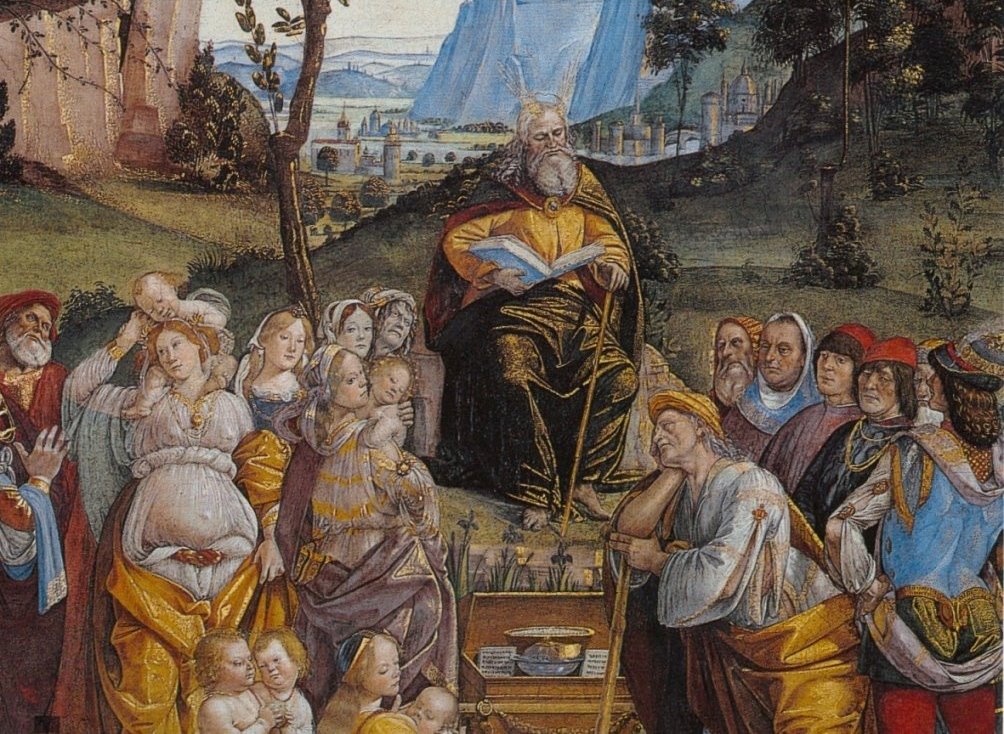
After Sinai, Moses writes down YHWH’s Laws on a scroll and reads it to the people (Exodus 24). Similarly, Moses writes down the Deuteronomic Torah, which will be read to the people every seven years (Deuteronomy 31). Using the literary mirroring technique, mise en abyme, the Torah connects its authority to these ancient scrolls on one hand, and its readers with the ancient Israelite audience on the other.
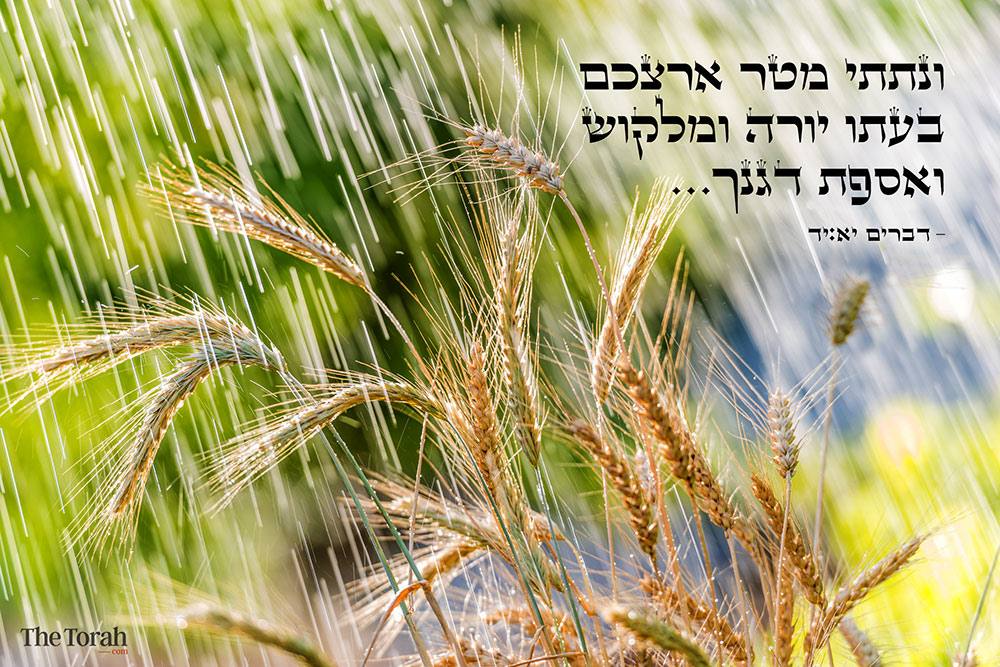
The agrarian import of Deuteronomy 11:14‒15, found in what Jewish readers know as the second paragraph of the Shema prayer, may not be self-evident to modern readers, the majority of whom live in urban and suburban settings. The text speaks directly to both those who grew crops and those who engaged in animal husbandry.

The Quran makes multiple intertextual connections with the Shema and its rabbinic commentary in its qiblah (“direction”) passages, thus highlighting a point of agreement between Jews and Muslims: Prayer is not about the physical direction you face but about loving God with all your heart.
It is often said that monotheism is one of Judaism’s greatest contributions to Western culture; however, it is far from clear that the Hebrew Bible is monotheistic. What is monotheism and when did it first develop?
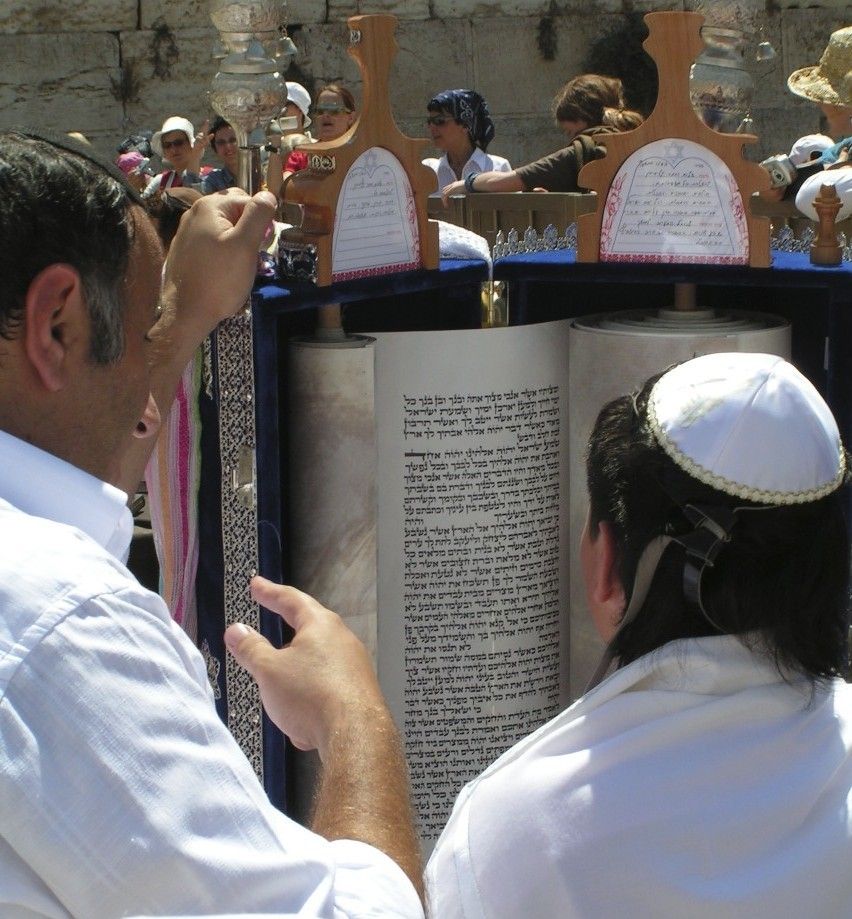
Deuteronomy 11 repeats, reworks, and supplements the core phrases and themes of the Shema paragraph in Deuteronomy 6 in order to teach the Israelites how to deal with one of their major future challenges: the temptations that accompany wealth, comfort, and affluence.
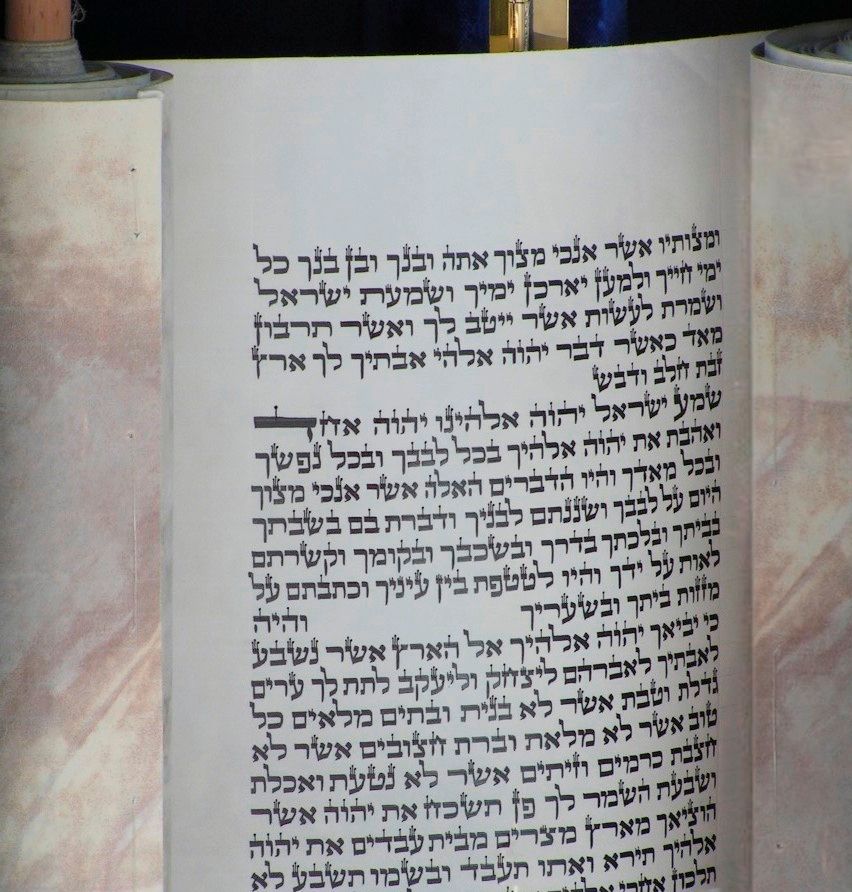
The second paragraph of Shema (Deuteronomy 11:13-21) has significant overlaps with the first (Deuteronomy 6:4-9), including some identical phrases and core concepts. It was likely written as a later elaboration of the first, a process that may reflect the earliest stages of the Shema becoming a central text.
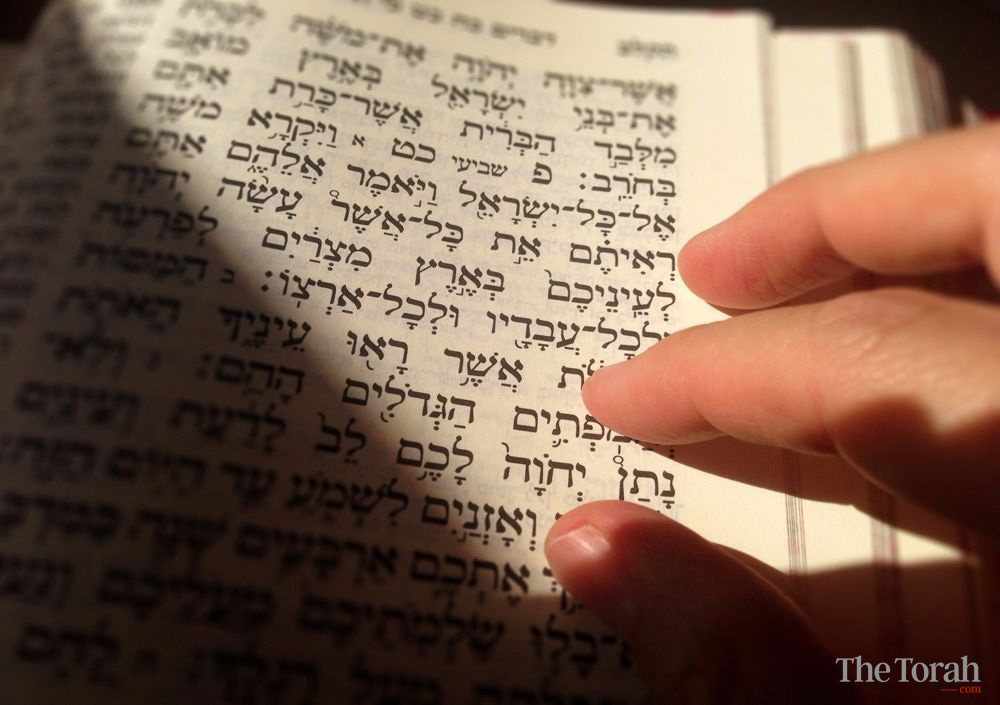
“God has not given you a mind to understand or eyes to see or ears to hear until this very day.”—Deuteronomy 29:3

To uphold the covenant, Deuteronomy requires two forms of torah study: Learning the commandments and learning the reasons for keeping them. But what happens if even that fails?

The Shema has many interpretations, philosophical, eschatological, national, etc. A historical-critical way to understand the Shema is to read it (and Deuteronomy more broadly) against the backdrop of Assyrian domination, when Assyria touted their god Ashur as the supreme master of the world.

A biblical metaphor was reinterpreted in light of a practice of wearing amulets for bodily protection.
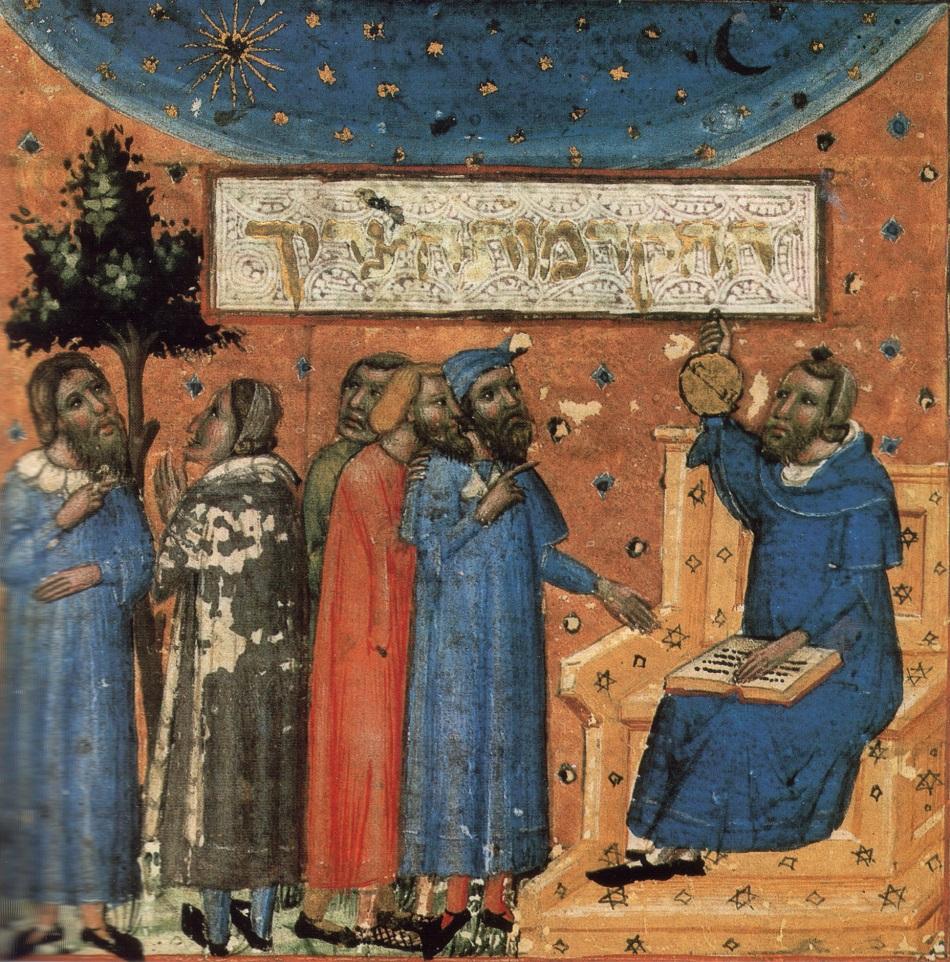
Philosophically inclined rabbis, such as Maimonides, attempted to understand the mitzvah to love God in Aristotelian terms, imagining God as a non-anthropomorphic abstract being. Shadal argues that this elitist approach twists both Torah and philosophy, and in its place, he offers a moralistic approach that can be achieved by all.
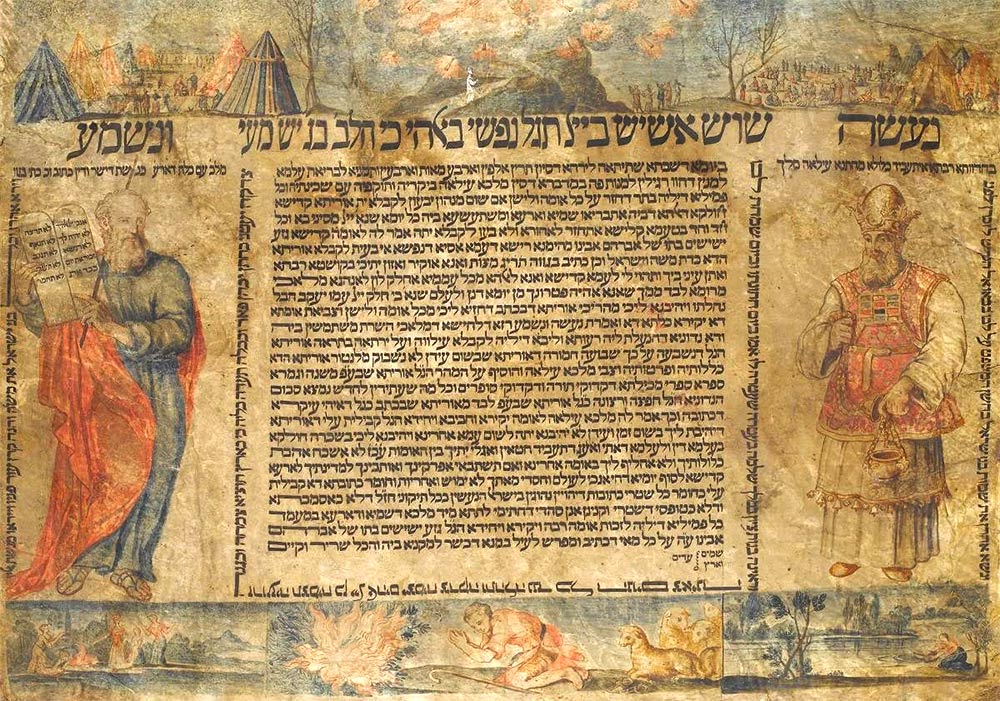
Reading Deuteronomy in light of ancient Near Eastern treaties, we learn that the commandment to love God entails both action and affection. We further learn about the nature of God’s love for Israel, described also in the prophets and in the rabbinic reading of Song of Songs.

Deuteronomy reflects influence from ancient Wisdom traditions, such as those in the book of Proverbs and in other ancient Near Eastern literature. Yet Deuteronomy presents Torah as Israel’s own Wisdom teaching. This serves both to elevate Torah and to insist that it be in dialogue with the broader, non-Israelite world.

The Aleinu prayer begins, עלינו לשבח לאדון הכל, “It is for us to praise the Master of all,” which creates theological tension: If God is presented here as the Master of all, why is it only Jews who are to praise God?