Alice Mandell

Alice Mandell

Dr.

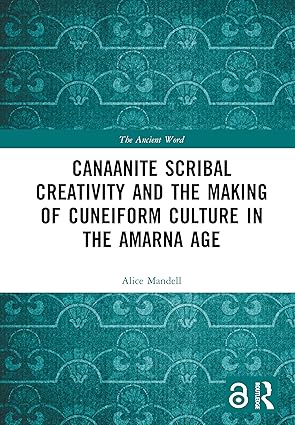
Dr. Alice Mandell is Assistant Professor and William Foxwell Albright Chair in Biblical and Ancient Near Eastern Studies at Johns Hopkins University. She holds a Ph.D. in Hebrew Bible and Northwest Semitics from UCLA’s Department of Near Eastern Languages and Cultures. Her first book, Canaanite Scribal Creativity and the Making of Cuneiform Culture in the Amarna Age, is forthcoming from Routledge.

Last Updated:

Articles by Author

Pharaoh and His Vassals in Canaan

Pharaoh and His Vassals in Canaan

Canaanite kings, such as Abimilki of Tyre, write to Pharaoh to ask for help and complain about rivals. Notable is Aziru, king of Amurru, who abandons his loyalty to Egypt in favor of the Hittites.
The ‘Apiru and Labʾayu Ruler of Shechem

The ‘Apiru and Labʾayu Ruler of Shechem

Abdi–Ḫeba of Jerusalem, among other Canaanite rules, appeal to Pharaoh for help against the ‘Apiru, who are destroying towns. Some local rulers are even accused of being in league with the ‘Apiru, the most colorful and notorious of which was Labʾayu of Shechem.
Scribes: The Diplomats of the Amarna-Age

Scribes: The Diplomats of the Amarna-Age

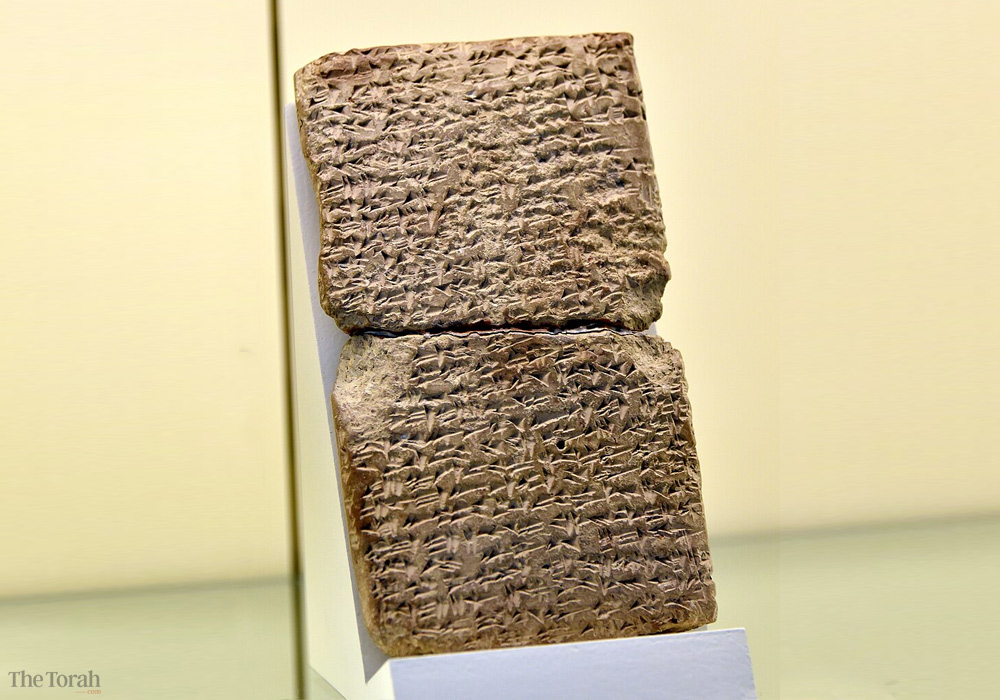
The Amarna letters are presented in the voice of various kings, but they are actually literary creations crafted by professional scribes who employ wordplay, parallelism, and other rhetorical techniques to make their patrons' messages as persuasive as possible.
The Scribal Team of Rib-Hadda of Byblos

The Scribal Team of Rib-Hadda of Byblos

As king of an important port city, Rib-Hadda employed at least ten scribes, who were trained in a certain rhetorical style, some of whom travelled with him north to Ṣumer and south to Beirut.
King Abdi-Heba of Jerusalem Commissions a Syrian Scribe

King Abdi-Heba of Jerusalem Commissions a Syrian Scribe

In the earliest texts from Jerusalem, dating to the 14th century B.C.E., the royal scribe peppers his Akkadian letters with Canaanite forms and expressions to defend Abdi-Heba against accusations of disloyal to the pharoah