Tzaraat

A Longer Look at Moses’ Very Short Prayer

A Longer Look at Moses’ Very Short Prayer

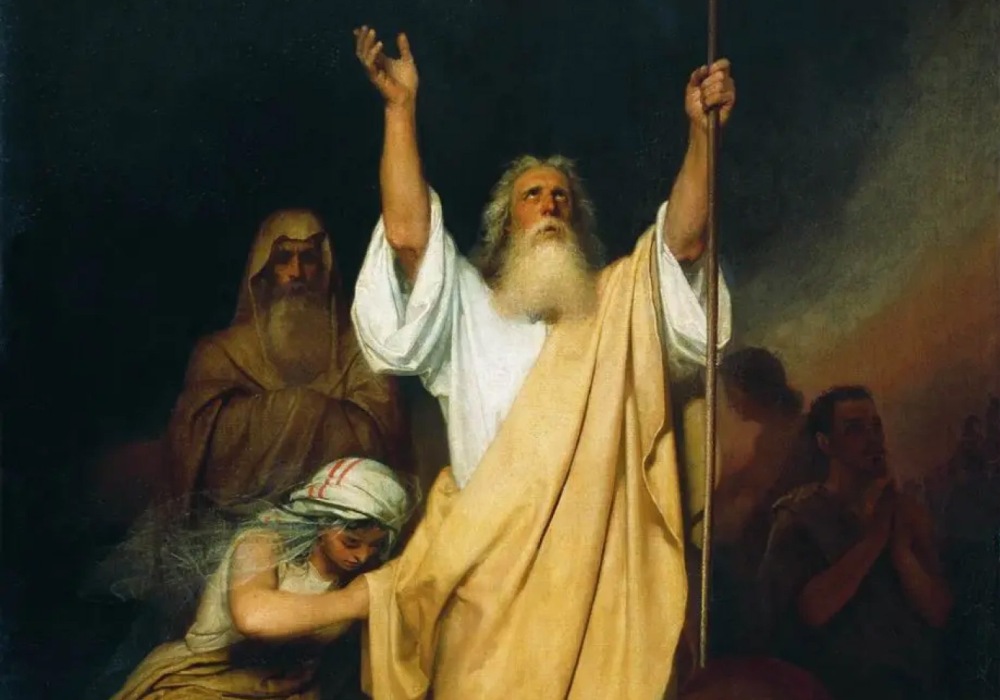
After Miriam is stricken with a skin affliction for speaking badly of Moses, Aaron begs Moses to forgive her, and Moses prays to God for her healing with five words: אֵל נָא רְפָא נָא לָהּ “O God, pray, heal her.” But the original prayer was likely different.

Rebuke: From Bible to Talmud to Zohar

Rebuke: From Bible to Talmud to Zohar

How much is too much when rebuking someone? Proverbs, Talmud, and Maimonides stress the importance of not humiliating the person, and stopping if they're not listening. The Zohar, however, tells a story of Rabbi Ḥiyya and Rabbi Yosi meeting a man with a skin disease on the street and publicly rebuking him. This mindset reflects the Jewish community in 13th century Spain and the institution of berurei aveirot, religious police appointed to root out evil and maintain righteousness.

Tzaraʿat Purification: A Vestige of Demonic Exorcism

Tzaraʿat Purification: A Vestige of Demonic Exorcism

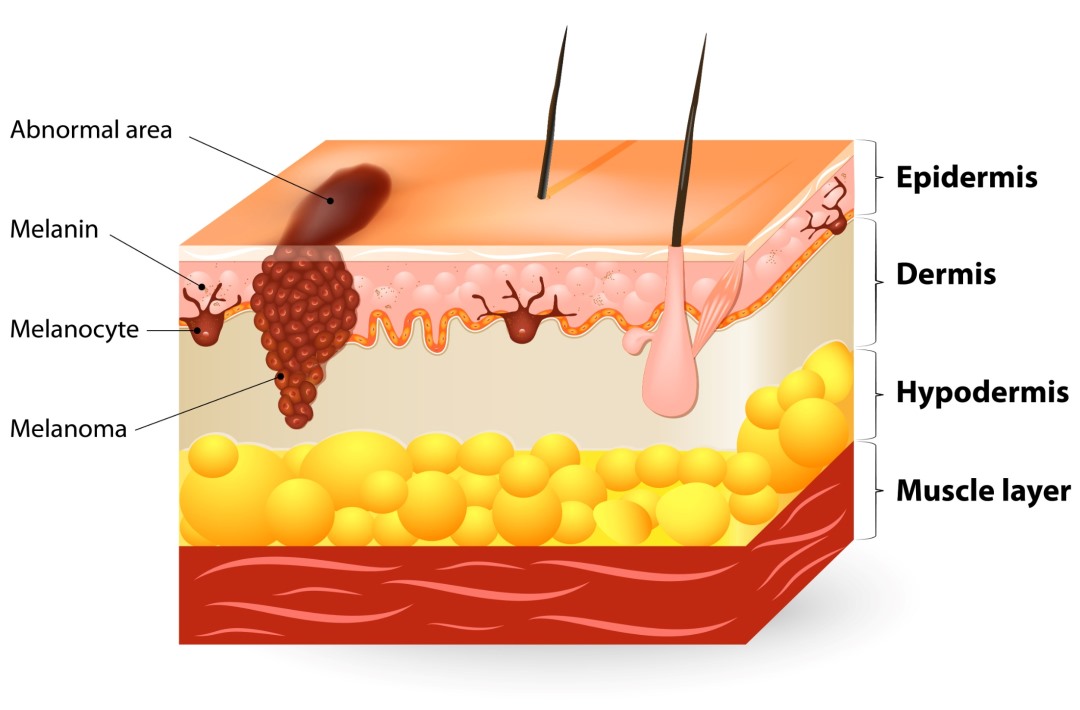
In Priestly law, impurity is stripped of its mythic origins in the demonic realm but still retains its dangerous, physical presence, and must be mitigated by specific acts of ritual cleansing and banishing, depending on the type of impurity. Purification from the skin disease tzaraʿat (Leviticus 13–14) offers the starkest example of such a ritual.

Priests & Rabbis Determine Ritual Reality

Priests & Rabbis Determine Ritual Reality

The Torah allows the removal of vessels from a house before the priest quarantines it for tzaraʿat, understanding impurity here not as the result of physical reality but of a human declaration. This idea is developed further by the rabbis, who apply it to other areas of Jewish law.

Scapegoat: The Origins of the Crimson Thread

Scapegoat: The Origins of the Crimson Thread

During the Second Temple period, the scapegoat was tied with a crimson thread. While the Torah requires a crimson thread as part of the purification ritual for tzaraʿat (skin disease), it does not mention it by the scapegoat. Nevertheless, parallel practices found in 2nd millennium B.C.E. Hittite texts of Luwian origin imply that the use of a crimson thread is not a late innovation but an ancient part of the rite.

Tzaraat in Light of Its Mesopotamian Parallels

Tzaraat in Light of Its Mesopotamian Parallels

Despite its lengthy coverage of tzaraat, biblical “leprosy,” the Torah omits discussion of its cause, its infectiousness, and its treatment. Comparison to the Mesopotamian rituals pertaining to a strikingly similar disease, Saḫaršubbû, shows that these omissions were far from accidental.

Re-Encountering Miriam

Re-Encountering Miriam

The biblical portrait of Miriam can leave the modern reader with a lingering bitterness, but a closer reading highlights her prophetic role, and her willingness to challenge the social norms and pursue an alternative, redemptive course.

A Sin Offering for Birth Anxiety

A Sin Offering for Birth Anxiety

Following the purification period after birth, a mother must bring a חטאת –“sin offering,” despite her having committed no obvious sin. This offers us a unique glimpse into the prehistory of the Israelite cult, when apotropaic rituals (used to protect against dangerous forces) like those in other ANE cultures, were the norm.