Jewish-Christian Polemics

Behind the Mockery: Jewish Responses to Jesus’ Crucifixion and Resurrection

Behind the Mockery: Jewish Responses to Jesus’ Crucifixion and Resurrection

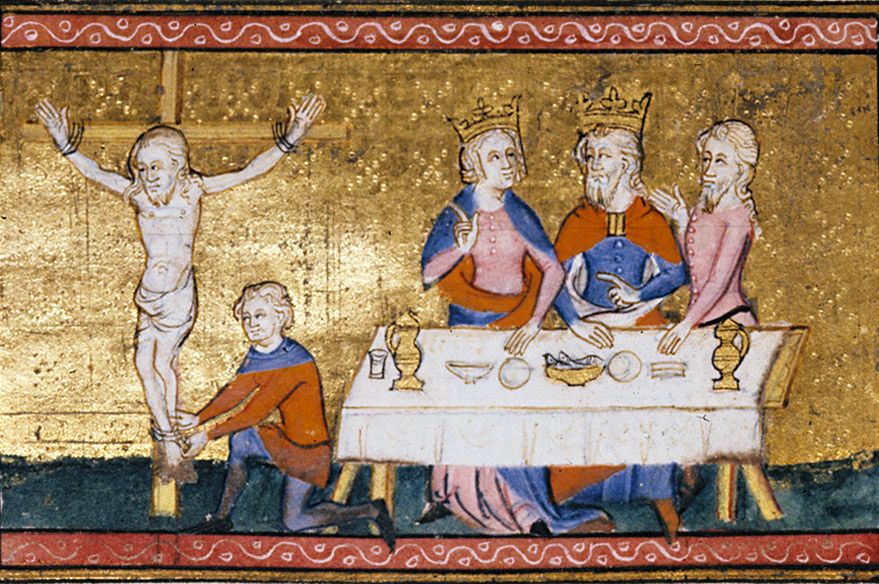
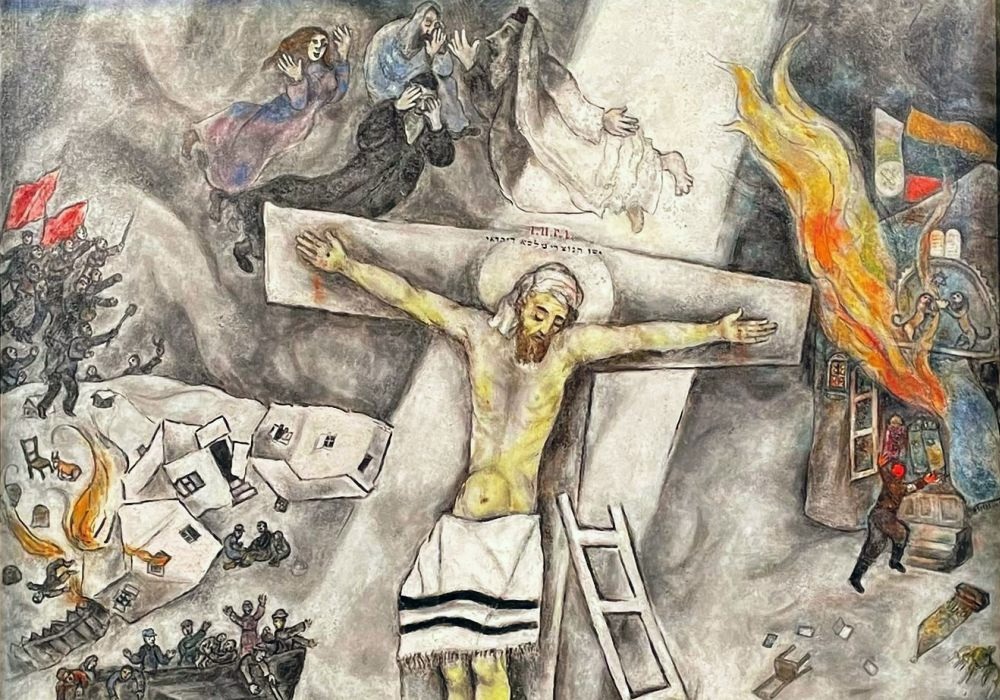
The products of a period in which Judaism was considered to have been superseded by Christianity and Jews were treated as inferiors, the Talmud and Toledot Yeshu literature developed a biting, farcical retelling of Jesus’ story, which, at the same time, reveals the Jewish struggle to explain his massive impact on world religion. Yet, medieval rabbis also responded to Jesus’ death in a serious way, noting that ultimately, things turned out for the best: Jesus always planned to be crucified, and Jesus asked God to forgive everyone involved.   
“By Your Blood, Live! By Your Blood, Live!” How the Haggadah Rereads Ezekiel

“By Your Blood, Live! By Your Blood, Live!” How the Haggadah Rereads Ezekiel

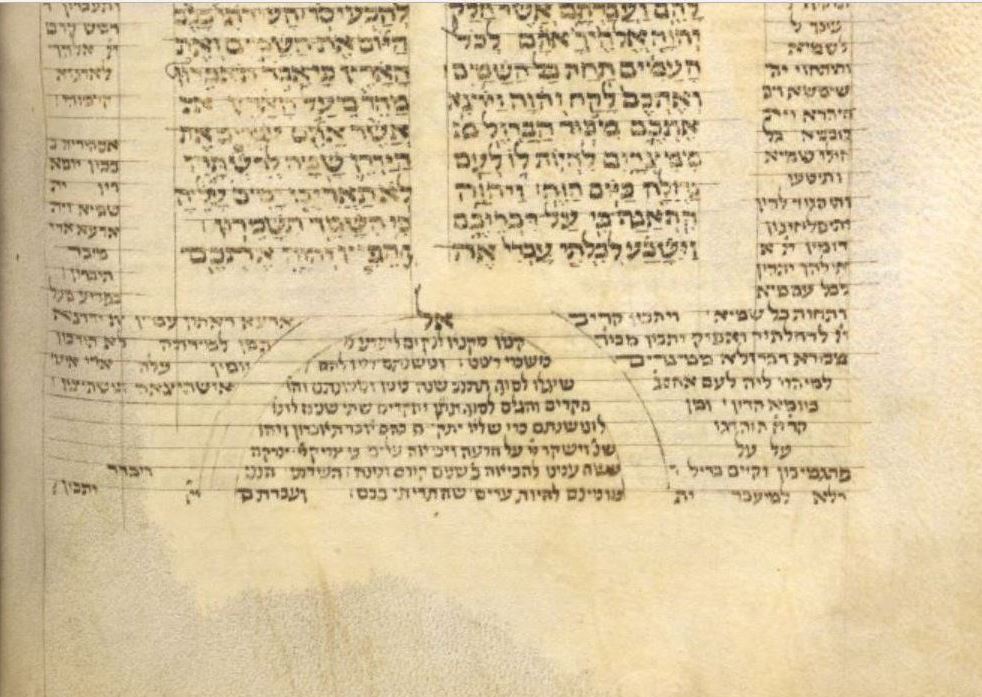
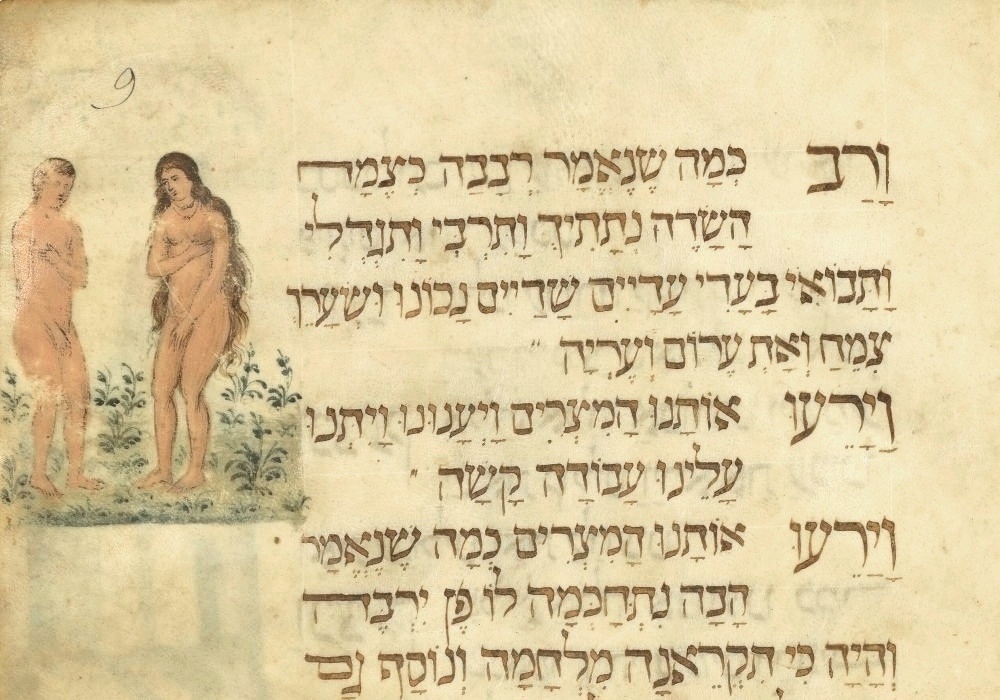
In Ezekiel’s graphic metaphor of a girl abandoned in the blood of her afterbirth, God sees baby Jerusalem and urges her to live (Ezekiel 16:6–7) but leaves her there until she is older. The verse’s inclusion in the Haggadah (ca. 16th century) hinges on Mekhilta’s radical reinterpretation and regendering of the blood as representing Israel’s first mitzvot in Egypt: circumcision and the paschal offering. In response to Christian supersessionism, women’s menstrual blood was added as a third example of Israel’s blood-based mitzvot.

Observance or Faith? Jews and Christians Contend Over Abraham’s Legacy

Observance or Faith? Jews and Christians Contend Over Abraham’s Legacy

In the 2nd century C.E., when Christianity emerged as a religion, theologians such as Justin and Chrysostom interpreted Paul’s letters to mean that Christians with faith in Jesus are Abraham’s spiritual descendants through Sarah. Jews, in contrast, are only his flesh descendants, banished like Hagar. Genesis Rabbah responds that after Sarah’s death, Abraham remarried Hagar—now called Keturah, “adorned” (kitra) with commandments and good deeds—and had many more children with her than he did with Sarah.

God’s Beloved Is Israel (Not the Church): Rashi on Song of Songs

God’s Beloved Is Israel (Not the Church): Rashi on Song of Songs

Origen (3rd century C.E.) read the Song of Songs as an allegory expressing the love between Christ and his “bride,” and many Christian interpreters followed suit. Rashi (11th century C.E.), utilizing his two-pronged method of midrash aligned with peshat, developed a consistent Jewish allegory for the Song: Israel is an exiled wife, who pines for the time of her youthful love with God. Could Rashi have been contending with the Christian interpretation?

Jews Aren’t Grateful. Yes We Are—Dayenu!

Jews Aren’t Grateful. Yes We Are—Dayenu!

In his Peri Pascha, the 2nd century Bishop Melito of Sardis critiques the Jews with a list that begins, "Ungrateful Israel, come to trial with me concerning your ingratitude." Centuries later, the song Improperia, inspired by the theme of Jewish ingratitude to God, entered the Catholic liturgy. Scholars have long noted its similarity to Dayenu, a song that first appears in Saadiah Gaon's Haggadah in the 10th century. Which song is responding to which?

The Trinity: Medieval Jewish and Muslim Critiques

The Trinity: Medieval Jewish and Muslim Critiques

Muslim scholars like Qadi Abd al-Jabbar, Ibn Hazm (11th c.), and Salih b. al-Husayn al-Gafari (13th c.), and Jewish scholars like Ibn Ezra, Joseph Kimchi (12th c.), Hasdai Crescas, and Profiat Duran (14th c.) viewed the Trinity as a troubling departure from pure monotheism. Spurred by religious competition that was often intertwined with political competition or coercion, they sought to refute it, drawing on philosophy, the Hebrew Bible, and even the New Testament.

Tertullian, Father of Western Christianity’s “Answer to the Jews”

Tertullian, Father of Western Christianity’s “Answer to the Jews”

​​In late 2nd century Carthage, Tertullian, the first church father to write in Latin, composed Adversus Iudaeos to argue that Christianity’s interpretation of the Hebrew Bible was better than that of the Jews. While his depictions of Jews deal only with biblical verses, from his comments elsewhere about veiled women, Nazarenes, fasting, etc., he was clearly familiar with Jewish practice of his day.

I (God) and Not an Angel: The Haggadah Counters Jesus and the Arma Christi

I (God) and Not an Angel: The Haggadah Counters Jesus and the Arma Christi

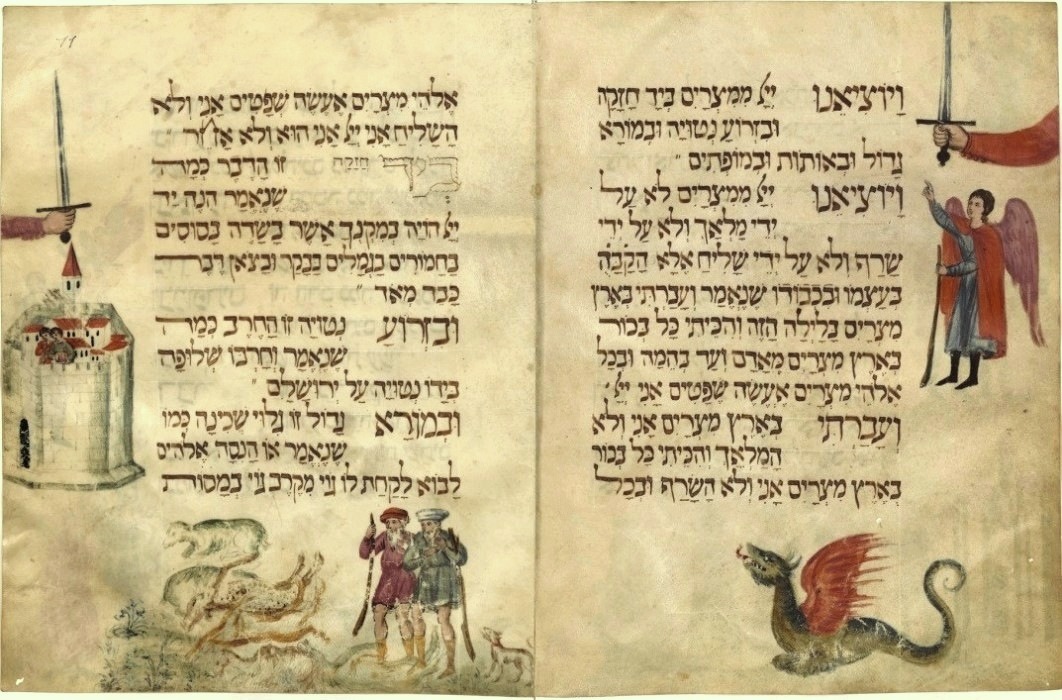
The Haggadah’s insistence that God, without an intermediary, saved the Israelites from Egypt is a veiled retort to the Christian belief that God relied on Jesus as an agent of redemption. Moreover, the midrash replaces the Arma Christi tradition of recounting the weapons Jesus used to save humanity during the Crucifixion with its own distinctively Jewish arsenal of redemption: pestilence, a sword, the Shechinah, the staff, and blood.

The Denigration of Esau

The Denigration of Esau

Why does Esau in Jewish tradition come to be known as עשו הרשע “Esau the Wicked”? The answer has to do with the history of Judea’s relationship with Esau’s eponymous descendants, the Edomites, and the connection Jews made between them, Rome, and Christianity. The negative view of Esau is expressed nowhere more forcefully than in Rashi’s commentary.

Did God Originally Intend the World to Be Vegetarian?

Did God Originally Intend the World to Be Vegetarian?

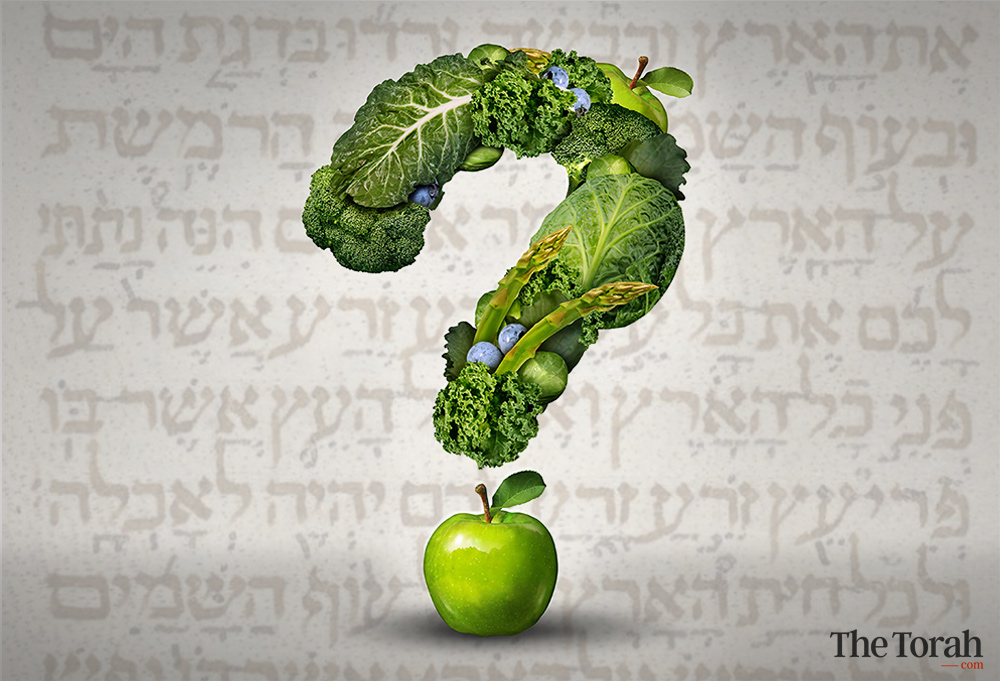
In the creation story, God tells humans to eat plants. Only after the flood, does God permit them to eat animals. Interpreters have understood this to mean that vegetarianism was God’s original plan for humanity. Gersonides found the claim that God changed His mind scandalous, but this is more about countering Christian claims than the simple meaning of the text.

Did Moses Become Celibate?

Did Moses Become Celibate?

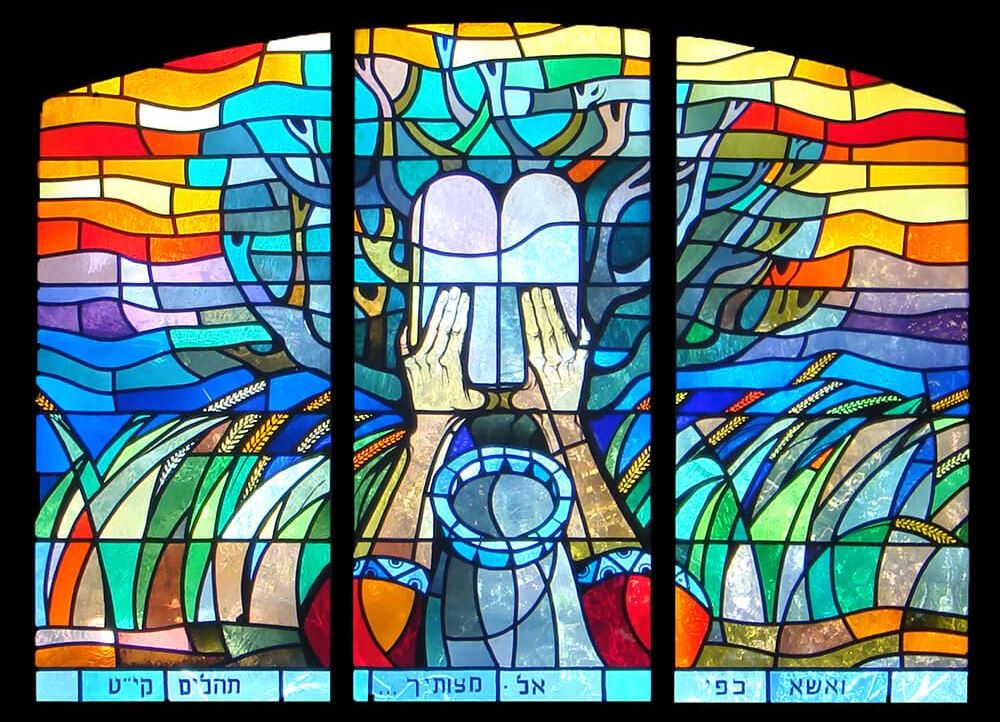
The Israelite men are commanded to separate from their wives before the revelation at Sinai. The rabbis learn from this that Moses permanently separated from his wife (Numbers 12), to be available to speak with God at all times. However, Joseph ibn Kaspi in the 14th century claims that this interpretation distorts the plain meaning of the text and that celibacy is an affront to Jewish values.

Esau the Ancestor of Rome

Esau the Ancestor of Rome

In the Bible, Esau is the ancestor of the Edomites who live on Mount Seir, southwest of Judah. So how did the rabbis come to associate Esau and Edom with Rome? Two main factors are at work here: Christianity and Herod.

Does Rashi’s Torah Commentary Respond to Christianity?

Does Rashi’s Torah Commentary Respond to Christianity?

Moses promises that if Israel forsakes the covenant, God will destroy them permanently (Deut 4:25-26). Drawing on a midrash, Rashi explains that God exiled Israel early to avoid having to wipe them out; thus, God never actualized this threat. Considering Rashi’s responses to Christian ideas in other biblical texts, Rashi's comment on Deut 4:25 may well be an apologetic effort to prove that God’s covenant with the Jews remains intact.

The Torah Is Not an Allegory

The Torah Is Not an Allegory

In a polemical response to Christian and Jewish allegorical interpretation of the Torah’s laws, Bekhor Shor writes that just as God speaks to Moses “clearly and without riddles” (Num 12:8), so too the Torah is clear and means what it says, and should not be interpreted allegorically.