Transjordan

Transjordan Is Not the Promised Land, Even in Deuteronomy

Transjordan Is Not the Promised Land, Even in Deuteronomy

So why does YHWH instruct Moses to conquer the Transjordanian territory of King Sihon? Deuteronomy knows that Israelites lived in the Transjordan and claims that they applied the Deuteronomic law of ḥerem to Amorites living there. Thus, YHWH hardens Sihon’s heart, forcing him to fight the Israelites, giving them a reason to annihilate the local Amorites and ensuring that they would not be led astray by their idolatry.

The Strip of Argov in the Bashan

The Strip of Argov in the Bashan

Four times in the Bible, Argov clearly refers to a strip of land in the northern Transjordan. But the word Argov also appears a fifth time alongside “the lion” in the story of Pekah’s assassination of King Pekahiah—and there it is not a place. So, what does Argov really mean?

Jacob’s Funeral Cortege Stops to Mourn at Goren-haʿatad, Near Gaza

Jacob’s Funeral Cortege Stops to Mourn at Goren-haʿatad, Near Gaza

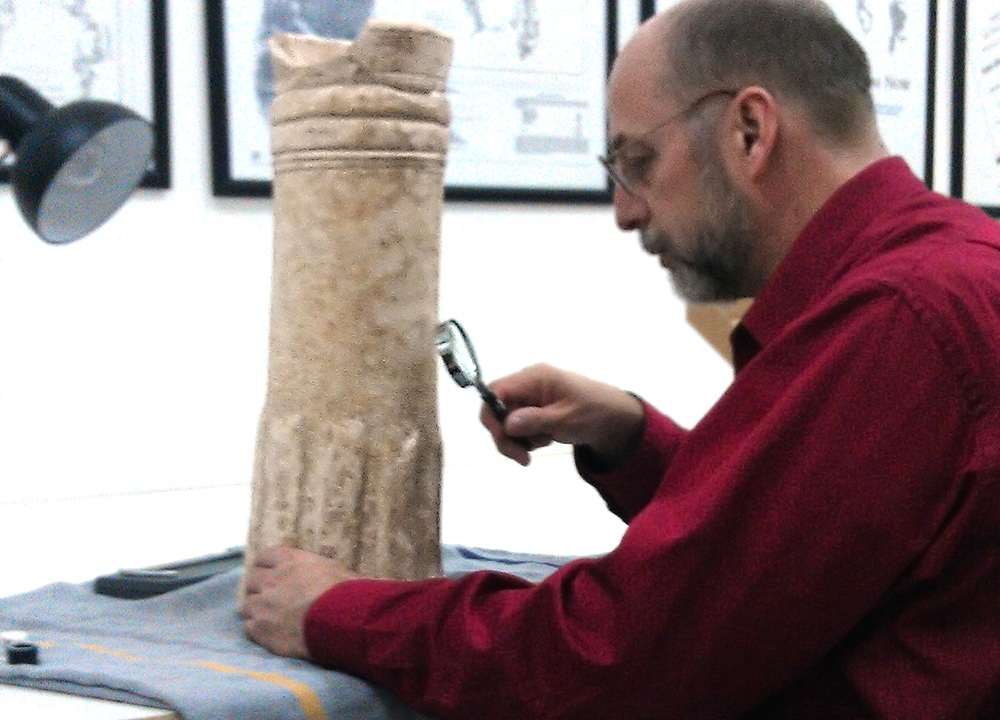
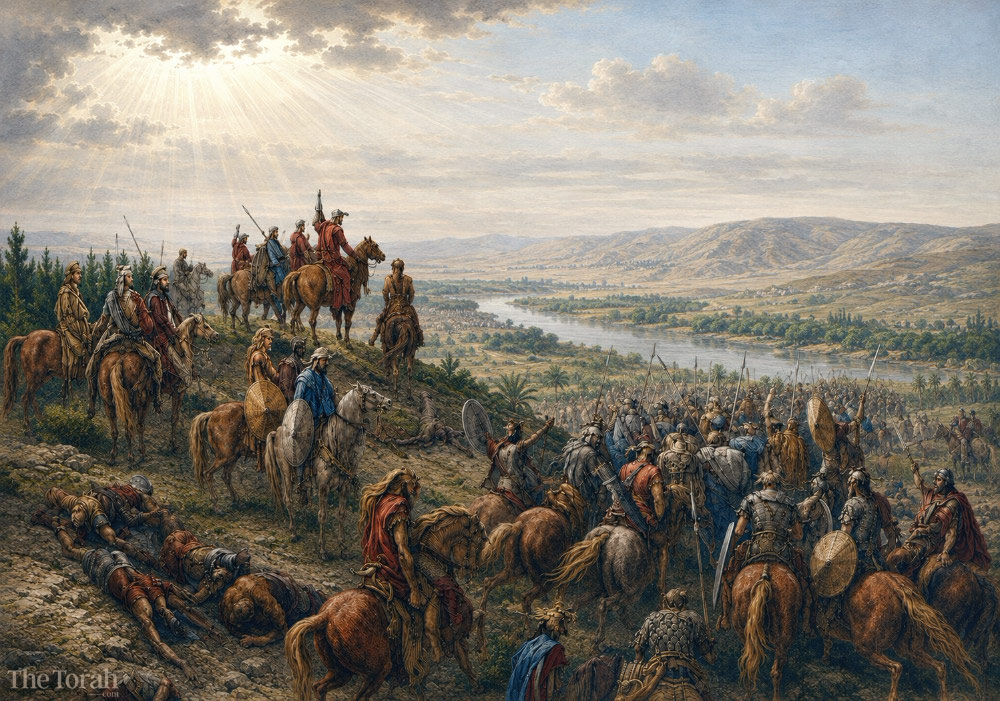
Goren-haʿatad, at the southwestern border of Canaan, is situated near a crossing point of Abel-Mitzrayim, the Brook of Egypt. It is named Yardan/Jordan Pass, after an obscure village in this region mentioned by Pharaoh Shishak, Josephus, and the Madaba map. A Syriac text describes a battle of Arab armies against Christians, Jews, and Samaritans that took place there in 634 C.E., and which likely ended in the village’s destruction.

Waheb in Suphah, the Forgotten “Town in the Stream”

Waheb in Suphah, the Forgotten “Town in the Stream”

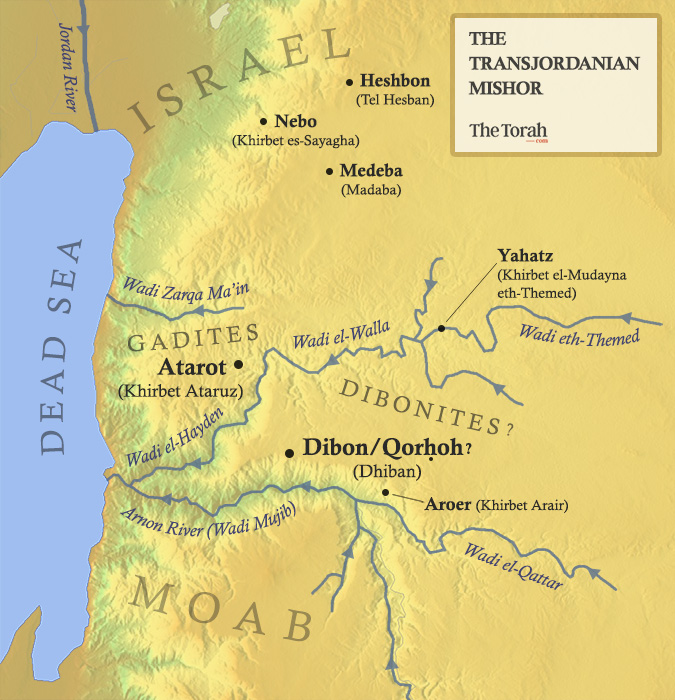
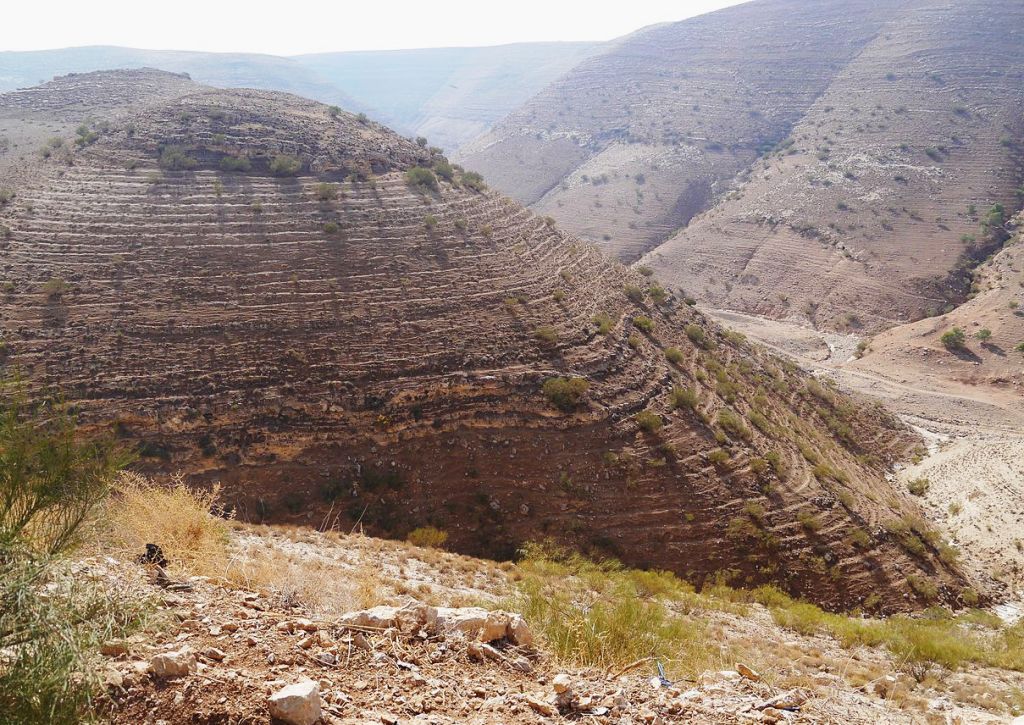
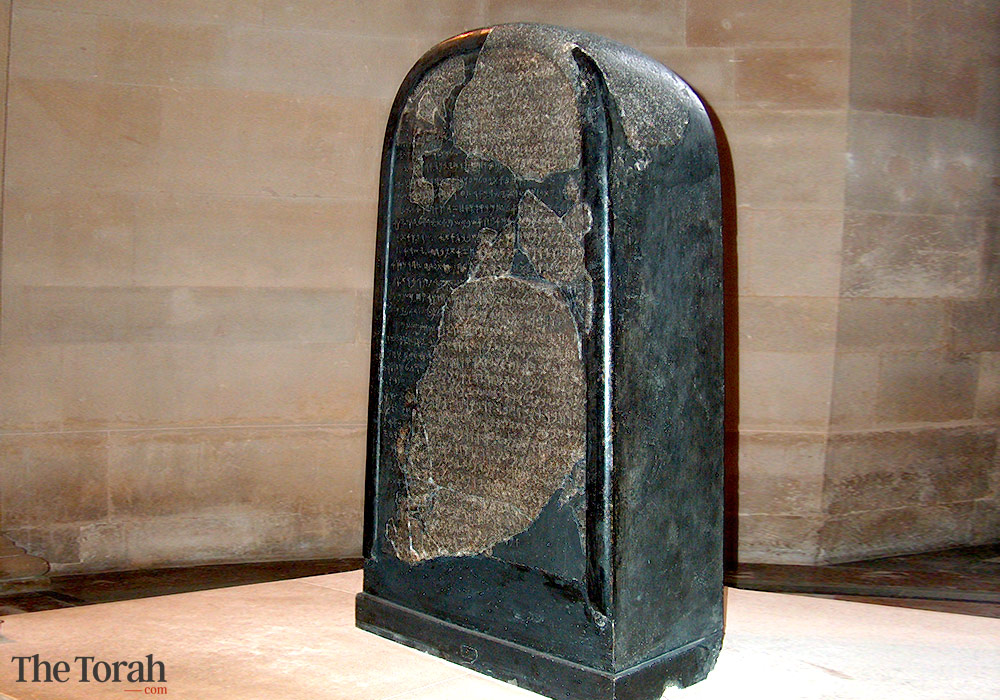
Describing the Israelites crossing the Arnon Stream into Amorite territory, the Torah quotes the Book of YHWH’s Battles that speaks of “Waheb in Suphah,” a phrase that appears nowhere else in the Bible. Many creative explanations have been given, but based on a survey on the ground we can identify it as the “Town in the Stream,” an ancient biblical town whose name had long been forgotten.

Viewing the Promised Land, Moses Looks Even at the Transjordan

Viewing the Promised Land, Moses Looks Even at the Transjordan

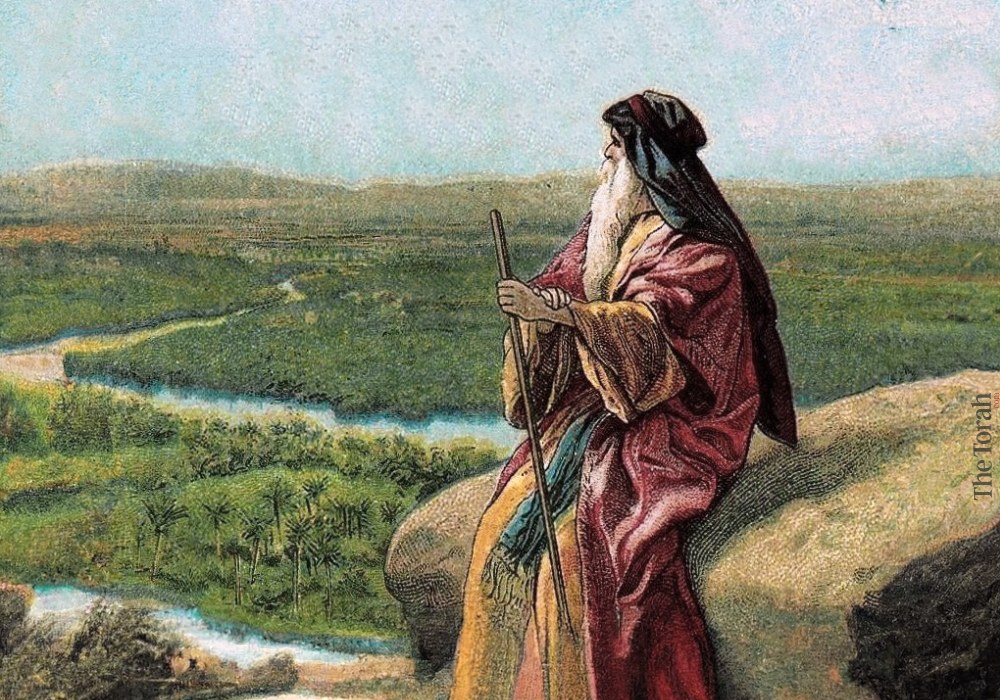
Several biblical passages assume that the promised land is limited to Canaan, i.e., the Cisjordan. But this view was not universally shared. Scribes who saw the Transjordan as part and parcel of it adjusted multiple passages in Deuteronomy, including the third and final take of Moses’s death, to make this episode fit their idea about the extent of the land.

Sheger, Ashtoret and Ashtor – The Patron Gods of Transjordanian Shepherds

Sheger, Ashtoret and Ashtor – The Patron Gods of Transjordanian Shepherds

Deuteronomy uses unusual parallel terms “the shegar of your herd and the ashtorot of your flock” to describe the offspring of livestock. These are names of the ancient West Semitic fertility goddess known as Ashtoret or by her less familiar bi-name Sheger. Her consort is (sometimes) the god Ashtor. What do we know about these deities and what do they have to do with livestock?

The Settlement of Reuben and Gad: A Rhetorical Case for Transjordan as Part of the Promised Land

The Settlement of Reuben and Gad: A Rhetorical Case for Transjordan as Part of the Promised Land

Moses misunderstands the request of the Gadites and Reubenites to settle in the Transjordan as a result of unwillingness to participate in the conquest of Canaan with the rest of the Israelites. Once he realizes that they do mean to fight, he accepts their request. The author of Numbers 32 creates a rhetorically rich argument that the Transjordan is part of the Promised Land—but not everyone was buying what this author was selling.

Navigating the Torah’s Rough Narrative Terrain into the Land

Navigating the Torah’s Rough Narrative Terrain into the Land

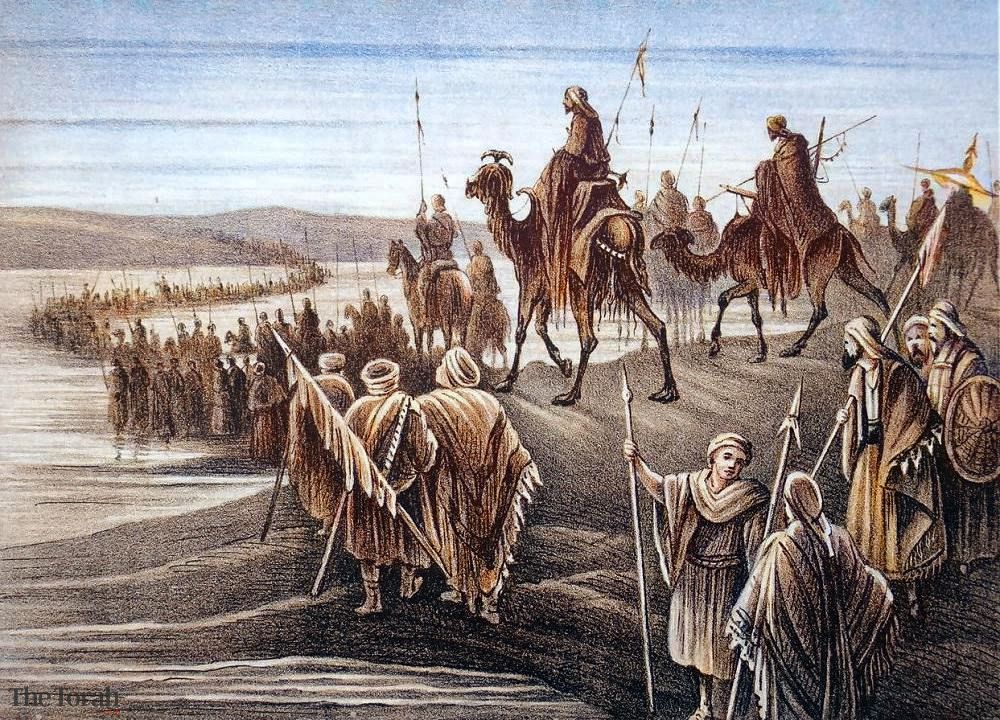
The route the Israelites take through the Transjordan in Numbers 21 is choppy: They are in the Negev then suddenly they are back in the Transjordan; they are moving south and suddenly they are north; they are in western Moab then suddenly they are in the eastern desert. Though traditional commentators attempt to tease out an overall route, it seems more likely we are looking at a palimpsest that includes contradictory versions of the story.

Where in the Transjordan Did Moses Deliver His Opening Address?

Where in the Transjordan Did Moses Deliver His Opening Address?

Deuteronomy 1:1 describes the place where Moses gave his address with a list of several toponyms. Early commentators interpreted these toponyms as Moses’ hidden rebuke, while peshat commentators from Bekhor Shor to R. David Zvi Hoffmann tried to fit them into their context. A geographic and source-critical analysis suggests that this is an itinerary list, reflecting an alternative account of Israel’s travels through the Transjordan.

Redacting the Relationship to the Transjordanian Tribes

Redacting the Relationship to the Transjordanian Tribes

Numbers 32 combines two versions of how Gad and Reuven receive Moses’ permission to settle the Transjordan. The non-Priestly story emphasizes fraternity and kinship, while the Priestly version emphasizes law and obedience to YHWH. By synthesizing them, the redactor suggests that law can serve as a pillar around which the Israelite community can coalesce.