Archaeology

Who Were the Tribe of Dan?

Who Were the Tribe of Dan?

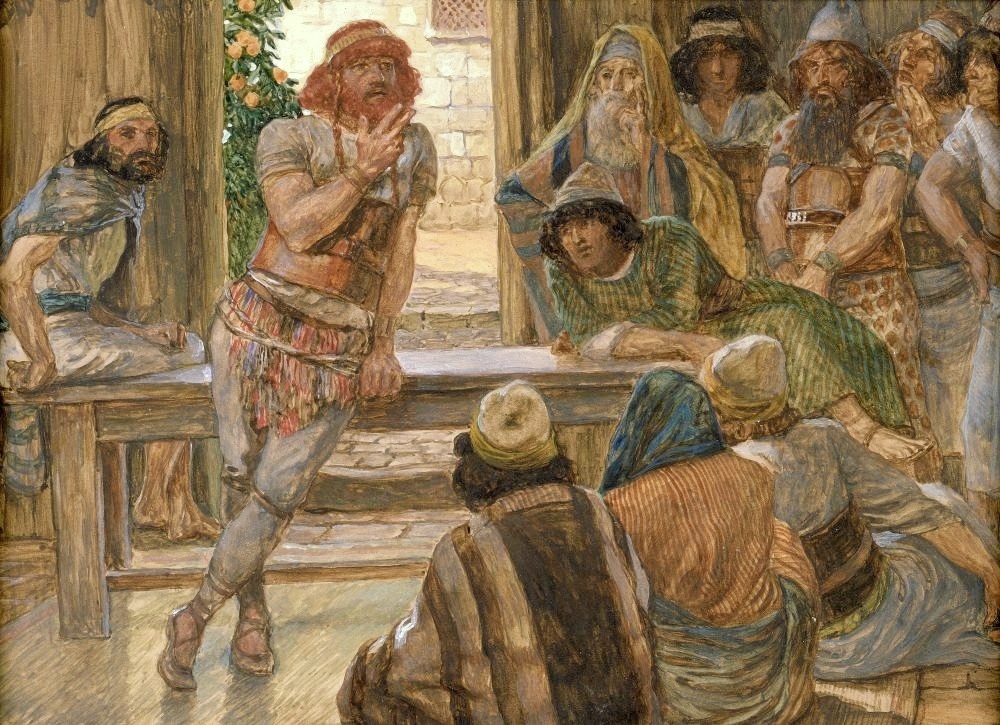
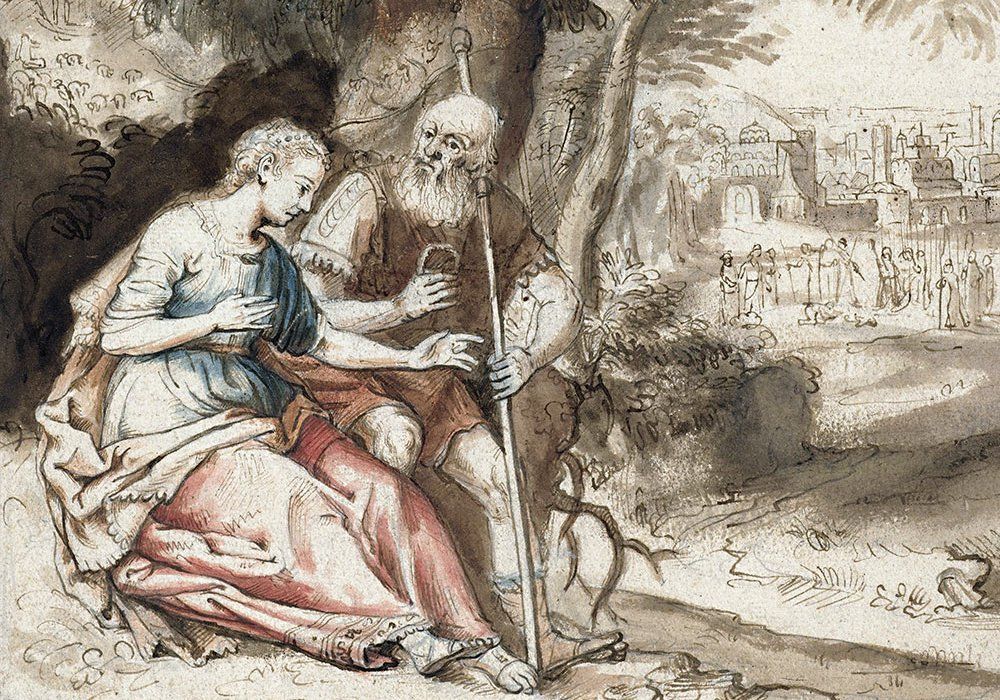
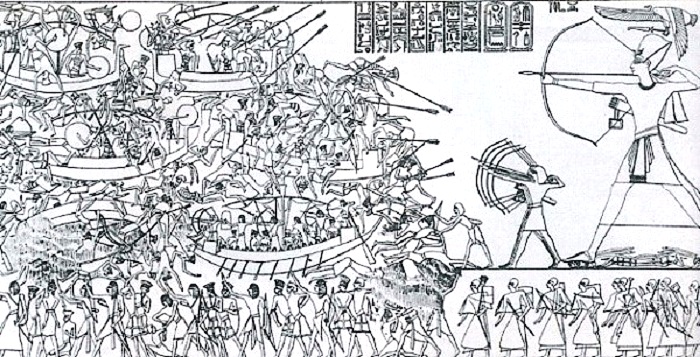
Dan, born to Bilhah, Rachel’s handmaid, is later described in Jacob’s blessing as “one of the tribes of Israel,” a formulation that suggests a need to affirm its place within Israel. The tribe is also portrayed in biblical texts as culturally distinct: seafarers, craftsmen, migrants, and figures who intermarry with non-Israelites, including Samson, a tribal hero with decidedly non-Israelite characteristics. Archaeological evidence from Tel Dan suggests that Dan began as a foreign group that was only later incorporated into Israel. Where were the Danites originally from?

The Ketef Hinnom Amulets: Wearing the Priestly Blessing for Protection

The Ketef Hinnom Amulets: Wearing the Priestly Blessing for Protection

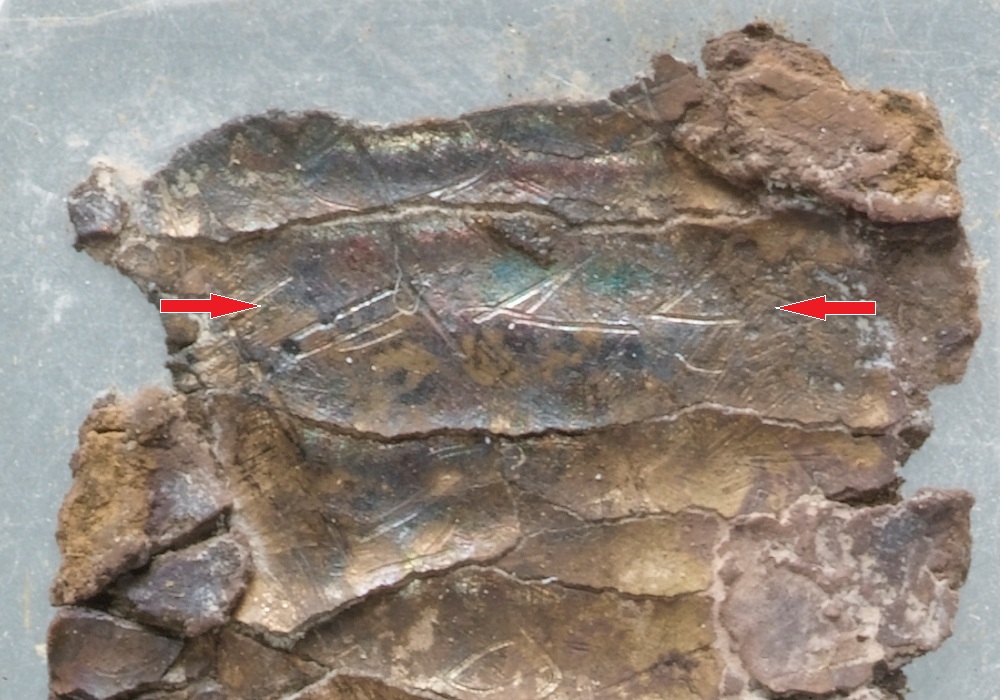
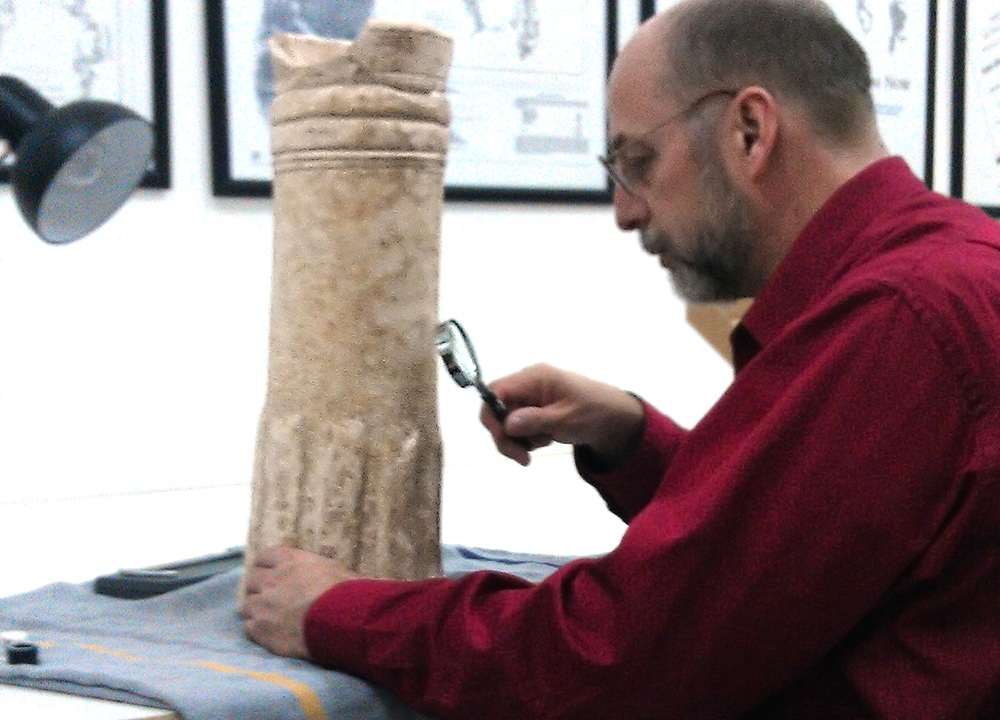
Inscribed in silver and rolled into scrolls, the Ketef Hinnom amulets, ca. 6th century B.C.E., contain an early version of the Priestly Blessing (Numbers 6:24–26). More than an important textual witness, they reveal that protective ritual practices were an integral part of Judahite religion, and show how divine blessing could be worn on the body, transforming sacred words into a tangible safeguard against danger, illness, and misfortune.

The Astragali of Abel Beth Maacah

The Astragali of Abel Beth Maacah

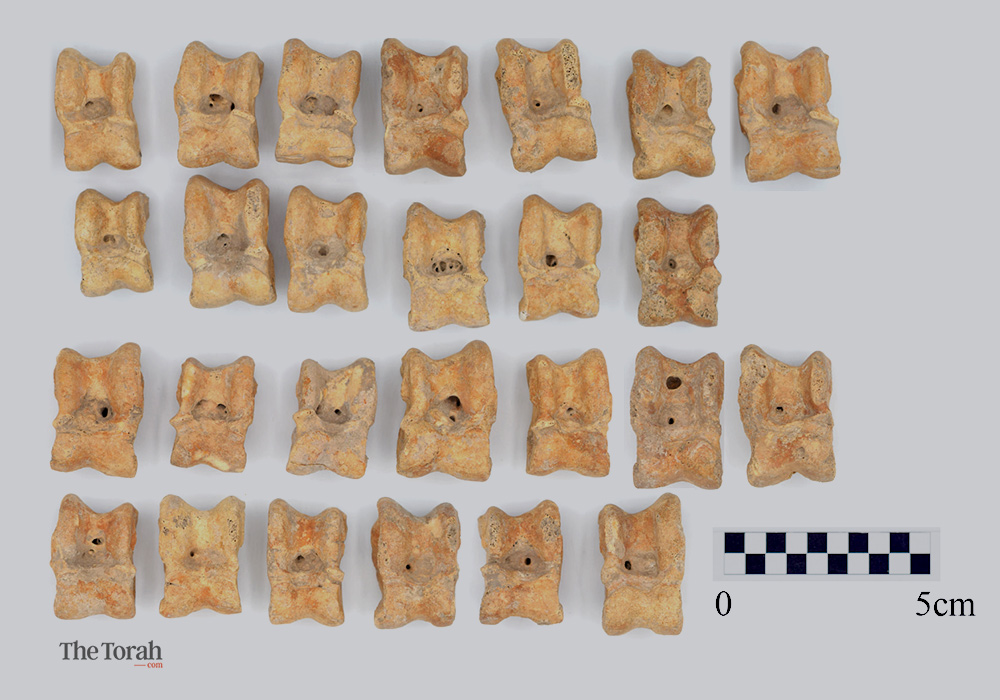
A hoard of 406 astragali (“knucklebones”), a bone that was used for divination in the ancient world, was discovered at Tel Abel Beth Maacah. Was this city, featured in the rebellion of Sheba against King David, a center for divination?

Why the Bible Is Mute about Qos, the Edomite God

Why the Bible Is Mute about Qos, the Edomite God

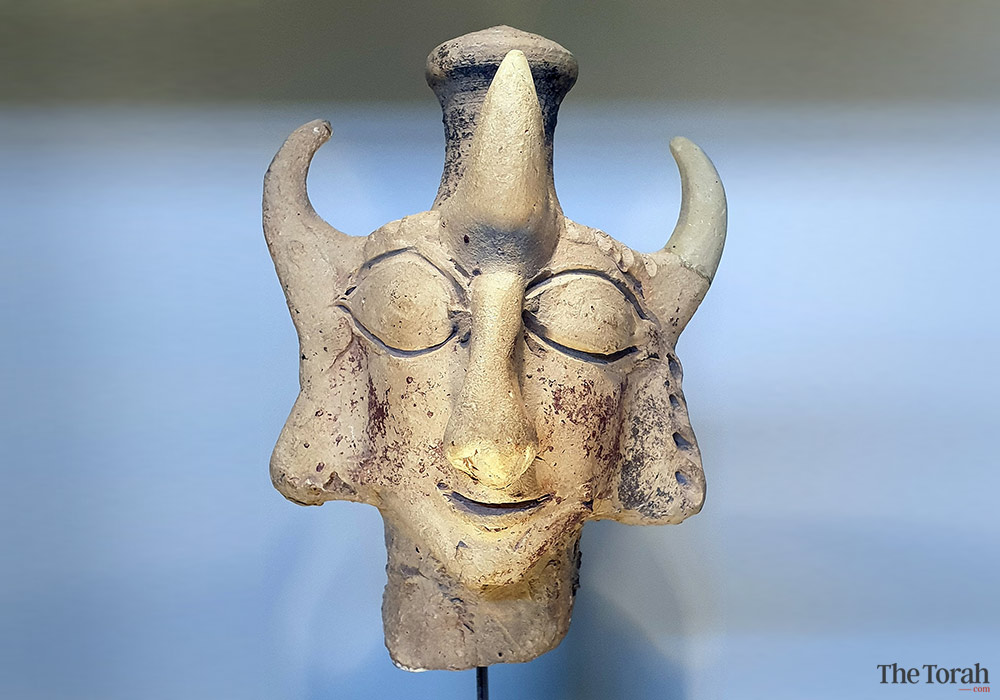
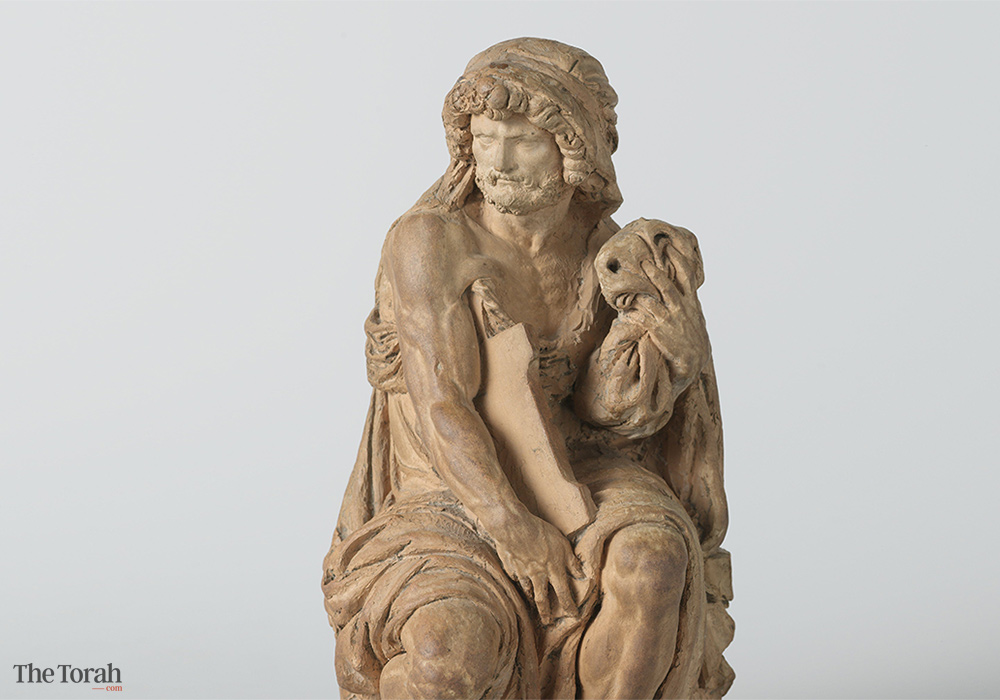
Esau, Jacob’s twin brother, is the ancestor of Edom, Israel’s southern neighbor. The Edomites worshiped the god Qos/Qaus, who emerged around the same time and place as YHWH in the Late Bronze Age, and who was very popular in Persian Period Yehud. And yet, unlike other foreign gods, the Bible never mentions the god Qos. Why?

Tarshish: The Origins of Solomon’s Silver

Tarshish: The Origins of Solomon’s Silver

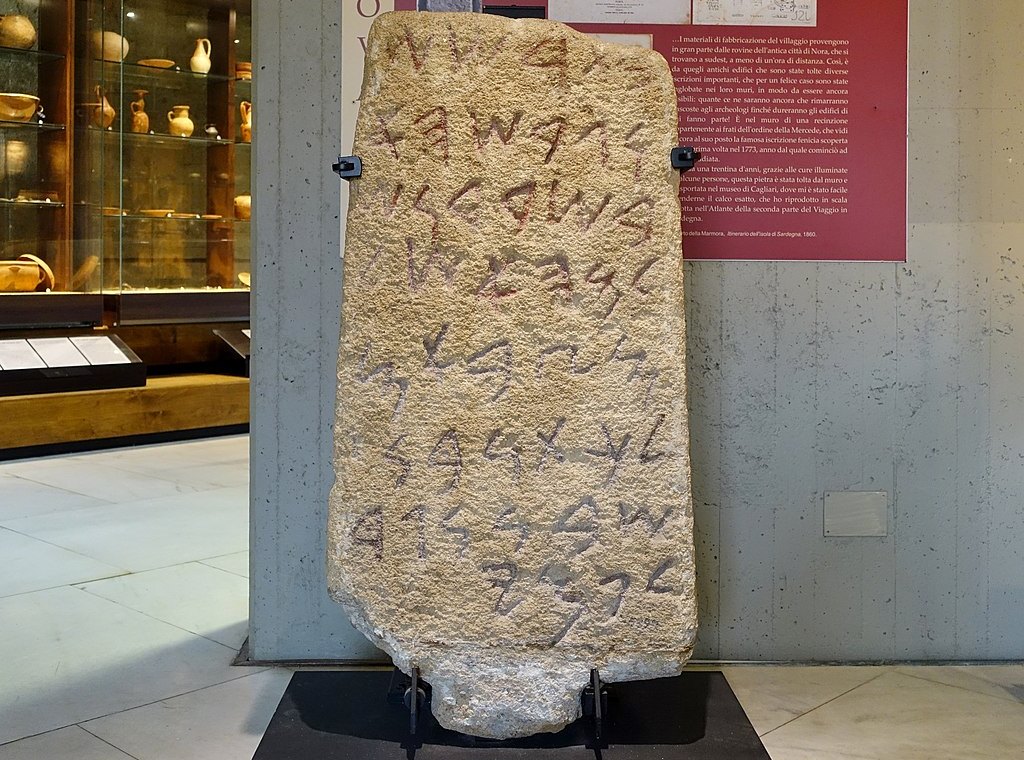
In a joint venture, the Phoenician King Hiram and King Solomon go to Tarshish to bring back silver—the Levant has no silver deposits of its own. Where is Tarshish? Archaeological science, specifically, the ability to trace the chemical fingerprint of silver, and Phoenician inscriptions such as the Nora Stone, point us to the answer(s).

Israel’s Earthquake, 8th Century B.C.E.

Israel’s Earthquake, 8th Century B.C.E.

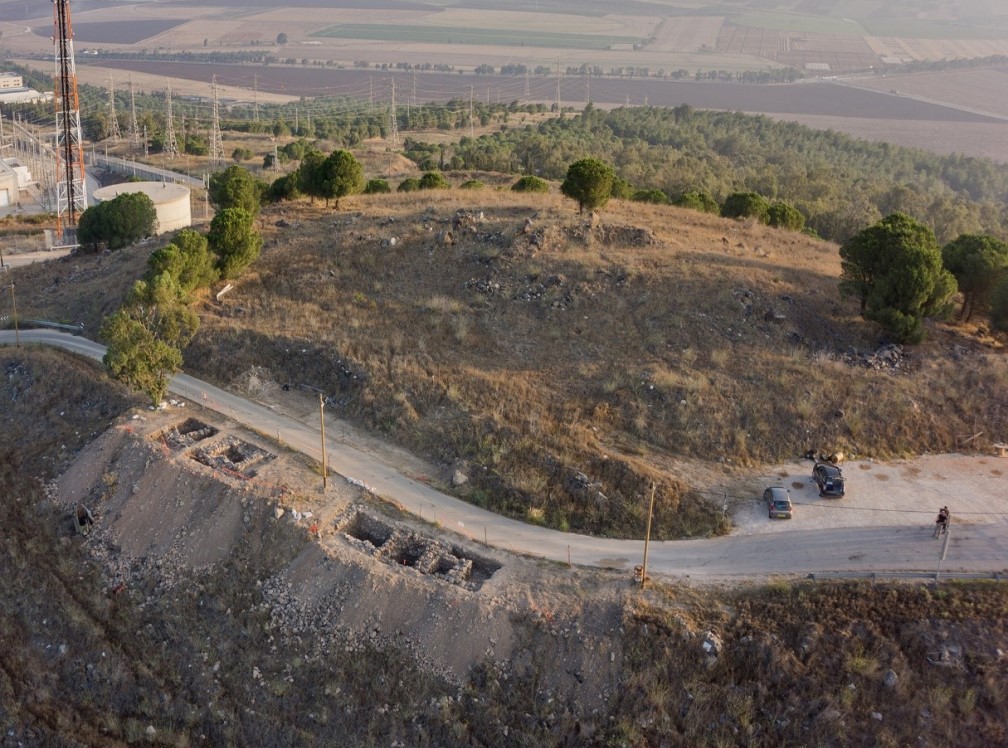
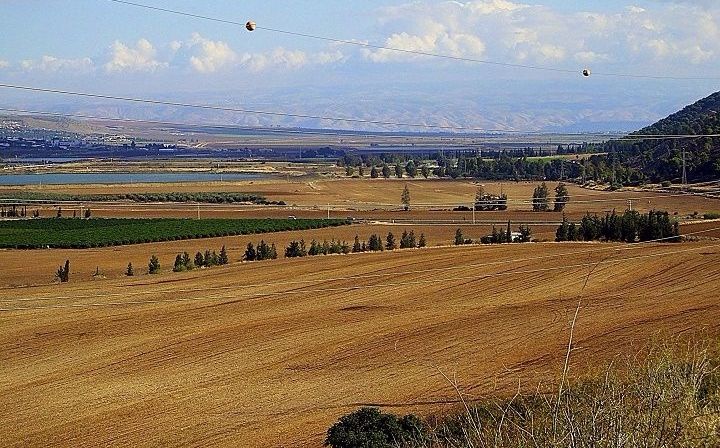
Amos and Zechariah mention an earthquake in the time of King Uzziah. Its effects were uncovered in the excavations at Tel Agol in the Jezreel Valley: It turned the city, fortified for centuries to defend against the Assyrian threat, into a poor squatter town that could not recover.

What Was Life like in Biblical Times?

What Was Life like in Biblical Times?

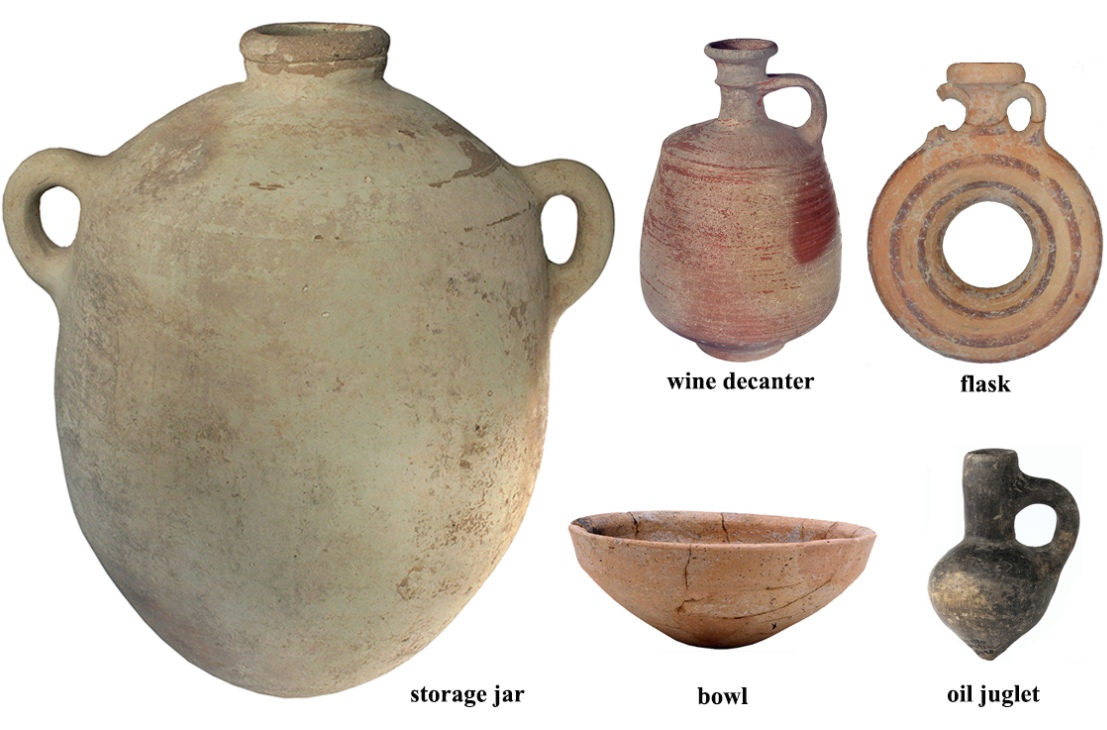
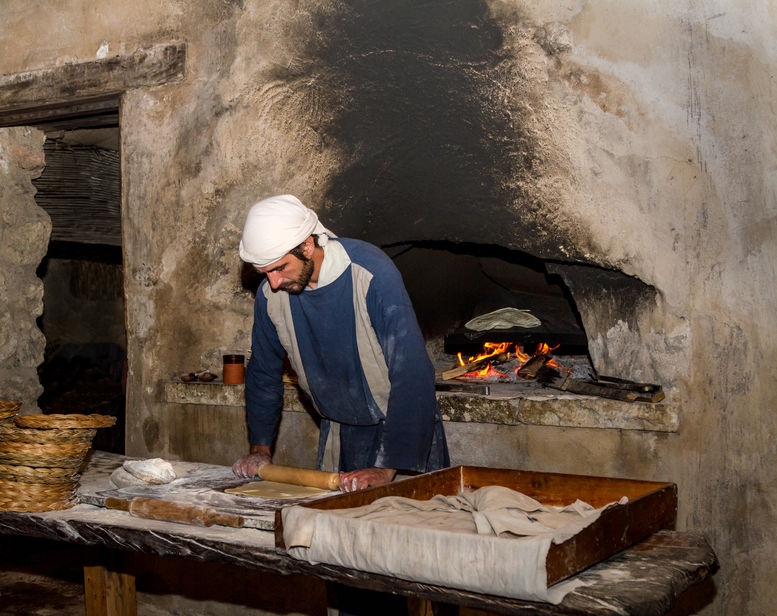
The Bible focuses on questions of religion and politics, overwhelmingly emphasizing city life at the expense of rural life. Archaeology, in contrast, can help us to better understand the life of most Israelites, who did not live in cities, and supplies a better understanding of such mundane questions as what they did for a living and what they ate.

Assyrian Deportation and Resettlement: The Story of Samaria

Assyrian Deportation and Resettlement: The Story of Samaria

In 722 B.C.E., Assyria conquered the kingdom of Israel, and deported many of the residents of Samaria and its surroundings to other Assyrian provinces, and brought deportees from other conquered territories to Samaria to take their place. Excavations at Tel Hadid, near Lod in Israel, have unearthed material remains that contribute to our understanding of these transformative years.

Fire Pans in the Bible and Archaeology

Fire Pans in the Bible and Archaeology

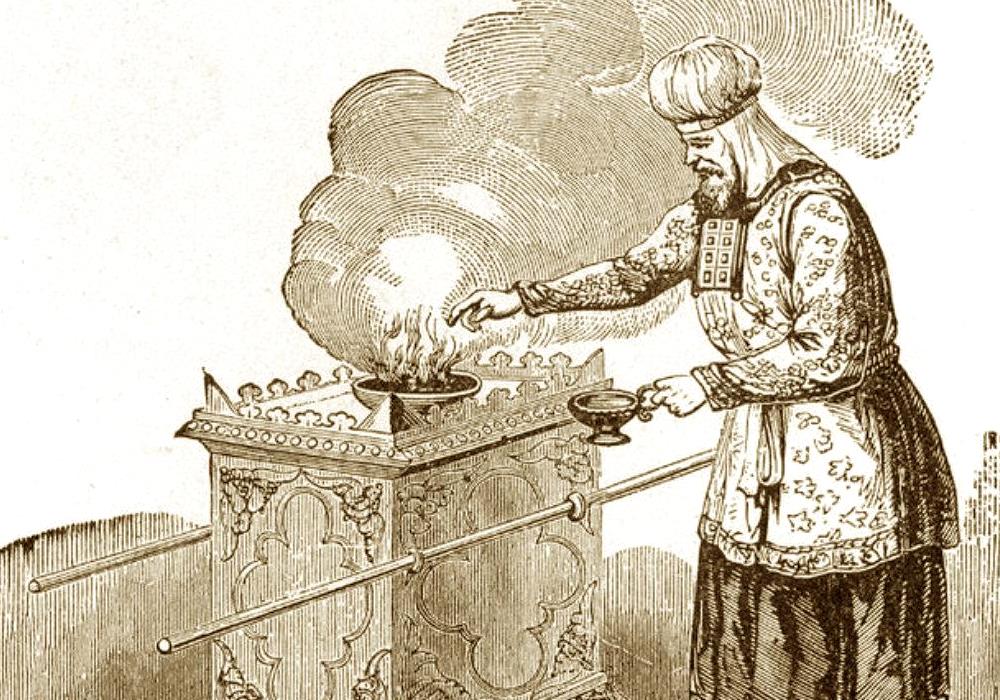
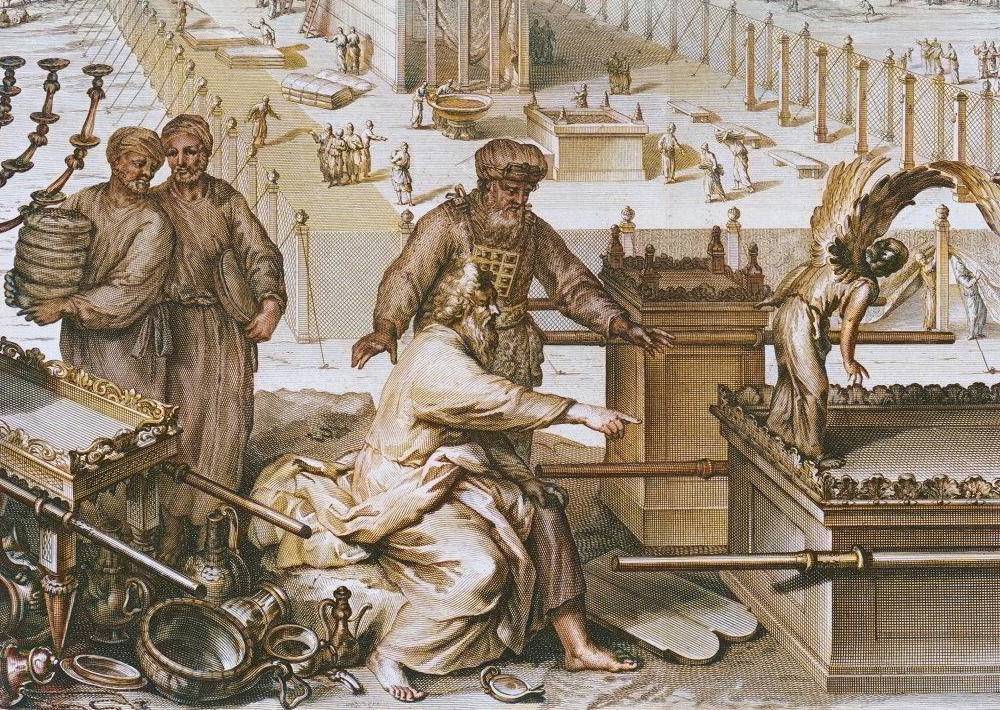
Fire pans (maḥtot) are listed as part of the Tabernacle’s accessories for the menorah and the altar. They also play an important role in the stories of Korah’s rebellion and the death of Nadav and Avihu as incense censors. Archaeological excavations have uncovered what these items were and how they functioned.

How Silver Was Used for Payment

How Silver Was Used for Payment

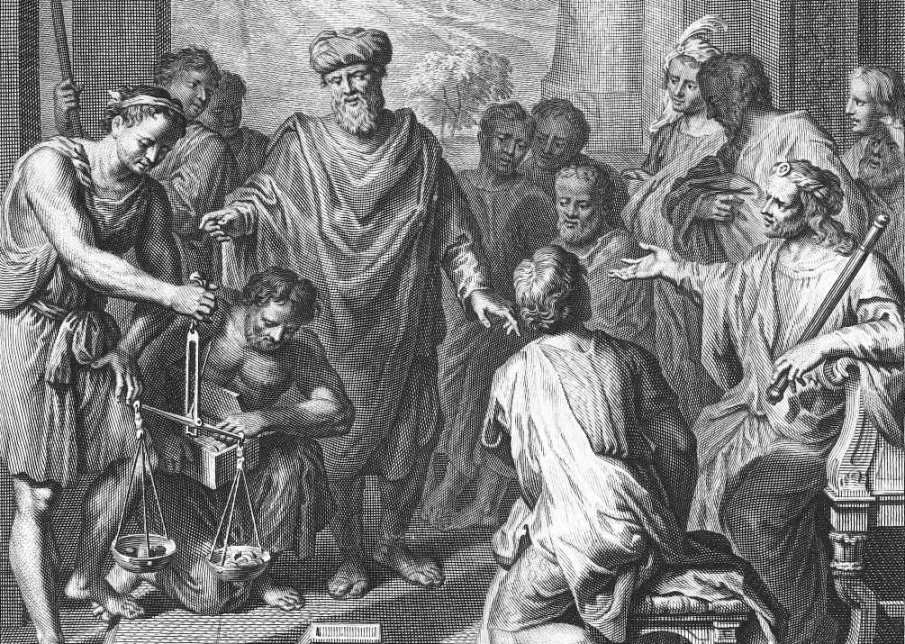
Abraham purchases the cave of Machpelah for 400 silver shekels. Biblical phrases, archaeological finds, and chemical analysis come together to paint a portrait of how early trade using silver functioned before the invention of coins.

Judean Life in Babylonia

Judean Life in Babylonia

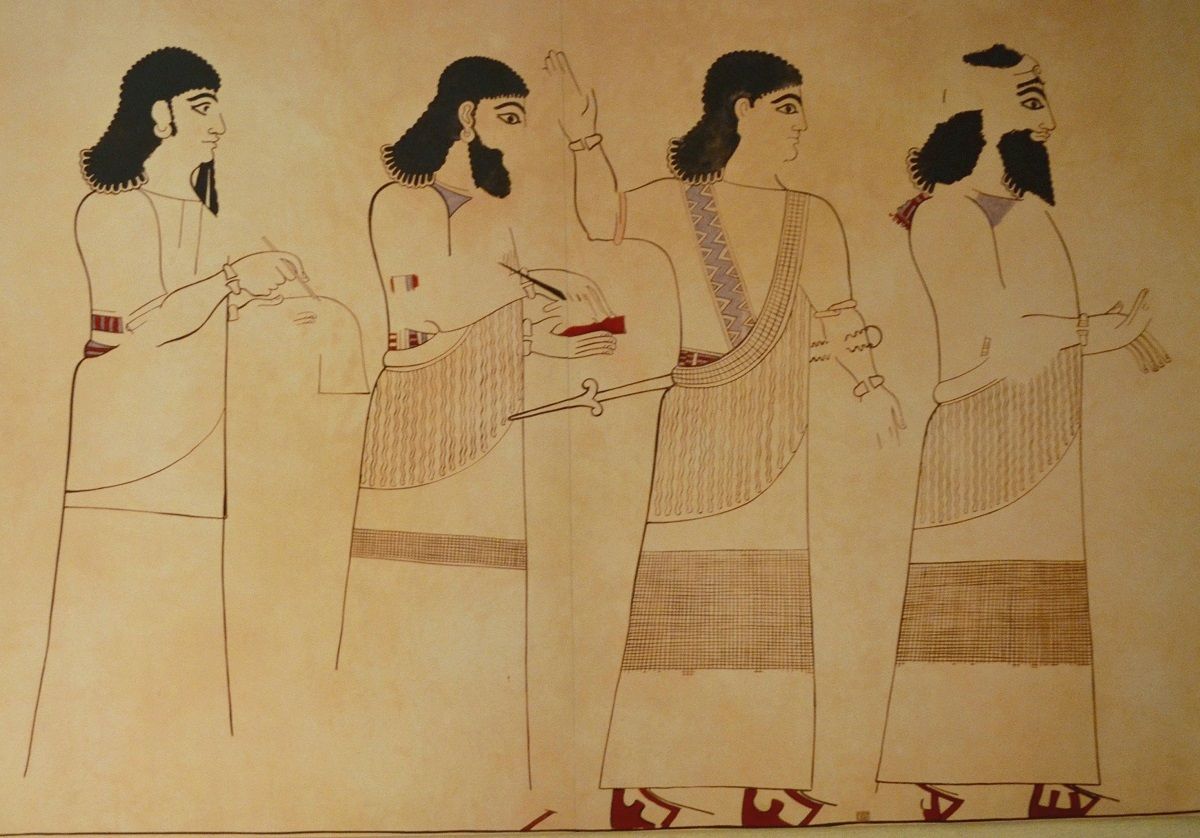
Upon the conquest of Judah, Nebuchadnezzar deported many Judeans to Babylonia. What was their life like there? Were they assimilated, or did they stand out? What language(s) did they speak and what religious practices did they maintain? What was their social and economic standing? Babylonian records allow us glimpses into the lives of some of the deportees.

The Ancient City of Hebron

The Ancient City of Hebron

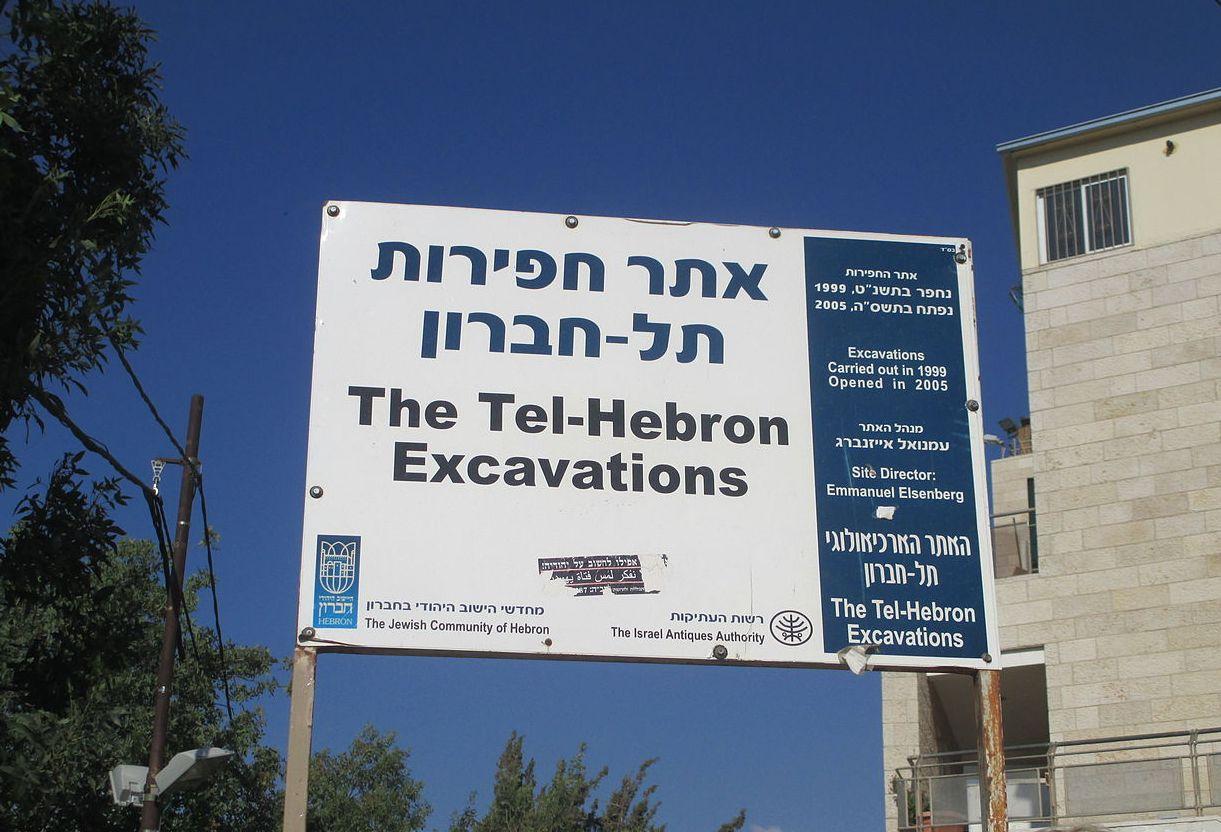
Hebron plays a central role in many biblical stories. It was the prominent city in the Judean highlands, with large fortifications in the Early Bronze, Middle Bronze, and Iron Ages. During the Second Temple period, Hebron was occupied by the Idumeans. Recent archaeological excavations have uncovered large mikvaot (ritual baths), indicating that the inhabitants embraced Judaism.

Was There Ever an Ir Hannidahat (Subverted City)?

Was There Ever an Ir Hannidahat (Subverted City)?

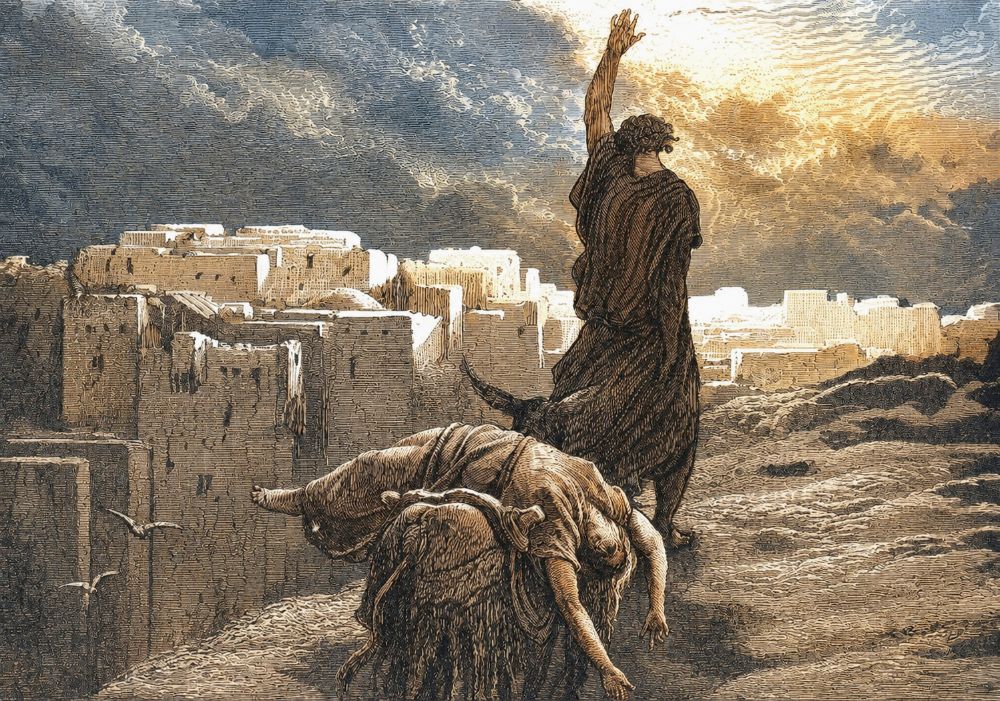
The rabbis claim that a “subverted” or “apostate” city, which Deuteronomy 13:13-18 condemns to destruction, “never was and never will be” (t. San. 14:1). Yet the account in Judges 19-21 of the destruction or ḥerem of Gibeah, its inhabitants, animals, and property, suggests that such “internal ḥerem” was an Israelite practice, and that Gibeah is being presented as a subverted city.
When Did “Fire Go Forth from Heshbon”?

When Did “Fire Go Forth from Heshbon”?

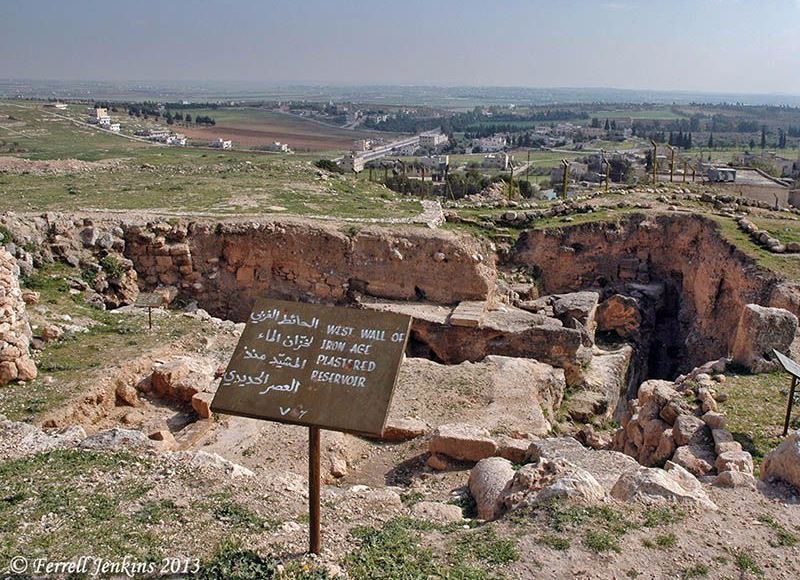
Contrary to the biblical account of the Israelite conquest and burning of Heshbon in Numbers 21, the archaeological remains of Tell Hesban (biblical Heshbon) demonstrate that it was not settled until centuries after the conquest and settlement period and not burned until over half a millennium later!

The Zer

The Zer

What exactly is the זֵר (zer), mentioned ten times in the furnishing of the tabernacle? A test case for the importance of archaeology in understanding Torah.