Theology

God’s Absence

God’s Absence

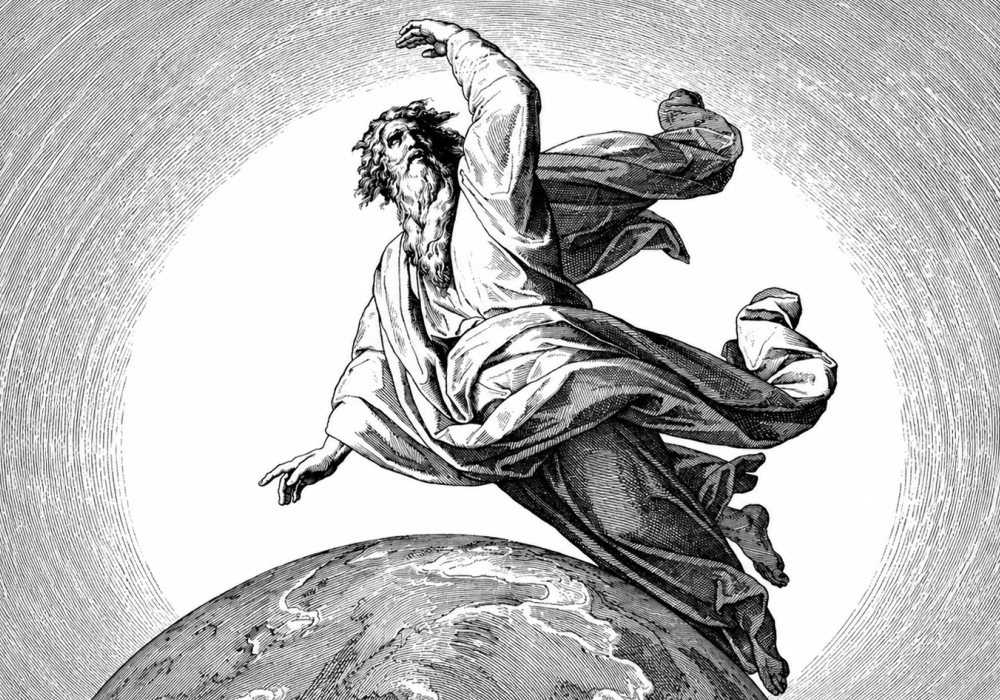
In the Bible, God’s appearance is a blessing, while God’s hidden face is a punishment. But does that mean we've been punished for millennia? Chasidic masters offer a profound reinterpretation: God’s absence is a divine invitation—calling those who are willing to seek God out, to forge a deeper connection.


The Book of Ruth: When Bad Things Happen to Good People

The Book of Ruth: When Bad Things Happen to Good People

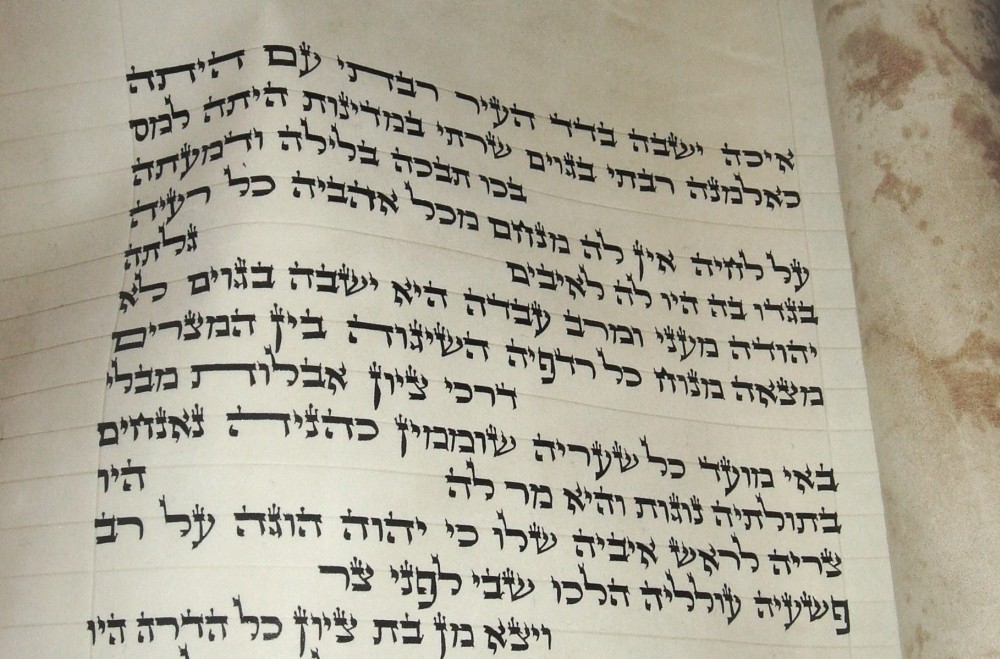
With its sensitively portrayed characters and quotidian contexts, the story of Ruth and Naomi underscores questions about the good path in life, the choices we make, and especially the role of the deity who controls all. The narrative also touches upon a wide array of issues concerning gender, economic deprivation, the status of the migrant, and other matters.

Atoning for the Golden Calf with the Kapporet

Atoning for the Golden Calf with the Kapporet

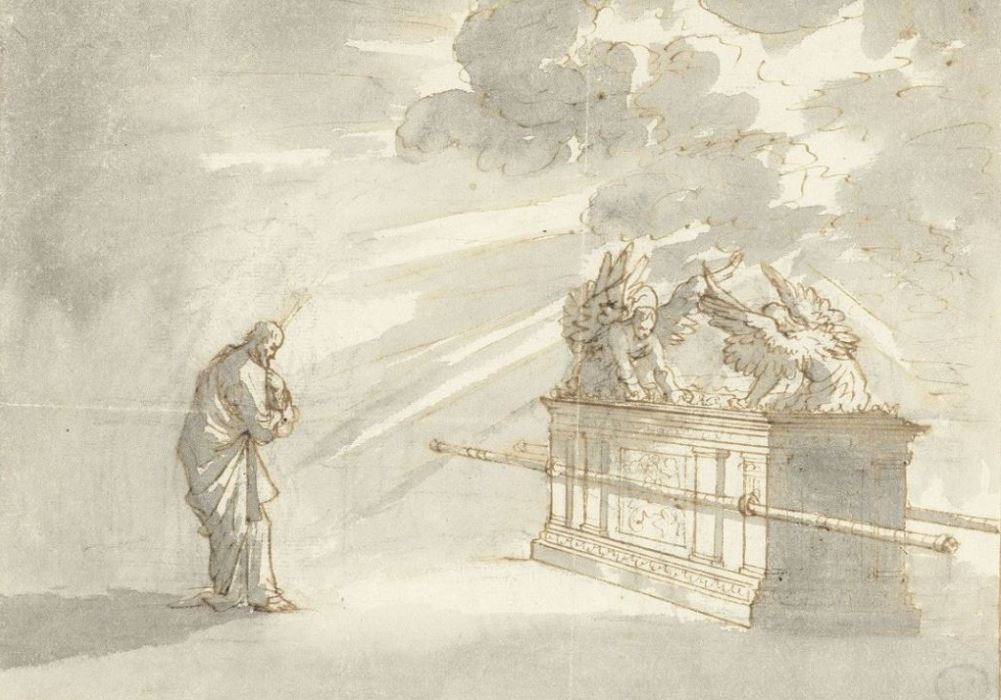
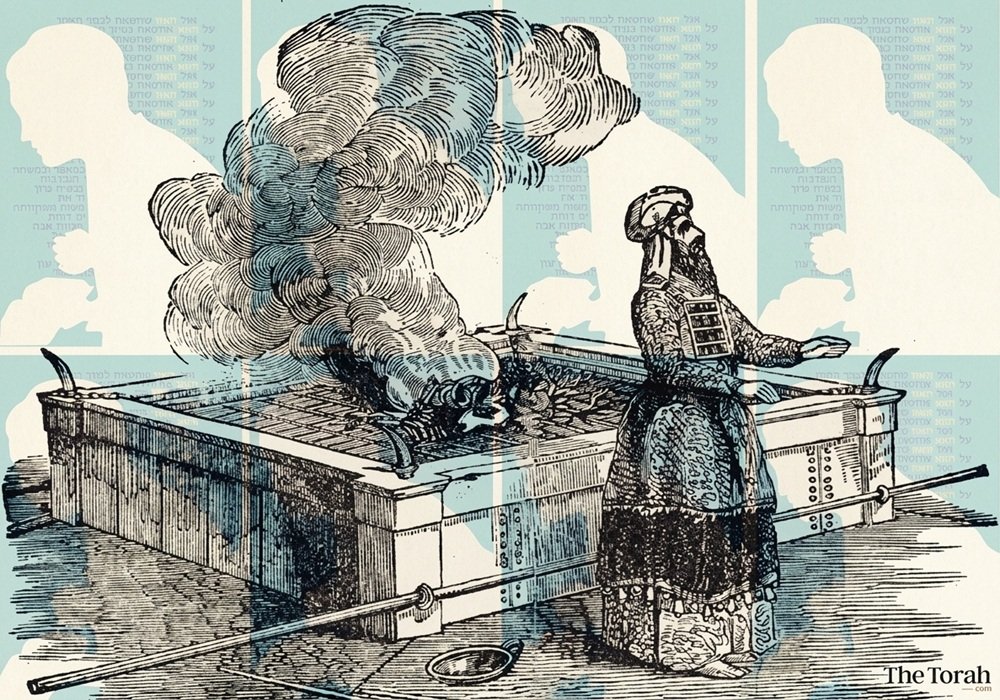
Atop the kappōret, the ark’s cover, sat the golden cherubim, which framed the empty space (tokh) where God would speak with Moses. Drawing on the connection between the word kappōret and the root כ.פ.ר (“atone”), and noting how the golden calf episode interrupts the Tabernacle account, the rabbis suggest that the ark cover served as a means of atoning for the Israelites’ collective sin.

Does YHWH Remit Punishment?

Does YHWH Remit Punishment?

As part of the selichot prayer service, the rabbis cut the biblical phrase וְנַקֵּה לֹא יְנַקֶּה “[YHWH] does not remit punishment” to read only וְנַקֵּה, which yields the opposite meaning, “[YHWH] remits punishment.” Although this edit is surprising, the rabbis are responding to a serious tension in the biblical text: Is YHWH a merciful God who pardons, or a vengeful God who will never remit punishment?

The Genre of Lamentations

The Genre of Lamentations

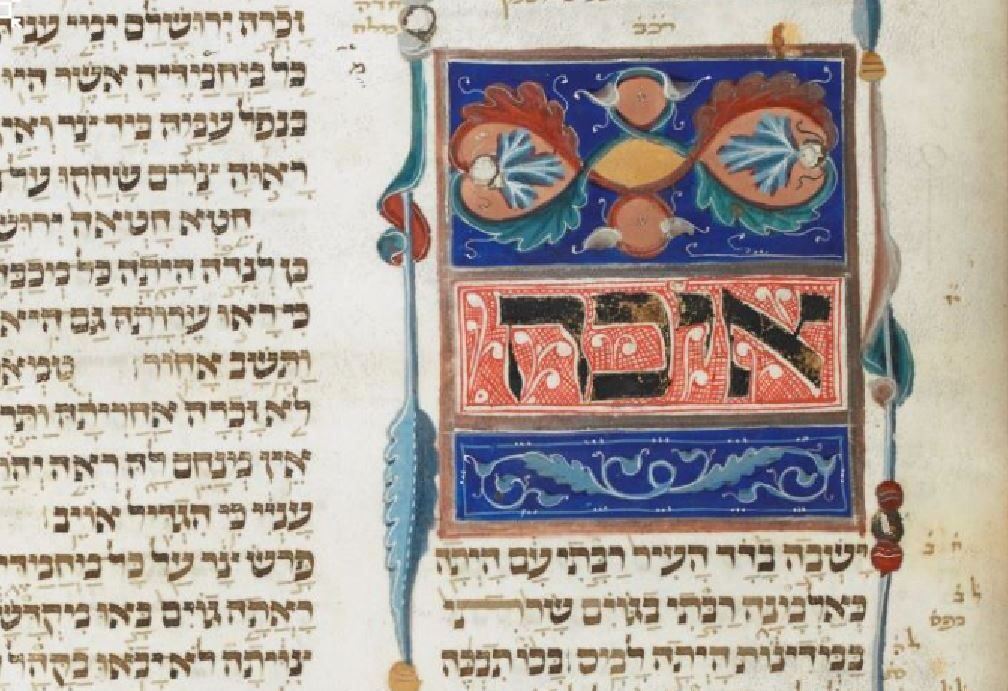
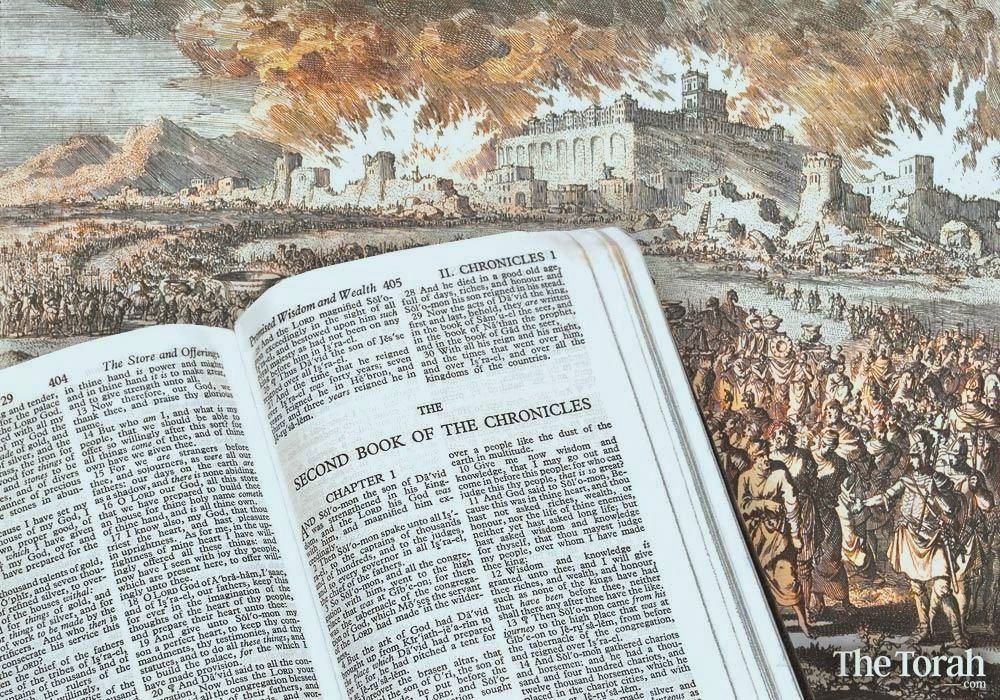
In the ancient Near East, laments were written to mourn past destructions or to prevent future destructions. With which type of lament were the authors of Lamentations familiar?

YHWH: The God that Is vs. the God that Becomes

YHWH: The God that Is vs. the God that Becomes

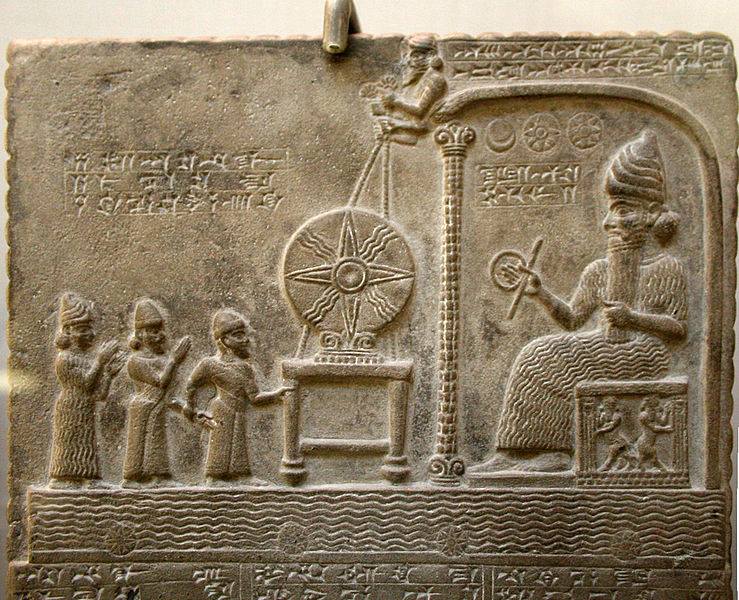
The meaning of God’s names, especially YHWH, is central to Jewish theology. Two approaches have dominated: the philosophical, focusing on God’s essence (“being”) and the kabbalistic, focusing on God’s evolving relationship with Israel (“becoming”). Some modern thinkers such as Malbim and Heschel have looked for new syntheses or formulations.

Modern Faith in Sinai

Modern Faith in Sinai

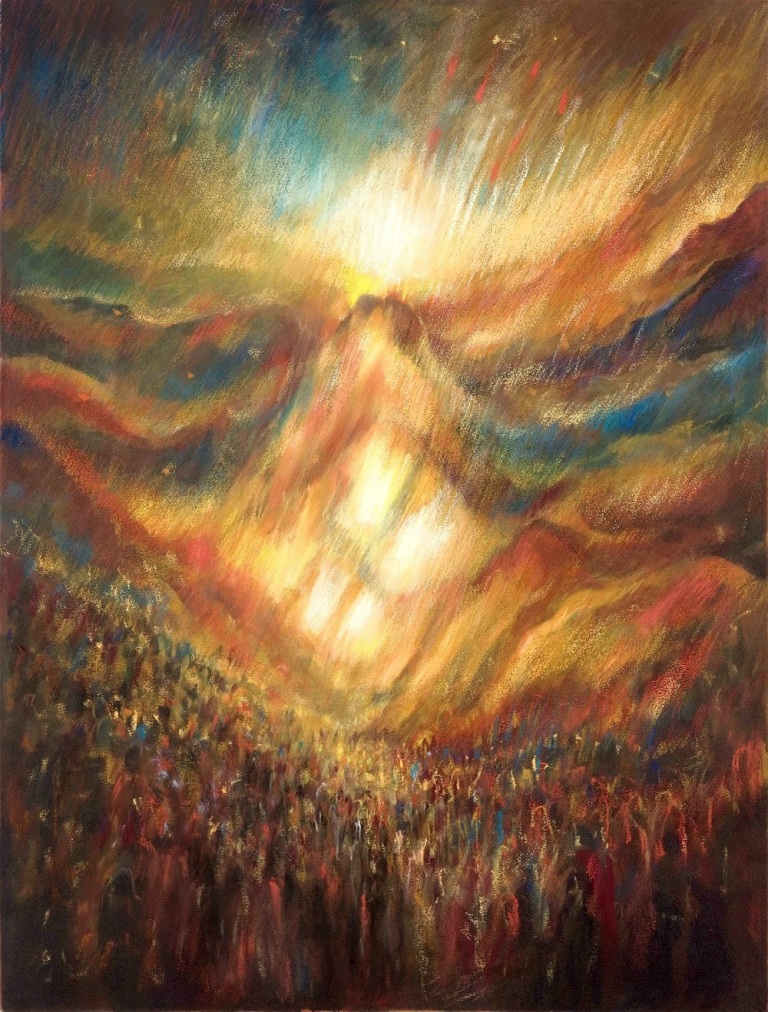
Notwithstanding modern day biblical critical and historical critical claims, applying the tools of contemporary philosophy demonstrates how room still exists to have faith that something extraordinary happened to our ancestors and that this event had a permanent effect on the development of Torah and Judaism.

The Faith of the Martyred Mother and her Seven Sons

The Faith of the Martyred Mother and her Seven Sons

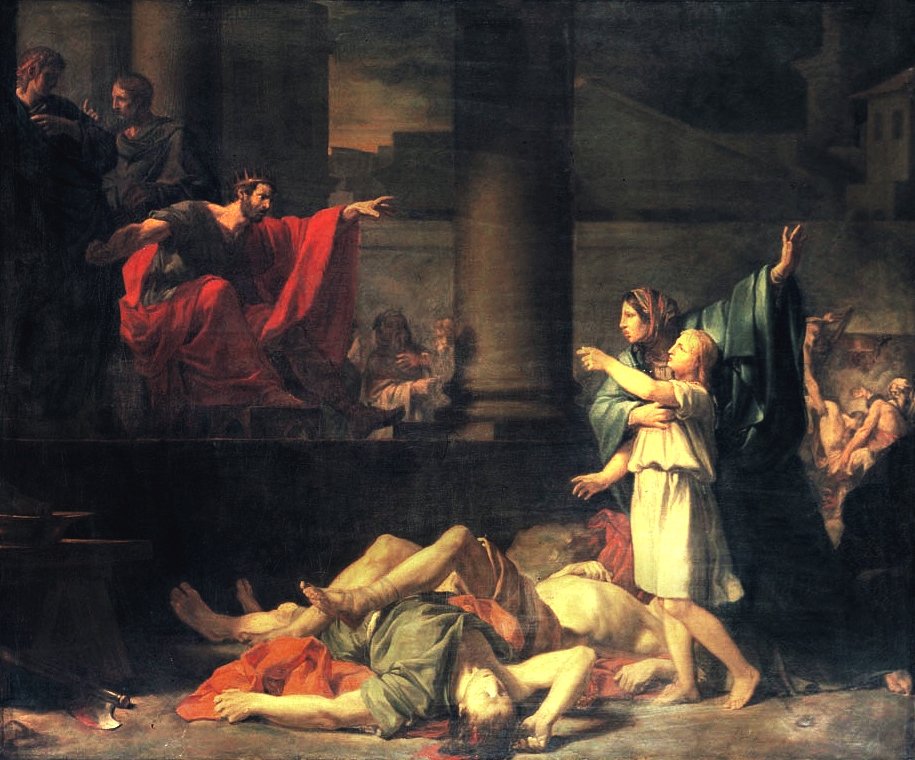
2 Maccabees tells the story of a mother whose seven sons are killed before her eyes because they refuse to violate Jewish mores. The mother recalls the woman of seven sons and her bereft counterpart found in Hannah’s prayer (1 Samuel 2), and perhaps also the mother in Jerusalem described in Jeremiah 15, but offers a new theological twist on Jewish suffering: the promise of resurrection.

Reintroducing the Myth of the Fallen Angels into Judaism

Reintroducing the Myth of the Fallen Angels into Judaism

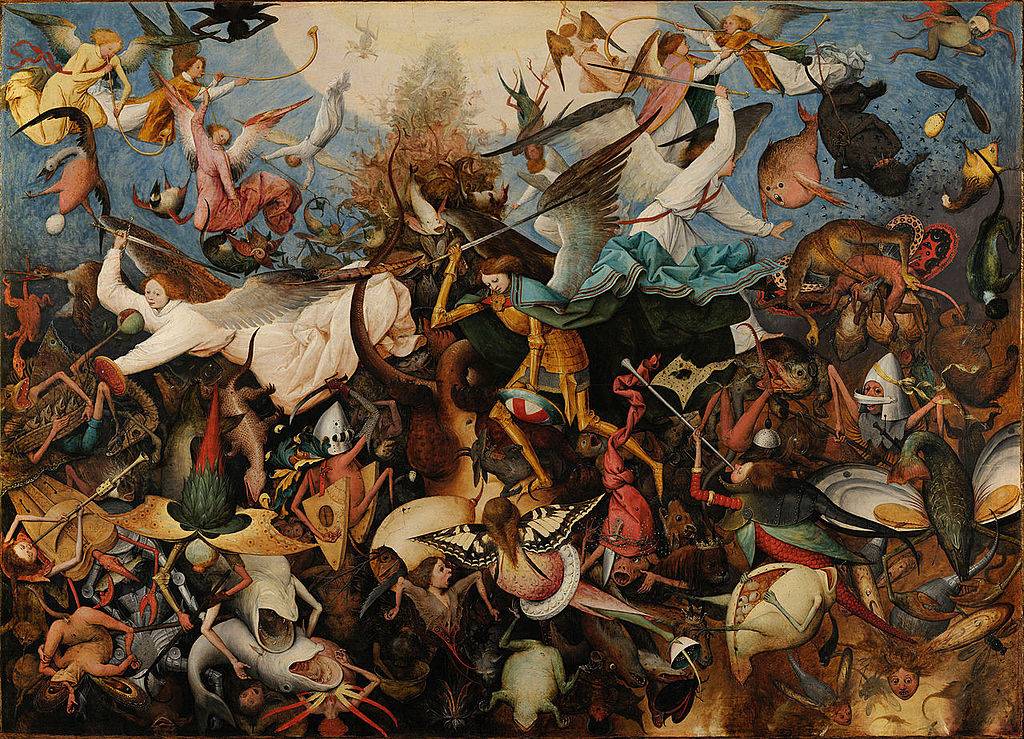
Literature and art are replete with images of angels descending to earth and joining humanity. One source for this image is a terse account in Genesis describing fallen angels, which is expanded upon in Second Temple literature. This interpretive tradition is suppressed in the classic rabbinic literature only to resurface again in the late narrative midrash, Pirqe de-Rabbi Eliezer.
ניסוך המים: A Sukkot Rain Making Ritual

ניסוך המים: A Sukkot Rain Making Ritual

The Rabbis describe the ritual of “water libation,” ניסוך המים, performed during Sukkot in the Temple, as a major point of contention between the Pharisees and Sadducees. Why was this seemingly obscure ritual so contentious, and what was really at stake in performing it?