Tabernacle

Israel Redeemed or Rejected: Why the End of Leviticus Is Framed by Sinai

Israel Redeemed or Rejected: Why the End of Leviticus Is Framed by Sinai

Leviticus chapters 25, 26, and 27 are not only each explicitly set at Sinai, but are also tied together by a network of Leitwörter, numerical patterns, and unusual forms. Significant is the use of ג.א.ל, “to redeem”—whether of land, houses, persons, or sanctuary dedications—19 times in chapter 25 and 12 times in chapter 27. In contrast, ג.א.ל is entirely absent from the curses and blessings of chapter 26, and its place is taken by ג.ע.ל, “to reject with disgust,” a root that does not appear anywhere else in the Torah.

Did YHWH Reside in the Temple?

Did YHWH Reside in the Temple?

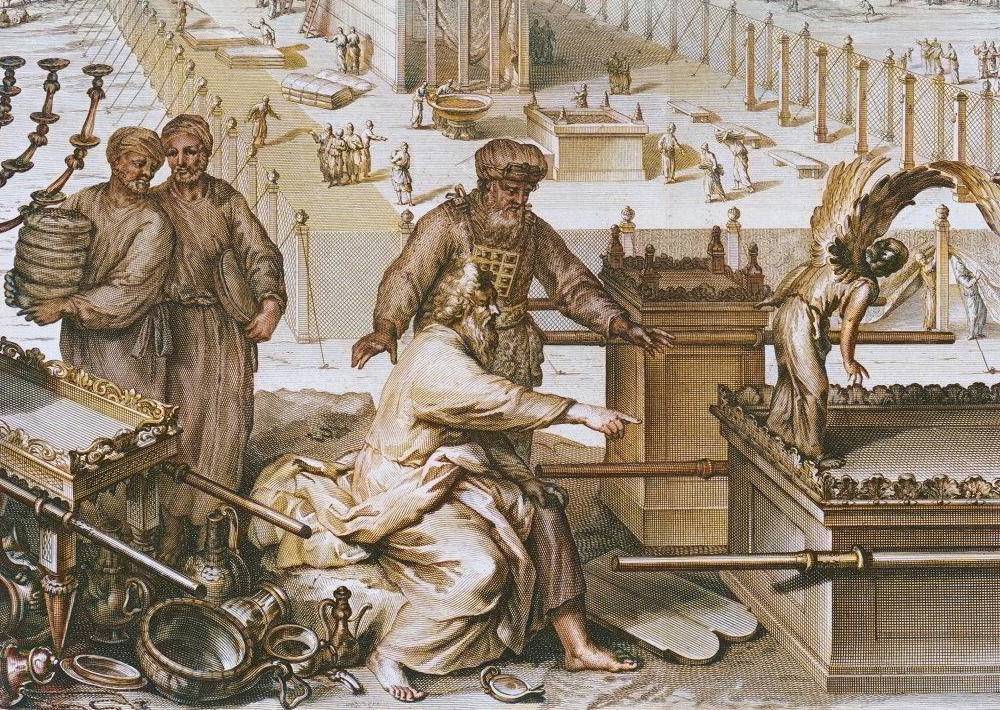
The biblical accounts of the Tabernacle and Solomon’s Temple reflect ancient Near Eastern ideas of divine residence. Ezra’s account of the Second Temple, however—where the altar is built first—reflects a theology closer to the Greek world, also echoed in the patriarchal stories of Genesis.

The Tabernacle’s Artistry: Text and Textile

The Tabernacle’s Artistry: Text and Textile

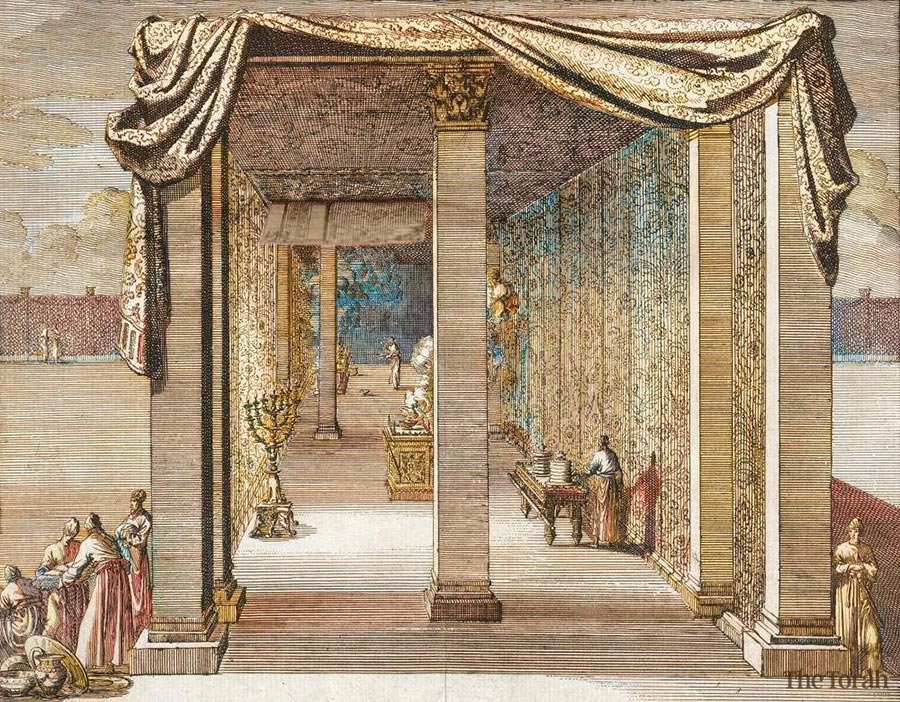
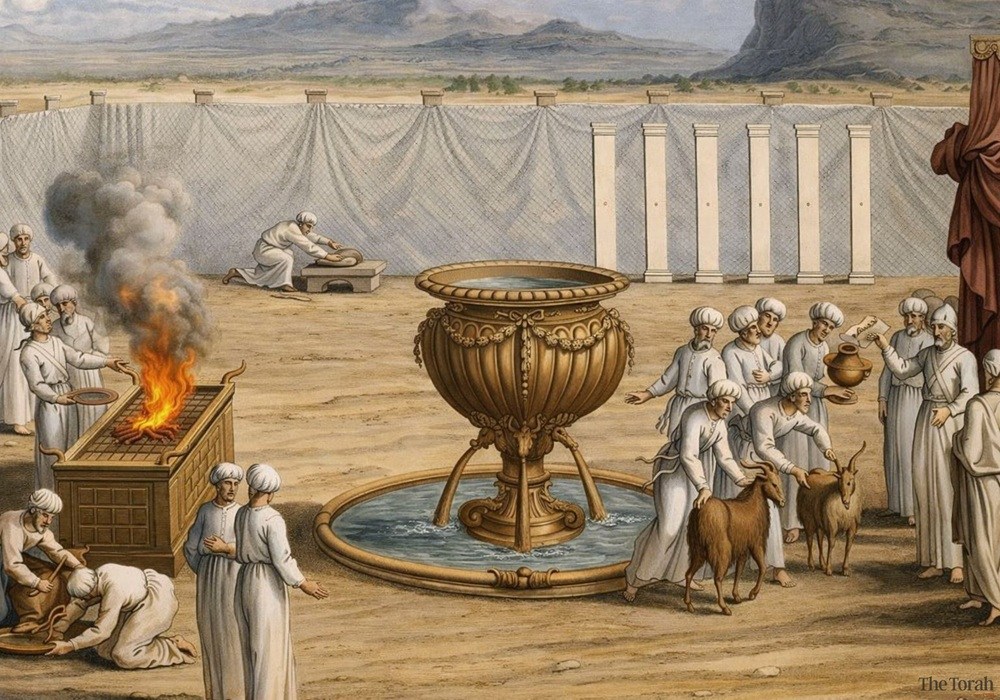
The curtains and screens for the innermost spaces of the tabernacle are made from expensive materials, and their instructions are described in elevated prose. In contrast, the courtyard enclosure is constructed with more common materials and described in more economical prose.

The Gold Incense Altar: Activating the Tabernacle in Meditatio

The Gold Incense Altar: Activating the Tabernacle in Meditatio

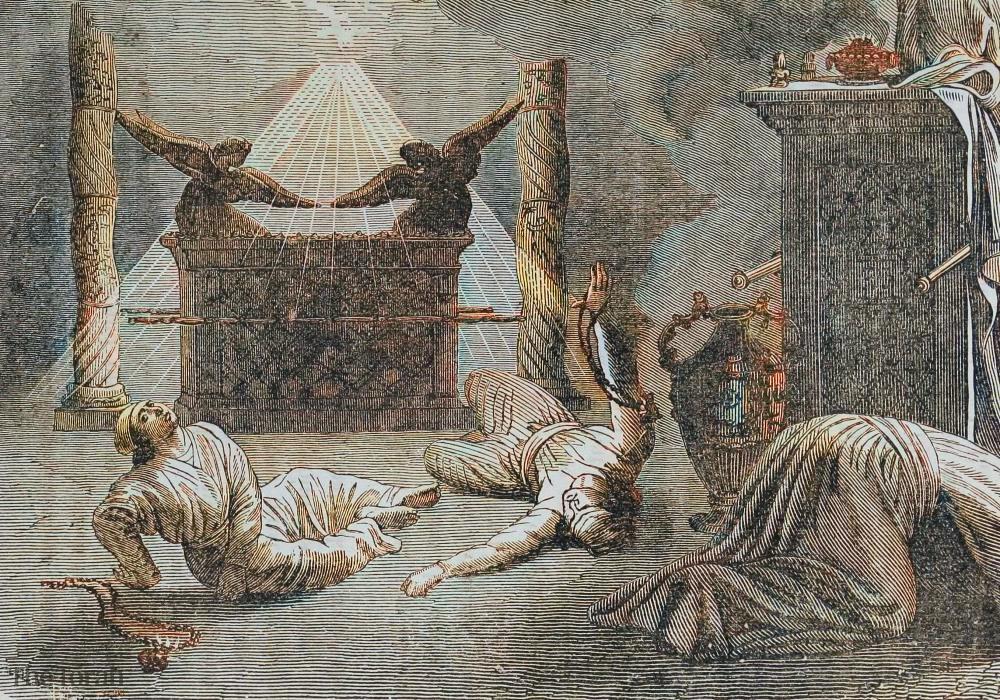
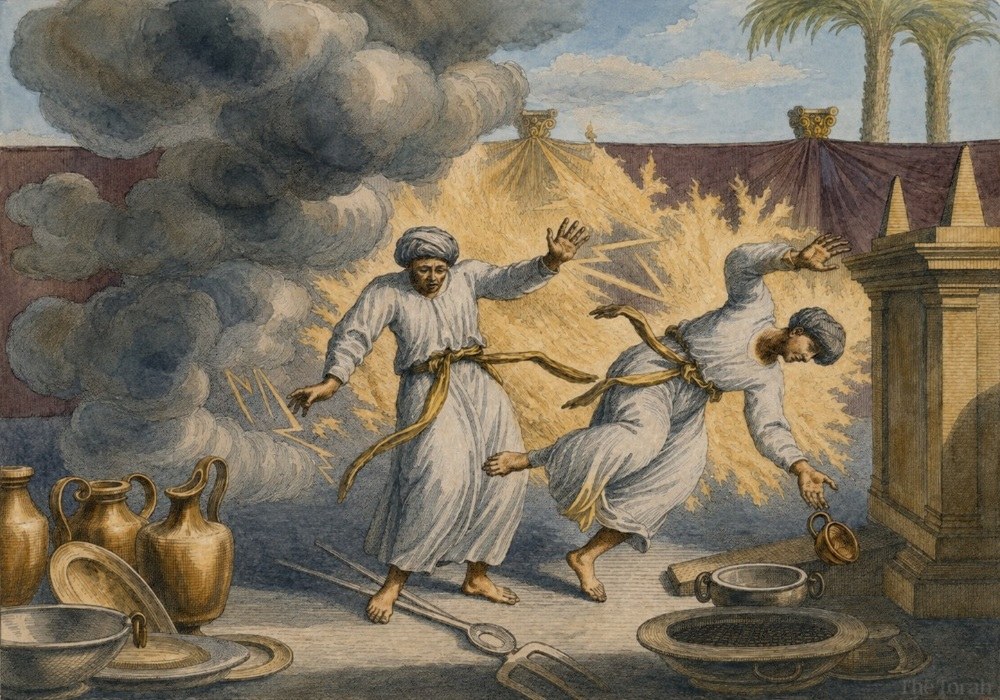
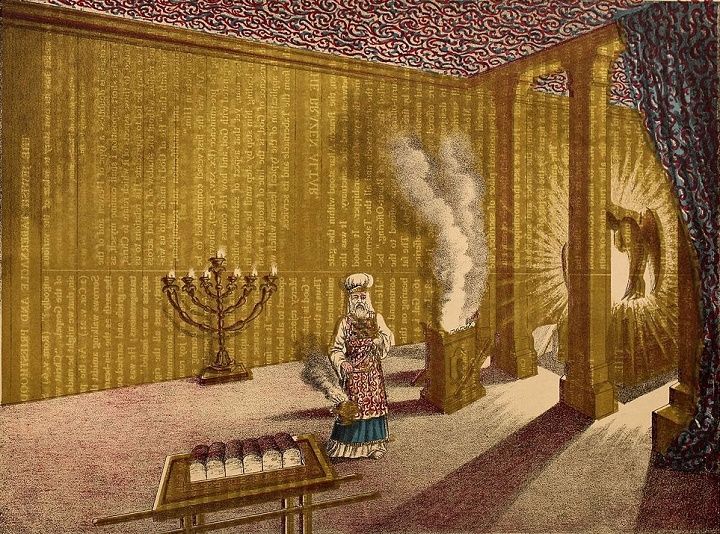
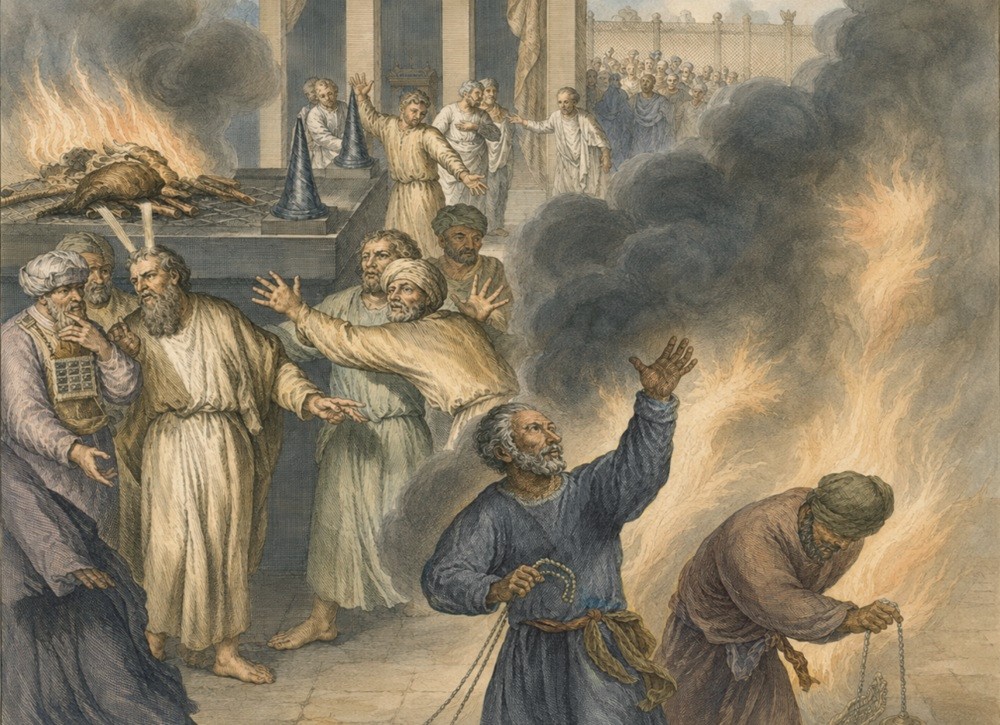
To consecrate a sacred space, the inclusion of a critical object is reserved for last. In the case of the Tabernacle—which we construct in meditatio, through the recitation of the biblical text—it is the gold altar for burning incense. Its proper use keeps the high priest alive on Yom Kippur, while its misuse leads to the death of Nadab and Abihu.

Building the Tabernacle in Your Mind

Building the Tabernacle in Your Mind

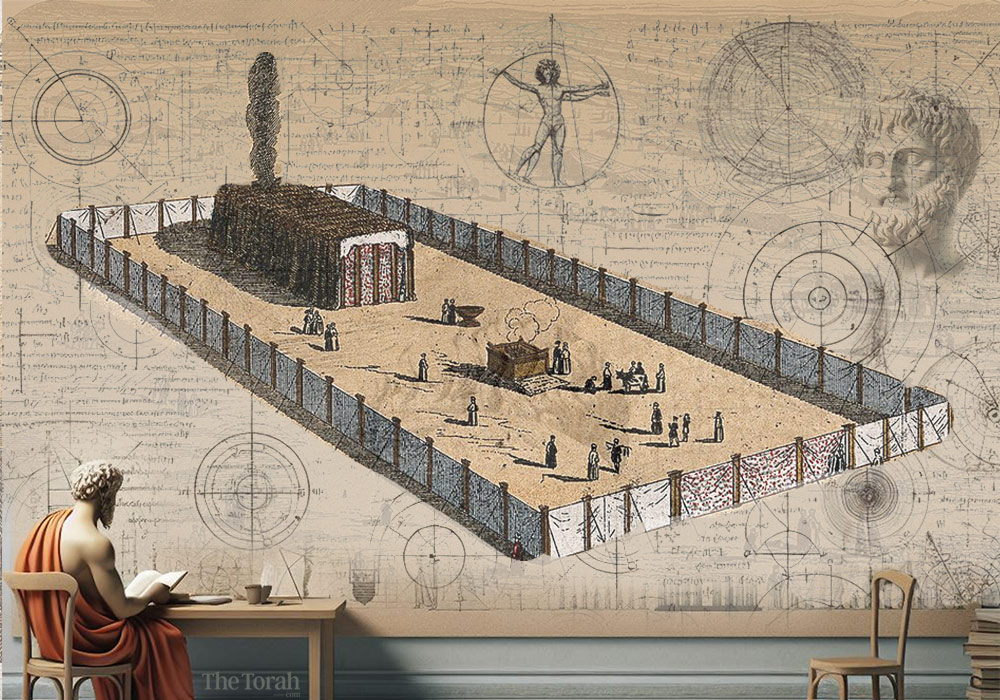
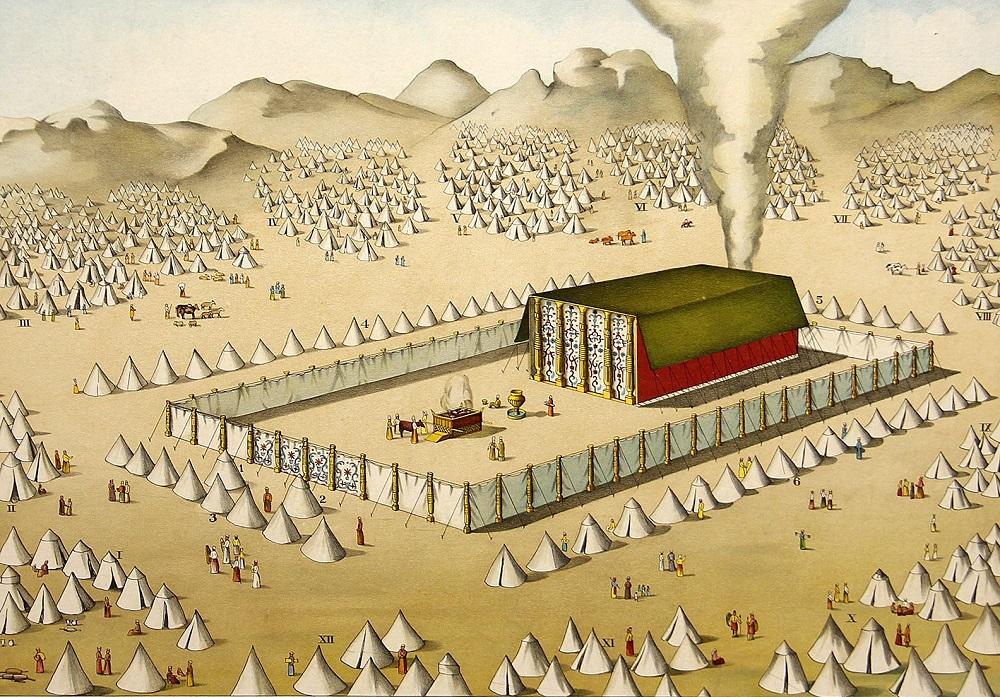
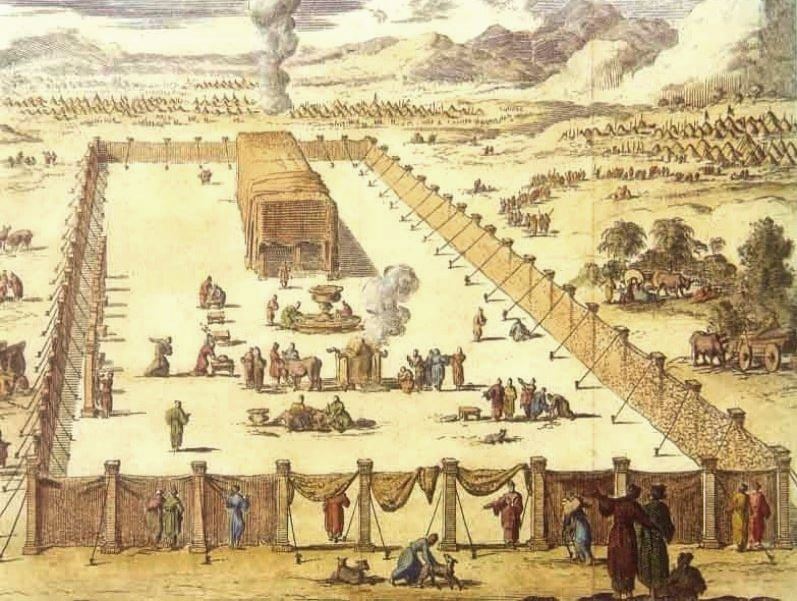
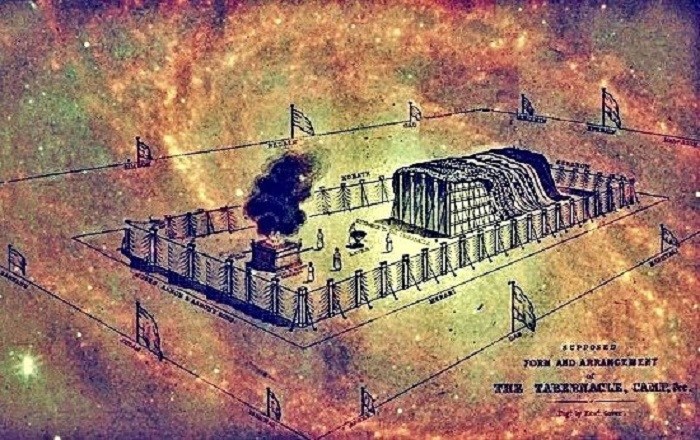
What is the actual size of the Tabernacle? How thick are the planks? How do the covers drape over the structure? These questions suggest that the biblical text was composed not to facilitate the physical construction of a three-dimensional structure but to engender visualization, much like the texts accompanying the construction of mandalas.

The Date of the Tabernacle’s Completion and Consecration

The Date of the Tabernacle’s Completion and Consecration

The Tabernacle is completed on the first of Nisan (Exodus 40) and is consecrated eight days later (Leviticus 9). And yet, the Book of Chronicles, Biblical Antiquities, and the Rabbis read these accounts as describing the same event. Indeed, the Torah’s final editor may have understood the texts as a continuous narrative, but chose to emphasize different themes of the Tabernacle by separating them.

The Two Arks: Military and Ritual

The Two Arks: Military and Ritual

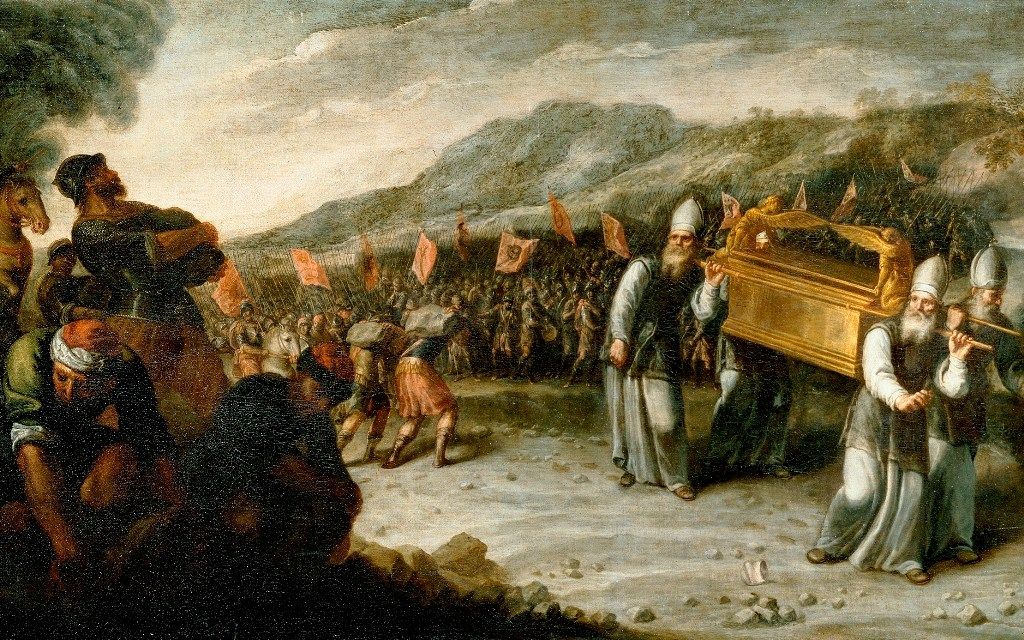
Tradition and source criticism both see two ark traditions in the biblical text: The Ark of the Covenant and the Ark of the Testimony. The former accompanies Israelite troops into battle; it appears in Numbers 10 (וַיְהִי בִּנְסֹעַ הָאָרֹן) and in the stories of battles against the Philistines and Ammonites in Samuel. The latter remains in the Tabernacle, serving as a seat for YHWH’s glory and revelation.

Leviticus as a Literary Tabernacle

Leviticus as a Literary Tabernacle

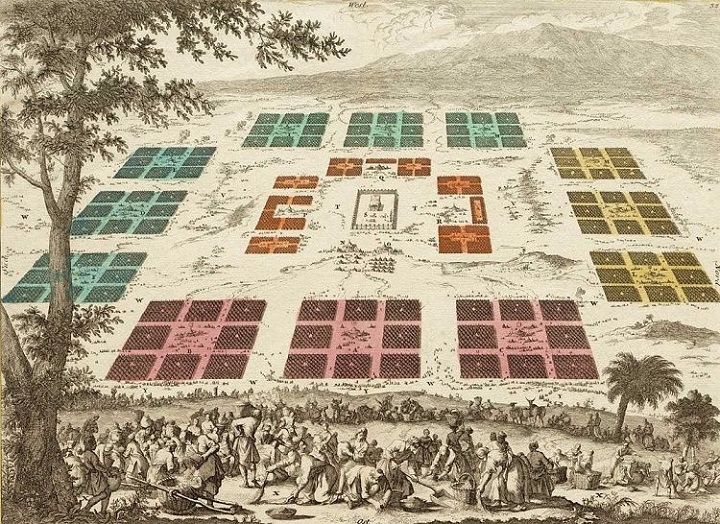
The late British anthropologist Mary Douglas proposed that Leviticus was designed to reflect the structure of the Tabernacle, which in turn reflects the division of space during the revelation at Mount Sinai. In this reading, the two screens or curtains that divide the Tabernacle are represented by Leviticus’ only two narratives.

Moses’ Commandments: The Secret of R. Nissim of Marseilles

Moses’ Commandments: The Secret of R. Nissim of Marseilles

In the 14th century, R. Nissim of Marseilles suggested that God told Moses only the general command for the Tabernacle and the laws in the Torah, and Moses himself wrote the details and attributed them to God as a way of glorifying God. A close look at many passages in Deuteronomy suggests that this was an early conception of Moses’ role in commanding the mitzvot.

The Zer

The Zer

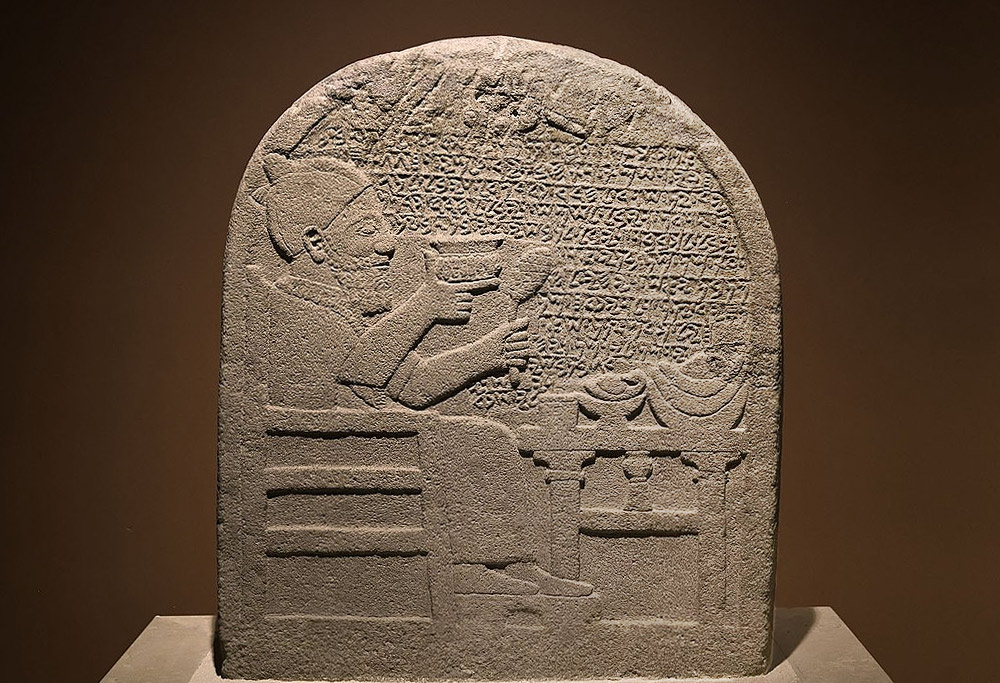
What exactly is the זֵר (zer), mentioned ten times in the furnishing of the tabernacle? A test case for the importance of archaeology in understanding Torah.
Highlighting Juxtaposition in the Torah

Highlighting Juxtaposition in the Torah

The well-known rabbinic principle of אין מוקדם ומאוחר בתורה (there is no chronological order in the Torah) is often understood to be a hermeneutical solution to a textual, peshat problem. The principle, however, should be understood as midrashic, formulated to highlight other reasons for which biblical accounts could have been juxtaposed.