God

Sodom’s Collective Punishment—Shall the Judge of All the Earth Not Do Justice?

Sodom’s Collective Punishment—Shall the Judge of All the Earth Not Do Justice?

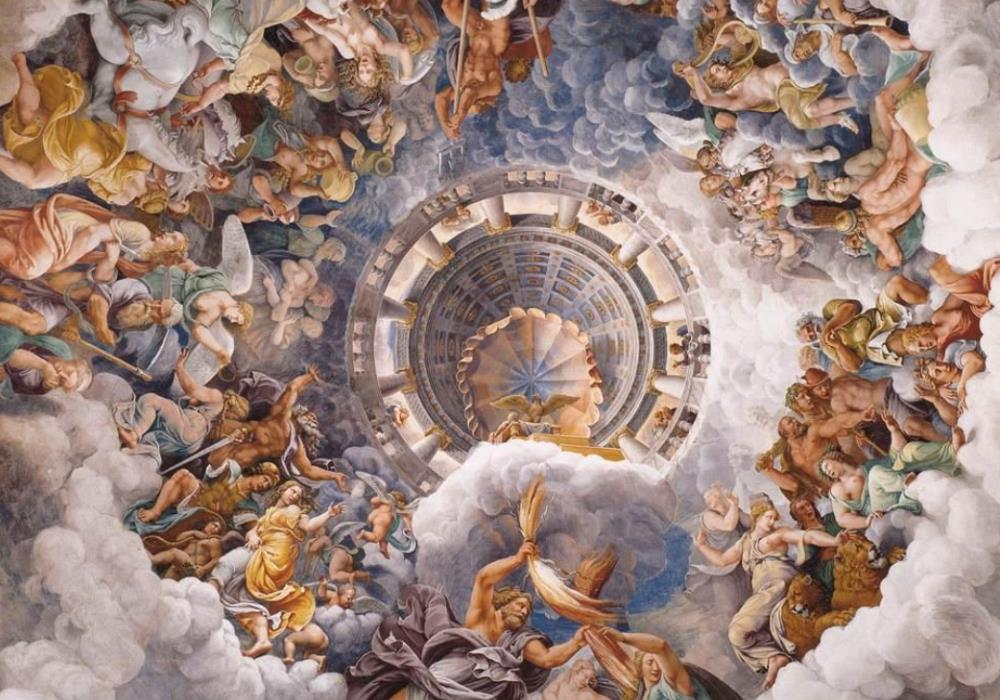
Abraham challenges God’s plan to destroy Sodom with two distinct arguments: the innocent must not suffer alongside the guilty, and a righteous minority should suffice to spare an entire city. Why does Abraham stop at ten innocents? Can collective punishment ever be just? The Rabbis sharpen Abraham’s critique of divine justice. Yet the story’s implications extend beyond whether perfect justice is attainable: God chose Abraham to teach his descendants righteousness and justice, even when it means challenging God.

YHWH and Elohim: One God, Different Attributes

YHWH and Elohim: One God, Different Attributes

Why does Elohim, and not YHWH, create the world? Philo and the rabbis—though in opposite directions—each read the two names as two divine attributes, one beneficent and one that judges. The kabbalists see these as the sefirot דין Judgment and חסד Lovingkindness—while Ramchal further unites them as two colors in the prism of the divine crystal.

God’s Absence

God’s Absence

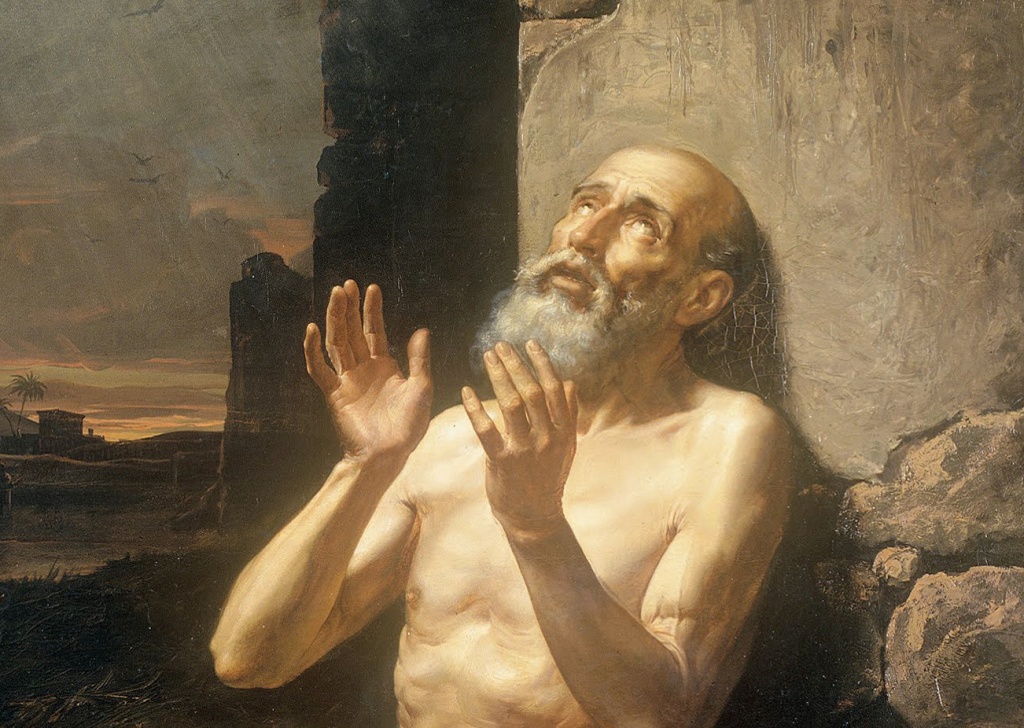
In the Bible, God’s appearance is a blessing, while God’s hidden face is a punishment. But does that mean we've been punished for millennia? Chasidic masters offer a profound reinterpretation: God’s absence is a divine invitation—calling those who are willing to seek God out, to forge a deeper connection.

Taking Refuge in God beyond the Temple Walls—Psalm 27

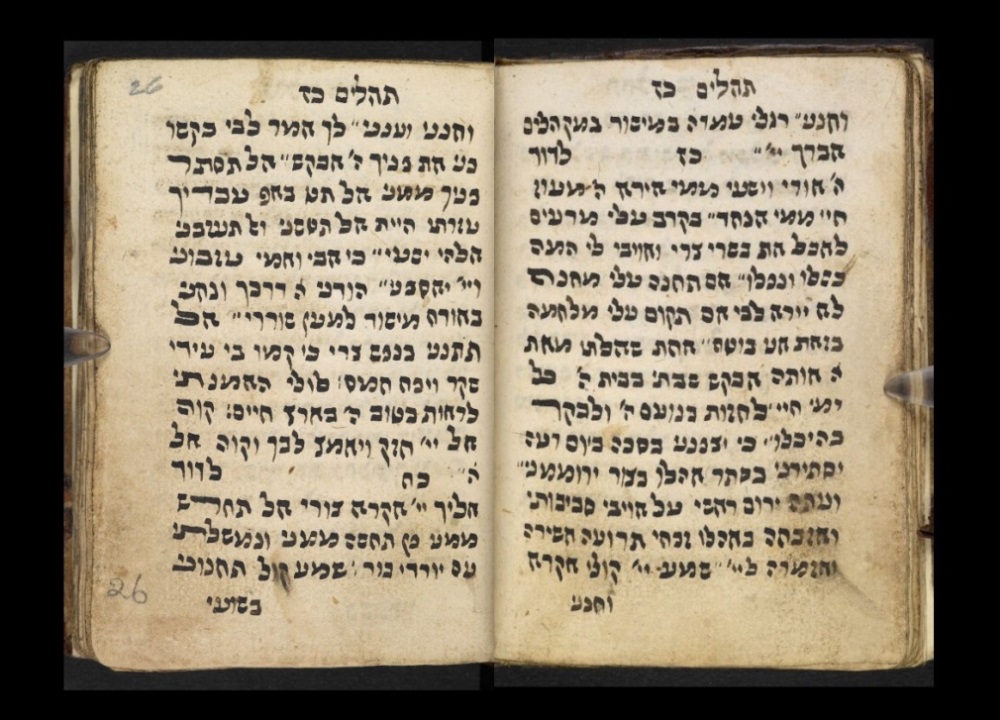
Taking Refuge in God beyond the Temple Walls—Psalm 27

Seeking a permanent connection with their god, ancient Mesopotamians would place votive statues of themselves in front of their god. Psalm 27 represents the Israelite alternative: the spoken request to see YHWH face-to-face uses words, not statues, to give the petitioner a refuge with God that endures even after departing the Temple.
Atoning for the Golden Calf with the Kapporet

Atoning for the Golden Calf with the Kapporet

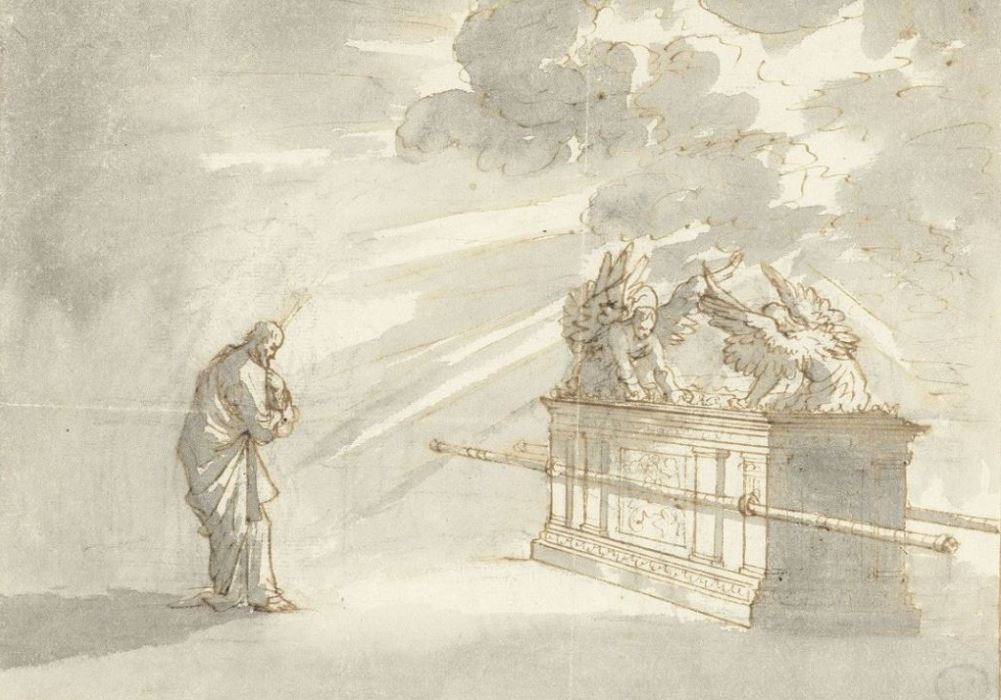
Atop the kappōret, the ark’s cover, sat the golden cherubim, which framed the empty space (tokh) where God would speak with Moses. Drawing on the connection between the word kappōret and the root כ.פ.ר (“atone”), and noting how the golden calf episode interrupts the Tabernacle account, the rabbis suggest that the ark cover served as a means of atoning for the Israelites’ collective sin.

God Is King: Now or Only in the Future?

God Is King: Now or Only in the Future?

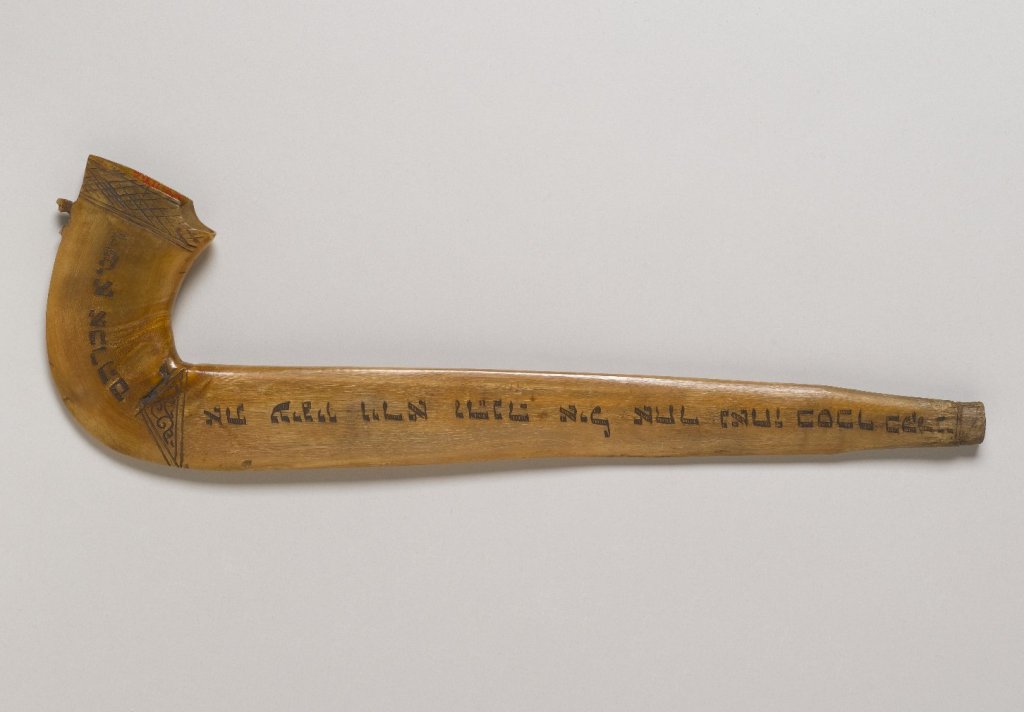
Malchuyot is a prayer for the coming of God’s exclusive kingship over Israel. In contrast, the psalm of the shofar (Ps 47) offers an alternative approach, to stop waiting for God’s eschatological intervention and start building rapport with other religious groups, all of whom are the “Am Elohei Avraham,” the retinue of the God of Abraham.

Shema Yisrael: In What Way Is “YHWH One”?

Shema Yisrael: In What Way Is “YHWH One”?

The Shema has many interpretations, philosophical, eschatological, national, etc. A historical-critical way to understand the Shema is to read it (and Deuteronomy more broadly) against the backdrop of Assyrian domination, when Assyria touted their god Ashur as the supreme master of the world.
YHWH: The God that Is vs. the God that Becomes
YHWH: The God that Is vs. the God that Becomes

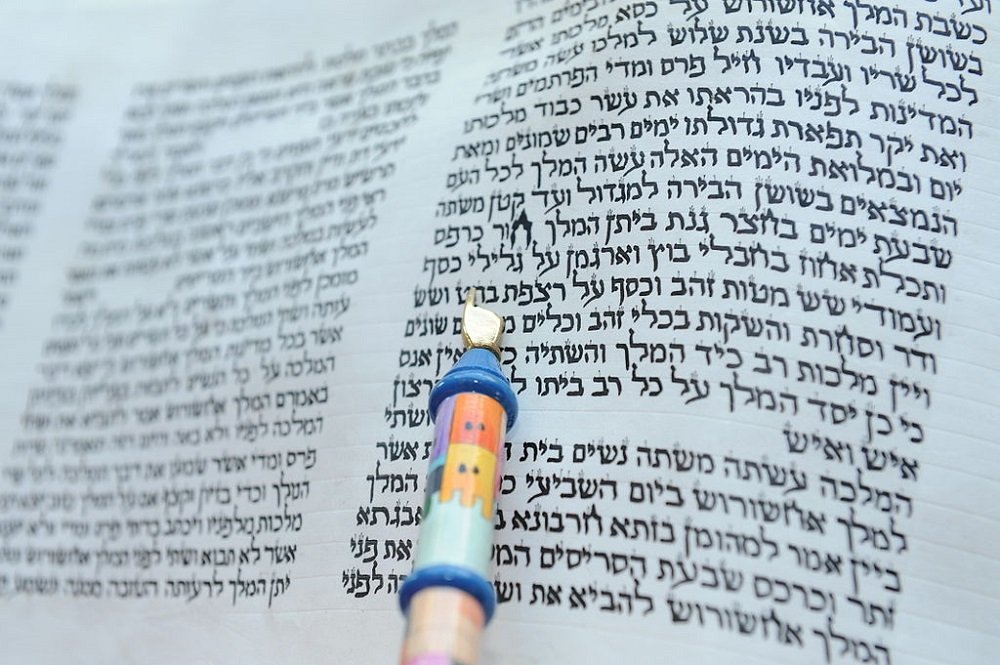
The meaning of God’s names, especially YHWH, is central to Jewish theology. Two approaches have dominated: the philosophical, focusing on God’s essence (“being”) and the kabbalistic, focusing on God’s evolving relationship with Israel (“becoming”). Some modern thinkers such as Malbim and Heschel have looked for new syntheses or formulations.

Authority Needs Language

Authority Needs Language

By erasing the boundaries between Written and Oral Torah, and removing any clear content from God’s revelation of law, Sommer undermines the concept of authoritative halakha that he wishes to refine.

Modern Faith in Sinai

Modern Faith in Sinai

Notwithstanding modern day biblical critical and historical critical claims, applying the tools of contemporary philosophy demonstrates how room still exists to have faith that something extraordinary happened to our ancestors and that this event had a permanent effect on the development of Torah and Judaism.

Torah from Heaven: Redefining the Question

Torah from Heaven: Redefining the Question

Many Orthodox Jews believe that God composed the Torah, and feel no need to inquire further. Nevertheless, it does occurs to me to inquire further, and find a respectful answer to the question of how people, including myself, come to this belief. An honest question beats a dishonest answer, even if the dishonest answer produces much more comfort.