Kosher Torah Text? Three Generations of Maimonides—Strict to Lenient
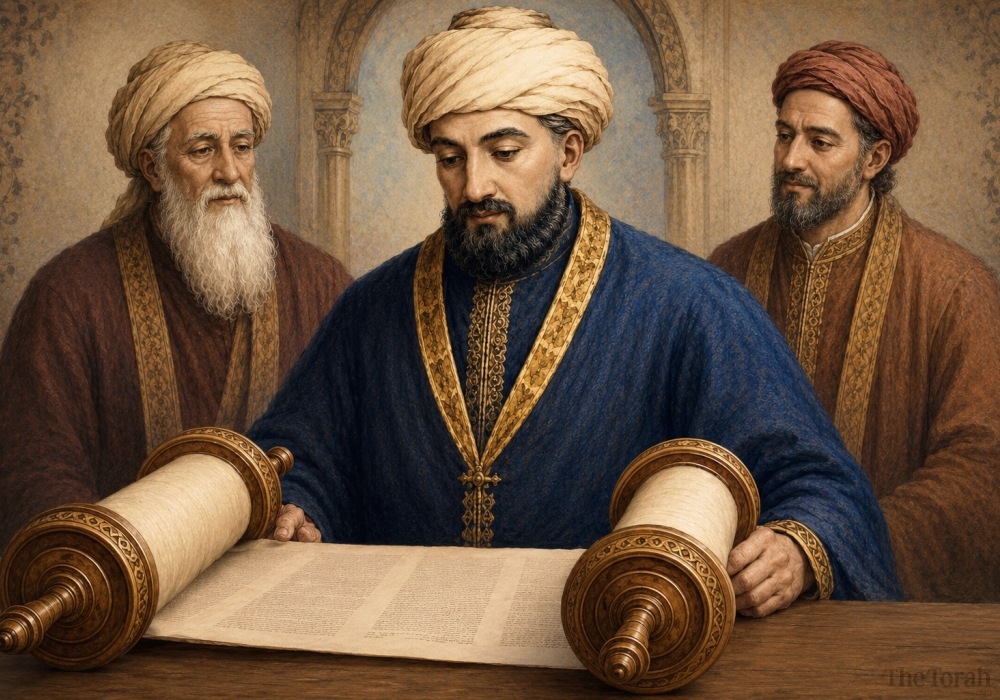
Rabbi Maimon, Moses Maimonides’ father, believed that the Torah’s exact wording and layout had been divinely dictated to Moses down to the smallest detail—including paragraph divisions (open vs. closed), spelling (defective vs. plene), and even the decorative taggin atop certain letters. Maimonides, despite his rationalist philosophy, largely maintained this stringent view, though he would not invalidate a Torah scroll due to missing taggin. His son, R. Abraham, further relaxed the requirements as the realities of medieval manuscripts made the older standards untenable.
Shoo the Mother Bird Away to Live Longer
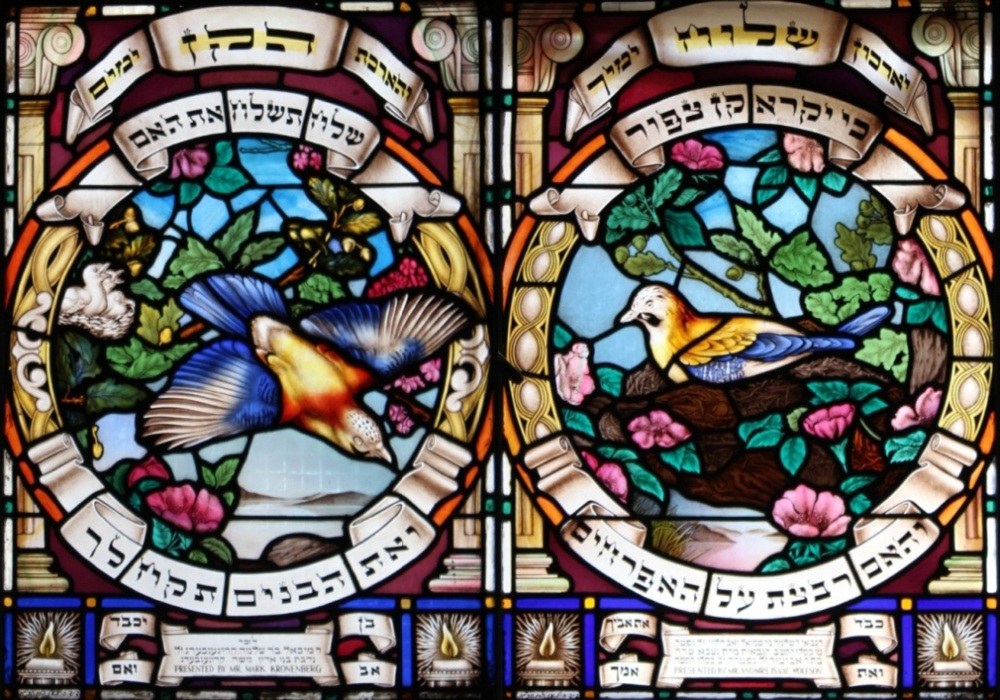
Is the Torah concerned with compassionate treatment of animals? The command to send away a mother bird before taking her eggs or chicks is one of four animal family laws that highlight the bonds between animals and their offspring. But these laws are not about preventing emotional pain for the animals—they ask us to recognize their familial bonds, even when humans ultimately override them.

Do We Know the Original Text of the Torah?
Well, we can theoretically arrive at a 3rd century B.C.E. archetype by using the conservative Masoretic Text (MT) as the default and comparing it with non-harmonistic variants in the Septuagint (LXX), Samaritan Pentateuch (SP), and Qumran fragments. But textual criticism offers little help in understanding what the text of the Torah looked like at an earlier stage, or how and when it was composed.
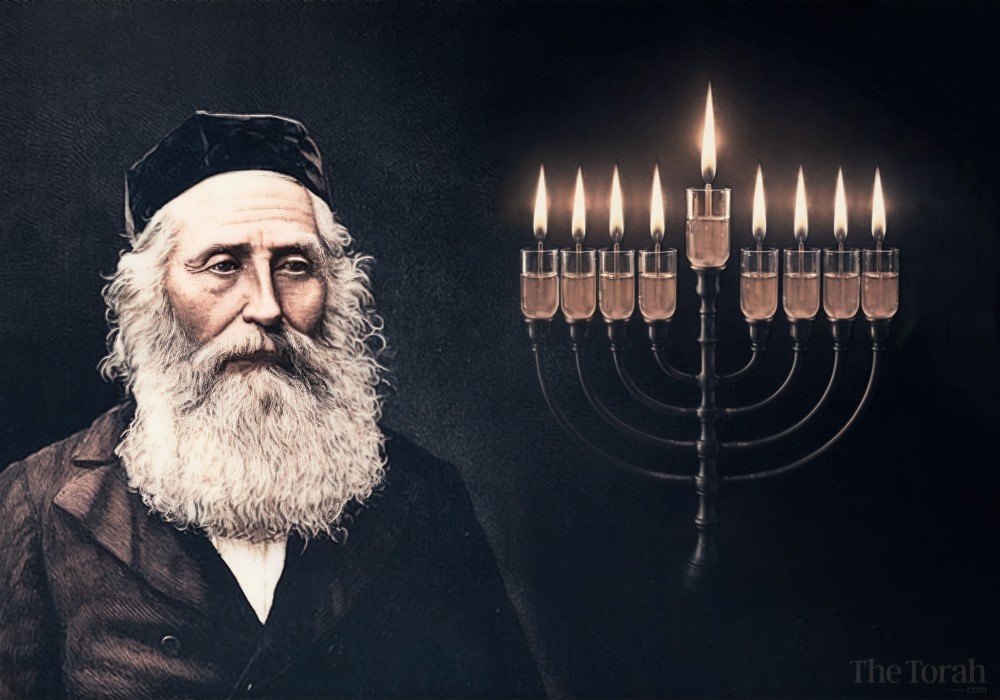
The Chanukah Oil Miracle Never Happened—A 19th Century Heresy
The miracle of the jug of oil lasting eight days is first narrated in the Babylonian Talmud, centuries after the establishment of Chanukah. In 1891 Poland, Chaim Zelig Slonimski, an observant, science-minded Jew, denied the historicity of this miracle, claiming that he was following in the footsteps of Maimonides. Some of his enlightened colleagues—and even some secular Zionists—thought he was endangering people’s connection to Judaism and providing antisemites a pretext to mock the Talmud.
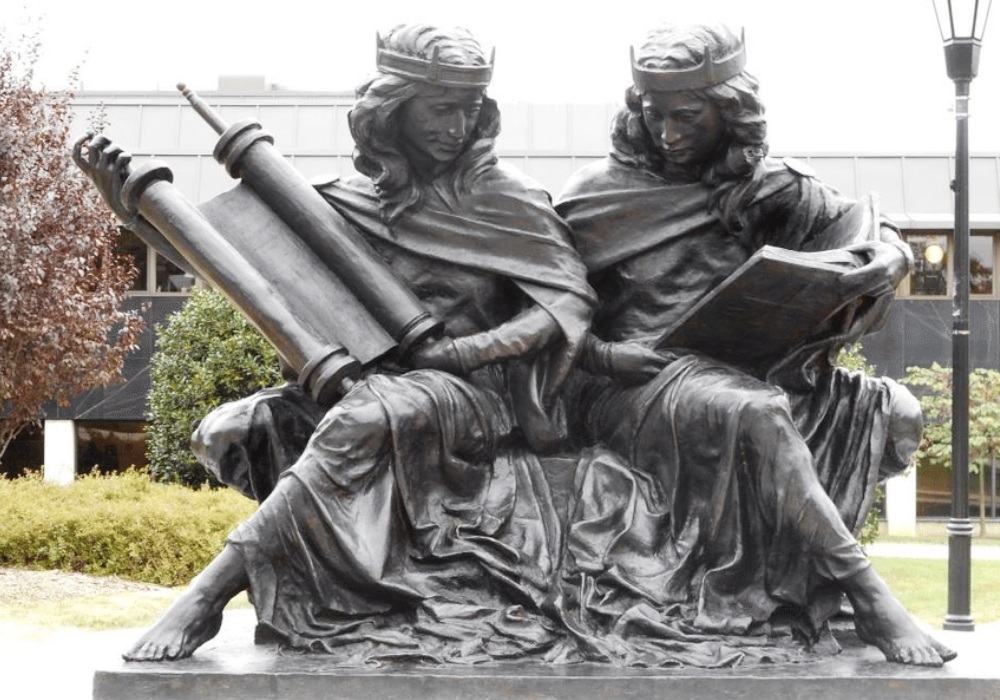
The Second Torah
Originally, Deuteronomy presented itself as the torah, and even after its incorporation into the Pentateuch, it retains a distinct identity, which is why the Septuagint translates mishneh torah (Deuteronomy 17:18) as deuteronomium, “Second Torah.” At the same time, with the canonization of the Pentateuch, the role of the “second Torah” was claimed by: Jubilees, some Dead Sea Scrolls, Philo, early Christians, and ultimately the rabbis, culminating in the composition of the Mishnah. A millennium later, Maimonides presented his Mishneh Torah as the (so-far) complete and final embodiment of that second revelation.

Do Not Hate! Rebuke Without Sin
In sequence, Leviticus 19:17 commands: do not hate, do rebuke, and do not incur guilt. What is the relationship between these imperatives—and what do they teach us about the biblical art of rebuke?

Song of Songs: A Secret for Maimonides, An Open Book for Gersonides
Study science to fall in love with God is the message of the Song of Songs according to both Maimonides and Gersonides. Whereas Maimonides believed it was forbidden to make the hidden meaning accessible to the average person, by the time Gersonides was writing a century later, the philosophical reading of the Bible was well known. Thus, he not only explicates the text but also quotes Aristotle 49 times to make his points.
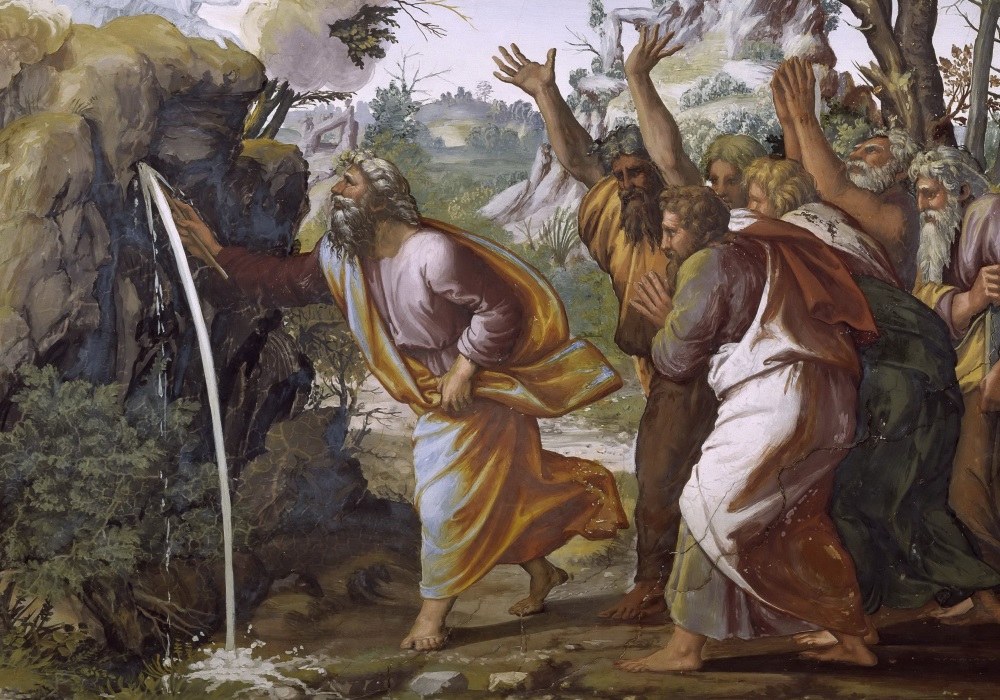
Moses Strikes the Rock: His Sin Depends on Your Worldview
Do miracles enhance faith? Rashi and Maimonides’ diametrically opposed positions on this question lead them to very different explanations for Moses’ sin. In between them is Ibn Ezra, who has a secret as to how miracles work and why Moses failed to perform his correctly. Avvat Nephesh, in the 14th century, rejects his predecessors’ explanations, and instead critiques Moses and Aaron’s passivity and lack of leadership; they waited for God to provide answers instead of taking initiative.
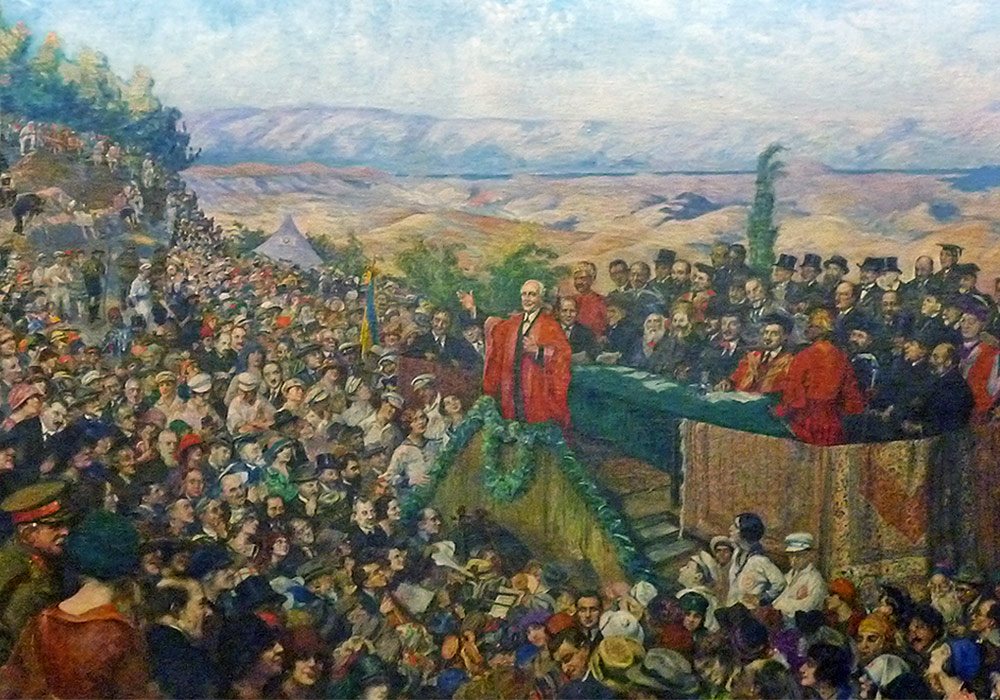
Why Should the Scientific Study of the Bible Matter to Us?
In a 1927 speech at the inauguration of the Hebrew University’s Institute for Jewish Studies, Dr. Rabbi Felix Perles called on Jewish scholars to be on the forefront of critical Bible study. He compares this effort to how Maimonides, even though he was accused of abrogating the Torah, incorporated philosophical study into Judaism.

Abraham Is Not a Jew. How Is He a Jewish Role Model?
Was Abraham the founding father of what became the Jewish people, only the precursor of Moses? Alternatively, does he represent the human ideal, from which his descendants went astray, but that can be partially achieved through observance of the Torah?
Is Logic Enough to Prohibit Father-Daughter Incest?
The absence of an explicit prohibition in the Torah against father-daughter incest led to a debate among the talmudic-era rabbis, and eventually among medieval Rabbanites and Karaites, about whether such a prohibition should be derived from a logical a fortiori (קל וחומר) argument or from a hermeneutic (גזרה שוה) one.

Did YHWH Speak to Moses Face to Face?
But doesn’t YHWH tell Moses that “no human can see me and live”(Exodus 33:20)?

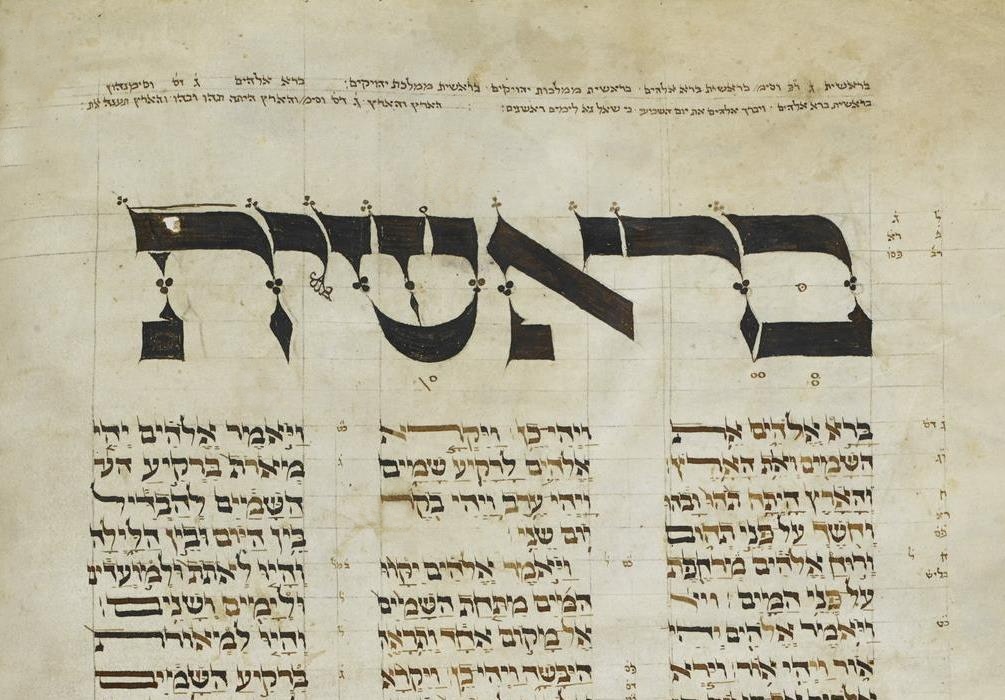
Why Is Creation in the Torah?
History according to Rashi, science according to Maimonides. In Maimonides’ view, the Sages knew that hidden behind the allegorical language of the creation account is Aristotelian physics. This knowledge was lost until he (Maimonides) figured out the secret on his own.

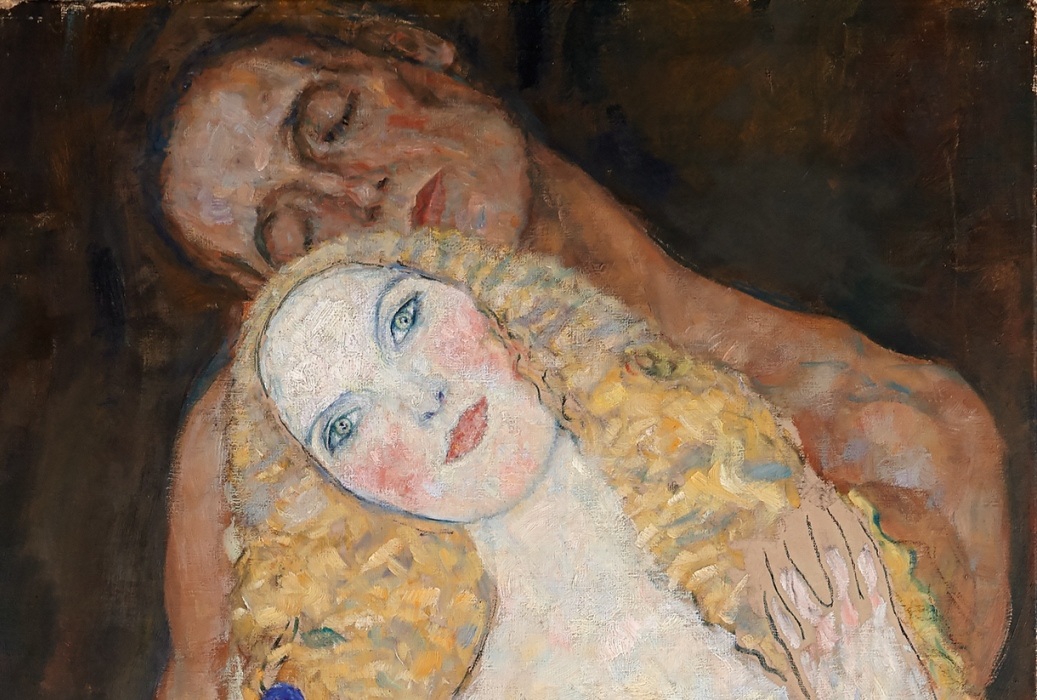
A Relationship with God Is Not Enough: Adam Needed Eve
Human perfection cannot be achieved only through intellectual and spiritual development, but requires companionship and physical intimacy.
Creating Order from Tohu and Bohu
God encounters the primordial תֹהוּ וָבֹהוּ (tohu and bohu), dividing it into its constituent parts and reshaping it into a wiser, more orderly world, a task entrusted to humans thereafter.
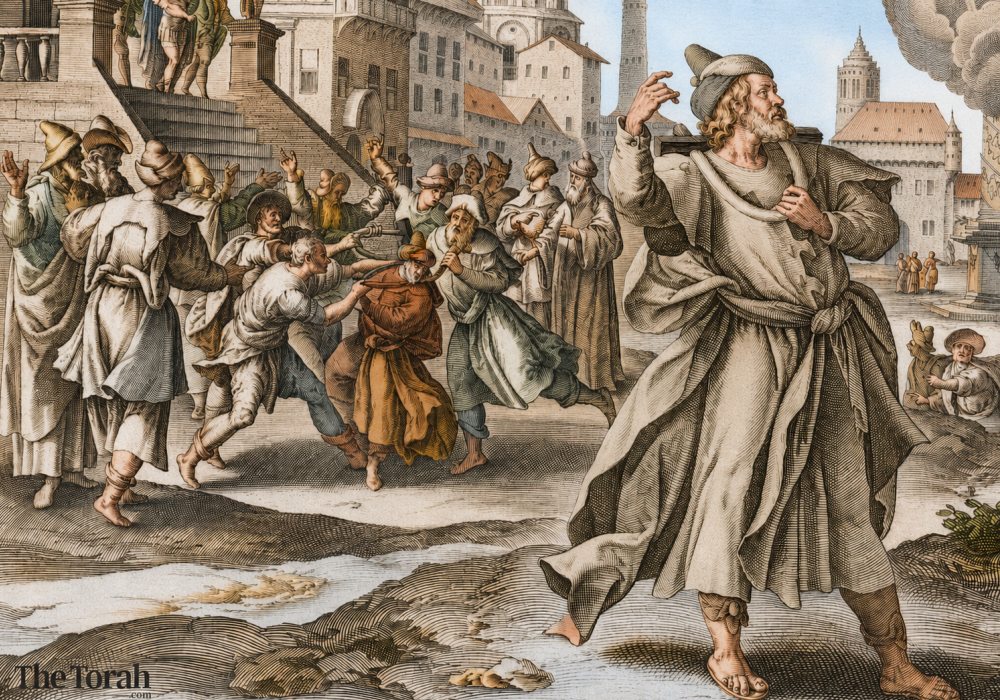
How Do We Know a True Prophet? Jeremiah vs. Hananiah
Jeremiah urges Judah to submit to Babylon while Hananiah claims that Babylon will soon fall. Both use the same prophetic tropes to convince their listeners. Maimonides reads this story as a blueprint for distinguishing true prophets from false ones.
Can the Torah Be a Moral Authority in Modern Times?
The Torah is often used to highlight various ethical values while its many ethically problematic commandments are ignored or explained away. Is there a way to treat the Torah as a moral authority while honestly confronting the ethical issues it raises?

What Did the People Hear at Mount Sinai?
The answer, or lack thereof, teaches us something important about the meaning and limits of divine revelation.
Prophecy and Legislation After Moses
Deuteronomy promises the Israelites that God will continue sending prophets “like Moses.” But if the Torah’s legislation cannot be adjusted, what is the role of later prophets? And how can all the changes to Torah law made by the rabbis be justified?

Israel’s Army: What Is the Basis for the Draft in Jewish Law?
When the State of Israel was established, the leading figures in religious Zionism had to justify Israel’s right to conscript soldiers using Jewish legal sources.
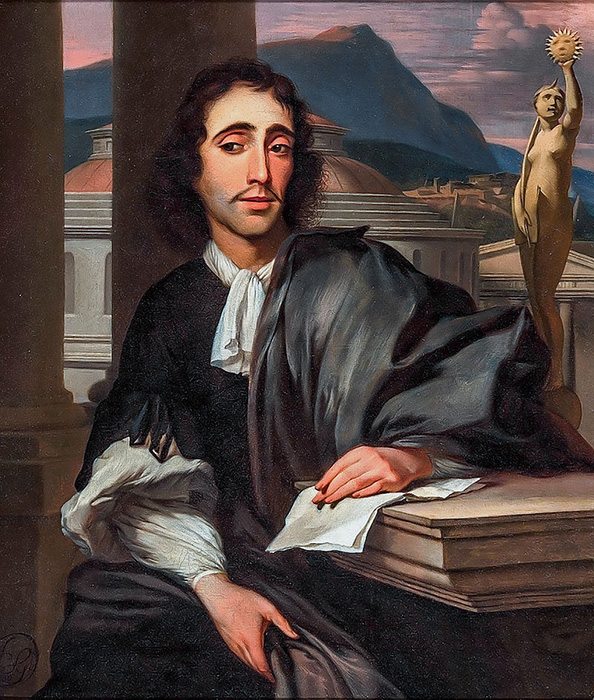
Spinoza: Who Wrote the Bible Determines How We Read It
Baruch Spinoza was excommunicated for his controversial beliefs about Judaism, including his rejection of the tenet of Mosaic authorship. However, Spinoza’s real originality is his radical and innovative claim that the origin of the biblical texts holds great significance for how they are to be read and interpreted.

Black People in Jewish Tradition: Eliminating Racism Requires Honesty
Like many traditions with a long historical pedigree, Judaism has inherited its share of texts with racial bias. Failure to acknowledge this is one reason for prevalent conscious and subconscious racist views that can be found in the American Orthodox Jewish community—the community of which I am a part—which sometimes reveal themselves in overt statements and actions.

Sin of the Spies: God’s Ruse to Keep Israel in the Wilderness
The Torah is clear that God refuses to allow the exodus generation to enter the land as a punishment for their sinful reaction to the spies’ report. Maimonides, however, argues that the punishment was a ruse; God never intended to allow that generation to enter the land.
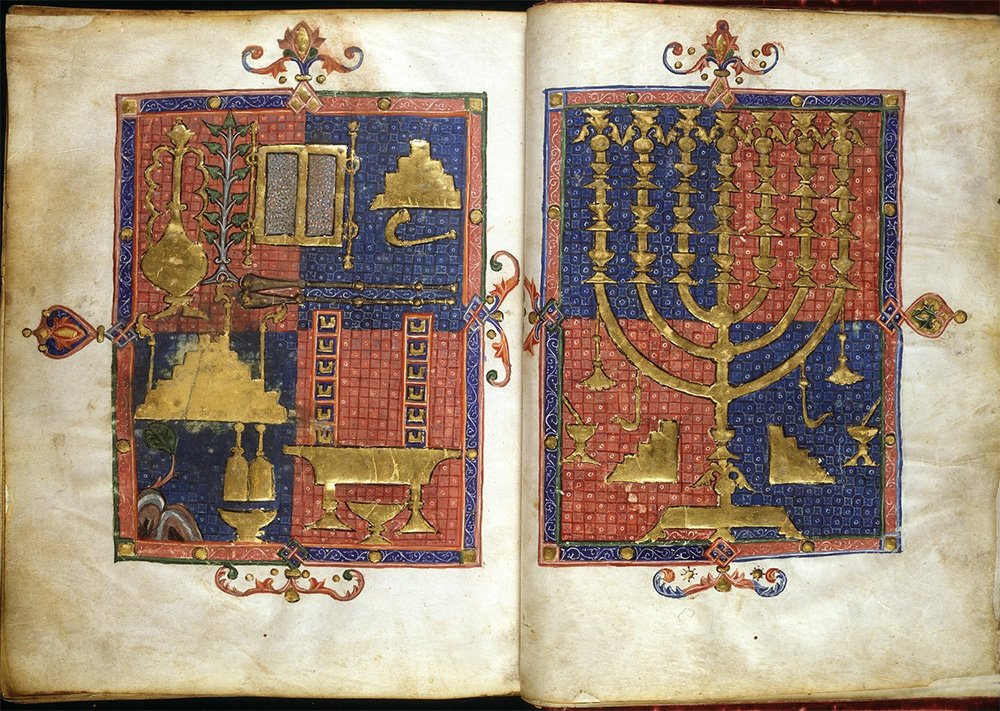
Tabernacle, Sacrifices, and Judaism: Maimonides vs. Nahmanides
Who needs the Tabernacle? What is the purpose of sacrifices? Maimonides and Nahmanides have radically different answers to these questions, reflecting a core debate about the nature of Judaism and the purpose of its rituals.

The Tabernacle: A Concession to Human Religious Needs?
Why does God need an opulent dwelling, with precious metals and jewels, and priests with lush colored outfits? According to Maimonides, God doesn’t; it is we who need it.
When Did the Bible Become Monotheistic?
It is often said that monotheism is one of Judaism’s greatest contributions to Western culture; however, it is far from clear that the Hebrew Bible is monotheistic. What is monotheism and when did it first develop?
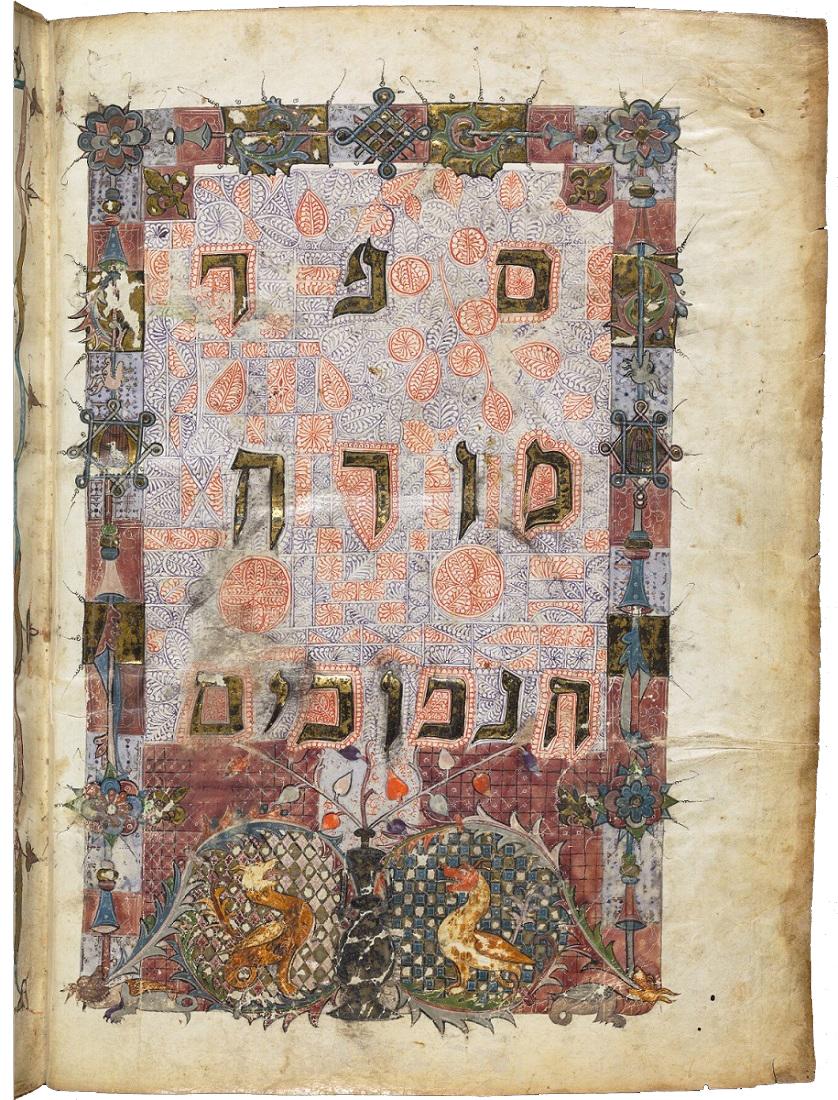
Is the Divine Origin of the Torah Really Incompatible with Maimonides’ Philosophical Principles?
Some contemporary scholars have argued that Maimonides only meant to claim for the masses that God revealed to Moses the Torah as we have it today, that he himself could not have accepted the Divine authorship of Torah since it is incompatible with his philosophical principles. Yet, a correct understanding of Maimonides yields no such incompatibility, and, indeed, there is to no reason not to take him at his word.
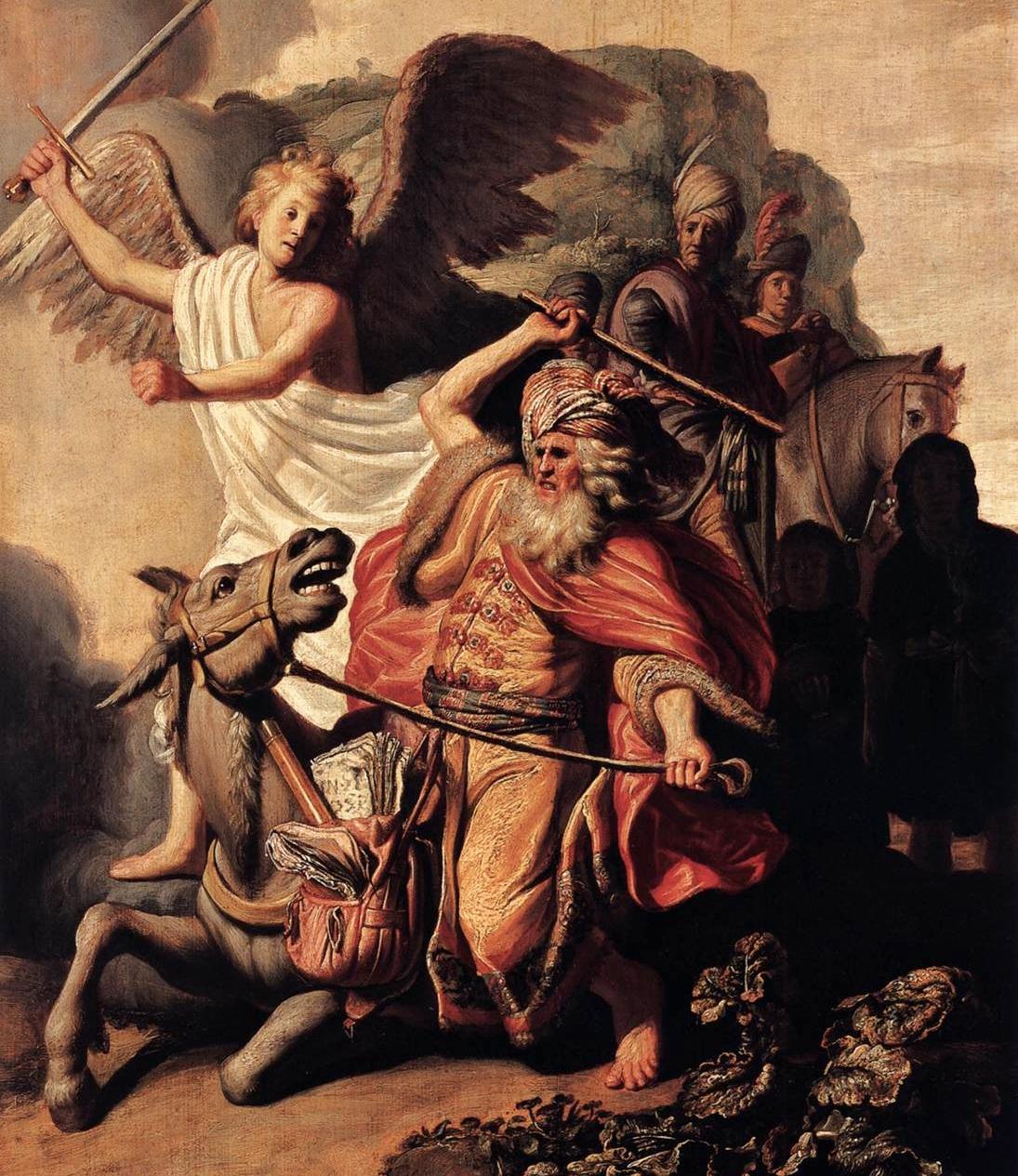
Do Animals Feel Pain? Balaam’s Donkey vs. Descartes
In contrast to Descartes’ theory of animals as automatons, the Torah and rabbinic text express deep concern for animal suffering. One vivid example is the donkey’s rebuke of Balaam, “What have I done to you, that you have struck me?” (Num 22:28).
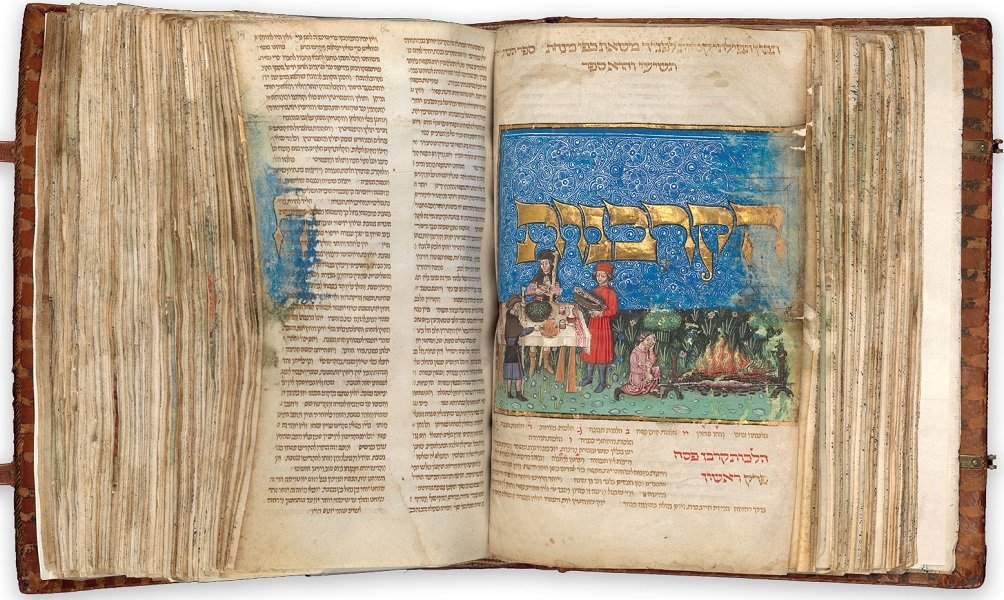
On the Problem of Sacrifices: Maimonides’ Ladder of Enlightenment
Maimonides, in his Guide of the Perplexed, portrays sacrifices as a ruse to repudiate idolatrous practices prevalent at the time. In Mishneh Torah, however, Maimonides states that the messiah will rebuild the Temple and restore sacrifices just as they once were. How are Maimonides’ two works reconcilable?
Source Criticism Enhances Our Acceptance of the Torah
Traditional commentators endued certain Torah references with midrashic or esoteric purport in an effort to counteract those who mocked them. But in so doing, they were conceding the mockers’ evaluation of these texts as being, prima facie, inconsequential. Fortunately, source criticism helps us accept these texts without discomfort, obviating the compulsion to interpret them away.
Why the Torah Prohibits Incest
Although incest taboos are found in the majority of cultures, medieval Jewish thinkers found this to be an insufficient explanation for the Torah’s prohibitions.

Were Maimonides and Some of His Followers Orthoprax?
Debate over Maimonides’ orthodoxy already began in his lifetime, but for the contemporary believer, the stakes are especially high.

The Origins and Use of the 613 Mitzvot
The development of the idea that the Torah has 613 mitzvot: From Talmudic aggada, to geonic liturgy, to medieval enumerations.

The Song of the Well, Psalm 136, Was Removed from the Torah
The Song of the Well, as recorded in Numbers 21:16-18, is only a brief excerpt. While many commentators assume that the song was naturally short, R. Yehudah HeChasid presents a radical suggestion that the song was actually cut from the Torah and placed in the book of Psalms by none other than King David.
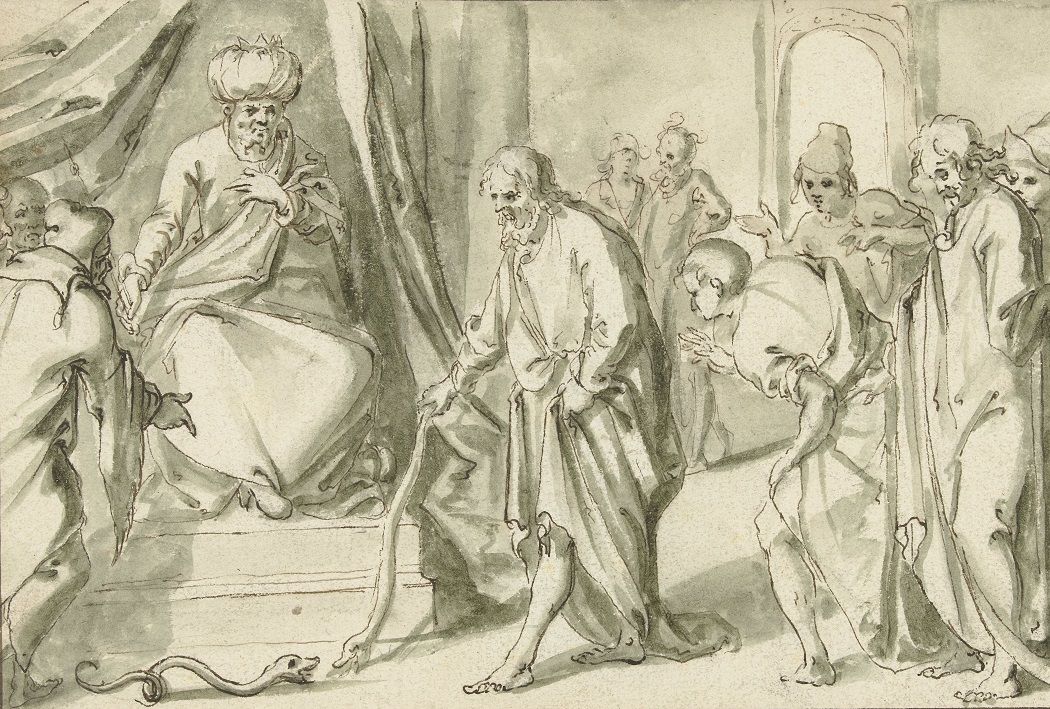
The Ethical Problem of Hardening Pharaoh’s Heart
It seems unethical for God to deny Pharaoh free will and then punish him for his actions. Rashi, Nahmanides, and Maimonides all struggle with this problem, and each assumes that even Pharaoh deserves to be treated fairly.
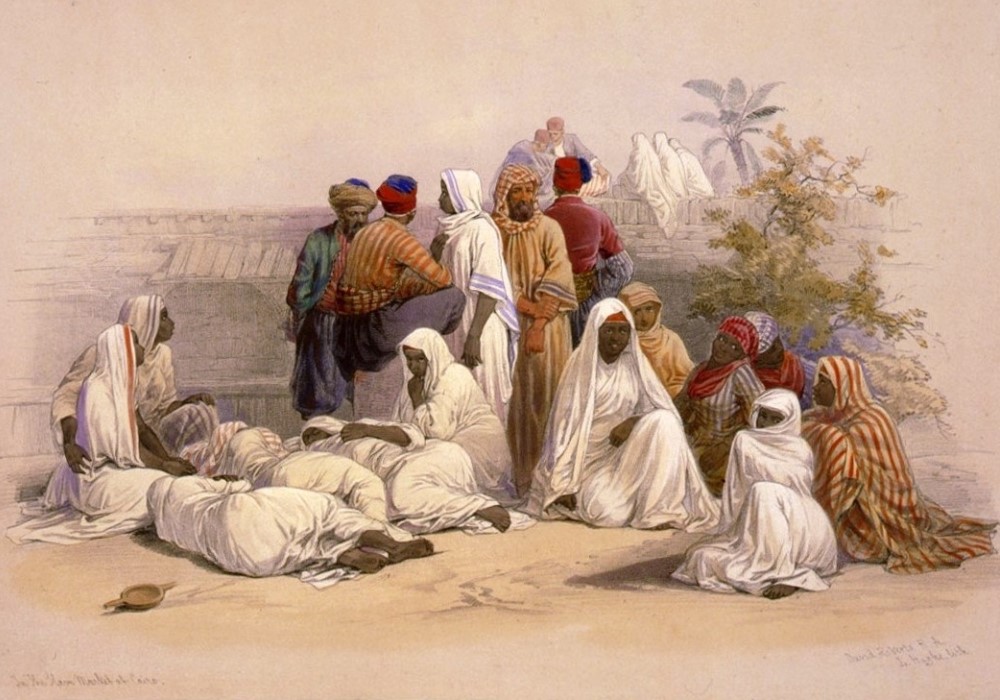
The Treatment of Non-Israelite Slaves: From Moses to Moses
The Bible already expresses ambivalence about Hebrew slavery, the rabbis expand upon it and Maimonides takes the next step, applying the negative evaluation of slavery even to non-Israelites.

Torah Narratives with Angels Never Actually Happened: Heretical or Sublime?
Maimonides believes that any story in the Bible with angels is a prophetic vision. Nahmanides calls this position “forbidden to believe” and claims they are real occurrences. Must the Torah be historically true or just philosophically?

What Is Prophecy?
The nature of prophecy is perhaps one of the most overlooked questions, but it was critically important to the medieval Jewish philosophers Sa’adia Gaon, Judah Halevi, Ibn Ezra, and Maimonides.

The Secret of the Ma’aseh Merkava According to Maimonides
Already in the time of the Rabbis, Ezekiel’s vision of the chariot was considered to be esoteric knowledge. Although most Jewish exegetes interpret it as a metaphorical teaching about God, Maimonides interpreted it to be about science and astronomy. So why must it be kept a secret? Because Ezekiel was wrong and his science mistaken.
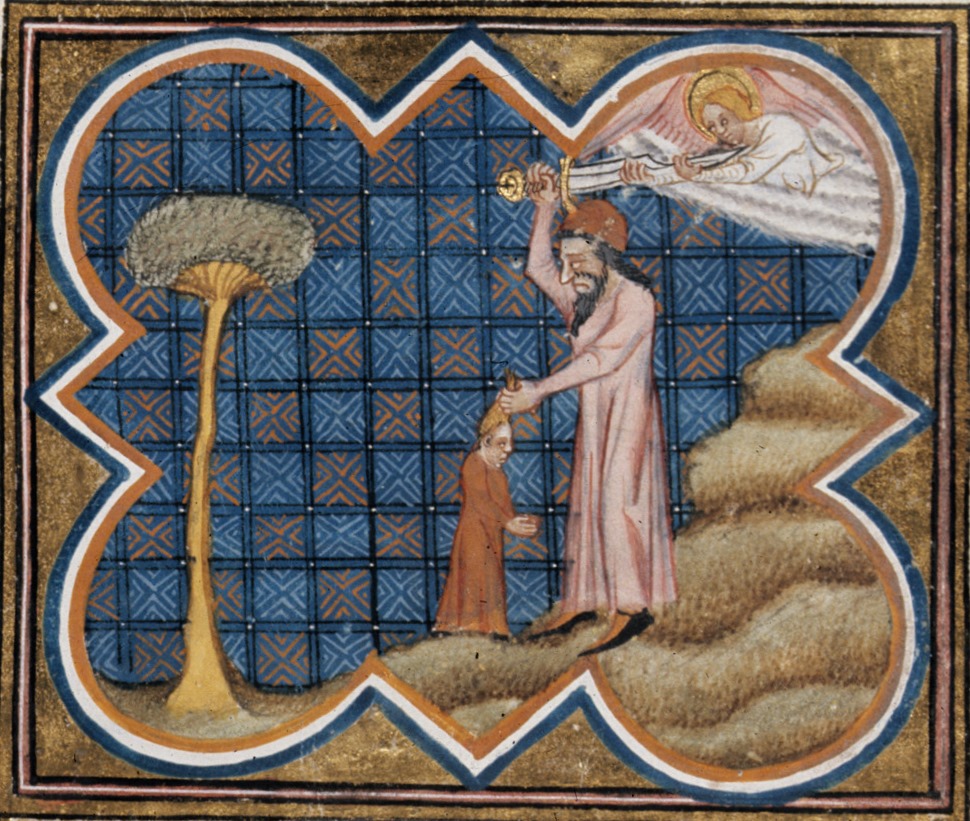
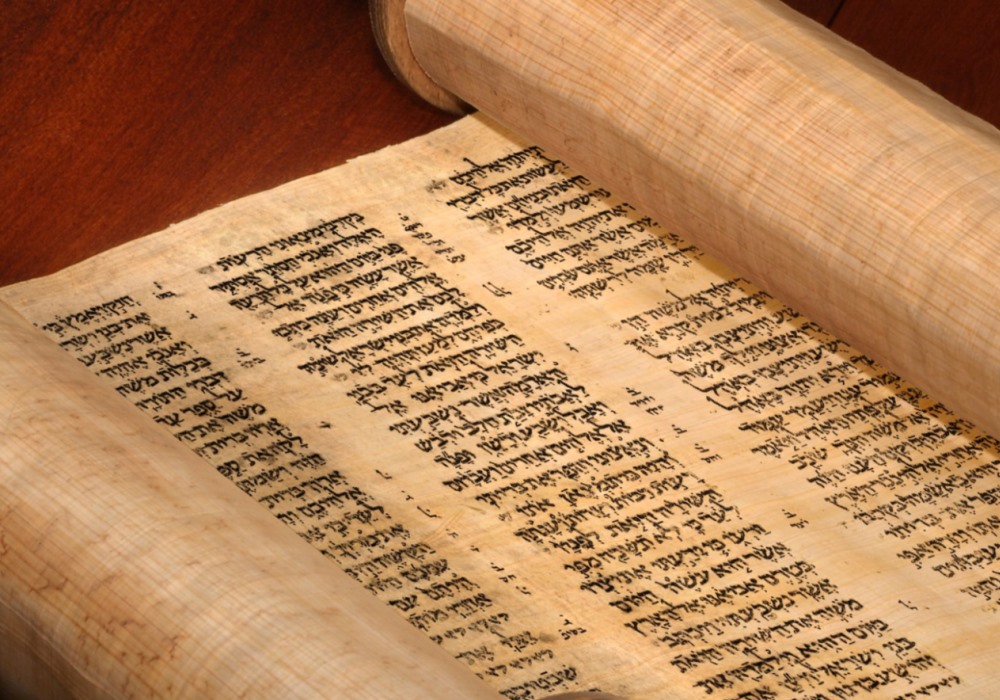
The Significance of Ibn Ezra’s Position that Verses Were Added to the Torah
“And this is the Torah that Moses Placed Before the Children of Israel” —Numbers 9:23

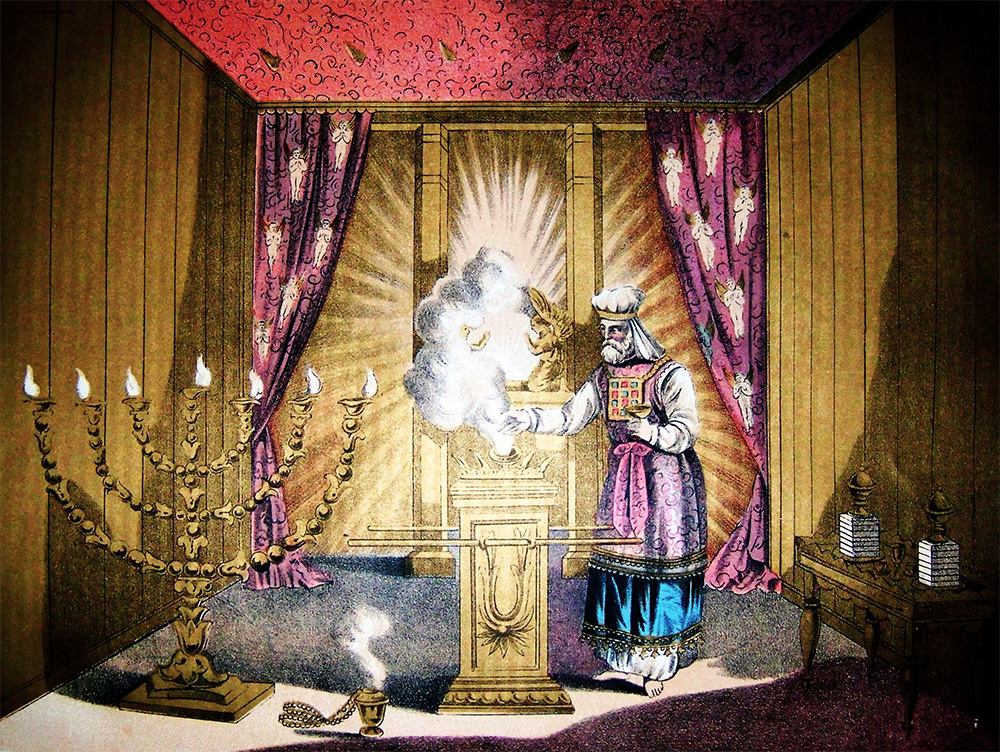
“The LORD Spoke to Moses” – Does God Speak?
Even those who categorically deny that God has form, is composed of matter, is visible, or is subject to the constraints of time and place, cannot seem to relinquish the notion that God speaks precisely as described in the Bible.

How Did Abraham Discover God? The Rationalistic Approach
The midrashic Parable of the Illuminated Palace centers on Abraham and the existence of God. Maimonides’ interpretation of the parable envisions an Aristotelian Abraham for whom God is a scientific fact.
Must We Have Heretics?
A proposal to return to the days before Maimonides’ thirteen principles defined the parameters of acceptable Jewish dogma.
